You lie down on a memory foam mattress in a non-air-conditioned bedroom, and after an hour you’re sweating. That’s because foam traps heat—it’s dense, with nowhere for the warmth to go. A ventilated coil system works differently. It’s about air moving through the mattress, not just the coils themselves. The gaps between the coils create channels, and when you sink into the bed, your body heat rises through those spaces instead of getting bottled up in the material. It’s physics, not magic.
Singapore’s humidity, often above 80%, makes the heat feel heavier. In a typical 28°C night, a memory foam mattress absorbs your body temperature and holds it close. A coil mattress with proper ventilation lets that humid air circulate and dissipate. The coils provide support, but the empty space around them is what does the cooling work. Think of it like a ceiling fan versus a sealed box—the fan moves the air, the box just lets the heat build.
There’s a counterintuitive point here: more coils can sometimes mean better cooling, not just better support. A higher coil count, properly spaced, creates more of those tiny air channels. But the real key is the open design around the coils—a thick, dense foam layer on top can block the airflow and defeat the whole system. Some mattresses pair coils with a breathable latex or a thin, aerated comfort layer to keep the pathway clear.
For most hot sleepers in a 4-room BTO, a ventilated coil mattress is the better call. The exception is if you need extreme pressure relief from a very dense foam; that trade-off for comfort might mean accepting a warmer sleep. But for anyone who’s felt stuck in a memory foam heat trap, the difference is real. You’ll notice it on those still, humid nights when the air outside doesn’t move at all—inside the mattress, it still can.
The first real sign a ventilated coil mattress is failing isn't just a dip you feel—it’s a dip you measure. That central sag, when it goes past three centimetres, is the tipping point. Comfort’s gone, sure, but the cooling function collapses too. Those engineered channels between the coils, the whole system designed to let air circulate and push heat away, get pinched shut. The mattress can’t breathe anymore.
In Singapore’s climate, this timeline accelerates. The constant humidity works on the materials, and the sheer thermal load from a body trying to cool down night after night adds strain. For a couple on a Queen, that central zone bears the most weight and heat. Without that airflow, you’re essentially sleeping on a heat trap. The promise of a regulated temperature just evaporates.
You can check it with a ruler laid across the surface. Look for that valley in the middle, the one that doesn’t bounce back. If it’s there, the mattress isn’t just worn—its core cooling technology is compromised. That’s the difference between a mattress that’s getting old and one that’s fundamentally broken for our needs here.
Some might think a little sag is just part of the ageing process, something to live with for a few more years. In a temperate climate, maybe. But in a 4-room flat where the bedroom doesn’t get the air-con all night, it’s a deal-breaker. The mattress becomes part of the problem, not the solution. When that dip hits three centimetres, it’s time.
In a typical 12 sqm HDB bedroom, the mattress edge becomes a functional seat. You'll perch there to tie your shoes, scroll through your phone, or just take a moment before heading out. That constant loading puts concentrated pressure on the outermost coils, a stress they aren't primarily designed for. Over time, this daily habit accelerates wear in a specific zone, leading to a noticeable dip where you always sit. The result is a compromised sleeping surface that feels uneven, even before you lie down for the night.
Edge collapse effectively steals precious square centimetres from your already compact sleeping quarters. A Queen mattress, at 152 by 190cm, needs to offer its full footprint to maximise the room's layout. When one side sinks, you lose usable width, forcing you to sleep closer to the centre and away from the compromised edge. This shrinkage can make the bed feel smaller than it actually is, disrupting the careful balance of furniture in a tight space. For couples, it might even mean one person inadvertently rolling into the dip during sleep.
A sagging perimeter often signals deeper trouble within the coil system itself. The steel springs along the border are typically reinforced, but repeated off-centre loading can fatigue them beyond their recovery point. This isn't just about surface foam compressing; it's about the foundational support structure giving way. Once those coils lose their spring, the entire mattress support profile changes, leading to a hammock effect where the centre feels firmer than the edges. That internal fatigue is a clear sign the mattress's core lifespan is shortening.
For a ventilated coil mattress designed for heat dissipation, edge damage can hinder its cooling performance. The airflow channels around the perimeter coils are crucial for venting warm air away from the sleeper's body. When those coils collapse, the intended air gaps can become compressed or blocked, reducing the system's overall breathability. In a non-air-conditioned room where ambient temperatures exceed 28°C, this means the mattress might not regulate sleep temperature as effectively as it once did. The cooling feature you bought specifically for Singapore's climate becomes partially compromised.
Treat edge sag as a critical early indicator, not just a minor comfort issue. It's a visible sign that the mattress's structural integrity is declining, often well before the centre sleeping zone shows similar wear. In a compact room where every piece of furniture needs to last, recognising this signal lets you plan for a replacement before total failure disrupts your sleep. Ignoring it means the problem will only deepen, eventually affecting the entire sleep surface and your rest. Addressing it promptly ensures you maintain a proper sleeping environment in your limited space.
" width="100%" height="480">Ventilated coil mattress: Identifying signs of wear and tearThat rhythmic groan from your mattress isn’t just a nuisance. It’s metal talking. A ventilated coil system is built for airflow and support, but those coils are steel, and steel has a memory. Over time, repeated compression—especially from heavier sleepers—can cause the metal to fatigue. The creak you hear on year three is often the sound of friction between coils that have begun to wear against each other, or a slight deformation in the spring itself. It’s not an immediate failure, but it’s a clear signal that the structure is changing.
Listen for the pattern. A single, occasional creak after a new sleeping position might be nothing. But a symphony of squeaks that follows every move, especially from the centre third of the bed where weight concentrates, points to broader wear. It’s one thing if you’re a solo sleeper under 65kg on a Queen. It’s another if you’ve got two adults sharing that same space, or if one partner is substantially heavier. The load matters.
So when you hear it, take note. A creaking ventilated coil mattress is telling you its best years are likely behind it. The support is degrading, and with that, the comfort and temperature regulation you bought it for start to fade. You can try rotating it more frequently to distribute wear, but that’s a mitigation, not a cure. For most, that audible cue around the third year is a sign to start planning a replacement. The only time I’d ignore it is if the sound is isolated to a single corner and you’re certain it’s just a loose fabric tag rubbing against a coil—a simple fix. Otherwise, that noise is the cost of a tropical climate and nightly use, speaking up.
Singapore’s climate plays a quiet, corrosive role here. Humidity accelerates oxidation, a process that can subtly degrade the protective coatings on cheaper steel coils. You might not see rust, but that microscopic wear can make the metal surfaces rougher, increasing friction every time you shift. A mattress marketed for cooling needs to manage heat without sacrificing longevity; the coil integrity is part of that equation. If the springs are losing their resilience, the mattress won’t support you properly, and that can undermine the whole cooling promise—a poorly supported body creates more pressure points and can actually sleep hotter.
A ventilated coil mattress's durability in Singapore hinges on its ability to withstand 80%+ humidity. The open coil structure promotes airflow, preventing moisture build-up that can degrade materials. Unlike dense foam that traps dampness, this design helps maintain structural integrity over years. Proper ventilation in your bedroom further supports the mattress's long-term resilience.
Delivery of a queen-size ventilated coil mattress, typically 152cm wide, requires navigating HDB lift doors. The standard lift opening is about 90cm wide, so mattresses are often delivered vertically. It's wise to measure your corridor turns and internal doorways, which are usually 91.5cm wide, to ensure smooth access. Leave a small buffer of 2–5cm to account for packaging.


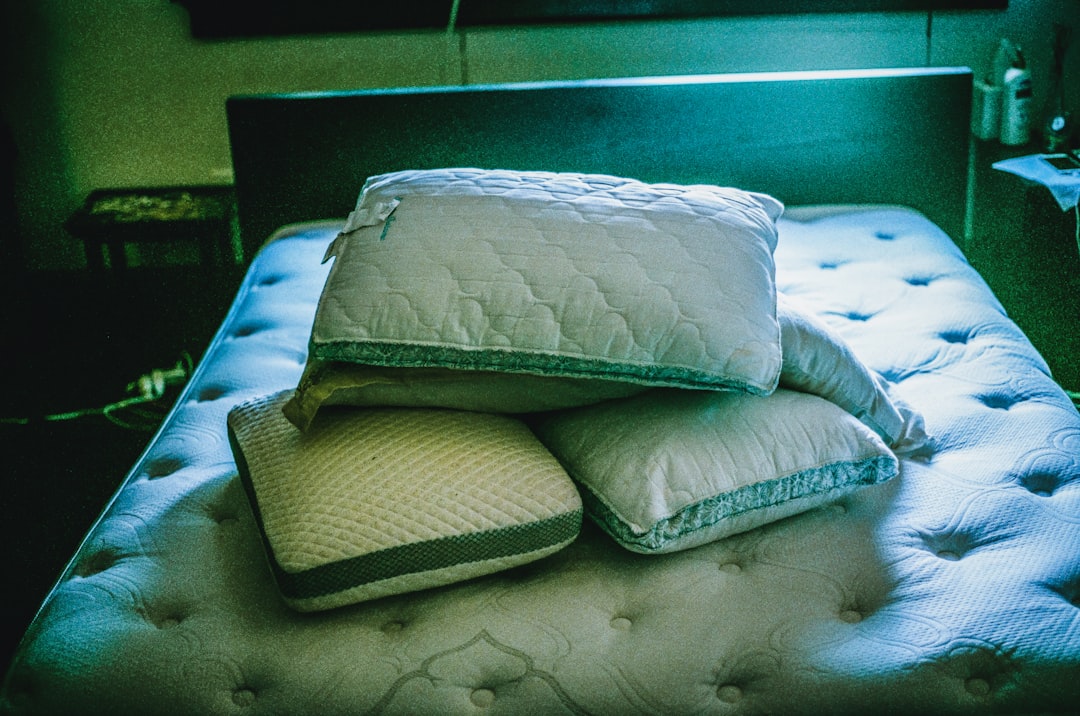
That cooling bamboo cover feels so crisp when you first unroll the mattress. It’s the layer you notice straight away, the one that promises to keep you cool on a humid night. But that promise hinges entirely on the fabric staying intact. Once it starts to thin or pill, the whole cooling effect goes downhill. You’ll feel the difference long before the coils underneath give any trouble.
Pilling is the real culprit here. It happens when the fibres fray and form those tiny, fuzzy balls on the surface. They’re not just unsightly—they trap air and reduce the fabric’s breathability. In a climate where bedroom temperatures can hover above 28°C, that trapped layer becomes a barrier. Your body heat doesn’t dissipate as it should, and you’ll start feeling warmer than you did when the mattress was new. Frequent washing accelerates this, especially if you’re not following a cold, gentle cycle. And households with pets add another layer of friction; claws and constant movement over the same spot wear down the weave.
Consider a typical scene in a 4-room BTO. The mattress sits in a master bedroom that gets used every single night. Maybe there’s a dog that likes to curl up at the foot of the bed. Over months, that favourite spot becomes noticeably smoother, less textured than the rest. The cover hasn’t torn, but it’s lost its loft. That’s the point where the mattress stops performing as a cooling surface, even though the ventilated coil system inside is still perfectly functional.
So what’s the exception? If you’re someone who uses a mattress protector and a fitted sheet from day one, and you never let pets onto the bed, the cover might last much longer. But for most households here, the cover is the first point of wear. You need to treat it as a consumable layer—one that you should inspect regularly. Check for thinning areas, especially along the edges and where you sleep most. If the texture has gone flat, the cooling promise has already faded. That’s the sign to think about a replacement cover or, if it’s beyond that, the whole mattress. The coils can last a decade, but the top layer won’t.
You can’t gauge a mattress’s cooling potential just by looking at a tag. The promise of ventilated coils or aerated latex is meaningless if the bed underneath you feels like a slab of concrete or collapses into a dip by morning. That’s why a trip to the showroom isn’t optional—it’s the only way to test whether the support system will actually hold up for your specific body. A cooling mattress that can’t keep its shape is a waste of money, no matter how breathable the cover claims to be.
Head to the Joo Seng or Tampines showroom and spend a good fifteen minutes on each Somnuz® model you’re considering. Don’t just sit politely on the edge. Lie down fully, the way you actually sleep. Roll from side to centre, feel how the coils respond under your shoulders and hips. Press down firmly along the perimeter—that edge integrity is what keeps you from feeling like you’re about to slide off when you sit on the side to read. A mattress that sags at the edges within a few years is a common complaint, and you can spot a weak one by testing its border support right there on the floor.
For hot sleepers, the support layer is critical because it dictates airflow. If the coils are packed too tight or the foam base is too dense, the whole ‘ventilated’ concept falls apart. You’ll still trap heat. So while you’re lying there, pay attention to whether you feel any bounce or a slight buoyancy that allows air to circulate. A dead, motionless feel is a red flag. The right one should have a responsive push-back, not a slow sink.
The exception? If you’re buying a mattress purely for a guest room that’s used a handful of times a year, you might skip the deep testing. But for your own master bedroom, where you’ll spend hours every night in Singapore’s humidity, this visit is non-negotiable. You’re not just checking for softness; you’re checking for longevity. A mattress that fails in support will sag and lose its cooling properties faster. That kind of wear and tear you can predict with a proper, thorough test.
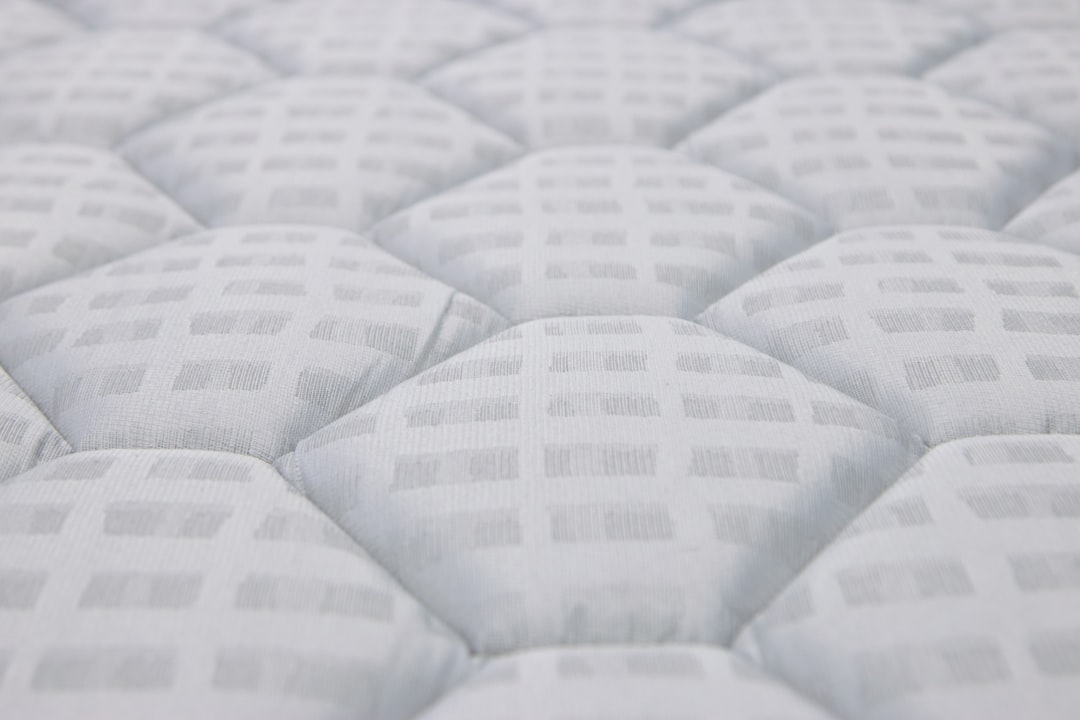
How long should a cooling mattress last in Singapore? You’ll hear plenty of talk about ten-year warranties, but the reality in our climate is often shorter. A well-made ventilated coil mattress with quality materials can hold up for seven or eight years before the cooling function noticeably declines. The cooling gel or phase-change layers don’t wear out per se, but the supporting foam and fabric around them compress over time, which reduces airflow and heat dissipation. After that point, you’re still sleeping on a mattress, but it won’t feel as cool as it once did.
Can sagging coils be repaired? Honestly, no. Once a coil unit starts to sag, the structural integrity is compromised—you can’t just fix a few springs and expect the whole system to rebound. Sagging usually means the entire support layer is fatigued, and any patch job is temporary. The only real solution is replacement. That’s why a good warranty should cover significant sagging, not just surface defects.
Does humidity shorten mattress life? It’s a major factor here. High humidity doesn’t rot the coils, but it absolutely accelerates wear in the surrounding materials. Moisture can make foam layers feel softer and less resilient over time, and it promotes mould growth in natural fibre covers if they’re not kept dry. A mattress in a non-air-conditioned room facing the year-end monsoon will age faster than one in a cool, dry space. Regular airing and a moisture-wicking protector help, but they can’t fully counter the environment.
When is it too worn to be effective? Look beyond surface stains. If you wake up feeling warmer than you used to on the same mattress, that’s a sign the cooling tech is fading. Persistent sagging deeper than two centimetres, especially where you sleep, means support is gone. And if you start noticing new aches that align with those dips, the mattress isn’t doing its job anymore. Don’t wait for it to look terrible; once it stops performing for your body and our heat, it’s time.

You’ve spent weeks reading reviews and comparing specs, but the final verdict happens in your own bedroom. Before you commit, lay a ruler across the mattress surface and look for any dips deeper than a centimetre—that’s sag, not just normal softening. A ventilated coil system should keep its support for years, but if you’re seeing a valley where you sleep, the cooling airflow’s probably compromised too. Listen as well; coil mattresses shouldn’t creak or groan under normal movement—if yours does, the internal structure’s likely fatigued. That’s a sign the whole unit’s nearing its end, no matter how breathable the cover feels.
Check the cover integrity with your hands, not just your eyes. Run your fingers over the fabric, especially at the seams and corners. A cooling mattress relies on that breathable bamboo or Tencel layer to wick heat away; if it’s thinning, fraying, or feels brittle, it won’t perform. Even a small tear can let dust in and disrupt that crucial ventilation. Don’t just assume a replacement cover will fix it—the cooling engineering is built into the whole package.
Then, align your budget with reality. Singapore’s climate is relentless, with humidity sitting around 80% plus year-round, and that accelerates wear. A quality ventilated coil mattress should last you a good seven to ten years here, but if you’re looking at a cheaper model, its replacement cycle might be shorter. Factor that in: paying less now but replacing sooner often costs more over time. If your current mattress is already showing these signs, delaying the purchase just means another season of poor sleep and night sweats.
The only time I’d hold off is if your budget genuinely can’t stretch to a proper replacement right now. In that case, a temporary fix like a cooling topper might bridge the gap for a few months—but know it’s a stopgap, not a solution. For everyone else, once you’ve confirmed the sag, noise, and cover wear, your decision’s clear. You need a new mattress engineered for this heat, and you need it now.