It’s three in the morning, and you’re awake again. Not because of a noise, but because your back is stuck to a damp patch on the sheets. The air in your 4-room BTO master bedroom hasn’t moved for hours, the digital readout on the wall still shows a stubborn 28°C, and that memory foam mattress you bought for its pressure relief is now a heat sink. This is the moment you realise a standard mattress protector—the kind that just shields against spills—isn’t going to cut it. What you need isn’t a passive barrier, but an active ally in temperature regulation.
That clammy, interrupted sleep is a specific kind of sian. It’s the body’s heat having nowhere to go, trapped by layers that weren’t designed for our climate. A basic protector might keep the mattress dry, but it does nothing to address the core issue: you’re sleeping on a warm surface. The goal shifts from simple protection to thermal management. You start looking for materials that pull heat away, not just absorb it.
Forget about heavy, plastic-backed covers that rustle and seal in warmth. The solution lies in breathable, moisture-wicking fabrics. Think bamboo-derived viscose or Tencel lyocell covers—these aren’t just marketing terms, but materials with a natural ability to draw sweat away from the skin and let it evaporate. Some protectors even incorporate phase-change technology, which sounds futuristic but simply means they absorb excess heat to keep surface temperature stable. This is the non-negotiable upgrade for anyone who’s felt that midnight swamp.
There’s honestly no reason to skip a cooling protector if you sleep hot. The one exception might be if your mattress itself is a dedicated cooling model, engineered with gel infusions or ventilated coils—then a basic, breathable cotton cover could suffice. But for the vast majority of us on standard foam or hybrid mattresses, that extra layer of climate control is what turns a sweaty awakening into a full night’s rest. It’s the difference between lying on a problem and sleeping on the solution.
The trickiest bit of marketing speak to cut through is the breathability claim on a fabric tag. Bamboo-derived rayon and Tencel lyocell both promise cool sleep, but they handle our humidity very differently. Bamboo rayon starts as a plant, but the process to turn it into fibre uses chemicals that can leave it less porous—it feels silky, but that smoothness can sometimes trap a thin layer of warm, damp air against you. Tencel, a type of lyocell, is made in a closed-loop system that results in a more consistent fibre structure; it's better at pulling moisture along its surface and then releasing it. In a flat with 80%-plus humidity, that's the difference between feeling dry and feeling slightly clammy by 3 a.m.
Then there are the high-tech coatings, like phase-change materials. These aren't magic, but they are clever—they absorb excess body heat by melting at a specific temperature, storing that warmth, and then releasing it back as you cool down. The effect is a buffer against temperature spikes. It won't make you cold, but it can smooth out the worst of a hot flash or the initial warmth of a memory foam layer. Just know it's a coating, not the whole mattress; its longevity depends on the quality of the application.
Where many get it wrong is with waterproof protectors. That plastic-like barrier? It's a total heat trap. It's designed to block liquids, which means it also blocks air. Putting one over a cooling mattress is like wearing a raincoat to bed—you'll be stewing in your own microclimate. If you absolutely need spill protection, look for a protector that uses a breathable membrane, though even those will compromise airflow to some degree.
So what actually works here? For the cover, Tencel has the edge for consistent breathability. A PCM treatment is a worthwhile add-on for temperature regulation, especially if your bedroom faces the afternoon sun. But avoid any layer that seals you in—that waterproof claim is often the enemy of a cool night's sleep.
In the eighty to one-twenty dollar range, you're buying a simple cotton-terry sheet that drapes over your mattress. It's a physical shield against spills and stains, and that's about it. The fabric is typically a basic weave that doesn't breathe exceptionally well, so it can trap warmth against the mattress surface. You'll feel the cooling benefit of your mattress itself, but the protector adds a mild insulating layer. For a budget stopgap or a guest room that sees little use, it does the job. Just don't expect it to actively contribute to a cooler sleep.
Stepping into the one-fifty to two-fifty band shifts the material game significantly. Here, you'll find tops made from bamboo-derived viscose or Tencel lyocell, fabrics prized for their breathability and moisture-wicking properties. These aren't just barriers; they actively pull sweat away from your skin and allow air to circulate more freely. The difference on a humid night is tangible—you're less likely to wake up feeling damp and sticky. This price point represents the sweet spot for most hot sleepers in a non-air-conditioned room, offering a genuine performance boost without a luxury price tag.
Cross the three-hundred dollar threshold, and the protector starts incorporating engineered cooling technologies. Phase-change material, or PCM, is a common feature here—these microscopic capsules absorb excess body heat as you warm up and release it back as you cool down. It's a dynamic layer that actively regulates temperature at the sleep surface, not just a passive fabric. This is where the protector transitions from being a cover to being a functional component of your sleep system. For those experiencing night sweats or sleeping in west-facing rooms that bake all afternoon, this intervention can be worth every cent.
The higher cost also buys you a more sophisticated build, often involving multiple laminated layers. You might get a breathable, waterproof membrane sandwiched between a cooling top fabric and a quiet, non-slip bottom layer. These protectors manage moisture, temperature, and movement without the crinkly sound or plastic feel of cheaper waterproof options. The entire piece is usually more substantial and stays securely in place, which means you're not wrestling with a bunched-up sheet at three a.m. That seamless integration is a quality-of-life detail you only appreciate after suffering with a lesser model.
An over-four-hundred dollar protector is an investment in durability as much as immediate comfort. The advanced materials and precise construction are designed to withstand hundreds of washes without losing their cooling properties or developing a rough hand feel. While a budget terry cover might pill or thin out after a year of weekly cycles, these premium versions are built to last the lifespan of your mattress. For someone who's spent a significant sum on a proper cooling mattress, protecting that investment with a layer that won't degrade makes solid financial sense. It's the classic buy-once, cry-once principle applied to your sleep hygiene.
It's a reflex, really—faced with the prospect of spills, the immediate thought is to seal the mattress in a plastic-like shield. You picture the worst-case scenario: a knocked-over glass, a sudden fever, a child’s accident. The logic seems sound, but that heavy polyurethane backing creates a problem you can't see until you're in it. It traps heat and moisture against the mattress surface, turning your carefully chosen cooling system into a sauna. Your body heat has nowhere to go, the phase-change materials can't work properly, and you’re left wondering why you’re sweating on a bed designed to prevent exactly that.
The correction is to shift from ‘waterproof’ to ‘water-resistant and breathable’. Look for protectors that use a membrane technology—these allow vapour from your body to escape while still blocking liquid from seeping down. They won’t handle a full flood, but they’ll manage the typical spills and night sweats that are the real, everyday concern. The feel is completely different, too; no crinkly plastic sheet, just a quiet, fabric-like layer that doesn’t fight your mattress’s cooling features.
Think of it like wearing a raincoat to bed. Sure, you're protected from a splash, but you'll be stewing in your own humidity within minutes. That’s what a fully waterproof protector does. It forms a total barrier, and in our climate where humidity is a constant companion, that barrier becomes a condensation layer. Your mattress can't breathe, and neither can you. The cooling gel foam or aerated latex you paid for is effectively smothered.
There is one clear exception, of course. If you're managing a specific medical condition or have a very young child still in a potty-training phase, then a fully waterproof layer might be a necessary, temporary compromise. For everyone else, the smarter move is to combine a breathable protector for the whole bed with a targeted defence. Use an absorbent, washable mattress pad or a dedicated waterproof overlay just for the ‘spill zone’—the middle third of the bed where accidents are most likely. This way, you protect the investment without sabotaging its primary function: keeping you cool through the night.

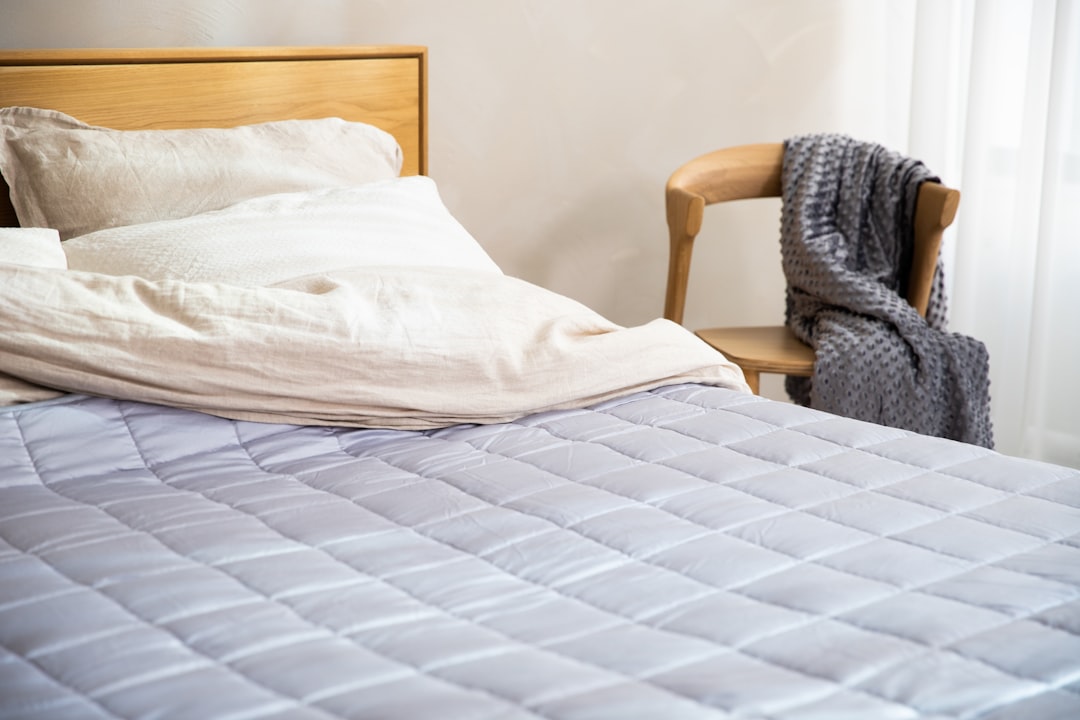
Online specs and photos can’t tell you how a fabric actually feels against your skin at 2 a.m. when the night is still. You’ll read about “breathable bamboo” or “cool-touch PCM” and imagine a certain sensation, but the reality is in the hand. That’s the concrete reason to make the trip. In a showroom, you can press your palm flat against a sample of phase-change material and time how long that chilled sensation lingers before it warms to your body heat. You can pinch the corner of a protector and feel the weave density—tight enough to block dust mites, loose enough to let air move. These are tactile truths a product page can’t convey.
Consider the drape. A protector that’s too stiff might bunch uncomfortably under the fitted sheet, while one that’s too thin could feel insubstantial. The only way to know is to ask to see one unfolded, to lay a corner over the edge of a display mattress and see how it settles. Does it lie flat, or does it resist? That’s a question of daily comfort you can answer in thirty seconds on the showroom floor, but you’d be guessing if you ordered online.
And then there’s the fit. Your mattress isn’t a perfect geometric block; it has rounded corners and a certain plushness at the edges. A protector that’s a precise 152 by 190cm on paper might pull too tight over a thick pillow-top or gape on a slimmer model. Laying a sample protector over a mattress in the showroom gives you a visual check for that crucial buffer. You’ll see if the elasticised skirt has enough stretch to hug a deep side profile without straining the seams.
The exception? If you’re buying an exact replacement for a protector you already own and love, and you’re sticking with the same brand and model, then maybe you can skip the visit. But for anything new, especially with materials engineered for cooling, your fingertips are the best reviewers you’ve got. You can’t feel a marketing claim, but you can feel the fabric.
Some questions pop up so often in showrooms you can practically hear them before the buyer even asks. They’re the quiet, practical ones that sit between the marketing spiel and the final purchase, and they matter because they decide whether a product actually works in a real HDB flat. For a cooling mattress protector, the real queries aren’t about tech specs—they’re about whether it’ll survive our specific climate and habits.
Does a cooling protector work if I don’t use air-con? Absolutely, that’s the whole point. These protectors are designed to manage the heat you generate, not the room’s ambient temperature. Even in a non-air-conditioned room where the air is still and warm, a good one wicks moisture away from your body and promotes airflow across the fabric surface. It won’t make your bed feel chilled, but it stops that sticky, trapped-heat feeling from turning your mattress into a personal sauna.
Can I use it on a memory foam mattress? You can, and honestly, you probably should. Memory foam is notorious for retaining heat, so adding a breathable, moisture-wicking layer on top is a smart move. Just ensure the protector itself isn’t some thick, quilted, plastic-backed thing—that would defeat the purpose. Look for a fitted, stretchy style that sits tight and doesn’t add a lot of padding.
Will it make my mattress feel harder? A thin, fitted cooling protector shouldn’t alter the feel of your mattress in any meaningful way. You’re adding maybe a millimetre or two of fabric. If you opt for a thicker, padded version marketed for ‘cooling’, then yes, you might notice a slight firming effect. For most sleepers, the thin ones are virtually undetectable.
How often must I wash it in our humidity? With our 80%+ humidity, anything on your bed is going to absorb moisture and skin cells. Aim to wash it every two to four weeks, same as your sheets. More frequent washing is better if you’re a heavy sweater or don’t sleep with air-con. The fabric and construction are key here—a protector that can handle a cool, gentle machine wash and a low tumble dry without losing its stretch or wicking properties is the one you want. Anything that requires special dry-cleaning is a non-starter for Singapore.
That thin, barely-there protector you saw online? The one that feels like nothing? That’s the peak cooling option, but it’s also about as much of a barrier against spills as a tissue. The tension here is real: maximum airflow often means minimum liquid defence. The most breathable protectors use ultra-fine, tightly-woven membranes that let vapour out but stop liquids from getting in—a clever bit of engineering, but that membrane still adds a layer. If a protector promises to feel like sleeping on nothing, you’re trading away a chunk of protection.
Then there’s the fit. You want a deep pocket for that 14-inch mattress, sure, but a fully encasing, 40cm-deep protector that wraps the entire mattress like a fitted sheet will cover more surface area. That extra material, especially around the sides and corners, can slightly reduce the perimeter breathability of your mattress. A simple top-panel protector leaves the sides exposed for better air circulation, but then you’ve got zero defence against side spills or bed bugs. It’s a classic Singapore compromise: do you armour up fully and sacrifice a bit of cool, or prioritise airflow and accept the risk?
My take? In a climate where humidity is the enemy and accidental spills—from a knocked-over water glass to a child’s midnight fever—are a fact of life, protection wins. You bought a cooling mattress for a reason; a good protector shouldn’t smother it. Look for one that specifies a high breathability rating and uses natural, moisture-wicking top fabrics like Tencel or bamboo, paired with that silent, waterproof membrane. The cooling loss with a quality one is minimal compared to the disaster of a stained or mouldy mattress core.
The only time I’d side with the minimal option is if you’re pairing it with a fully waterproof mattress to begin with, or if your bed is strictly adults-only in an air-conditioned room. For everyone else in a typical 4-room BTO, facing the year-round damp and real life, a robust protector is non-negotiable. Just accept that even the best ones have a shorter lifespan here—the constant humidity and washing will degrade the waterproof layer faster than in temperate climates. Plan to replace it every few years as part of your sleep hygiene; consider it a maintenance cost for preserving your much bigger mattress investment.
Cooling mattresses rely on specific materials to dissipate body heat in Singapore's climate. Breathable covers like bamboo or Tencel allow air circulation, while cooling gel foam and aerated latex actively draw warmth away from the sleeper. For lasting performance, high-density foam cores maintain their supportive structure longer than lower-density alternatives, resisting the humidity's effects.
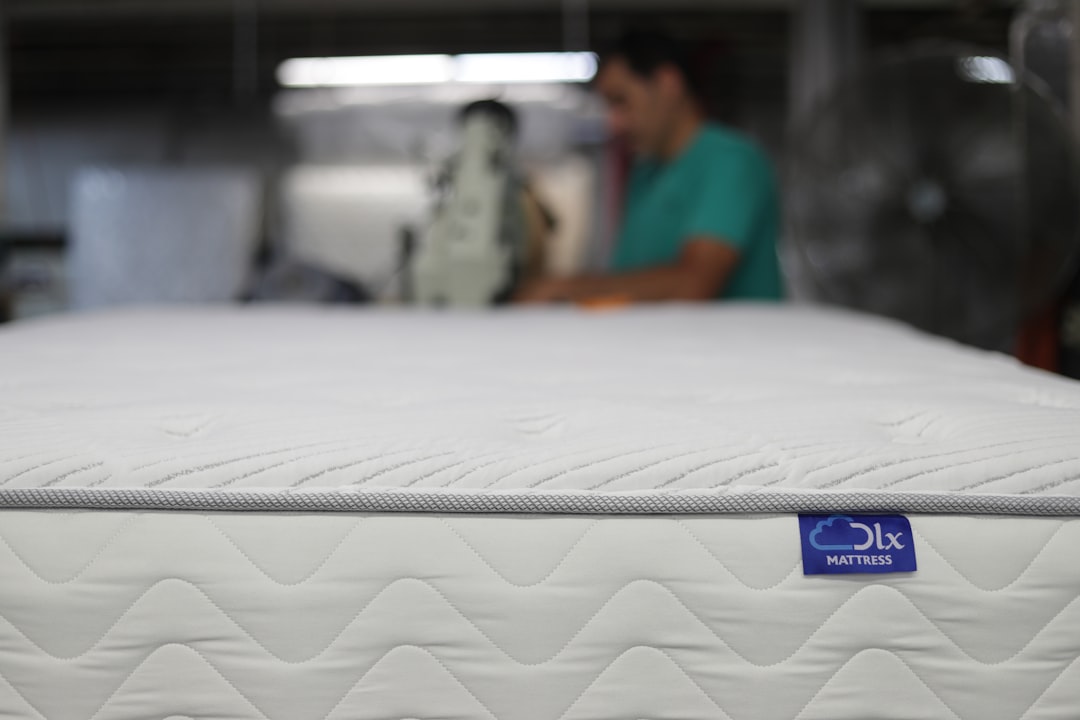
Don't just grab your keys and head out the door. That last-minute check at home saves you from a showroom haze where every cool-feeling surface starts to blur together. You'll want three concrete notes in your phone before you step into the air-conditioned calm of a display floor.
First, measure your mattress depth exactly—including any topper you're using now. A standard Queen is 152 by 190cm, but the thickness is your real puzzle. A 30cm deep mattress needs a fitted sheet and protector cut for that; a slim 20cm one might leave a gap under a standard guard. If you're adding a cooling topper for relief, factor that in too. The last thing you want is a protector that's too shallow and pops off every night, or one so loose it bunches up.
Next, be honest about your heat source. Is it mostly your own body heat—you're the one waking up in a sweat—or is the room itself the oven? For a west-facing room that bakes all afternoon, you need a protector that tackles ambient heat, something with breathable, moisture-wicking layers. If it's your personal thermostat that's the issue, look for materials that pull heat away from the skin directly. This split changes what you test for; a surface that feels cool in a 22°C showroom might do nothing in your 28°C bedroom.
Finally, decide your wash-cycle tolerance. Some of the best cooling protectors use delicate phase-change materials or specific membranes that can't take a weekly spin in a hot wash. Others, like straightforward bamboo or Tencel covers, are made for the machine. If you're the type who wants to strip the bed and wash everything every Sunday, go for the latter. If you're okay with spot-cleaning and a gentle wash once a quarter for a premium product, your options widen. Bring these three notes—your depth, your heat type, your washing style—and you can cut through the sales talk. Just lay your hand on a display unit and ask the right questions.