The idea seems logical enough: a cooling mattress needs a barrier to keep that chill in, right? So you might think a thick cotton protector would trap the coolness like a blanket trapping warmth. In reality, it creates the opposite effect. That dense layer acts like a lid, sealing in your body heat and preventing the mattress’s engineered materials—the gel foam or phase-change layers—from doing their job of dissipating it. You end up sleeping in a trapped pocket of warmth, which defeats the entire purpose of buying a cooling mattress in our climate.
In a humid Eunos 4-room BTO bedroom, that sealed environment becomes a microclimate. The foam inside can’t breathe, and sustained heat accelerates material breakdown. Over months, the foam might soften prematurely or even develop a permanent depression. When the buyer eventually claims warranty for that degradation, the manufacturer’s inspection often reveals the cause. Many warranties explicitly exclude damage from ‘improper use’ or ‘failure to follow care instructions,’ and a thick, non-breathable protector squarely falls under that clause. That’s a costly lesson—you’ve voided coverage for a problem you inadvertently created.
So what should you use instead? A breathable, thin protector made from bamboo or Tencel is the way to go. These materials allow heat transfer and moisture vapour to pass through, supporting the mattress’s cooling function rather than sabotaging it. They’re also typically easier to wash and dry in our weather, which helps manage humidity. The rule is simple: any layer you add must aid ventilation, not block it. If your protector feels like a heavy quilted layer, it’s probably doing more harm than good.
There’s one exception, though. If you absolutely need a waterproof barrier for medical reasons or young children, look for a protector specifically labelled ‘breathable’ and designed for hot sleepers. Some use moisture-wicking membranes that still allow air circulation. But the standard thick cotton ones? Cannot. They turn a cooling investment into a heat trap, and you’ll be left with a compromised mattress and no recourse.
The idea that air can circulate freely in a common bedroom is often a fantasy. Picture a typical 12 sqm HDB room, windows shut against the monsoon rain, and the air just sits there—heavy, damp, and still. Ventilated coil systems are engineered to let heat escape upwards, but they need that air to move. In a stagnant space, humidity around 80% plus acts like a blanket, trapping your body warmth right against the mattress surface. You'll feel the difference; the promised coolness vanishes, and you're left with a warm, damp sleeping platform that feels nothing like the showroom demo.
That's where warranty coverage gets tricky. Many policies explicitly exclude damage from 'environmental factors', which includes sustained high ambient humidity. If your bedroom's air doesn't circulate, the coils can't perform their job, but the manufacturer might argue the failure is due to your room's conditions, not their product. It's a grey area that leaves you exposed. Checking the fine print for clauses about ventilation or recommended room conditions is something most buyers wouldn't think to do, but it's crucial.
So, does a ventilated coil mattress still make sense here? For a well-ventilated master bedroom with cross-flow, absolutely—it's a solid cooling technology. But for those common bedrooms, especially during the wet season, you might be better off looking at a material that doesn't rely on air movement. Aerated latex or phase-change materials integrated into the comfort layers work differently; they manage temperature at the point of contact, regardless of what the stagnant air around you is doing. They're often a safer bet for those truly enclosed spaces.
One exception exists: if you're committed to improving the room's airflow first. Installing a ceiling fan or ensuring the window can stay open with a rain screen can create the movement those coils desperately need. Without that step, you're essentially buying a feature that can't function. In that case, you're not getting the cooling performance you paid for, and the warranty likely won't cover your disappointment.
Cooling mattresses utilise specific materials to draw heat away from the body. Cooling gel foam and aerated latex promote airflow, while phase-change materials absorb and release heat to maintain a neutral surface temperature. For Singapore's hot sleepers, a breathable bamboo or Tencel cover adds another layer of moisture-wicking comfort against 80%+ humidity. These technologies work together to prevent the heat retention common in traditional memory foam.
Phase-change materials work by absorbing warmth until they hit a specific temperature, then releasing it back into the air. That engineered cycle is designed for a certain number of activations per night, based on average sleeper metabolism. For someone with frequent nocturnal hot flashes, the material might be triggered twenty or more times in an hour. Each activation uses a portion of its thermal capacity, and that repeated cycling can deplete its cooling potential far earlier than the warranty period anticipates. The core issue isn't the material failing outright, but wearing out its functional lifespan through overuse.
Manufacturer warranties typically cover defects in materials or construction, not performance degradation under what they classify as abnormal conditions. If your body heat repeatedly triggers the PCM layer beyond its rated cycle frequency, that might be deemed outside normal use. The fine print often states coverage hinges on a threshold for 'performance failure,' which is a vague term that doesn't account for gradual exhaustion. You could end up with a mattress that still feels cool to a typical sleeper but offers no relief for your specific condition, leaving you without recourse.
The physics are straightforward: these materials have a finite capacity to absorb and release thermal energy. Constant, rapid cycling from intense heat spikes stresses the material's structure, akin to a battery being drained and recharged too quickly. Over months, this can lead to a permanent reduction in its heat-buffering ability, creating a worn-out cooling zone directly under your body. That zone won't recover, and the surrounding areas might still feel cool, creating an uneven sleep surface. It's a slow, silent failure that a standard inspection won't catch.
In Singapore's climate, where bedroom temperatures regularly exceed twenty-eight degrees, the demand on any cooling technology is already high. For menopausal women or anyone prone to severe night sweats, the additional internal heat load pushes the system further. The buyer's reality is a need for consistent, reliable cooling every night, not just statistical average performance. When the product can't meet that reality due to material fatigue, the financial and practical disappointment is significant. You've paid for a specialised solution that quietly becomes ordinary.
Industry testing protocols usually simulate standard sleep patterns, not the extreme thermal fluctuations of frequent hot flashes. The assumptions baked into the product's rated cycle life are based on a model sleeper, not one experiencing physiological heat events every few minutes. This gap between lab conditions and real-world use is where the warranty disconnect happens. Manufacturers aren't designing for this edge case, so they don't guarantee against it. Understanding this disconnect is crucial—you're buying a product optimised for a scenario that may not match your own.
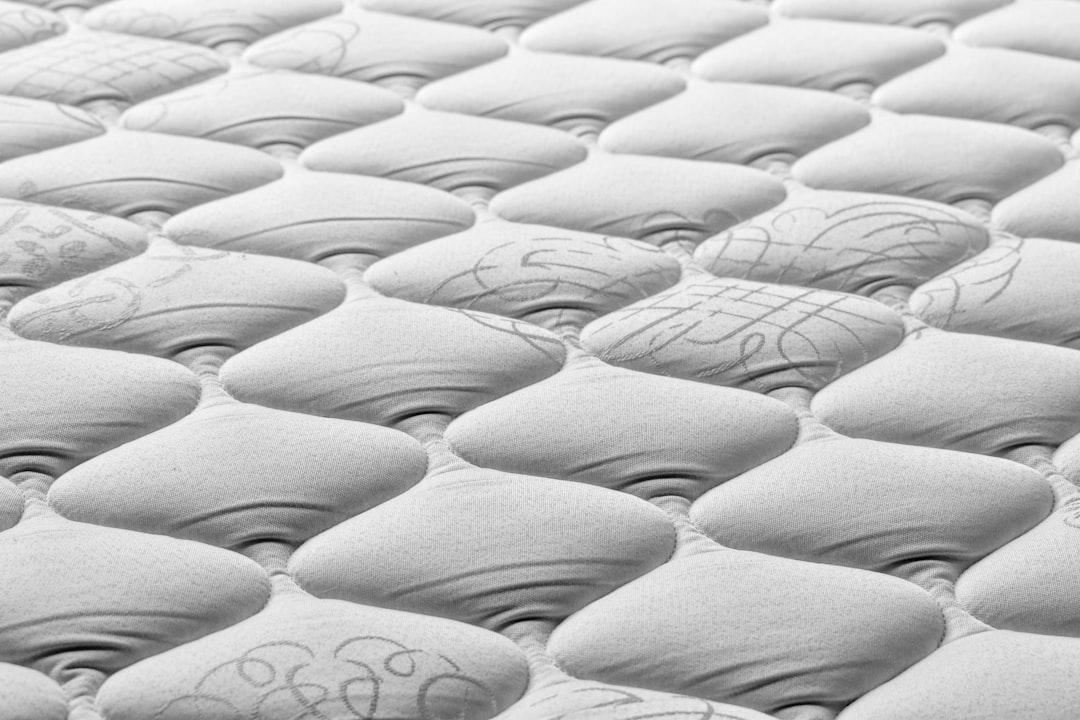
Five years in a west-facing condo bedroom, where afternoon sun pours in daily, is enough to reveal the true character of a bamboo mattress cover. The weave that felt so crisp and breathable when new can start to look thin and frayed, losing that initial cooling promise. You might find the fabric feels warmer, less like a cool sheet and more like a barrier, trapping heat instead of letting it escape. This breakdown isn’t about stains or tears—it’s a subtle degradation from relentless exposure, something warranty documents often dismiss as ‘normal wear and tear.’
There’s a practical lesson here. If you’re investing in a cooling mattress for a room that gets direct sun, you need to look beyond the cover’s marketing. The bamboo or Tencel layer is a surface feature, a first line of defence. The real heat management should come from the mattress core—the gel foams, aerated latex, or ventilated coils that work regardless of the cover’s condition. A cover can degrade, but the underlying cooling technology shouldn’t. That’s where your longevity lies.
The question becomes whether Singapore’s climate constitutes ‘normal.’ Our year-round heat, combined with the intense solar load on a west-facing unit, creates an environment that’s anything but gentle. Manufacturers design for an average, but our reality is extreme. That sustained thermal stress accelerates material fatigue in a way that might not happen in a temperate, shaded room. So when the cooling effect fades after a few years, is that the product failing or the environment winning? The answer usually leans towards the latter, which leaves you without a claim.
One exception? If the cover shows obvious, premature disintegration—like threads coming loose in patches or the fabric becoming brittle and cracking within a couple of years—that might push the boundary beyond ‘wear and tear.’ But generally, in our sun-baked bedrooms, the surface material will age. Accept that the cover’s role diminishes over time, and make sure the mattress beneath is built to last.
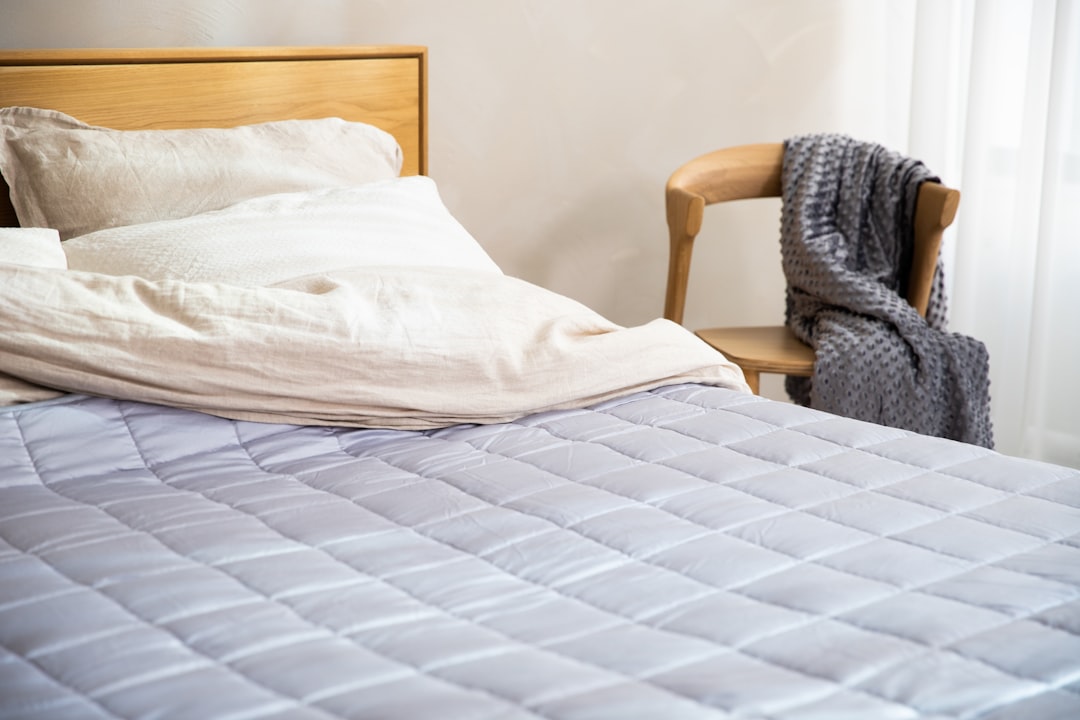
A warranty is a promise on paper, but your body’s reaction to a mattress is the only guarantee that matters. You can’t feel a certificate of coverage, but you can feel the difference between a surface that just stays cool and one that actively pulls heat away from you. That’s why a trip to a showroom isn’t just browsing—it’s a crucial experiment. In our climate, where bedroom temperatures can hover around that sticky 28°C mark even at night, the abstract term ‘cooling’ needs a physical definition.
So go and really test it. Don’t just glance at a mattress and move on. Sit on it properly, lie down, and spend a few minutes. Pay attention to the initial touch—some cooling gel layers give an immediate, almost startling chill, while others feel more like a steady, breathable coolness. Apply pressure with your hands or your full weight; a ventilated coil system should respond with a noticeable push-back, letting air move through rather than trapping it. This hands-on check separates marketing claims from actual performance, especially for those who’ve suffered on memory foam that felt like a heat trap.
The one real exception? If you’re absolutely certain about your preferred firmness level from a past mattress and you’re ordering the exact same model again, maybe you can skip the visit. But for a cooling mattress, where the technology is the main reason you’re buying, that’s a risky shortcut. Your perception of ‘supportive’ and ‘cool’ could be completely different from what’s on the label. What feels like a medium firmness to one person might be a rock-hard surface to another, and that directly affects how much body heat gets conducted into the layers below.
Ultimately, your sleep temperature isn’t governed by a piece of paper in a filing cabinet. It’s governed by the materials under you—the gel, the phase-change fabrics, the coil channels. Seeing them in a showroom, feeling them with your own weight, is the only way to translate a technical spec into a real night’s rest. You’ll know straight away if a mattress is going to work for you, or if it’s just another warm slab you’ll regret in a month’s time.
You’ve got the cooling mattress, you’re sleeping better, and then a worry pops up. The warranty fine print is where the real peace of mind is, or isn’t. Singapore’s heat pushes these materials hard, so you need to know exactly what’s protected.
Does mattress warranty cover cooling gel melting? Most warranties focus on structural integrity—sagging beyond a certain depth, broken coils, frame issues. Cooling gel melting is considered a performance feature failure, not a structural defect. Unless the warranty explicitly lists “cooling gel integrity” or “phase-change material function,” it probably doesn’t cover it. The gel is meant to stay stable, but if it’s pooled or separated, that’s a manufacturing flaw you can argue.
What if cooling stops working after 2 years? This is the classic scenario. The mattress feels fine structurally, but you’re sweating again. Warranties often have a “performance guarantee” period separate from the full term, sometimes just one year for cooling features. After that, even if the main warranty is ten years, the cooling tech is no longer covered. Check if your warranty has a distinct clause for “temperature regulation.”
Is sweat damage covered under mattress warranty? Almost never. Sweat, humidity, and bodily fluids are considered “normal wear and tear” or “owner-induced damage.” Even with a breathable bamboo cover, sustained moisture can lead to staining or mould, which warranties explicitly exclude. Your protection here is the removable, washable cover—keep that clean.
Can I claim warranty if mattress feels hotter than before? Yes, if you can prove it’s a material failure. A gradual feeling of increased heat is tricky; it could be the foam compacting or the phase-change materials degrading. You’ll need to show it’s not just the weather or your own perception. Some warranties require a professional inspection to confirm a defect. If the cooling layer has genuinely failed, that’s your strongest case for a claim.
Spending under $800 on a cooling mattress means you're buying the promise of a cooler sleep, not necessarily the performance guarantee. You'll get a breathable cover—often bamboo or Tencel—and maybe a ventilated coil system to let air circulate. That's decent for cutting through the usual memory foam heat trap, but the warranty won't talk about cooling. It'll cover the structure, maybe sagging, but not whether the mattress actually keeps you cool after a year in your non-air-conditioned 3-room flat. The cooling effect is a feature, not a protected function.
Around the $1,500 mark, the contract starts to change. You're entering the zone where gel-infused foam or phase-change materials (PCM) layers become integrated, not just sprinkled on top. Manufacturers here sometimes dare to put 'cooling performance' into the warranty terms for a defined period—say, five years. They'll specify a test method, like heat dissipation rate, that the mattress must meet. But read closely: that coverage often hinges on 'normal use' and a controlled bedroom environment. If your room's ambient temperature hits 30°C every night, that might already push beyond their 'normal' definition.
The over $3,000 tier brings multi-layer aerated latex, advanced PCM grids, and detailed engineering. Warranty documents get thicker, with specific clauses on heat dissipation and material integrity. You'll see terms about maintaining a 'stable sleep surface temperature' under lab conditions. Yet the exclusions list grows too. Environmental stress—meaning sustained high humidity or extreme heat exposure in your west-facing bedroom—is frequently listed as a cause for voided coverage. The irony is real: the premium mattress designed for our climate might not be covered if our climate is deemed too harsh for it.
So where does that leave a buyer? If you're in a consistently air-conditioned room, chasing the highest-tier warranty could make sense. But for most of us sleeping through Singapore's 28°C nights and 80%+ humidity, the mid-range offer is the pragmatic sweet spot. You get a tangible cooling tech with some performance assurance, without the exclusions that feel almost tailored to our local weather. The only time I'd skip it is if you're strictly after a basic, breathable upgrade for a guest room—then the entry-level does the job, just don't expect a warranty to back the coolness.
Before you get frustrated enough to call the warranty hotline, pause. That cooling mattress you bought because Singapore’s heat was unbearable—now it’s not cooling anymore. The difference between a successful claim and a frustrating rejection often hinges on what you’ve documented, not just what you’ve felt.
Start with the hard evidence. A bedroom temperature log is crucial; a simple note on your phone calendar recording those nights when the room felt like 30 degrees even with the fan on will show it’s not just a subjective feeling. Photograph the mattress surface in good light—any visible discolouration, a permanent dip, or changes in the material’s texture. Keep your purchase invoice handy, and dig out that mattress protector’s details; some protectors can actually block airflow, and that’s a factor they’ll check.
Then, read the warranty booklet with a detective’s eye, focusing on the specific clauses about ‘heat regulation’ and ‘material defects’. Many warranties cover a failure of the cooling technology itself, but not a gradual decline in performance due to environmental factors. You need to determine if the mattress’s core cooling gel or phase-change materials have genuinely failed, or if Singapore’s relentless humidity and ambient heat have simply overwhelmed it over time. This distinction is everything.
The one real exception? If your bedroom is consistently an air-conditioned 24 degrees, and the mattress still feels warm, that’s a stronger case for a technology failure. But in a typical non-air-conditioned room where temperatures regularly exceed 28 degrees, the argument becomes trickier. Your documentation must show the mattress isn’t performing as engineered under the conditions it was designed for. Without that, you’re just complaining about the weather, and that’s not covered.
" width="100%" height="480">Cooling mattress warranty: Understanding coverage for heat-related issues