The first sign is subtle. You wake up a little warmer than usual, a faint dampness under your sheets that wasn’t there last year. It’s not the room’s temperature—that’s still the same relentless Singapore 28°C—it’s the mattress itself. What was engineered to pull heat away from your body has begun holding onto it. This breakdown creeps in, often right around the time you’d think about claiming a warranty, and it’s precisely why many of those warranties won’t cover you.
Foam layers are the usual culprit, especially in hybrids that promise cooling. Over months in a non-air-conditioned room, the humidity does its slow work. Gel-infused foams can lose their phase-change properties, becoming less reactive to your body temperature. The air channels designed to ventilate heat start to clog with dust and moisture, turning what was a breathable system into a sealed, heat-trapping block. Even the coil springs beneath, which should provide airy support, can lose their tension and compress, reducing that crucial airflow from below. It’s a cumulative failure, one component degrading and dragging the others down with it.
Warranty documents are meticulous about this. They’ll cover a snapped coil or a torn cover, but gradual material degradation from environmental factors—the very thing that defines our climate—is frequently excluded. If your mattress starts feeling warmer because the materials have simply worn out under constant heat and 80% humidity, that’s often considered normal wear and tear, not a manufacturing defect. The irony is sharp: a product sold for its cooling prowess fails precisely under the conditions it was meant to conquer, and you’re left with no recourse.
There’s one clear exception. If you can prove the cooling channels were improperly constructed from the start—say, the ventilation holes were blocked by faulty manufacturing—you might have a case. But proving that against the backdrop of two years of tropical use is a tall order. For most, the realisation comes too late: the mattress that was a solution has become part of the problem, and the replacement cycle begins anew. Your best defence isn’t the warranty fine print; it’s choosing a design from the outset that acknowledges our climate as an active, relentless participant in the wear process.
You’ll find the warranty fine print tucked away in a booklet, usually after the delivery details. It’s worth a read, especially if you’re sleeping in a space that isn’t air-conditioned. The clauses often separate material breakdown from structural failure—a distinction that becomes crucial when humidity is a constant presence.
Foam can soften, sag, or warp over time in a damp environment. That’s a material issue, often subjective. A warranty might cover a foam collapse if it dips below a certain depth, but proving it’s not just normal wear can be tricky. In an unventilated attic bedroom in a landed property, or even a west-facing HDB common room that traps heat, the foam’s integrity is tested nightly. It might feel like it’s failing, but unless it meets a precise sag measurement, the claim might not stand.
Coil systems are different. A ventilated coil unit’s failure is usually clearer—a spring breaks, the structure visibly buckles, or support becomes uneven in a measurable way. That’s a structural collapse, and warranties tend to define it with less ambiguity. The weight-bearing aspect is key; coils are engineered to handle load directly, so when they fail, it’s often a definitive event rather than a gradual softening.
So, the choice isn’t just about cooling. It’s about what you can actually claim if things go wrong. For a hot sleeper in a humid room, a ventilated coil system offers a more objective path to warranty coverage if the support fails. The one exception? If you’re certain your bedroom climate is controlled year-round, then the foam’s gradual changes might be less of a risk. But in Singapore’s 80%+ humidity, that control isn’t a given for most.
A mattress needs a flat, unyielding surface underneath it. That’s the core principle. The warranty expects the bed base to carry the load evenly across every coil or foam layer. If the slats bend or the platform has gaps wider than your palm, pressure points develop. Over months, those concentrated spots will sag faster than the rest. The manufacturer then argues the fault isn’t in their product—it’s your foundation. So your expensive ventilated coil system, bought specifically to stay cool, gets blamed for a problem you didn’t create.
The eight-centimeter rule isn’t arbitrary. It’s the maximum distance that still allows the mattress to bridge the gap without dipping. Many ready-made platform beds, especially those stylish low-profile ones, come with slats spaced ten or even twelve centimeters apart. You might think it looks fine, but over a Queen mattress measuring 152 by 190 centimeters, that extra space creates dozens of unsupported zones. In a humid climate, where materials soften slightly anyway, those zones become weak spots. The warranty document will cite this as improper use, and your claim for a deepening dip goes nowhere.
It happens all the time in four-room BTO layouts. You buy a nice mattress, then pair it with the existing divan base from your old flat because you want to save a bit. That divan’s wooden frame might be warped from years of moisture, or its center support bar has weakened. You won’t notice until the mattress starts to form a valley. The manufacturer’s inspector will lift the mattress, see the compromised base, and note it in their report. Suddenly, your coverage for sagging—the main thing you’d want protected—is void. It’s a classic oversight.
Companies design their policies to exclude external factors. They can’t guarantee performance if the product isn’t used as instructed. A ventilated coil system needs a firm, continuous plane underneath to allow its airflow channels to work properly and to prevent the coils from buckling. Placing it on a sprung or irregular base alters the entire stress distribution. The fine print exists to draw a clear line: if the failure stems from the setup, it’s not a manufacturing defect. That’s why they’ll ask for photos of your bed base during any claim. They’re checking for compliance first.
You don’t need a fancy new frame. A basic, solid-platform bed or a set of properly spaced slats on a rigid bed frame solves it. Measure the gaps yourself—if they exceed eight centimeters, add a plywood sheet or a bunkie board atop the slats. That creates the uniform surface required. For an older divan, inspect the center support and the frame joints for any give. If there’s movement, reinforce it or replace it. This upfront step, which might cost a couple hundred dollars, protects a mattress investment worth thousands. It’s the one thing that keeps your warranty valid.
The spec sheet talks about “high airflow” and “cooling coils,” but those words don’t mean much until you press your palm into the mattress and feel the air rush back. In a Tampines showroom, you can actually do that test. Find a Queen size, put your whole weight into the centre for a full minute, then lift your hand off. A good ventilated system will push the surface back up almost instantly—you’ll feel a slight cool draft where your hand was. That’s the breathability you’re buying. A sluggish return means the coils are packed too tight or the channels are blocked; that mattress will trap heat no matter what the cover material is.
Don’t just do it once. Try it on a few different spots—near the edges, in the middle, even where the coils might be reinforced for zoning. The response should be consistent. A patchy rebound indicates weak spots where heat could build up over time. That’s a sign to walk away, even if the price is tempting. For a cooling mattress in our climate, the coil responsiveness isn’t a bonus feature; it’s the core of the whole claim.
Online reviews can’t show you this. You need the physical feedback—the immediate rebound and the subtle temperature shift under your palm. For anyone sleeping in a non-air-conditioned room or dealing with night sweats, that minute of pressure tells you more than a dozen product photos. If the mattress doesn’t recover quickly, it won’t circulate air properly through a long night. That’s the difference between a marketing term and a functional design.
Some showrooms might have a fancier demo with a temperature sensor or a light display. Ignore that. The hand test is the real one. It’s straightforward, and it doesn’t require any special gadget. You’re simulating your body’s weight and heat, and seeing if the structure can handle it. A ventilated coil system that passes this simple check will usually manage our humidity and ambient heat quite well. The one exception is if you’re a very light sleeper; you might not compress the coils enough to truly test the airflow, so you’ll need to rely more on the material feel of the cover.
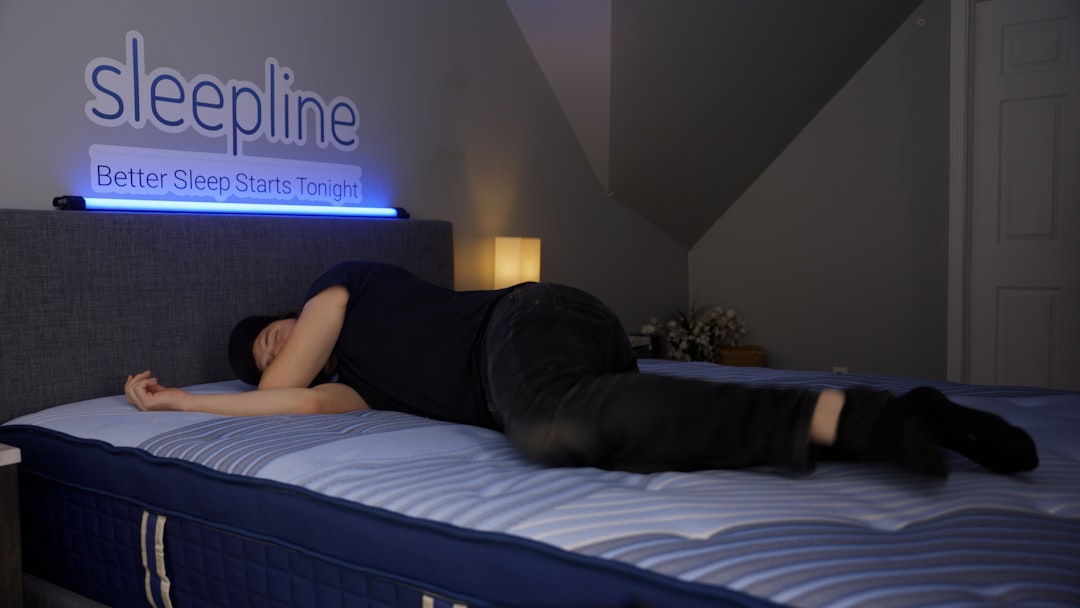


You're standing in a showroom, hand pressed down on a mattress that feels cool to the touch. It’s a nice moment, but it’s a trick. That initial chill comes from a basic quilted cover, and it’s fleeting. Within a year, the cheap padding compresses, the fabric loses its breathability, and you’re left with a heat-trapping layer that makes you sweat through the night. That’s the reality of the budget option—it’s a short-term solution that fails in our long-term climate.
The genuine cooling systems, the ones that cost a bit more, work differently. They’re engineered to manage heat transfer over years, not just for the first few months. Phase-change materials actively absorb and release warmth, while aerated latex layers create permanent air channels. These aren’t surface tricks; they’re built into the mattress’s structure. For a hot sleeper in a non-air-conditioned room, or someone dealing with night sweats, that difference isn’t just comfort—it’s sleep quality.
So the fork is clear. If you’re buying a mattress for a guest room that gets used twice a year, maybe the basic top is fine. But for your own bed, where you’ll spend thousands of hours over the next decade, skimping on cooling is a misstep. The extra investment buys you a material that won’t degrade into a heat trap. It’s the one upgrade that pays off every single night.
Think about the typical 4-room BTO master bedroom, where the afternoon sun pours in and the air sits heavy. A mattress that just feels cool on day one won’t cut it there. You need the tech that keeps working when the humidity climbs and the temperature doesn’t drop. That’s where the real budget should go—into the layers that regulate, not just the cover that deceives.
The classic mistake is reaching straight for the extra-firm label. Back pain makes you think you need a board, something that won’t let your spine dip. But that’s a trade-off that’ll leave you sweating through the night, especially if your bedroom faces west and catches the afternoon sun. An extra-firm mattress often relies on dense foam layers for that rigid feel, and foam traps heat—it’s a thermal blanket you can’t kick off.
Here’s the fork in the road. You want proper support, sure. But you also need the bed to breathe. A ventilated coil system gives you that. The springs create channels for air to move, pulling heat away from your body. Pair that with a medium-firm hybrid construction—some foam for contouring, but a core of those open coils—and you get alignment without the suffocation. For someone dealing with hot flushes, that balance is everything. The coils do the heavy lifting on cooling, so you don’t have to sacrifice support just to get a cooler sleep surface.
Think about a typical 4-room flat in Aljunied. The master bedroom isn’t huge, maybe 3.5 by 3 metres. A Queen fits, but airflow around the bed can be limited if you’ve got furniture snug against it. A mattress that doesn’t help with heat dissipation becomes a problem fast. A hybrid with a ventilated core works with the room, not against it. It’s the one that handles both jobs: keeping your spine in a neutral position and letting the humidity work its way out instead of pooling under you.
The only time I’d skip this advice is if your back pain comes with a specific medical recommendation for an ultra-firm surface—a doctor’s note, not just a sore morning feeling. In that case, you’re locked into a firmer build, but you can still look for one with a breathable cover and maybe a latex layer, which sleeps cooler than memory foam. For everyone else, the medium-firm hybrid with coils is the clear choice. It’s the setup that understands Singapore’s climate isn’t just background noise; it’s a core design constraint.
A ventilated coil system mattress actively channels heat away from the body. Its open structure allows air to circulate freely between the supportive steel coils, preventing heat from becoming trapped. This continuous airflow is a key reason these mattresses feel cooler than dense, solid foam alternatives, especially in non-air-conditioned rooms.
The cooling performance of a mattress hinges on its material composition. Beyond the coil unit, look for breathable comfort layers like aerated latex or gel-infused foam that draw heat away. A cover made from natural bamboo or Tencel further enhances breathability, working with the coils to regulate temperature throughout Singapore's humid nights.
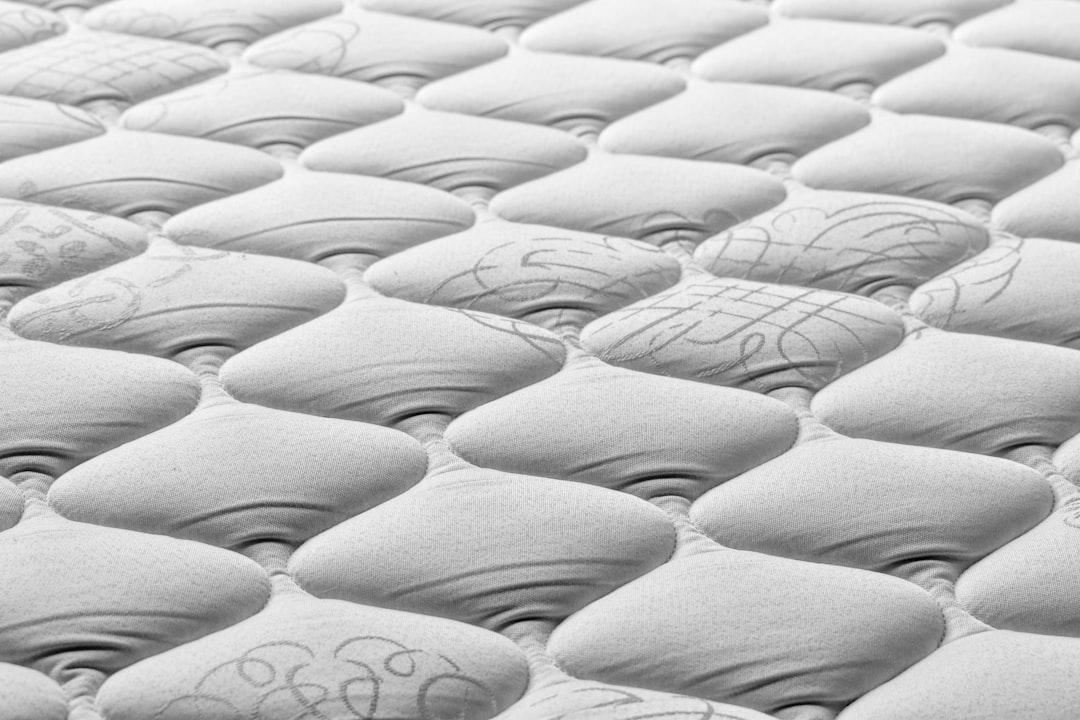
Mattress warranties can feel like a maze of fine print, but a few common queries cut straight to what matters for Singapore buyers sweating through the night.
Does warranty cover yellowing from sweat?
That’s a no. Warranties cover structural defects, not the stains and discolouration that come from daily use. Sweat, humidity, even spilled drinks—those are considered wear and tear, not a manufacturing fault. A cooling mattress with a breathable bamboo or Tencel cover might resist moisture better, but over time, any fabric can show marks.
Is sagging of 2cm considered a defect?
It depends entirely on the brand’s policy, but a 2cm dip is often the threshold where a warranty claim might kick in. You’ll need to measure it precisely. The catch is, they’ll check if the sagging is from normal wear or a faulty support system. If you’ve used it evenly for years, a slight dip is normal. If a pronounced hollow forms in one spot after a short time, that’s a stronger case.
Will they repair or replace under warranty?
Most brands will try to repair a localised issue first, like reinforcing a specific coil cluster. If the problem is widespread or the repair isn’t viable, they’ll usually authorise a replacement. The process isn’t instant—you’ll often need photos, proof of purchase, and sometimes a technician’s visit. Keep your paperwork.
Does moving house void the mattress warranty?
Generally, no. Relocating your mattress to a new flat doesn’t automatically cancel the coverage. What can void it is damage during the move itself—if it gets bent, torn, or soaked while being transported. Use proper mattress bags and professional movers if you’re concerned. The warranty stays valid as long as the mattress arrives at your new place in the same condition it left the old one.
Most people walk into a showroom with just a vague idea of what they want. That’s fine for browsing, but if you’re serious about a cooling mattress for a 12 sqm common bedroom, you’re wasting your time. You’ll end up staring at a dozen options and forgetting which one felt right ten minutes later. The difference between a productive visit and a frustrating afternoon boils down to three things you can do at home.
First, know your exact bed base dimensions. A Queen is 152 by 190cm, but your existing frame might be slightly bigger or smaller—and those extra centimetres matter when a mattress sits flush. More importantly, measure your room’s orientation. Is the bed against a west-facing wall that gets afternoon sun? That extra heat load means a mattress with a ventilated coil system or breathable cover becomes non-optional, not just a nice feature. You can’t assess that in a cool, air-conditioned showroom without picturing your own space.
Next, bring a sheet. Any old cotton one will do. Lay it over the mattress samples to feel the fabric weave directly against your skin. The marketing says “Tencel” or “bamboo,” but your hand tells you if it’s genuinely smooth and cool, or just a thin layer over dense foam. This simple test cuts through the sales talk instantly.
Finally, be honest about your typical sleep temperature. Are you a hot sleeper who kicks off blankets, or do you feel the chill after midnight? In Singapore’s climate, where bedroom temps often exceed 28°C, a mattress that simply doesn’t trap heat is the baseline. But if you’re someone who experiences hot flushes, you need the active cooling tech—phase-change materials or gel layers that pull heat away. Knowing this lets you ignore the neutral-feeling beds and focus on the ones that genuinely regulate.
With these three checks done, your showroom trip transforms. You’ll walk in, verify the measurements fit, feel the cover with your sheet, and then lie down knowing exactly what thermal performance you need. You’ll leave with a decision, not just a brochure.