A standard memory foam mattress in a non-airconditioned room is a recipe for a restless night. Picture that 12 sqm HDB common bedroom on a typical Singapore evening, where the ambient temperature barely dips below 28°C. You sink into the foam, expecting relief, but the material holds onto your body heat like a sponge. It doesn't just feel warm—it builds up warmth through the night, turning a simple bed into a thermal trap. Traditional memory foam is famous for trapping heat, which is exactly why cooling versions exist — a memory foam mattress with gel-infused or open-cell foam dissipates body warmth while keeping the contouring, pressure-relieving feel people love. The gel beads absorb heat and draw it away, and the foam springs back faster so it holds less warmth. For a sleeper who wants the cradled memory-foam feel without the heat, the cooling-gel versions are the ones to compare.. For anyone who sleeps hot, that's a guaranteed way to wake up groggy and frustrated by 3am.
The mistake isn't the mattress itself, but the mismatch. Foam, especially the denser varieties, is fantastic for pressure relief and quiet support. But its structure lacks the natural pathways to move air. In a room without mechanical cooling, there's no external force to help dissipate that accumulated warmth. You're relying solely on whatever breeze might drift through a window, and that's rarely enough. The result is you're sleeping on a heat reservoir instead of a restful surface.
This is where material choice becomes non-negotiable. For a non-aircon space, you need a mattress engineered to manage temperature actively. Look for ones built with a ventilated core that promotes constant airflow, or those that incorporate cooling gels or phase-change fabrics into their design. The goal is a surface that works with the climate, not against it. A mattress that merely feels cool when you first lie down isn't enough—it must maintain that condition throughout the night.
There's one exception, of course. If you're a genuinely cold sleeper, someone who always reaches for an extra blanket even in our humidity, then a standard foam might still work for you. But for the vast majority here, especially those experiencing night sweats or hot flashes, that material in that environment is a definite cannot. You'll spend more nights tossing than resting, and that's no way to live.
So you’ve settled on a coil mattress because foam was too warm. Good move. But now you’re staring at labels like ‘medium-firm’ and ‘extra-firm’, wondering which one lets air move best. Here’s the thing: firmness in a coil system isn’t just about how much padding they’ve slapped on top. It’s built into the springs themselves—the tension in each coil and how many they’ve packed in per square metre. A higher coil count, paired with a tighter spring tension, creates a denser, firmer feel that still has plenty of gaps between coils for air to travel through. That’s the key difference from a solid slab of foam.
Think of it like a jungle gym versus a solid wall. A ‘medium-firm’ coil mattress has enough spring tension to give you proper support, but those individual coils are spaced apart, creating channels. Your body heat rises, and the air can actually circulate down through those channels and away from you. In foam, even with cooling gel or phase-change materials, you’re essentially sleeping on a thermal insulator—the heat gets trapped in the material itself. A ventilated coil system works like a built-in exhaust fan, passively moving warmth out.
This means you can actually choose a firmer feel without sacrificing cooling performance. In fact, a firmer coil bed often breathes better than a softer one, because the springs are more tightly wound and the structure is less likely to compress fully and block those air gaps. If you’re a hot sleeper in a non-air-conditioned room, or someone who just hates that sticky, trapped feeling at 3am, this is your fix. You don’t have to go ultra-plush to be comfortable; a properly engineered firm coil bed supports your back and lets you sleep cool.
The only exception? If you’re a very light sleeper, maybe a petite person, a truly ‘extra-firm’ coil mattress might feel too rigid because you won’t compress the springs enough to benefit from their contouring. For most people, though, especially in our climate, a labelled ‘medium-firm’ or ‘firm’ coil mattress is the smarter pick. The whole case for cooling is the climate, and the guide to choosing a mattress for Singapore's weather lays it out — at high humidity and warm temperatures year-round, a mattress that breathes and regulates temperature decides whether you sleep through the night. It walks through the cooling materials worth seeking and why they matter here more than almost anywhere. The takeaway: in the tropics, how cool and dry a mattress sleeps is as important as how supportive it is.. It’s the one that corrects the initial mistake of choosing foam for coolness—you get the support you need and the airflow you desperately want.
That first impression of sinking into a soft mattress can feel luxurious, especially after a long day. Many buyers gravitate towards this sensation in the showroom, imagining it will cradle their aches. It's a surface-level comfort, though, one that doesn't account for the long-term relationship with a mattress in a humid climate. The plush top layers compress easily, offering immediate relief but little underlying support. Over weeks and months, that initial softness becomes the very problem you're trying to solve. It's a classic case of judging a bed by its first minute rather than its performance over a thousand nights.
The core issue with a soft coil system is its inability to maintain integrity under constant pressure and moisture. Singapore's humidity, often above eighty percent, acts like a slow-acting solvent on materials that aren't resilient. The steel coils in a less supportive mattress aren't tempered for heavy, concentrated loads, and they begin to fatigue. This isn't a sudden collapse but a gradual softening where the centre of the bed yields more than the edges. You'll notice it as a subtle dip at first, a place where the mattress no longer rebounds to its original height. That dip is the start of a permanent change in the sleeping surface.
Those softened coils and compressed top layers eventually form permanent valleys where you lie. These body impressions are more than just an aesthetic nuisance; they fundamentally alter how the mattress interacts with your form. Instead of providing even support, the bed now cradles you in a pre-formed pocket that limits movement and alignment. For a couple, two distinct dips can develop, creating a ridge in the middle that neither person finds comfortable. The mattress loses its ability to adapt to different sleeping positions, locking you into the shape of its failure. This is where the initial soft comfort transforms into a restrictive trap.
A flat, taut sleeping surface allows air to circulate freely across and beneath it. Once deep impressions form, that crucial airflow is severely compromised. The valleys act like basins, trapping your body heat and preventing cooler air from moving through the mattress layers. The materials around the indentations become compressed and dense, further blocking ventilation. In a non-air-conditioned room, this effect magnifies the already challenging thermal environment. You're not just sleeping on a warm surface; you're sleeping in a pocket of stagnant air that your own body continually reheats. This turns the bed into a heat sink rather than a cooling platform.
The final consequence is a sustained increase in sleep temperature that disrupts rest night after night. That trapped heat doesn't dissipate; it builds up through the evening, making the second half of your sleep often warmer and more restless. For sleepers experiencing hormonal changes or simply sensitive to warmth, this accumulation can be the primary cause of broken sleep. It's a problem that standard room fans can't solve, as they only move air across the top surface, not through the compressed materials. The mattress itself becomes the source of discomfort, actively working against your need for a cool, stable sleeping environment. Choosing a supportive structure from the start is the only reliable way to avoid this slow, thermal decline.
A latex mattress is naturally one of the cooler constructions — its open structure lets air circulate freely, so it breathes better than traditional foam without needing added gel. Latex is responsive, pressure-relieving, hypoallergenic, and durable, which makes it a strong cooling choice for the tropics. For a sleeper who wants cool, breathable support from the material itself rather than a cooling additive, latex is the natural pick..A mattress sagging after a year is a common complaint, especially in Singapore's humid climate where a mattress that sinks also tends to trap heat. That dip in the centre isn't just uncomfortable—it creates a pocket that restricts airflow and turns your bed into a personal heat reservoir. The culprit is often a mismatch between the sleeper's weight and the spring gauge, a detail many overlook when chasing a cooling label.
Heavier individuals, or those in larger beds like the landed property east-side homes often favour, need to be especially mindful. A Queen or King size mattress with a lighter gauge will simply bow under sustained pressure. You'll find yourself sleeping in a warm, sunken valley instead of on a supportive, breathable surface. The fix is straightforward: prioritise coil gauge alongside any cooling claims about breathable covers or ventilated systems. A well-supported mattress stays flat, and a flat mattress allows air to circulate.
Spring gauge refers to the thickness of the steel wire in each coil. Thicker gauges, like 13 or 14, are sturdier and resist deformation under heavier loads. For an average-weight couple in a 4-room BTO, a standard gauge might hold up initially, but over time the combined pressure in the middle can cause those coils to compress permanently. That's when you get that dreaded sinkhole effect, which not only ruins support but also seals off the ventilated channels designed to let heat escape. A thicker gauge maintains the mattress's structure, keeping those air pathways open for the cooling system to actually work.
The only exception might be for a very light sleeper in a Single bed, where a lighter gauge could still provide adequate support without compromising longevity. But for the majority, especially couples or anyone above average weight, opting for a thicker gauge is a non-negotiable part of ensuring your cooling mattress actually stays cool and supportive for years. Don't just feel the top layer—ask about what's underneath. If replacing the mattress isn't on the cards, the cooling mattress topper guide is the cheaper route to a cooler bed — a gel-infused or phase-change topper sits over your existing mattress, absorbing and dispersing heat and wicking moisture. It won't transform a worn mattress, but it noticeably drops the surface temperature. The guide also covers the surrounding fixes: breathable bedding, room ventilation, a cooler bedtime routine. A practical first step before a full upgrade.. The coils are the foundation, and a weak foundation will sink, trapping you in the heat.
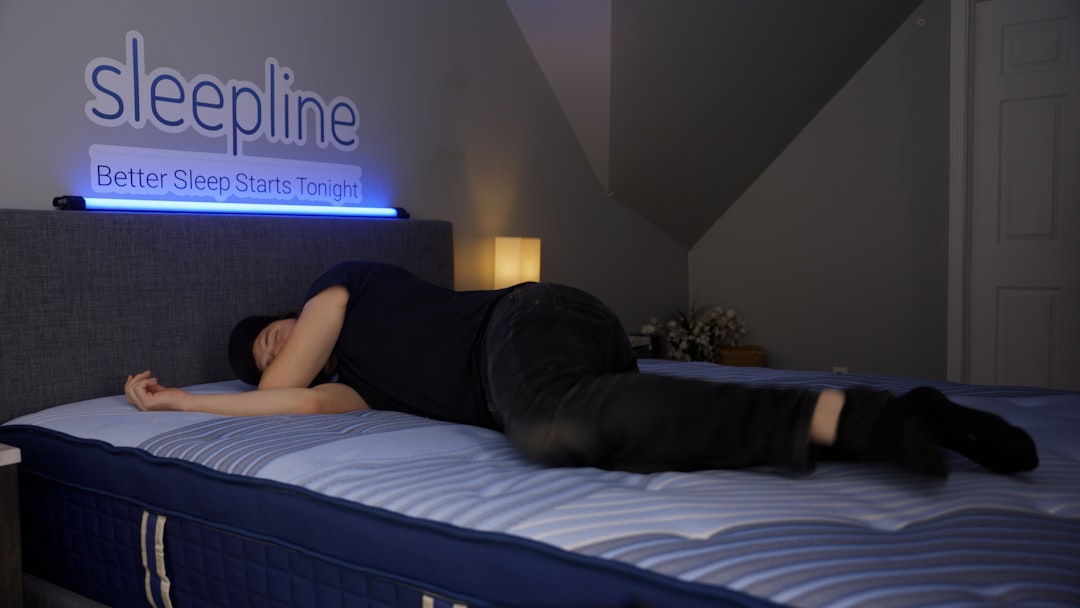


There's a real difference between how a mattress feels in a cool, air-conditioned showroom and how it feels in your actual bedroom after a long, humid day. That gap is why a recommendation to just check online reviews and buy a coil mattress sight unseen isn't a good idea—you'll miss the crucial factor of how the materials react to warmth. Singapore's ambient bedroom temperatures often exceed 28°C, and that heat changes everything; a foam that feels supportive in a cool environment can become soft and sluggish, losing its proper firmness when it's warm. You need to experience the mattress under conditions that mimic your own home.
For a proper test, you should visit a showroom on a warm afternoon, perhaps after a day out when the humidity has settled into your clothes. The Joo Seng or Tampines locations are good options for this. Walk in, feel the air, and then spend serious time lying on the Somnuz® coil mattresses. Don't just perch on the edge; lie down fully for ten minutes, letting your body heat interact with the surface. This is when you'll notice if the ventilated coil system and the surrounding materials are doing their job—whether they're maintaining their promised support or starting to feel overly pliant under your weight. The firmness rating on a tag is a static number; the feel in a simulated local climate is the dynamic truth.
Pay close attention to how the mattress supports your spine after you've been on it for a while. A mattress that stays steady is one that will work through the night. If it seems to soften noticeably as you lie there, that’s a sign it might not hold up in a non-air-conditioned room. Testing on a cool day won't reveal this. You want to gauge the feel against real Singapore humidity, because that's the environment it will live in. This approach saves you from the common regret of buying a mattress that feels perfect in the store but wrong in your flat.
The only time I'd skip this in-person test is if you're replacing a mattress you already know and love, and you're buying the exact same model again. Otherwise, you need this real-world check. Your body's reaction to heat and support is personal, and a spec sheet can't tell you that. Go feel it for yourself.
Somnuz .You can’t just grab the firmest coil mattress and expect a cool night. That’s the classic misstep—thinking that maximum airflow equals maximum comfort for everyone. A rigid, tightly-packed coil core does let air circulate beautifully, which is a godsend when your bedroom’s pushing past 28°C. But for side sleepers, that same unforgiving surface becomes a pressure point factory, jamming into shoulders and hips until you wake up sore and restless. It’s a trade-off that’s especially punishing for anyone who needs a bit of cushioning, like menopausal women dealing with hot flushes; they need temperature regulation, but they also need their joints to sink in gently, not get propped up on a hard grid.
The fix isn’t about abandoning coils. It’s about layering. You want that ventilated steel heart for breathability, then you top it with a comfort layer that’s both pressure-relieving and cool. Memory foam, the old favourite for contouring, tends to trap heat—that’s a no-go here. Instead, look for aerated latex or cooling gel-infused foams that cradle without cooking you. The combination creates a microclimate: the coils channel away warmth from below, while the top material dissipates it from the surface. It’s the balance that lets you stay on your side without feeling like you’re sleeping on a wire rack.
There’s a counterintuitive detail here that many buyers miss. The thickness of that comfort layer matters more than its firmness rating. A thin, soft topping on a rock-solid base just gets crushed—you’re still feeling the coils. You need a substantial layer, something around a few centimetres deep, to properly buffer your body. It’s not about adding a plush pillow-top that ruins support; it’s about ensuring the softer material has enough volume to do its job before your weight hits the firmer core.
For almost every side sleeper in our climate, this hybrid approach is the clear answer. The only time you’d skip it is if you’re a strict back sleeper who never rolls onto your side—then you can probably lean firmer and enjoy the unimpeded airflow. But for the vast majority, that middle path is the one that gets you through the humid nights without waking up aching. You get the cooling benefit of the coil system without sacrificing the support your sleeping posture actually requires.
A cooling mattress with a ventilated coil system uses open-air pockets between the coils. This airflow pulls body heat down away from the sleeper, unlike dense foam that traps warmth. The system is particularly effective for Singapore's hot climate and for sleepers who've found memory foam too warm. Mattresses like these often pair coils with breathable covers for added cooling.
Mattress materials must withstand Singapore's 80%+ humidity to avoid mould and odours. A ventilated coil core is inherently resistant, but surrounding foams should also be aerated or infused with cooling gel. Breathable natural fabric covers, like bamboo or Tencel, help wick moisture away from the body. This material combination ensures durability and consistent cooling performance over years.
You’ll hear the same question in showrooms every weekend: are coil mattresses actually cooler than foam in our climate? They usually are, because the open structure lets air circulate—it’s not just about the coils themselves but the gaps between them. Foam, especially memory foam, traps your body heat like a sponge. A coil mattress with a ventilated design moves that heat away faster, which matters when your bedroom’s sitting at 28°C and you’re trying to sleep without the air-con running all night.
What firmness helps with back pain when it’s humid? Medium-firm is the sweet spot for most people. Too soft lets your spine sink into an unsupported curve; too hard can create pressure points that feel worse in the heat because you can’t relax. The support from a properly tensioned coil system keeps your alignment neutral, and that consistent support is what eases long-term ache. A firm mattress won’t magically cure night sweats, though—it can reduce contact points, but if the mattress itself isn’t breathable, you’ll still feel the heat build up.
How many coils for two heavy sleepers? Look for a higher coil count, sure, but the gauge and the edge reinforcement matter more. A Queen with a sturdy perimeter and thicker coils will hold up better over time. Two people sharing a bed generate more heat, so a system with good airflow between those coils becomes critical—you don’t want a dense block that acts like a thermal barrier.
Can a firm mattress help with night sweats? Only if it’s paired with a truly cooling top layer. The clearest in-house cooling example is memory foam versus hybrid guide Megafurniture's own line, whose mattresses use a breathable knitted Tencel® cover designed for the local climate, often over latex or pocketed-spring layers that keep air moving. Because it's the exclusive in-house brand, you get that cool-sleeping build without the name-brand markup. For a cooling mattress that's well-made and good value, the Somnuz line is a natural starting point.. A firm surface alone might reduce the area of your body that’s pressed into the mattress, but if the materials above the coils—like a dense foam or a non-breathable cover—don’t let heat escape, you’ll still wake up feeling sticky. The exception is if you choose a firm mattress specifically built with cooling channels or a phase-change cover; then the firmness works with the technology, not against it.
You’ve got your list of features, you know your budget, and you’re ready to head out. Before you do, there’s one last bit of homework that’ll save you a lot of showroom indecision. It’s about your own body and your own room—things a salesperson can’t guess for you.
Start with the bedroom itself. Singapore bedrooms, especially those common rooms in older flats, can feel like sealed boxes. Stand in your room and feel the air movement. Is there a cross-breeze when both windows are open, or does everything just sit still? That’s your baseline ventilation, and it dictates how much help your mattress needs to keep you cool. A mattress with a highly ventilated coil system can pull air through, but if your room’s air is stagnant, even the best engineering will struggle. Knowing this lets you test more realistically—you can ask to feel the airflow through a sample mattress section, not just the surface coolness.
Next, think about how you actually sleep. A cooling pick sits within the wider queen size , so it's worth seeing the full spread — memory foam, latex, pocket spring, and hybrid, with cooling features across several of them. Browsing the range shows where the coolest-sleeping options sit against the rest. In the tropics it's worth filtering for breathability and temperature regulation early. Choose the construction for how you sleep, then weight cooling heavily in the final call.. Most people have a dominant position they return to after they turn. Are you a side sleeper who curls up, a back sleeper who sprawls out, or do you spend half the night on your front? Your weight distribution changes completely with each pose, and that changes where you need support. In a showroom, lie down in your usual position for a full five minutes. Don’t just flop onto your back because it’s easy. Feel where the mattress pushes back against your hips, your shoulders, your spine. That’s the firmness you’re buying for, not the one you use for two minutes before you drift off.
Finally, bring a physical memory of your old mattress. If you wake up with a stiff lower back or a sore shoulder, that’s a pressure point talking. Note it down. In the showroom, target that exact spot when you test. Apply pressure there, see if the new mattress’s support alleviates it or if it just recreates the same ache. A good coil system should disperse that pressure, not concentrate it. This is the real test—not whether the mattress feels nice for a minute, but whether it solves the problem you already own.
Without these three checks, you’re just choosing based on a fleeting impression in a controlled, air-conditioned showroom. With them, you’re matching engineering to your actual life. That’s how you find a mattress that works when you bring it home, not just when you’re lying on it in a shopping centre.