Think about that cooling gel layer as a sponge—a sponge that’s meant to pull heat away from your body. It’s porous, full of tiny channels that let air move and heat dissipate. But Singapore’s air isn’t just hot; it’s heavy with moisture, often pushing humidity levels well past eighty percent. That dampness gets into everything, and it’s already working on breaking down materials slowly, year after year.
Now add a chemical cleaner, something strong enough to tackle a stain. You spray it, maybe scrub a bit. The foam absorbs it, just like it absorbs humidity. The problem isn’t just the cleaning agent itself; it’s the reaction. Many common cleaners are alkaline or acidic. In our constant damp environment, they don’t just sit on the surface and evaporate. They seep in and start a slow chemical reaction with the gel foam’s structure. It’s a quiet degradation—the microscopic pores that make the material “cooling” begin to collapse or clog.
Over time, what was once an open, breathable network becomes sluggish and dense. The foam loses its ability to transfer heat efficiently. You’ll notice it first in a non-air-conditioned room, where the ambient temperature never drops below twenty-eight degrees anyway. The mattress feels warmer than it used to; it doesn’t recover that cool sensation quickly after you get up. That’s stagnation—the material’s thermal performance has plateaued, then declined, because its internal architecture is compromised.
The one real exception is a genuine, urgent stain that needs immediate action. In that case, a targeted, minimal application of a mild, pH-neutral solution might be necessary to prevent a permanent mark. But that’s a surgical intervention, not a routine cleaning method. For everything else—dust, general upkeep—a gentle vacuum and a wipe with a damp cloth is the way. Anything more aggressive is trading a quick clean for the long-term function of your mattress, and in our climate, that’s a losing deal.
That cool, silky bamboo cover is the first thing you notice when you lie down. It feels like a relief in a 28°C bedroom. But after a few months of Singapore nights, the same spot where you rest your head starts to show a faint yellow tint—a sweat stain that’s stubborn. You’re caught between wanting to scrub it clean and knowing that harsh treatment could ruin the fabric’s breathability. That’s the tension every buyer faces eventually.
Gentle washing is the rule. Use a cold cycle, a mild detergent, and skip the dryer entirely. Hang it to air dry, preferably indoors to avoid the midday sun bleaching the fibres. This routine preserves the weave that lets air pass through, keeping you cooler. Anything hotter or more aggressive can tighten the fibres, essentially sealing them up. The cover might look clean, but it won’t perform the same way; you’ve traded a stain for a warmer sleep surface.
Now, for that persistent mark. You can’t just ignore it—the stain will set and become permanent. A targeted approach is key. Apply a paste of baking soda and water directly to the spot, let it sit for an hour, then gently rinse with cold water. Don’t scrub hard. For tougher discolouration, a diluted white vinegar solution can work, but you must test it on a hidden corner first. The goal is to lift the stain without saturating the entire panel, which could cause shrinking or texture change.
There’s one real exception to the gentle-wash rule. If the stain is from something like spilled food or a drink, and it’s fresh, you might need to act more decisively. In that case, spot-treat immediately with a specialised fabric cleaner designed for natural fibres, but still avoid hot water and vigorous rubbing. The urgency here is about preventing the stain from bonding, not about deep cleaning the whole cover. After the spot treatment, proceed with the usual gentle wash.
So, what’s the verdict? Prioritise preserving the cooling properties. A faint shadow from sweat is preferable to a cover that’s lost its breathability. Only break the gentle-washing protocol for fresh, non-sweat stains that threaten to become permanent. Over time, the cover will show signs of use, but that’s okay—it’s still doing its main job, which is helping you sleep cooler in our humid climate.
" width="100%" height="480">Cooling mattress cleaning: avoiding harsh chemicalsThe steam cleaner's main appeal is its chemical-free approach, which feels like a win for anyone wary of harsh sprays in a humid bedroom. That high-temperature vapour, however, poses a direct threat to the phase-change materials embedded in a cooling mattress. These materials are engineered to absorb and release heat at a specific temperature range, a delicate calibration that steam's intense blast can permanently disrupt. Once compromised, those tiny capsules lose their ability to buffer your body's temperature spikes, turning your cool sleep surface into just another ordinary bed. For someone already battling night sweats in a non-air-conditioned room, that's a quiet but total defeat. You're trading a visible stain for an invisible loss of function.
Phase-change substances aren't like a simple gel foam that just feels cool to touch; they have a kind of thermal memory. They're designed to solidify and release stored heat when your body gets too warm, then liquefy and absorb heat as you cool down. This cycle relies on a precise melting point, often tuned to match the narrow range of human skin temperature. Introducing steam, which can exceed 100°C at the nozzle, essentially forces these materials into a melt state they aren't meant to handle. The result isn't always immediate failure, but a gradual degradation of their regulatory capacity—they can't reset properly. Over several cleaning attempts, the mattress slowly forgets how to keep you cool.
Many cooling mattresses combine phase-change layers with a breathable, natural-fibre cover like bamboo or Tencel. Steam cleaning can be safe for that fabric surface if done carefully, avoiding prolonged direct contact. The real danger lies in penetration; steam doesn't just sit on top. That pressurized vapour pushes through the cover's weave and into the core, seeking out the engineered materials hidden beneath. Even a quick pass with the machine risks delivering a pulse of heat deep enough to reach the critical layer. You might successfully sanitise the visible top, but you're sacrificing the hidden technology that makes the purchase worthwhile.
There's a single, clear exception where steam could be considered: a serious, isolated stain on a section of the mattress that doesn't contain the phase-change materials. Some designs localise the cooling technology in specific zones, like a top layer or a central panel. If you know—and you must be certain—that the stained area is just a fabric cover over plain foam or coils, a brief, targeted steam application might be acceptable. This isn't a blanket recommendation; it's a last-resort tactic for a specific scenario. For general maintenance or overall freshness, steam's broad assault is simply too risky for the mattress's core purpose.
Sticking with cool water and a mild, pH-neutral detergent isn't a compromise; it's the preservation strategy. This method cleans the surface effectively without launching a thermal attack on the mattress's internal mechanics. For Singapore's climate, where humidity encourages mould and dust, regular vacuuming and occasional spot cleaning with a damp cloth are enough to maintain hygiene. The goal is to protect the investment in thermal regulation, especially for sleepers whose nights are already disrupted by heat. A cooling mattress isn't just a product to clean; it's a system to safeguard. Choosing the gentlest path ensures it continues to perform its essential function through every humid season.
Here's the truth about ventilated coil systems: they're designed to let air move, not to trap moisture. Pouring any liquid into those channels, even a mild cleaning solution, is a recipe for mould. Singapore's humidity sits around eighty percent most days, and that dampness clings inside the coils where you can't see it. A damp coil pocket becomes a perfect breeding ground—the airflow stops, and the cooling function fails.
The only exception is a genuine spill that penetrates the fabric cover and reaches the coils. In that rare case, you'd blot the surface immediately, but never pour or spray anything into the cavity. Instead, you'd focus on drying the area completely—perhaps with a fan directed at the spot—before allowing normal airflow to resume. Anything wet introduced deliberately is a long-term mistake.
Think of it like a clogged aircon vent. You wouldn't spray water into your aircon's fins; you'd dust them. The same logic applies. The proper care is entirely dry: regular airing and a soft brush to dislodge dust. Just prop the mattress up on its side every few months, let the air circulate through the channels for an hour, and use a long-handled brush to sweep out any lint or debris. That's all it needs.
So skip the bottled sprays and the DIY vinegar mixes. They promise a clean feel but leave a hidden dampness that'll undermine the mattress's core purpose. Keeping those channels clear and dry is the single maintenance step that actually preserves their cooling effect. It's straightforward, and it works.
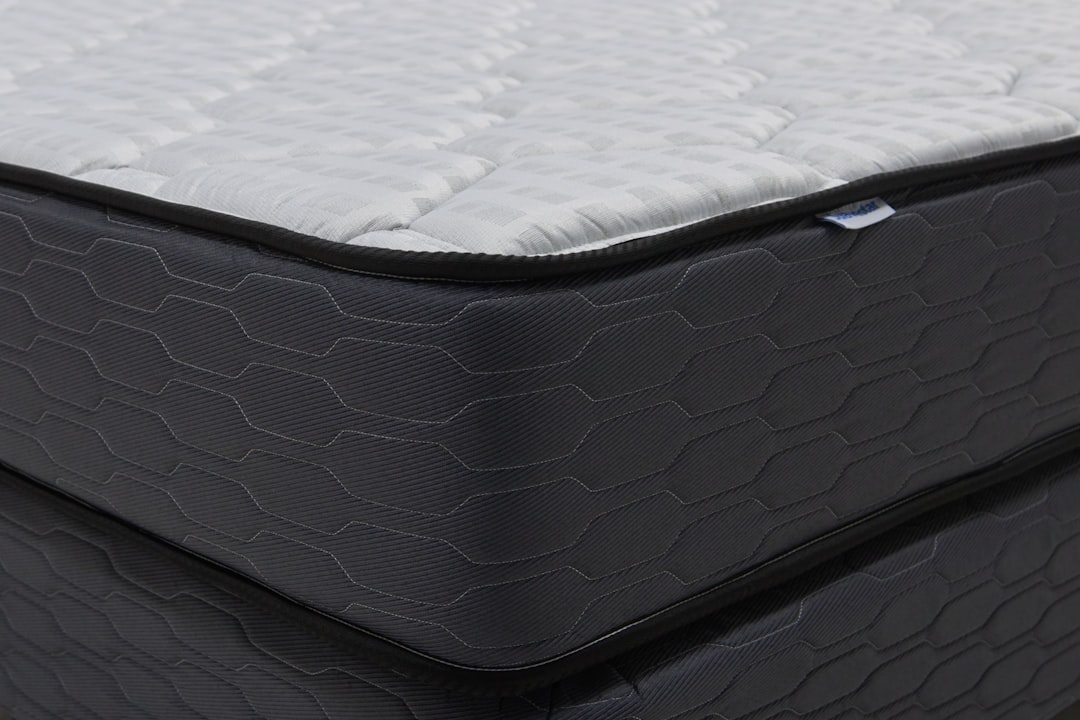
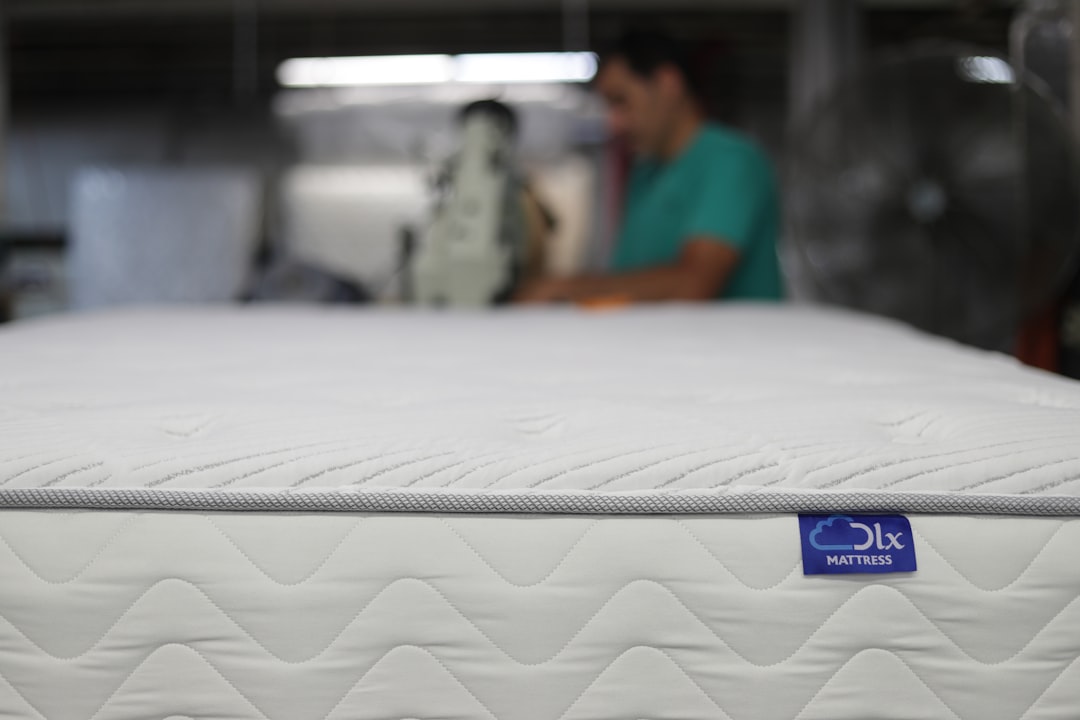
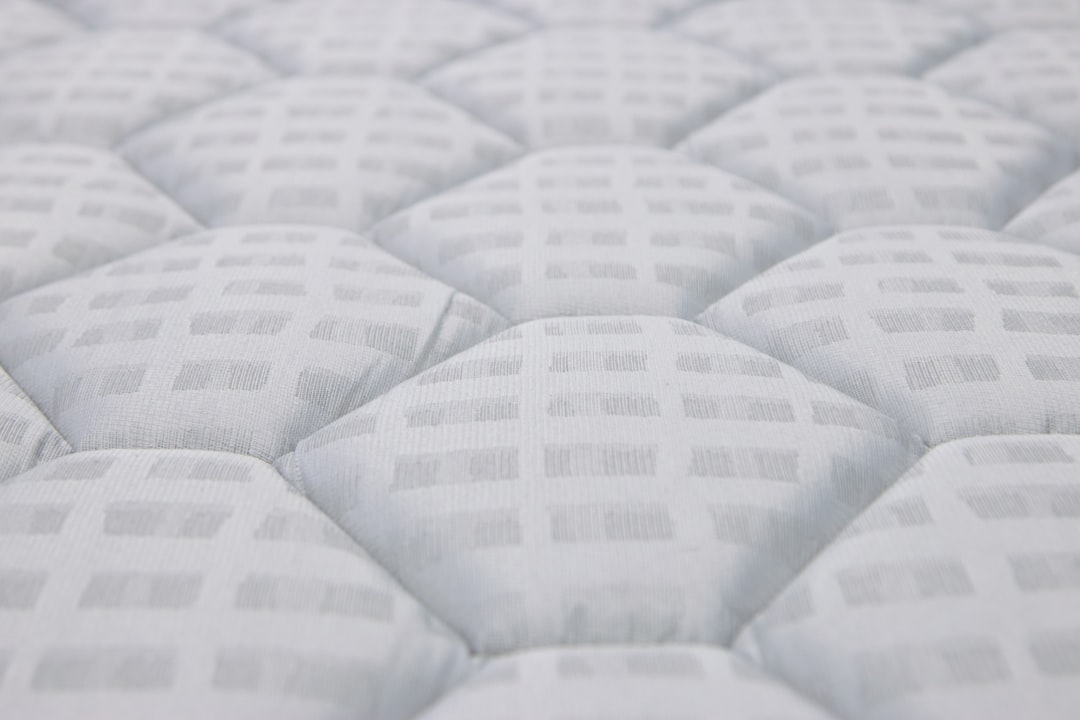
Aeration is latex’s secret weapon against our tropical nights. Those tiny air pockets woven into the material aren’t just a marketing feature—they’re a functional cooling system, actively pulling heat away from your body. That’s the whole reason you bought it, isn’t it? So the biggest mistake you can make is treating it like any other mattress and blasting it with harsh disinfectants. Bleach-based sprays or strong chemical cleaners will break down those delicate cellular walls over time, collapsing the very structure that makes it cool. You’ll end up with a denser, warmer slab that feels nothing like the mattress you originally paid for.
Think about the cleaning cycle in a typical Singapore flat. Maybe there’s a spill, or after a bout of flu you want a deep clean. The instinct is to go for the strongest thing under the sink. But with aerated latex, that’s a long-term trade-off you don’t want to make. Aggressive disinfectants sacrifice core performance for surface hygiene. Instead, stick to gentle, pH-neutral solutions—a mild detergent diluted in water works fine. For sanitising, a vinegar solution or a specialised latex-safe cleaner does the job without attacking the material. Just spot clean, never soak it. The cover is your first line of defence; a removable, breathable bamboo or Tencel cover can be washed separately, taking the brunt of daily grime.
There’s one real exception, though. If you’ve got a situation that demands a hospital-grade disinfectant—say, a serious contamination issue—then you have to use it. But understand that it’s a calculated compromise. You’re prioritising an immediate health need over the mattress’s future cooling ability. After such a clean, the aeration might be permanently diminished. For everything else, the daily sweat and dust, gentle care preserves the investment.
The goal is to keep those air channels open and functioning for years. A well-maintained aerated latex mattress should still feel noticeably cooler than memory foam after five or six years of use. That’s the test. If it starts feeling dense and heat-trapping, you might look back at your cleaning routine. So skip the heavy chemicals. Your cooling mattress depends on it.
The showroom's the only place where you can really see what you're dealing with. You'll read about breathable bamboo covers or cooling gel foam layers online, but those terms don't tell you how the surface actually feels under your fingers—whether it's slick and smooth or has a textured weave that might trap a stain differently. That hands-on inspection is crucial because a cooling mattress isn't just one material; it's a system of layers, and cleaning a Tencel cover wrong could affect the phase-change materials underneath.
Head over to one of the showrooms and spend a few minutes pressing into the different firmness levels. The firmer models often have a denser top layer, which might react differently to a spill than a softer, more porous one. Try a simple test: press your palm firmly onto the fabric, hold it for a moment, and then look at the impression you've left. Some surfaces bounce back instantly, while others show a slight lingering mark. That tells you something about how a liquid might soak in, or how a cleaning cloth might need to work a bit more to lift something out of that particular structure.
You can't bring a bottle of stain remover into a store, obviously, but you can ask yourself a practical question while you're there. If this got a coffee spill, what would you do? The smooth, almost silky covers might let you wipe a spill away quickly before it penetrates, but a fabric with a pronounced knit could require a bit more gentle agitation to get it clean. Seeing the mattress in person lets you judge that texture, and that judgement directly informs your cleaning method—whether you'd go for a quick blot or a deeper, more cautious spot clean.
There's one exception to this rule, of course. If you're buying a mattress with a completely removable and washable cover, the texture concern lessens because you can take the whole thing off and treat it separately. Even then, you should still feel the base material at the showroom, because a removable cover isn't always a guarantee—some are technically removable but are a real chore to detach, and you'll want to know if you're committing to that hassle. For the majority of integrated designs, though, where the cooling fabric is part of the mattress top, that in-person assessment is non-negotiable. You'll leave with a much clearer idea of what 'gentle cleaning' actually means for your specific purchase.
You’ve bought something engineered to keep you cool, and now you’re staring at a stain wondering if you’ll wreck the magic with a harsh scrub. That’s a real fear lah. The materials in these mattresses—the cooling gel layers, the bamboo covers, the phase-change fabrics—aren’t your average cotton ticking. They need a gentler touch, especially in our climate where any chemical mistake can linger in the humidity.
Can I use bleach on a cooling mattress stain? Absolutely cannot. Bleach is a corrosive agent that will degrade the specialised cooling materials, particularly the gel-infused foam or any breathable technical fabric. It’ll strip colour and compromise the structure. For a fresh spill, blot it up immediately with a cool, damp cloth. For a set stain, a mild soap solution with a soft brush is your safest bet.
How to clean mattress without damaging cooling gel? The gel layer is usually encapsulated within the foam or fabric, so you’re cleaning the surface cover. Always check if the cover is removable—if it is, cold wash and air dry is the way. If it’s not removable, use a spray of diluted white vinegar or a mild detergent, apply lightly, and never soak the mattress. Soaking pushes moisture into the core where it can’t dry properly, and that’s a recipe for mould in our 80% humidity.
Does vinegar harm bamboo mattress cover? Vinegar is acidic, but diluted it’s a safe disinfectant for natural fibres like bamboo. Mix one part vinegar to three parts water, spray lightly, and blot. Don’t pour it on. The real risk isn’t the vinegar itself, but leaving any liquid to sit. Bamboo is breathable, but it’s not a sponge; let it get soaked and you’ll have a damp mattress for days.
Best way to dry mattress in humid Singapore? This is the trickiest part. You can’t just leave it in the bedroom with the windows closed. After any cleaning, prop the mattress against a wall in a well-ventilated area, ideally with a fan circulating air directly over the damp spot. If you’ve got a dehumidifier in the room, run it for a full day. Never, ever try to speed things up with a hair dryer or direct sunlight—heat can warp the materials and ruin their cooling properties. Patience and airflow are your only tools here.
Right before you wipe down or spray anything, take a minute to verify exactly what’s inside your mattress. That cooling sensation you paid for isn’t magic—it’s a specific technology, and each type reacts differently to cleaning. Treating a gel-infused foam mattress like a ventilated coil system can ruin its thermal properties permanently.
Gel foam and phase-change materials are sensitive to moisture penetration. Using a damp cloth with anything more than water on a gel foam layer risks the gel beads clumping or the foam losing its structure—that’s how the cooling effect gets compromised. PCMs are even more delicate; they’re engineered to absorb and release heat at a precise rate, and harsh solvents can disrupt that phase-change cycle. For these, your cleaning method should be a light mist and blot, never a soak.
On the other hand, a mattress with a breathable bamboo or Tencel cover over a coil system is more forgiving. The cooling here relies on airflow through the coils and the cover’s weave, not a sensitive internal layer. You can be a bit more thorough with surface cleaning, but still avoid strong chemicals that might degrade the fabric’s weave or leave a residue that traps heat instead of releasing it. Latex mattresses, especially the aerated ones, are similarly robust; their cooling comes from the open structure, so a gentle wipe won’t hurt the material’s integrity.
The one real exception is a hybrid mattress combining multiple technologies. If you’ve got gel foam on top of coils, for example, you need to target your cleaning to the top layer only—don’t let liquid seep through to the foam. In that case, a very controlled, almost surgical spot clean is the only safe approach. Anything aggressive over the whole surface is a gamble with your investment.
So, check your warranty card or the original specs. If you’ve lost them, a quick call to the showroom where you bought it can usually clarify the construction. Don’t guess. That final verification is what separates a mattress that stays cool for years from one that becomes just another warm slab after a few cleanings.
Cooling mattress care preserves its heat-dissipating features. Spot-clean the breathable cover with a mild detergent and cool water—hot water can shrink fabrics like bamboo or Tencel. Ensure the mattress dries completely in Singapore’s 80%+ humidity to prevent mould. Rotate it head-to-foot every few months to maintain even wear and support.
A cooling mattress must withstand constant high humidity. Quality materials like aerated latex or gel-infused foam resist moisture retention better than standard memory foam. Ensure good ventilation under the bed; a slatted base promotes airflow. This prevents the internal materials from breaking down prematurely in our tropical environment.