
You buy a cooling mattress because you’re tired of waking up hot. But if your bedroom isn’t air-conditioned, you’re fighting a battle you can’t win. Singapore’s humidity, that relentless 80% RH, settles into everything. It doesn’t just float around; it gets inside. The cooling gel foam, the aerated latex layers designed to breathe—they become reservoirs. That fancy Tencel cover, so breathable and soft, becomes a damp barrier trapping moisture underneath. You know that smell. It’s not just stale; it’s a permanent dampness that lingers even after you’ve aired the sheets. Residents on East Coast corridors, where the sea breeze brings even more moisture, know this feeling intimately. The mattress doesn’t just smell; it starts to retain heat instead of dissipating it. The very technology you bought to stay cool becomes a warm, soggy sponge.
Think about the materials. Latex is porous. Gel-infused foam has channels. They’re engineered to move air and heat away from your body. But in a humid room, those channels fill with moisture-laden air. The mattress can’t perform its core function. Instead, it becomes a breeding ground for mould spores you can’t even see. That faint mustiness isn’t just an odour; it’s a sign the structure is compromised. Over months, the dampness degrades the foam’s integrity, making it feel softer in spots, less supportive. The cooling effect vanishes, replaced by a clammy warmth that makes you sweat more than you did on your old, basic mattress.
There’s one real exception: if you run the air-conditioner every night, you create a dry enough micro-environment for the mattress to work. But that’s a costly, constant solution. For most people in non-aircon rooms—the hot sleepers, the menopause sufferers looking for relief—the humidity is an invisible enemy attacking from within. You can’t fight it with a better cover or more frequent washing. The problem is inside the layers, where you can’t reach. So the investment in a premium cooling mattress, meant to last years, can be undone in a single humid season if the room itself isn’t controlled. That’s the core failure. The mattress isn’t faulty; the environment is hostile.
It’s a quiet, humid night in a non-air-conditioned bedroom, and you’re lying on a mattress that promised to keep you cool. Instead, you’re feeling every bit of heat your body is trying to shed. That’s the consequence when moisture gets into the mix—it doesn’t just dampen the surface; it fundamentally changes how the materials work.
Those clever phase-change fabrics and breathable gel layers are engineered to react to your body temperature, pulling heat away efficiently. But in Singapore’s climate, humidity isn’t a passive background actor—it’s an active clog. When ambient moisture settles into the mattress pores, it creates a barrier. The materials can’t do their job anymore; they’re essentially wrapped in a damp blanket. The heat your body generates gets trapped right at the surface, rebounding back to you instead of dissipating.
For someone already struggling with night sweats, perhaps during menopause, this effect is particularly sharp. You’ve invested in a cooling solution precisely to avoid that sticky, overheated feeling common with basic memory foam. Yet here you are, on a surface that feels as stifling as cheap foam in a west-facing flat during the afternoon sun. The difference between a functioning cooling mattress and a compromised one isn’t subtle—it’s the difference between a restful night and one spent tossing and turning, searching for a cool spot that simply isn’t there.
The real kicker is that this decline isn’t always obvious. The mattress might look perfectly fine on the surface. But the performance has quietly been nullified, turning a premium purchase into something that behaves like a budget option. You’ll feel it long before you see any visible change.
There’s honestly no exception to this rule. If the airflow is blocked and the sleeping surface heats up, the mattress’s core function is gone. The only real variable is how quickly it happens, which depends entirely on how much moisture it’s exposed to over time. Managing that exposure isn’t just about cleanliness; it’s about preserving the very technology you paid for.
In a compact HDB bedroom, the air around your mattress needs to circulate freely. A solid platform bed acts like a lid, trapping all the moist air your body releases overnight directly underneath. That trapped humidity becomes a breeding ground for mould and mildew, which can degrade mattress materials over time. For a cooling mattress designed to dissipate heat, this is a direct contradiction—you're essentially cancelling its engineered benefit. Ensuring there's a clear path for air to move is the first, non-negotiable step in preserving its temperature-regulating properties. Without it, you're just letting the tropical climate win.
A slatted bed base is the simplest solution, creating a natural ventilation channel between the mattress and the floor. The gaps allow air to pass through, preventing that damp, stagnant pocket of air that solid divans create. It's a passive system that works constantly, even when you're not actively using a fan or air-conditioner. For most cooling mattresses, especially those with ventilated coil systems or aerated latex, this base complements their internal airflow design. Just check the gap spacing isn't too wide for your specific mattress model, as some require closer support.
If a slatted base isn't suitable, a dedicated airflow underlay can serve the same purpose. These are often made from breathable, high-density mesh materials that sit directly on a plain platform. They create a raised, ventilated buffer zone, ensuring the mattress isn't pressed flush against a solid surface. This is particularly useful for memory foam or gel-infused mattresses that need consistent underside exposure to air. It's a specialised accessory, but in our climate, it's an investment that directly extends the functional lifespan of your cooling bed.
Never assume compatibility; you must verify it physically at the point of purchase. Place your chosen mattress on the exact base or underlay you're considering in the showroom and assess the fit and support. Look for any sagging between slats or whether the underlay provides uniform, firm contact. Sales staff can explain the technical pairing, but your own observation of how the materials interact is more valuable. This five-minute test prevents the costly mistake of buying components that work against each other, a common oversight when buying separately.
The only exception to this rule is if your bedroom is permanently air-conditioned and you've confirmed exceptional moisture control. For almost everyone else, especially in non-air-conditioned rooms, a solid divan is a poor choice. It's a sealed box that locks in heat and humidity, directly undermining any cooling technology in the mattress itself. That design might offer extra storage, but the trade-off is a compromised sleep surface that ages faster. In a typical 12 sqm room with natural ventilation, the priority is breathability over enclosed storage—your mattress's health depends on it.
The cooling mattress you’ve invested in can’t do its job if it’s trapped in a damp, stagnant room. Without air-conditioning running to circulate and dry the air, moisture just sits there, and that’s where a disciplined routine becomes your mattress’s best defence. It’s not about occasional effort; it’s a weekly calendar item, same as paying bills or watering plants.
For foam-heavy mattresses, that periodic 180-degree rotation is critical. Many people just flip them over, but a full head-to-foot turn is what prevents moisture from pooling in one spot. Think of it like a sponge—if you always sleep on the same end, that area gets compressed and retains more dampness. Rotating it distributes the load and exposure, letting the entire surface benefit from your airing sessions. Do this every three to six months, marking it on your calendar so you don’t forget.
Start with the bedding. Strip everything off—sheets, protectors, pillows—every single week. Wash them, then let the mattress breathe bare for a few hours. Timing matters: open those windows wide during the cooler morning hours, especially if you’re in a neighbourhood like Eunos or Aljunied where breezes can cut through the humidity before the midday heat locks everything in. This isn’t just about freshening the air; it’s about actively evacuating the moisture your body and the night have deposited.
The only time I’d skip this whole regimen is during the year-end monsoon, when opening windows might invite more rain than relief. Then, you just focus on the bedding wash and maybe use a fan to keep air moving inside the room. Otherwise, stick to the schedule. A cooling mattress is engineered to manage temperature, but it can’t fight a swampy environment on its own—you’ve got to give it the battlefield advantage.
That cooling gel foam layer you’re counting on for relief? It’s a sealed-cell trap. The gel beads or infusions are meant to pull heat away, but the foam structure itself isn’t porous—it locks moisture in. In our climate, that’s a long-term risk. You’ll feel cooler on top, sure, but the core can become a reservoir for humidity, encouraging mould over years if the room isn’t perfectly dry. It’s the trade-off: immediate cool versus potential internal dampness.
Natural latex is the opposite. Its open-cell structure is inherently breathable, letting air—and moisture—pass through. That continuous airflow is what keeps it from becoming a stagnant, damp block. It’s why latex mattresses rarely develop that musty smell even in non-air-conditioned rooms. The material itself fights moisture by simply not holding onto it.
Then you’ve got the cover. Bamboo or Tencel fabrics are champions at wicking sweat away from your skin. They pull moisture to the surface where it can evaporate. But that’s the catch—the moisture ends up on the fabric. Without frequent washing, that damp layer becomes a breeding ground for bacteria and odour. You’ll need to strip and clean that cover every few months, especially if you’re a hot sleeper. It’s a maintenance commitment.
Phase-change material (PCM) treated fabrics are clever—they absorb heat to keep you cool. But in constant high humidity, many of these treatments can degrade faster. The chemical layers aren’t always built for relentless 80% plus moisture; they can break down, losing their cooling effect over time. They’re a high-tech solution that sometimes isn’t as resilient as the problem.
So where’s the balance? For a truly durable cooling mattress here, you want breathability at the core—like latex—paired with a removable, washable cover that handles the surface moisture. The high-tech treatments can be a bonus, but don’t rely on them as the sole defence against our weather. They might not last as long as the mattress itself.
" width="100%" height="480">Extending cooling mattress lifespan: humidity control strategies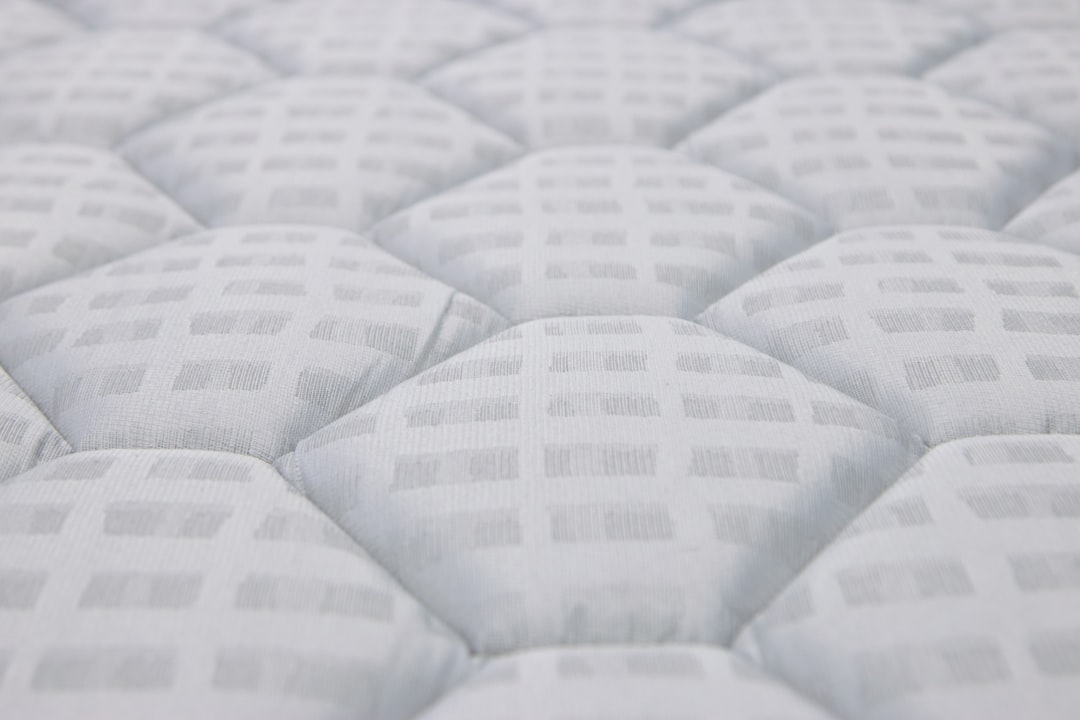
You can’t tell if a cooling mattress will actually work for you just by reading about its materials online. All that talk about gel-infused foam and bamboo covers sounds promising, but your own body’s heat and sweat response is the real test. That’s why a trip to a physical showroom isn’t just a nice outing—it’s a necessary step. At their locations in Joo Seng or Tampines, you can lay down on the actual Somnuz® line and feel the difference between models side-by-side.
The firmness level is a big one. A mattress that feels perfectly supportive in a quick sit-down might be too stiff after a full night’s sleep, or too soft and cause you to sink. Placing a Queen-sized model on different bases—a solid platform versus a slatted frame—changes how it responds entirely. You’ll notice how the ventilation works, something a product description can’t convey. And that breathability claim? You need to run your hand over the fabric weave, feel the texture, and judge if it’s the kind that will let air through on a humid night.
For anyone who sleeps hot, especially in a non-air-conditioned room or during the year-end monsoon season, this hands-on check is crucial. You might find that the model with the fancier cooling technology actually feels warmer to your touch than the simpler, aerated latex one. Or you’ll realise that a certain firmness, while great for your back, traps more heat than you’d like. These are personal discoveries you only make by trying.
The only time I’d say skip the visit is if you’re buying the exact same model you already own and love. Otherwise, you’re risking a lot of money and many uncomfortable nights on a guess. So go down, spend twenty minutes lying on a few options, and see what actually feels cool to you. Your body will tell you the answer long before any sales brochure can.

You'll hear it in the showroom every weekend: buyers are sold on the cooling tech, but they're quietly worried about how long it'll last in our climate. They don't ask about warranties—they ask about sweat, rotations, and whether a protector will ruin the whole point.
Can a cooling mattress survive Singapore humidity without aircon? It can, but you'll need to help it. The cooling layers—gel foam, aerated latex, those phase-change materials—are engineered to work, not just to market. Without aircon, the room's ambient heat and moisture become the enemy. Your best defence is a fan for airflow and, crucially, a moisture-wicking mattress protector. That keeps the core dry. The mattress itself won't 'melt', but trapped humidity can make any sleeping surface feel clammy over time.
How often should you rotate a gel foam mattress? Every six months is a safe rhythm. Unlike a simple memory foam slab, a gel-infused or layered cooling mattress has zones that can settle unevenly if you always sleep in the same spot. A quarterly flip is overkill and frankly sian—twice a year is enough to distribute wear and maintain the cooling surface's integrity. Just mark your calendar after the year-end monsoon and again mid-year.
Does a mattress protector ruin the cooling effect? A cheap, plastic-backed one will. It creates a barrier that traps heat and defeats the breathable cover. You need a protector designed for hot sleepers: a thin, quilted cotton or a specialised bamboo-Tencel blend that's moisture-wicking and breathable. That actually enhances the system by drawing sweat away from the surface, letting the mattress's own cooling layers do their job.
What mattress type is best for hot flushes? For that intense, internal heat, you want a mattress that pulls heat away from the body instantly. Gel foam or phase-change materials work, but a ventilated coil system with a breathable natural latex topper often provides the most consistent relief. It doesn't just absorb heat; it actively channels it away through air gaps. A solid, non-breathable memory foam core, even with a cooling cover, can feel like an oven during a flush.
A cooling mattress relies on specific materials like gel-infused memory foam or phase-change fabric covers to regulate temperature. In Singapore's 80%+ humidity, these materials need proper care—spot clean with a damp cloth, never soak the cover, and ensure good bedroom ventilation to prevent moisture buildup. Proper maintenance preserves the cooling properties and prevents the foam from trapping heat over time.
A cooling mattress can't do its job if your bedroom's climate is fighting it. Think about the air you're sleeping in—not just the temperature, but the moisture hanging in it. That humidity around 80% plus, it's the real enemy for your mattress's lifespan. You've picked a bed with breathable bamboo or aerated latex, but if the room itself is a damp box, those materials will struggle.
So, before you commit, walk into your bedroom and do a proper assessment. Floor level matters. Ground-floor units, especially those near greenery or in older neighbourhoods, can feel more damp. A condo near Tanah Merah might get that coastal breeze, but also the heavier monsoon air. Ventilation is key—got windows that open wide or not? A 4-room BTO master bedroom with a single window facing a corridor might trap air, while a west-facing flat gets that intense afternoon sun that drives heat but also dryness. The material you need follows this. A room that's perpetually muggy calls for a cover that's aggressively moisture-wicking, like Tencel, over something that just feels cool to touch.
Here's the counterintuitive bit: sometimes, the best cooling setup isn't the most high-tech one. For a bedroom with decent cross-ventilation and a north-facing window, a simpler ventilated coil system might outperform a fancy phase-change material layer that's suffocating in stagnant air. It's about matching the engine to the environment.
The only time this check isn't critical is if you're running the air-con all night, every night. Then, the room's climate is artificially controlled, and you can focus purely on personal heat dissipation. But for most of us sleeping in natural air, ignoring this last check means buying a solution that won't solve the problem. Your mattress's cooling features will be working overtime against a room that's already working against you.