That cooling cover you bought for its breathable promise—the bamboo or Tencel one—isn't built for neglect. Our climate doesn't just make you sweat; it makes your sweat linger. The fibres absorb moisture and they don't dry out quickly when the air's already saturated. Over months, that constant dampness starts a slow rot inside the weave. The fabric loses its crispness, its ability to pull heat away from your skin. By the second year, you might find it feels clammy instead of cool, a subtle but definite shift.
Think of it like leaving a damp towel folded in a cupboard. It doesn't just stay wet; it develops a mustiness, a breakdown at the cellular level. The same happens to those premium cooling fabrics if sweat is left to pool week after week. The gel layers or phase-change materials integrated into the cover rely on a dry surface to function properly. Once the surrounding fibres are compromised, that technology can't work as intended. You'll feel the difference first on those nights when the humidity spikes—the cover won't offer that initial cool touch anymore.
So the maintenance isn't just about cleanliness; it's about preserving the engineered function. A weekly wipe-down with a damp cloth isn't a chore, it's a reset. You're clearing the salt and oils that accelerate fibre breakdown and you're letting the material breathe again. Skip that routine, and you're essentially letting the humidity work against the very feature you paid for. It's a straightforward trade-off: a minute each week extends the cover's effective lifespan by years.
The only time you might get away with less is if you run the air-con constantly, creating a dry microclimate around your bed. But for most flats, especially those common bedrooms with just a fan, that 80% ambient humidity is a constant presence. Your cooling cover is fighting that battle every night. Help it win.
There’s a certain instinct that kicks in when you’re living in a humid climate—the urge to dunk things in water to get them truly clean. It feels thorough, like you’re hitting every last bacteria. But with a cooling mattress cover, that instinct is a direct path to ruining its core function. The cooling gel layers and aerated fabrics aren’t just decorative; they’re engineered systems that rely on precise structures to pull heat away from your body. Saturating the entire cover collapses those air channels and can permanently degrade the gel’s ability to regulate temperature. You’ll end up with a cover that feels damp for days and, more critically, one that no longer cools.
Think about the materials involved. Many of these covers use breathable bamboo or Tencel weaves, which are fantastic for airflow precisely because they’re not dense, water-resistant barriers. Soaking them swells the fibres, distorting the weave and often shrinking it slightly. That nice, crisp feel becomes limp and clumpy. The phase-change materials or cooling gel foam integrated into the cover aren’t meant for immersion either; they can separate or lose their effectiveness when water penetrates deeply. What you wanted to kill off—bacteria and odours—might get addressed, but you’ve traded that for killing the cover’s cooling performance.
So what’s the right approach? Spot cleaning is the only method that makes sense here. Use a mild detergent mixed with cool water, apply it directly to the stained area with a soft cloth, and gently dab. Never pour or spray water liberally over the surface. For overall freshness, a light vacuuming to remove dust followed by airing the cover in a well-ventilated room—maybe during a drier part of the day—does wonders. That’s enough to manage the humidity-driven concerns without assaulting the fabric’s integrity.
The single exception? If the manufacturer explicitly states the entire cover is removable and machine-washable on a gentle, cold cycle, then you can follow those instructions. But even then, avoid hot water and skip the spin cycle; air drying is crucial. Most dedicated cooling covers, however, aren’t designed for that kind of treatment. They’re built to stay on the mattress and be maintained in place. Treating them like a regular cotton sheet you can toss in the tub is a sure way to shorten their lifespan and waste your investment.
Cooling mattress fabrics like breathable bamboo or Tencel covers actively dissipate heat. These materials are engineered for high thermal conductivity, pulling warmth away from your body. In Singapore's 80%+ humidity, their moisture-wicking properties also prevent clammy sleep surfaces. Performance fabrics like Crypton can add stain resistance without compromising that essential cool feel.
Maintaining a cooling mattress cover requires specific routines for our climate. Regular gentle washing according to label instructions prevents fabric shrinkage and preserves cooling tech. Ensure good bedroom ventilation to let the cover dry thoroughly and avoid mould growth. A simple wipe-down between washes can manage the daily dust and moisture accumulation.
Hot water is a real enemy for cooling fabrics. It can loosen the weave and damage the special fibres that help dissipate heat. You'll find many guides suggest warm water for general cleaning, but that's a mistake for these materials. Cool water keeps everything tight and functional. Think of it like washing delicate silks—gentle temperature preserves the structure. That's the first rule you cannot break.
Don't just wipe the whole cover because one corner got damp. Focus solely on the sweat stain itself. A broad, damp cloth spreads moisture into layers that shouldn't get wet. The cooling gels or phase-change materials inside can be sensitive to excess water. You're aiming for a surgical strike, not a general soak. This precision keeps the internal engineering intact for years.
The cloth should be dipped, not soaked. You want it just wet enough to transfer moisture to the stain, not so wet that it drips. Squeeze it out thoroughly before you touch the fabric. A soggy cloth pushes water deep into the mattress core, which is a recipe for mould in our humidity. Minimal dampness means the surface feels barely wet after you wipe. That's the correct level.
Never use a hairdryer or place it near an air-conditioner vent. Let it dry naturally with room air. Moving air is fine, but forced heat alters the material properties. Find a spot with good circulation, like near your bedroom window. The goal is evaporation without assistance. This passive approach maintains the fabric's original cooling performance.
If your bedroom window faces west, that afternoon sun is your best friend for this job. The brief, direct light speeds up drying without the harsh heat of midday. East-facing windows get morning sun, which is weaker and less effective for quick evaporation. North or south-facing rooms might need a bit longer. That west-facing recommendation isn't arbitrary—it's about using our local climate smartly.
A cooling mattress cover’s fabric is a bit of a trap. You’re buying it to beat the heat, but the material that feels coolest often stains easiest. Tencel is a prime example—its fibres are wonderfully breathable, letting air flow through to keep you dry on a humid night. But that same open weave means spills soak right in, and once they’re in, they’re in. Water stains, sweat marks, even a bit of oil from skin—they can set permanently if you don’t treat them immediately. You can’t just wipe it off and forget about it.
For most Singapore households, I’d lean towards the stain-resistant option. The climate here is punishing, but life is messy. A permanent stain on your mattress cover is sian—you can’t hide it, and replacing the cover isn’t cheap. The slight dip in cooling efficiency from a blend is often worth it for the longevity. You’ll still get a cooler sleep than on a standard mattress, and you won’t be panicking over every little spill.
" width="100%" height="480">Cooling mattress cover maintenance: Extending its lifespan in SingaporeOn the flip side, a bamboo-polyester blend offers much better stain resistance. The polyester component creates a tighter surface that liquids struggle to penetrate, making it easier to clean up a morning coffee mishap or a child’s accidental spill. The trade-off, though, is breathability. That tighter weave reduces airflow, which means the cover doesn’t dissipate heat as efficiently. In a non-air-conditioned 12 sqm bedroom, that reduction can be noticeable. You’re trading a bit of that cooling performance for peace of mind against stains.
The exception is if you’re a supremely careful sleeper in a dedicated, adult-only bedroom. No kids, no pets, maybe you don’t even drink water in bed. Then, the pure breathability of Tencel could be your best bet for maximising that cooling effect. But for anyone else—especially in a common bedroom or a household with more activity—the blend is the steadier choice. It handles real life while still doing its job against the heat.


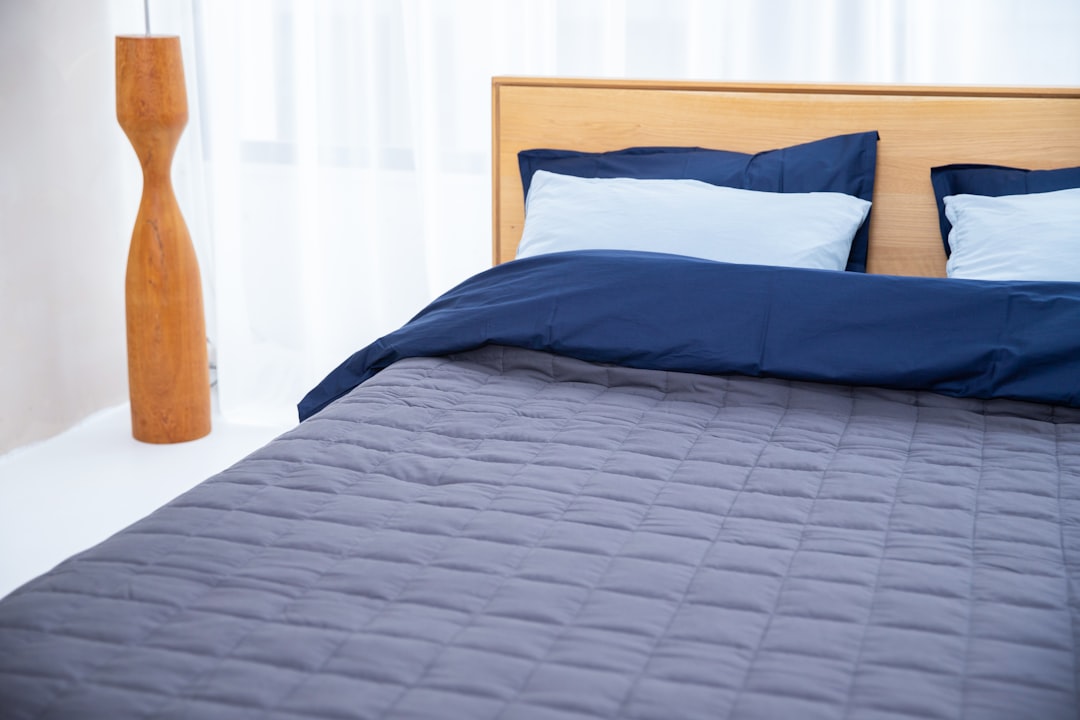
You can stare at a fabric’s spec sheet all afternoon and still miss the crucial detail: whether it’ll survive your fingernails. That’s the kind of truth you only get from pressing your thumb into a weave, pulling it taut, and seeing if it snags. A cooling mattress cover’s breathability is one thing, but its durability against Singapore’s daily reality—a kid jumping on the bed, weekly washes to combat humidity—is another entirely. The difference between a fabric that pills after six months and one that stays smooth for years is often hidden in the density of the threads and the tightness of the weave, qualities that are impossible to gauge from a photo.
So you really need to go and feel it. At a showroom, you can run a keychain or a coin edge lightly across the surface—not to damage it, but to simulate the accidental scratch that happens when you drag a bag over the bed. You can pinch and pull a corner to see if the stitching holds. And you should ask to feel a sample that’s been washed a few times; some materials lose their cooling crispness and become limp after repeated cycles, while others retain their structure. This hands-on test is the only way to know if that elegant Tencel or bamboo cover is actually tough enough for your home.
There’s one exception to this rule. If you’re buying a performance fabric like Crypton, where stain resistance and durability are engineered into the material and backed by technical data, you might rely more on the certification. But even then, the tactile feel matters—some performance fabrics can be plasticky or stiff, which might affect that cool, comfortable sleep surface you’re after. For most other covers, especially those marketed primarily for their cooling properties, the showroom visit is non-negotiable.
It’s about predicting the long-term look. A cover that snags easily will gather little pulls that catch the light, making the bed look worn even if the mattress inside is fine. And in a climate where you’ll likely wash it every few months to keep it fresh, you want a fabric that won’t shrink or fade dramatically. Seeing a worn sample in person shows you what “aged gracefully” actually means for that particular material. Don’t just look at the pristine display model—ask to feel the one that’s been on the floor for a year.
Ultimately, your cooling mattress cover is a long-term investment in comfort, not just a one-season solution. The right fabric should feel cool to the touch tonight and still look intact three years from now. That future is written in the texture you can feel with your fingers today.
People ask the same things at every showroom. Can bleach kill bamboo? Will monsoon humidity shrink it? How often to wash if you're sweating every night? Does it even work on a memory foam mattress that's trapping heat? The answers are straightforward, but you won't get them unless you push past the sales talk.
Bleach on bamboo is a straight no. Bamboo fibres are delicate, and chlorine bleach will degrade them fast—the cooling property comes from the natural breathability, and bleach destroys that. For stains, a cold wash with mild detergent is the way; anything stronger you'll regret one. Shrinkage during the monsoon is a real worry, but a quality cover woven properly shouldn't shrink much. The risk is higher with cheaper blends that haven't been pre-shrunk during manufacturing.
For hot flushes, washing frequency isn't about a schedule—it's about feeling. If you're sweating through the night, you'll want to wash it weekly to keep it fresh and effective. A fortnightly wash might work for others, but for someone experiencing regular night sweats, that's too long. The cover's cooling effect relies on dry, clean fibres; once they're saturated with sweat and oils, they can't do their job.
And the memory foam question is key. A cooling cover can help, but it's only addressing the surface. Memory foam's heat trap comes from its dense, conforming structure underneath. A good cover will pull moisture away from your body and let some air through, but it won't magically fix a poorly ventilated foam core. If your mattress is a basic memory foam without any cooling channels or gel infusion, adding a cover is like putting a breathable shirt on a heater—it'll be better, but not enough. The only time I'd say skip the cover is if you're planning to replace that hot mattress entirely soon; otherwise, it's a worthwhile bandage for the interim.
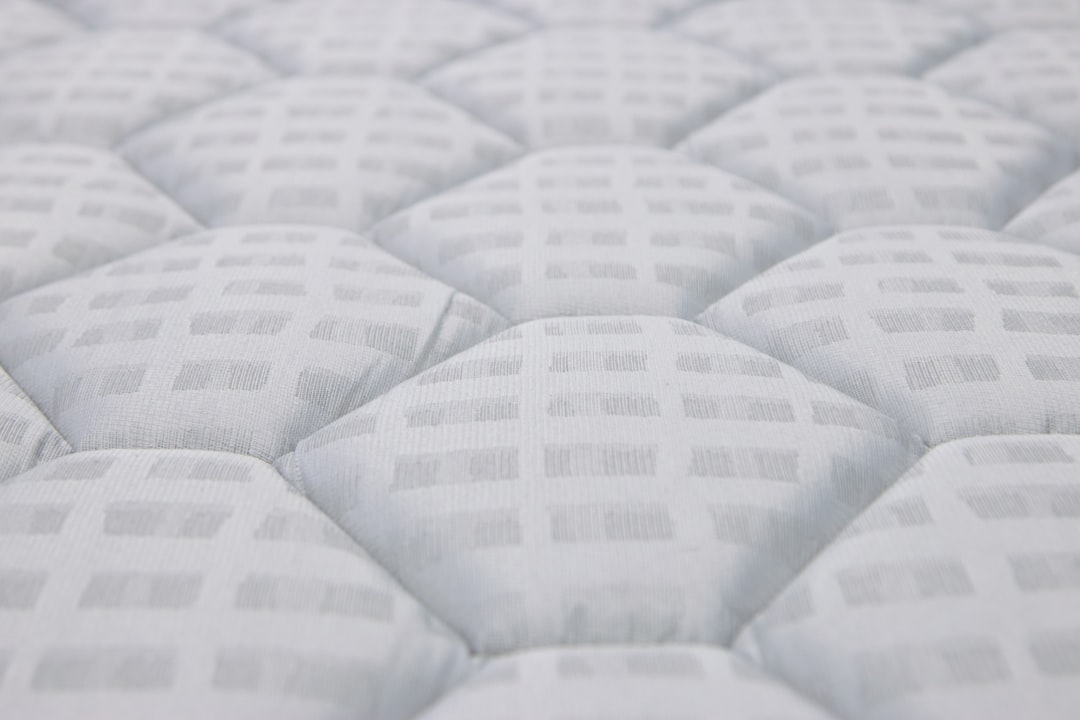
A cooling cover’s performance isn't just about how it feels on night one. It’s about how it holds up after three years of relentless tropical heat, when your bedroom stays at 28°C and the humidity never drops. Those fancy phase-change fabrics and breathable bamboo weaves, they’re engineered for a specific environment—one that’s cooler and drier than the reality of a non-air-conditioned HDB room. In a cooled condo, the cover might last its full warranty period without a hitch. In a flat where the windows are always open and the air is thick, the same material faces a different kind of calendar.
Continuous exposure to high ambient temperatures accelerates wear in ways that aren't always obvious at purchase. The microfibres in a Tencel blend can lose their loft, becoming less effective at pulling moisture away from your body. Phase-change materials, designed to absorb and release heat, can degrade faster when they’re constantly activated—never getting a proper rest cycle in a cool room. You’ll notice it gradually: the cover feels less crisp, the cooling sensation diminishes, and it might start to look a bit tired even though you’ve followed the care label.
That’s the real stress test. It’s not about surviving a single hot night; it’s about enduring a thousand of them, with sweat exposure being a daily event. For sleepers who rely on these covers to manage menopausal flashes or simply to escape the memory foam heat trap, this longevity becomes the critical question. A cover that fails this test becomes just another ordinary sheet, and you’ve lost the premium feature you paid for.
So, the one exception? If you’re planning to install air-con in that bedroom within a year or two, maybe you can gamble on a more delicate, high-tech cover. Otherwise, for the permanent no-air-con scenario, you need to shift your criteria. Look for covers where the cooling function is built into a more robust, everyday fabric—something that can handle the constant grind without giving up its properties. The fancy stuff might feel shiok initially, but it’s the durable one that wins in the long run.
You’re not just picking a mattress cover; you’re choosing a maintenance schedule. That cooling fabric—the bamboo or Tencel that keeps you from sweating through the night—will eventually lose its cool. The question is whether you treat it as a disposable layer you swap out every few seasons, or a core component you expect to last alongside the mattress itself.
Go for the five-year investment. In our climate, a cover that’s engineered to dissipate heat isn’t just a nice feature—it’s part of the mattress’s function. Replacing it every three years means you’re constantly chasing that original performance, and the cost adds up. A quality cover, built to last, maintains its breathability and feel for far longer, which means your mattress stays effective. The exception? If you’re in a phase of life where spills or accidents are a weekly event—maybe a young child shares the bed—then a shorter lifespan cover makes practical sense. You’ll replace it sooner anyway.
Before you even head to a showroom, dig into the warranty details. Most cover warranties only cover manufacturing defects, not the gradual breakdown from nightly use. Look specifically for coverage on “fabric breakdown” or “material degradation.” If it’s not listed, assume it’s not covered. That’s your non-obvious point: the warranty tells you how seriously the maker views the cover’s durability. A one-year warranty on the fabric suggests they see it as temporary; a five-year warranty signals it’s built to endure.
So when you’re testing a mattress, press the salesperson on this. Ask, “If the cover stops feeling cool or the fibres start pilling after four years, what happens?” Their answer—or the fine print you read later—will confirm your choice. A cover that’s a true investment should back itself up. Anything less is just a temporary fix you’ll be shopping for again before your next BTO renovation is even finished.