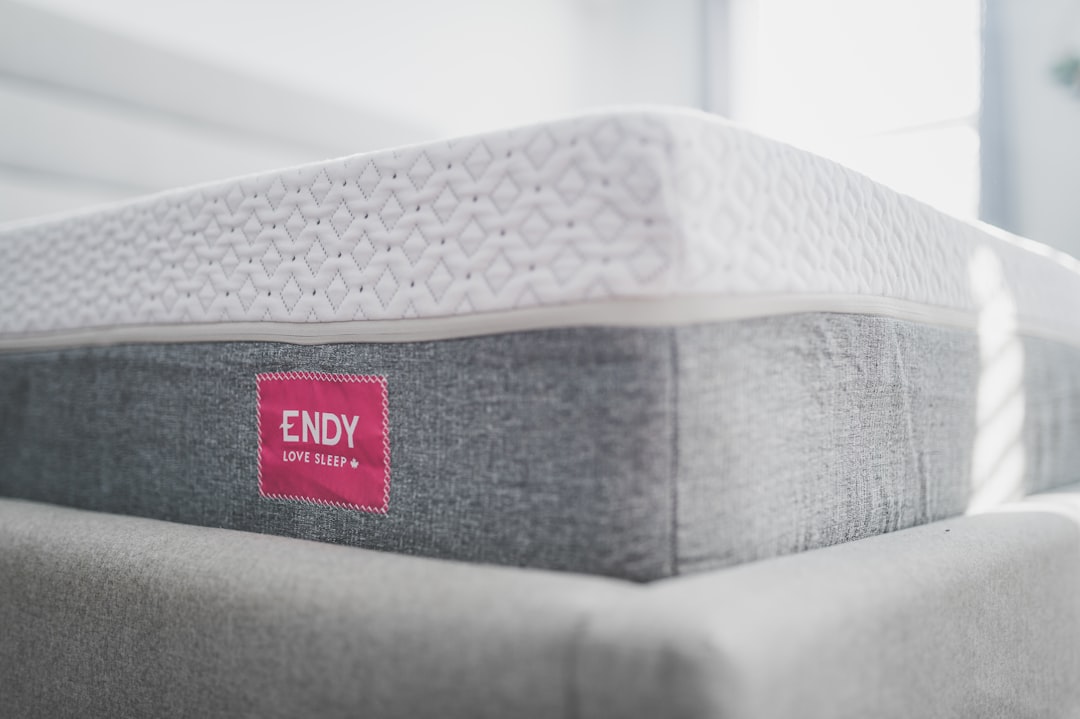
You've washed the Tencel cover, turned the mattress, maybe even propped a fan right at the foot of the bed. Yet, by two in the morning, that familiar damp warmth has seeped back in. It's a specific kind of frustration, one that tells you the problem isn't just on the surface. The cooling mechanism inside has likely given up.
Aerated latex works by creating a web of tiny air channels—think of it as the mattress's own built-in ventilation system. This structure is supposed to pull heat away from your body and let the humid air escape. When those channels collapse or the material degrades, the whole system fails. The cover can only do so much. So even after a fresh wash, the core underneath is still trapping your body heat like a sponge, and it transfers right back through the clean fabric. In a non-air-conditioned room, especially during the still, heavy air of the monsoon months, there's simply no reprieve.
This isn't about a single hot night. It's a consistent pattern where you're doing everything right on your end—maintaining the cover, ensuring some airflow in the room—and the mattress still can't perform its one key job. For sleepers in older flats with those smaller common bedrooms, where the window might only catch a cross-breeze if you're lucky, the effect is even more pronounced. The material has lost its resilience.
Some might suggest a mattress topper, but that's just adding another insulating layer on top of a failed system. You're essentially smothering the problem, not solving it. The only real fix is to acknowledge that the core technology has run its course. When the foundation can't breathe, no amount of surface treatment will bring back that cool, dry sleep you bought it for in the first place.
You've rotated it, flipped it, tried every position—but those permanent dips around your hips or shoulders just won't bounce back. That's the aerated channels giving up. They're collapsed, compressed into a solid block, and the cooling airflow they were meant to promote is gone. This isn't a surface impression; it's a structural failure deep in the latex core. Once those channels flatten, they don't reopen. You're sleeping on a heat trap.
The thing about aerated latex is that its cooling promise hinges on those open channels letting air circulate. When they're permanently crushed in your main sleep zones, that mattress section becomes insulating. It's like a quilt stuffed into a sealed plastic bag—body heat builds up right under you. In a non-air-conditioned 4-room BTO bedroom, that's the exact opposite of what you bought. You'll feel it most on those still, humid nights when the ceiling fan just pushes warm air around.
Both firm and medium models can develop this. Firmness relates to initial support, not to the latex's long-term resilience against compression. A heavier sleeper or someone who consistently sleeps in one spot will accelerate the process, but it's a material fatigue issue, not a weight limit one. The latex itself has lost its elastic recovery in those zones. Rotating the mattress might shift the problem to a new area over time, but it won't fix the existing sag.
So what's the real exception? If the dip is very slight and confined to a small area—say, one shoulder spot—and you genuinely don't feel any heat buildup there, you could maybe live with it for a while. But that's a compromise, not a solution. For anyone who bought this mattress specifically to escape night sweats, those dead zones defeat the entire purpose. They're a clear sign the core function has failed.
The crinkling sound you hear isn't a new feature. That's the sound of the aerated structure within the latex beginning to break down after years of compression from your body weight. The tiny air pockets that once gave the mattress its buoyant, cooling lift are collapsing, and the material itself is losing its inherent spring. This process is gradual, so you might only notice it when you shift positions in the quiet of a non-air-conditioned room. The change is permanent, and it directly undermines the mattress's core engineering for pressure relief and airflow.
Fresh aerated latex rebounds almost instantly, a quality that provides both support and that essential cooling gap between your body and the mattress core. When that rebound slows, the material feels sluggish, almost like it's reluctantly returning to shape. You'll feel it as a delayed push-back when you get out of bed or roll over. This lag means the mattress is no longer actively positioning your spine correctly throughout the night, which can lead to morning stiffness.
For sleepers managing joint or shoulder pain, that reduced rebound is a real problem. The mattress starts to act more like a passive sink than an active support system, allowing heavier body parts to settle too deeply. This creates uneven pressure zones exactly where you need even distribution the most—hips, shoulders, and knees. The result is you might wake with more aches than you had when you went to bed, a clear sign the material's therapeutic function is gone.
Ironically, a failing cooling mattress can start to sleep warmer. The collapsed air pockets and slower rebound mean your body sinks in further, reducing the airflow channel that aerated latex is famous for. You're lying in a slight cradle of less-resilient material, which traps body heat instead of dissipating it. That's a double loss in our climate—you lose the support and the temperature regulation in one go.
This combination of noise and poor rebound is one of the most definitive signs it's time for a change. You can't fix this with a mattress topper or by flipping the unit; the core material itself is fatigued. Ignoring it means resigning yourself to progressively worse sleep quality and increased discomfort. For the value-focused buyer, recognising this signal means you've truly maximised the mattress's lifespan and can replace it before it affects your health.
That familiar morning sniffle, the one you can't quite blame on the haze or a passing cold, might be your mattress telling you it's past its prime. When an aerated latex core starts to degrade internally, it creates a perfect, humid micro-environment right under you. Those tiny pockets designed for breathability can harbour dust mites or, worse, begin to foster mould spores you never see. It's not just about the cover feeling damp after a night's sleep; it's about what's thriving inside the material itself.
A good aerated latex mattress is supposed to be a fortress against this. Its open-cell structure should allow air to flush through, keeping things dry and inhospitable to allergens. When it's working, it's brilliant for our climate. When it's not, you're essentially sleeping on a compromised filter. The irritation isn't constant, which is why many dismiss it—it flares up, then subsides, following the weather patterns. But that's the sneaky sign. A stable, healthy core shouldn't react to every shift in the external humidity.
The monsoon seasons are the real test. Humidity often hovers around 80% plus, and if your bedroom isn't air-conditioned, that moisture gets pulled right into the mattress core. Latex is naturally resistant, but once the internal structure breaks down, that resistance falters. You'll notice the correlation—a few days of heavy rain, and suddenly your skin feels itchy or your sinuses act up the moment you lie down. That's the material failing its job, becoming part of the problem instead of your cool, clean sanctuary.
Don't mistake this for general room dust. You can vacuum and dehumidify all you want, but if the source is inside the mattress, you're just treating the symptoms. The only real fix is to replace the unit. Continuing to sleep on it means you're exposing yourself nightly to the very triggers you bought a quality cooling mattress to avoid. It's a safety and health issue, not just a comfort one.
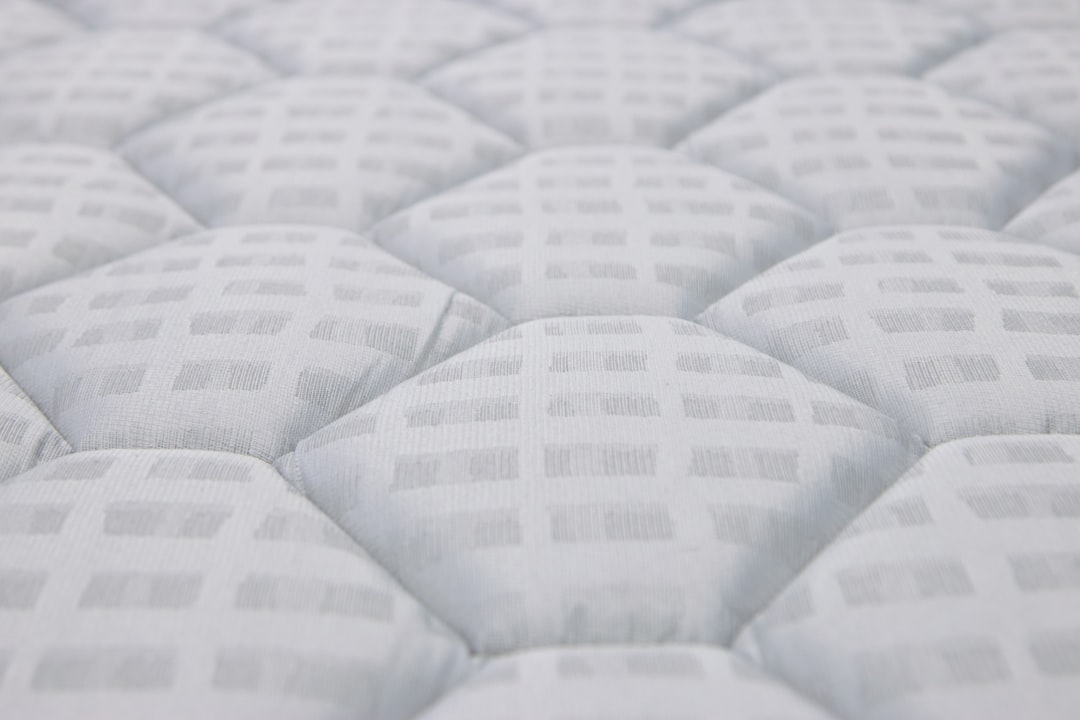

Latex, even the aerated kind, starts to betray you when its support structure wears thin. What was once a forgiving, independent cushion becomes a trampoline for every toss and turn. That shift might be gradual enough that you don't notice it on your side of the 152 by 190cm Queen—until your partner gets up for a 3am glass of water and you feel the entire bed sway.
In a compact HDB master bedroom, that amplified motion isn't just a minor nuisance; it directly attacks sleep continuity. There's no spare 60cm of floor space to create a buffer of calm. Every readjustment, every kick of the sheets, transmits across the surface. The mattress, which should isolate movement, ends up broadcasting it. You'll find yourself waking up not because you're hot, but because the person beside you rolled over.
The core issue is a breakdown in the latex's internal resilience. Fresh aerated latex has a specific bounce-back that absorbs and contains motion. Over years, those countless microscopic air pockets can compress permanently in high-wear zones, like the hip area. That creates a subtle dish or a zone that's less supportive. When one side dips, the entire mattress structure can start to act as a single, less stable unit—rocking instead of isolating. It’s not about the cooling layers on top; it's the support core underneath that’s lost its snap.
Honestly, once this rocking starts, you're on borrowed time. The only scenario where you might tolerate it a while longer is if you sleep alone most nights, or if you're in a transitional space like a guest room where the bed sees infrequent use. For a couple sharing a standard HDB master bedroom, the disruption to sleep is too high a price to pay. You bought a cooling mattress for uninterrupted, comfortable rest—not to be jolted awake by a trip to the bathroom. When the bed feels like it's keeping a rhythm instead of keeping you cool, that's your sign.
Aerated latex mattresses are fantastic for our climate, but they don't last forever, and Singaporeans have very specific worries when it's time for a change.
Can I repair a sagging latex mattress? Not really. Latex is a resilient material, but a permanent body impression is a sign the core structure has fatigued. You can't fluff it back up like a pillow—the support is gone. Flipping or rotating the mattress regularly is what prevents this in the first place, but once it sags, the repair cost often outweighs the value. It's more practical to start planning for a replacement.
How long should an aerated latex mattress last in Singapore humidity? With our 80%+ humidity, you're looking at a solid seven to ten years for a good quality one, provided you use a breathable protector and allow for airflow. The aerated holes help, but relentless moisture is the enemy. If you start noticing a persistent musty smell that won't air out, or if the mattress feels damp to the touch during the monsoon season, the material is breaking down faster than it should.
What mattress firmness is best for hot flushes? Go for medium-firm. A mattress that's too soft will cradle your body and trap heat, which is the last thing you want during a flush. Medium-firm offers support without excessive sinkage, promoting better airflow around your body. Pair it with a bamboo or Tencel cover—these materials are champions at wicking moisture away, so you won't wake up feeling like you're in a sauna.
Is it worth replacing just the topper? Sometimes, but only as a temporary fix. If the core mattress is still supportive and just the top comfort layer has compacted, a new latex or cooling gel topper can buy you another year or two. But if the base is sagging, a topper is just a band-aid—you'll still feel that underlying dip. It's a stopgap, not a solution, for a mattress that's truly finished.
Aerated latex cooling mattresses handle Singapore's 80%+ humidity well because the open-cell structure doesn't trap moisture. This prevents mould growth inside the mattress core, a common issue with dense foams in non-air-conditioned rooms. The material's natural breathability means it won't feel damp or develop that musty smell over time, even in a humid bedroom environment.
The showroom floor is the only place where you can stop guessing. You'll find the firmness grades there, labelled neatly on each mattress, but the labels alone won't tell you much. You need to lie down. Spend a full ten minutes on each one, shifting from your side to your back, because your body's reaction in a quiet minute is more honest than any sales brochure. That aerated latex core might feel perfectly supportive for your partner, yet leave you feeling like you're perched on a rock—it's a personal thing, and you won't know until you test it.
A crucial detail many overlook is the cover. In a climate where the bedroom temperature rarely dips below 28°C, breathability isn't a luxury; it's a necessity. At the showroom, you can actually feel the difference between a tightly woven polyester cover and a loosely knitted bamboo one. Run your hand across them—the bamboo often feels cooler instantly, a subtle but important signal. Some covers even have a slight texture that suggests better air flow, which matters more over a full night's sleep than during a quick two-minute test.
They've got those little heat lamps set up, simulating body warmth. Don't skip that part. Place your palm under the lamp on a mattress for a minute, then lift it away. You'll feel the lingering warmth on a denser cover, while a truly breathable one dissipates it quickly. That's the kind of practical, hands-on evidence you can't get from an online description or a video review. It turns a vague claim about "cooling technology" into a tangible fact you can verify yourself.
So, make the trip to Joo Seng or Tampines. It's worth the journey, especially if your bedroom isn't air-conditioned or if you're someone who wakes up feeling overheated. You're investing in something you'll use every night for years, and a half-hour of testing can prevent a decade of regret. The one exception? If you're absolutely certain of your preferred firmness from a previous mattress and are simply reordering the same model, then you could skip the visit. But for anyone considering a change, or buying their first aerated latex mattress, the showroom experience is non-negotiable.
You’ve measured, you’ve tested, you’ve decided on the cooling latex. Don’t let the final stretch trip you up. The last checks are administrative, but they’re the ones that turn a good purchase into a headache-free one. Miss them, and you’ll be the one wrestling with a mattress that doesn’t fit or a warranty that won’t cover the very thing that ruined it.
First, get the warranty specifics in black and white. Singapore’s humidity hovers around 80% plus, and that’s a silent killer for many materials. A standard warranty might cover manufacturing flaws, but degradation from sustained dampness? That’s a different story. You need a document that explicitly mentions protection against high humidity—otherwise, if your mattress starts feeling clammy or develops issues from our constant moisture, you’ve got no recourse. Don’t just ask; read the fine print.
Then, confirm the physical fit. Your HDB master bedroom might be a standard 3.5 by 3 metres, but your bed frame isn’t. Measure the interior dimensions of your existing frame down to the centimetre, especially if it’s a platform with a lip. A 152 by 190cm Queen mattress sounds universal, but some brands run a centimetre or two wider or longer. That slight overhang can feel awful every night. And remember the journey in: a flexible latex mattress can bend around a tight 90cm lift doorway, but you still need to ensure the delivery team can navigate your corridor’s final turn.
Finally, ask about removal. You’re swapping out an old, bulky item. Does the delivery include taking it away, or will they leave you staring at a rolled-up monster in your 4-room BTO hallway? Many offers include old unit disposal if there’s lift access—just confirm it’s part of the deal, not a last-minute surcharge. The only time you’d skip insisting on this is if you’re in a landed home with easy driveway access and a plan for the old mattress already. For everyone else in an HDB block, getting the old one out is half the battle.