You'll notice it first on one of those windless nights when the ceiling fan feels ornamental. That cooling topper you bought for relief—the one with the gel-infused foam or the PCM layer—just doesn't cut it anymore. It's not a sudden failure; it's a slow surrender to the climate. After about eighteen months of Singapore's relentless humidity, which can hover around 80%, those clever materials start to lose their mojo. The gel foam, once a reliable heat sink, begins to retain warmth instead of drawing it away. The phase-change layer, designed to absorb and release heat, gets overwhelmed, its capacity diminished by the constant, damp thermal load. You're left lying on a pad that's gone from refreshingly neutral to stubbornly warm.
The real-world evidence is often more telling. In west-facing bedrooms, where afternoon sun bakes the walls, you might start seeing faint, dark patches of condensation on the mattress base beneath the topper. That's the trapped moisture from your own body heat, unable to dissipate through the now-compromised layer, meeting the cooler surface below. It's a clear sign the thermal regulation has broken down. The topper isn't just failing to cool you; it's actively contributing to a microclimate of dampness, which is never a good thing for anything in your bed.
This is the core trade-off with these specialised layers. They're engineered for performance, not necessarily for longevity in our specific conditions. The constant cycle of absorbing body heat night after night, coupled with the ambient moisture, degrades their effectiveness. It's a material science reality, not a defect. The topper hasn't fallen apart—the seams are intact, the cover looks fine—but its primary reason for being has quietly expired.
So, what's the move? If you're in a non-air-conditioned room and the cooling effect has vanished, that topper has essentially reverted to being a standard, slightly dense foam pad. For hot sleepers, that's a deal-breaker. The exception might be if you've since installed an air-con unit; the artificial cooling could mask the topper's diminished performance, making it just an extra comfort layer. But for everyone else sweating it out with just a fan, its time is up. Recognising this specific type of wear means you're not just feeling a bit warmer; you're identifying a product that has served its purpose and needs replacing, lest you compromise your sleep for another eighteen months.
Latex toppers start out pliant and supportive, but in a 12 sqm HDB common bedroom with poor airflow, they can stiffen into rigid, unyielding slabs. For the cooling decision specifically, the memory foam versus hybrid guide is the one to read — hybrids generally breathe better than solid foam because the pocketed coils let heat escape beneath the comfort layer, while cooling memory foam tackles heat with gel and open-cell designs. For a hot sleeper, that airflow difference is the crux. The guide weighs both for the tropical climate, which is exactly the cooling trade-off you're deciding.. The change isn't uniform—you'll press down and feel distinct zones that have lost all bounce, usually where the afternoon sun hits the bed or near the wall where heat gets trapped. The intact areas still feel cool and responsive, but those hardened patches feel like you're lying on a slightly warm, dense plank. It's a classic Singapore climate stress, where the material's lifespan gets compressed by the relentless ambient heat, especially if you're not running the air-con nightly.
Memory foam, meanwhile, develops its own signature wear. Without good ventilation to help it recover, the spot under your shoulder or hips slowly gives up, forming permanent craters. You'll roll over in the morning and find yourself nestled in a pre-formed hollow, while the rest of the topper feels firmer and hotter. That's the foam's structure breaking down unevenly, a slow collapse accelerated by our humidity and the constant pressure from a motionless body.
For hot sleepers in non-air-conditioned rooms, these material failures are a double blow. A topper that's supposed to add comfort ends up making things worse—hardened latex doesn't contour, and cratered memory foam loses its pressure relief. The cooling properties you bought it for vanish first; the degraded material can't dissipate heat properly anymore. You're left with a lumpy, warm surface that disrupts sleep more than it aids it.
The exception is if you're absolutely committed to a strict cooling routine and have a fan or air-con running consistently. In that controlled microclimate, the degradation slows right down. But for most people in those typical, stuffy bedrooms, the local conditions will win out over the material's ideal lifespan. You'll see the signs within a couple of years, not the five or six you might hope for.
So when you're checking a topper, don't just look for stains. The whole case for cooling is the climate, and the guide to choosing a mattress for Singapore's weather lays it out — at high humidity and warm temperatures year-round, a mattress that breathes and regulates temperature decides whether you sleep through the night. It walks through the cooling materials worth seeking and why they matter here more than almost anywhere. The takeaway: in the tropics, how cool and dry a mattress sleeps is as important as how supportive it is.. Press your palms firmly across the surface—feel for those stiff, unresponsive patches in latex, or those deep, permanent dips in the memory foam. That's the real tell. In our climate, a topper that can't breathe is a topper that won't last.
That faint white ring on a bamboo-blend cover isn't just unsightly—it's a permanent chemical change. Sweat's salt crystallises inside the fibres, and a quick wipe in a compact HDB bathroom sink won't lift it. You'll see it most on pillow areas and where your lower back rests, a map of your hottest nights. Repeated washing can weaken the fabric, and the mark often sets after the first few humid seasons. Once it's there, no amount of spot cleaning in a tight space will fully remove it; the cooling promise is literally stained.
Tencel feels divine until Singapore's eighty-plus percent humidity gets inside. The smell starts as a faint dampness, then blooms into a musty basement scent that lingers even after airing. In a non-air-conditioned room, the fabric never fully dries between sleeps, creating a perfect breeding ground. You can try sunning it on your balcony railing, but the core padding often stays damp. That's the point where cleaning fails—the odour is deep within the layers, and your mattress topper becomes a write-off.
Those tiny fabric balls aren't just a cosmetic nuisance; they signal the cover's structural breakdown. Cheap polyester or nylon blends abrade against sheets and skin, especially with our year-round friction from tossing in the heat. In a matter of months, the surface goes from smooth to rough, trapping more heat and defeating the cooling purpose. A latex mattress is naturally one of the cooler constructions — its open structure lets air circulate freely, so it breathes better than traditional foam without needing added gel. Latex is responsive, pressure-relieving, hypoallergenic, and durable, which makes it a strong cooling choice for the tropics. A cooling mattress in a queen size at 152 by 190cm is the common couple's choice, and two sleepers generate more heat across a shared bed, so cooling earns its keep nightly. The extra width also means less body-to-body warmth than a tighter size. Pair it with a queen frame with a slatted base, since airflow underneath the mattress is part of keeping it cool. For most master bedrooms, the queen cooling mattress is the practical pick.. For a sleeper who wants cool, breathable support from the material itself rather than a cooling additive, latex is the natural pick.. You can shave it off with a fabric razor, but that's a temporary fix that thins the material. The pilling will always come back, and a topper that feels like sandpaper is no good for anyone.
Think you can just toss it in the washer? Many integrated topper covers aren't fully removable, and even if they are, your condo's compact washer can't properly fluff and rinse the bulk. Spot treatments with baking soda pastes become a messy, cramped kitchen counter affair with questionable results. Each aggressive clean degrades the phase-change materials or cooling gels sewn inside. There's a hard ceiling to what home care can achieve, and for many sleepers, that ceiling is frustratingly low.
When the fabric itself goes from crisp to crispy, or develops a permanent clammy feel, it's time to stop cleaning. The material loses its tensile strength, leading to tears at the seams from simple repositioning on your bed. A cooling topper that no longer breathes is just a hot, damp sponge you're lying on top of every night. This is the final stage—the investment has literally decomposed from the climate. Recognising this point saves you from endless futile scrubbing sessions in your utility yard.
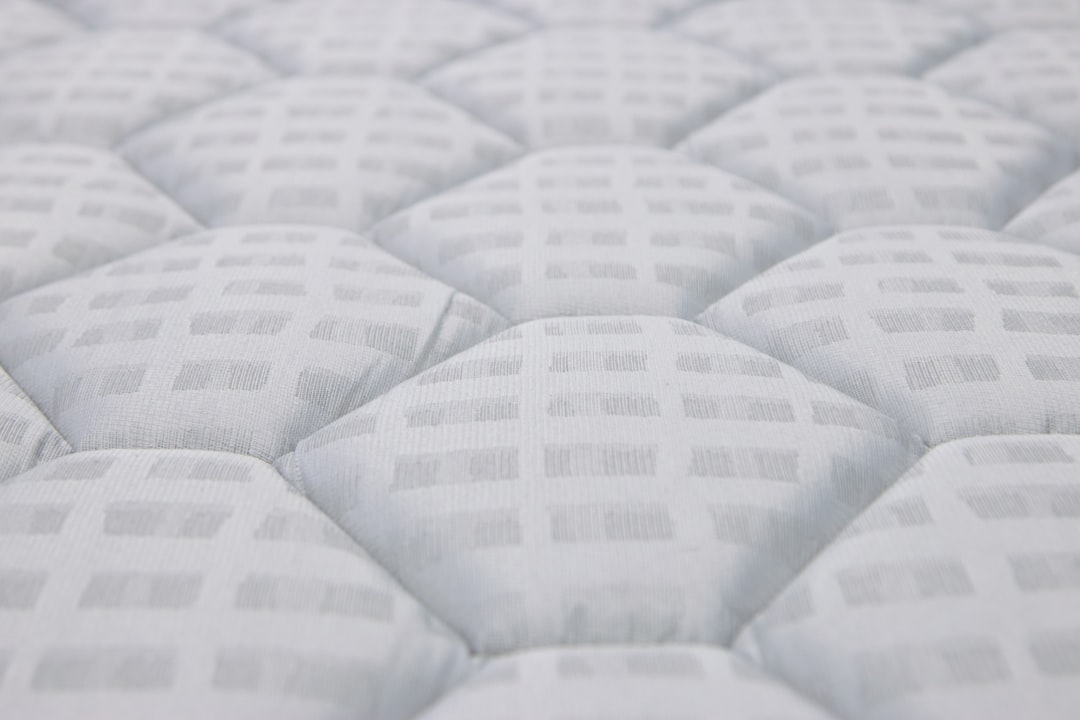
The first sign your topper is giving up isn't a loss of cooling—it’s the permanent dip you roll into every night. For a sleeper shifting through hot flushes, that repeated motion carves a valley faster than you’d think, creating a contour that traps heat instead of letting it dissipate. If replacing the mattress isn't on the cards, the cooling mattress topper guide is the cheaper route to a cooler bed — a gel-infused or phase-change topper sits over your existing mattress, absorbing and dispersing heat and wicking moisture. It won't transform a worn mattress, but it noticeably drops the surface temperature. The guide also covers the surrounding fixes: breathable bedding, room ventilation, a cooler bedtime routine. A practical first step before a full upgrade.. A good cooling topper should recover its shape, but once those body impressions become a permanent fixture, you’re sleeping in a saucer.
Edge support is another common failure point, especially if you often sit on the side of the bed to put on socks or cool down. Press down firmly along the perimeter. If the edge collapses almost to the bed frame, that’s a fail. A topper with poor edge support feels like you’re about to slide off, and it compresses the materials there permanently, ruining the usable sleep surface. You paid for the whole width of a Queen; you should be able to use it.
To measure it properly, you need a straightedge—a metre ruler or a long, rigid piece of cardboard will do. Strip the bed, lay the straightedge across the deepest part of the impression, and measure the gap from the ruler’s edge down to the base of the dip. That’s your sag depth. A slight depression of a centimetre or so is normal wear, but anything pushing past two centimetres is a clear signal. At that point, the material’s structural integrity is compromised, and no amount of flipping will restore proper support or airflow.
The only time you might tolerate a deeper impression is if the topper is purely for pressure relief on a too-firm mattress and the sag is perfectly centred where you always lie. Even then, monitor it. Once those valleys deepen, they channel your body heat and negate any cooling technology woven into the cover or infused in the foam. Your climate-control investment becomes a memory-foam hot tub. When the straightedge doesn’t lie flat, it’s time for a replacement.

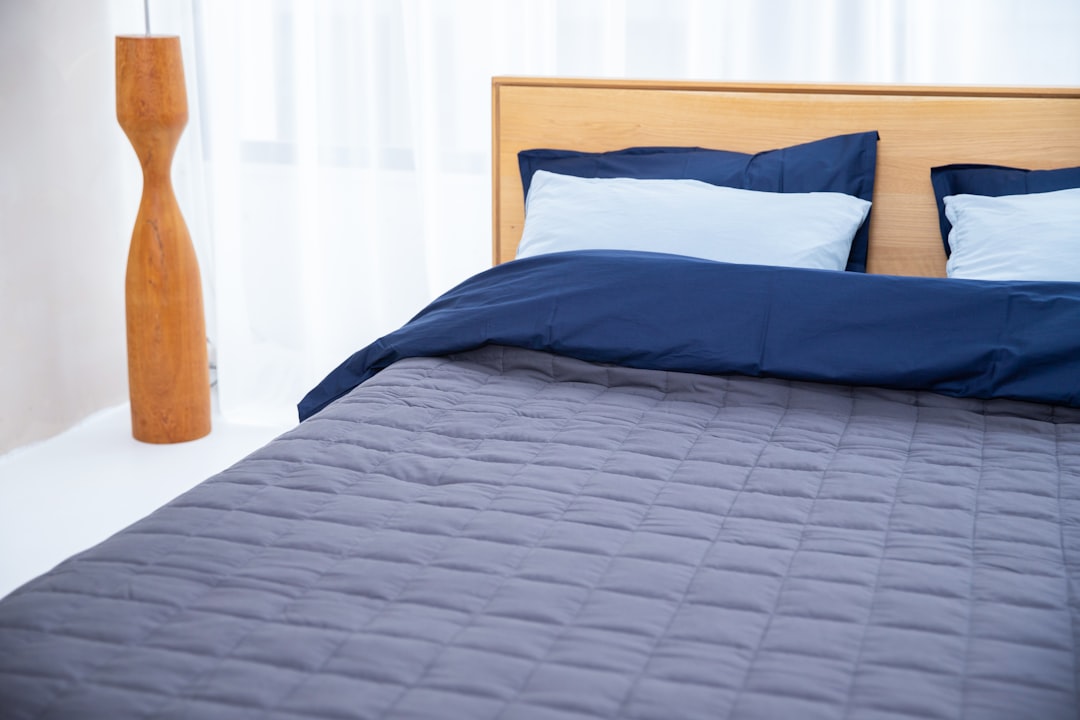
It’s a classic Singapore scene: you’re in a showroom, you press your hand into a cooling topper for a few seconds, and you think, “Not bad.” But that quick prod tells you almost nothing about how it’ll perform in your own non-aircon bedroom. The difference between a cool first impression and genuine heat dissipation only reveals itself with time.
That’s why you need to commit to a proper test. Head down to the showroom with a clear mission: lie down on a sample for a full ten minutes, minimum. Don’t just hover at the edge. Get into your usual sleeping position and stay there. The initial chill of a phase-change cover or gel foam is easy to feel; what matters is whether that cool sensation lasts or if your own body heat starts to build up underneath you after five minutes. This is the only way to gauge if a topper’s technology is truly working against Singapore’s ambient warmth.
For a direct comparison, bring your current, worn-out topper along. Place it side-by-side with a new Somnuz® sample at the Joo Seng showroom. Test them one after the other. You’ll immediately feel the difference in pressure relief—how a fresh, resilient foam cradles compared to your flattened, compacted one. More crucially, you can compare the thermal feel. Your old topper probably traps heat by now, its materials degraded. The new one should feel noticeably cooler to the touch after you get up, a sign its breathability and heat dissipation are still active.
Some might say it’s overkill to haul your old bedding out. But for hot sleepers, or anyone who’s suffered through a memory foam sauna, it’s the smart move. You’re not just buying a new layer; you’re solving a heat problem that your old gear created. The single exception? If your current topper is already a high-performance cooling model and you’re just upgrading for firmer support, then a shorter test on firmness alone might suffice. For everyone else, that ten-minute lie-down is non-negotiable—it’s the only real data point you’ll get before committing.
A foam mattress can sleep cool when it's the right type — gel-infused or open-cell foam tackles the heat retention that plain foam is prone to, at a value price. It's worth treating cooling as a deciding factor rather than an afterthought when choosing foam in the tropics. Look for the cooling technology named explicitly, not just "breathable". For a budget-friendly cooling option, the gel and open-cell foam models are where to look..Cooling mattress toppers combat Singapore's 80%+ humidity and heat with specific materials. Breathable bamboo or Tencel covers wick moisture, while cooling gel foams or aerated latex promote airflow. These materials resist mould growth and feel noticeably cooler against the skin, a key difference from standard memory foam that can trap warmth.
Even the most sweltering Singaporean sleepers, who've spent countless nights flipping their pillows and kicking off their duvet, often hit a few practical snags once they've decided a cooling topper is their next best move. The questions are always the same, born from our particular mix of humidity, space constraints, and a universal desire to not ruin a decent investment.
Can a cooling mattress topper go on the floor? Technically, you can, but it's a compromise that defeats half its purpose. The cooling mechanisms—be it gel foam or aerated latex—rely on airflow underneath to dissipate heat effectively. On the floor, you're trapping that warmth against a non-breathable surface, turning your cool sleep zone into a stagnant pocket. Plus, on a 152 by 190cm Queen size, you'll likely find it shifts and slides without the anchor of a mattress. Save it for the bed frame.
How do you clean a cooling gel topper in Singapore's climate? Spot cleaning is your only real friend here, unless the manufacturer's tag explicitly states the whole unit is submersible. For most gel-infused memory foam, a damp cloth with mild soap and a gentle blot is the way—no soaking, no harsh chemicals. In our 80%+ humidity, you need that topper bone-dry before you put the sheets back on, or you're inviting mould. Cooling shows up differently across constructions, so browsing by mattress type helps — gel memory foam cools a contouring feel, latex breathes naturally, and hybrid uses its coil base for airflow. Each keeps you cool by a different mechanism, so the type shapes how the cooling works. Pure traditional foam without cooling tech is the one to be wary of in the heat. Matching the type to how cool you need to sleep narrows the field fast.. Sun-drying is too aggressive for the materials; a well-ventilated room with a fan does the trick.
Is a cooling topper a good solution for menopause hot flashes? It's one of the most effective immediate interventions you can add to an existing setup. The phase-change materials or breathable covers in a good topper work to regulate that sudden spike in body temperature, pulling heat away faster than a standard mattress ever could. It won't stop the flashes, but it can prevent them from fully waking you up in a sweat. For night-long relief, pair it with moisture-wicking bamboo sheets and a fan directly overhead.
Bamboo or Tencel cover—which is cooler? This one's honestly a toss-up on pure cooling performance; both are superb, breathable, and moisture-wicking. The deciding factor often comes down to feel and care. Bamboo-derived fabric tends to have a softer, cosier drape, while Tencel can feel silkier and cooler to the touch. For a household with kids or if you're prone to spills, check which fabric has an easier care instruction—some blends handle machine washing better than others. You really can't go wrong with either.
Humidity’s toll on a mattress topper isn’t always a dramatic collapse. It’s the slow surrender of materials that once promised a cool night—the gel foam that’s lost its spring, the bamboo cover that’s grown thin and less absorbent. In a resale flat where the air barely moves, that next humid season is the real deadline. You can try a temporary fix, maybe a deep clean or a rotation, but it’s like patching a leaky umbrella before the monsoon; you’re just buying a few dry moments.
The cost of a new cooling topper, which typically falls between three and eight hundred dollars, is a real consideration. Yet weigh that against another year of waking up damp and restless, fighting a product that’s already given up its core function. For something engineered to regulate temperature, once the cooling channels are compromised or the phase-change materials are spent, no amount of flipping will bring back that original relief. The investment isn’t just in a new layer—it’s in reclaiming sleep itself.
There’s one clear exception. If the topper is relatively new and the damage is purely superficial—a small stain or a minor seam issue—then a repair makes financial sense. But when the core support has softened or the fabric’s breathability is gone, that’s the signal. In our climate, a topper that can’t manage heat and moisture isn’t doing its job anymore. You’ll know it every time you lie down.
So the calculus is straightforward. Facing another year of high humidity in a poorly ventilated room, a replacement is almost always the wiser path. The temporary fix is a stopgap that often costs more in discomfort than you save in dollars. You’re not just buying a product; you’re purchasing a solution for the next several seasons of tropical nights. That’s a value that minor repairs simply can’t match.
" width="100%" height="480">Mattress topper inspection checklist: Identifying wear and tear