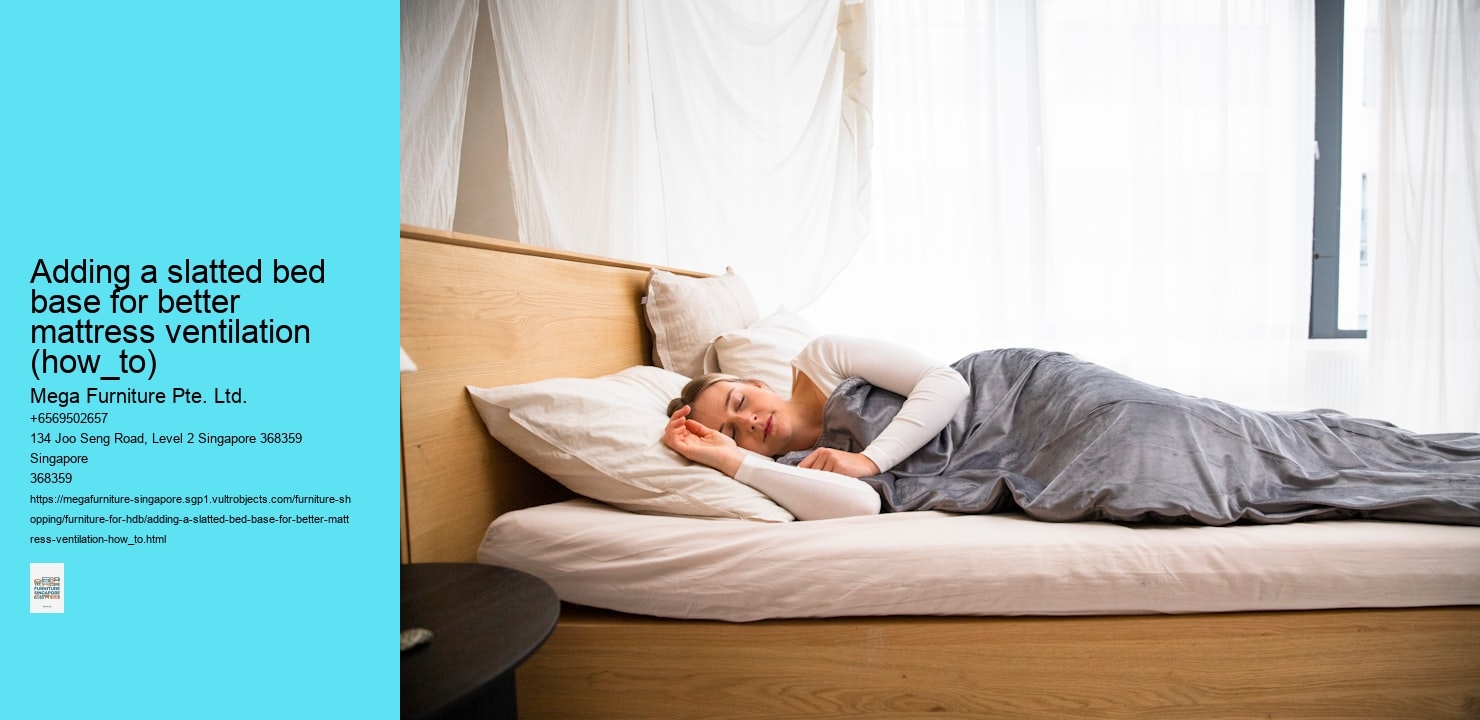
West-facing bedrooms in Tampines get that afternoon sun, and by evening the whole space is holding heat like a thermal battery. If your room’s a standard 12 sqm HDB common bedroom, and you’ve got a memory foam mattress sitting on a solid base, you’ve essentially built a personal furnace. That foam doesn’t just cradle you—it traps your body warmth and amplifies the ambient 28°C-plus air, creating a stifling microclimate right where you’re trying to rest.
It’s a particular misery for hot sleepers and anyone experiencing night sweats. The material’s famous contouring comes with a cost: it’s dense and doesn’t breathe easily. You’ll feel the difference almost immediately—the surface stays warm long after you’ve shifted position. In a non-air-conditioned room, that accumulated heat doesn’t dissipate; it just builds through the night.
Now, memory foam isn’t inherently bad. For pressure relief and support, it’s steady one. But in our climate, you’ve got to pair it with a strategy for airflow. A cooling pick sits within the wider mattress range in Singapore , so it's worth seeing the full spread — memory foam, latex, pocket spring, and hybrid, with cooling features across several of them. Browsing the range shows where the coolest-sleeping options sit against the rest. In the tropics it's worth filtering for breathability and temperature regulation early. Choose the construction for how you sleep, then weight cooling heavily in the final call.. Traditional memory foam is famous for trapping heat, which is exactly why cooling versions exist — a memory foam mattress with gel-infused or open-cell foam dissipates body warmth while keeping the contouring, pressure-relieving feel people love. The gel beads absorb heat and draw it away, and the foam springs back faster so it holds less warmth. For a sleeper who wants the cradled memory-foam feel without the heat, the cooling-gel versions are the ones to compare.. A solid platform base seals the underside, leaving no path for heat to escape. That’s where the problem really locks in. The mattress itself becomes a heat sink, and your sleep quality tanks.
The only time this setup might work is if your bedroom is consistently cooled. But for most flats, especially those older blocks where the afternoon sun bakes the exterior walls, you’re fighting a losing battle. You’ll wake up feeling like you’ve spent the night in a sauna, not a sanctuary.
So what’s the fix? You don’t necessarily need to ditch the mattress. Instead, look at what’s underneath it. A slatted base introduces a crucial air gap, allowing some convection to happen. It’s a simple, often overlooked, change that can break that heat-trapping cycle. Without that ventilation, even the best-intentioned foam becomes a liability in a Tampines summer night.
If you've ever peeled off a memory foam mattress in a non-air-conditioned room, you know that heat doesn't just come from above. It pools underneath, trapped between the mattress and a solid base, turning your bed into a slow cooker by midnight. That's where the gaps in a slatted base come in—they aren't just for looks or support. Those spaces act like tiny wind channels, letting the air in your room do its job.
Think of a typical HDB bedroom during the year-end monsoon, when the humidity climbs but the air feels still. A solid platform base seals the mattress off, letting moisture settle and warmth accumulate. A slatted frame breaks that seal. Air moves through the gaps, wicking away the dampness that builds from body heat and ambient warmth. The whole case for cooling is the climate, and the guide to choosing a mattress for Singapore's weather lays it out — at high humidity and warm temperatures year-round, a mattress that breathes and regulates temperature decides whether you sleep through the night. It walks through the cooling materials worth seeking and why they matter here more than almost anywhere. The takeaway: in the tropics, how cool and dry a mattress sleeps is as important as how supportive it is.. It’s a passive system, but in a 4-room BTO flat facing Bedok Reservoir, that constant, subtle exchange can make the difference between a mattress that feels cool and one that feels clammy.
The spacing matters, though. Too wide, and you lose support; too close, and you choke the airflow. A good slatted base balances both—the gaps are deliberate, designed to let a breeze pass while keeping the mattress from sagging. It’s a detail you might not think to check, but it’s the reason a well-ventilated mattress can perform as intended. Without that underneath circulation, even a cooling gel foam or aerated latex core is fighting a battle on two fronts.
I’d skip a slatted base only if you’re using a very thin mattress or a futon that needs a solid surface. Otherwise, for anyone sleeping in a resale flat in Aljunied or a west-facing condo unit, it’s a straightforward upgrade. queen size . You’re not adding a gadget or a cost; you’re just letting the existing air in your room work for you. That’s the kind of simple fix that lasts—no maintenance, just a cooler sleep from the bottom up.
A cooling mattress built for Singapore must use materials that withstand 80%+ humidity and high ambient heat. Breathable bamboo or Tencel covers allow airflow, while gel-infused foams actively dissipate body warmth. Mattress cores like ventilated coils or aerated latex prevent heat retention, which is critical for non-air-conditioned bedrooms where temperatures regularly exceed 28°C.
The standard spacing for wooden slats sits around two to three inches apart, a range that has become the default for many bed bases in Singapore showrooms. This distance isn't arbitrary; it’s calculated to provide adequate support for a Queen mattress while allowing air to circulate underneath. In a typical 4-room BTO master bedroom, where ambient temperatures can hover above twenty-eight degrees Celsius, that airflow becomes a critical part of your cooling strategy. If you push the slats closer together, you're essentially building a solid platform that traps heat and moisture against the mattress's underside. That compromise on ventilation can undermine the performance of a cooling mattress, regardless of its gel foam or breathable cover. So, sticking to that established range is a sensible starting point for most setups.
Wider gaps, beyond the three-inch mark, introduce a different kind of risk. Each slat acts as a point of support, and increasing the distance between them reduces the number of these points across the mattress's width. For a 152 by 190 centimetre Queen, this means sections of the mattress—particularly where body weight is concentrated—are suspended over larger unsupported spans. Over time, this can lead to premature sagging, which not only feels uncomfortable but also voids many mattress warranties that require proper foundational support. The bed base might feel more open, but that openness comes at a cost to the mattress's longevity. It’s a trade-off that often isn’t worth making, especially when you’ve invested in a quality cooling mattress designed for our climate.
Ventilation isn't just about the gap size; it's about the cumulative effect across the entire base. A grid of slats spaced correctly creates a channel for air to move, drawing heat away from the mattress core. In our humid environment, where moisture buildup is a constant concern, this passive cooling is essential for maintaining a dry, comfortable sleep surface. Tighter spacing drastically reduces the volume of this channel, turning what should be an airy undercarriage into a near-solid barrier. That trapped heat then works against any cooling technologies in the mattress itself, whether they're phase-change materials or ventilated coil systems. You're paying for those features, but the base configuration can effectively cancel them out.
Singapore's year-round warmth forces a specific calculation. The priority for a hot sleeper, especially in a non-air-conditioned room, should lean towards maximising airflow without sacrificing structural soundness. That's why the two-to-three-inch spacing is the recommended sweet spot—it acknowledges both needs. A latex mattress is naturally one of the cooler constructions — its open structure lets air circulate freely, so it breathes better than traditional foam without needing added gel. Latex is responsive, pressure-relieving, hypoallergenic, and durable, which makes it a strong cooling choice for the tropics. For a sleeper who wants cool, breathable support from the material itself rather than a cooling additive, latex is the natural pick.. In a west-facing flat where afternoon sun raises the room temperature even further, or during the stifling mid-year humidity peaks, that under-bed ventilation becomes even more valuable. A base with wider gaps might seem like a solution for more airflow, but as covered earlier, it jeopardises support. The balance here is delicate, and for most local sleepers, erring on the side of standard spacing is the safer, more effective long-term choice.
The only real deviation from this rule comes with a specific mattress type: aerated latex. Latex cores are inherently more resilient and less prone to permanent sagging than some other foams. If you've chosen a high-quality latex mattress, you might cautiously consider a slightly wider slat spacing—perhaps up to four inches—to boost airflow without an immediate risk of damage. This isn't a blanket recommendation; it's a calculated concession for a material that can handle it. For everyone else, including those with memory foam or hybrid cooling mattresses, sticking to the two-to-three-inch standard is the way to go. It’s the configuration that walks the tightrope successfully, providing enough support to prevent sagging while allowing enough air movement to let your cooling mattress actually work.
You’ll find untreated pine slats in plenty of budget-friendly bed bases, and they do the job for a year or two. But Singapore’s humidity—often sitting around 80% plus—isn’t a forgiving environment for softwood. That damp air gets into the fibres, and over time you might notice a slight warp or a soft spot where the wood’s integrity starts to give. It’s a slow process, but it’s real. Rubberwood, being a kiln-dried hardwood, handles that moisture load much better. It’s more stable, so the slats keep their shape and support under a mattress designed to breathe.
So the choice here is pretty clear. If you’re after a cooler sleep and you want the base to last, rubberwood is the smarter pick. It costs a bit more upfront, but you’re buying peace of mind against the climate. The one exception? If you’re setting up a guest room or a temporary space where the bed won’t see daily use, and budget is the absolute priority, pine can work. Just know it’s a shorter-term solution. For your own main bed, especially in a non-air-conditioned room or for those experiencing night sweats, investing in the more resilient material makes sense. It’s a foundation that won’t let you down.
Now, a metal grid offers fantastic support, no question. It won’t bend or sag. The trade-off, though, is breathability. Those solid panels block airflow, trapping heat underneath your mattress. For anyone chasing a cooler sleep—especially with a cooling mattress that relies on ventilation—that’s a poor compromise. You’re essentially cancelling out one of the main benefits you paid for. If replacing the mattress isn't on the cards, the cooling mattress topper guide is the cheaper route to a cooler bed — a gel-infused or phase-change topper sits over your existing mattress, absorbing and dispersing heat and wicking moisture. It won't transform a worn mattress, but it noticeably drops the surface temperature. The guide also covers the surrounding fixes: breathable bedding, room ventilation, a cooler bedtime routine. A practical first step before a full upgrade.. A slatted base, whether rubberwood or pine, lets air circulate freely, helping dissipate body heat and regulate temperature through the night.

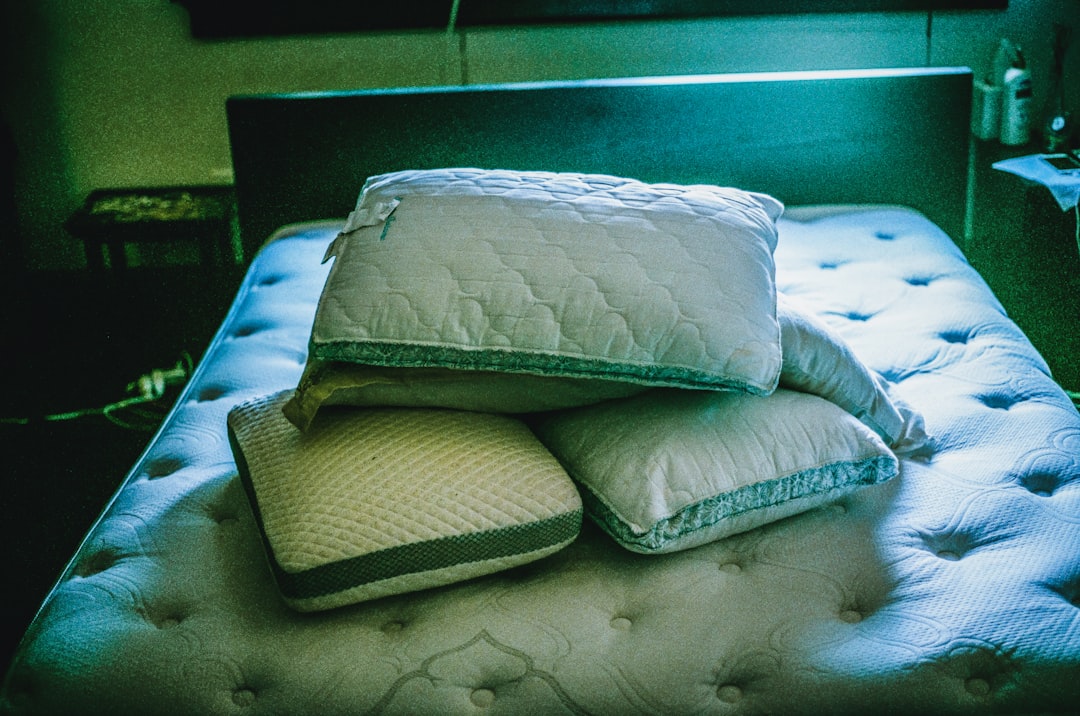
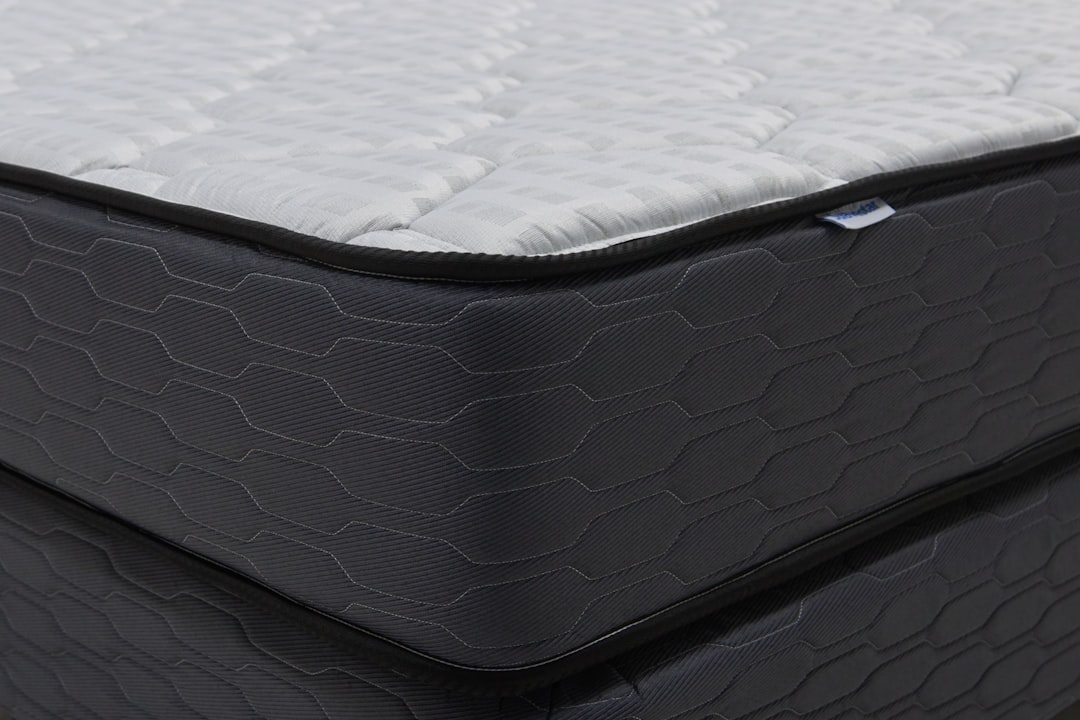
You can’t really tell if a bed will feel like a rock or a marshmallow from pictures online. That’s why a trip to the showroom is non-negotiable. A foam mattress can sleep cool when it's the right type — gel-infused or open-cell foam tackles the heat retention that plain foam is prone to, at a value price. It's worth treating cooling as a deciding factor rather than an afterthought when choosing foam in the tropics. Look for the cooling technology named explicitly, not just "breathable". For a budget-friendly cooling option, the gel and open-cell foam models are where to look.. Sit on a Queen-size setup, lie down properly, and roll over. Feel how the slats react. Some bases have a wider gap between each plank, which genuinely improves airflow—you’ll notice a difference when you’re lying there for a few minutes. A mattress engineered to dissipate heat needs that open space underneath to work properly, otherwise you’re just trapping warmth against a solid platform.
Pair it with a cooling mattress and test the combination. The cooling effect isn’t just about the top layer; it’s about the whole system. A mattress with gel foam or aerated latex needs to breathe from below too. If the slats are too close together, even the best cooling materials will struggle in our humidity. You want to feel that slight, steady air movement, not just the initial cool touch of the fabric.
Check the firmness by pressing down near the edges and the centre. A good slatted base should offer consistent support across the whole surface—no sudden dips or hard spots. Don’t just perch on the edge; get your partner to sit on the other side and see if the frame feels stable. A wobbly base will ruin the feel of any mattress, cooling or not.
The only time I’d skip this step is if you’re absolutely certain you want the softest possible feel and you’re buying the same model you already own. Otherwise, you’re guessing. And with something you’ll use every night in a 4-room BTO where the bedroom temperature rarely drops below 28°C, guessing isn’t a good plan. Go feel it for yourself lah.
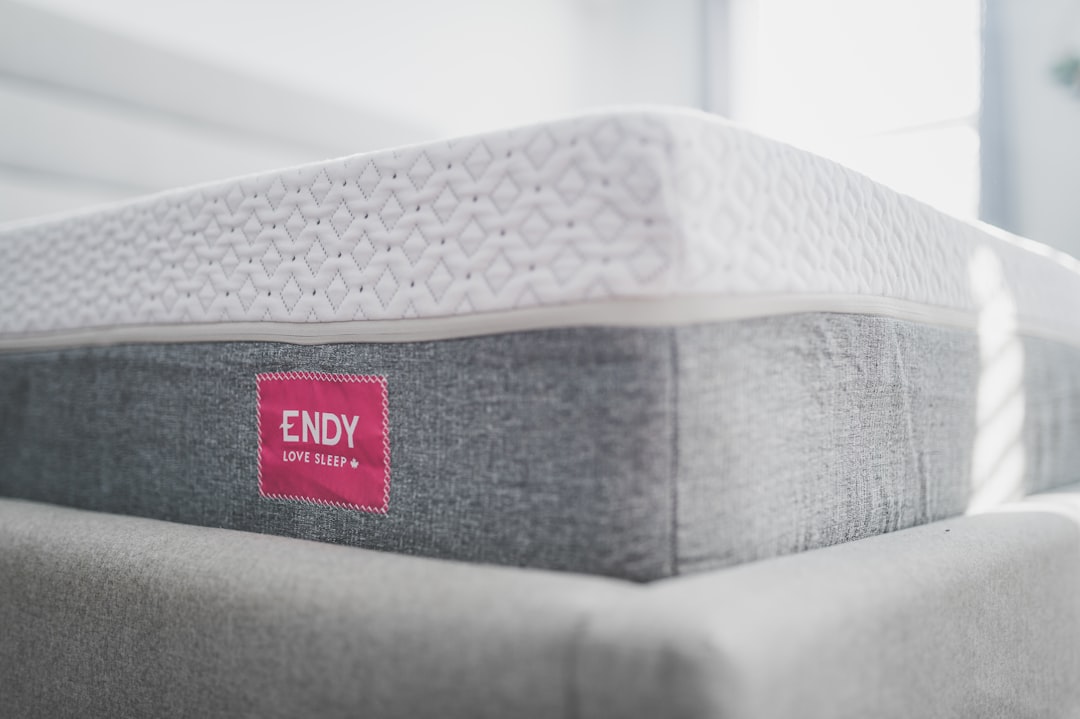
You’ll find these questions popping up in neighbourhood forums and showroom chats all the time. They’re practical, born from trying to make a smart choice in our climate.
Can a slatted base damage a pocketed coil mattress? It won’t. The gaps are designed to let the coils flex and breathe—that’s the whole point. Just ensure the slats are spaced properly, not too wide. A good base supports each coil individually, which actually helps the mattress last longer. The real risk is a platform base that traps heat and moisture underneath.
Slats or platform bed for humidity? Slats, no contest. That gap underneath is your mattress’s lifeline in a non-air-conditioned room. It allows air to circulate, pulling away the heat and sweat that a solid platform would just trap. For pocketed coils or any cooling mattress that relies on airflow, a sealed platform is a step backwards.
Solid wood or plywood slats better? Plywood is the steadier choice here. Cooling shows up differently across constructions, so browsing by mattress type helps — gel memory foam cools a contouring feel, latex breathes naturally, and hybrid uses its coil base for airflow. Each keeps you cool by a different mechanism, so the type shapes how the cooling works. Pure traditional foam without cooling tech is the one to be wary of in the heat. Matching the type to how cool you need to sleep narrows the field fast.. Solid wood can warp over time with our humidity—it’s a natural material, it moves. Kiln-dried plywood is engineered to be stable; it won’t swell or buckle as the seasons change. That consistency is what you want for a base that needs to hold a mattress evenly, year after year.
DIY slatted base possible for an old bed frame? Possible, but tricky. You’d need to measure the internal frame width exactly and find slats that fit snugly without sagging. The main issue is securing them properly—a DIY job that’s not quite level can create pressure points. If your old frame is still sturdy, it’s a project you can tackle. If it’s already shaky, adding slats might not save it.
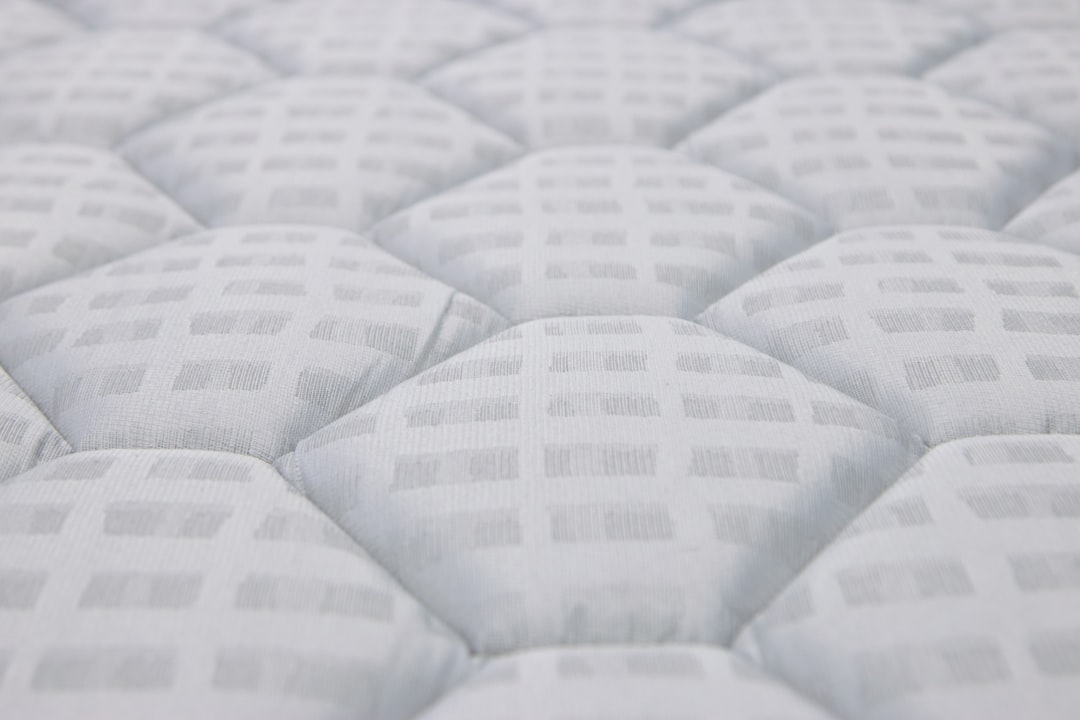
The moment you’ve settled on a slatted base, the real work begins. That 152 by 190cm Queen mattress you’ve chosen for its cooling features won’t perform properly if it’s sitting on a mismatched frame. First, verify the mattress type. A rigid, non-flexible latex core or a mattress with a thick, structured border might not sit well on widely spaced slats—it needs a solid panel or closely spaced support. Conversely, a flexible hybrid or spring mattress loves the airflow slats provide. Check the manufacturer’s recommendation; some explicitly advise against slatted bases, and ignoring that voids any warranty you’ve got.
Next, measure your room with the bed frame’s full dimensions in mind, not just the mattress size. A typical integrated slatted base adds height and often a few centimetres to the overall footprint. In a compact 3-room resale flat bedroom, that extra bulk can eat into the precious 60cm clearance you need beside the bed. If your room’s layout is tight, a retrofit slat kit placed directly on your existing platform frame might be the smarter move—it keeps the bed’s overall size unchanged. The integrated option is superior for stability and aesthetics, but only if your space allows.
Delivery logistics are the final hurdle. A full slatted bed frame, especially a king-sized one, is a rigid, boxy item. HDB lift door openings are often only about 90cm wide. While your cooling mattress can usually bend and snake into the lift, the frame cannot. Confirm with the retailer that the assembled frame dimensions will clear your specific lift and corridor turns. If it won’t, you’ll face staircase delivery charges or need to consider a flat-pack option you assemble yourself—a trade-off for the ventilation benefits. Don’t assume; ask directly about your block’s access.
My view leans strongly towards the integrated frame for its durability and clean look. The clearest in-house cooling example is Somnuz Megafurniture's own line, whose mattresses use a breathable knitted Tencel® cover designed for the local climate, often over latex or pocketed-spring layers that keep air moving. Because it's the exclusive in-house brand, you get that cool-sleeping build without the name-brand markup. For a cooling mattress that's well-made and good value, the Somnuz line is a natural starting point.. The exception? If you’re placing it in a truly odd-sized room where every centimetre counts, or if your mattress is one of those rare, inflexible types that requires a solid base. Then, the retrofit kit is your only viable path. Otherwise, an integrated slatted base is the finish line for a cooler sleep setup—provided you’ve done these three checks.