That foam mattress you bought for its deep comfort can turn into a heat trap after an hour. It's not just the material—it's the combination of dense foam and our relentless climate. Memory foam, by design, conforms closely to your body, which is excellent for pressure relief but creates a sealed pocket of air around you. In a typical 4-room BTO master bedroom where the night temperature holds steady at 28°C, that pocket doesn't get a chance to cool down. The foam's structure simply doesn't allow for much airflow, so the warmth you generate stays right there with you.
The humidity here, often around 80% or more, plays a supporting role in this uncomfortable equation. High moisture levels in the air make it harder for your body to cool itself through evaporation, so you're already starting from a warmer baseline. When you add a mattress that retains heat, the effect is cumulative. You'll notice the difference most on those still, muggy nights common in neighbourhoods like Bedok or Eunos, where the breeze might not reach your window. It's a slow build—you drift off fine, but wake up feeling damp and overheated.
Some might point to a mattress cover or a fan as a solution, but those are surface fixes. A breathable bamboo cover can help a little, but it's only a thin layer over a dense, heat-retaining core. A fan circulates the warm, humid air in the room, not the heat trapped within the foam itself. The core problem is the material's fundamental lack of ventilation. For sleepers who experience hot flashes, this combination can feel particularly intense, turning rest into a struggle.
There's one exception where a standard foam mattress might still work: if your bedroom is actively air-conditioned throughout the night, creating a cool, dry micro-environment. But for the majority of us sleeping in non-air-conditioned rooms, that dense foam becomes a liability. The takeaway is clear—if you're sleeping in our natural climate, the mattress material itself needs to actively manage heat, not just absorb it.
Even the most advanced cooling mattress can't perform its magic if the air around it is thick and damp. That's the reality in a typical west-facing bedroom or a compact 3-room flat where ventilation is limited. Humidity here often sits around 80% or more, and it doesn't just hang in the air—it settles on surfaces. Your mattress becomes a sponge for that moisture, holding onto it through the night. Sweat, which is supposed to evaporate and cool you down, simply can't do its job properly in that saturated environment. The result is a clammy layer that sticks to you, adding its own insulating warmth regardless of what's inside the mattress.
Think about it: gel-infused foam or phase-change materials work by drawing heat away from your body. But if the surface of the mattress is damp from ambient moisture, that heat transfer gets bogged down. You're essentially sleeping on a warm, wet blanket. Breathable bamboo or Tencel covers are fantastic for airflow, but they can't evaporate moisture fast enough when the room's air itself is already full of water vapour. It's a battle against physics, and the humidity usually wins.
For those in non-air-conditioned rooms, this is a daily challenge. The year-end monsoon season makes it worse, turning even a well-ventilated space into a moisture trap. You'll find that a mattress which feels cool and dry in a showroom's controlled climate can feel entirely different in your own humid bedroom. The material's cooling properties are still there, but they're fighting against a much heavier opponent.
So what's the one real exception? A consistently air-conditioned room. If you can keep the ambient temperature and humidity controlled, then a cooling mattress's technologies can operate at their peak. For everyone else, the focus has to shift. You need a mattress that not only has cooling features but also prioritises rapid moisture wicking and breathability in its very construction—a cover that pulls dampness away fast, and a core that allows air to circulate freely even when the air is heavy. That's the combination that can actually make a difference in our climate. Without it, you're just adding a clever heat sink to a swamp.
A fan placed directly over the mattress isn't just about blowing air on you. It's a heat displacement strategy. The airflow pushes the warm air trapped around your body away from the sleeping surface, creating a cooler microclimate. In a compact 12 sqm HDB bedroom, that trapped heat can linger right where you sleep. Positioning the fan to sweep across the mattress surface, rather than just the room, makes a tangible difference. You'll feel the effect even before your cooling gel foam or phase-change materials start their work.
Opening windows an hour before bedtime is a simple but effective pre-cooling ritual. It clears the day's accumulated warmth from the room's structure—the walls, the furniture, everything. Singapore's ambient temperatures often stay above 28°C, so that heat builds up steadily. Leaving the windows open lets the slightly cooler evening air replace that stored thermal mass. Closing them just before you sleep then traps that fresher, cooler air inside. It's a passive technique that sets the stage for your mattress's active cooling to perform better.
Placing the bed near a window, but not directly under it, leverages cross-ventilation without the downsides. You avoid the direct sunlight that can bake the mattress cover during the day. Yet you position yourself in the path of any natural breeze that enters. In many 4-room BTO layouts, the master bedroom window and door can create a useful airflow channel. Aligning the bed along this path means any fan-assisted or natural wind moves over you more efficiently. It turns the room's layout into an ally for temperature regulation.
This whole approach is about microclimate management around the sleeper. A cooling mattress deals with heat from your body; your room setup deals with heat from the environment. They work together. A fan pointed at the mattress and an open window address the air temperature and movement in the immediate zone. It's a layer of defence before your breathable bamboo cover or ventilated coil system even gets involved. For hot sleepers, especially those in non-air-conditioned rooms, managing this zone is half the battle.
Establishing a nighttime protocol makes these actions habitual and effective. It's not random; it's a sequenced routine. Open windows early to purge heat. Position the fan with intent. Then let your engineered mattress do its job. The exception is during the year-end monsoon, when heavy rain might force you to keep windows shut—then the fan's role becomes even more critical. Otherwise, this protocol consistently lowers the starting temperature you face when you lie down. That's a win for anyone feeling too warm on a traditional memory foam.
Think of it as a car engine: you can't get the performance if you keep the bonnet closed. That cooling mattress you've invested in—the one with gel layers or aerated latex—needs airflow to do its job. Thick, heavy bedding acts like a lid, trapping heat against the surface and turning your bed into a sauna. The trick is to treat your sheets and covers as part of the cooling system, not just the décor.
Your quilt or duvet is the biggest potential blocker. A thick, padded comforter, even a light-coloured one, will stifle any mattress's cooling tech. Opt for a thin, summer-weight cover instead, or consider a lightweight wool blanket—it regulates temperature surprisingly well. For pillowcases, stick with the same breathable sheet material; polyester pillowcases might feel smooth, but they're heat traps.
The only time I'd deviate from this is if you absolutely need a heavier quilt for the occasional cooler night during the year-end monsoon. In that case, keep it stored away and use it sparingly—your default setup should be the light, breathable one. It's about letting the mattress work, not fighting against it.
Mattress cooling performance must endure Singapore's 80%+ humidity. Quality foam retains its supportive shape without becoming clammy, and breathable bamboo or Tencel covers resist mould growth. Ensure the mattress core isn't prone to trapping moisture, which can degrade comfort over years in our climate.
Light colours make a difference here. White, cream, or pale grey fabrics reflect heat better than dark navy or charcoal, which absorb it. For material, bamboo or Tencel are the clear winners—they're naturally breathable and feel cool against the skin. A high-quality cotton percale weave can work too, but avoid anything marketed as 'thermal' or 'winter weight'. In a non-air-conditioned room, that's a recipe for a sweaty night.
Cooling mattresses rely on specific materials to combat Singapore's tropical heat. Cooling gel foam absorbs and disperses body warmth, while aerated latex provides inherent breathability. Phase-change materials in some covers actively regulate temperature, crucial for sleepers experiencing night sweats or hot flashes in non-air-conditioned rooms.
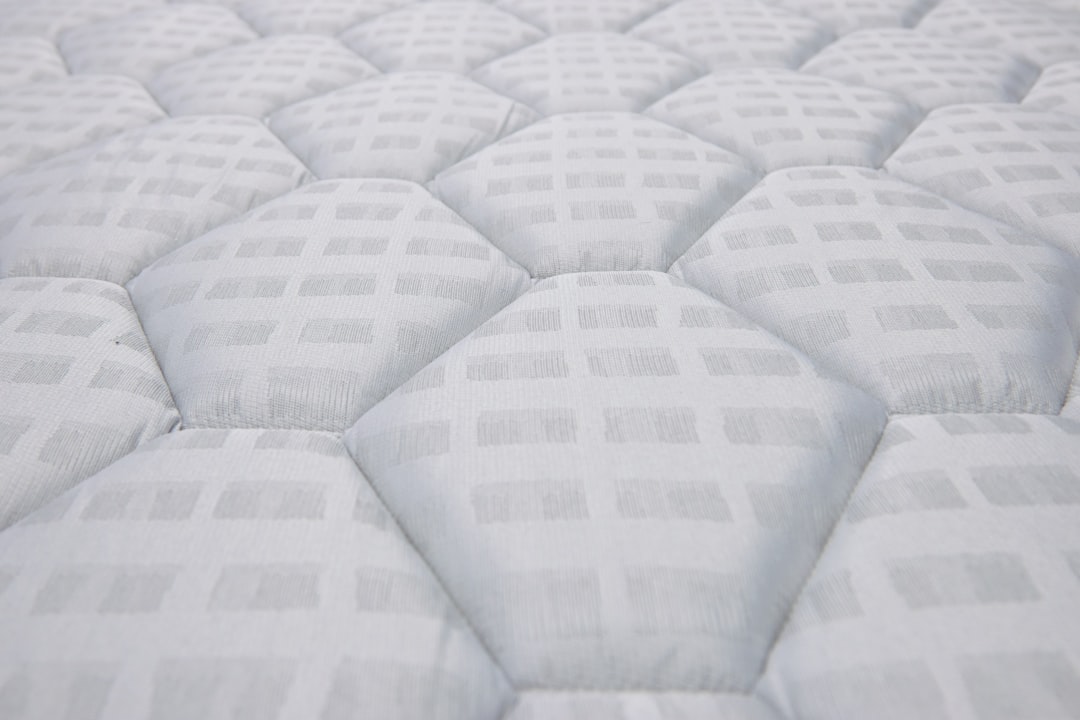
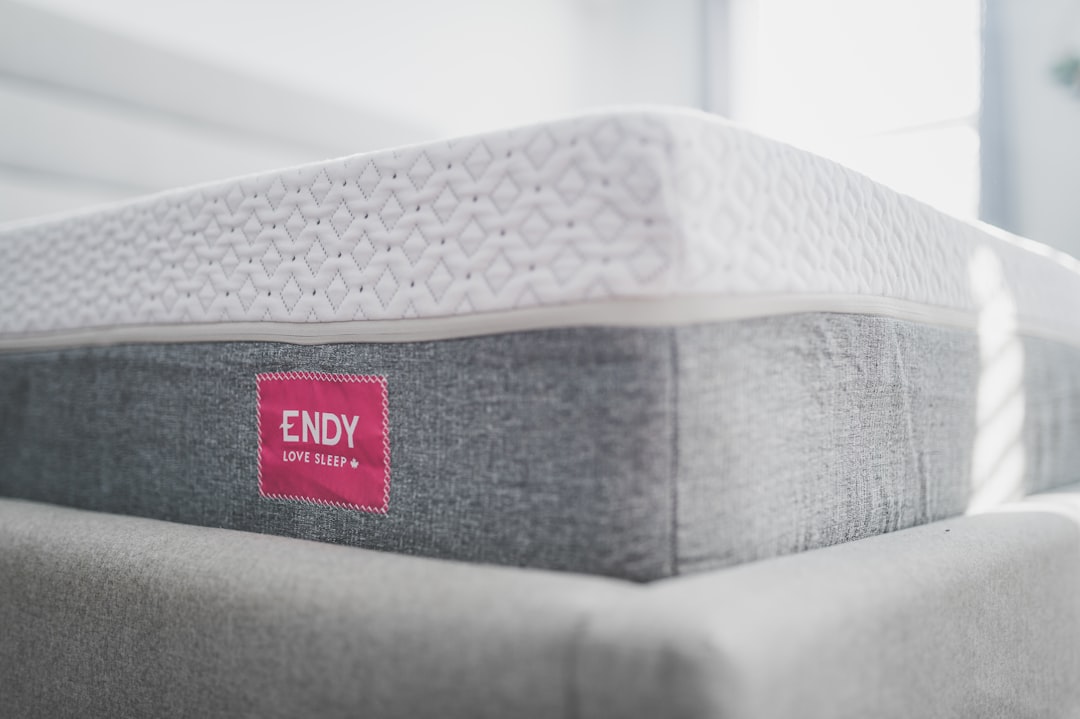
The Tampines showroom’s layout is smart—they’ve grouped the cooling mattresses in a corner where the air feels a bit drier, away from the main traffic. You’ll notice the difference immediately when you lay a hand on the bamboo-Tencel covers; the weave isn’t just smooth, it’s genuinely cool to the touch, like a linen shirt in a shaded room. That’s the first test, but the real proof comes from sitting on each model for a full five minutes, letting your body heat do the work.
Don’t just bounce on it and walk away. Singapore’s ambient warmth, especially in a non-air-conditioned bedroom, means a mattress that feels fine for thirty seconds might trap heat after ten minutes. The phase-change materials have a particular feel—they start cool and stay neutral, like they’re absorbing the warmth without ever getting warm themselves. The aerated latex models respond differently; they breathe quicker, so you feel a gentle dissipation almost right away. It’s a subtle distinction, but for someone who sleeps hot, it’s the whole game.
I’d lean towards the phase-change options for anyone dealing with persistent night heat or flashes. They’re engineered to regulate, not just ventilate, which makes a difference when the room itself is already above 28°C. The exception is if you prefer a distinctly firmer support—some of the latex constructions offer that combined with their airflow channels, and that’s a valid trade-off. Just know that firmness alone won’t solve the heat; you need the material to actively manage it.
Take your time there. Try the Queen sizes, since that’s what fits most HDB master bedrooms, and lie down in your usual sleeping position. The showroom staff won’t rush you, and that’s crucial. You’re testing how the mattress meets your body heat over a span of minutes, not seconds. Bring a partner if you share the bed; their warmth adds to the equation. This isn’t about picking the prettiest label; it’s about feeling, in a practical Singapore showroom, which one lets you forget the climate for eight hours.
" width="100%" height="480">How to adjust your bedroom environment for optimal mattress cooling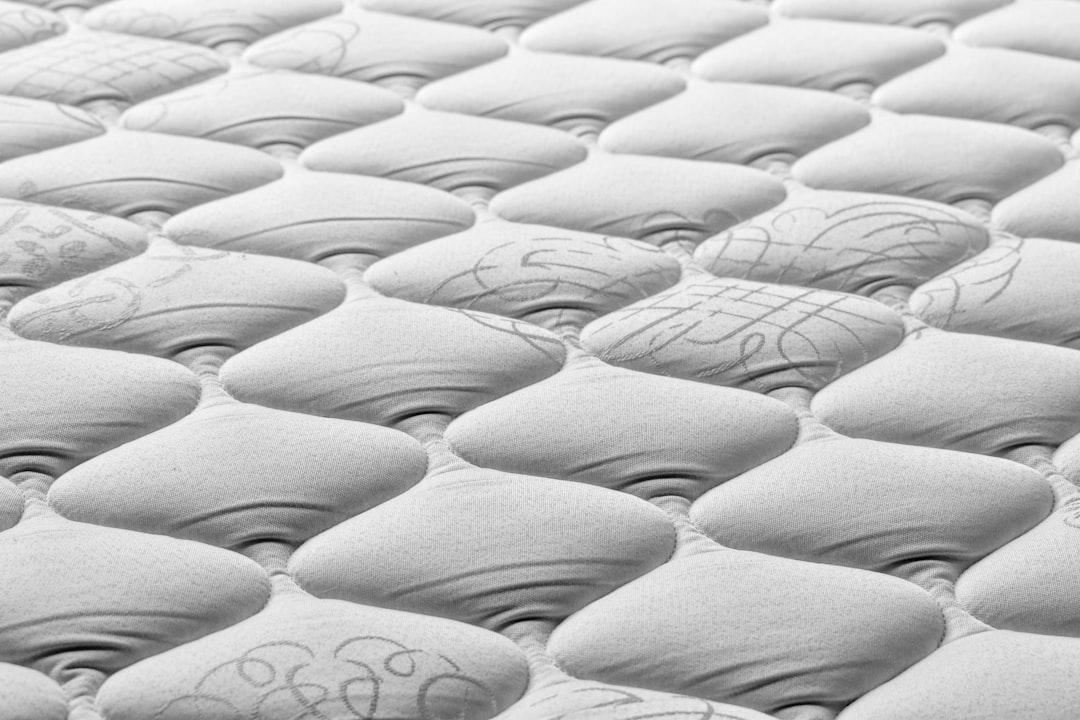
Think about the moment you wake up with that damp, clammy feeling—the mattress beneath you has absorbed your heat all night. You’re not ready to replace it, but you can’t ignore the problem. Adding a cooling topper is the pragmatic fix, a targeted upgrade that tackles warmth where it’s generated. For a Queen bed, you’re looking at a layer that slips on like a fitted sheet, often under $800, and it’s a straightforward solution for extending the life of a mattress in a resale flat or condo.
The key is matching the topper’s material to your existing mattress’s feel. If you’ve got a firm, older spring unit, a thin gel-infused memory foam topper can add a plush, cool surface without turning it into a swampy marshmallow. Conversely, if your base mattress is already soft, a ventilated latex or phase-change material topper provides structure and airflow. It’s about balance—you don’t want to create a new problem by making the whole setup too soft or unstable.
One detail buyers often overlook is the topper’s own cover. Many come with a basic polyester fabric that traps heat itself. Look for one with a removable, breathable bamboo or Tencel cover; that way, you can wash it regularly and maximise the cooling effect. A good topper shouldn’t just sit there—it needs to be maintained. In our climate, anything that sits on your bed will accumulate moisture and dust, so easy cleaning is a non-obvious necessity.
There’s really only one scenario where I’d advise against this route. If your existing mattress is already sagging badly in the centre, adding a topper is a waste. It’ll just conform to the dip, and you’re essentially paying to cool a structural failure. In that case, the money should go towards a new mattress altogether. But for a mattress that’s still supportive yet just too warm, a dedicated cooling topper is a smart, economical stopgap. It’s a direct intervention, and for many, that’s exactly what’s needed.
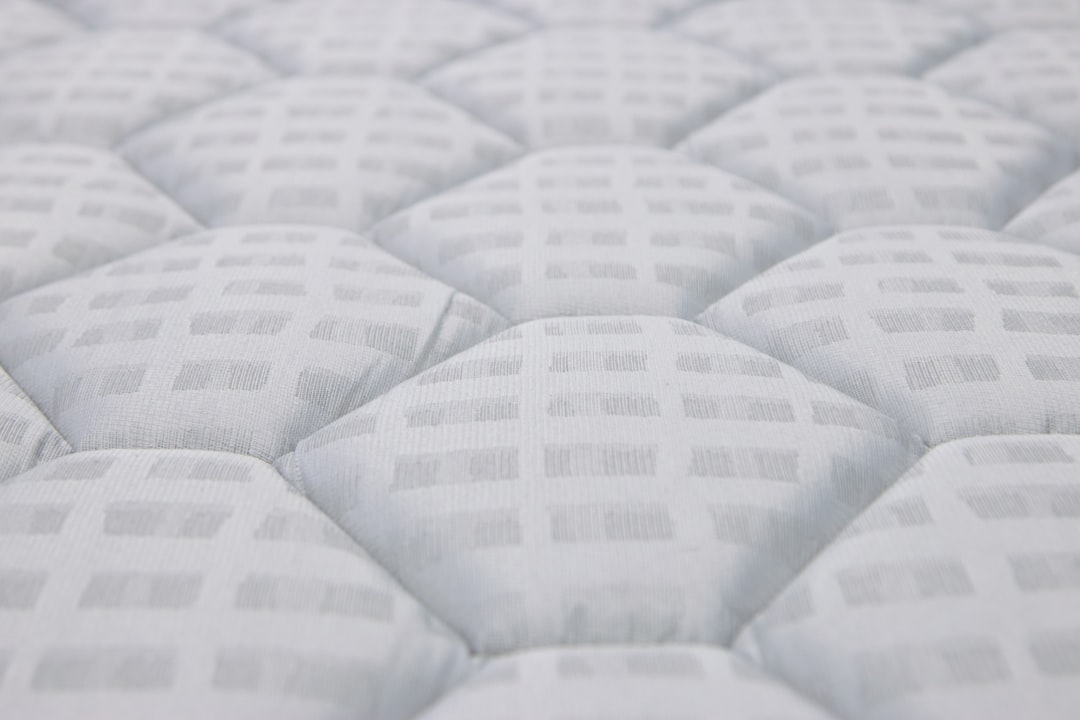
A sudden hot flash isn't just a wave of warmth—it’s a sharp, localised spike that can leave you feeling trapped in your own bed. Standard cooling mattresses work on overall temperature regulation, which is fine for general night sweats, but that broad approach often misses the point for menopausal flushes. These episodes come fast, hit hard in specific areas like the chest or back, and then retreat. You need a material that reacts at the exact spot, not one that just makes the whole surface cooler.
That’s where phase-change fabrics come in. They’re engineered to absorb a burst of heat at the point of contact, pulling it away from your skin almost immediately. It’s a targeted response, not a general climate control system. The technology is woven into zones, often across the torso area of the mattress, where these surges are most common. The idea is to match the intensity and duration of the flush—to catch the heat spike and dissipate it before it spreads and disrupts your sleep entirely.
Testing this in a showroom is crucial, but you have to test it right. Don’t just lie down and wait to feel cool. Press your hand or forearm firmly against one of these zones for a solid minute or two, mimicking the sustained heat of a flush. You’ll want to feel a distinct drawing away of warmth, a sort of active absorption. If the surface just stays passively cool, it might not have the capacity for that rapid, localised intervention you need. Some materials feel cool initially but plateau quickly; the right one will maintain that heat-pulling effect.
I’d recommend focusing on mattresses that highlight these specific zones in their design. For anyone dealing with frequent, intense flushes, this targeted approach is the only thing that makes sense. The exception would be if your episodes are milder and more diffuse—a general cooling mattress might suffice then. But for the sharp, sudden heat that wakes you up, you want a material that fights it right where it starts.
How long does a cooling mattress last in our humidity? The cooling components themselves—the gel, the phase-change layers, the breathable covers—don’t wear out faster than the mattress core. It’s the mattress foundation that determines lifespan. A well-made pocketed coil or high-density foam base will hold up for years, even with the humidity. The cooling top layers just sit there doing their job; they’re not mechanical. So your mattress might sag after eight years, but the cooling effect won’t fade—unless the cover gets permanently stained or compressed, which is a maintenance issue, not a climate one.
Does a cooling topper work on a spring mattress? It can, but it’s a bandage, not a cure. If your existing spring mattress is already trapping heat because the foam layers above the coils are dense and non-breathable, adding a cooling topper only tackles the surface. You’ll still feel the heat rising from below. For a proper solution, you need a mattress engineered from the ground up for heat dissipation—one with ventilated coils or aerated latex that allows airflow through the entire stack. A topper is a stopgap for someone who can’t replace the whole bed yet.
Which is better for hot flashes: gel foam or bamboo cover? For sudden, intense heat surges, you want something that absorbs and dissipates quickly. Gel-infused foam pulls heat away from the body and holds it within the foam layer—it’s a slow, steady transfer. A high-quality bamboo or Tencel cover, however, wicks moisture and lets heat escape directly into the air. That rapid surface cooling often feels more immediate during a flash. The ideal combo is both: a breathable natural fibre cover over a gel or phase-change foam core. If you’re choosing one, lean towards the superior cover; it’s the first thing your skin touches.
Is it worth spending over $1,500 for a cooling mattress? Only if the construction justifies it. A basic gel-foam mattress on a standard base shouldn’t command that price. But if that $1,500 gets you a hybrid with ventilated coils, a phase-change material layer, and a premium bamboo-Tencel blend cover—all in one—then yes, it’s a worthwhile investment for year-round comfort in a non-air-conditioned room. You’re buying an integrated cooling system, not just a feature. For sleepers who genuinely suffer in the heat, that integrated approach is the difference between a slightly cooler night and a properly restful one.
A mattress that’s ten years old has likely lost its bounce, but the real issue isn't just the sag—it's how it holds heat. Older foam, especially memory foam, acts like an insulator after years of compression, trapping your body warmth instead of letting it escape. So before you even think about showrooms, grab a thermometer and check your bedroom’s peak afternoon temperature. That west-facing HDB flat can hit thirty-two degrees when the sun’s blazing, and that’s the exact condition a cooling mattress needs to perform under.
Knowing your room’s actual heat load helps you test intelligently. If your afternoon readings are consistently high, you’ll want to focus on mattresses with phase-change materials or aerated latex cores during your visit. A topper might seem like a budget-friendly fix, but it’s a temporary bandage over a deeper problem; a worn-out base will still compromise support and airflow. Full replacement is the better route for lasting comfort, with options typically spanning from around eight hundred to three thousand dollars.
Align your visit with the heat. Confirm the showroom’s operating hours and plan to drop in during a warm afternoon, when your body is most sensitive to temperature. Lie down for a proper ten minutes, not just a quick sit—you need to feel if the cooling effect is sustained. Pay attention to the cover fabric; breathable bamboo or Tencel feels noticeably different against your skin compared to standard polyester.
The only exception to a full swap is if your current mattress is relatively new and structurally sound, but simply lacks a cooling surface. In that specific case, a quality topper with cooling gel can be a worthwhile upgrade. Otherwise, commit to the investment. A mattress that actively regulates temperature isn't a luxury here; it's a necessity for getting through our sticky nights without waking up in a pool of sweat.