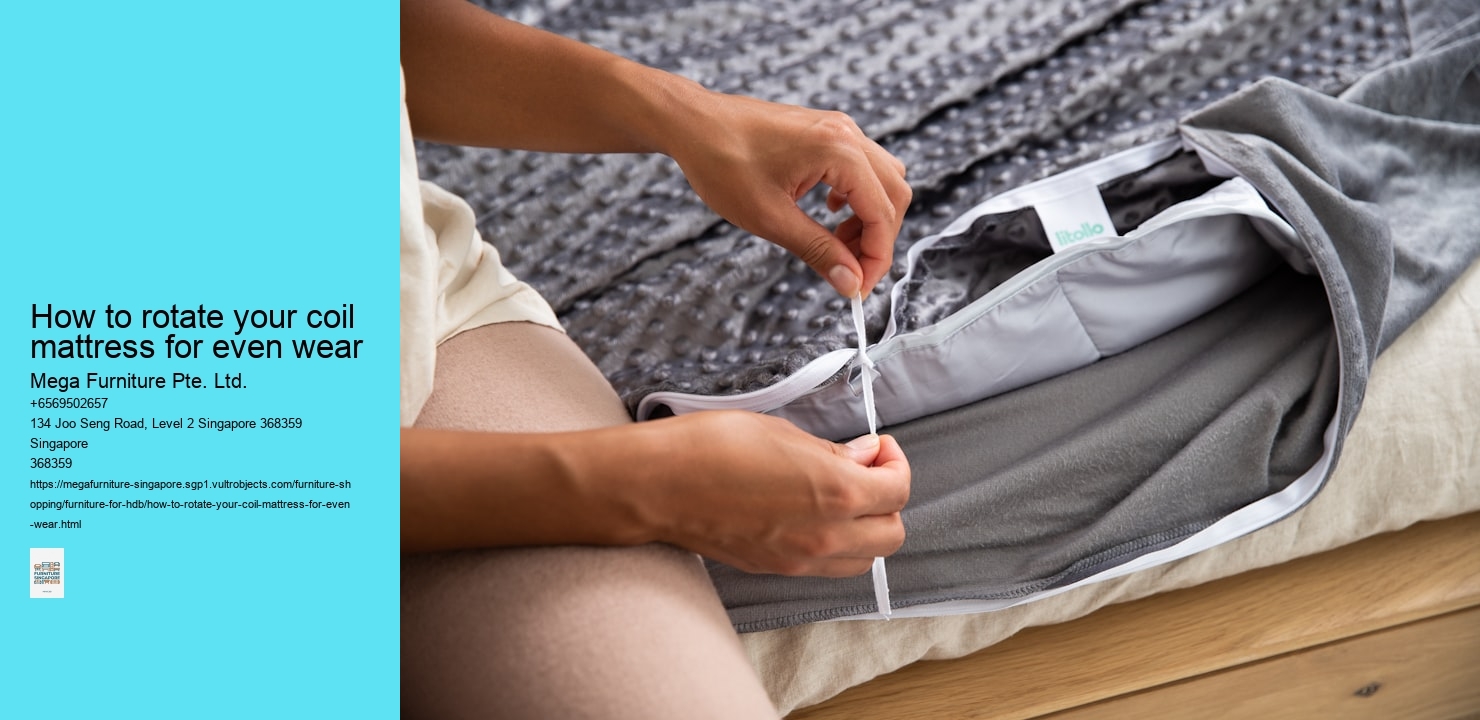
Look at a mattress in a non-air-conditioned bedroom after two years. The side where the person sleeps—the one that bears the full brunt of their body heat night after night—will show a different story. It’s not just a gentle sag; it’s a distinct, permanent valley, a body-shaped impression that feels softer, almost deflated, compared to the other side. That’s the pattern of wear you don't see when you just change the sheets.
Singapore’s ambient night temperature, hovering at 28°C and above, acts like a constant catalyst. Heat softens the materials in your mattress, whether it's foam layers or the padding above the coils, making them more pliable and less resilient. When you add sustained body weight and moisture into that warm environment night after night, the materials compress and stay compressed. They don't get the cool, dry recovery period they need. The result is a mattress that wears out lopsidedly, far faster than it should.
Think about the typical setup in a 4-room BTO common bedroom. The bed is often against a wall, with only one practical side for sleeping. That spot gets all the action—all the heat, all the perspiration, all the pressure. The other half of the mattress remains practically untouched, still firm and cool. It’s a textbook case of uneven wear, but one that creeps up on you because you’re only feeling the degradation on your side.
Rotating a mattress like this helps, but it’s a partial fix at best. You’re just moving the problem zone, not addressing the core issue of heat retention. A mattress that can’t breathe and dissipate that trapped warmth is fighting a losing battle in our climate. The materials will simply break down faster under the thermal load. So while flipping and turning buys you some time, the underlying lopsided collapse from sustained heat is already in motion.
The one real exception is if you’re a solo sleeper who religiously alternates sides every single night—but let’s be honest, who does that? Most of us are creatures of habit, returning to the same dent night after night. And in that dent, the heat has already done its work.
Many coil mattresses come with a clear top side for a reason, but it's the kind of detail you can miss if you're just focused on the cooling promise. That ventilated core isn't just a random pile of springs; it's a layered system designed with intentional airflow in mind. The support base is firmer, providing the foundational structure, while the upper comfort layers are engineered for breathability and pressure relief. Between them, channels are built to let air move freely, pulling heat away from your body—a crucial feature for our year-round humidity. Flipping the whole unit over puts that firmer base right against your shoulders and hips, which feels all wrong, and it blocks those carefully placed air channels. You'll lose the cooling benefit and the comfort profile in one go.
The correct move is a simple 180-degree rotation, head to foot. This evens out the compression on the spring system where your body weight concentrates night after night. Think about it: your shoulders and hips exert the most pressure, and over months, that spot can develop a slight impression even in a quality mattress. Rotating it shifts those pressure points to a fresh section of the coil grid, preventing premature sagging and maintaining consistent support across the entire sleeping surface. It's the single best thing you can do to extend the life and performance of a coil mattress.
Alignment matters too. Those internal breathability zones are often oriented in a specific way to work with the mattress cover's own ventilation. Rotating, rather than flipping, keeps everything in its proper order—the cooling layers stay on top where they belong, and the support stays underneath where it's needed. It ensures the whole system works as the engineers intended, which is what you paid for.
Some might tell you a mattress doesn't need any maintenance at all, but that's a shortcut that costs you in the long run. The only time you'd ignore rotation is if the manufacturer explicitly states the unit is non-rotatable, which is rare for a ventilated coil design. For everyone else in a 4-room BTO or a resale flat battling the afternoon heat, making this a biannual habit—maybe around the mid-year and year-end clean-ups—is a small task with a big payoff. Your mattress stays cooler, supports better, and won't develop a permanent dip on one side. That's how you get your money's worth over a decade of tropical nights.
Wait for that stretch of clear, hot days when the air feels lighter and the monsoon rains are a distant memory. This is your cue, typically after the February to March period, when the Northeast Monsoon has fully retreated and the humidity dips slightly. That drier air is the perfect time to flip your ventilated coil mattress head-to-toe, as the core will have had a chance to breathe more freely after the wet season. You're giving the coils a fresh orientation before the next humid onslaught, which helps prevent any permanent impressions from settling in. Think of it as a reset after the dampness, aligning with the natural climatic shift rather than an arbitrary date on the calendar. It’s a straightforward task that pays off in long-term mattress integrity.
When the air gets so thick you can feel it the moment you step outside, usually around May or June, that’s your next signal. This intense humidity can make any mattress feel heavier and less responsive, putting extra strain on the materials. Rotating your mattress 180 degrees at this point redistributes the pressure points that have formed during the drier spell, combating the sagging effect humidity can exacerbate. It’s a pre-emptive move against the climate’s attempt to mould the mattress to your body in a less-than-ideal way. Following this local cue ensures you’re actively managing wear during the most demanding part of the tropical year. Consistency here prevents one side from bearing the brunt of the muggy season.
The conclusion of the year-end monsoon, when the relentless downpours finally ease, marks another critical rotation point. All that ambient moisture has seeped into everything, and your mattress is no exception, even with a breathable cover. Flipping it over entirely—so the side that was facing down is now up—allows for even evaporation and airing out across all its layers. This full flip is essential after the sustained dampness, as it prevents any potential moisture from being trapped against the bed base for too long. It’s a fresh start for the new year, aligning mattress maintenance with the clearest seasonal transition we have. Skipping this one means one side continuously faces the damp, which isn’t good for longevity.
Use the annual deep clean before Chinese New Year as your anchor, a cultural routine that already involves shifting furniture and thorough vacuuming. This isn’t about the calendar month but the action—when you’re already pulling the bed out to clean underneath, it takes little extra effort to give the mattress a quarter-turn. It ties the rotation to a pre-existing, deeply ingrained habit, which dramatically increases the odds you’ll actually stick to the schedule. The psychological link between spring cleaning and mattress care makes the task feel less like a chore and more part of a holistic refresh. This method leverages routine for results, ensuring your cooling mattress gets the attention it needs precisely when everything else is getting a once-over.
Finally, let your own discomfort be the guide—if you wake up feeling less supported or notice a new dip, don’t wait for the next climatic cue. While the four-cue schedule is robust, your body and the mattress’s performance are the ultimate indicators. An extra rotation outside the main schedule can address early signs of wear, especially if you’re a heavier individual or sleep in the same spot every night. This isn’t a replacement for the climate-linked rotations but a necessary supplement based on direct feedback. Listening to these signals ensures the engineered cooling and support last far beyond the expected lifespan, making the investment truly worthwhile. It’s the personal touch on a system designed for our impersonal weather.
The whole cooling promise of a ventilated coil mattress gets undone by uneven pressure. You buy it expecting that airy pocket to let heat escape, especially where your body presses hardest. But if you always sleep on one side, those coils aren't just compressed—they're skewed. The alignment goes off, and that's where the trouble starts.
Picture the typical setup: a couple sharing a Queen in a 3.5 by 3 metre BTO master bedroom. One person's a hot sleeper, maybe dealing with night sweats or just the year-round 28°C ambient heat. Their side gets the full body weight every night. The coils there don't just sink; they tilt. That tilt reduces the tension across the neighbouring coils, so the support zone softens and widens. More importantly, it pinches the airflow channels between the coils. The ventilation that was supposed to whisk warmth away gets choked.
The only time you wouldn't bother is if you're sleeping alone on a Single or Super Single. Your weight centres more evenly then. But for two bodies on a Queen or King, ignoring the flip means you're cooking the mattress's best feature. That engineered airflow becomes useless one.
So you end up with a warmer, less supportive sleep pocket precisely where you need cooling most. The mattress isn't failing because the materials degraded; it's failing because the structure got misaligned. That pocket becomes a heat trap. You'll feel it as a distinct warm spot, and over months, that spot will sag noticeably deeper than the other side. Rotating the mattress head-to-foot doesn't fix this—it just moves the problem zone to a different body position. You need a full flip, turning the whole mattress over to let the compressed coils recover and re-align.
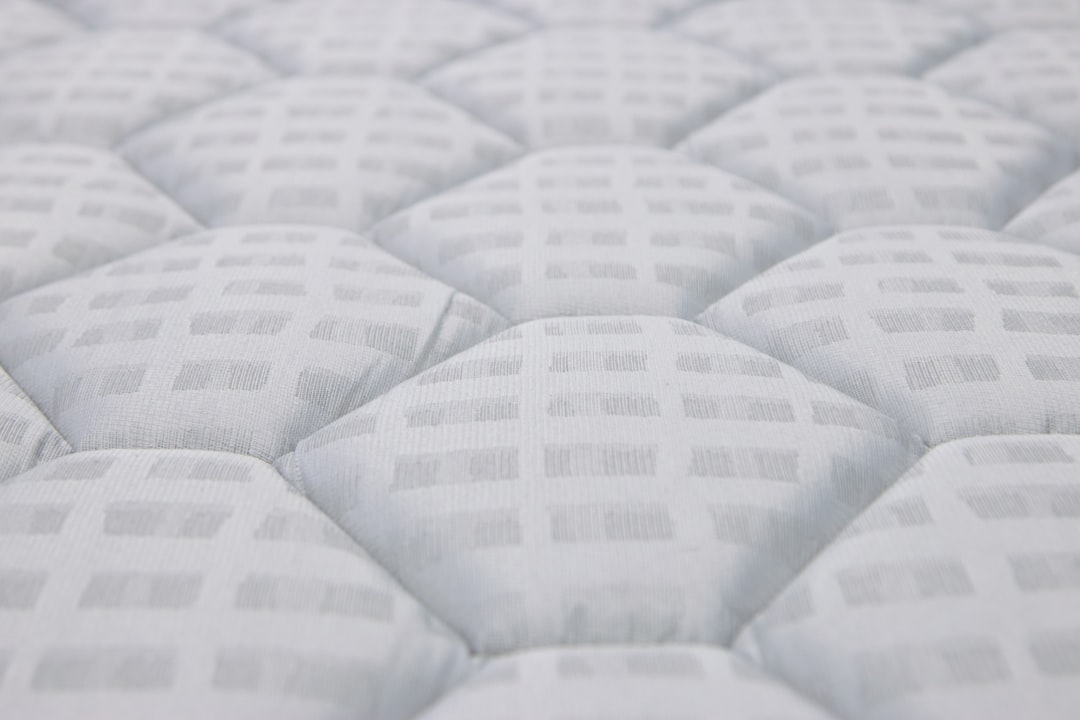
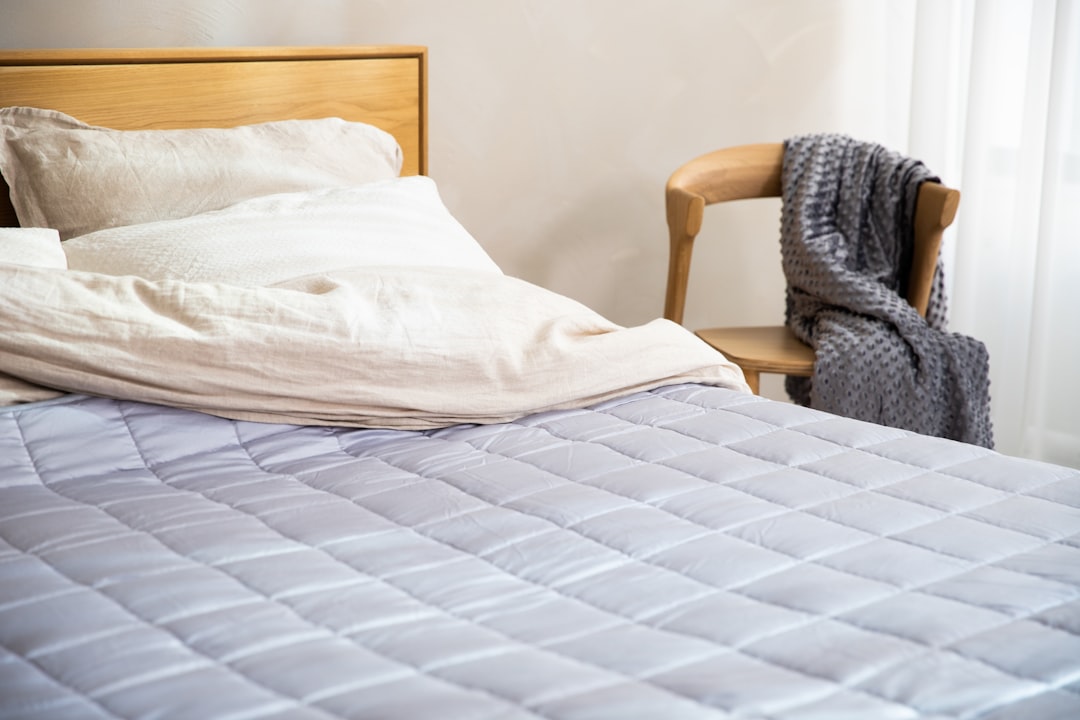

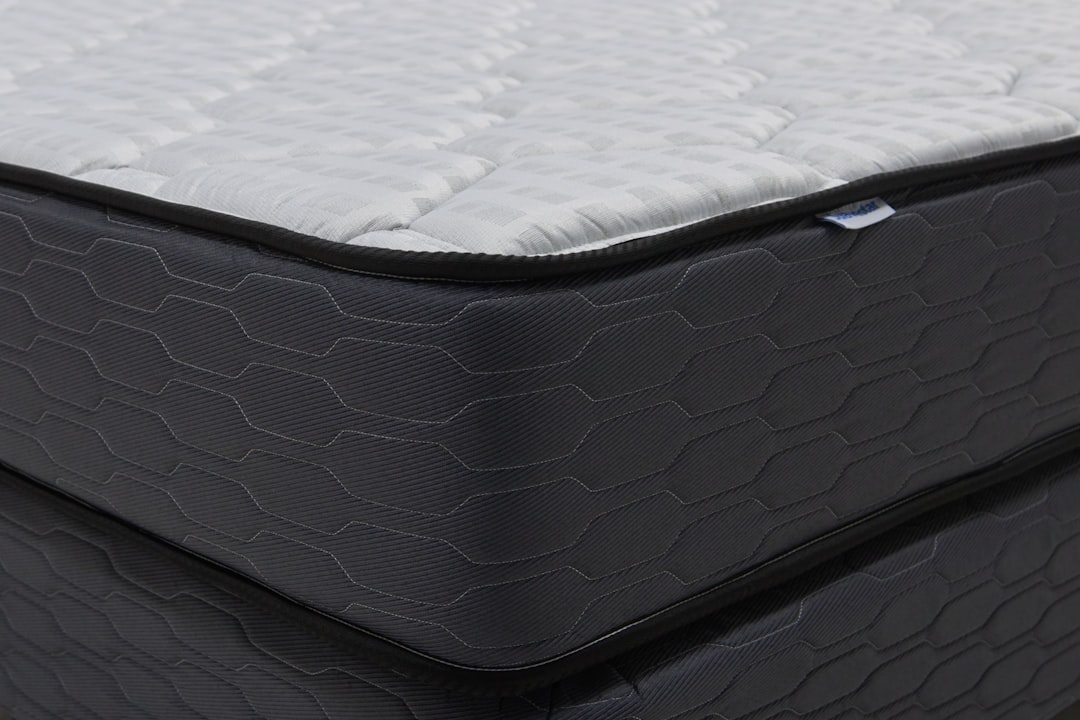
A mattress that’s been properly rotated for a few months feels entirely different from a brand-new one straight out of the plastic. The showroom floor at Megafurniture’s Joo Seng or Tampines outlet is the one place you can actually feel that difference for yourself. Look for the Somnuz display models that have been taking the daily test-drives from shoppers—those are the ones that’ll show you what even support really means after some wear.
Lie down on a fresh, unrotated mattress and the support feels uniform, sure. Then shift over to a floor model that’s been regularly flipped and turned. Run your hand across the surface. There shouldn’t be any soft spots or noticeable dips where a body would usually lie. That consistent firmness from edge to edge is the proof you want—it’s the long-term benefit of a simple maintenance habit made visible. You’re not just testing comfort; you’re checking for resilience.
For a ventilated coil system, this test is crucial. That breathability feature you’re buying it for depends on the coils staying in good shape. If they start to compress unevenly, those air channels get pinched and the whole cooling effect suffers. A rotated model lets you confirm the structure holds up. Press down firmly in the centre, then near the sides. The pushback should feel the same. That’s the coil system doing its job, year after year.
Some might say you can’t judge a mattress until it’s in your own bedroom for six months. True, but you can get pretty close by seeking out the one that’s already endured six months of showroom traffic. It’s the most honest preview of performance you’ll get. The only time I’d skip this step is if you’re in a tremendous rush and just grabbing a bed for a temporary setup—a spare room for visiting relatives, maybe. For your own master bedroom in a 4-room BTO, where you’ll sleep every night in our heat, that five-minute test on a seasoned floor model is non-negotiable. It tells you everything about how the mattress will handle the real Singaporean long haul.
A Queen-sized coil mattress is a serious piece of furniture, easily hitting 40kg or more. In a 12 sqm HDB bedroom where you’re working solo, trying to flip that dead weight is a recipe for a pulled back or a scuffed wall. The trick isn't brute force—it's about leverage and timing.
Plan the rotation for your quarterly deep clean, when the floor is already clear and you’ve got space to manoeuvre. Strip the bed completely, right down to the protector. Then, instead of lifting, slide. Use the fitted sheet as a giant, low-friction sled—just pull one corner diagonally across the bed base until the mattress rotates 180 degrees. For a ventilated coil unit, this method also prevents you from torquing the internal structure, which heavy-handed lifting can sometimes do. You’ll need to get a good grip on the mattress edges, but your legs and body weight do the work, not your spine.
If sliding doesn’t cut it, try the vertical pivot. Stand the mattress on its long side against the wall, then walk it around in a slow, controlled arc until it faces the opposite direction. This is where a clear floor path is non-negotiable; that potted plant or laundry basket will become a major hazard. The only time this method fails is if your ceiling is too low—in some older flats, standing a 190cm-tall mattress vertically just cannot.
Don’t attempt this alone if the mattress is a King or if you’ve got any existing back concerns. It’s better to wait for a helping hand than to risk injury. For the solo dweller, consistency beats heroics—a gentle, methodical rotation every few months will extend the mattress's supportive life far more than one dramatic, risky heave every couple of years. Your mattress and your body will thank you for the calm, calculated approach.
A mattress is a major investment, and a cooling one even more so. Yet, that investment gets undone by well-intentioned but incorrect care habits that shorten its life and wreck its special features. The idea that you can fix a sag by rotating the mattress is the most common error. Once a dip has formed in the foam or the coils have permanently compressed in one zone, flipping it over or turning it end-to-end won't magically level it out. You're just redistributing the problem, not solving it. Rotation is a preventative measure, not a cure for existing wear.
Then there’s the dual-firmness mattress, where one side is firmer than the other. Rotating it incorrectly—simply spinning it around—does nothing to even out wear between the two distinct comfort layers. The proper method is a full flip, so the firmer side moves from the head to the foot, ensuring both sides bear weight evenly over time. Neglect this, and you’ll find one side breaks down much faster, defeating the purpose of buying a mattress designed for two different sleepers.
The most damaging misstep for a cooling mattress, however, involves cleaning. That breathable bamboo or Tencel cover isn't just for show; it's a critical part of the temperature regulation system. Dousing it with harsh chemical cleaners or soaking it with too much water can clog the fibres, strip away moisture-wicking treatments, and leave a residue that traps heat. Worse, on mattresses with cooling gel foams or phase-change materials directly beneath the cover, liquid penetration can degrade those layers permanently. Spot cleaning with a mild, damp cloth is the only safe approach—never a deep soak.
It’s a straightforward principle, really. Proper care preserves the mattress’s function, especially its cooling properties, which are non-negotiable in our climate. The one time you might skip a scheduled rotation is if the mattress has developed a clear, uncomfortable body impression; at that point, rotation is just rearranging the problem, and it’s likely time to start considering a replacement. For everything else, a disciplined, gentle routine is what keeps you sleeping cool for years.
You’ll find the same few questions popping up when people talk about keeping their coil mattresses in good shape. It’s not just about flipping it over anymore—most modern ones are one-sided. The real trick is rotating it, and in our climate, that brings up some very specific worries.
How often rotate mattress Singapore humidity? Every six months is the standard advice, but with our humidity often around 80%+, you might want to make it every four. The moisture in the air can settle unevenly, and rotating helps prevent one side from bearing the brunt of both your weight and the dampness. It’s a simple move that fights sagging and keeps the ventilation channels in the coils clear.
Can rotate pillow top mattress? You can, and you definitely should. A pillow top is an added comfort layer, not a separate piece, so it wears with the rest of the mattress. Just be careful not to drag it—lift and turn it gently to avoid stressing the stitching. This ensures the plush surface wears evenly, so you don’t end with a permanent dip on your side.
Mattress rotation service Singapore? Some retailers offer this as a paid add-on during delivery. It’s convenient, sure, but honestly, it’s a skill you can own in five minutes. Save the money. Once you know the method, doing it yourself means you’ll actually stick to the schedule instead of waiting for an appointment.
Rotate king size mattress alone possible? A standard King here is around 182cm wide—that’s a lot of real estate. Trying to manoeuvre it solo in a typical HDB bedroom is asking for a back strain or a scuffed wall. Get a partner. Strip the bedding first to make it lighter, and walk it around the bed frame instead of trying to lift and pivot. If you live alone, wait until you have a visitor. This one really cannot rush.
A cooling mattress uses a ventilated coil system to actively channel heat away from the body. The open structure allows air to circulate freely through the core, preventing heat build-up common in dense foam mattresses. This design is particularly effective in Singapore's non-air-conditioned bedrooms, where ambient temperatures stay high overnight. The continuous airflow helps regulate sleep temperature for hot sleepers.
Cooling mattresses built with ventilated coils resist humidity-related damage better than solid foam blocks. The metal coils don't absorb moisture, and the breathable design prevents internal condensation. In Singapore's climate with 80%+ humidity, this structural approach avoids the potential for mould or material degradation over time. Proper care involves keeping the breathable cover clean to maintain airflow.
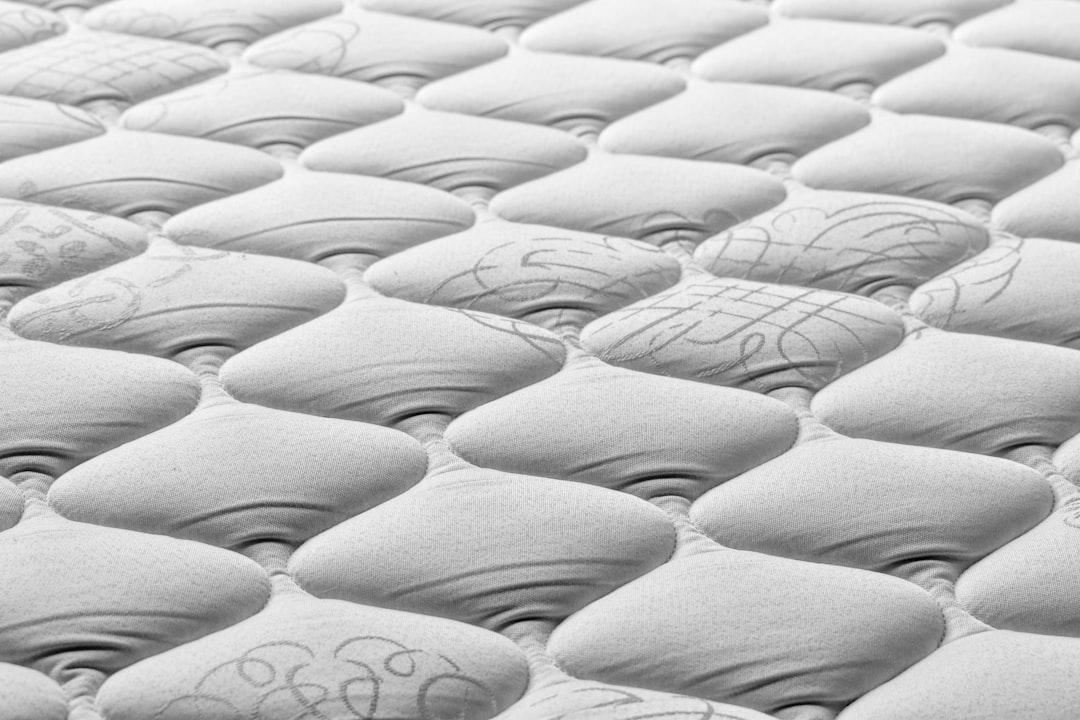
The toughest part of rotating your mattress isn't the flip itself—it’s clearing the floor first. In a typical 12 sqm HDB common bedroom, you’ve likely got a nightstand, maybe a laundry basket, and a fan cord snaking across the floor. All that needs to be pushed aside. A proper 180-degree turn means you’ll need a clear runway from the head to the foot of the bed, and that’s easier if you shift everything out before you start straining.
Check your bed frame’s compatibility. Some low-profile platform frames sit flush with the mattress edges, making it tricky to grab and lift. Others have a generous lip that gives you a good handhold. If yours is the tight-fit type, you’ll want to enlist help. Doing it solo risks dragging the mattress against the frame, which can snag the cover or compress the edges unevenly. That’s the sort of wear you’re trying to avoid, not create.
Before you lift, note the current head and foot position. A simple mental note—“headboard facing the window”—will save you from the classic blunder of just shuffling the mattress around and ending up with it rotated only 90 degrees. You want a full swap, so the side that bore your shoulders for six months now supports your feet. This is especially key for ventilated coil systems, where even wear across the entire surface maintains that cooling airflow you bought it for.
The one time I’d skip the full clear-out is if you’re in a very tight space and your mattress is a flexible, bendable type. You might be able to pivot it on the bed itself, but that’s a compromise. For a proper, clean rotation that preserves the mattress structure, giving yourself that empty floor space is non-negotiable. It’s a five-minute prep job that makes the actual task ten times easier.
" width="100%" height="480">How to rotate your coil mattress for even wear