You spot that cooling gel tag on a mattress and think you’ve solved the heat problem. That’s the trap. In our climate, a thin layer—say, a 3cm pad—gets overwhelmed fast. It’s like putting a small ice pack on a hot plate; the core heat wins. The gel might feel cool for a few weeks, but once the memory foam underneath, usually a standard 4cm core, starts soaking up your body warmth night after night, that little surface layer can’t fight back. You’ll be back to feeling that familiar, sticky warmth by the third monsoon season.
So what should you look for? Density and coverage. A proper cooling system isn’t just a sticker; it’s about how much of the mattress actually works to pull heat away. In that common Queen size, a thin gel strip over the centre isn’t enough—you need a layer that’s substantial enough to handle the whole sleep surface. Check the specs: is it a full slab of gel-infused foam, or just a decorative insert? The difference is real.
For a budget in the eight hundred to twelve hundred range, you’re often choosing between a mattress with a thicker, dedicated cooling core and one that uses a cheaper, thinner topping. Don’t just trust the label. Ask about the material’s density too; a higher density foam, even with cooling properties, will hold its structure and function longer against the relentless humidity. A flimsy layer will compress and lose its cooling effect within months—you’ll feel it sink and stop working.
The only time a thinner cooling layer might suffice is if you’re pairing it with exceptional breathability elsewhere, like a truly ventilated coil base and a premium bamboo cover that actively wicks moisture. But in a typical all-foam mattress within this price bracket, that combination is rare. Your safest bet is to prioritise depth and coverage of the cooling material itself. Skip the one that feels cool only in the showroom’s air-conditioned comfort, and go for the one built to last through our actual bedroom temperatures.
Phase-change material sounds like magic—little capsules that absorb your heat and keep you cool. But the magic’s got limits, and if you’re waking up damp and uncomfortable, you probably bought a mattress where the PCM infusion is more marketing than medicine. It’s not about whether the mattress has PCM; it’s about how much PCM it actually has per square metre of sleeping surface. A thin sprinkle won’t handle a serious hot flush or a non-air-conditioned room where the ambient temperature stays high.
You’ll find this detail buried in the technical specs, usually for mattresses in the $1,500 to $2,400 range. Don’t just glance at the brochure headline; look for the concentration figure. It’s the difference between a mattress that can absorb a typical night’s gradual warmth and one that can cope with sudden, intense heat release. For someone experiencing menopausal hot flashes, that capacity is critical—you need a reservoir, not a teaspoon.
Think about it like a battery. A bigger battery holds more charge. If your night sweat volume is high, you need a high-capacity PCM system to absorb it without getting saturated early in the night. Once those capsules reach their limit, they stop working, and you’re back on a regular, warming bed. The specs will tell you the story. Ignore them, and you might end up with a cooling mattress that only works for the first hour.
There’s one exception. If your sleep temperature issue is mild, just a general warmth rather than pronounced flashes, a lower concentration might suffice. But for the majority in our climate, especially in those common bedrooms facing the west sun or without an AC unit, go for the higher infusion. It’s the one real way to ensure the technology matches the problem. Anything less is a compromise you’ll feel at three AM.
" width="100%" height="480">Cooling mattress effectiveness: Tracking your sleep temperature changesThat first touch in the showroom is deceptive. You run your hand over a Tencel cover and it feels cool, almost like silk, and you think that's the answer to your hot nights. But that sensation lasts about five minutes once you lie down—your body heat quickly warms that thin layer, and then you're stuck with whatever's underneath. A cool-feeling cover on a dense foam base is like wearing a light cotton shirt over a thick wool sweater; the shirt might feel breezy at first, but the sweater traps all the heat. The initial chill is just a marketing hook, not the engineering that matters for eight hours of sleep. Focus on the core materials that manage temperature, not the superficial layer that briefly fools your skin.
Long-term cooling isn't about a cold surface; it's about moving heat away from your body. Breathable foams, aerated latex layers, and ventilated coil systems create channels for air to circulate, actively dissipating warmth. Dense, non-breathable foam underneath a fancy cover acts like an insulator—it holds the heat your body generates all night. In a west-facing room where afternoon sun heats up the entire space, you need a mattress that can vent that stored thermal energy, not just feel cool at the start. The science is straightforward: air flow equals cooling, and stagnation equals a sweaty back.
Judge a mattress by the third hour, not the first three minutes. Your body reaches its peak temperature deep into the sleep cycle, often around midnight, and that's when a non-breathable base fails completely. That lovely Tencel cover is irrelevant by then; you're sleeping on a slab of heat-retaining foam. The true test happens in the dead of night in a non-air-conditioned room, when the ambient temperature is still high and your own metabolism is adding to it. A mattress that passes the night test has a structure that promotes constant air exchange, keeping the microclimate around your body manageable. Don't buy based on a showroom demo—think about how it performs when you're unconscious and sweating.
For flats with west-facing bedrooms, this mistake is especially punishing. The afternoon sun bakes the walls and the room retains that heat well into the evening, creating a thermal load that a mattress must help shed. A dense foam core will absorb that ambient warmth and then amplify your own body heat, creating a double layer of insulation. Breathable coil systems or open-cell latex layers are crucial here because they allow the mattress itself to act as a heat exchanger with the room air. In these conditions, the initial cold touch of a cover is utterly meaningless; you need a mattress that breathes from the inside out. Prioritising breathability isn't a luxury—it's a survival tactic for these specific layouts.
Real cooling is a continuous process, not a one-time sensation. A mattress that regulates temperature night after night relies on its internal architecture to maintain a stable sleeping environment. That means choosing a design with purposeful air gaps, whether through pocketed coils that create vertical channels or through perforated latex that doesn't compact over time. The initial cold touch of a cover can fade with washing or wear, but the breathability of the core is a permanent feature. For hot sleepers, this is the single most important factor for lasting comfort across the years you'll own the bed. Ignore the surface seduction and invest in the deep structure that won't quit on you.
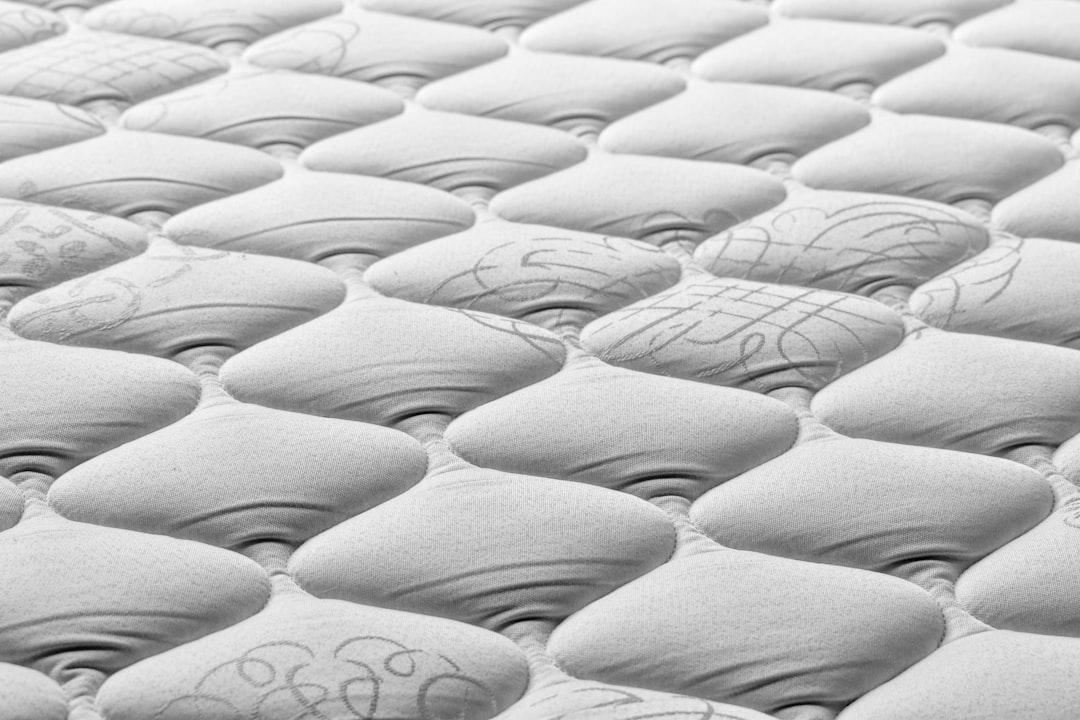
A common misstep is thinking a bamboo cover alone solves the heat issue. It’s a great start—the fabric wicks moisture away from your skin beautifully, keeping that first layer of contact dry. But heat doesn’t just travel sideways; it sinks. All that warmth you generate gets trapped underneath you, pooling in the mattress core if there’s nowhere for it to go. That’s why the foundation matters just as much as the top.
You can test this in a showroom without any fancy gadgets. Forget just lying down. Place your palm firmly on the mattress and press down hard, then hold it for ten seconds. You’re feeling for airflow resistance. A good ventilated system will have a slight give, a sense that the air is moving through the layers as you compress them. A dead, dense feel means the heat has nowhere to escape. It’s a simple, physical check that tells you more than any sales tag.
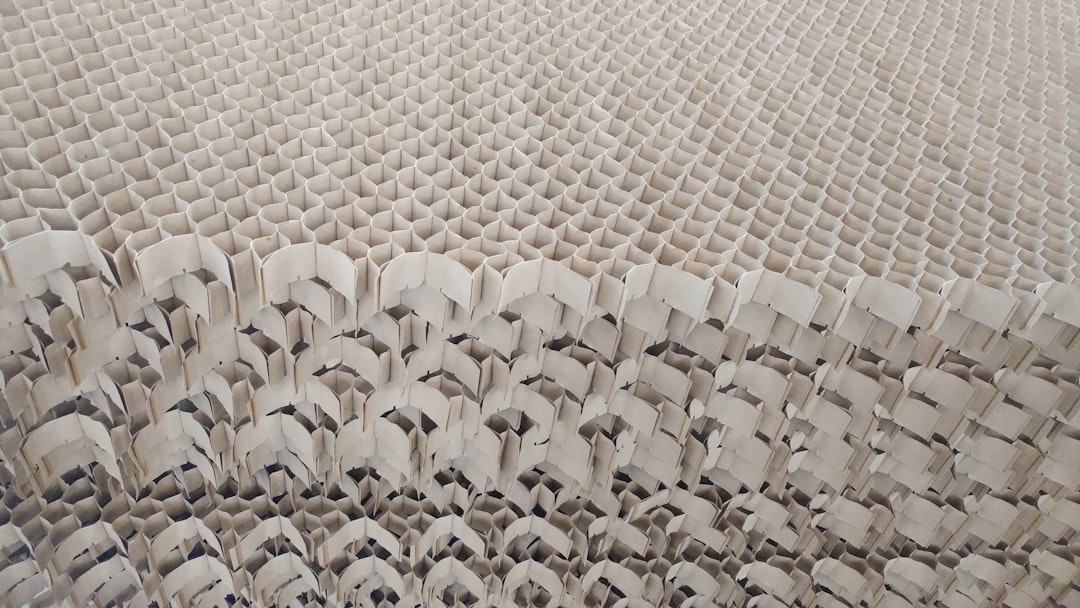
A ventilated coil system is the real partner here. Those open channels aren’t just for spring support; they act as a chimney, letting the trapped heat dissipate downwards and out through the base. Open-cell foam works on a similar principle, with a labyrinth of tiny air pockets that don’t hold onto warmth. Without this kind of breathable substructure, you’re essentially sleeping on a bamboo sheet laid over a thermal blanket. The top feels cool, but the base cooks.
The one time you might skip this pairing is if your bedroom is aggressively air-conditioned all night, where ambient temperature isn’t a fight. For most of us in non-aircon rooms or those facing the afternoon sun in a west-facing flat, that base-level ventilation is non-negotiable. Bamboo handles the sweat; the coils handle the sauna effect underneath. Get one without the other, and you’ve only solved half the problem.
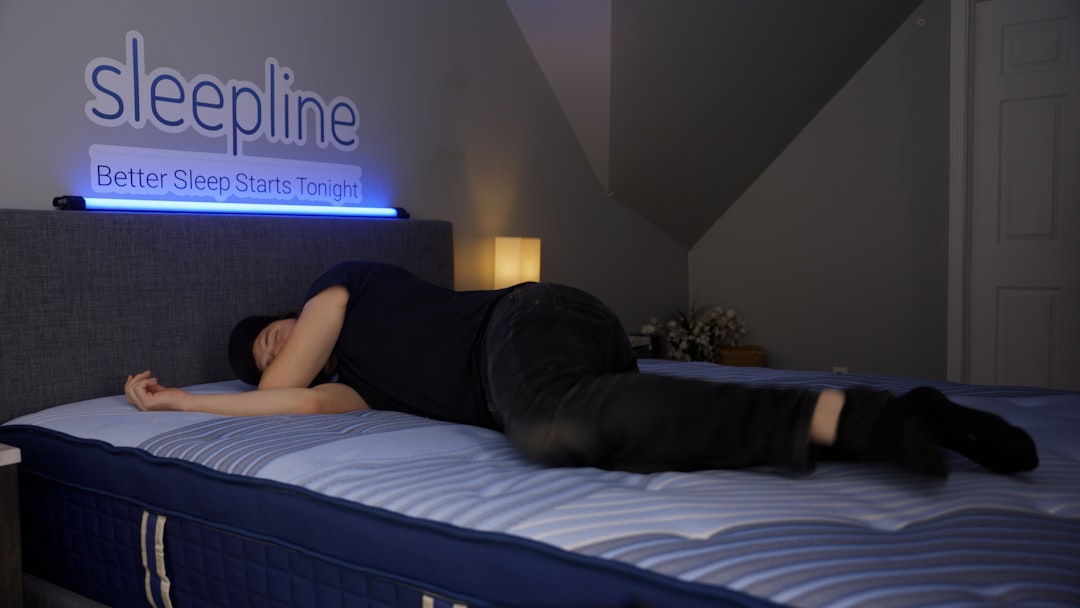

Here's a common online checkout scene: you click on a mattress labelled 'cooling', read the breathable bamboo cover specs, and assume it’ll keep you cool. You’ll only realise the mistake after it arrives, when you’re stuck with a surface that feels fine for a minute but then traps your heat all night. The softness that feels luxurious in a showroom—or in a product video—is often the very thing that sabotages airflow in a non-air-conditioned HDB bedroom.
That plush, sink-in feeling comes from more material conforming to your body. More material means less space for air to move. In a tropical climate, that trapped warm air has nowhere to go, turning your bed into a personal heat island. A medium-firm support system, on the other hand, creates a slight elevation—your body is cradled, not engulfed. This allows for a continuous micro-current of air to pass underneath and around you, which is the real secret to staying cool. It’s a subtle difference you can’t gauge from a product photo or a list of cooling gel foam layers.
This is why a showroom visit is non-negotiable. You need to do more than just press your hand down. Lie flat on your back for a solid ten minutes, the way you actually sleep. Pay attention to your lower back and shoulders—do they feel supported, or are they sinking in and getting warmer? Try the same on your side. The right cooling mattress should feel consistently neutral, not like it’s building up a warmth barrier against you. That ten-minute test reveals what a lifetime of specs never will.
The only time I’d skip this step is if you’re replacing an identical model you already know and love. For any new purchase, especially with proprietary cooling layers like Somnuz®’s, you have to feel it for yourself. A trip to a showroom, whether at Joo Seng or Tampines, turns an abstract promise of ‘cool sleep’ into a tangible experience. Your body will tell you straight away if that promise holds up under our relentless humidity and heat.
A cooling mattress uses specific materials to actively draw heat away from the body. These include cooling gel-infused memory foam, breathable natural latex, and phase-change fabric covers that absorb excess warmth. For hot sleepers, these technologies work continuously against Singapore's 80%+ humidity to maintain a more stable, cooler sleep surface throughout the night.
Cooling gel can help, but it’s not a miracle worker. A gel-infused layer pulls heat away from your body, but in a non-air-conditioned room that’s already 30°C, it’s basically just moving that heat into a mattress that’s sitting in a hot box. Without air circulation or cooler air to dissipate into, the gel will saturate with heat. You’ll get an initial cool-to-touch feeling, but the effect plateaus quickly. For a truly hot room, you’ll need a mattress that breathes—like one with ventilated coils or aerated latex—to work with a fan or ceiling fan.
Which lasts longer, PCM or gel?
Phase-change materials are engineered to absorb and release heat at a specific temperature, but their effectiveness can diminish after years of repeated cycling. Cooling gel is simpler—it’s just a conductive material. The gel itself won’t degrade, but the foam it’s infused in can soften over time. For longevity, the gel is the steadier bet. The PCM one might feel more high-tech initially, but it’s the one with a potential performance cliff.
Can a cooling mattress help with menopause night sweats?
Absolutely, it’s one of the best non-medical interventions. The sudden heat surge isn’t about room temperature; it’s your internal thermostat going haywire. A mattress with good breathability and a cover like Tencel wicks that moisture away fast, preventing that awful damp, sticky feeling that wakes you up. It won’t stop the flush, but it stops the secondary misery that ruins your sleep. For this, focus on the cover’s wicking ability as much as the core.
Is a bamboo cover better than cotton for humidity?
Bamboo viscose wins this round. Both are breathable, but bamboo has a slight edge in moisture-wicking—it pulls sweat away from your skin slightly faster. That’s crucial when humidity is constantly 80% plus. Cotton can feel damp longer. The real exception is if you’ve got sensitive skin; some find bamboo’s synthetic processing less gentle than organic cotton. But for pure climate performance in a 4-room BTO, bamboo’s the one.
You’ve measured the room, you’ve checked the door clearance, but there’s one last calculation that’ll determine whether that cooling mattress actually cools. It’s the heat load. A cooling system rated for a single sleeper in a spacious, airy room might struggle in a typical 12 sqm HDB common bedroom with two people and a ceiling fan that just pushes the warm air around. The technology itself—be it gel foam or phase-change material—has a limit to how much thermal energy it can absorb and dissipate before it’s saturated.
Think about it this way: a Queen mattress, 152 by 190cm, is a lot of surface area, but it’s also trapping the combined body mass of two sleepers. If your room’s ambient temperature hovers around 28°C even at night, that’s the baseline the mattress is working against. A lighter couple might find a breathable bamboo cover and ventilated coils sufficient. For anyone with a higher combined weight, or for those experiencing hot flushes, you’re asking the material to manage a more significant heat dump—and that’s when the basic gel-infused foams can feel overwhelmed after a few hours.
So bring those specifics to your test. Don’t just lie down for two minutes; spend a solid fifteen on your side, back, and stomach. Picture your actual bedroom: the west-facing wall that’s still radiating heat at 10pm, the single window that doesn’t quite create a cross-breeze. The mattress that feels cool in a vast, air-conditioned showroom might not have the thermal capacity for your real-life scenario. It’s not just about the initial touch; it’s about whether it can still feel dry and neutral by 3am.
The exception is if you’re a solo sleeper in that same room. Then, the heat load is literally halved, and a mid-tier cooling system will likely perform just fine. But for two, in our climate, you often need the heavy-duty solutions—the aerated latex or the advanced phase-change layers—to genuinely keep up. Anything less, and you’re just paying for a temporary chill that fades before you’ve even hit deep sleep.