You buy a cooling mattress expecting a cool, dry sleep surface. After two full seasons of Singapore's relentless humidity, though, many find themselves lying on what feels like a warm sponge. That engineered heat dissipation just vanishes, leaving you on a surface that traps warmth as stubbornly as any ordinary foam. The problem isn't that the cooling features fail overnight; it's a gradual degradation, a slow surrender to the climate. Materials that once felt crisp and breathable become damp and lethargic, absorbing the ambient warmth instead of pushing it away.
The core issue is how different materials handle sustained moisture and heat. Cooling gel foams, for instance, are often microcapsules suspended in a base foam. Over months of exposure to 80% humidity and warm room air, those capsules can lose their integrity—they literally break down. The gel itself can migrate or become less effective, turning a once-cool layer into a mere thermal insulator. Phase-change materials are more resilient, but they too have a finite capacity to absorb and release heat; constant high temperatures can exhaust that capacity faster than the label predicts. Aerated latex holds up better, its open-cell structure naturally resisting moisture retention, but even that can feel less buoyant after prolonged dampness.
The cover fabric matters enormously. A breathable bamboo or Tencel cover feels fantastic when new, its fibres wicking moisture away. Yet repeated cycles of absorbing night-time perspiration and drying out in humid daytime air can alter the fabric's texture. It might become less porous, almost matted down, which drastically reduces its airflow. This is the counterintuitive point: the cover's performance often degrades before the core mattress materials do. You'll feel the heat build-up first through the fabric, not the foam.
So what's the exception? A ventilated coil system paired with a high-quality, removable cover. The coils themselves don't degrade with humidity—they're just metal springs creating air channels. If the cover can be removed and washed according to care instructions, you're essentially resetting its performance every few months. That combination tends to last through the humid seasons without losing its cool. Everything else, you're gambling on how long the engineered cooling elements can survive our particular atmosphere.
The cooling gel beads they infuse into foam layers are meant to absorb your heat, but they’re not a magic bullet. They work by dispersing warmth across a larger area, which helps for a while. In a typical non-air-conditioned bedroom in Bedok or Aljunied, though, you’re fighting both your own body heat and an ambient temperature that barely drops below 28°C overnight. That’s a double load the gel can’t always handle.
Think of it like a sponge—it can soak up a certain amount, then it’s full. Once those gel pockets reach their capacity, they stop actively cooling. You’ll feel the difference most around two or three in the morning, when the accumulated warmth from your body and the room finally overwhelms the material’s capacity. The mattress surface just doesn’t feel cool anymore.
This is why lifespan gets tricky. The gel itself doesn’t degrade, but its effectiveness does fade under constant tropical heat. After a few years of nightly use, especially by sleepers who naturally run hot, the foam around the gel can also compress and lose its bounce. That changes how the heat transfers, making the whole system less efficient. It’s a gradual thing, not a sudden failure, but you’ll know it when you start waking up feeling warmer than you used to on the same bed.
There’s one real exception: if your bedroom is air-conditioned consistently. The gel’s job becomes much easier when the room itself is cooler, so it can focus just on your body heat. In that case, the cooling effect lasts significantly longer. For most flats relying on a fan, though, the gel foam’s promise wears out faster than the mattress’s structural support. You’re better off looking at a combination—gel foam paired with a truly breathable cover and a ventilated base—to spread the thermal load.
Phase-change materials aren't a magic gel; they're engineered substances that absorb and release heat by changing state, usually from solid to semi-solid, within a specific temperature band. This band is tuned to match human comfort, often set to activate around skin temperature. The core idea is that they soak up your body's excess heat when you're warm, storing it as latent energy, and then release that stored warmth back when your skin cools down slightly. It's a dynamic, passive cycle that aims to keep your sleeping surface within a narrow, comfortable range without any electricity. The clever bit is how they're integrated into a mattress, typically woven into fabric layers or embedded within foam, positioned to interact directly with your body's heat output. This positioning is critical because if the PCM layer is buried too deep under other materials, its effect gets muted before it reaches you.
Every PCM has a finite number of effective heat absorption and release cycles before its performance degrades. This isn't about the material breaking down physically, but rather its thermodynamic efficiency slowly wearing down over repeated use. Manufacturers might quote a high cycle count in lab tests, but those figures often assume ideal, controlled temperature swings—the kind you get in a temperate climate with distinct seasons. In Singapore, where your bedroom temperature barely dips below 28°C at night, the material is constantly operating near its upper threshold. It doesn't get a proper "off" season to reset or a deep cool phase to fully discharge. That constant, high-baseline operation accelerates the wear on its cycling capacity, meaning the realistic lifespan before it feels less effective is shorter than the advertised lab life.
The advertised performance data for PCMs usually comes from testing in climates with a real winter. There, the material gets a full discharge during cold nights and a proper rest period. In our year-round heat, the material is working overtime. Nighttime temperatures here might drop from 31°C to 28°C, a swing of only three degrees, which is a shallow cycle compared to a 15-degree swing in a temperate region. This shallow, frequent cycling forces the PCM to operate in a partial state most of the time, never fully charging or discharging. It's like asking a battery to constantly hover at 50% charge; the stress pattern is different and less sustainable long-term. That's the non-obvious point: the material's fatigue isn't from stopping working, but from never getting a complete break.
Given the constant tropical operation, a PCM mattress's cooling feel will likely plateau or diminish sooner than in cooler countries. You might notice the initial "always cool to touch" sensation fade after a few years, even if the mattress structure itself is still fine. This isn't a catastrophic failure, but a gradual decline in its peak regulatory performance. For a buyer, this means judging value on a shorter effective cooling window—perhaps five to seven years of strong performance rather than a decade. It pushes the calculation toward whether the upfront cost justifies that period of enhanced comfort in a hot climate. The one real exception is if you sleep in a consistently air-conditioned room set below 25°C; then the PCM gets a more pronounced cycle and might last closer to its lab-rated lifespan.
Knowing the limits, your usage strategy changes. You can't treat a PCM mattress like a permanent, unchanging solution; you need to factor in its performance curve. This means pairing it with other cooling strategies—a breathable Tencel cover, a ventilated base, or even just a fan—to reduce the sole reliance on the material. It also means being realistic about maintenance; while you can't recharge the PCM, ensuring good airflow around the mattress helps it operate as efficiently as possible. Don't expect it to single-handedly combat the heat of a west-facing room during the afternoon sun's residual warmth. View it as a valuable, but time-limited, component in a broader sleep-cooling system for your 4-room BTO, rather than a forever fix.
The coolest sleep often comes from the thinnest fabric, and that’s where the trade-off starts. Those bamboo, Tencel, and cotton covers that feel so light against your skin in a humid bedroom are engineered for breathability—they let heat escape and moisture wick away. But the very structure that makes them airy, the fine weave or the smooth fibres, isn’t built for brute force. Every time you pull a fitted sheet over the mattress, especially a tight one on a deep pocket, you’re dragging that cover across the sheet’s elastic edge. That’s abrasion, a slow grind that happens week after week.
So you get a choice: a thicker, less breathable cover that might last longer but traps heat, or the thin, cool one that wears faster. For most hot sleepers here, the breathable option wins. The cooling benefit is immediate and constant, while the wear is gradual. But you can’t ignore it. If you go for bamboo or Tencel, treat the cover with care. Don’t yank the sheets on; smooth them over. Consider a protector underneath if you’re worried about the core mattress, but remember, that extra layer might slightly compromise the cooling effect you bought the mattress for.
In Singapore’s climate, you’re washing that cover almost weekly to keep it fresh. High humidity means sweat and moisture build up faster, so a regular wash isn’t just preference, it’s maintenance. Each cycle, even on gentle settings, adds stress. The fibres loosen, the weave can fray at the corners where the sheet grips hardest. Over months, that lovely cool surface starts to thin, particularly at the stress points—the mattress edges and corners. What you gain in temperature regulation you can lose in durability.
The only time I’d think twice is if you’ve got kids jumping on the bed or you’re changing sheets daily. Then the abrasion is just too much, and a more robust, slightly less breathable cotton blend might be the smarter compromise. For the typical adult in a non-air-conditioned room, though, that thin, cool cover is worth the trade-off. You’ll feel the difference every night, even if you see the wear in a couple of years.
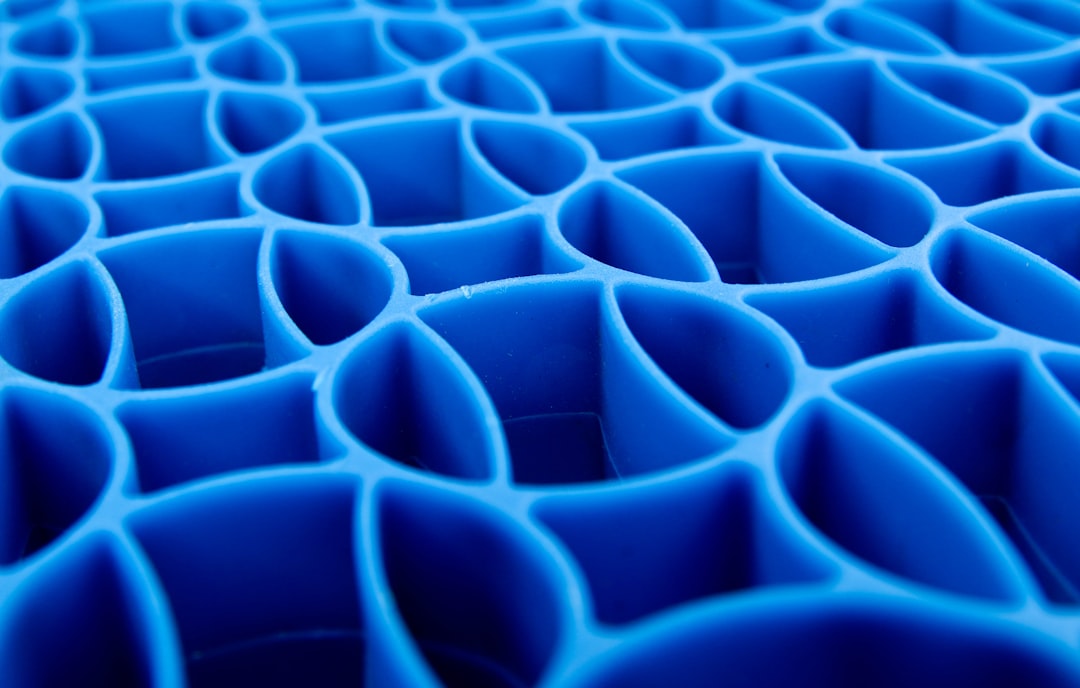
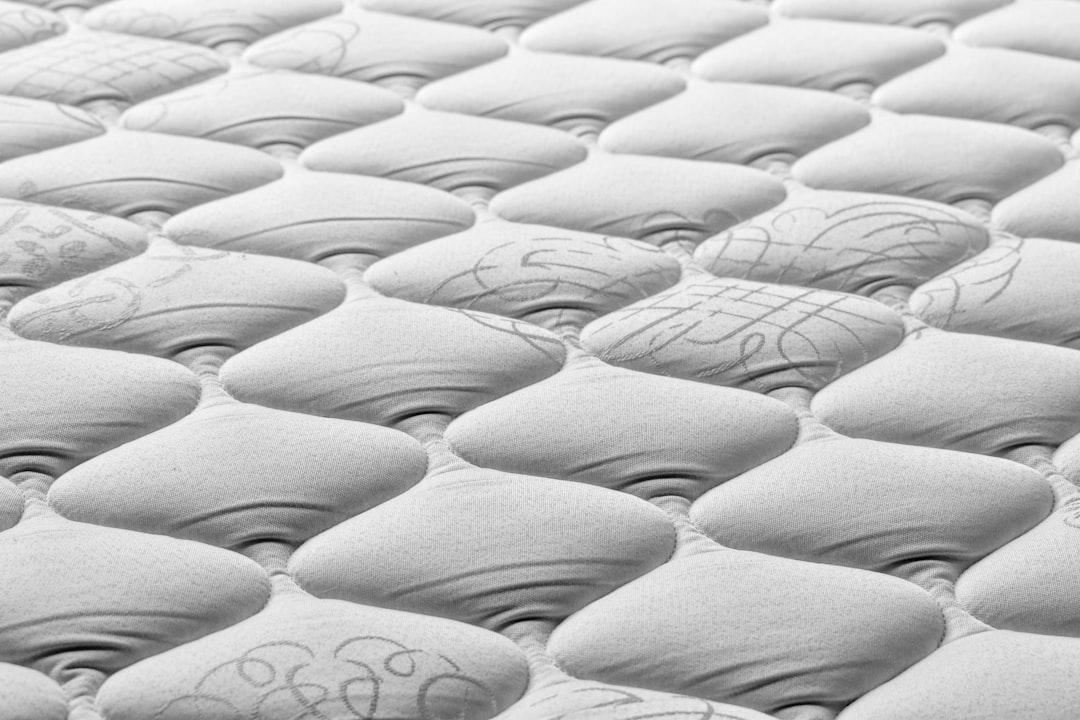
A pocketed coil system is a clever bit of engineering, letting air move through the mattress to help you stay cool. That’s the promise, and it’s a good one. But after a few years in a typical 12 sqm HDB common bedroom, that promise can quietly fade. The airflow channels don’t just channel air—they also channel dust.
Our flats are dusty places. Even with regular cleaning, fine particles and mites settle into everything. Over three to five years, they accumulate in the spaces between those coils. It’s a gradual process, one you won’t notice until you realise the bed feels warmer than it used to. The cooling effect isn’t gone, but it’s diminished—like a fan with its vents half-blocked.
You can’t really clean it out, either. Vacuuming the surface helps, but it won’t reach deep into the core. So that initial advantage of a ventilated design slowly becomes a liability. For a hot sleeper in a non-air-conditioned room, that’s a real problem. The mattress still supports you, but its main selling point—temperature regulation—is quietly being choked.
The exception is if your bedroom environment is exceptionally clean and sealed, perhaps with an air purifier running constantly and no open windows. That’s rare in Singapore, where we rely on ventilation to manage humidity. Most of us open our windows, and dust gets in. So while the coil system starts strong, its long-term performance in our climate is a genuine concern.
My take is this: a ventilated coil mattress is a solid choice, but treat it as a five-year solution, not a ten-year one. Plan for its cooling efficiency to decline, and budget accordingly. If you’re someone who really struggles with heat at night, you might want to look at materials that don’t have these internal cavities to clog—like aerated latex or gel foams with a breathable cover. They don’t rely on airflow channels that can become dust reservoirs.
A cooling mattress relies on specific materials to manage heat in Singapore's climate. High-density foam with infused cooling gel or phase-change materials actively draws heat away from the body. Breathable covers made from bamboo-derived viscose or Tencel enhance airflow, while aerated latex layers promote ventilation. These material choices directly impact how effectively the mattress regulates sleep temperature over time.
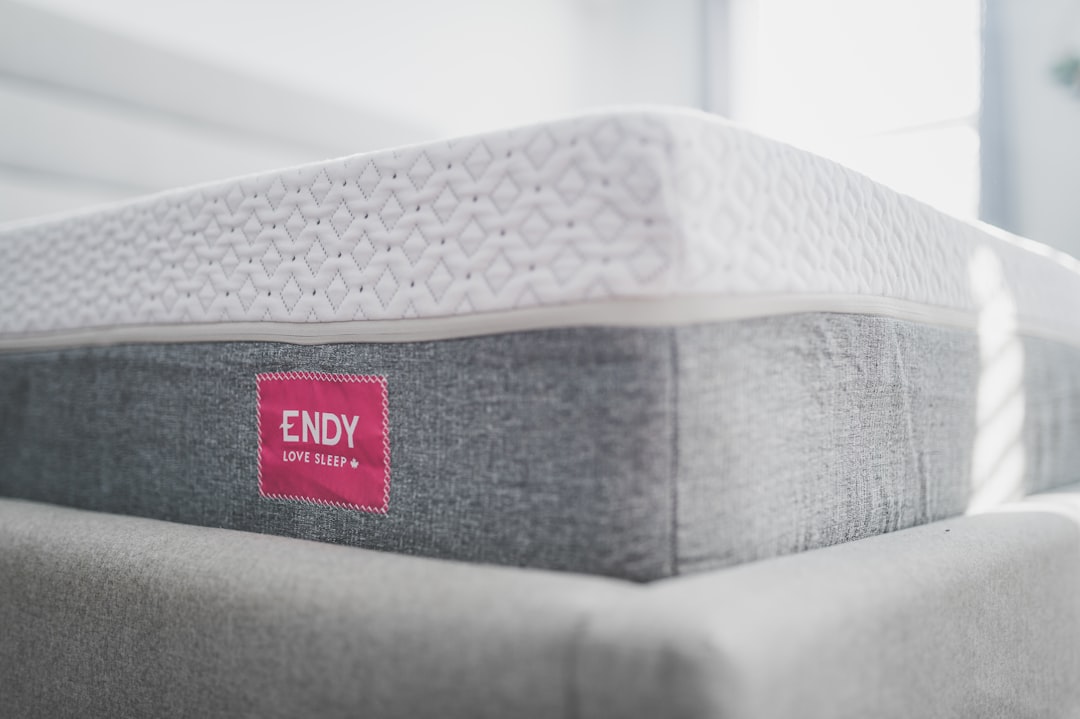
You can’t gauge a cooling mattress’s true performance from a webpage. The photos look crisp, the specs read impressive, but the critical factor—how the material responds to your actual body heat—is impossible to measure online. That’s why a trip to a physical showroom, like Megafurniture’s Joo Seng location, becomes a non-negotiable step for anyone serious about buying one. You need to experience the feel and firmness firsthand, not just imagine it.
Think about it: you’re looking for a mattress engineered to dissipate heat, but your own thermal output is unique. Sitting and lying down on the models in the showroom lets you test that directly. Spend at least ten minutes on each candidate. Notice if the surface stays cool against your skin after you’ve settled in, or if it starts to warm up. Does the cooling gel foam or aerated latex feel genuinely breathable, or does it trap warmth like traditional memory foam? This isn’t about a quick bounce test; it’s about simulating a night’s sleep in a controlled environment.
The showroom layout allows you to move systematically through the Somnuz® range. Start with your preferred firmness level, then try the adjacent options. Your body weight and sleeping position dramatically alter the experience—a mattress that feels supportive when you sit might feel too soft when you lie flat. For couples, this test is doubly important; one person’s perfect firmness could be another’s nightmare. You’ll only discover that mismatch by physically sharing the space on the showroom floor.
There’s a practical aspect too. A Queen mattress is the most popular size here, and it’s a substantial piece to manoeuvre. While a flexible mattress can bend into a lift, you still want to confirm the overall dimensions fit your room’s layout before committing. Seeing the actual product gives you a concrete sense of its bulk and finish, details that specs alone can blur.
Some might argue that visiting is a hassle, especially if you’re confident in online reviews. I’d say skip the trip only if you’re ordering an exact replacement for a mattress you already own and love. For a new purchase, particularly one targeting temperature regulation, the physical test is the only way to avoid a costly, sweaty mistake. Your body’s reaction to the material is the final, decisive spec.
You’ll hear these questions in any showroom. A buyer leans on the gel foam, presses a palm against the bamboo cover, and then the practical doubts surface—they’re not about the marketing claims, but about what happens after a year in a humid bedroom. It’s the real-world Singaporean concerns that tell you what matters.
Does a cooling mattress work without aircon? That’s the first one, especially from folks in older flats where the bedroom stays warm all night. They’re thinking about those nights when the aircon’s off to save on the electricity bill, or in a common room that never gets a unit installed. The question itself points to a deeper hope: that the mattress alone can beat the ambient heat.
How often should you rotate a cooling mattress? This isn’t just about wear. People are wondering if flipping it keeps the cooling effect even, or if one side gets ‘worn out’ faster than the other. They’re trying to protect that investment, to make sure the cool side stays cool for as long as possible.
Can the cooling gel inside actually leak? It sounds like a strange worry, but you hear it. Maybe they’ve seen a stain on an old pillow or heard a story about a damaged topper. They’re picturing a mess on their sheets, or worse, the whole cooling feature just draining out and leaving them with a plain, warm foam block.
And then the most telling one: why is my cooling mattress warm after one year? That’s the voice of experience, from someone who’s already bought one. They felt the difference at first, but now it’s not the same. It’s not a question about buying, but about owning—about whether the technology lasts, or if it’s just a temporary feel that fades with time and use.
You’ve narrowed down your options, maybe you’ve even visited a showroom and felt the cool gel layer or the breathable Tencel cover. But before you commit, there’s a final, quiet calculation you need to make in your own bedroom, not on a sales floor. It’s about matching the material’s long-term promise with the actual conditions you sleep in every night.
Start with the proven lifespan. A ventilated coil system or aerated latex core is built to last a decade or more, its structure designed to endure. Cooling gel foam or phase-change materials, however, have a different story—their thermal performance can degrade over time, especially under constant heat. You’ll want to weigh that against your own situation. If your bedroom is a west-facing unit that traps afternoon heat, or a common room with one small window, the material’s cooling power is going to be under relentless stress. A high-performance material in a poorly ventilated space might still feel warm after a few years, while the same mattress in a well-ventilated, air-conditioned master bedroom could perform flawlessly for its full lifespan.
Then, consider your own body. Are you someone who sleeps hot naturally, or experiences night sweats? That’s a constant internal heat source pressing against the mattress’s cooling layer. A material engineered for rapid heat dissipation, like a highly breathable bamboo cover paired with a ventilated core, might be the only combination that holds up. For someone with a more neutral body temperature, a simpler aerated latex could provide sufficient cooling for years without overengineering the solution.
The exception here is straightforward. If you’re planning to run the air-conditioner nightly, the ambient challenge drops significantly. In that controlled climate, even a mattress with moderate cooling features might serve you well for its entire lifespan, because the room itself isn’t adding to the thermal load. But for the vast majority sleeping in Singapore’s natural 28°C-plus humidity, the material’s resilience to constant warmth is the non-negotiable final check. Don’t just ask how cool it feels now; ask how it’s built to handle that heat, year after year.