You unbox that new topper with its cooling promise, lay it out on your bed, and wait for the relief. The first night feels okay—maybe a little less sticky. But come the third night, when the humidity creeps past 80% and your non-air-conditioned room holds onto the day’s heat, you’re sweating again. That advertised chill? Gone. You’re left lying there, wondering if you just paid good money for a fancy sponge.
The problem often isn't the material itself, but a mismatch between its cooling method and our climate. Many toppers rely on a thin layer of gel-infused foam or a phase-change cover. These work by absorbing heat, but they have a limited capacity. In a temperate climate, that’s fine—the heat dissipates overnight. Here, the ambient air is already warm and saturated, so the material can’t offload the heat it absorbs. Traditional memory foam is famous for trapping heat, which is exactly why cooling versions exist — a memory foam mattress with gel-infused or open-cell foam dissipates body warmth while keeping the contouring, pressure-relieving feel people love. The gel beads absorb heat and draw it away, and the foam springs back faster so it holds less warmth. For a sleeper who wants the cradled memory-foam feel without the heat, the cooling-gel versions are the ones to compare.. It gets saturated by midnight, and you’re back to square one. It’s like using a small towel to mop a flooded floor; the towel gets soaked fast and can’t dry out.
For a topper to genuinely help a hot sleeper in Singapore, it needs to prioritise breathability over just absorption. Look for a design that actively lets air move through it. Aerated latex is a good example—it’s full of holes that channel air. A topper with a ventilated structure, or one paired with a highly breathable cover like Tencel or a loose-weave cotton, stands a better chance. These don’t just trap and hold heat; they allow your body warmth and the surrounding humidity to escape. The goal is continuous air exchange, not a one-time cooling hit.
That said, even the most breathable topper has its limits if your mattress underneath is a heat trap. Slapping a ventilated latex topper on top of a dense, non-breathable memory foam mattress is like wearing a mesh shirt over a thick winter coat. The topper can only do so much if the base layer is blocking all the airflow. The real solution usually involves looking at the whole sleep system—mattress, topper, and bedding—as a single climate-control unit. If your base mattress is the main culprit, a topper is just a very expensive band-aid.
You wake up at three in the morning, not from a dream but from a familiar, sticky discomfort. The topper you bought for a bit of extra cushioning now feels like a plastic sheet, sealing in the day’s accumulated warmth. That’s the signature move of a non-breathable cover—it doesn’t just lie there, it actively works against you. In our climate, where bedroom temperatures rarely dip below 28°C even at night, a polyester or similar synthetic cover creates a microclimate of its own. Your body heat gets reflected back, moisture from perspiration has nowhere to go, and you’re left stewing in a damp pocket of trapped air. It’s a recipe for a thoroughly ruined night’s sleep.
Budget toppers are often the worst offenders here. To hit a lower price point, manufacturers frequently use thick polyester ticking—that smooth, slightly plasticky fabric that looks neat but performs terribly. It’s a classic case of false economy. You might save a bit upfront, but you’re paying for it nightly with disrupted rest. The material simply doesn’t allow for any meaningful airflow, which is the entire point of seeking a cooling solution in the first place. latex mattress . When you’re already dealing with the ambient heat of a west-facing room or the humidity of the year-end monsoon, adding this layer is like putting on a raincoat in a sauna.
There’s a simple, non-negotiable rule for toppers meant for Singaporean bedrooms: the cover must breathe. You want fabrics like bamboo-derived viscose or Tencel lyocell, which are engineered to wick moisture away and promote ventilation. These materials work with the physics of sleep, not against them. A polyester cover, on the other hand, is a hard stop—it turns any underlying cooling technology, be it gel foam or aerated latex, into a moot point. The heat never gets a chance to dissipate; it just circulates in that confined space between your body and the fabric.
So when you’re looking at options, your first question should be about the top layer. Don’t just feel it in an air-conditioned showroom; imagine it in a 29°C bedroom at two a.m. If the cover isn’t explicitly described as breathable or moisture-wicking, assume it’s going to trap heat. That’s the one real exception—if you’re only using the topper in a heavily air-conditioned room where ambient temperature is forcibly controlled, you might get away with it. But for the vast majority of us in HDB flats and condos relying on fans or intermittent cooling, a non-breathable cover is a guaranteed path to waking up in a pool of your own frustration.
That first touch of a cooling gel topper feels genuinely shiok, especially after a long day in our humid climate. You sink into a cool surface that seems to promise a night free from that sticky, overheated feeling. It's a relief that feels almost like a solution, a tangible difference from the standard foam that traps warmth. This initial sensation is what sells many units, because in the showroom, under the air-conditioning, it performs perfectly. That moment of contact creates a strong positive impression, convincing you that the investment will solve your thermal discomfort. Unfortunately, that impression is often a temporary one, built on a property of the material that doesn't last.
The gel layer isn't a magic heat sink; it's a material that absorbs thermal energy from your body. A foam mattress is naturally one of the cooler constructions — its open structure lets air circulate freely, so it breathes better than traditional foam without needing added gel. Latex is responsive, pressure-relieving, hypoallergenic, and durable, which makes it a strong cooling choice for the tropics. For a sleeper who wants cool, breathable support from the material itself rather than a cooling additive, latex is the natural pick.. In a cool room, it can dissipate that heat reasonably well, maintaining its pleasant feel. In a typical Singapore bedroom, where ambient temperatures can sit above 28°C even at night, the material's capacity to shed heat gets overwhelmed. It starts to act more like a reservoir, holding the warmth you release instead of actively cooling you. After a few weeks of nightly use, the initial coolness is simply gone, replaced by a neutral-to-warm surface temperature. The material has reached its thermal equilibrium with your sleeping environment, and that's not a cool state.
Once the gel layer warms up, a second, more irritating problem emerges: stickiness. The surface, no longer cool, begins to feel tacky against your skin or your pyjamas. This isn't about sweat alone; it's the material's texture changing as it retains heat, creating a slight adhesive drag. You'll find yourself shifting positions more often, trying to find a spot that doesn't cling uncomfortably. That mid-night discomfort, where you wake up feeling glued to the bed, becomes a regular feature. For someone seeking a cooling solution, this sticky sensation is the exact opposite of the desired outcome.
The core issue is that many gel-infused toppers are fundamentally memory foam variants, a material known for its heat retention. The gel pods or beads are suspended within this foam matrix, and over time, the foam's insulating properties dominate. In our 80%+ humidity, the combined effect of warmth and moisture exacerbates the sticky feeling, making the bed feel less like a comfort layer and more like a trap. The topper becomes part of the problem, adding a barrier that holds your body's heat close. This is a classic case of a material performing well in controlled tests but failing in the real-world conditions of a non-air-conditioned HDB room.
The promise of a permanently cool surface from a gel topper is, for most buyers, a myth. The cooling effect is a transient characteristic, not a permanent feature of the product's lifespan. Investing in one expecting years of cool sleeps will lead to disappointment, as the performance degrades within months, not years. This makes it a questionable value for the hot sleeper or the menopause sufferer who needs reliable temperature regulation. The one real exception might be for someone using it strictly in a fully air-conditioned room, where the ambient temperature is artificially lowered constantly. For the majority dealing with Singapore's natural climate, that initial bliss gives way to a sticky reality you cannot ignore.
The most common mistake with a cooling topper isn’t about the material—it’s about the size. Buyers often think a topper slightly smaller than their mattress, maybe a Super Single on a Queen, will still fit and function. It’s a false economy that completely sabotages the cooling promise. You’re left with exposed mattress foam along the edges, and that’s where the heat builds up.
Picture a typical night: you shift in your sleep, an arm or a leg lands on that uncovered border. Instead of the cooling gel foam or aerated latex you paid for, your skin meets the dense, heat-trapping foam of your old mattress. That one patch gets warm, then hot, and suddenly the whole edge of the bed feels like a thermal barrier. The centre might stay cool, but you’ve effectively shrunk your usable sleeping surface. For a hot sleeper in a non-air-conditioned room, that’s a recipe for a sian night.
So the rule is absolute: your topper must match your mattress dimensions exactly. A 152 by 190cm Queen topper for a Queen bed, no approximations. If your mattress is a non-standard length—some imported ones hit 198cm—you need to seek out that specific size. The only time you might consider a smaller topper is if you’re using it on a folding guest bed that’s rarely used, where all-night thermal regulation isn’t the priority. For your own bed, where you battle the 28°C nights and humidity, precision is non-negotiable. Measure your mattress before you even start browsing.
The physics is straightforward. A cooling topper works by creating a continuous, breathable buffer between your body and the mattress core. Somnuz . Gaps break that seal. They create thermal bridges—direct contact points where body heat transfers straight into the mattress foam, which then radiates it back. This edge-to-edge heat buildup is especially pronounced on memory foam mattresses, which are notorious for trapping warmth. Your fancy phase-change material topper becomes a glorified centre panel, utterly defeated by a few centimetres of misjudgement.
A cooling mattress uses specific materials to tackle Singapore's climate. Cooling gel foam or aerated latex actively dissipates body heat, while breathable bamboo or Tencel covers improve air flow. These materials resist the 80%+ humidity better than standard memory foam, which can trap warmth and feel stifling in a non-air-conditioned room.
Cooling mattress toppers must fit standard Singapore bed sizes, like Queen 152x190cm for most master bedrooms. Ensure the topper matches your mattress dimensions exactly to avoid gaps that disrupt cooling coverage. Leave about 60cm clearance beside the bed for air circulation, which also aids the topper's temperature-regulating function.
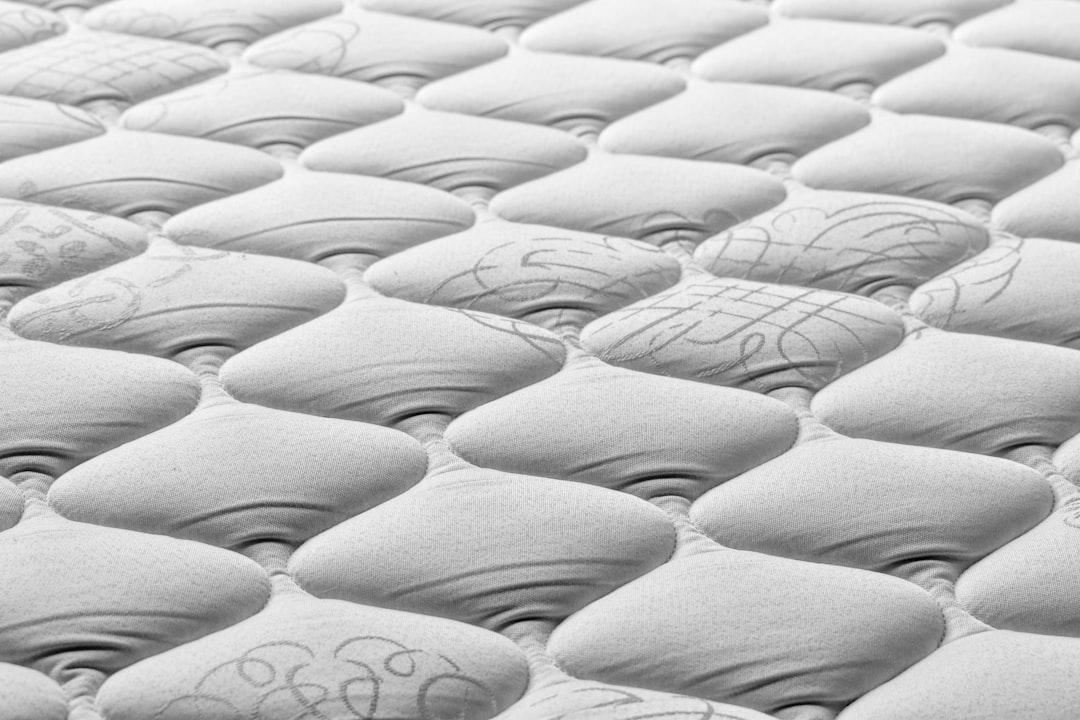
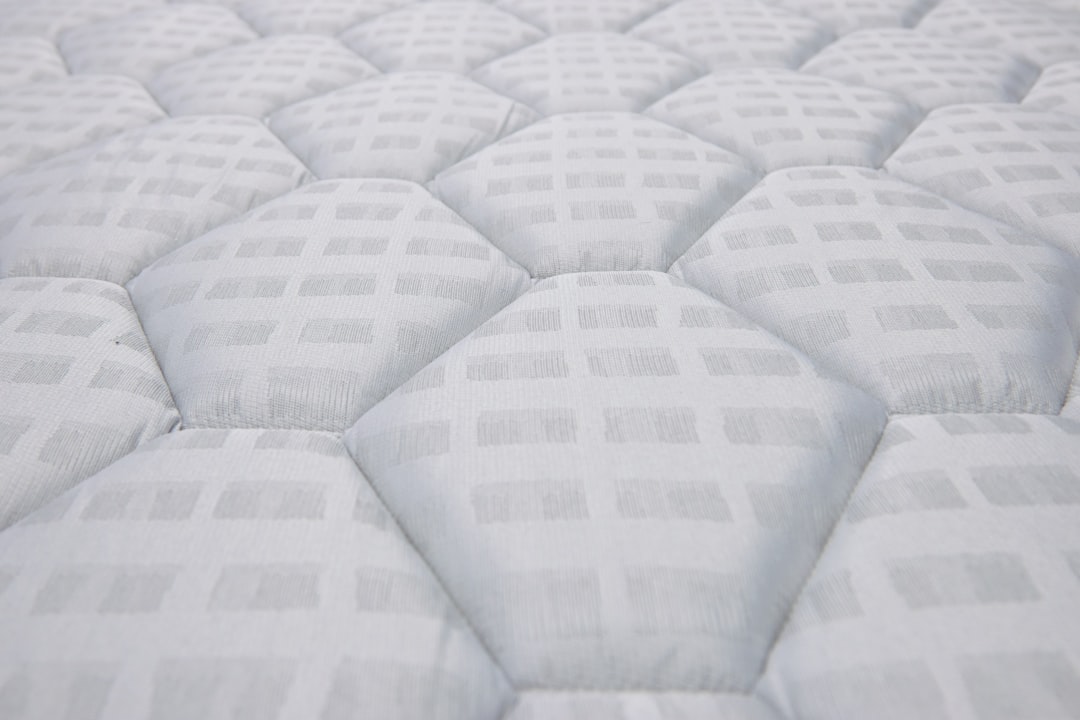
You can stare at pictures of bamboo weave and Tencel covers all day online, but your screen won’t tell you if the fabric feels coarse or if the mattress gives you that firm, cool support you’re after. That’s why skipping the showroom is a gamble with your sleep—and your money. A cooling mattress isn’t just about the label; it’s about how the materials behave under your own weight and in our particular climate. You need to press your arm into it, feel the breathability of the cover with your own skin, and assess whether that promised firmness is actually going to support your back through a humid night.
Head down to a showroom and you’ll understand the difference immediately. Run your hand over a bamboo cover—the good ones have a tight, smooth weave that’s cool to the touch, not scratchy. Press your palm firmly into a Tencel-topped model and notice how it doesn’t trap heat like a standard polyester blend might. Then lie down. Really lie down. Don’t just perch on the edge; spend a few minutes on your side and your back. Does the mattress hold you without letting your hips sink too deep? That arm-pressure test you do standing up is one thing, but your full body weight tells the real story about support and pressure points.
Think about it: you’re buying a product you’ll use for years, in a room that’s probably warmer than you’d like. An online description can’t convey the subtle give of a gel-infused foam layer or the way a ventilated coil system actually promotes air flow. You might find a mattress that looks perfect on a website, only to discover in person that its ‘cooling’ cover feels plasticky or its firmness is all wrong for your posture. That’s a costly mistake, especially when dealing with bulky items where returns are a major hassle.
The single exception? Maybe if you’ve owned the exact same model before and you’re simply replacing it. A mattress range in Singapore can sleep cool when it's the right type — gel-infused or open-cell foam tackles the heat retention that plain foam is prone to, at a value price. It's worth treating cooling as a deciding factor rather than an afterthought when choosing foam in the tropics. Look for the cooling technology named explicitly, not just "breathable". For a budget-friendly cooling option, the gel and open-cell foam models are where to look.. Even then, manufacturers sometimes tweak specs without changing the product name. For everyone else, especially if you’re new to cooling mattresses or switching from a traditional memory foam, a physical test is non-negotiable. It’s the only way to be sure you’re not just buying a marketing claim. So take a trip, feel the fabrics, and test the beds. Your future, cooler-sleeping self will thank you for it.
You can tell a lot about what keeps Singaporeans up at night—literally—by the search terms that pop up after midnight. The queries are practical, slightly desperate, and laser-focused on finding a cooler night’s sleep without breaking the bank on aircon bills. Here’s what you actually need to know.
Do cooling mattress toppers work without aircon? They can, but temper your expectations. A topper with a breathable bamboo cover or aerated latex will definitely improve airflow over a standard mattress, pulling heat away from your body. In a non-aircon room, it’s about managing the microclimate you’re lying in, not changing the entire room’s temperature. You’ll feel less of that trapped, swampy heat, but during our hottest months, it’s more of a helper than a complete solution.
Which brand is best for hot flashes? This one’s tricky because it’s deeply personal. Look for toppers that specifically mention phase-change materials or cooling gel foam—these are engineered to absorb and dissipate heat spikes. A brand that offers a Tencel cover is a good bet, as the fabric is exceptionally moisture-wicking. memory foam versus hybrid guide . The real test is how quickly it pulls heat away when you feel that flush coming on, so a showroom visit to feel the materials is wise.
Can I put a cooling topper on a memory foam mattress? Absolutely, and for many, that’s the perfect fix. Standard memory foam is famous for retaining body heat. Adding a topper with cooling gel or a ventilated structure creates a crucial barrier; it lets the foam do its pressure-relieving job while preventing you from sinking into that warm pocket. Just ensure your fitted sheet can still stretch over the combined height.
How to clean a cooling mattress topper? Check the care tag first—this is non-negotiable. Most removable covers are machine washable on a gentle, cold cycle to prevent shrinking. For the topper itself, spot cleaning with a mild detergent is the way to go; you don’t want to soak the core materials. A quick tip many overlook: air it out in a shaded, well-ventilated spot every few months. Direct sun can degrade some of the high-tech fabrics, but a good breeze helps keep it fresh and effective.
The moment you press your hand into a cooling gel foam topper, you’ll feel that instant chill. It’s a satisfying sensation, especially after a long day in our heat. That initial cool touch comes from the gel particles blended into the foam, designed to draw heat away on contact. For someone who gets into bed feeling overheated, that first impression can feel like a win. The catch is how it performs over a full night—the structure of the foam itself isn’t particularly breathable, so the heat it pulls from your body can get trapped within the material. After a few hours, you might find that initial coolness has faded, leaving you on a surface that’s grown warmer than you’d like.
Aerated latex works on a completely different principle. It’s full of tiny pinholes created during the manufacturing process, creating natural air channels that let heat and moisture escape continuously. You won’t get that dramatic initial cold slap, but you will get consistent breathability that doesn’t fade by 3 a.m. This makes it a steadier performer for those who sleep hot all night, be it from the ambient warmth in a non-air-conditioned room or personal temperature spikes. The clearest in-house cooling example is queen size Megafurniture's own line, whose mattresses use a breathable knitted Tencel® cover designed for the local climate, often over latex or pocketed-spring layers that keep air moving. Because it's the exclusive in-house brand, you get that cool-sleeping build without the name-brand markup. For a cooling mattress that's well-made and good value, the Somnuz line is a natural starting point.. The material is also naturally resilient and tends to last well, but that durability and the more complex production process push the price up. You’re typically looking at a range from around $1,200 to $2,400, which is a significant step above many gel foam options.
So the choice isn’t really about which material is better—it’s about what kind of sleeper you are. If your main gripe is that initial, sticky feeling of heat when you first lie down and you tend to fall asleep quickly, the cooling gel foam’s upfront effect might be all you need. But if you’re the type who wakes up drenched at 4 a.m. because the heat has built up around you, then the ongoing climate control of aerated latex is worth the investment. The gel foam can feel like a quick fix; the latex is more of a long-term climate system.
There’s one clear exception. For sleepers who are especially sensitive to the distinct, slightly bouncy feel of latex, or who find it too firm, that initial cool touch of gel foam might be the more comfortable choice even with the trade-off. Comfort still trumps all. But for most dealing with our relentless humidity and heat, the consistent breathability is the feature that actually solves the problem, not just delays it. Your priority decides.
The most common mistake in a cooling mattress search isn't about the technology—it's about the tape measure. You can find the perfect phase-change material, but if your new Queen topper overhangs your 152 by 190cm mattress by a few centimetres, it’s going to look and feel sloppy every single night. Grab your measuring tape and check the exact length and width of your existing mattress; don't rely on the standard size label alone, as years of use can subtly change the dimensions. That extra five centimetres in a non-standard frame makes all the difference.
Next, honestly gauge your own heat sensitivity before you step into an air-conditioned showroom, where every option will feel cool. Are you the type who wakes up damp in a non-air-con room during our May humidity, or is it just a general discomfort with memory foam’s trapped warmth? Knowing this helps you filter the noise. A bamboo cover might be enough for the latter, but if you’re dealing with genuine night sweats, you’ll want to zero in on the solutions with active cooling gels or ventilated layers that work harder.
Finally, have a clear budget range in your mind, not just a vague “as cheap as possible.” Cooling features come at a premium, and you’ll see a spectrum. Walking into the Tampines showroom with a realistic bracket—say, a comfortable figure and a stretch figure—lets you test everything within your realm seriously, without the distraction of either unattainable luxury or flimsy bargains. You can then compare the real feel of a Tencel-covered pad against an aerated latex topper on the spot, judging value by how your back and your temperature respond, not just by a tag.
The single exception? If you’re replacing both mattress and topper in one go, you can be a little looser with the dimensions, but your heat and budget checks become even more critical. Otherwise, with these three things settled, your showroom visit turns from a bewildering display into a targeted mission. You’ll walk out confident you’ve tested the right things, in the right size, for the right price.