Singapore’s humidity isn’t just a feeling; it’s a measurable force that quietly dismantles your mattress’s cooling features. That 80%+ figure isn’t just about sticky skin—it actively degrades the materials engineered to keep you cool. Over months and years, the moisture in our air seeps into foam cores, even those touted as cooling gel or infused with phase-change technology. This isn’t a sudden failure; it’s a slow, steady erosion of performance that many buyers don’t anticipate.
Think about a non-air-conditioned bedroom during the year-end monsoon. The air is thick, and every night the mattress absorbs a little more of that ambient moisture. The foam, designed to be open and breathable, starts to hold water like a sponge. This changes its physical structure—the tiny air pockets that help dissipate heat slowly collapse, and the cooling additives lose their effectiveness. What feels refreshingly cool in the showroom can become noticeably warmer after just three years of service in a humid room.
The real issue is that this damage is often invisible. You won’t see a stain or a sag; you’ll just find yourself waking up more often, feeling the bed retain your body heat instead of releasing it. It’s a classic silent killer. For sleepers who already struggle with warmth—menopausal women experiencing hot flushes, or anyone who’s rejected traditional memory foam for being too hot—this hidden degradation means the mattress fails at its primary job long before the frame gives out.
There’s one clear exception. If your bedroom is air-conditioned nightly, maintaining a consistently drier environment, you might stretch that cooling lifespan significantly. But for the majority in a typical 4-room BTO with windows open or fans running, the climate is working against your investment every single night. So when you’re evaluating a cooling mattress, look beyond the marketing claims about initial feel. Consider how its core materials will stand up to the relentless, damp reality of our tropical nights—that’s the true test for longevity here.
Memory foam's reputation for comfort can be deceptive in a Singapore resale flat. That dense, pressure-relieving material is also a superb insulator, trapping body heat with each hour you lie on it. In a modern BTO with decent cross-ventilation, you might manage it with a strong air-conditioner. But in many older 4-room layouts—especially those with bedrooms that only have one small window facing a sheltered corridor—the air simply doesn’t move. The heat builds up, and the mattress becomes a thermal reservoir.
It’s a compounded problem. The foam itself holds warmth, and the stagnant room air offers no relief. For anyone who sleeps hot, or for women navigating menopause where night-time temperature regulation goes haywire, this combination turns the bed into a misery zone. You’re not just dealing with the climate’s ambient 28°C; you’re adding your own body’s output to a material that won’t let it escape. Nights become a cycle of flipping pillows and seeking a cool spot that doesn’t exist.
The layout of these flats often doesn’t help. Master bedrooms in resale units can be surprisingly compact, sometimes barely fitting a Queen with the needed clearance. That limited floor space means the bed is pushed against a wall, further blocking any potential airflow around it. You’re sleeping in a pocket of still, warm air, on a surface that actively contributes to the problem. It’s a classic case where a material choice that works elsewhere fails miserably in our specific context.
There’s one real exception: if your resale bedroom gets exceptional cross-breezes, perhaps from a corner unit with windows on two sides, and you’re a cool sleeper by nature. Then a basic memory foam might be tolerable. But for the vast majority in typical, enclosed rooms, it’s a recipe for discomfort. You’ll find yourself waking up feeling sticky and unrested, blaming the weather when the mattress is a key culprit.
So the takeaway is blunt. When considering a mattress for a resale flat, especially if you’re a hot sleeper or know the room’s ventilation is poor, treat traditional memory foam as a likely heat trap. The solution isn’t just a better fan; it’s a mattress engineered to pull heat away from you, using materials that breathe.
Phase-change materials sound like a marvel of modern science, and in controlled conditions, they genuinely are. These microscopic capsules are designed to absorb excess body heat as they melt, storing that energy to release later when your body cools down. The fundamental promise is a stable microclimate right at the sleep surface, a buffer against temperature swings. That's the elegant theory you'll hear in a showroom, often accompanied by a slick demonstration slab that feels cool to the touch. The reality of how they perform, however, is entirely dictated by the environment they're placed in, a detail that's easy to overlook when you're lying on a perfectly air-conditioned display bed.
Here's the critical catch many buyers don't consider: the material needs to fully solidify again to recharge its cooling capacity. In a west-facing bedroom that soaks up the afternoon sun, the ambient temperature might not drop enough overnight for a proper reset. The walls and air in the room retain heat long after sunset, creating a thermal mass that works against the PCM. So instead of a fresh bank of cooling potential, you're left with a saturated material that can't absorb more heat. By the second half of the night, its regulatory effect diminishes significantly, leaving you on a mattress that's slowly returning to room temperature.
Singapore's relentless humidity, often sitting well above 80%, compounds this problem. Moist air is excellent at holding heat, which slows the natural cooling process the PCM relies on to reset. It's not just about the number on the thermometer; it's about the stifling, heavy quality of the air that prevents effective heat dissipation from the material itself. Even with a fan circulating air, the high moisture content means the phase-change layer struggles to shed the thermal load it absorbed earlier. This creates a lagging effect where the technology simply can't keep pace with the combined thermal and moisture load of a typical night.
The result is a frustrating lack of consistency, which defeats the whole purpose of investing in a specialised cooling system. You might enjoy a wonderfully cool surface for the first few hours, lulling you into a false sense of a solved problem. Come 3 a.m., the benefit has often faded, leaving you warmer than you'd be on a simpler, breathable natural latex core. For hot sleepers or anyone experiencing night sweats, this unreliable performance is worse than having no active cooling at all—it's a promise that falters exactly when you need it most. That's a major letdown for the premium these materials usually command.
Given these limitations, PCMs aren't a universal solution, but they aren't useless either. Their performance is highly conditional, making them a better fit for bedrooms that are reliably air-conditioned for several hours before sleep, allowing the material to reset in a controlled climate. They can also serve as a useful supplementary layer in a mattress that already has strong passive cooling through ventilated coils or aerated foam. The key is to see them as a tactical buffer, not the primary cooling engine. For the vast majority in non-air-conditioned rooms, your money is better spent on ensuring exceptional breathability and moisture-wicking from the core up.
It’s a common scene in showrooms: someone lies down on a cooling gel foam mattress and thinks, “Shiok, so cool.” And it is—for the first year or two. But ask anyone who’s owned one in a Tampines condo through five years of relentless humidity, and the story often changes. That initial chill can fade as the gel infusions degrade, and the foam underneath starts to compact and lose its bounce. You’re left with a surface that doesn’t just sleep warmer, but feels disappointingly flat.
The real test is the mattress core. Gel foam, over time, can develop permanent body impressions, especially if you sleep in the same spot. Latex is far more resilient—it springs back. This isn’t just about comfort; it’s about the mattress maintaining its proper support. A flattened gel foam section doesn’t just feel hot, it can lead to aches because your spine isn’t aligned correctly anymore. Latex holds its shape, so the support you bought it for is the support you’ll still have half a decade later.
Natural latex, especially the aerated kind, takes a different approach. It doesn’t rely on a temporary cooling layer; its structure is inherently breathable, with thousands of tiny air channels. This ventilation doesn’t wear out. Even after five years, that open-cell network continues to push heat and moisture away from your body. In a climate where bedroom temperatures rarely dip below 28°C, that sustained breathability is what keeps you cool night after night, season after season.
Now, there is one exception. If you’re the type who rotates and flips your mattress religiously every few months, you might extend the life of that gel foam layer. But let’s be honest—how many of us actually do that consistently? For most people, the low-maintenance durability of latex wins out. It’s the smarter long-term play for a mattress you plan to keep.
So, if you’re looking at a cooling mattress with an eye on the next five years, the choice becomes clearer. Gel foam offers a strong initial sensation, but latex delivers the lasting performance. In a place like Singapore, where the heat and humidity never let up, you need a material that won’t either.

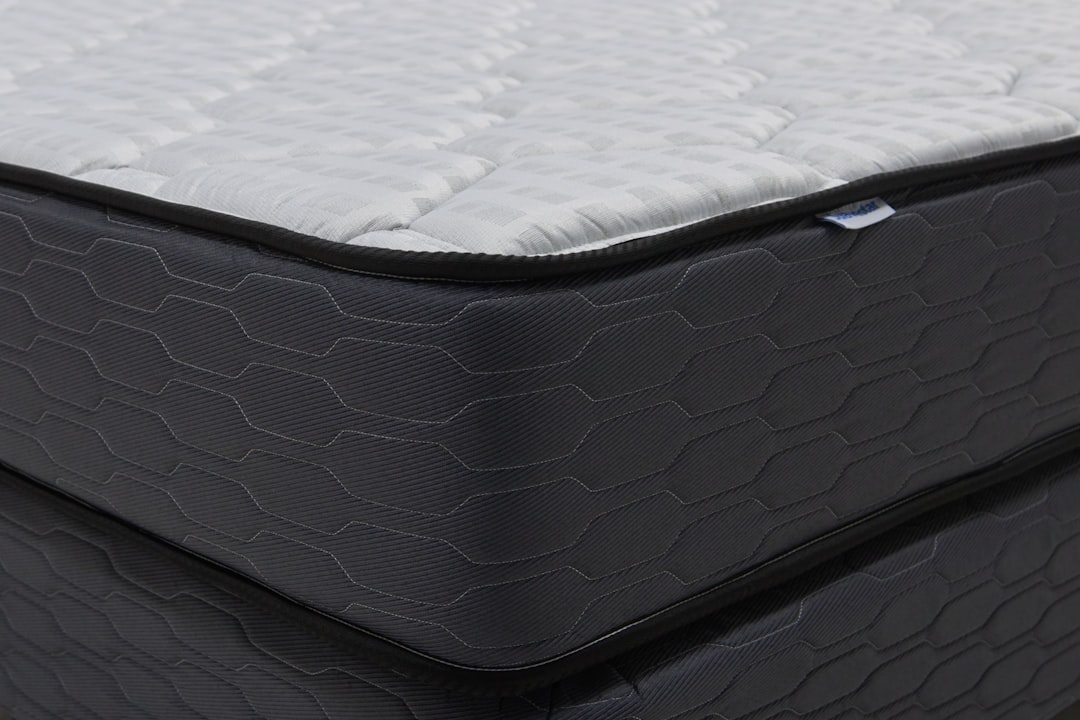
That breathable bamboo cover you picked for its cool touch? It’s got a shelf life. In our humidity, the very sweat it wicks away starts to clog the fabric’s microscopic pores after countless washes and two years of nightly use. What was once a crisp, cooling layer can slowly turn into a damp barrier that traps your body heat instead of releasing it. This change is subtle—you won’t see it, but you’ll definitely feel it on a still night when the aircon’s off.
Think about a typical 12 sqm common bedroom in a 4-room BTO. Airflow is limited, and ambient heat from the day lingers. A mattress cover that’s lost its breathability becomes part of the problem, lying there like a warm, slightly moist sheet. That initial shiok feeling fades, and you’re left wondering why your supposedly cooling mattress isn’t performing like it used to. The material hasn’t failed; its primary function has degraded.
Repeated washing is the main culprit. Detergent residue, fabric softener, and mineral deposits from our hard water build up over time, coating those fibres. They still feel soft to the touch, but their ability to pull moisture away from your skin and let it evaporate is compromised. It’s a performance issue, not a durability one—the cover might look perfectly fine.
So does that mean you should avoid natural fibre covers? Cannot. For the first couple of years, they are genuinely more comfortable than a standard polyester blend in our climate. The key is to manage your expectations and understand it’s a consumable layer. When that cool-to-the-touch sensation is gone for good, it’s a sign the cover has done its job and needs replacing. Your mattress core might still be sound, but its outer defence against the heat has worn out.
A cooling mattress needs materials that resist high humidity, which can degrade foams and fabrics. Cooling gel foam and aerated latex are engineered to dissipate heat while maintaining structure in damp conditions. Breathable bamboo or Tencel covers also help by wicking moisture away from the sleeper, preventing that sticky feeling common in non-aircon rooms. Mattresses with these specific cooling components are designed for our 80%+ humidity.
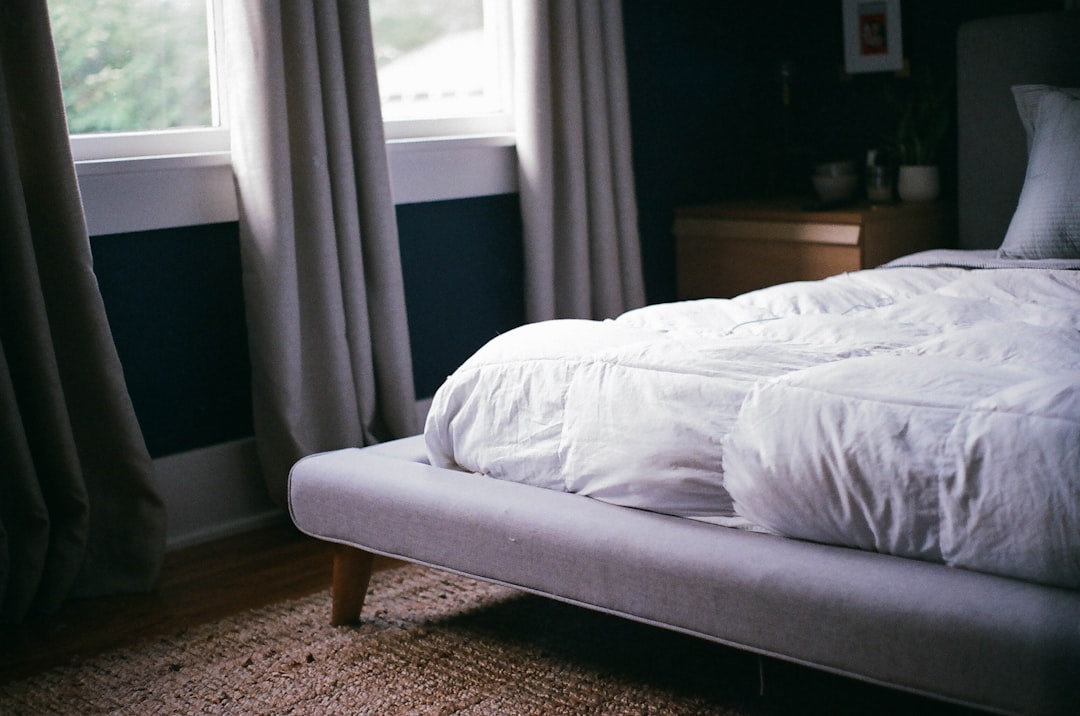
You can read all the specs you want, but your body knows best. That’s why skipping the showroom is a mistake—you need to press down on the mattress surface and feel the weave of the cover with your own fingers. Cooling claims on a tag don't mean much if the fabric feels dense and plasticky against your skin. A truly breathable cover should have a noticeable, open texture you can sense immediately.
At the showroom, don’t just sit politely on the edge. Lie down the way you actually sleep. Spend a solid five minutes on your back and side, paying attention to whether heat builds up around your shoulders and hips. A mattress can feel cool for the first minute, then trap warmth. The firmness level is just as critical—a bed that’s too soft will cradle your body too closely, reducing airflow and making you feel warmer over the whole night.
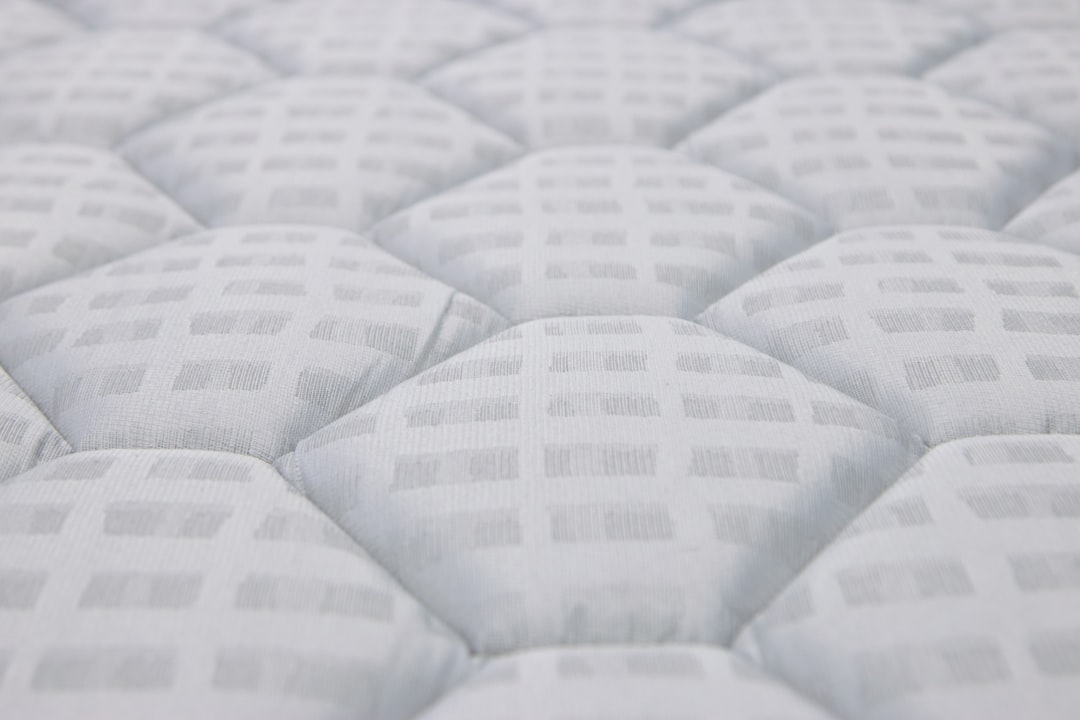
The fabric weave is your first clue to long-term breathability. Run your hand across the Tencel or bamboo cover. A good one feels smooth yet distinctly porous, almost like a high-thread-count sheet that lets air pass through. A cheap, tightly-woven poly-blend will feel slick and closed-off. That difference in hand-feel translates directly to how well moisture escapes over the years. High humidity here means any fabric that doesn’t breathe will feel perpetually damp.
Firmness is a personal thing, but for cooling, there’s a general rule. Medium-firm to firm mattresses tend to keep you more on top of the bed, allowing air to circulate underneath. If you sink in too deep, you’re essentially sleeping in a warm pocket. The only time I’d ignore this is if you’re a strict side sleeper with sharp pressure points—then a slightly softer comfort layer is necessary, but the base support still needs to be firm enough to prevent that enveloping sink.
So take your time. Bring the person you share the bed with. Test the different models side-by-side and trust what your skin tells you more than any sales brochure. A mattress is a ten-year decision; a fifteen-minute feel-test in a cool showroom can save you a decade of sweaty regret.
In our humidity, a cooling mattress isn’t some magic trick—it’s a material science project that slowly loses ground. The gels and phase-change layers that pull heat away on day one will degrade over time, especially if your room’s ambient temperature is constantly high. Expect the noticeable chill to fade after about five to seven years, even with good care. After that, you’re left with a decently supportive mattress, but that premium cooling function? Mostly gone already.
Does cooling gel work without air-con? It does, but don’t expect miracles. On a still night where the room feels like a sauna, a gel layer can only do so much—it’s moving your body heat into the mattress, not cooling the air around you. You’ll feel a definite difference compared to a slab of plain memory foam, which just traps heat. But for it to work best, you need airflow. A standing fan pointed at the bed makes a bigger difference than any marketing claim.
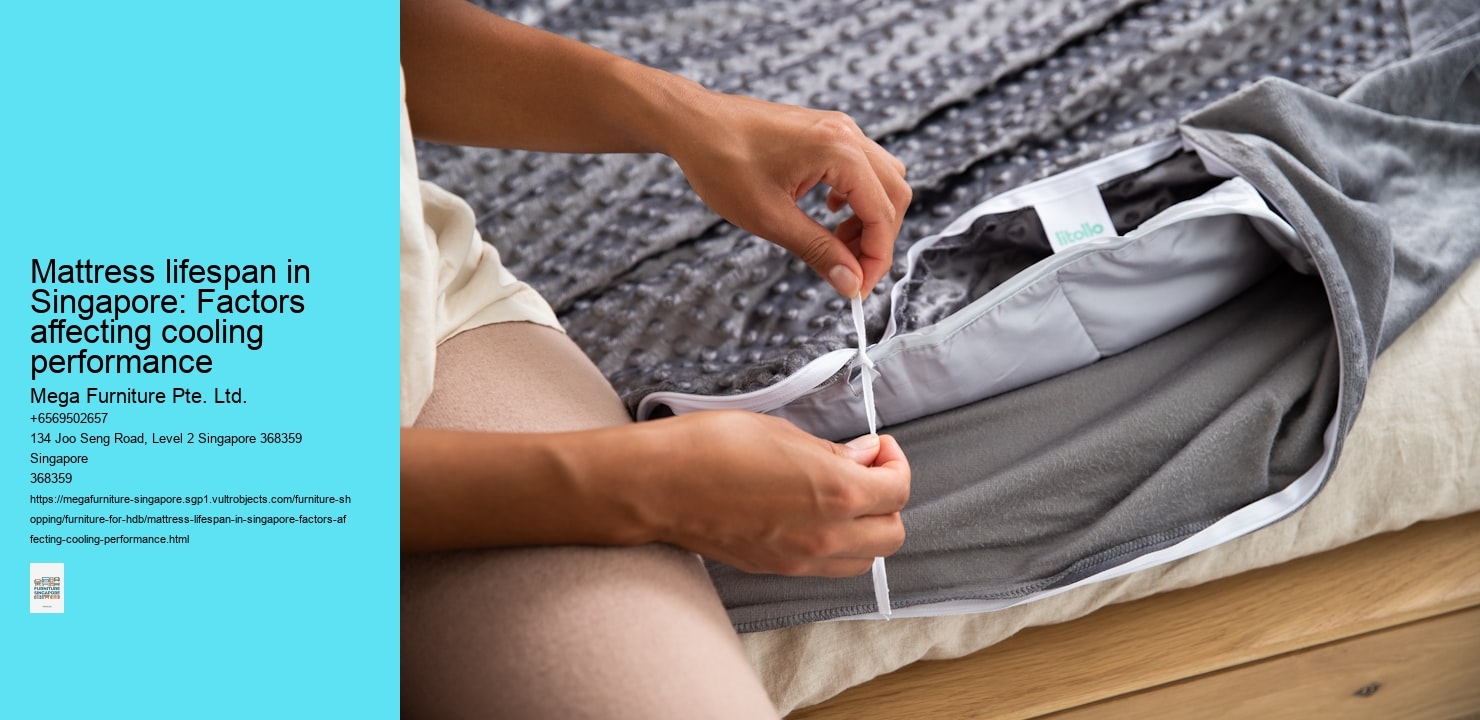
Can you just replace the cover to restore the cooling? Not really. The cooling magic usually lives in the top comfort layers, not just the removable bamboo or Tencel cover. That cover helps with breathability and wicking moisture, sure. But swapping it out won’t bring back a flattened gel foam layer or a phase-change material that’s lost its phase. Think of the cover as your first line of defence; once the troops behind it are spent, the battle’s lost.
So is a two-thousand-dollar cooling mattress worth it for a non-air-conditioned room? Only if you treat it as a long-term comfort investment, not a climate-control solution. For a room that’s perpetually warm, the premium buys you a few years of genuinely better sleep quality before it becomes a normal mattress. If your budget is tight, you might be better off buying a quality, breathable pocketed coil mattress and pairing it with a powerful fan. But if night sweats are ruining your rest and you can afford the upfront hit, that initial period of relief can be priceless. Just know what you’re buying: a temporary advantage, not a permanent fix.
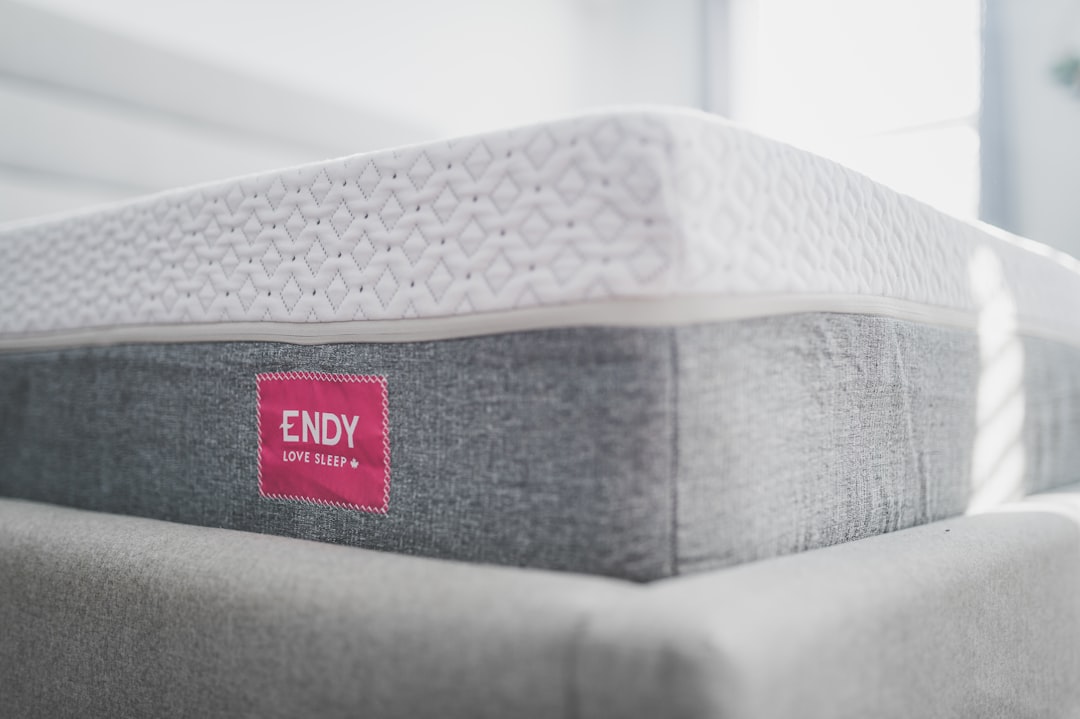
The showroom is where good intentions meet reality. You've done your research, you know the specs, but the final call happens when you're standing there in your socks. Before you go, there's a final three-point checklist that separates a smart purchase from a sweaty regret. First, honestly assess your bedroom's airflow. That master bedroom in your 4-room BTO, the one that faces the afternoon sun—does the aircon run all night, or do you rely on a ceiling fan and a prayer? Second, consider your own sleeping temperature. Menopausal hot flushes or just a body that runs hot changes the game entirely. Third, be real about the budget for a replacement in five to seven years, because that's the lifespan you're playing with for even a good cooling core. A mattress isn't a forever purchase here.
With those answers, you can cut through the noise. If you need sustained, through-the-night cooling because your room's an oven, natural latex is your best bet. Its aerated structure moves heat away consistently. If you just need targeted relief for pressure points and tend to sleep on your side, a gel-infused memory foam will do the job—it draws heat from where your body sinks in deepest. Don't get swayed by fancy phase-change covers if the core material underneath is a heat trap. That's the counterintuitive bit: a basic bamboo cover on a latex core will outperform a 'cooling' Tencel cover on a dense, cheap foam.
So you visit the showroom with a clear mission. Don't just lie down for ten seconds. Spend a solid fifteen minutes in your usual sleeping position. Bring your partner if you share the bed—their weight distribution changes the feel. Notice if the initial cool touch fades as your body heat soaks in. A good cooling mattress won't feel cold forever, but it shouldn't leave you feeling like you're on a heating pad after twenty minutes either.
The only time I'd say skip the showroom visit is if you're buying an exact replacement for a mattress you already love. Otherwise, that final, informed test is non-negotiable. You're committing to this surface for years of tropical nights. Make sure your body gives the final yes.