You’ve spent the weekend swapping covers, adding a gel layer, or maybe even flipping your mattress. Now you’re lying there wondering if it actually made a difference. In a typical 12 sqm bedroom, where the air doesn’t really move, that question can feel urgent. The real test isn’t about a vague feeling of comfort—it’s about whether you stop waking up drenched.
Start with the first hour. Your body’s core temperature naturally drops when you settle into sleep, but a mattress that traps heat will fight that process. If you find yourself still tossing and turning, searching for a cool spot after thirty minutes, your DIY fix hasn’t hit the mark. A successful change should let you drift off without that familiar, restless hunt. For someone dealing with night-time flushes, this initial cool-down period is critical; relief should be immediate, not something that arrives hours later.
Next, check the midpoint. Wake up naturally around 3 or 4am and take a conscious note. Are you lying on a dry, cool surface, or is there that sticky feeling of trapped warmth underneath you? A mattress that’s working will have dissipated the heat you’ve built up over several hours. If the sheets feel damp or the spot where your body was is noticeably warmer than the rest of the bed, your intervention hasn’t penetrated deep enough. Often, a surface-level change like a new cover won’t solve a core heat retention issue.
Finally, assess the morning. When you get up, the mattress itself shouldn’t feel like a reservoir of warmth. Place your hand flat on the area where you slept for a full minute. If it’s still noticeably warmer than the unused edges, the material is storing heat, not shedding it. This is where many memory foam mattresses fail, even with a cooling topper—the base foam still acts like an insulator. Your DIY goal is to break that cycle.
There’s one honest exception. If your room’s ambient temperature spikes above 30°C during a particularly hot night, even the best passive cooling setup will struggle. In those conditions, the real verdict comes from whether you slept better than you did on your old, unmodified mattress—not whether you achieved perfect coolness. That’s a fair comparison.
The most common mistake people make is assuming a cooling mattress will feel cold. It won't. It's engineered to dissipate heat, not create a chill. So you need to know exactly what heat you're starting with. If your bedroom's a west-facing Eunos flat that gets baked by afternoon sun, the ambient temperature might still be above 28°C well into the night. Your sleep surface is holding that warmth.
Start with a baseline. For a few nights, just note how you feel. Is there a hot spot under your shoulders or hips? Do you wake up damp? Don't rely on memory; jot it down. A Queen mattress in a non-air-conditioned room will trap your body heat differently than a Super Single. The goal is to move that heat away, not to feel an instant cool blast when you lie down.
Once you've added a cooling gel pad or swapped to a bamboo cover, the real test begins. Monitor the dissipation. You'll likely feel the difference in the second half of the night, not the first. The initial contact might still be warm—that's the pad or cover absorbing the heat. The payoff comes around 2am, when a regular mattress would still be radiating your accumulated warmth back at you, but a cooling one has started to shed it. That's the shift you're tracking.
The exception is if you're using a phase-change material cover. Those can feel cool on initial contact, but they're about maintaining a steady temperature, not dropping it dramatically. For most gel or bamboo solutions in a real Singapore bedroom, the improvement is a gradual, drier feel through the night, not a shock of cold. If you're chasing that shock, you're probably looking for air-conditioning, not a mattress tweak.
Keep a simple log: pre-change notes for three nights, post-change notes for three nights. Compare the 4am entries. Did you flip over less? Was the sheet less clammy? That's your effectiveness check, far more reliable than any morning gut feeling. Without this tracking, you might dismiss a genuinely good solution because it didn't meet a mistaken expectation of instant ice.
Aerated latex toppers sound cool, but that open structure can trap moisture in a humid bedroom. Over a week at 80% humidity, you'll find the material doesn't just breathe; it also absorbs ambient dampness like a sponge. The risk isn't immediate mould, but a gradual feeling of dampness against your skin that defeats the cooling intent. That's the counterintuitive point—a material chosen for breathability can become a reservoir for the very humidity you're trying to escape. In a common 12 sqm bedroom with minimal air movement, this one will feel clammy by day five. You'll want a sealed, moisture-resistant base below it.
Tencel covers, made from lyocell fibres, promise a cooler touch and moisture-wicking. In our humidity, that wicking action works overtime, pulling sweat away efficiently. The fabric itself doesn't retain much moisture; it transfers it to the layers below. Over a sustained test, the surface stays surprisingly dry and comfortable, which is a win. However, if the mattress core below isn't breathable, all that transferred moisture pools there, creating a hidden problem. For a true DIY cooling stack, Tencel works only if every layer below is also managing vapour.
Putting a Tencel cover over an aerated latex topper creates a complex moisture pathway. The cover wicks sweat down, the latex absorbs it from above and from the humid air around it. You end up with a damp sandwich that never fully dries out overnight. In a non-air-conditioned room, that combo can become a mould risk zone at the interface between the two materials. It's a typical misstep—buying two good cooling pieces separately without considering how they'll interact under Singapore's specific conditions. The solution isn't more layers, but smarter, integrated ones.
A proper stress test means checking not on day one, but day seven. Initial feel is deceptive; materials often perform well when fresh and dry. By the end of a week, sustained 80% humidity reveals the truth: which components feel damp, which smell faintly musty, and where condensation might be gathering unseen. Lift everything up, feel the underside of the topper and the top of the mattress. That's where you'll spot the early signs—a slight cool dampness, not outright wetness. It's the difference between a temporary fix and a lasting solution.
No material can win alone against our climate without air movement. Even the best breathable cover and aerated topper need help from a fan or open window. In a closed common bedroom, stagnant air lets humidity settle into every layer, defeating their engineered properties. Your DIY stack's performance is directly tied to your room's airflow—a point many hot sleepers miss. If you're in a west-facing flat with windows shut against afternoon heat, you're creating the perfect damp incubator. The final verdict: good materials need a good environment, or they'll fail the test.
It's a common reflex to pile on every cooling accessory you can find. You've got the gel-infused topper, the bamboo sheet set, and maybe a cotton cover marketed as 'breathable'—all stacked on top of your mattress. The logic seems sound: more layers, more cooling power. But in a Tampines showroom, you can feel the truth. Lift each layer individually and place your hand on the mattress surface; the airflow is immediate. Stack them back together and that breeze disappears. The layers aren't working in concert; they're trapping heat between them, creating a damp, insulated barrier that defeats every material's purpose.
Cooling mattresses rely on breathable materials like aerated latex or gel-infused foam to dissipate heat. In Singapore's 80%+ humidity, these materials must resist moisture and maintain their structure over years. A high-density foam core prevents premature sagging, ensuring the cooling layers stay effective. Proper ventilation within the mattress design is crucial to prevent heat and moisture from building up around the sleeper.
The correction is simple, almost brutal: strip it back. You want one primary, properly breathable cover that's been tested for actual airflow, not just marketed with cooling buzzwords. In our climate, where bedroom temperatures regularly sit above 28 degrees, that single layer needs to do the job. A bamboo or Tencel cover with a verified open weave can work, provided it's the only one. Adding a second sheet, even if it's 'cooling', usually just adds a barrier.
There’s a genuine exception, but it's specific. If you're using a thin, phase-change material pad designed to absorb and dissipate heat directly, it might work beneath a single breathable cover—the pad isn't a barrier; it's an active layer. But that's a tested combination, not a haphazard stack. For most sleepers, the rule is one and done. You'll know it's working when you wake up without that familiar, sticky feeling of trapped warmth. The difference isn't subtle; it's the kind of relief that makes you question every extra layer you bought last time.

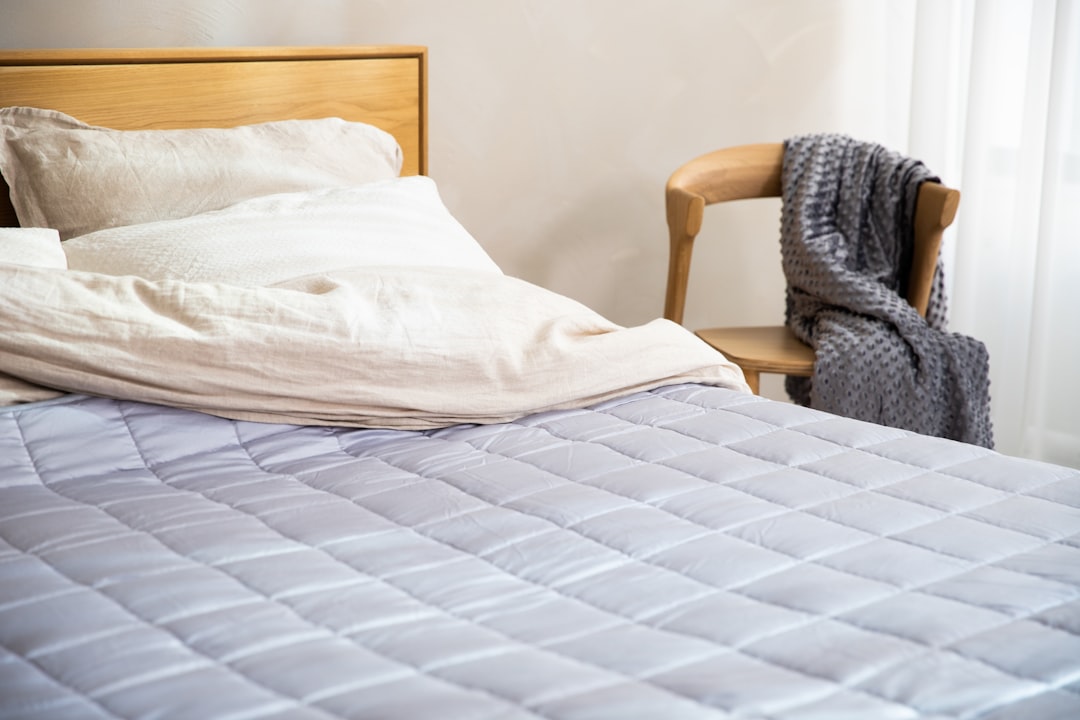
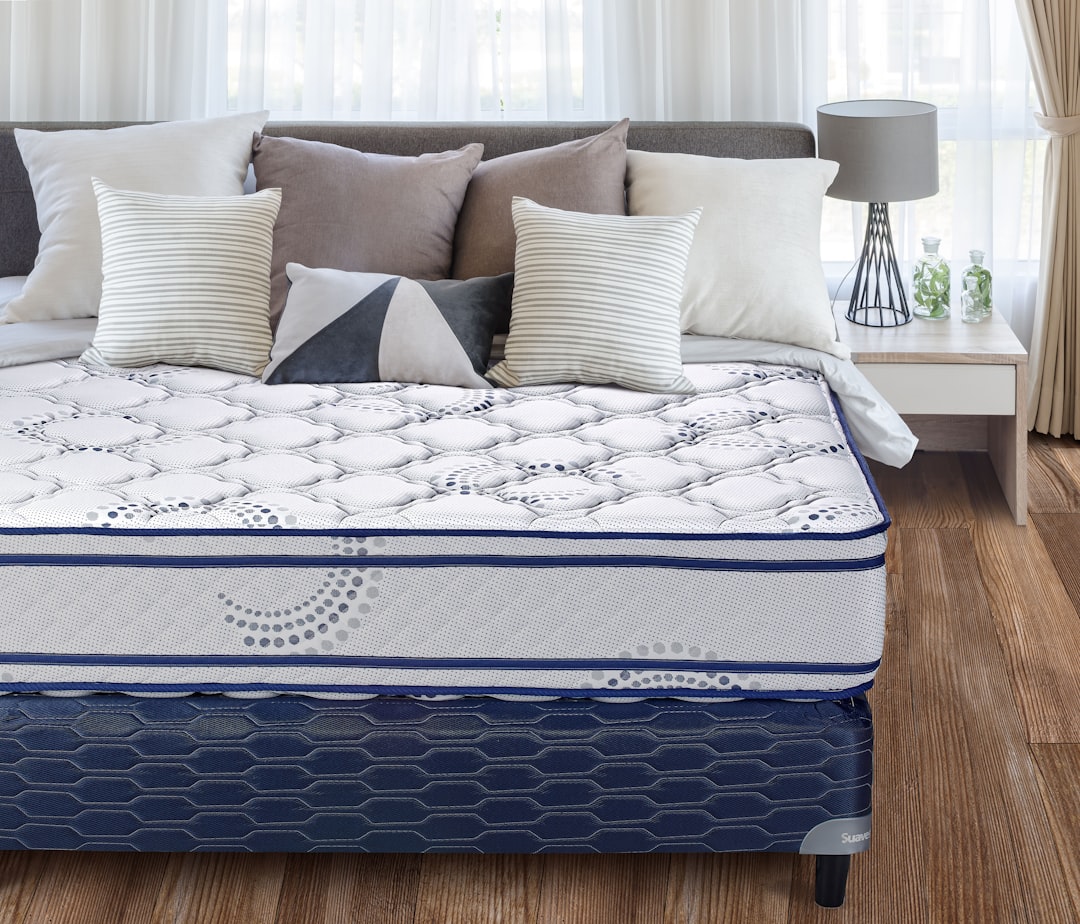
The first couple nights on a fresh cooling mattress can feel like a miracle. You’ll probably drift off thinking you’ve finally solved the whole hot-sleep problem—that initial chill is a welcome shock after years of sticky nights. But don’t judge the whole purchase on that early buzz. That sensation is often just the surface materials reacting to a new environment, a kind of introductory cool before the real work begins.
By night five, things settle into a proper rhythm. Your body’s adapted to the new support and temperature profile, and the mattress’s cooling layers have stabilised under your weight and sleep patterns. This is when you see if it’s genuinely working for a 4-room BTO master bedroom, not just offering a temporary novelty. The material’s performance becomes consistent, and you’ll know if it’s truly regulating your sleep temperature through the humid midnight hours or if that initial promise was just a flash.
If you’re still waking up feeling cool and dry on the fifth morning, that’s your confirmation. The mattress has proven it can handle the sustained heat of a Singapore bedroom, not just a brief trial. But if the cooling effect has faded completely by then, leaving you back in the usual sweaty state, that’s a sign the solution might not be deep enough—maybe the phase-change layer is too thin or the breathable cover isn’t paired with a sufficiently ventilated core.
The timeline matters because rushing a judgement leads to wrong conclusions. Someone might return a mattress after night three, calling it ineffective, when it was actually just settling in. Another might cling to the fleeting cool of night two and overlook a deeper issue with support or humidity control that only shows up later. Give it the full five nights to let the story unfold properly.
One exception: if the mattress feels actively warmer than your old one from the very first night, that’s a different signal. It’s not about adaptation; it’s about a fundamental mismatch, perhaps a memory foam core that’s trapping heat despite a cooling topper. In that case, you don’t need to wait—the verdict is clear already.
You can read all the specs online, but your body’s reaction to a cooling mattress is the final arbiter. That’s why a trip to a showroom isn’t a luxury—it’s a necessary diagnostic. Sitting on a mattress for thirty seconds tells you nothing; you need to lie down in your usual sleep position for at least five minutes, letting the materials react to your body heat. This is where you’ll feel the difference between a surface that stays cool for a minute and one engineered to manage warmth over hours.
At the Joo Seng or Tampines showroom, the Somnuz® range lets you test this engineering directly. Don’t just press the surface—ask to feel the fabric swatches. The weave of a bamboo-Tencel blend has a distinct, slick coolness against the skin that a standard cotton-polyester cover simply won’t replicate. Then, pay attention to the layers as you shift. A mattress with proper cooling gel foam or aerated latex doesn’t just feel cool initially; it dissipates the heat that builds up around your pressure points, preventing that trapped, muggy feeling you get with ordinary memory foam.
This is the core distinction you’re there to gauge: integrated cooling versus a DIY add-on. A topper or cooling pad acts as a barrier, but it’s a separate system that can shift, bunch, or simply overwhelm. The in-house engineering in a dedicated cooling mattress works as a unified unit—the breathable cover, the ventilated coil system, and the phase-change layers are designed to work in concert. You can’t simulate that synergy by stacking products on a hot base mattress.
The only time I’d skip the showroom visit is if you’re replacing an identical model you already love. For everyone else, especially those in non-air-conditioned rooms or dealing with night sweats, this hands-on test is non-negotiable. Your body in a typical 4-room BTO bedroom at 2 a.m. is the real test, and the showroom is the closest you’ll get to a controlled trial. Go with your partner, take your time, and let the mattress prove its claims where it counts—under your own weight and warmth.
Does adding ice packs under mattress work?
You can try, but it’s a temporary fix that creates more problems. Condensation is the real issue—the cold surface meets Singapore’s 80%+ humidity and you’ll get a damp mattress base. That moisture can lead to mould, especially on a platform bed without airflow. Last time you wake up shivering at 3am because the ice melted already, then the whole area just feels clammy. Not worth the risk for your bed frame.
Can cooling gel topper cause back pain?
It can, if you don’t account for the extra layer changing your mattress’s feel. A gel topper adds cushioning that softens the surface, which might undermine the support of a firm memory foam mattress. Your spine alignment gets thrown off. The only time it’s a clear win is if your existing mattress is too firm and you want a plush, cooler top—just ensure the combined height doesn’t make climbing into bed a chore.
Which DIY layer is best for memory foam heat?
For a memory foam mattress that sleeps hot, a breathable barrier is key. A 100% cotton or bamboo mattress pad with a tight weave works better than a thick, non-breathable protector. It lets heat dissipate upwards while adding minimal insulation. Avoid waterproof vinyl covers at all costs—they trap heat like a sauna. The goal is to block sweat from the foam while letting air through, not to add another insulating layer.
How to clean DIY cooling mattress covers?
Check the care label first—that’s the non-negotiable step. Most natural fibre covers like bamboo or Tencel need a cold, gentle machine wash and should be air-dried flat, never in our harsh afternoon sun which can shrink and brittle the fibres. For spills, spot clean immediately with mild detergent; letting sweat or moisture soak in can degrade those cooling fibres over time. A removable, washable cover is the easiest to maintain in our climate, just make sure you can actually get it back on the mattress after washing.
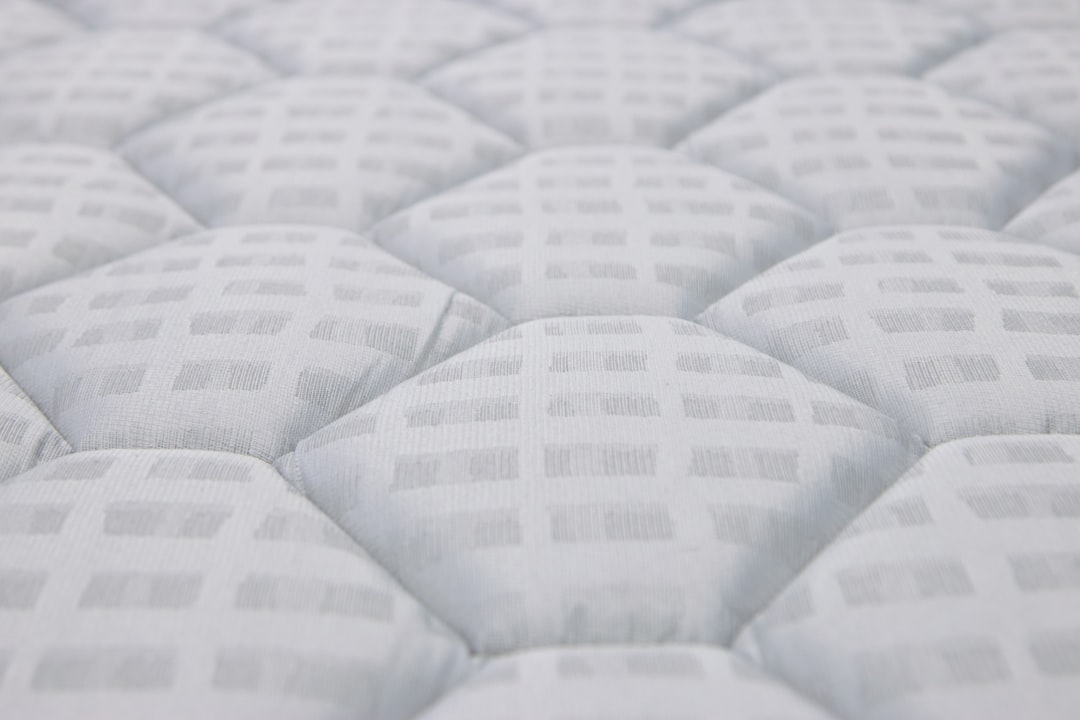
The most common mistake after all that careful cooling modification is forgetting that a mattress is a structural component, not just a fabric layer. You’ve added a breathable topper, maybe swapped the cover for bamboo—but if the sleeper weighs over 60kg, you’ve now altered the pressure dynamics. That extra, softer layer can cause the body to sink deeper, potentially compromising the support core’s ability to keep the spine aligned over years. In a humid resale flat, where the air itself feels heavy, this isn’t a minor detail.
Test it properly. Don’t just lie down for a minute. Spend a full night, or at least a solid hour, in your typical sleep position. Pay attention to whether your hips and shoulders sink too far, creating a ‘hammock’ effect that strains your lower back. That’s the support integrity check. For couples, both need to do this—one person’s modifications might create a unstable slope for the other. The old springs or foam inside are now working harder under new, unfamiliar materials.
Humidity is the silent partner in this test. A cooling gel pad or phase-change layer might feel fantastic in a showroom’s air-con, but in a non-air-conditioned bedroom facing the afternoon sun, its performance can change. Some materials, especially certain foams, retain moisture from the air, becoming less effective at dissipating heat and more prone to developing a permanent ‘dent’ over time. Your DIY solution must be durable not just in a dry lab, but in 80% humidity with minimal cross-ventilation.
The one real exception? If your base mattress is a high-quality, high-density foam or a pocketed spring unit that was originally too firm. Adding a moderate cooling topper there can actually perfect the feel without wrecking support, because the core is robust enough to handle it. But if you’re starting with a mid-range or older mattress that’s already softened with age, piling on more softness is a fast track to backache. Sometimes the better DIY move is to improve the environment around the bed—a powerful fan, moisture-absorbing products under the bed—rather than risk the mattress structure itself.