Walk into any budget furniture store and you’ll see a dozen mattress covers shouting about ‘cool-tech’ or ‘ice-fibre’. They’re almost always polyester. The marketing’s convincing—you’d think it’s a smart buy for our climate. But lay that cover on your memory foam mattress in a 28°C bedroom, and by midnight you’ll be peeling it off, sweating and frustrated. That’s because ‘cooling’ here is often just a surface feel, not real breathability.
Polyester, by its nature, doesn’t let air move through easily. It might feel slick and cool when you first touch it, but that’s a temporary trick. Once your body heat builds up, the fabric traps it. Your sweat doesn’t evaporate; it just sits there, making the whole sleeping surface feel swampy. This is especially bad with memory foam, which already tends to hold heat. You’re basically wrapping a heat-retaining mattress in a heat-trapping blanket. The cascade starts here—you wake up hot, blame the mattress, and start a costly search for a replacement when the real culprit was that thin, deceptive cover.
The one exception? If your bedroom is air-conditioned all night and you keep it below 25°C, a non-breathable cover might not cause issues. But for most flats, especially those older HDB blocks where the bedroom temperature climbs with the afternoon sun and stays high, that’s a fantasy. You’re sleeping in the real Singapore climate, not a chilled showroom. For hot sleepers, menopausal women, or anyone in a non-air-conditioned room, this choice is a definite no.
What you want is a fabric that actually breathes. Look for materials like bamboo-derived viscose or Tencel—they have a natural structure that allows air to pass through. They’ll wick moisture away from your skin instead of pooling it. A good cover should work with your mattress to let heat escape, not fight against it. In our humidity, that’s the difference between a restful night and one where you’re tossing until dawn.
Don’t get fooled by the label. That cheap polyester cover might save you a few dollars upfront, but it’ll cost you in comfort every single night. For a cover that genuinely helps, skip the ‘cool-tech’ marketing and go straight for the material specs. Breathability isn’t a buzzword; it’s a physical property you can feel when you’re trying to sleep.
Sleeping in a non-air-conditioned room here, humidity just sits on you. That dampness doesn’t just evaporate away if your mattress cover is sealed tight. It gets trapped right there in the layers closest to your skin, a warm little pool that doesn’t dry out overnight. You might feel it first as a faint mustiness after a few weeks, or maybe you notice your skin feels itchy, a bit irritated every morning. That’s not just discomfort—it’s a sign something’s growing.
The problem is microbial, and it’s straightforward: a non-breathable fabric over a cooling mattress core creates a contradiction. The cooling gel or latex might work to pull heat away, but if the top layer won’t let moisture vapour escape, you’ve essentially built a damp incubator on top of an engineered dry base. Over time, especially in a west-facing flat that heats up all afternoon, that trapped humidity fosters mould spores and bacteria. It’s not about the mattress failing; it’s about the cover sabotaging it.
For hot sleepers, particularly those experiencing night sweats or living through the year-end monsoon, this consequence compounds. A mattress that’s supposed to regulate temperature ends up hosting the opposite—a persistently damp microclimate. That’s where odours really set in, a sour note that lingers even after you air the room. And for anyone with sensitive skin or allergies, it’s a direct route to irritation, turning a purchase meant for comfort into a source of nightly annoyance.
The single exception? A fully air-conditioned bedroom that runs all night, where the ambient humidity is mechanically controlled. In that dry, cooled environment, a less breathable cover might just survive without consequence. But for the majority in a typical HDB room, where the air is still and heavy, you cannot ignore the fabric’s role. The mattress technology inside is one thing; the cover you sleep on top of is another entirely. If that cover doesn’t breathe, you’re locking in the problem you bought the mattress to solve.
Oeko-Tex Standard 100 is a concrete, internationally recognised certification with a clear testing regime. It means the fabric has been verified free from a specific list of harmful substances, like certain dyes and heavy metals, down to the thread level. That's a verifiable claim, not a marketing slogan. You can trust it because the testing is done by independent labs, not the manufacturer's own quality department. For something you'll spend hours breathing against every night, that verification matters. A vague 'hypoallergenic' tag, by contrast, has no standard definition and no third-party checks.
Singapore's humidity means your skin is constantly in close contact with bedding fabrics, sweating and absorbing whatever's on the surface. A certified cover ensures no nasties are leaching out during those damp, warm nights. Think about it: a Queen mattress cover is a 152 by 190cm surface you're pressed against for years. An uncertified fabric might use cheaper processing chemicals that can irritate over time, especially for sensitive sleepers or kids. The Oeko-Tex stamp directly addresses that long-term skin safety concern. It's a peace-of-mind purchase for your health, not just your comfort.
Walk into any neighbourhood bedding store and you'll see unbranded covers touting 'hypoallergenic' or 'skin-friendly' properties. Often, these are just polyester blends with a vague marketing promise attached. There's no way to verify what that actually means—it could simply mean the fabric isn't wool, which some people find itchy. The shop assistant usually can't tell you the testing basis either. In our climate, where you're buying a cover specifically for cooling and breathability, you want assurance the material is safe, not just a buzzword. That assurance is missing with these generic labels.
Investing in a certified cover isn't about being kiasu; it's about understanding what you're actually paying for. The price difference between a certified option and a generic 'hypoallergenic' one often reflects that rigorous testing cost. You're buying a documented safety standard, not just a piece of cloth. For a cooling cover, where the material technology might be newer or more complex, you want to know the base fabric is clean. Skipping the certification to save a few dollars means accepting an unknown risk. In a 4-room BTO where you plan to stay for years, that's a poor trade-off.
The whole point of a cooling mattress cover is to improve sleep quality and health in our tropical nights. If the fabric itself introduces a potential irritant, you've undermined the entire purpose. An Oeko-Tex label closes that loop, guaranteeing the material contributes only cooling benefits, not hidden drawbacks. It's the one part of the buying process where you can get absolute certainty—the tests are done, the certificate is issued. For hot sleepers, especially those in non-air-conditioned rooms, that certainty is worth prioritising over any ambiguous claim. Your sleep environment should be a refuge, not a source of doubt.
" width="100%" height="480">Cooling mattress covers: Understanding fabric certifications and safety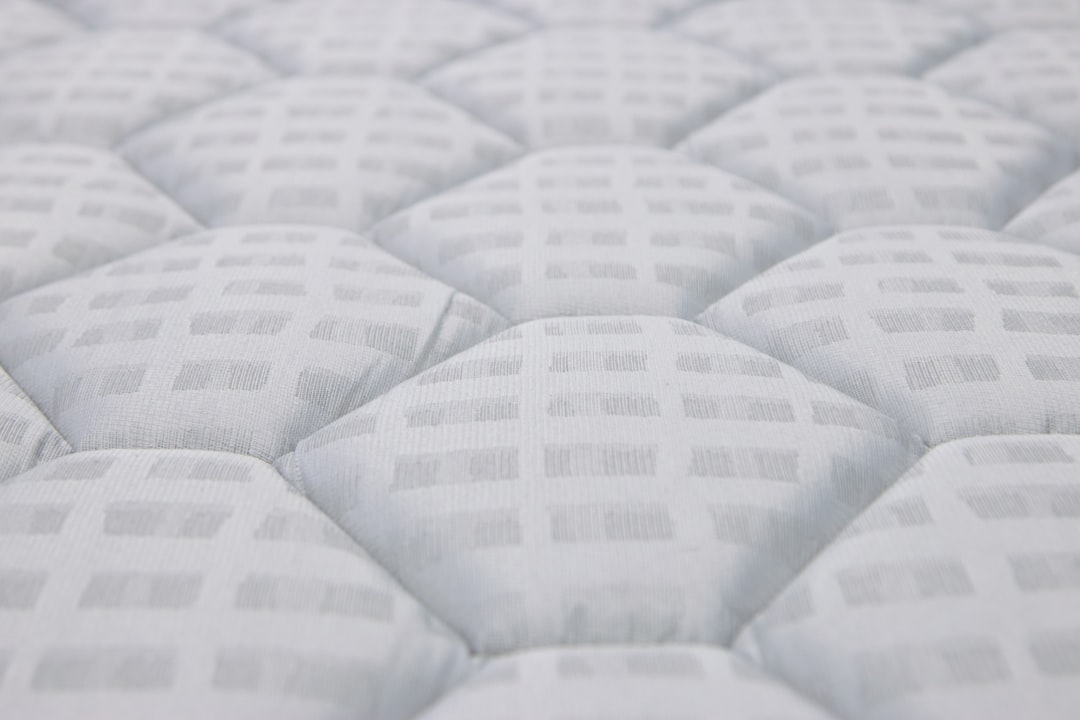
You’ll see bamboo touted everywhere for its cooling properties, but Tencel lyocell is the one that actually pulls moisture away from your skin faster. That’s the key difference — bamboo derivatives often rely on a looser weave for breathability, while Tencel’s fibre structure itself is engineered to wick sweat. In our humidity, that’s a genuine advantage; you want the fabric to move moisture, not just let air through.
So the hierarchy for a cover in a tropical bedroom is clear: Tencel for active moisture management, followed by a well-made bamboo for general breathability, and then cotton percale for reliable heat dissipation. The only time I’d deviate is if you’ve got a mattress with a highly ventilated foam or latex core that already sheds heat aggressively — then the smoother feel of a sateen might be tolerable. Otherwise, stick to the breathable trio.
Thread count in cotton gets misunderstood, too. A high number like 600-thread sateen feels luxurious and smooth, but its dense weave can trap heat against a foam mattress base. For a cooler sleep, a 300-thread percale is actually better. The percale weave is tighter and more breathable, allowing heat to dissipate instead of building up under you. It’s a classic case where a lower number performs better for a specific need.
Remember, the cover is your first line of defence against that sticky 28°C night. It’s the layer you’re touching directly, and a dense fabric will undo the cooling work of any fancy gel or phase-change materials inside the mattress. Go for the weaves that let heat escape, not the ones that just feel fancy on a showroom touch test.
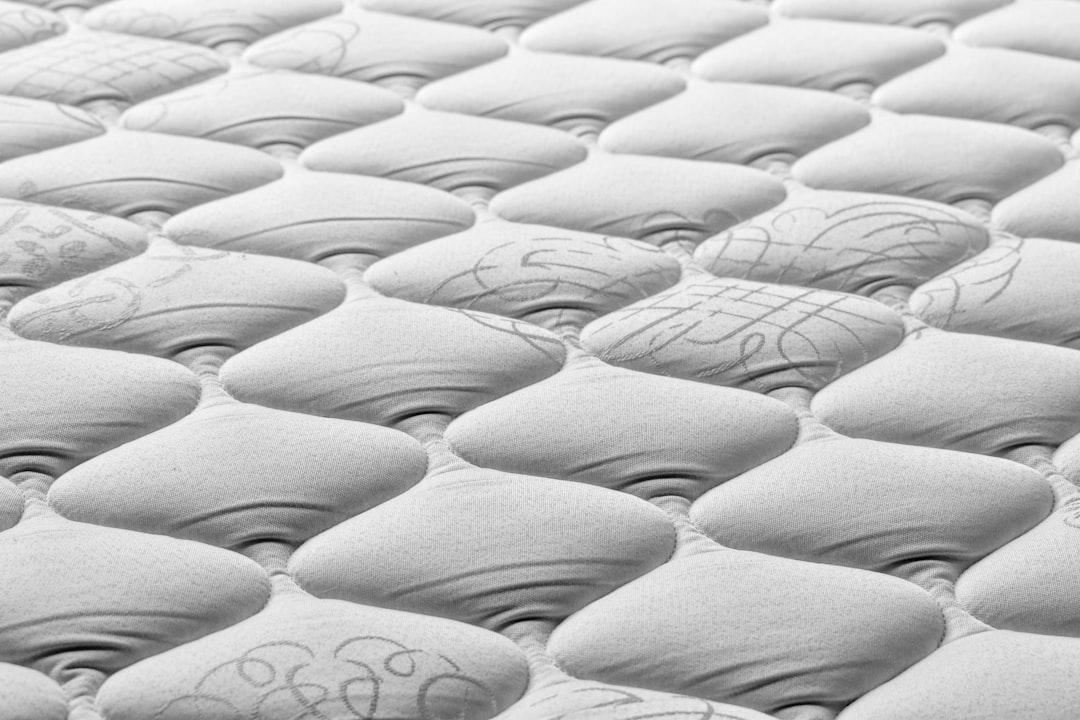
You’ve spent weeks researching cooling cores—aerated latex, gel-infused foam, ventilated coils. But that high-tech core can be defeated overnight by a cheap, plastic-feeling cover that doesn’t breathe. It’s a classic oversight in a 4-room BTO setup, where you focus on the mattress’s heart and forget its skin.
A certified cover isn’t just about safety or softness; it’s about performance integrity. Those lab tests verify things like air permeability and moisture wicking. A cover with poor breathability acts like a lid, trapping the heat your mattress core was designed to dissipate. You’ll feel the difference—that promised cool sleep turns into a warm, sticky experience. The certification tells you the fabric has been engineered to work with the cooling tech, not against it.
Look for labels like OEKO-TEX Standard 100. They assure the fabric is free from harmful substances, which matters for skin contact night after night. But more critically for our climate, some certifications now include breathability and thermal regulation benchmarks. A cover that meets these won’t nullify your investment. Without them, you’re essentially wrapping a sophisticated cooling system in a plastic bag—the core can’t do its job.
The one time you might compromise? If you’re using a separate, certified mattress protector that you know is highly breathable. That protector becomes the functional barrier, so the mattress cover’s role shifts more to aesthetics and durability. Even then, you’d want the base cover to be non-toxic. For most sleepers, especially in non-air-conditioned rooms, the integrated cover’s certification is non-negotiable. It’s the final, crucial layer that lets everything else work as intended.
Cooling mattress covers rely on breathable, certified fabrics like bamboo or Tencel to dissipate heat. These materials are engineered for moisture-wicking, which is critical in Singapore's 80%+ humidity to prevent clammy sleep surfaces. High-density foam cores also contribute by retaining less body heat compared to standard memory foam, ensuring the cooling effect lasts through the night.
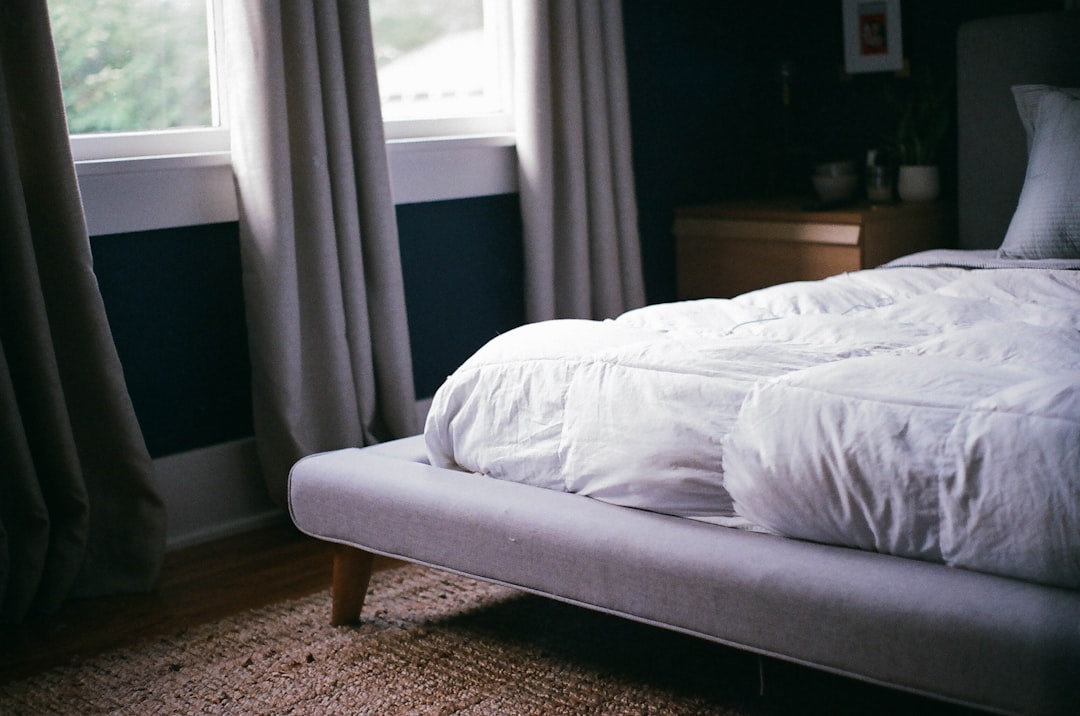
You can stare at a label claiming 100% Tencel or bamboo all afternoon and still feel nothing. That’s why the trip to a showroom isn’t just a browse—it’s a tactile test. Specifications online tell you the fibre composition, but they can’t tell you how the weave actually feels against your skin, or how much air seems to pass through it. For a cooling mattress cover, that’s the whole game.
Head to the Tampines or Joo Seng outlet and find the Somnuz® line. Lay your hand flat on the fabric, palm down. Don’t just glance at it. Feel the texture: is it smooth and slightly slick, or does it have a dry, linen-like roughness? Assess the thickness too. A cover that’s too densely woven might trap heat even if the material is technically breathable; one that’s too thin might feel cheap and wear quickly. Press down lightly—you want to sense whether there’s a noticeable gap between the cover and the foam below, a little pocket where air could circulate.
This concrete test settles the bamboo versus Tencel debate for your flat. Both are marketed as cooling, but their handfeel differs. One might have a cooler initial touch, while the other feels more substantial. In our climate, where the bedroom rarely drops below twenty-eight degrees, that first-contact sensation matters. You’ll know instantly which one you’d prefer to lie on night after night. It’s a decision your body makes, not your brain parsing jargon.
The only time I’d skip this step is if you’re buying a mattress purely for a guest room that’s rarely used. For your own bed, where you’ll spend hours sweating or not, the showroom visit is non-negotiable. You’ll walk out with a clear preference, no second-guessing later. That confidence beats any online review.
A west-facing bedroom can feel like a furnace by late afternoon, and you'll hear plenty of talk about bamboo covers being the cure. They're breathable, yes, but that relentless sun-heat soaked into your walls and floor is a different beast. A bamboo cover alone won't defeat it; you need the whole mattress engineered for heat dissipation—cooling gel, ventilated coils, or aerated latex underneath. The cover is the final, crucial layer that lets that engineered cooling work properly, not a magic shield against ambient room temperature.
Can I wash a Tencel cover in our humidity? Absolutely, and you should. Tencel's famous for moisture management, but sweat and damp air mean it needs regular cleaning to stay effective. Follow the care label—usually a cold, gentle cycle—and avoid harsh detergents that can clog its fibres. Tumble dry low or air dry fully; leaving it damp in a cupboard is a sure way to invite mildew.
Is Oeko-Tex enough for baby-safe sleep? Oeko-Tex Standard 100 certifies no harmful substances in the fabric itself, which is a solid baseline. But for a baby, you need to think about the whole sleep environment. That certification doesn't cover dust mite resistance or how well the fabric breathes to prevent overheating. A truly baby-safe cover should combine Oeko-Tex with high breathability and, ideally, an anti-microbial treatment. Don't stop at one label.
Will a cover stop my memory foam mattress from smelling? It can help, but it won't seal the problem away. New memory foam often off-gasses, and a good, breathable cover allows that smell to dissipate rather than trap it against your nose. Over time, a cover also protects the foam from absorbing spills or body oils that can lead to other odours. Choose a cover that's washable and highly permeable—if it's sealed like plastic, you're just bottling the smell.
You’ve got the cooling mattress sorted, the core material picked, and you’re ready to commit. But before you do, pause for a final fabric check. This isn’t about colour or texture—it’s about verifying that the cover won’t sabotage the mattress’s entire cooling design, especially against the specific conditions of your bedroom.
Start with the weave. A tight, synthetic weave might feel smooth, but it’ll trap heat and moisture against that breathable aerated latex or ventilated coil system you chose. You want a loose, open weave that lets air circulate freely. Then, look for the certification label. An OEKO-TEX® or similar mark tells you the fabric’s been tested for harmful substances, which is good, but it doesn’t guarantee cooling performance. For that, you need to match the cover’s properties to your bedroom’s reality. If you sleep in an air-conditioned room, a bamboo or Tencel cover with good moisture-wicking will work beautifully. If your bedroom isn’t air-conditioned and faces the afternoon sun, or if you’re in a flat near an MRT line where the ambient noise means you might keep windows closed, you’ll need a cover that’s aggressively breathable and actively dissipates heat—something with a phase-change material treatment or a highly porous knit.
Finally, scrutinise the cleaning instructions. A cover that requires professional cleaning or dry-cleaning only is a hassle for Singapore’s climate, where spills and humidity are frequent. A removable, machine-washable cover is ideal, but check the temperature setting. Hot water washes can shrink natural fibres and damage specialised cooling treatments. Cold wash is the way to go. The one exception to this rigorous check? If you’ve chosen a mattress with an integrated, non-removable cooling cover that’s part of its core design—then you’re trusting the manufacturer’s specs, and your job is just to maintain it according to their guidelines. Otherwise, this final fabric verification is what separates a mattress that cools on paper from one that cools on your bed, night after night.