You see it all the time: a couple lying flat on a showroom floor, nodding along as the salesperson talks about a mattress being “medium-firm” and “cooling.” They buy it, thrilled by the brand name, only to find themselves sinking into a hot, unsupportive slab in their Bedok flat. The problem isn't the mattress, it's the label. Those terms are marketing fluff, not a guarantee your 65kg side-sleeper frame will be properly cradled.
The real story is in the numbers, specifically the ILD—Indentation Load Deflection. Think of it as the firmness score, but measured objectively. A 70 ILD slab might feel luxurious in an air-conditioned showroom, but it’s often far too rigid for a lighter person, creating pressure points instead of relief. For that typical side sleeper, you’re likely looking for something in a lower range, something that yields at the shoulders and hips without letting the spine sag.
Prioritising the spec sheet means looking past the glossy brochure. A true cooling mattress for our climate won’t just claim it—it’ll show you how. Aerated latex, for instance, gets its breathability from the manufacturing process, creating an open structure that air can move through. That’s a tangible feature, not a vibe. A bamboo or Tencel cover should be listed by name and thread count, not just called “breathable fabric.” If the details are vague, the performance probably is too.
The one exception? If you’re sharing the bed with a significantly heavier partner, you might need to compromise on a firmer feel to ensure their side doesn’t collapse. Even then, you can find a middle-ground ILD and then add a softer, breathable topper on your side. It’s a workaround, but it’s better than both of you suffering through the night.
So forget the hype. Your body weight and sleep position are the non-negotiables; the ILD number is your translator. Match those, and you’re halfway to a decent night’s rest. The other half is making sure that supportive slab doesn’t turn into a heat trap—but that’s a conversation for the material specs.
You can test a mattress for firmness by pressing down in a showroom, but you can't test how it'll handle a Tuesday night in November when the monsoon air is thick enough to drink. That's where ILD, or Indentation Load Deflection, becomes the critical number most buyers never hear about. It measures how much force, in pounds, is needed to indent a foam sample by a quarter of its thickness. An 85 ILD latex feels wonderfully supportive under your palm for those thirty seconds you're trying it out—firm, resilient, a proper platform. Bring that same block home to a west-facing flat in Sengkang where the afternoon sun bakes the room and the evening humidity settles in at eighty-plus percent, and the story changes completely.
The foam doesn't just support you then; it holds you. That high ILD rating, which felt so buoyant in the air-conditioned chill of a showroom, can translate into a sleeping surface that barely gives. Your body sinks less, which means less air circulates underneath you, and the heat your body generates gets trapped right there in that micro-climate between you and the mattress. It becomes a heat-retaining platform, not a breathable one. The feel shifts from "supportive" to "stiff and hot," a transformation that only reveals itself after you've paid and it's too late to return.
This is the ILD trap. You're sold on density—and yes, a higher-density latex will generally last longer—but the real-world performance, especially for cooling, hinges on that deflection rating. A medium ILD, paired with good aeration channels in the latex, will allow the material to contour just enough. This creates little valleys for air to move, carrying heat away from your body. In our climate, that contouring is non-negotiable. A mattress that's too hard simply won't breathe with you.
So what's the exception? If you're a very heavy sleeper or someone who needs extreme firmness for back support, a higher ILD might be necessary for proper spinal alignment. Even then, you'll want to pair it with a supremely breathable topper and probably a bedroom fan on full blast. For the majority of us, chasing the highest ILD number is a sure way to end up with a slab that sleeps warm. The goal isn't a rock; it's a responsive, aerated foundation that adapts to both your shape and our relentless humidity.
That dense 5.0lb foam core acts like a thermal blanket, trapping body heat against the sleeper. In a non-air-conditioned room where the ambient temperature hovers, that trapped warmth builds up steadily through the night. The aerated latex layer on top tries its best, its open pores designed to channel heat away, but it's fighting a losing battle against an insulating base. You end up with a frustrating contradiction: a cool surface feel that gives way to a growing pocket of heat underneath. For a hot sleeper or someone experiencing night sweats, this turns the bed into a source of discomfort rather than relief. The mattress feels supportive initially, but the climate wins out by 3 a.m.
Many buyers equate higher foam density directly with superior quality and longevity, full stop. They'll seek out the heaviest, firmest base layer thinking it's the undisputed best choice for a decades-long investment. This logic holds for pure durability in a controlled environment, but Singapore's relentless humidity and heat rewrite the rules entirely. A mattress isn't just a structural object; it's a climate-control system you lie on for eight hours. Prioritising density above all else ignores how that material behaves when surrounded by warm, moist air night after night. You're solving for sagging but creating a new problem of thermal buildup.
The sweet spot for our climate isn't the maximum density you can find. You need a supportive mid-layer density—firm enough to prevent sagging but not so solid it blocks all air movement. This middle-ground core provides the necessary structure without becoming a heat sink. Above it, the comfort layer must be exceptionally breathable, with the aerated latex doing the heavy lifting for ventilation. The goal is a stack where air can circulate more freely through the entire profile, not just the top inch. This balance ensures the support doesn't come at the cost of turning your bed into a personal sauna by midnight.
It's about how the layers work together, not just their individual specs. A highly ventilated latex comfort layer paired with an overly dense core is a mismatch; the base stifles the top layer's cooling potential. The core needs to be permeable enough to allow the temperature regulation to function as a complete system. Think of it like wearing a breathable cotton shirt over a thick plastic vest—you'll still overheat. The synergy between a moderately dense support layer and an open-cell comfort material is what creates a genuinely cool sleep surface. Get this combination wrong, and you've wasted the benefits of that premium aerated latex.
In a temperate country, that high-density choice might be perfectly fine, even prudent. Here, where bedroom temperatures exceed 28°C regularly and humidity is a constant, thermal performance isn't a secondary feature—it's primary. Your body's need to dissipate heat overnight becomes the central criterion that should guide the construction. This shifts the calculation away from a single-minded focus on pound-per-cubic-foot figures. The one real exception is if you sleep in a heavily air-conditioned room kept below 23°C year-round; then, density can be your sole focus. For everyone else, especially in a resale flat with older ventilation, prioritising climate compatibility is non-negotiable.
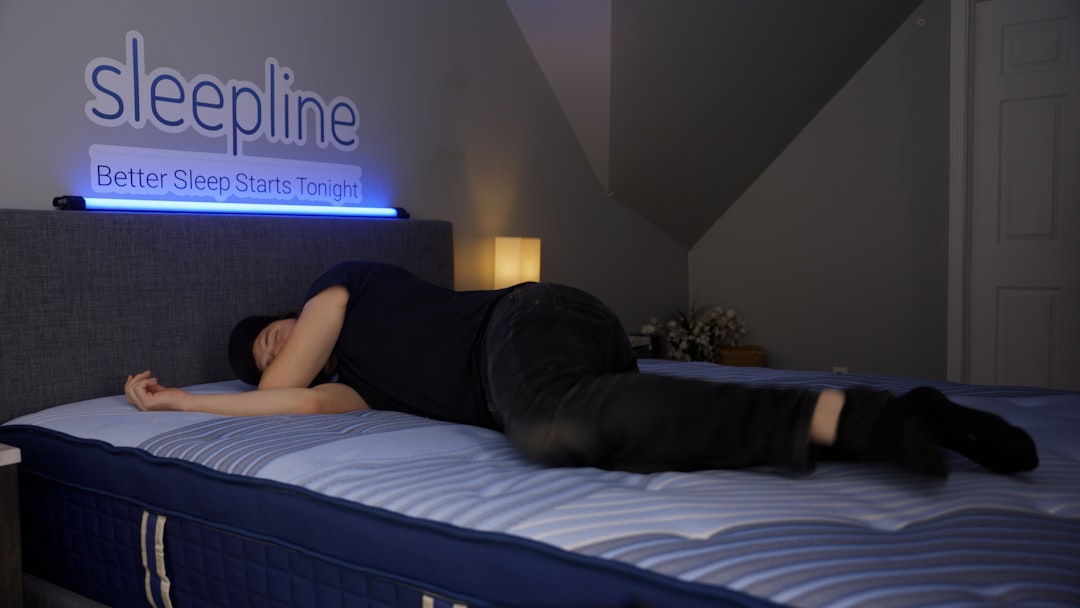
" width="100%" height="480">Aerated latex mattress density: impact on comfort and coolingA mattress can feel like a different product entirely after you've spent a few nights on it. That's why the only way to be sure about something as personal as firmness and cooling is to put your own body weight on it in the exact position you sleep in every night. Ten minutes in a showroom might seem like a long time, but it’s the bare minimum to feel how the support settles under your shoulders and hips—whether it’s going to cradle you or leave you fighting for a comfortable spot.
It’s a straightforward test. Go to a showroom, find a quiet corner, and commit to the ten-minute rule. Don’t just sit on the edge; actually lie down in your typical sleep pose. Roll onto your side if that’s how you sleep, and pay attention to how your spine aligns. Feel if any pressure points build up around your joints. More importantly, notice if your back starts to feel warm after a few minutes, or if the mattress stays consistently neutral. That’s the real data you’re after.
Online specs can tell you about density and material composition, but they can’t communicate the subtle airflow of an aerated latex core. You need to lie there and feel it for yourself. The thousands of tiny pinholes are engineered to draw heat away, and that sensation of a continuous, gentle breath across the surface is something you only appreciate in person. Pair that with a Tencel protector, and the cooling effect becomes a tangible thing, a noticeable difference from the still, trapped heat of a conventional foam.
The one time you might skip this visit is if you’re buying an exact replacement for a mattress you already love and know well—same model, same brand. For anything new, especially a cooling mattress that’s a significant investment for our climate, the trip is non-negotiable. You’re not just looking at a product; you’re auditioning it for a role in your nightly comfort for the next decade. A spec sheet won’t tell you if it’s right for you, but your own body on the showroom floor definitely will.
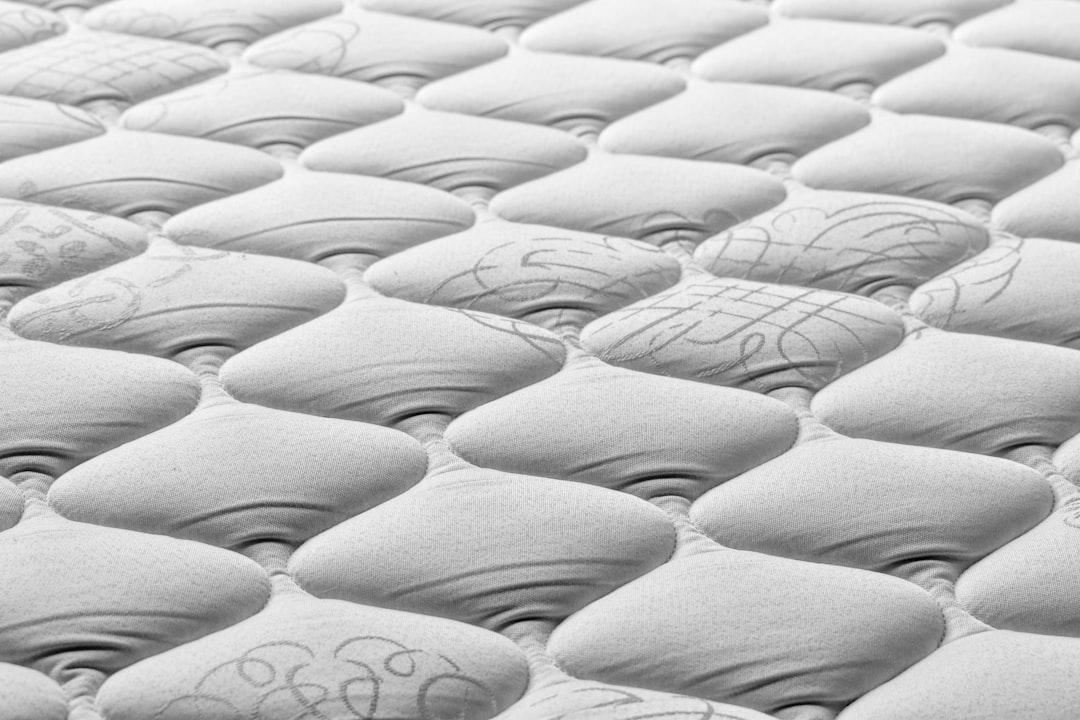

Walk into a showroom and ask about a cooling mattress, and nine times out of ten the salesperson will launch straight into the talc-free processing story. It’s become a buzzword, a comforting promise of purity and breathability. But for the actual physics of heat dissipation in our climate, that’s often secondary theatre. The main event is happening inside the latex core, and you need to see it to believe it.
Ask to look at a cut sample. Don’t just glance at the surface; examine the cross-section. What you’re hunting for are the pinholes—their diameter, their depth, and how evenly they’re distributed throughout the core. A dense forest of deep channels, running all the way through, is what moves air. Shallow, sparse holes are mostly for show. Think of it like an HDB bathroom exhaust fan versus a tiny desk fan; one actually moves the humid air out, the other just stirs it around a bit.
Now, talc-free processing does matter, but mostly for a specific group. If you’ve got sensitivities or respiratory concerns, avoiding that powder is a sensible health choice. For pure cooling performance, however, a well-ventilated talc-treated core will often sleep cooler than a talc-free slab with mediocre airflow. The talc debate can distract from the engineering that actually keeps you from sweating through your sheets at 3 a.m. The exception here is straightforward: if you’re buying for a child’s room or have known allergies, then talc-free moves up the priority list. For everyone else chasing that cool night’s sleep, channel depth is king.
So, focus your interrogation there. A good sample will clearly show those tunnels, deep and consistent. A poor one will look almost solid, with pinpricks that barely penetrate. That’s the real tell. In a non-air-conditioned room where the ambient air is thick and warm, your body heat needs a clear escape route—and that’s a job for architecture, not marketing.
You'll hear them in the showroom, the quiet mutters between couples as they press a palm into a mattress. The questions aren't academic—they're born from lived nights in a 4-room BTO, from the reality of year-round humidity and the desperate need for a cool spot to land. These are the real things Singaporeans want to know before they commit.
Is aerated latex good for hot flushes menopause? A mattress that sleeps hot is a special kind of misery for anyone, but it’s a deal-breaker for someone riding a thermal rollercoaster. The core idea here is breathability—a mattress that lets the heat escape instead of trapping it around you. Latex, with its open-cell structure, is inherently better at this than traditional memory foam, but the aeration takes it a step further.
Does aerated latex smell in HDB humidity? That new-product smell can be a worry, especially when you’re bringing it into a closed room where the air might not move much. With natural latex, the odour is usually minimal and dissipates quickly, often within a week. The aeration process, which involves poking tiny holes, doesn’t introduce new chemicals; it just helps the material breathe from day one, which can actually help any faint smell clear out faster.
Can 120kg person use low-density latex mattress? For heavier sleepers, the question isn't just about comfort on day one, but about support and longevity over the years. A low-density latex will feel soft initially, but it will compress more over time, leading to a loss of that buoyant support. It’s a recipe for premature sagging and a waste of money. A higher density core is non-negotiable for durability—it provides the resilient push-back needed to maintain proper spinal alignment and prevent that sunken feeling.
Which is cooler: aerated Dunlop or Talalay latex for Singapore? This one gets into the specifics. Both are latex, both can be aerated, but their manufacturing processes create different internal structures. Talalay is often cited as feeling more breathable and buoyant, which contributes to a cooler perceived feel. However, a well-aerated Dunlop latex, designed specifically for our climate, can achieve remarkably similar cooling performance. The difference in feel might be subtle, and often comes down to personal preference for the mattress's overall firmness and bounce.
Aerated latex cooling mattresses use open-cell latex foam perforated with tiny air channels. This structure lets heat and moisture escape, unlike dense memory foam that traps it. The latex core is often paired with a breathable bamboo or Tencel cover for extra ventilation. High-density foam maintains its supportive structure longer, resisting the sagging common in humid climates.
Singapore's 80%+ humidity and constant heat challenge mattress materials. Aerated latex is naturally resistant to mould and mildew, thanks to its ventilated structure. The material doesn't absorb moisture like some foams, so it won't degrade or develop an odour over time. This makes it a durable choice for non-air-conditioned rooms where ventilation is key.
Walk into any showroom and you’ll see folks lying on mattresses for two minutes, rolling over once, and nodding. That’s a recipe for buyer’s remorse, because a mattress that feels fine for a quick test can turn into a nightly torment. To cut through that, you need three pieces of your own data before you even leave the house.
First, know your own weight range. A mattress that’s too soft for a heavier individual will lead to hammocking and poor support, while one that’s too firm for a lighter person will feel like a plank. This isn’t about a number on a scale for vanity, but about matching the mattress’s ILD—its firmness rating—to your frame. Next, your primary sleep position dictates where you need pressure relief. Side sleepers need more give at the shoulders and hips, back sleepers need firmer support along the spine, and stomach sleepers need a firm surface to keep the back aligned. Write these two things down.
The final, often overlooked, piece is your bedroom’s climate. This is Singapore, so it’s critical. Do you blast the aircon every night, or does your room rely on cross-ventilation? That choice directly impacts the density of latex you should be looking at. Higher density latex retains heat more, which is fine in an air-conditioned room but a disaster in a naturally ventilated one where every bit of breathability counts. A lower density, aerated latex will sleep cooler in our humidity, but might not offer the same long-term durability for heavier frames. You’ve got to decide which trade-off you can live with.
Armed with your weight, sleep position, and cooling needs, you can walk into a showroom and tell the staff exactly what ILD and density pairing to let you try. You’ll ignore the marketing fluff and the plush toppers, and go straight to the models engineered for your reality. Skip this step, and you’re just choosing a bed based on a three-minute impression and the colour of the cover—a sure way to end up with a beautiful, expensive mistake.