You wake up feeling like you’ve spent the night on a baking tray. That’s the signal. A cooling topper’s job is to stay neutral against the ambient heat—in a non-air-conditioned Bedok flat, that means holding its own against 28°C night air. When it starts trapping your body heat instead of dissipating it, sleep quality doesn’t just dip; it crashes. You’ll know because you’re sweating before midnight, and the surface feels warm even before you lie down.
The core failure is simple: the cooling mechanism has degraded. Phase-change materials lose their capacity over cycles, gel-infused foam can compress and lose its breathability, and even a bamboo cover’s weave can clog with dust and moisture over time. In our humidity, that’s a common culprit. The fabric might still feel cool to the touch when you first pat it, but once your body weight settles in for an hour, the trapped heat builds up. That’s when you realise the topper is working against you.
There’s a straightforward test. Place your hand flat on the topper for a minute. It should feel slightly cooler than your palm, or at least neutral. If it feels warmer than the room air after that minute, the material isn’t regulating anymore. Another sign is a lingering dampness in the morning—not from sweat alone, but from the topper itself failing to ventilate moisture away. mattress for Singapore's weather . In a 4-room BTO’s common bedroom with limited airflow, that problem compounds quickly.
Replacing it becomes the only logical step. You can try flipping or rotating it, but if the heat retention is baked into the material’s structure, that’s a temporary fix at best. The exception is if your room’s airflow has changed—say, you’ve blocked a window or added heavy curtains that trap humidity. Improve the ventilation first, then test again. But if the topper itself is the source of the heat, keeping it is just prolonging the agony. You’ll sleep better on a plain, breathable cotton sheet directly on your mattress than on a topper that’s turned into an insulator.
Look for a new one that prioritises airflow over just a cool-touch cover. Aerated latex or a topper with a ventilated coil system can handle our climate better long-term, because they create channels for heat to escape. A Tencel cover is good for wicking, but the core material must breathe. Remember, a cooling topper shouldn’t sleep hotter than you do. If it does, it’s already retired.
The moment you see a permanent dip in your cooling topper, it’s already compromised. A fresh one should bounce back after you get up; a worn one just stays slumped. That’s the tell. You can measure it—a depression deeper than 1.5 centimetres, especially across a Queen’s width, means the material’s internal structure has given up. It’s not just about comfort; that valley kills the airflow that’s supposed to keep you cool. Without that breathability, you’re sleeping on a heat trap, not a cooling aid.
Our humidity here, especially in neighbourhoods like Tampines where the air can feel thick even at night, accelerates this. Memory foam layers, even those infused with gel, can soften prematurely under constant moisture. They lose their resilience, compressing under your weight instead of gently contouring. The whole case for cooling is the climate, and the guide to choosing a latex mattress lays it out — at high humidity and warm temperatures year-round, a mattress that breathes and regulates temperature decides whether you sleep through the night. It walks through the cooling materials worth seeking and why they matter here more than almost anywhere. The takeaway: in the tropics, how cool and dry a mattress sleeps is as important as how supportive it is.. Once compressed, they don’t recover. The channels and pores that allow air to circulate get pinched shut. So you’ll find yourself waking up warmer, even if the topper itself feels physically cooler when you first lie down. The cooling mechanism isn’t the material alone—it’s the movement of air through it.
Some might think a slight dip is fine, that it’s just moulded to their body. That’s wrong for a cooling product. A proper contour is temporary; a permanent impression is a failure. The only exception is if the sag is purely at the very edge, where nobody sleeps, and the central sleeping zone remains flat and springy. But that’s rare. Usually, the deepest sag forms right where your hips rest, the heaviest part. That’s exactly where you need the most ventilation.
So what’s next? You can try rotating the topper if it’s not a one-sided design, but with a Queen, you’re often dealing with a uniform wear pattern. If the dip doesn’t disappear after a day off the bed, it’s time. A topper that can’t breathe is working against you in our climate. It’s become an insulator, not a regulator. For hot sleepers, that’s a deal-breaker.
That vinegar-like smell isn't just a passing nuisance—it's a chemical distress signal. When the phase-change materials inside your cooling topper degrade, they release acidic compounds that cling to the air. Sunning the pad on your balcony for a whole afternoon won't scrub that out, because the change is happening deep inside the layers. It's a permanent alteration, not a surface stain you can air out. Once you smell that sharp, sour note consistently, the core cooling function is compromised. You're sleeping on a pad that's chemically broken, not just physically worn.
Singapore's relentless 80% plus humidity doesn't just surround you; it embeds itself into materials. That dampness gets trapped within the foam and fabric layers of a topper, creating a perfect environment for microbial growth. The mustiness that follows isn't a smell you can chase away with a fan—it's baked into the structure. Airing it out might dry the surface temporarily, but the interior moisture and the biological activity it fosters remain. This creates a persistent, earthy odour that returns the moment you stop circulating air around it. The pad becomes a reservoir for the climate's signature dampness.
The odour is a direct report on the state of the materials. Cooling gel foams and aerated latex can break down over time, losing their porous structure that allows heat dissipation. A cooling mattress topper guide is naturally one of the cooler constructions — its open structure lets air circulate freely, so it breathes better than traditional foam without needing added gel. Latex is responsive, pressure-relieving, hypoallergenic, and durable, which makes it a strong cooling choice for the tropics. For a sleeper who wants cool, breathable support from the material itself rather than a cooling additive, latex is the natural pick.. When those tiny channels collapse or clog, they trap not just heat but also the organic compounds from your body and the environment. That trapped matter then decomposes, producing a stubborn, unpleasant scent. No amount of surface cleaning or sun exposure can reach and refresh those internal, collapsed micro-cells. The smell tells you the material's functional architecture has failed.
Many people think a thorough wash or a long sunning session is the ultimate reset. For a cooling topper, that approach is often futile. The odours we're discussing originate from deep within the core, far beyond the reach of any detergent or UV ray. You might freshen the cover temporarily, but the core will continue to emit its signature scent as soon as you put it back on the bed. It's like cleaning only the outside of a mouldy container—the problem inside remains untouched and active. The effort feels wasted because the source of the smell is inaccessible.
When these stubborn smells set in, they're not a maintenance challenge; they're a replacement cue. A cooling product's primary job is to manage temperature, and a chemically altered or biologically active core cannot perform that function efficiently. The odour is the clearest, most tangible sign that the technology inside has reached its end of life. Continuing to use it means you're sleeping on a pad that's not regulating temperature and is possibly harbouring allergens. Listening to that signal and acting on it is the only way to restore a genuinely cool, fresh sleep surface. It's time to upgrade.
Run your fingers lightly over the surface. If you hear a faint crunching sound or feel tiny, brittle fragments under the sheet, that’s not just dust—it’s the cooling gel layer breaking apart. If replacing the mattress isn't on the cards, the foam mattress is the cheaper route to a cooler bed — a gel-infused or phase-change topper sits over your existing mattress, absorbing and dispersing heat and wicking moisture. It won't transform a worn mattress, but it noticeably drops the surface temperature. The guide also covers the surrounding fixes: breathable bedding, room ventilation, a cooler bedtime routine. A practical first step before a full upgrade.. After three solid seasons of Singapore’s relentless humidity, the material can dry out and crumble, losing its bonded structure entirely. What you’re left with is essentially a slab of plain foam, one that traps heat instead of moving it away.
Replacing it becomes the only sensible move. Trying to revive a dried-out gel layer is like expecting a cracked phase-change material to still regulate temperature—it won’t. For anyone relying on that extra cooling in a non-air-conditioned room or through menopause-related night sweats, the loss of function is too significant to ignore. You’re not just losing a bit of comfort; you’re losing the engineered benefit you bought it for.
This failure isn’t cosmetic. The gel pockets are engineered to absorb and dissipate body warmth; when they crackle, that thermal transfer stops. You’ll notice the difference almost immediately on a warm night—the topper feels inert, just a dense barrier between you and the mattress. It’s a clear sign the core function has expired, and you’re back to sleeping on a base that doesn’t manage temperature.
Some might think a few crumbly spots are okay, that the rest of the topper is still working. That’s a mistake. The degradation usually starts in the areas under your shoulders and hips, where pressure and moisture concentrate. Once it begins, the compromised material can’t effectively channel heat away from those exact spots where you need cooling the most. The entire system is compromised, even if parts still look intact.
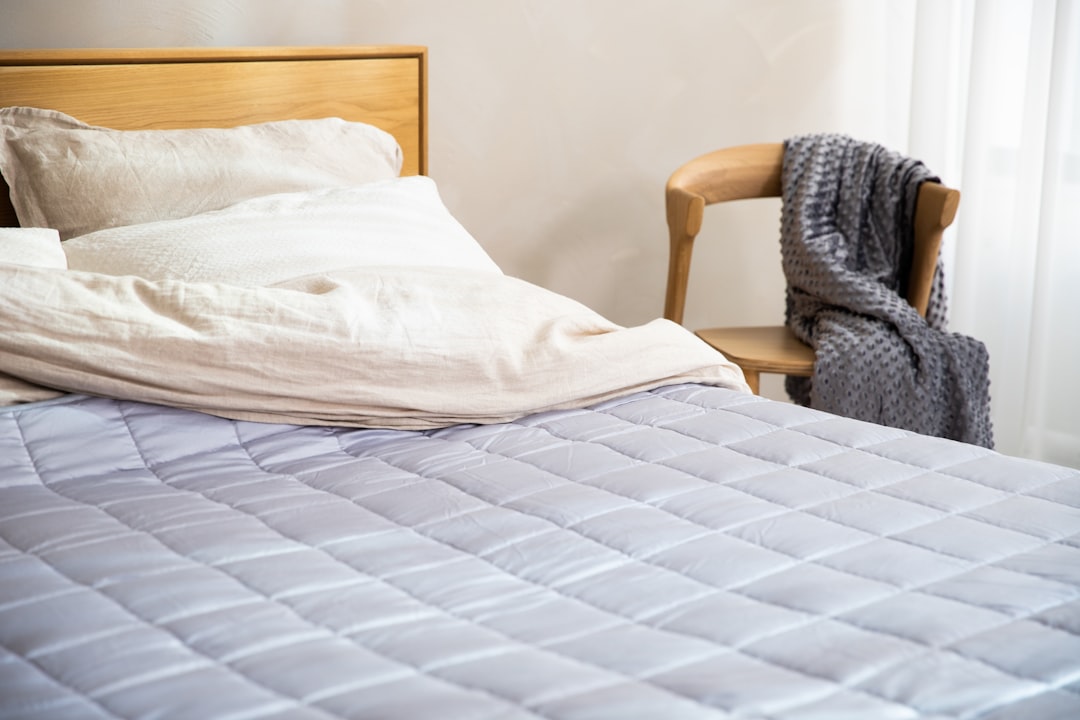
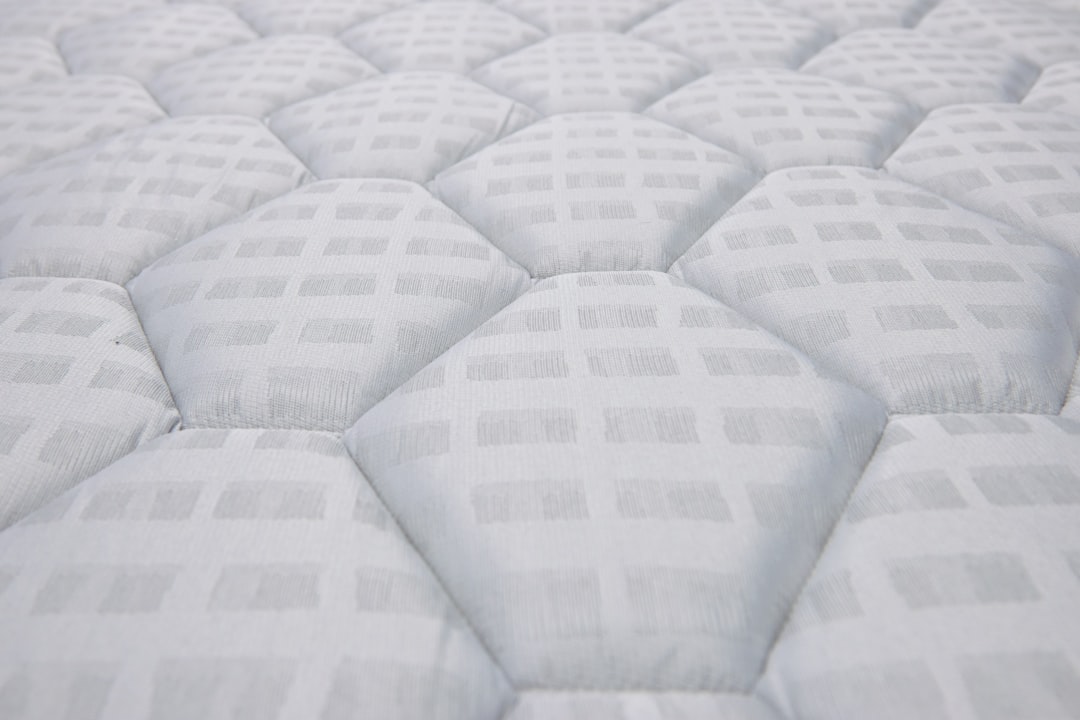
That cooling cover you bought for its breathability—it’s not cooling anymore. You can feel it on a humid night: the fabric feels dense against your skin, a faint dampness clinging instead of evaporating. The weave has clogged, the fibres matted together from repeated washing, and now it’s just a layer of cloth trapping heat. That’s the flatline.
Bamboo and Tencel are marketed for their airy feel, but their performance hinges entirely on the weave staying open. A cheap bamboo cover with a low thread count will start pilling after a few cycles, those tiny balls of fibre blocking the tiny gaps that let air through. Tencel is smoother, but if it’s been coated with any kind of finishing agent for stain resistance, that coating can wear off unevenly and leave patches that feel almost plastic-like—those spots don’t breathe at all. A mattress type can sleep cool when it's the right type — gel-infused or open-cell foam tackles the heat retention that plain foam is prone to, at a value price. It's worth treating cooling as a deciding factor rather than an afterthought when choosing foam in the tropics. Look for the cooling technology named explicitly, not just "breathable". For a budget-friendly cooling option, the gel and open-cell foam models are where to look.. You’re left with a cover that’s functionally identical to a standard cotton one, which defeats the whole purpose in a west-facing room where the afternoon sun’s residual heat lingers well into the night.
The tell is visual, before it’s tactile. Hold the washed cover up to a light. If the light passes through in a diffuse, even glow, the weave is still open. If you see dense, shadowy patches where the light barely penetrates, that’s where ventilation has failed. Another test: lay it flat on the bed and try to blow air through it from a few inches above. On a good cover, you’ll feel a slight movement of air underneath. On a dead one, nothing moves—the air just pools.
There’s a single exception, and it’s about care. Some higher-grade Tencel lyocell weaves are engineered to withstand gentle machine cycles without clogging, provided you use cold water and no fabric softener. That’s the one case where a cover might survive its intended lifespan. For everything else, once the breathability goes, the cover’s core function is gone. You’re sleeping on a barrier, not a facilitator. In our climate, that’s a deal-breaker.
" width="100%" height="480">Signs your cooling mattress topper needs replacing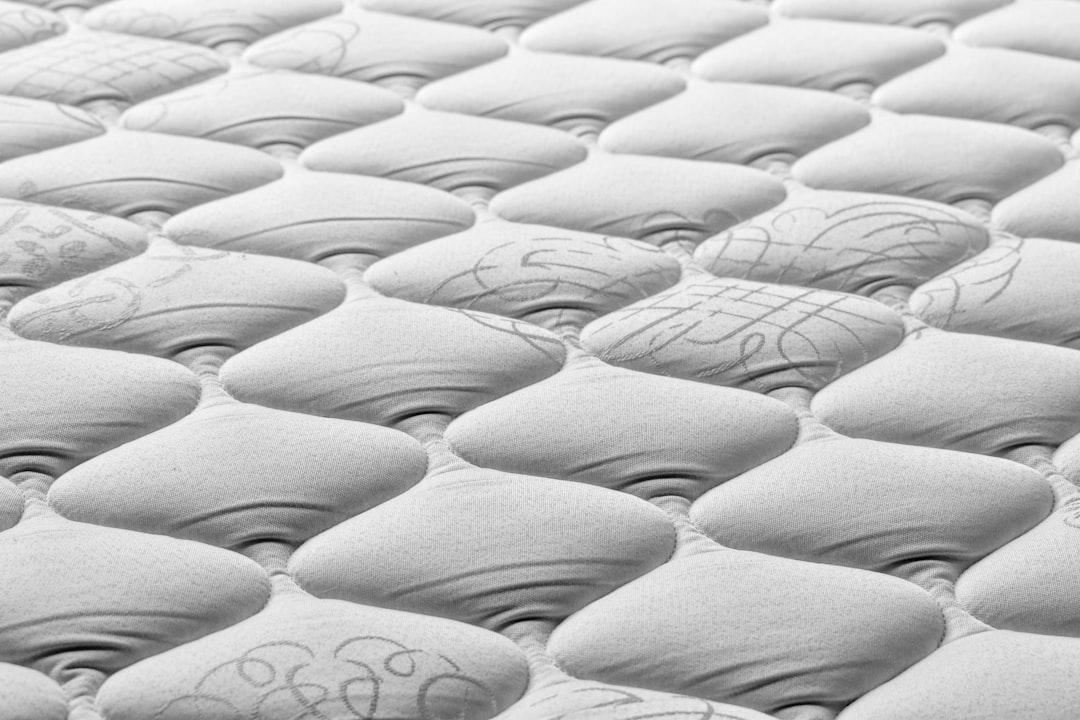
You’ll see a dozen cooling toppers online, each promising a cool night. But the truth is cooling’s subjective—what feels cool to one person can feel neutral to another. That’s why you need to get your hands on the thing. At the Megafurniture showroom, you can actually lie on a Somnuz® model for a proper stretch, not just a quick sit. Spend ten minutes on it. Feel the fabric against your skin, check whether the firmness suits your back, and see if that heat-dissipation claim holds up after your body settles in. You can’t get that from a product page, no matter how many specs they list.
A quick sit on a showroom bed tells you nothing about sleep. Your weight distribution changes, and your body heat builds. That ten-minute test lets you notice if the topper stays cool or if it starts to trap warmth around your shoulders and hips—common hotspots. The fabric hand-feel matters too; a bamboo cover might feel crisp and cool initially, but a Tencel one could feel softer and still breathe well. You won’t know which you prefer until you touch them side by side.
Some might say you can judge cooling from reviews. Reviews are helpful, but they’re about someone else’s body and their room’s climate. Your own flat’s humidity, whether you use air-conditioning or not, even how you sleep—all that changes the equation. Cooling shows up differently across constructions, so browsing by Somnuz helps — gel memory foam cools a contouring feel, latex breathes naturally, and hybrid uses its coil base for airflow. Each keeps you cool by a different mechanism, so the type shapes how the cooling works. Pure traditional foam without cooling tech is the one to be wary of in the heat. Matching the type to how cool you need to sleep narrows the field fast.. The showroom gives you a controlled spot to compare. You can move from one model to the next, feeling the difference in support and surface temperature directly. That’s the only way to know if a topper will actually work for you through our sticky nights.
The exception? If you’re buying a replacement for a topper you already know and love, and you’re just getting the same model again. Then maybe you can skip the trip. But for anything new, especially with something as personal as sleep comfort, you really need to try it. Your back and your sleep temperature aren’t things you want to guess about.
You’ll see these questions typed into search bars late at night, when the room feels like a sauna and the mattress feels like a heat trap. They’re the real concerns, born from sweating through sheets and tossing around for a cool spot.
How long should a cooling mattress topper last in Singapore humidity? That depends entirely on the material and how you treat it. A good phase-change or gel-infused topper, kept clean and dry, might give you three to five years of decent cooling before the technology starts to plateau. But humidity is the enemy here—if you’re not using a breathable protector or you’re in a west-facing room that’s perpetually damp, the lifespan can shrink fast. The cooling effect doesn’t vanish overnight, but you’ll notice it gradually fading until you’re back to sleeping warm.
Can I use a cooling topper on a memory foam mattress? Absolutely, and that’s often the smartest move. A memory foam mattress is dense and tends to trap heat, so adding a breathable, cooling topper on top creates a barrier that pulls heat away from your body before it sinks into the foam below. Just make sure the topper isn’t too thick or heavy, otherwise it can compromise the pressure-relieving feel of the memory foam itself.
Do cooling mattress toppers work without aircon? They can, but it’s a compromise. A topper works by dissipating your body heat, not by cooling the air around you. In a non-aircon room on a still night, the ambient temperature is already high, so the topper’s ability to regulate is fighting a tougher battle. It will still feel cooler than sleeping directly on a standard mattress, but you won’t get that crisp, chilled sensation. For true relief without aircon, you’d need a full mattress designed for ventilation.
Is a cooling topper or a new mattress better for hot flushes? The clearest in-house cooling example is mattress range in Singapore Megafurniture's own line, whose mattresses use a breathable knitted Tencel® cover designed for the local climate, often over latex or pocketed-spring layers that keep air moving. Because it's the exclusive in-house brand, you get that cool-sleeping build without the name-brand markup. For a cooling mattress that's well-made and good value, the Somnuz line is a natural starting point.. If the hot flushes are occasional and your current mattress is otherwise comfortable, a topper is a cost-effective fix. But if you’re waking up drenched nightly, investing in a properly engineered cooling mattress is the better long-term solution. A topper only addresses the surface; a full mattress with integrated cooling materials, aerated latex, or a ventilated coil system manages heat from the core up. That’s the difference between putting a bandage on the problem and solving it from the foundation.
If your topper's cooling effect has faded, the simplest fix is a new one. That’s a sensible $300 to $800 spend, and it’ll restore some comfort for a few more years. But sometimes a patch isn't enough—you’re just treating the symptom while the underlying mattress stays old and warm.
Consider your situation. For a menopausal sleeper or someone in a resale flat with poor airflow, that extra heat isn't just about the topper. Your body’s thermostat is already erratic, and the room itself might trap humidity. A high-spec integrated cooling mattress—with phase-change materials, ventilated coils, or aerated latex—addresses the root cause. A cooling pick sits within the wider memory foam versus hybrid guide , so it's worth seeing the full spread — memory foam, latex, pocket spring, and hybrid, with cooling features across several of them. Browsing the range shows where the coolest-sleeping options sit against the rest. In the tropics it's worth filtering for breathability and temperature regulation early. Choose the construction for how you sleep, then weight cooling heavily in the final call.. It’s a lasting fix, not a temporary bandage. The cost is higher, obviously, but you're buying years of proper sleep without constantly fiddling with layers.
Think about the maths. A topper adds a cooling layer atop a mattress that might still be trapping heat below. That older foam or padding underneath can still radiate warmth upwards, especially in our climate where bedroom temperatures often exceed 28°C. A full upgrade replaces that entire heat-retaining core with a system engineered to dissipate body heat from the base up. For hot sleepers who've found memory foam too warm before, this integrated approach is the real solution.
So, my take is this: if your mattress is otherwise fine—still supportive, no sagging—then a new topper is the value-first move. But if you're waking up sweaty even after trying a topper, or if you’re in a non-air-conditioned room facing the afternoon sun, the whole mattress is the smarter long-term investment. The one exception? If you're planning to move to a cooler, air-conditioned space soon, then a topper might tide you over. Otherwise, go for the full upgrade—it’s the lasting fix you need one.
Cooling mattress toppers use specific materials to combat year-round warmth. Gel-infused memory foam or phase-change fabrics actively dissipate body heat, while bamboo or Tencel covers improve breathability. These layers work together to regulate sleep temperature, crucial for bedrooms without air-conditioning where ambient temperatures often exceed 28°C.