You walk into a showroom, lie on a mattress labelled 'cooling', and it feels noticeably less warm than your old one. That's the trap. You think you've solved the problem, that this slab of foam or latex will keep you chill through a Singapore night without any help. But a mattress isn't an air-conditioner; it's a passive layer between you and the room. If the room itself is a 28-degree humid box, the mattress can only do so much. It'll manage your body heat better, sure, but it can't magic away the ambient sweatiness. Expecting it to perform like a climate-control system is the classic first error.
The physics is straightforward. A cooling mattress works by dissipating the heat you generate. Gel infusions, breathable covers, aerated latex cores—they all pull warmth away from your skin and let it escape. But they need somewhere to send that heat. Into a hot, stagnant room? There's nowhere for it to go. The process stalls. You'll still feel the residual warmth, and more critically, you'll still feel the dampness. In our climate, humidity is the real enemy, not just temperature. A mattress can't dehumidify; it can only try not to trap the moisture you're already sweating out.
So the rule is simple: a cooling mattress is an ally, not a replacement. It's meant to work alongside a fan, a dehumidifier, or ideally, an air-con unit. In a non-air-conditioned bedroom, pairing it with a decent fan that circulates air over the surface makes a tangible difference. The moving air helps the mattress do its job, carrying away the heat it's trying to shed. Without that airflow, you're just lying on a slightly more breathable island in a sea of warm humidity.
There's only one scenario where you might get away without extra help: if your bedroom is exceptionally well-ventilated, with cross-flow from windows that actually catches a breeze, and you're a naturally cool sleeper. But for most of us in typical HDB layouts—where windows might face a sheltered corridor or the evening air is still heavy—that's wishful thinking. Don't set yourself up for disappointment. Buy the mattress for its improved heat management, but budget for the fan or dehumidifier that'll let it actually work.
Aerated latex cooling mattresses resist mould growth better than traditional foam in our 80%+ humidity. The natural ventilation channels prevent moisture from pooling inside the core. This makes them a durable choice for non-air-conditioned rooms or sleepers prone to night sweats. Proper maintenance still involves regular airing and a moisture-wicking protector.
That damp patch you notice around month six—it’s not a manufacturing fault. It’s a predictable outcome. Every night, a hot sleeper releases moisture, and in a non-air-conditioned room hovering around 28°C, that moisture doesn’t just evaporate away. It gets absorbed, layer by layer, into the mattress core. Without a breathable base to let air circulate underneath, the humidity gets trapped. The latex itself doesn’t create the problem, but it becomes the perfect, warm host.
Think about the mechanics. Your body heat warms the sleeping surface, and perspiration—even the light, nightly kind—adds liquid to the equation. A typical Queen mattress is a sizable 152 by 190cm block; that’s a lot of material to hold moisture. If the mattress sits directly on a solid platform or a non-ventilated base, there’s nowhere for that dampness to go. The air stays still, the humidity climbs, and by the half-year mark, the conditions for growth are already set. It’s a slow build-up, one you won’t feel night-to-night, but the result is visible later.
The exception here is genuine, but narrow. If your bedroom gets aggressive cross-ventilation from multiple windows, or you run a dehumidifier nightly, you might interrupt this cycle. For most flats, especially those common bedrooms facing an internal corridor, that constant airflow simply isn’t there. The moisture accumulates, quietly, until the environment inside the mattress shifts from simply damp to actively promoting mould. That’s the cascade—from nightly sweat to a compromised core.
So the takeaway isn’t to avoid latex, which is a fantastic, cool material. It’s to never pair it with a sealed base. You need that air gap, that channel for movement underneath, to break the cycle. A bed frame with proper slats or a ventilated foundation isn’t just about support; it’s your primary defence against this six-month deadline. Without it, you’re essentially cooking the problem into the mattress, one sleep at a time.
A plastic protector lays a vapour-barrier over your mattress, sealing it off from the air. That's the whole problem in a humid climate. Your body releases moisture every night, and the mattress itself needs to breathe out that dampness. With a plastic sheet, all that moisture gets trapped right underneath, against the latex core. It can't escape upwards through the impermeable layer, and it can't dissipate sideways either. You're basically creating a little swamp zone between your body and the bed.
That trapped moisture, combined with our ambient 80% humidity, becomes a perfect breeding ground. Mould spores are everywhere in our environment, waiting for the right conditions. A warm, damp, enclosed space gives them everything they need to thrive. They'll start growing on the mattress surface, often in patches you won't see until you lift the protector. It's not just unsightly; it can trigger allergies and degrade the mattress materials over time. The mould problem isn't a maybe—it's a certainty with that setup.
Aerated latex is designed with open cells and channels to allow air flow, which is its primary cooling mechanism. The plastic sheet completely defeats that engineering. You're blocking the very feature you paid for. The mattress can't regulate temperature properly because the heat and moisture can't dissipate. Instead, you sleep on a warm, clammy surface that feels anything but cool. It's a classic case of a good intention—protecting from spills—undoing a fundamental design purpose.
The damage happens slowly, invisibly, beneath the sheet. You might not notice anything for months. By the time you lift the protector for a clean, you could find discoloured patches or a faint musty smell. The latex core, which should remain dry and resilient, starts to degrade in that persistently damp environment. This isn't surface staining you can wipe off; it's material breakdown. Replacing a premium cooling mattress because of hidden mould is a costly lesson.
You still need a protector, but the material choice is critical. A breathable, waterproof fabric—like a tightly woven bamboo or Tencel cover with a moisture-wicking backing—is the solution. It lets vapour pass through while blocking liquid spills from reaching the mattress. Look for labels specifying "breathable" and "waterproof," not just "waterproof." These are available and designed for exactly our climate. That way, you get the spill protection without creating the sealed humid microenvironment that ruins the mattress from underneath.
That west-facing bedroom glow is lovely for Instagram, but come five o'clock, it's a heat trap. The afternoon sun pours in, warming everything from the walls to the mattress, and a hot sleeper's night becomes a restless battle against trapped warmth. You might think a cooling mattress alone is the answer, but if it's sitting on a solid platform base, you're missing half the solution. The heat gets trapped underneath, with nowhere to escape.
A solid base, whether it's a flat platform or a boxed storage bed with a sealed top, acts like a lid. It holds the heat close to the mattress surface all night. A slatted frame turns the whole bed into a ventilated system. The air moves through the mattress core and out through the gaps below, which is crucial when the room itself hasn't fully cooled down by bedtime. For materials, look for a frame with untreated or lightly finished wood slats; a thick layer of varnish or paint can actually reduce the wood's natural breathability.
The real fix pairs a breathable mattress with a breathable foundation. A mattress pad made from natural, air-friendly materials like cotton or Tencel helps, but it's the base that completes the picture. A slatted base, with gaps between the wooden rails, allows air to circulate freely underneath the bed. This isn't just about letting the mattress breathe; it's about creating a channel for the accumulated warmth from the afternoon sun to finally dissipate. In a resale flat where the evening sun lingers, that trapped heat needs a way out.
There's one case where I'd skip the slats: if you're absolutely committed to a specific storage bed design for a cramped 4-room flat. The convenience of under-bed drawers can outweigh the thermal benefit. But even then, opt for a model with ventilation channels cut into the solid top panel. It's a compromise, but better than a completely sealed box. For most west-facing rooms, the rule is simple: let the air flow. A breathable top and a vented bottom work together to counter that stubborn evening heat, turning a sun-baked chamber into a place you can actually sleep.
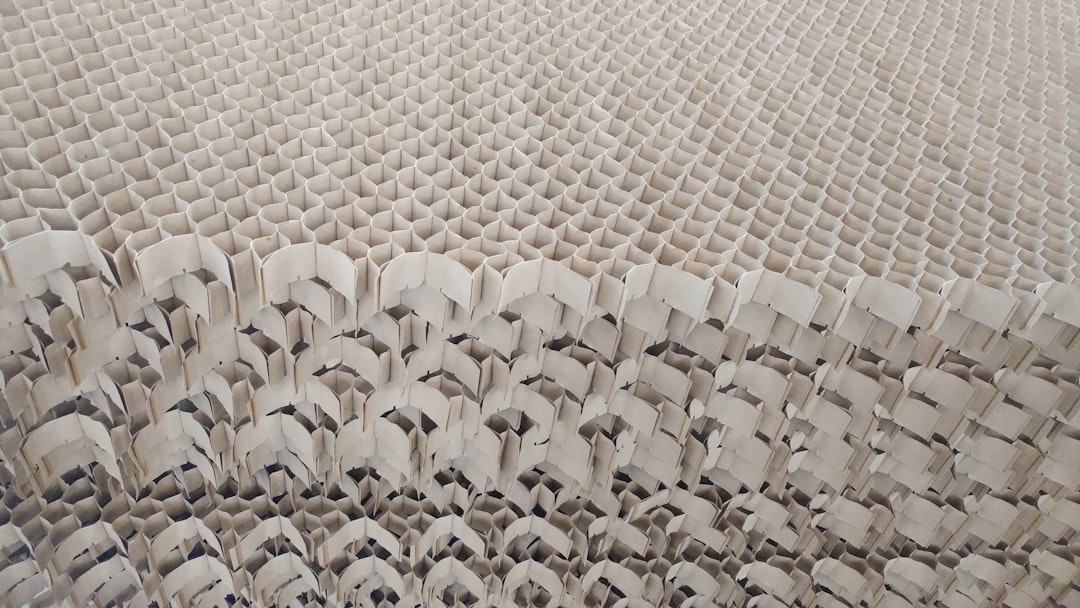
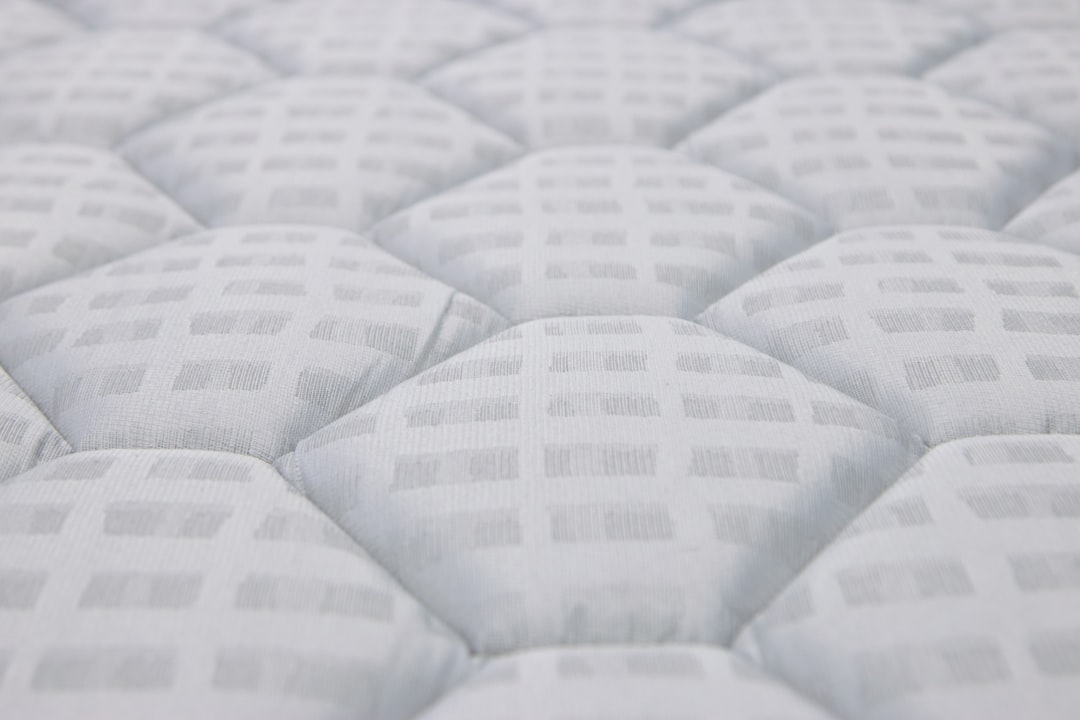

Singapore’s humidity doesn’t sneak up on you—it announces itself with a sticky heaviness that settles into every corner of the flat. For a cooling mattress, especially one built with aerated channels to breathe, that moisture is the enemy. You’ve bought it to stay dry and cool, but if you let the damp season arrive before you’ve done a proper clean, you’re basically inviting mould to set up camp inside those very air pockets. The timing isn’t vague; it’s a calendar event.
Think of the deep clean as your pre-humidity defence. You want it done and dried out well before the air gets that persistent wetness, which usually starts building up around late February. Aim for January, after the year-end holidays but before the Chinese New Year rush. That window gives you a clear weekend to tackle it, and the mattress has time to fully air out in drier conditions. Missing this slot means you’re fighting moisture while trying to clean—a losing battle.
The process itself is straightforward but specific. Spot clean any visible ventilation holes or surface grids with a mild detergent, nothing harsh. The key step, though, happens after cleaning. In a compact common bedroom—say a 10 sqm space—you need to maximise airflow. Open the windows wide during the daytime for a full day, maybe two. Let the mattress sit bare, no sheets or protector, so every aerated layer gets a proper dry-out. Nighttime humidity is higher, so close the windows then. This isn’t just about the surface; it’s about letting the interior latex core shed any residual dampness.
Some might say a biannual clean is overkill, especially if the room looks tidy. But for an aerated mattress, it’s the interior structure that matters. Dust and microscopic debris can settle in those channels over six months, creating a base for moisture to cling to later. Doing it twice a year—once before the humid peak, and once after the monsoon period around September—keeps those breathing pathways clear. The only time I’d skip the pre-humidity clean is if you’re running a dehumidifier in that room daily, but even then, a quick airing-out is wise.
Neglect this schedule, and you’ll notice the mattress doesn’t feel as cool come April. It’s not the materials failing; it’s the maintenance lagging. That regulated sleep temperature you bought it for depends on free airflow, which a clogged, damp channel simply cannot provide. So mark the calendar, get the mild detergent ready, and open those windows. It’s a small ritual that keeps the mattress doing its job properly.
You can’t tell if a mattress is truly cool just by looking at a label or reading a spec sheet. The difference is tactile, and that’s why a trip to the showroom isn’t a luxury—it’s a necessity for anyone serious about beating the heat. At Megafurniture’s Joo Seng location, you’ll find their Somnuz aerated latex models laid out for exactly this kind of hands-on investigation. The key move is to press your palms firmly into the surface and feel for the open structure beneath. A genuine cooling latex shouldn’t just feel firm; it should have a noticeable spring-back and a distinct lack of that dense, heat-trapping resistance you get from ordinary foam.
There’s a particular sensation you’re after. When you push down, you should sense the aeration channels working—a slight give that isn’t soft, but breathable. It’s the opposite of memory foam, which absorbs pressure and holds warmth. This open-cell design is what lets air circulate, pulling heat away from your body. If you just lie on it, you’re only testing comfort. You need to apply pressure to assess its thermal character. That’s the non-obvious point: firmness here isn’t about support alone, it’s directly linked to heat dissipation. A mattress that’s too soft and compact will cradle your body but also cradle the heat.
So, make the trip. A Queen-size Somnuz in a 4-room BTO master bedroom is a common scenario, and you need to know how it feels under your own weight. Online reviews can’t convey that. You’ll spend years sleeping on it, often in a room where the ambient temperature never drops below 28 degrees. A few minutes of pressing and lying down in the showroom can save you from a purchase that leaves you sweating night after night. The exception? If you’re absolutely certain about your preferred firmness level from a previous mattress and you’re simply reordering the same model, then maybe you can skip it. But for anyone new to aerated latex, or anyone who’s suffered through a memory foam summer, skipping the test is a gamble.
Focus your visit on that physical interrogation. Don’t get distracted by the other ranges or the sales talk. Go straight to the latex section, use your hands, and feel the difference the aeration promises. It’s the one real way to confirm the cooling property before you commit. That confirmation is worth the trip to Joo Seng lah.
Aerated latex mattresses are designed for breathability, but they’re still a natural material. In a non-air-conditioned room, the risk isn't heat—it's moisture. Humidity around 80% plus poor air circulation creates the perfect environment for mould to take hold, especially if the mattress sits directly on a solid platform base. That's the real issue.
Can you use one without aircon? Absolutely, but you’ve got to be strategic. The mattress itself can handle it, provided you give it airflow. A solid base traps humidity underneath, turning that space into a damp pocket. Instead, opt for a slatted base—the gaps let air move freely. Even a simple metal bed frame with open rails works better than a flat platform. In a typical 3.5 by 3 metre HDB master bedroom, positioning the bed away from walls helps too.
Drying a mattress in our climate is tricky. You can't just haul a Queen-sized latex block outside during a monsoon. Instead, focus on prevention. After a particularly humid day, open windows to let the room air out. If the mattress feels damp, a fan directed across the surface for a few hours can help evaporate moisture. Never try to dry it with direct heat; that can damage the latex core.
The best base for ventilation is one with substantial gaps between the slats. Many local frames have slats too close together—look for ones spaced about five centimetres apart. Some even use a flexible, woven mesh design that promotes even more airflow. Combined with regular room ventilation, that setup usually keeps things dry enough. The only time I'd hesitate is if the room is permanently sealed, like a windowless converted store room. In that scenario, any mattress is a gamble.
You’ve already decided on the mattress, but the cooling effect won’t work if the air around it can’t move. Take a walk into your bedroom and really look at it. Is the bed wedged against a wall with no gap? Does the window open directly onto a neighbouring block, blocking any breeze? Even the best ventilated latex core needs a path for the warm, humid air to escape—otherwise you’re just trapping heat under the sheets. That’s a common oversight in older flats where the layout feels fixed, but sometimes shifting the bed a foot away from the wall is the simple fix.
Rotating a mattress isn’t just about preventing sagging; for a cooling design, it’s about ensuring the ventilation channels don’t get permanently compressed. If you always sleep on the same side, the aerated zones there will flatten over time. Commit to a schedule—every six months is a good rhythm—and stick to it. It’s a small habit that preserves the mattress’s temperature-regulating structure for years. Forget to rotate, and you’ll find one side of the bed feeling noticeably warmer after a couple of years.
Now, the bed frame. Slatted bases are the obvious partner for a breathable mattress, letting air circulate freely underneath. But in a compact HDB room, a platform frame with a solid base might be the only practical option because it offers built-in storage. That’s the trade-off. If you go with a platform, just make sure there’s at least a slight gap between the mattress and the platform’s surface—some designs have a shallow recess or a perimeter lip that creates a tiny air channel. It’s not ideal, but it’s better than a completely sealed tomb.
The only time I’d skip this whole airflow check is if your bedroom is air-conditioned every night. Then, the ambient temperature is controlled, and the mattress’s cooling job is much simpler. But for most of us sleeping in the natural Singapore climate, these final steps turn a good cooling purchase into a genuinely cool night’s sleep. Don’t leave them until after delivery.