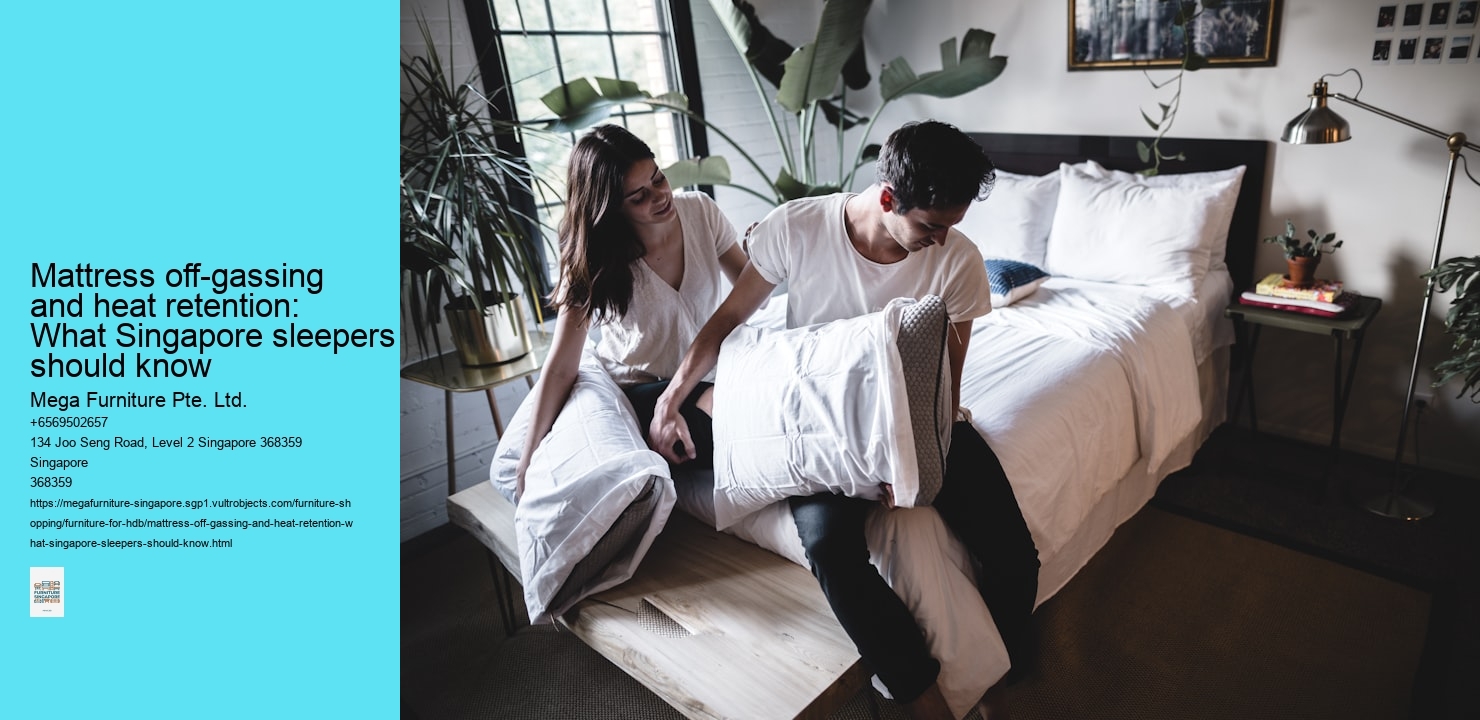
You’re lying there, wide awake at 3am, the mattress beneath you feeling like a slab of warm dough. It’s not just the discomfort—that heat is actively sabotaging your sleep cycle. Your body needs a slight drop in core temperature to slip into deep sleep; a mattress that traps heat keeps you hovering in that restless, shallow zone. Every time you shift to find a cooler spot, you’re breaking the rhythm your brain was trying to build. Over a week, those micro-wakings add up to a proper sleep debt, and you start the day feeling like you never really switched off.
This is especially brutal in a non-air-conditioned HDB bedroom. When the ambient air already sits at 28°C or higher, there’s no relief to draw from. The mattress becomes a heat reservoir, amplifying the problem. You’re not just sleeping in a warm room; you’re sleeping on a warm surface that’s actively reflecting your own body heat back at you. It’s a double-layer effect that turns a humid night into a cascade of interruptions.
Memory foam, beloved for its pressure relief, is a classic culprit here. Its dense structure is fantastic for contouring, but it’s also a superb insulator. In our climate, that’s a trade-off that often doesn’t pay. You might get the support, but you’ll pay for it in fragmented sleep. For sleepers already dealing with night sweats or hot flashes, it’s a recipe for misery—the material seems to hold onto every surge of warmth, releasing it slowly throughout the night.
The fix isn’t about finding a thinner mattress or a lighter blanket. It’s about the mattress’s core ability to dissipate heat. Look for materials engineered to do that job: aerated latex that has a natural breathability, or gel-infused foams that aim to draw heat away. Traditional memory foam is famous for trapping heat, which is exactly why cooling versions exist — a memory foam mattress with gel-infused or open-cell foam dissipates body warmth while keeping the contouring, pressure-relieving feel people love. The gel beads absorb heat and draw it away, and the foam springs back faster so it holds less warmth. For a sleeper who wants the cradled memory-foam feel without the heat, the cooling-gel versions are the ones to compare.. Phase-change fabrics on the cover can offer a temporary cool touch, but the real work happens deeper in the structure—through ventilated coil systems that allow air to move, or through open-cell foam designs. These aren’t just comfort features; they’re sleep-cycle protectors.
Don’t assume a topper or a fancy pillow will solve this. If the foundation is a heat trap, you’re just layering on top of the problem. The mattress itself needs to be the first line of defence. In a climate where the air offers little help, your bed has to do the heavy lifting. Otherwise, you’re just banking more sleep debt, night after night.
A cooling mattress uses specific materials to actively draw heat away from your body. These can include gel-infused memory foams that diffuse warmth, phase-change fabric covers that absorb excess heat, and ventilated latex cores for airflow. In Singapore's 80%+ humidity, these materials also help manage moisture, preventing the muggy, trapped feeling common with standard memory foam.
High humidity can degrade mattress materials if they aren't designed for it. Look for foams with high-density cores that resist softening and covers made from breathable, moisture-wicking fabrics like Tencel. These materials are less prone to mould and mildew, ensuring the mattress's cooling properties and structural integrity last for years in our local climate.
It’s a common scene in a showroom: someone lies on a mattress labelled ‘cooling’, feels a momentary chill, and thinks they’ve found the answer. But that initial sensation won’t last through a humid night. You need to know what’s actually doing the work.
Cooling gel infused into foam is the most advertised feature. It’s basically tiny beads of gel mixed into the foam layers, meant to draw heat away from your body. In a dry, air-conditioned room, it performs reasonably well. In our 80% humidity, though, the gel’s effect can get overwhelmed—the foam underneath still traps heat, and the gel itself doesn’t actively dissipate it once it’s saturated. It’s a helper, not a solution.
Phase-change materials are a smarter approach. These are often woven into the cover fabric, like a Tencel blend with microcapsules that absorb and release heat. They don’t just feel cool on contact; they actually store excess body heat, releasing it later to keep your temperature stable. This is particularly useful for sleepers who experience sudden warmth, as it buffers those spikes. The key is the cover’s quality—a cheap polyester cover with a phase-change label won’t breathe, so the technology gets choked.
Then there’s the structure itself: ventilated pocketed coils and aerated latex. The whole case for cooling is the climate, and the guide to choosing a mattress for Singapore's weather lays it out — at high humidity and warm temperatures year-round, a mattress that breathes and regulates temperature decides whether you sleep through the night. It walks through the cooling materials worth seeking and why they matter here more than almost anywhere. The takeaway: in the tropics, how cool and dry a mattress sleeps is as important as how supportive it is.. These create channels for air to move, which is crucial when the ambient air is already warm. A pocketed coil system allows convection, letting heat rise away from you. Aerated latex has open cells that promote airflow better than traditional memory foam. This structural breathability, combined with a breathable cover, tackles the root cause—stagnant, trapped air.
So, if you’re prioritising a truly cool sleep, the structural options—coils or aerated latex—give you a more reliable foundation. Gel foam can be a nice supplement, but alone it’s not enough. The one exception? If your bedroom is consistently air-conditioned to a low temperature, the gel’s limitations matter less. But for most of us in a typical HDB room, airflow is the thing you can’t compromise on.
Singapore bedrooms, especially in those 4-room BTOs, are often tightly enclosed spaces with limited cross-ventilation. You open the door, maybe a window if there's one, but the air doesn't really circulate freely like in a landed home's layout. That trapped environment becomes a chamber where any new materials releasing chemicals have nowhere to go. The compounds just hang around, mixing with the already humid air, and you're breathing that mix every night. It's a particular concern for families where children or sensitive individuals spend long hours in that common bedroom. So the initial choice of mattress materials isn't just about comfort; it's about the air quality in your most private space.
cooling mattress topper guide .Some of the latest cooling foams, engineered with gels or phase-change materials to combat heat retention, can be more prone to off-gassing in their first weeks. That's the trade-off you might face: a mattress promising a cooler sleep surface might introduce a temporary chemical smell. The advanced synthetics needed for that instant cooling effect sometimes require more volatile components during manufacturing. It's not a universal rule, but it's a pattern worth noting when you're comparing specs in a showroom. You're essentially weighing immediate thermal relief against initial air quality—a decision that feels especially sharp in a non-air-conditioned room.
Look for independent certifications like CertiPUR-US or OEKO-TEX; they're your best defence against this dilemma. These labels mean the foam has been tested for low emissions of specific volatile organic compounds, even if the material is high-tech. They don't guarantee zero smell, but they set a hard limit on what's being released into your sealed bedroom. It's a non-obvious point many buyers miss, focusing only on the cooling claims on the tag. A certified cooling foam manages both priorities: it aims to keep you cool while ensuring the off-gassing period is shorter and less potent. That's a key filter for families prioritising health alongside comfort.
Natural latex, particularly aerated latex, presents a cleaner path through this problem. It's derived from rubber tree sap, processed without the same suite of synthetic chemicals found in many polyurethane foams. The open-cell structure of good latex also promotes breathability, which aids in temperature regulation naturally. While it might not have the instant "cooling gel" sensation, it avoids the pronounced off-gassing phase almost entirely. For hot sleepers in enclosed rooms who are sensitive to smells or concerned about long-term exposure, this material addresses the core issue. It's a substantial, albeit often pricier, solution that sidesteps the trade-off altogether.
Even with a certified or natural mattress, you've got a simple, effective ritual to follow. Unpack the bed in the room, leave the windows open as much as possible for the first week, and let the fan run continuously. That initial ventilation period, though inconvenient in our humid climate, dramatically reduces any lingering odour. Don't seal the mattress in plastic or bed sheets immediately; let the materials breathe and stabilise in the open air of the room. This step is crucial for any new foam, but it's especially wise for those advanced cooling varieties that might have a stronger initial release. It's a bit sian, but it's the final, hands-on layer of protection for your bedroom air.
You know the feeling. That first hour on a memory foam mattress feels like bliss—a gentle cradle that seems to promise deep rest. But by midnight, the cradle starts to feel more like a swamp. Your body heat gets trapped in that dense foam, sinking deeper as you sleep, until you’re lying in a warm pocket of your own trapped warmth. It’s the classic complaint: you wake up at two AM feeling stifled, needing to peel the sheets away.
Some models also integrate phase-change materials into the cover or top layer, which actively absorb and release heat to maintain a neutral temperature. Breathable bamboo or Tencel covers help too, but they’re only addressing the surface; the real battle is inside the mattress core. An aerated latex layer is another good option, as it’s naturally more breathable than traditional foam.
So if you’re drawn to that pressure-relieving hug of memory foam, you can still have it—just not the old, dense version. If replacing the mattress isn't on the cards, the foam mattress is the cheaper route to a cooler bed — a gel-infused or phase-change topper sits over your existing mattress, absorbing and dispersing heat and wicking moisture. It won't transform a worn mattress, but it noticeably drops the surface temperature. The guide also covers the surrounding fixes: breathable bedding, room ventilation, a cooler bedtime routine. A practical first step before a full upgrade.. Focus on those hybrid or open-cell designs. They deliver the contouring comfort without turning your bed into a heat trap by two AM. For anyone who’s suffered through a sweaty night on an older foam mattress, that upgrade is non-negotiable.
This heat retention is a serious flaw in our climate. In a non-air-conditioned bedroom where the ambient temperature already sits above 28°C, adding your own radiant heat to a material that doesn’t breathe is a recipe for misery. For anyone experiencing hot flashes, it’s downright unbearable. The problem is fundamental: traditional memory foam is designed to conform and isolate motion, not to let heat escape.
Manufacturers have responded, though. The newer designs worth looking at incorporate open-cell structures—tiny air channels within the foam itself that allow heat to dissipate instead of pooling. Even better are the hybrid constructions, which pair a thinner layer of that conforming foam with a ventilated coil system below. The coils create an air column, a kind of chimney effect that pulls warmth away from your body. It’s a smarter engineering solution for a tropical sleeper.
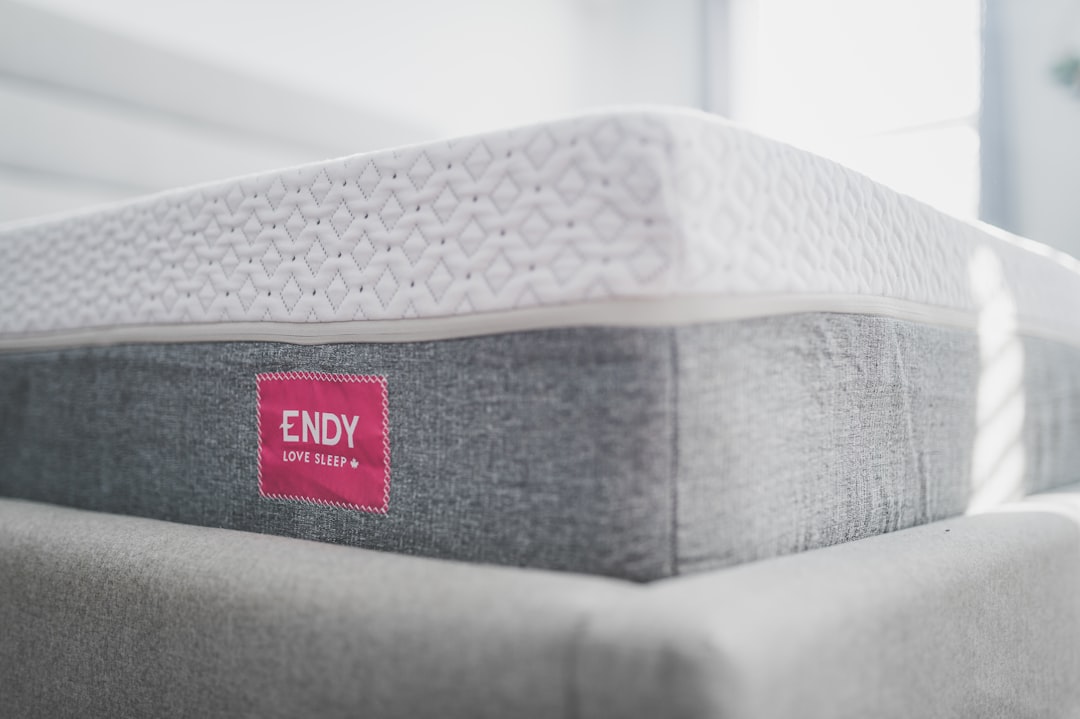
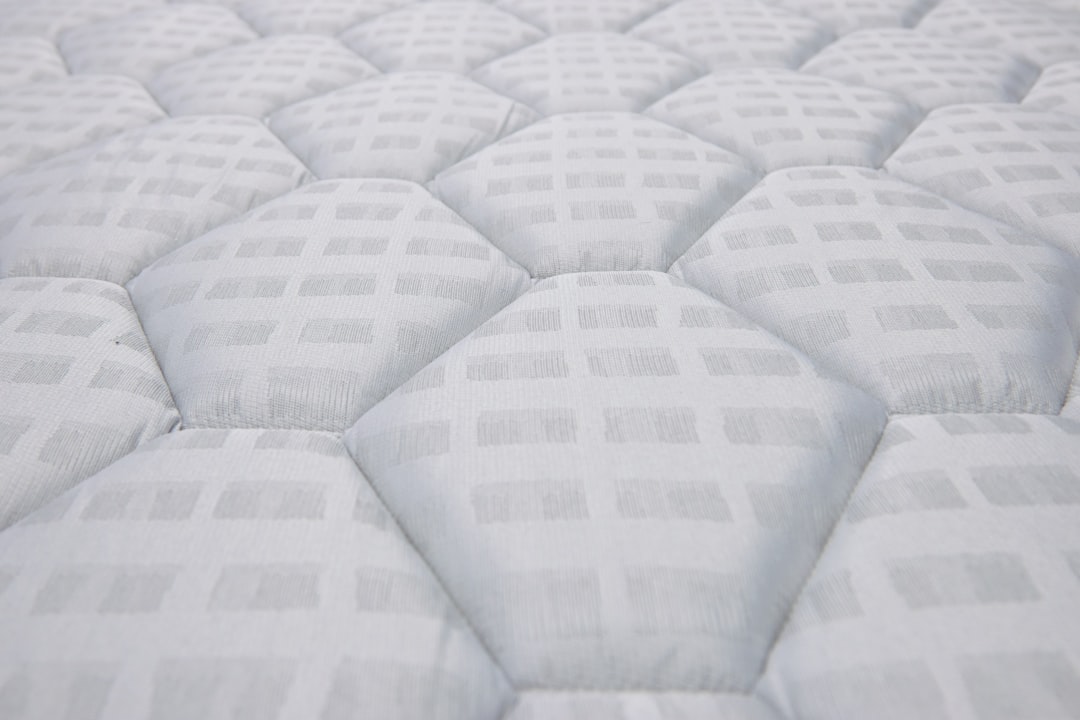
You’re scrolling through product pages, comparing specs and ticking boxes. Breathability ratings, cooling gel percentages, Tencel versus bamboo blends—the data looks reassuring. But a mattress isn’t a spreadsheet. That final click to buy is a leap of faith into something you’ll spend years lying on, and online descriptions can’t tell you how a fabric actually feels against your skin in a humid 3-room flat at midnight.
This is why a trip to a proper showroom isn’t just a nice outing; it’s a necessary step. You need to press your palm into the surface, run your fingers over the weave, and sit on it for ten minutes. Cooling isn’t just a technical feature; it’s a sensory experience. A polyester blend might look sleek in a photo, but its surface can feel slightly clammy compared to the dry, linen-like texture of a natural bamboo cover. That difference is everything when you’re prone to night sweats and the room’s already warm. You can’t gauge heat dissipation from a pixelated image.
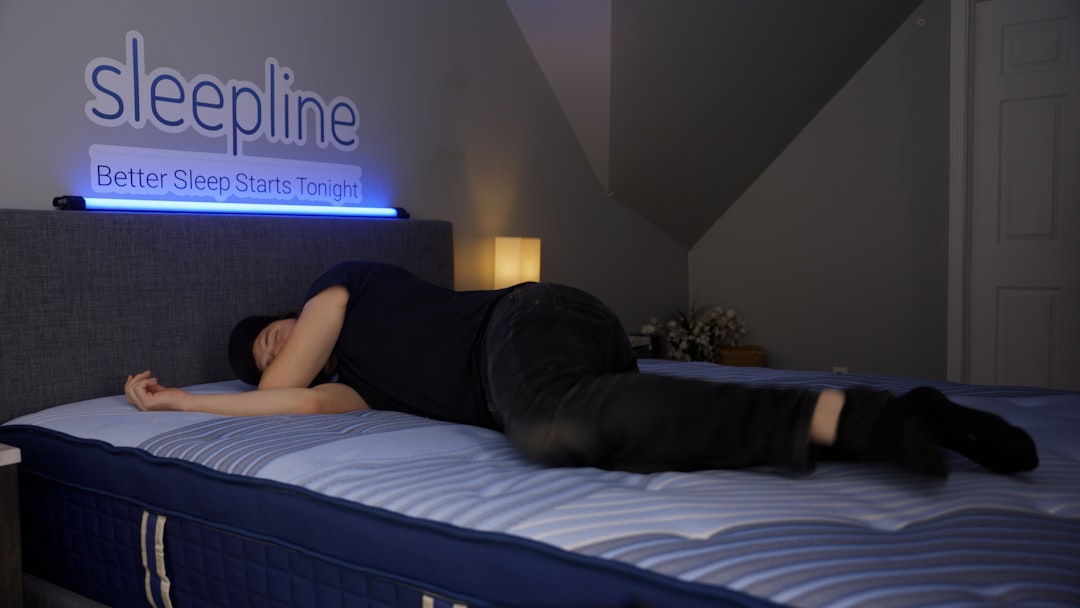
Firmness is another trap. A mattress labelled “medium firm” online could feel like a rock or a cloud to you. Your own weight distribution and sleeping posture—side, back, stomach—change how support translates. In the showroom, you can lie down properly, shift positions, and notice if your hips sink too far or your shoulders feel jammed. You’ll also sense how the base foam or coils interact with the cooling top layer. Some systems feel cool initially but trap heat deeper down; others maintain a consistent temperature. Only physical testing reveals that.
There’s one exception: if you’re replacing an identical model you already own and love, then maybe you can skip the visit. But for any new purchase, especially one targeting thermal regulation, trusting specs alone is a gamble. A mattress type can sleep cool when it's the right type — gel-infused or open-cell foam tackles the heat retention that plain foam is prone to, at a value price. It's worth treating cooling as a deciding factor rather than an afterthought when choosing foam in the tropics. Look for the cooling technology named explicitly, not just "breathable". For a budget-friendly cooling option, the gel and open-cell foam models are where to look.. The showroom lets you verify the claims against your own body’s reactions. You walk out knowing, not guessing.
Latex? Memory foam? Cooling gel? Singaporeans sweating in bed always ask which one really works in our humidity.
Does cooling gel foam actually stay cool when the room’s 28 degrees and the fan’s on full blast? It’s a surface effect. The gel layer absorbs heat initially, but over a few hours, especially if you’re a hot sleeper, it can feel warm again. For lasting relief, you need a mattress that pulls heat away from your body—that’s where breathable covers and ventilated coil systems come in. Gel alone won’t solve it.
How long does that new mattress smell linger in a non-aircon room? Off-gassing, that chemical smell from new foam, typically fades within a week or two. Without aircon, ventilation is key—open windows and let the fan run. If the room’s closed up, it might stick around longer, but it’s not harmful. Just annoying.
Is latex genuinely cooler than memory foam for night sweats? Yes, but it depends on the type. Aerated, natural latex has open cells that let air circulate, so it’s often cooler than dense memory foam which traps heat. Synthetic latex or blended versions can be less breathable. Go for the aerated one if heat is your main battle.
Can I find a proper cooling mattress under $1,500? You can, but you’ll trade off some features. At that budget, you’re likely looking at a hybrid—a breathable fabric cover over a core of ventilated springs, maybe with a thin cooling gel layer. Full-phase-change materials or advanced aerated latex usually push the price higher. Focus on the cover material and core ventilation; those are your best bets for value.
What about those phase-change material covers—do they work in our climate? They’re designed to absorb and release heat, acting like a buffer. In a constantly warm room, their effect might be less dramatic than in a climate with temperature swings. They help, but don’t expect a miracle if your bedroom’s already an oven. Pair them with a fan for better results.
The real takeaway? No single magic layer beats Singapore’s heat. You need a combination—a breathable cover to let moisture out, a well-ventilated core to move air, and a material that doesn’t just absorb heat but dissipates it. Cooling shows up differently across constructions, so browsing by mattress range in Singapore helps — gel memory foam cools a contouring feel, latex breathes naturally, and hybrid uses its coil base for airflow. Each keeps you cool by a different mechanism, so the type shapes how the cooling works. Pure traditional foam without cooling tech is the one to be wary of in the heat. Matching the type to how cool you need to sleep narrows the field fast.. Otherwise, you’re just buying a fancy insulator.
A basic foam mattress might give you a decent seven or eight years before it starts to sag noticeably. That’s a good run. But its cooling performance—if it had any at the start—will vanish much sooner. The gel infusions in a hybrid cooling model don’t just fade overnight; they degrade slowly, losing a bit of their heat-dissipating magic with every humid season. After about five years, you’ll likely feel a difference on those nights when the bedroom temperature refuses to drop below twenty-eight degrees. The phase-change cover might feel less responsive, the ventilated coils a bit less effective at channeling away your body heat. It’s a gradual decline, not a sudden failure.
So you’re faced with a choice. Buy the cheaper foam option and accept that its cooling features, if present, are a temporary bonus. Or invest in a premium hybrid cooling mattress, knowing its core temperature regulation will last closer to the mattress’s full lifespan. memory foam versus hybrid guide . For someone in a landed home or a condo without constant air-conditioning, that’s the real calculation. You’re not just buying a mattress for tonight; you’re buying cool nights for the next half-decade. Think of it as cost-per-cool-year. The initial price divided by the number of seasons you’ll genuinely sleep without overheating.
There’s one clear exception. If you know you’ll be moving or upgrading in under three years, maybe the basic foam makes sense. Its cooling won’t last, but you won’t need it to. For anyone planning to stay put, though, the maths leans heavily toward the hybrid. That steady, engineered cooling over time is what makes the difference between a purchase you regret and one you thank yourself for every monsoon season. The foam might still be physically intact after five years, but its ability to handle our climate will be gone.
The mattress van is booked, and you’re ready to sleep cool—but a few final checks can save you from a sian delivery day. Start with the hardest one: the path from the lift to your bedroom. A Queen mattress, 152cm wide, will bend to fit a 90cm lift door opening, but a rigid king-sized frame might not. Measure your internal bedroom doorway too, especially in older resale flats where doors can be narrower than the standard 91.5cm. That extra centimetre of skirting can make a difference, so leave a buffer. If the route involves a tight corridor turn, you’ll know beforehand whether you need to pay for staircase carrying.
Next, consider the bed frame you’ve chosen. A cooling mattress needs to breathe. If you’re using a solid platform base with no gaps, you’re trapping heat underneath—that’s like wearing a winter jacket in our humidity. Opt for a slatted base, or a frame with good clearance between the mattress and the floor. Even a simple metal grid allows air to circulate, helping the cooling gel foam or ventilated coils do their job. A storage bed with drawers is fine, but ensure the mattress isn’t sitting flush against a sealed panel.
Then, plan for the off-gassing period. New foam, even in a cooling mattress, can release a faint smell for a week or two. You don’t want to be sleeping in that room the first night. If you’re in a 4-room BTO where windows are generous, open them fully for a few days before you move in. In a condo with less cross-ventilation, you might need to run the air conditioner or a fan to help disperse it. A cooling pick sits within the wider queen size , so it's worth seeing the full spread — memory foam, latex, pocket spring, and hybrid, with cooling features across several of them. Browsing the range shows where the coolest-sleeping options sit against the rest. In the tropics it's worth filtering for breathability and temperature regulation early. Choose the construction for how you sleep, then weight cooling heavily in the final call.. This isn’t a defect—it’s just part of the process.
Finally, double-check your firmness choice against your sleep posture and our climate. A medium-firm mattress generally supports side sleepers and keeps air channels open within the material, which aids heat dissipation. Too soft, and you sink in, creating a pocket that traps warmth. Too hard, and it might not suit your shoulders or hips. Remember, the cooling tech works best when the mattress isn’t compressed unevenly. If you’ve ordered a plush model for comfort but you’re a hot sleeper, you might want to reconsider—the one exception is if you’re using air conditioning nightly and the room stays cool.
Once these boxes are ticked, you’re truly ready. The van arrives, the mattress goes in, and you can look forward to a cooler night without any last-minute surprises.