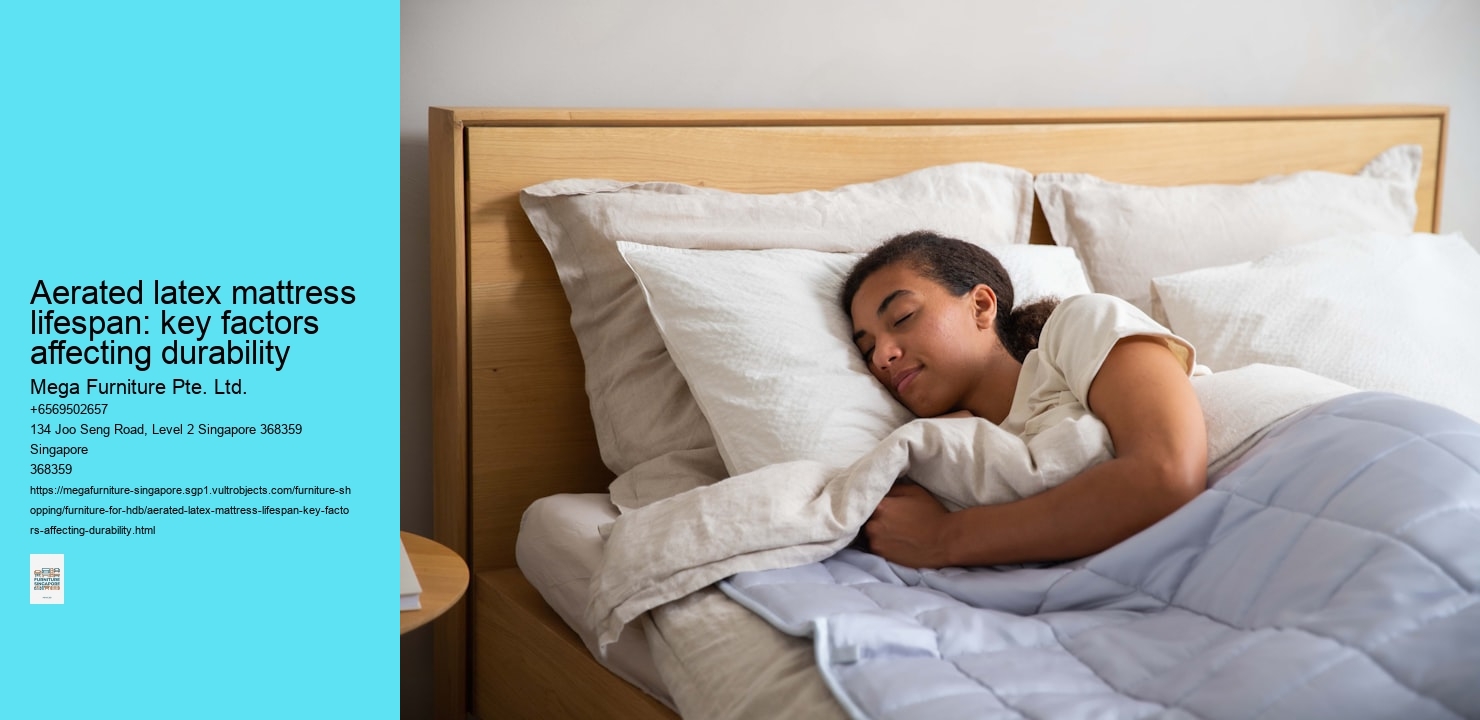
In a non-air-conditioned bedroom, a dense foam mattress feels like a trap. You sink in, and the heat just builds up around you—that's the core problem. A mattress marketed as cooling can fail miserably if its ventilation channels aren't designed for our climate. Aerated latex works because it's porous, letting air move through the core instead of trapping it. A dense, non-porous foam, even with a cooling gel layer, will defeat that promise in a room where the ambient temperature stays above 28°C.
Think about the mechanics. Body heat needs a path to escape. In a standard Queen bed, you're generating warmth across a 152 by 190cm surface. If the mattress material itself doesn't breathe, any fancy cover or phase-change layer on top becomes a temporary bandage. The heat pools underneath, and you'll wake up feeling clammy and restless. For hot sleepers or women experiencing night sweats, this isn't just discomfort—it's a nightly battle that ruins sleep quality.
Density is often touted as a sign of durability, but in our humidity, it can be a liability. A high-density foam that doesn't allow airflow will degrade faster under sustained heat and moisture. It can feel supportive initially, but over time, the material suffers. The one exception is if you run the air-conditioner all night; then, a denser foam might hold up. But for most flats where the AC is off or used sparingly, prioritising breathability is the smarter long-term bet.
The layout of your room matters too. A mattress placed in a common bedroom, often around 12 sqm, needs to work with whatever ventilation you've got—maybe just a window and a fan. A truly cooling mattress should assist that natural airflow, not block it. That's why the internal structure, those open channels in aerated latex, becomes more critical than the foam's weight or firmness rating. Without them, you're just sleeping on a heat sink.
A Queen mattress in a 12 sqm common bedroom is a lot of surface area to press down on. You’re not just sleeping on it—you’re compressing its structure night after night, slowly closing off the tiny air channels that make a cooling mattress work. In a West-facing room, that afternoon sun cooks the air, and your own sweat gets trapped in those same compressed cells. It’s a double attack that quietly ruins the thing before you even notice it’s gone flat.
Think about the air flow. An aerated latex mattress is built to breathe, with thousands of little pockets meant to let heat escape. But over months, body weight—especially concentrated in the same sleeping spots—squeezes those pockets shut. They don’t recover. In our humidity, that trapped moisture doesn’t evaporate; it just sits there, working into the material. The cooling effect fades long before the mattress looks worn out. You’ll feel warmer, even on a mattress that still seems firm.
That’s why the ventilation around the bed matters almost as much as the mattress itself. If your bed’s shoved against a wall in a tight room, with no gap for air to circulate underneath, you’re creating a perfect moisture trap. The mattress can’t dry out properly. For a cooling mattress to last, it needs room to breathe—literally. A low platform bed with an open base beats a solid foundation in these compact spaces.
Some will say a good mattress protector solves everything. It doesn’t. A protector shields the surface, but it won’t stop the core from compacting under weight or stop moisture from building up inside if the air can’t move. The only real fix is pairing a breathable mattress with a layout that lets air flow. In a small room, that means choosing a bed frame that doesn’t seal the mattress in and maybe even sacrificing a bit of under-bed storage for a gap underneath. Otherwise, you’re just paying for a cooling feature that disappears within a couple of years.
That waterproof protector you bought to shield your mattress actually works against its core design. In Singapore's climate, humidity often sits above eighty percent, which means any moisture your body releases overnight gets trapped right against the latex. Instead of dissipating through the engineered ventilation channels, it pools under the non-breathable barrier. You create a damp microclimate that the mattress was specifically built to avoid. Over weeks and months, this constant exposure to trapped moisture begins a slow degradation process you won't see until it's too late.
The persistent dampness is a perfect invitation for mould spores, which thrive in warm, humid environments with little airflow. It's not just about visible black spots on the surface; mould can grow within the core material itself, compromising the structure and creating potential health concerns. A mattress designed to stay cool and dry suddenly becomes a breeding ground because you added a layer that stops it from doing its job. That's a misstep that turns a premium purchase into a problematic one, negating all the aeration benefits you paid for.
Latex, even the high-quality aerated type, isn't immune to prolonged moisture exposure. The trapped humidity doesn't just encourage mould; it can also weaken the material's internal bonds over time. You might notice the mattress losing its supportive feel, becoming softer in spots where moisture concentrates, or developing an unpleasant odour that won't go away. This breakdown directly shortens the functional lifespan, meaning you're not getting the years of comfort and support you invested in. It's a quiet failure that happens beneath the surface.
Every channel and pore in an aerated latex mattress is there for a reason—to move air and regulate temperature. Slapping a waterproof cover on top, especially one made from vinyl or a similar impermeable material, literally blocks those escape routes. You're putting a lid on a system designed to be open, forcing it to work in a completely opposite condition. The mattress fights against its own environment, and in our local climate, that's a battle it will lose. You're paying for advanced engineering and then manually disabling it.
The intention is good: you want to keep your mattress clean and safe from spills. But the outcome is counterproductive because the protection method destroys the thing it's meant to protect. For these specialised cooling mattresses, the only real protection is a breathable, moisture-wicking cover that complements the core's function. Anything that seals the surface is a long-term risk. So the one exception? If you absolutely need a waterproof layer for a specific reason, it should be a breathable waterproof fabric, not a plastic sheet, and you must accept it will still compromise some performance.
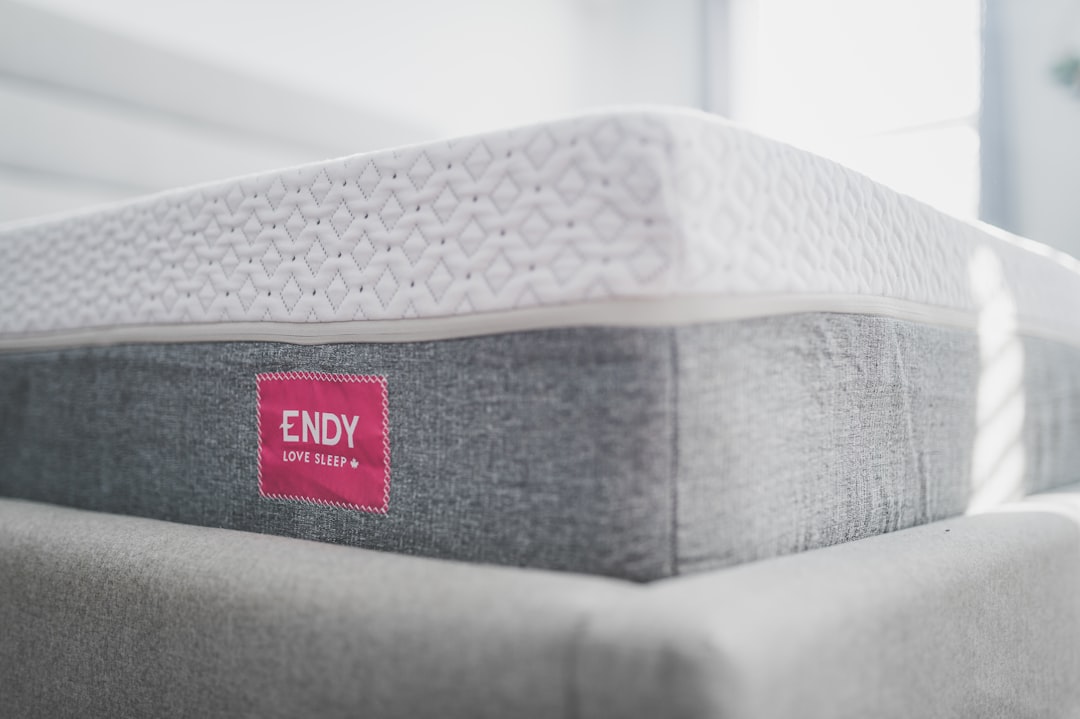
You can’t judge airflow from a website photo. Cooling claims are easy to make online, but the actual feel of an aerated latex mattress is a physical test. That sensation of air moving through the open pore structure—it’s something you have to experience with your own body weight on it. For anyone who’s suffered through a memory foam mattress that felt like a heat trap, this difference is non-negotiable.
There’s a practical reason to visit the Joo Seng or Tampines showrooms. You can try the Somnuz® range side-by-side, moving from one model to the next to compare the cooling effect directly. Lay down for a proper five minutes, not just a quick bounce. Notice if your back stays cooler than it would on your old mattress. Pay attention to whether the air seems to circulate, or if the heat just builds up underneath you. That’s the real test.
" width="100%" height="480">Aerated latex mattress lifespan: key factors affecting durabilityThe firmness profile is another thing you can’t gauge remotely. A mattress might be labelled ‘medium-firm’, but your definition and theirs could be miles apart. Sitting on it in a showroom lets you assess the initial sink and the underlying support. You need to feel if the latex yields just enough to cradle your shoulders without letting your hips drop too deep. That balance is personal, and a few minutes of testing beats weeks of guesswork.
The only time I’d skip this step is if you’re replacing an identical mattress you already own and love. But if you’re switching from memory foam or any other material, an in-person visit is essential. You’re committing to a piece that will live with you for years, possibly in a non-air-conditioned room where every degree matters. Getting that wrong because you bought online is a regret you’ll feel every night.
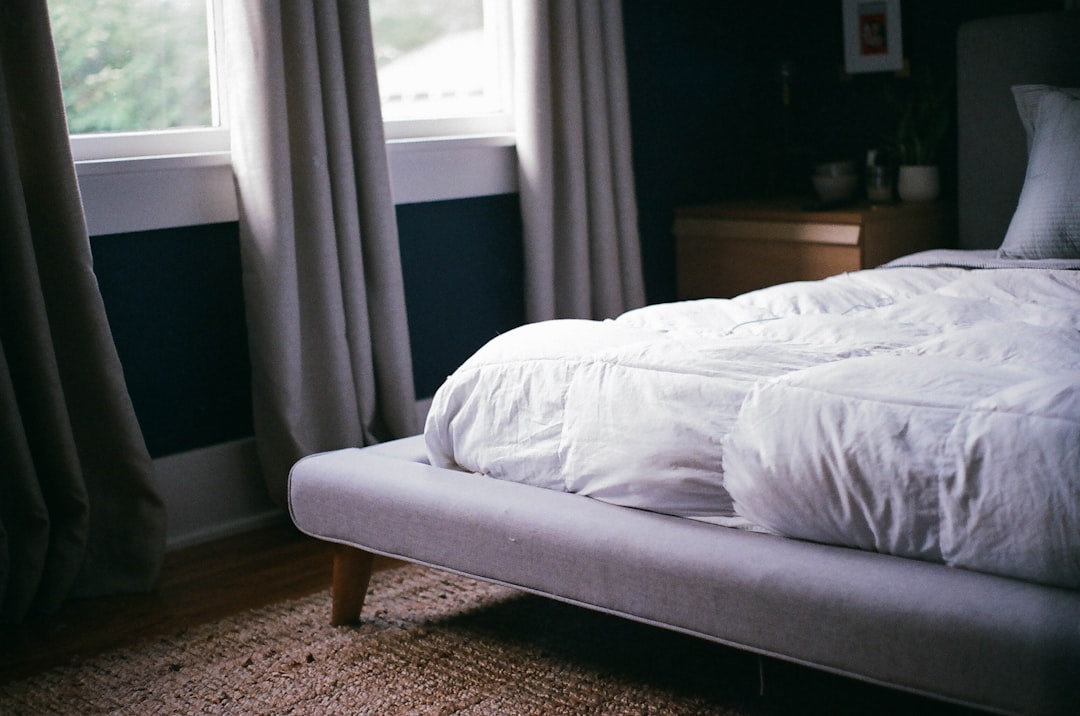
You can’t cheat physics. That initial blissful coolness you get from an aerated latex mattress—those larger air channels letting heat escape—comes from a trade-off in density. A softer, more open structure means less material packed into every cubic centimetre, and over time, that’s the difference between a mattress that holds its shape and one that develops a permanent dip.
For a single sleeper in a 4-room BTO, the choice might be straightforward. But couples, or anyone with a heavier build, face a genuine dilemma. The very feature that promises relief from our year-round 28°C nights can undermine the support you need for a proper eight-hour rest. It’s a classic Singaporean compromise: sacrificing some long-term structural integrity for immediate thermal comfort. That softer, porous feel is fantastic for the first year or two, until you start noticing you’re rolling towards the middle every night.
I’d lean towards durability for most people. A mattress that sags after five years isn’t just an inconvenience; it’s a poor return on a significant investment. The cooling sensation from a well-ventilated, medium-density latex core is still substantial—you won’t be sweating through your sheets—and it’ll maintain its profile far longer. The exception? If you’re a solo sleeper who prioritises that maximum breathability above all else, and you’re prepared for the possibility of an earlier replacement. Then, the trade-off might be worth it.
Think about it like buying a sofa for a common room. You could choose the ultra-plush, sink-in option that feels incredible on day one, but after a year of daily use, it’s flattened and shapeless. The firmer, higher-density cushion might not give that initial dramatic comfort, but it’ll look and feel the same five years later. Mattress support works the same way. That dip in the centre isn’t just a minor flaw; it changes your spinal alignment, your sleep quality, and eventually, your mood.
So, when you’re testing options, pay less attention to the immediate cool touch and more to how the mattress resists your weight over a sustained period. Lie down for a few minutes, not just a few seconds. Feel if the material pushes back evenly across your entire frame. A mattress that keeps you cool tonight but fails to support you properly in 2029 isn’t a wise purchase—it’s a temporary fix.
Can I use an electric blanket on a cooling latex mattress?
It's a common worry, but you can. The aerated channels in the latex won't be damaged by the low heat. Just place the blanket on top of the mattress, not underneath you, and avoid using it on the highest setting for extended periods. The goal is to add a bit of warmth without trapping all that heat your mattress is trying to release—turn it off once you're comfortably in bed.
How to clean sweat stains from aerated latex?
Sweat stains are inevitable in our climate. For the mattress cover, a cold wash with a mild detergent works fine—hot water can shrink the fabric. For the latex core itself, never soak it. Use a damp cloth with a bit of diluted vinegar or a specialised foam cleaner, then let it air dry completely. Airing it out on a sunny day helps, but direct sun for hours can degrade the material over time.
Will aerated latex smell in humid weather?
Properly processed latex shouldn't develop a smell. The open structure actually allows air to circulate, which helps prevent moisture buildup that leads to mildew. If there's a persistent odour, it's likely coming from the fabric cover or your bedding, not the latex itself. Just make sure your mattress isn't sitting on a damp surface or in a room with zero airflow.
Is a cooling mattress worth it if I use air-con only at night?
Absolutely, even if you run the air-con. That initial period before the room cools down is when a cooling mattress really proves its value. You're not lying on a heat-trapping surface while waiting for the temperature to drop. And for those nights when you decide to save on electricity or the unit malfunctions, you've got a built-in buffer against the heat. It's an extra layer of comfort you'll appreciate one.
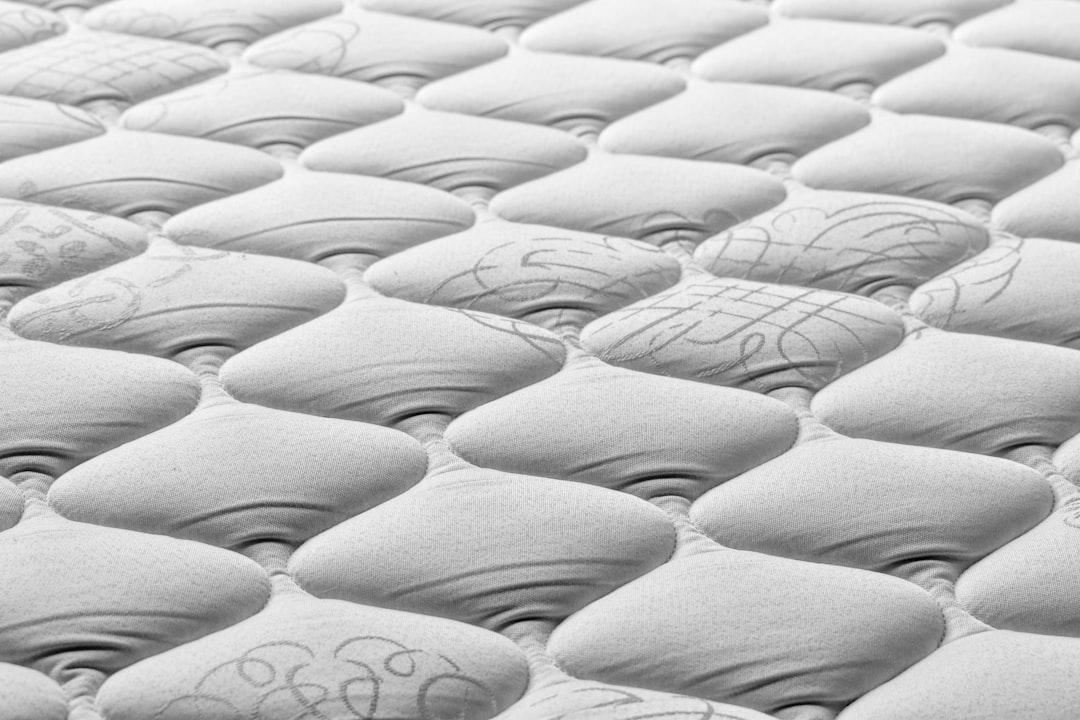
You’re about to step into the showroom and feel that cool, plush surface—but that’s exactly when your head gets clouded. The real test isn’t just lying down for five minutes; it’s knowing exactly what your bedroom will ask of the mattress every night for the next decade.
First, check your ambient temperature. If you’re in a non-air-conditioned 3-room flat, that’s a different climate altogether. A west-facing bedroom can feel like a furnace by evening, while a ground-floor unit might trap humidity. That’s where airflow becomes your top priority—a dense, tightly-packed mattress will hold heat like a blanket, no matter what fancy cooling gel it claims to have. For those rooms, you want a construction that breathes, with channels that let air move through, not just a special cover on top.
Next, know your base. Is it a solid platform bed, a slatted frame, or an old spring base? A rigid platform offers zero ventilation underneath, so your mattress needs to handle all the cooling on its own. A slatted base gives you a bit of a helping hand, letting some heat escape downwards. This one’s crucial—a mattress that performs beautifully on a test rack in a cool showroom can feel completely different on your own bed base at home.
Then, decide on firmness before you go. Don’t let the showroom experience sway you from what you actually need. If you’ve always slept on a firmer surface because it helps your back, stick with that intention. The cooling properties should complement your support, not compromise it. Testing a mattress that’s too soft just because it feels cool in the moment is a classic misstep—you’ll regret it after the first week.
Finally, remember that a cooling mattress isn’t a magic fix for a hot room; it’s a partner that works with your environment. If your bedroom regularly hits 28°C or above, you need a mattress that fights heat accumulation from the inside out. The only exception? If you’re absolutely certain you’ll install an air-con unit within the year, then you can maybe prioritise density a bit more. Otherwise, airflow wins.
Aerated latex cooling mattresses are engineered with open-cell structures that promote airflow. This breathable material actively dissipates body heat, which is essential for Singapore's hot sleepers. High-density latex cores ensure long-term support and prevent sagging—a key durability factor in the humid climate. These mattresses often pair with moisture-wicking covers like Tencel to enhance the cooling effect.