The first real sign that a cooling mattress cover is starting to wear isn't a dramatic tear or a sudden loss of support. It's a subtle, almost sneaky thing: a small patch of pilling, usually right along the seam where your hip or shoulder presses down night after night. You might notice it only when you're changing the sheets, a faint roughness against your fingertips that wasn't there before. This is the fabric's early surrender, and in Singapore's climate, it often arrives around the second year.
That timeline isn't a random guess. West-facing bedrooms, absorbing the full force of the afternoon sun, create a hothouse environment even without the air-conditioner running. The sustained heat and our baseline humidity—often around 80%—work together to accelerate the breakdown of natural fibres like bamboo or Tencel. Their breathability is their virtue, but that same open weave can start to fray under constant pressure and environmental stress. The mattress core might still feel perfectly cool, but the surface that touches you is beginning to degrade.
Look specifically at the seams. The stitching creates a natural ridge, and body weight concentrates friction there. Over hundreds of nights, that repeated micro-abrasion weakens the threads. Pilling is the first visual evidence; if you ignore it, the fabric will thin and eventually wear through at those points. This isn't a manufacturing flaw—it's simply the physics of use in our specific conditions. A cover in a north-facing, air-conditioned room might last years longer, but in many flats, the 24-month mark is the realistic checkpoint.
So what's the exception? If you sleep alone and your weight is distributed evenly across the whole surface, you might push that timeline further. But for most couples, or anyone with a consistent sleep position, those seams are the weak points. Spotting the pilling early gives you a choice: you can start a more vigilant rotation routine to spread the wear, or you can plan for a replacement cover before a small blemish becomes a breach. The cooling feel of the mattress depends on that intact, breathable layer. Once it's compromised, you're sleeping on the underlying foam, and that original temperature regulation is gone already.
That cooling gel panel or phase-change layer inside your mattress cover isn’t a magic shield—it’s a heat exchanger. It needs to breathe, and in a typical HDB bedroom with just one window, that’s often where the trouble starts. Heat doesn’t just dissipate; it accumulates night after night, trapped between your body and the mattress foundation. If the foundation itself isn’t breathable, you’re essentially cooking those advanced materials in their own sweat.
Think about the layout: a Queen bed in a 3.5 by 3 metre master bedroom, pushed against the wall with maybe 30 centimetres clearance on one side. The single window might be across the room, and the door closed for privacy. There’s no cross-ventilation to carry that warmth away. The cover’s ventilated channels, those tiny tunnels meant to draw heat downwards, get overwhelmed. They can’t exhaust the heat, so they just store it. Over months, that constant thermal load begins to degrade the materials from the inside.
You’ll notice it first as a loss of that initial crisp coolness. The cover doesn’t feel icy anymore; it’s just slightly less warm than the rest of the bed. That’s because the channels have flattened, their structure softened by sustained heat. They’re not collapsed entirely, but they’re less effective, like a straw that’s been squeezed. This wear isn’t a surface stain you can see—it’s a hidden fatigue that reduces airflow until the cover becomes just another layer of fabric. For hot sleepers, especially those in non-air-conditioned rooms, this is the most common failure point. The cover still looks fine, but its engineered function is already half gone.
The countermeasure is straightforward: pair your cooling cover with a foundation that actively promotes airflow. A solid platform bed or a dense foam base acts like a thermal blanket, trapping everything. You want a base with open coils, a slatted frame, or a ventilated latex core—something that lets heat pass through and escape. Otherwise, you’re investing in a clever top layer only to let it suffocate underneath. The one exception? If your bedroom is genuinely well-ventilated, with cross-flow from multiple windows or consistent air-conditioning, then a less breathable foundation might not punish the cover so quickly. But in most Singapore flats, that’s a rare luxury.
Cooling mattress covers need fabrics that resist high humidity and moisture. Bamboo-derived rayon or Tencel covers are popular—they're breathable and manage dampness well, unlike untreated materials that can harbour mould. In a climate with 80%+ humidity, a cover's ability to dry quickly and not trap sweat is a key durability factor. Proper ventilation after use helps prolong the fabric's life.
Maintaining a cooling mattress cover involves specific washing and drying habits. Follow manufacturer instructions, typically using cool water and gentle cycles to prevent shrinking or damaging phase-change layers. Avoid direct sun drying for extended periods, as intense UV can degrade specialised fibres. Regular, gentle cleaning preserves the fabric's breathability and cooling tech over years of use.
That slight pilling you notice on your cooling mattress cover isn't just cosmetic. It's the first sign the fabric's surface integrity is compromised, which directly impacts its ability to breathe. Those tiny fibre balls create a rougher texture that traps more air, forming a subtle insulating layer right against your skin. Over months, this layer reduces the cover's capacity to channel away body heat, especially during our humid nights. The cooling effect you paid for starts to diminish, and you'll feel warmer than you should. Ignoring it means you're essentially letting the mattress's primary function degrade quietly.
A mattress engineered for cooling relies on a synergy between its internal materials and its top fabric. When the cover's micro-tears or loosened seams allow more humidity to penetrate, the phase-change materials or gel foam inside have to work harder. They can't regulate temperature efficiently if the breathable barrier is failing. This accelerated workload stresses the whole system, leading to a breakdown much sooner than the typical lifespan. You might find yourself shopping for a replacement in five years instead of eight, a significant financial hit. It's a classic case of a small, ignored issue cascading into a major, costly failure.
The brief mentions a 4-room BTO master bedroom, a common scenario where the mattress sees consistent, heavy use. Every night of sleep adds friction and pressure, steadily worsening any initial fabric weakness. Unlike a guest room bed used occasionally, this nightly cycle doesn't give the material any real rest to recover from the strain. Minor abrasion from sheets and body movement continuously works on those weakened spots, making the breakdown progress faster than you'd estimate. Thinking "it's still okay for now" while using it every single night is a recipe for regret. The cumulative effect is far greater than in a low-use setting.
For the target audience—hot sleepers, menopausal women—the gradual loss of cooling isn't just about a warmer bed. It translates directly into disrupted sleep, more night wakings, and overall poorer rest quality. The resident experiencing hot flushes will find their mattress becomes an antagonist instead of a relief, amplifying their discomfort during the night. This isn't a minor annoyance; it's a core health and wellbeing issue tied directly to the product's performance. Letting the fabric degrade silently steals away the very comfort you bought the mattress to provide. You end up losing sleep over a problem you could have addressed early.
The final cost isn't just the premature purchase of a new mattress. It's also the wasted value of the original investment, which didn't deliver its full promised lifespan. In a climate where cooling is a premium feature, you pay upfront for that technology. Allowing it to fail early means you've effectively paid for eight years of service but only received five. There's also the hidden cost of discomfort and poor sleep during those declining years, which affects daily life. Addressing early signs with a professional clean or even a replacement cover is far cheaper than a whole new mattress. It's a clear financial misstep to ignore the small, fixable problem.
That cool feel you get from a bamboo or Tencel cover isn’t just about the fabric itself—it’s about how it moves heat away from your skin. Regular washing keeps the surface free of dust and sweat, which is a must in our urban air. But there’s a point where gentle cleaning stops working, even if the cover looks intact. The fabric can thin out gradually, especially around the spots where your shoulders and hips press night after night. When it gets thin enough, it can’t dissipate heat properly anymore. You might notice you’re waking up warmer than before, even though the mattress itself is still fine.
So how do you spot it? Don’t wait for a visible rip. Run your hand over the high-pressure zones. If the fabric feels noticeably thinner, flatter, or less resilient than the unused edges, that’s your signal. Another tell is a change in sleep temperature over a few weeks, despite the same room conditions. If you’re relying on that cover for cooling and you start feeling the heat build up again, it’s likely the fabric’s performance has degraded already.
Investing in a new cover or panel makes sense when the mattress core is still good. It’s cheaper than replacing the whole bed, and it restores that crucial climate control for our nights. Letting a degraded cover linger just means you’re sleeping on a mattress that can’t perform to its design—you’re wasting its potential.
" width="100%" height="480">Cooling mattress covers: Spotting signs of wear and tear earlyThe transition often happens before any obvious tear or hole appears. In a household with pets or higher occupancy—think a couple plus a kid or a pet that likes to bunk with you—the wear accelerates. More body weight, more movement, more friction. The fibres lose their loft and density over time. That’s when simple surface care becomes a maintenance dead end. You’re cleaning a surface that’s already lost its core function.
Repair isn’t always about patching a hole. For these specialised covers, it usually means replacing the fabric panel or the entire cover if it’s integrated. Trying to deep-clean or treat a thinned-out section won’t restore its thermal properties—the structure is compromised. The one real exception is if the thinning is only in a very small, isolated spot, and the rest of the cover remains thick and functional. Then a local repair might buy you some time. But for broad, gradual thinning across the sleeping surface, replacement is the only fix that brings back the cooling effect.


The showroom floor is where you’ll get the real story, not from a product page. Online specs list breathable bamboo or Tencel, but they won’t tell you how the weave actually feels against your skin after a year of nightly use. That’s why you need to go and press your palm down on the display models for a solid minute. You’ll feel the difference between a cover that’s just thin and one that’s engineered to dissipate heat properly. The thin ones get warm fast under your hand; the good ones stay noticeably cooler. It’s a simple test, but it’s the one that matters.
Head to a showroom and spend time with the samples. Look at the stitching along the edges—is it tight and even, or loose and already pulling? Run your fingers across the surface and see if the texture catches. A cover that’s going to pill or fray will show hints of it even on a new display piece, especially at the seams. Don’t just glance; you need to examine it like you’re checking for faults before you commit. That tactile inspection saves you from a cover that wears out in six months, leaving you sweaty and disappointed.
Focus on the thickness and the backing fabric too. A quality cooling cover isn’t just a top layer; it often has a specific backing material that aids ventilation. You can’t assess that from a photo. In the showroom, you can lift a corner and feel the whole construction. If it feels flimsy or the layers are poorly bonded, that’s a sign it won’t withstand regular washing or the constant friction of shifting in bed. A cover that lasts is one with substance, not just a marketing label.
There’s really no substitute for this hands-on check. The exception is if you’re absolutely certain you’re buying the exact same model you already own and love—then you can skip the trip. But for anything new, especially with our humidity, you need to verify the fabric’s resilience yourself. Go down, put your hand on it, and decide. Your sleep comfort depends on that material holding up, and the showroom is the only place you can judge it properly before it’s yours.
In Singapore’s climate, you’ll find yourself washing a cooling mattress cover more often than you’d like—maybe every couple of months if you’re sleeping without air-conditioning. The humidity and sweat mean frequent cleaning is a must, but it’s a delicate balance. Machine washing on a gentle, cold cycle is usually fine for bamboo or Tencel covers, but avoid hot water and harsh detergents; they can degrade the fibres and compromise that breathability you bought it for. Always check the label, but the rule is simple: treat it like a delicate garment, not a towel.
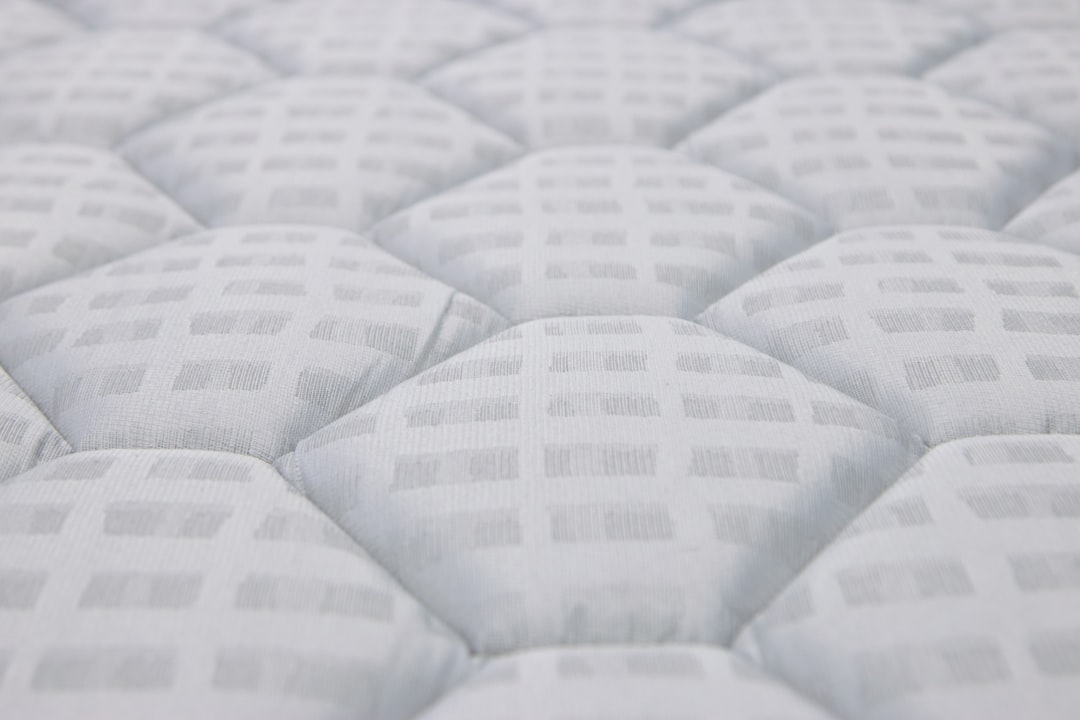
Pilling is a common worry, and yes, it does affect performance. Those little fabric balls trap heat and disrupt airflow across the surface. Lower-quality polyester blends are notorious for this, especially after rough washing or friction. A cover that’s starting to pill won’t cool as effectively, so that’s a clear sign it’s nearing retirement. You can’t really reverse it, so prevention is key—gentle care from day one.
How often to replace a topper depends entirely on its quality and your usage. A decent one should last two to three years with proper care, but if you see permanent compression, staining that won’t come out, or that pilling we talked about, it’s time. The cooling effect isn’t just in the material; it’s in the structure, and once that’s compromised, you’re just sleeping on a warm sponge.
Are gel-infused covers worth it for menopause night sweats? For that intense, sudden heat, they can be a game-changer. The gel beads or layers absorb and dissipate heat more actively than a standard breathable fabric. They’re not a miracle cure, but they manage the peak temperature spikes better, which can mean fewer disruptive wake-ups. The trade-off is they’re often heavier and less flexible, and they might need more careful washing to preserve the gel layer. If night sweats are your primary battle, the investment makes sense—just know it’s a specialised tool, not a general-purpose cover.
One thing many don’t consider: the monsoon season’s dampness can be a silent killer. Even if you’re not sweating, the ambient humidity seeps into the cover fibres, making them feel clammy and less effective at wicking. During those months, you might need to wash or air out the cover more frequently just to reset its dryness, not because it’s visibly dirty. That’s the hidden maintenance cost of a tropical climate.
The moment you decide to buy a new cooling cover, don’t just head straight to the showroom. That’s when you need to go back to your bedroom and lay your hands on the old one. It’s a different kind of check—not about general wear, but about mapping exactly where your body and the climate have done their work. You’re looking for the story your old cover tells, so the new one can rewrite it.
Start with the fabric thinning. Run your palm over the entire surface, not just the centre where you sleep. In our humidity, sweat and constant friction create uneven wear patterns that aren’t always obvious. You might find a specific spot, maybe near the edge where you toss a leg out, that’s noticeably smoother and thinner than the rest. That’s a weak point a generic replacement won’t address. Then, press firmly into areas that once felt cool. If the cooling gel has hardened into little lumps or patches—you’ll feel them as slightly firmer, less responsive spots—that’s a sign the material’s integrity is gone. A new cover with a uniform gel layer will feel consistently cool, not patchy.
Check every seam, especially along the sides and corners. Seams are stress points, and a cover that’s been tugged and adjusted over years can show early fraying or slight separation there. This isn’t about catastrophic failure, but about noting which seams are starting to look tired. A quality replacement will have reinforced stitching at those same critical junctions. Finally, do this inspection in your actual bedroom environment, with the lights on and the air as it usually is. The ambient heat and moisture are part of the test. What feels okay in a cool showroom might reveal its true state under your own ceiling fan’s breeze.
This final look is about translating wear into a buying checklist. You’ll know to ask if the new cover’s fabric is denser in areas you identified as thin, or if its cooling elements are distributed to avoid those hardened spots you found. It turns a generic purchase into a targeted upgrade. The only time I’d skip this step is if the old cover is so uniformly degraded—every inch faded, every seam loose—that there’s no specific lesson to learn. But even then, laying hands on it confirms you’re making the right call to replace.