Picture a typical Tampines condo bedroom that gets afternoon sun. By evening, that room is a heat trap, and if your mattress is standard memory foam, you’re sleeping on a heat-sink. The foam itself is dense, and it doesn’t breathe—it just absorbs your body warmth and holds it, layer upon layer, until you’re lying in a pool of your own heat. That’s the core reason so many people here switch from a classic foam mattress to something engineered to cool.
The problem isn’t just the foam; it’s how Singapore’s humidity works with it. High moisture levels in the air mean your sweat doesn’t evaporate quickly, and the foam’s closed cells block any airflow that might help. You end up with a damp, warm sleeping surface that feels heavier and less comfortable as the night goes on. It’s a common complaint, especially from those in non-air-conditioned rooms or facing the west sun.
A proper cooling mattress tackles this by breaking that heat-sink cycle. Instead of a monolithic foam block, it uses materials that actively pull heat away—things like gel-infused layers that feel cooler to the touch, or aerated latex that has natural channels for air to move. Some even incorporate phase-change fabrics that absorb excess heat. The cover matters too; a breathable bamboo or Tencel top lets moisture pass through instead of pooling. It’s a whole system designed to work against our climate, not just lie there and soak it up.
There’s one exception, though. If you’re someone who runs cold even in our weather, or if your bedroom is consistently air-conditioned to a low temperature, that standard foam might actually feel cosy. For the majority, however, the shift is necessary. You won’t know how much difference it makes until you try sleeping on a surface that doesn’t store heat all night.
So when you’re looking, don’t just ask about firmness. Ask how the mattress handles the heat. Check if the layers are designed to ventilate, and if the cover feels cool and dry. In a climate where bedroom temperatures regularly exceed 28°C, that’s the feature that will define your sleep quality, more than any other spec.
A coiled mattress that worked fine in your old flat can become a heat trap after you move. It’s not that the springs themselves have changed, but the air around them has. Picture a spring system in a typical Eunos resale bedroom, maybe a three-room layout where the windows are small and the afternoon sun hits the west-facing wall directly. The coils rely on air circulating freely through the mattress to carry away your body heat. That airflow needs space—not just within the bed, but around it.
In a room with poor ventilation, the whole system stalls. The heat you generate gets trapped between the coils, and the stagnant air in the room can’t pull it away. You end up sleeping on a warm, damp surface even though the mattress is technically “breathable.” This is the real issue with many older HDB flats: the architecture itself fights the mattress’s cooling design. A convoluted spring bed, with its intricate pockets and layers, actually needs more help from the environment than a simple slab of aerated latex.
So you buy a new cooling mattress, expecting relief, and it disappoints. The purchase feels rushed, driven by that nightly discomfort that builds until you just want it gone. But the problem wasn’t entirely the old mattress. It was the room. If you’re moving from a breezy corner unit to a more enclosed space, your cooling needs shift completely. A coil system that once felt adequate now feels like a furnace.
The exception is if your new place has genuinely better airflow—a through layout, larger windows, or a ceiling fan that runs all night. Then, those same coils might perform again. But for most moves into tighter spaces, you’ll need a mattress that doesn’t depend so much on the room’s help. Materials like gel-infused foam or phase-change fabrics work by pulling heat into themselves, not by expecting a breeze to whisk it away. They’re a safer bet for any bedroom where the air just doesn’t move.
A high thread count sheet might feel luxurious and smooth, but it's often a thermal barrier in our climate. Those tightly woven fabrics, even if they're cotton, create a dense layer that traps heat close to your body. That fancy 800-thread-count set you bought for its silky finish actually works against any cooling mattress cover you've invested in. The weave is so compact that air can't circulate through it properly, leaving you sweating on a surface designed to stay cool. It's a classic mismatch where a premium bedding choice undermines the core function of your sleep setup.
The synthetic fill and cover of a typical polyester quilt are basically insulation. They're designed to retain warmth, which is the opposite of what you need on a humid night. Even if your mattress cover is made from the most advanced breathable bamboo, laying a polyester quilt over it seals the heat in like a plastic bag. That quilt becomes the dominant layer, dictating the microclimate you sleep in regardless of what's underneath. It's a common sight in many flats—a cooling mattress buried under a heat-trapping blanket, rendering the whole system ineffective.
Bedding is a layered system, and the top layer usually wins. If you pile a non-breathable sheet, a heavy quilt, and maybe even a synthetic mattress protector over a cooling cover, the cover's ability to dissipate heat is blocked. Think of it like wearing a raincoat over a sweat-wicking sports shirt—the outer layer defines the experience. The order of materials matters, and a breathable cover at the bottom of the stack can't perform its job if everything above it is sealed. You need the entire stack, from mattress to top sheet, to cooperate in letting heat escape.
Natural cooling fibres like Tencel or bamboo work by wicking moisture and allowing air to pass through their structure. When you pair them with synthetic, non-breathable materials, you create a material conflict where their properties are nullified. The synthetics don't absorb moisture and they restrict airflow, so sweat and heat get trapped at the interface. It's not just about one bad piece; it's about incompatible materials fighting each other's function. Your bed becomes a collection of opposing technologies instead of a unified cooling solution.
The fix isn't to ditch your cooling mattress, but to reset the bedding system atop it. Swap out the high-thread-count sheets for a looser weave, preferably in a natural fibre like linen or a specific cooling cotton. Replace that polyester quilt with a lightweight cotton coverlet or a breathable down alternative duvet. This aligns all the layers towards the same goal: heat dissipation. It turns your mattress's engineered cooling from a isolated feature into a fully realised benefit. The entire sleep surface then works in concert, which is how you actually get a cooler night.
You’ll spend more nights sweating than you think. Even if you run the air-con every evening, there’s always that one week when the compressor gives up or the electricity bill makes you reconsider. That’s when your mattress’s material composition becomes the deciding factor between a decent rest and a miserable, sticky ordeal.
Gel infusions and phase-change materials work differently—they actively draw heat away from your skin, but their effectiveness depends on the core they’re paired with. A gel layer atop a dense foam base will still struggle. The real correction is to map the entire stack: a breathable cover like bamboo or Tencel, a cooling transition layer, and a fundamentally ventilated support core. One counterintuitive point is that a firmer, less conforming mattress often sleeps cooler because it allows more air gap between your body and the surface, whereas a soft, enveloping one creates a heat-sealing hug.
Classic memory foam, for all its pressure-relieving comfort, is a notorious heat trap. Its dense structure doesn’t let air move through, so your body heat just builds up around you. In a non-air-conditioned room, that’s a recipe for waking up damp and irritable. The alternative isn’t just about adding a cooling gel layer—it’s about choosing a base material that breathes from the core. Aerated latex, with its open-cell structure, allows air to circulate naturally, while ventilated coil systems create channels for heat to escape downwards. These aren’t just marketing terms; they’re functional differences you can test by lying on a sample in a warm showroom for ten minutes, not thirty seconds.
For most Singapore sleepers, especially those in resale flats with older, less efficient air-con or in common bedrooms that don’t get the cooler night air, the shift towards these engineered materials is a practical necessity. The only time I’d stick with a classic foam is if you’re certain your bedroom will be climate-controlled year-round and you prioritise that specific sink-in feel above all else. Otherwise, the climate stress is simply too consistent to ignore.


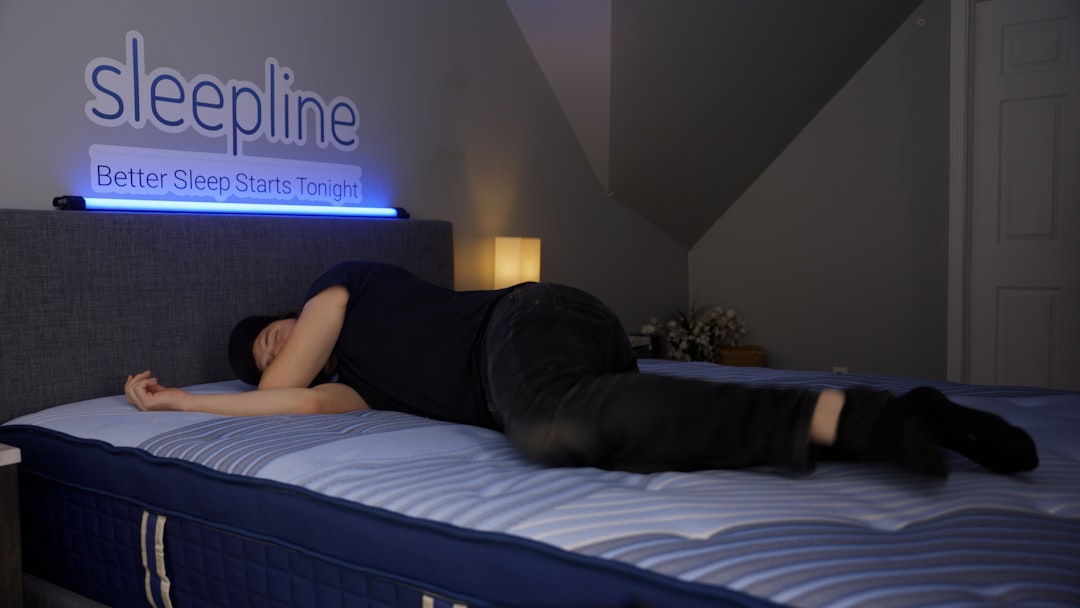
There’s a difference between reading about a cooling mattress and actually feeling the difference between gel foam and ventilated coils under your own weight. You can’t get that from a website description or a sales brochure. That’s why a visit to the showroom matters—you need to lie down on the options yourself, for a proper stretch, not just a quick sit.
At Megafurniture’s Joo Seng location, the Somnuz® range is laid out on the floor for proper testing. You’ll find their cooling gel foam models and the ones with the ventilated coil systems side by side. The brief says to assess breathability for humid nights, and that’s exactly what you’re doing there. You lie on one, then shift over to the other. The gel foam often feels like a cooler, more consistent surface right from the start, while the coil system might give a bit more airflow sensation—a subtle lift, less of that trapped feeling. But which one actually suits your body and your sleep style? Only you can decide.
It’s a straightforward test. Wear comfortable clothes, take off your shoes, and spend a few minutes on each type. Don’t just perch on the edge; get your full spine and shoulders onto it. Notice where your hips settle, whether your shoulders feel supported without overheating. In Singapore’s climate, that initial cool touch can fade if the material doesn’t manage heat well over time. The coil systems, with their air channels, are designed for longer-term ventilation. The gel foam aims to dissipate heat quickly. Your own body is the best gauge.
I’d recommend testing both, but if you’re someone who really sleeps hot—maybe in a non-air-conditioned room or dealing with night sweats—lean towards the ventilated coil options. They’re built for that continuous air movement. The exception? If you prefer that firmer, contouring feel of a foam mattress and your room has decent airflow or a fan, the cooling gel foam could work well. Just make sure you test it properly. A quick five-minute try won’t tell you enough.
That cooling gel foam or phase-change layer can feel shiok for the first few months, but humidity’s relentless here. It’s not just about whether the material feels cool tonight; it’s about whether it’ll still be doing its job after three years of Bedok’s monsoon seasons and that constant 80%+ dampness. Advanced treatments often rely on delicate chemical structures or microcapsules—they’re engineered for heat transfer, not for battling moisture year-round. You’ll find the initial intense cooling effect can plateau, or even fade, as those materials degrade. It’s a classic trade-off: the more aggressive the cooling promise, the more you should question its longevity.
Consider aerated latex or a well-ventilated coil system. They might not deliver that instant icy sensation some phase-change covers offer, but they’re fundamentally more resilient. Their cooling comes from structure—air channels, open spaces—not from a coating or infusion that can break down. In a non-air-conditioned room where the heat and humidity are a permanent fixture, that structural breathability won’t degrade. It’ll just keep working, quietly, year after year. That’s the real win for a 4-room BTO master bedroom facing the afternoon sun.
There’s one exception, though. If you’re dealing with intense night-time heat from something like menopausal hot flushes, that initial, powerful cooling effect might be worth prioritising even if it comes with a shorter lifespan. For that specific need, the temporary relief could outweigh the durability concern. Just go in knowing you’re likely buying a shorter-term solution, and plan for that. For everyone else—the general hot sleeper in a typical HDB—the slower, steadier cooling from robust materials is the smarter bet. You want a mattress that endures, not one that peaks early and then disappoints.
So when you’re weighing options, ask about the core material’s response to moisture. A bamboo cover can help, but the real battle is fought inside the mattress layers. Don’t just test for coolness on a showroom floor; think about how it’ll perform in your actual bedroom during the year-end rains. The best cooling mattress for Singapore isn’t the one with the most dramatic initial feel—it’s the one whose cooling logic is built to last.
You’ll hear a lot of talk about cooling mattresses, but the questions people actually ask in the showroom are pretty straightforward. They’re not about the fancy tech names—they’re about whether it’ll work in their flat.
Is a cooling mattress worth it without air-con? Absolutely, but you need to pick the right type. Gel-infused foam or ventilated coil systems can make a real difference if your bedroom’s sitting at 28°C or above. That layer of trapped heat just doesn’t build up the same way. The one exception is if your room gets strong afternoon sun and you’ve got no cross-ventilation—then it’s a toss-up, because the ambient heat can overwhelm any mattress’s cooling effect.
Can cooling foam handle a 85kg sleeper? It can, but density is the key. A lower-density foam will compress too much under that weight, which actually reduces airflow and makes it feel warmer. You want a higher-density foam, something that supports properly without sinking in deep. For a heavier sleeper, a hybrid with coils for support and a cooling gel foam top layer is a safer bet than a pure foam mattress.
Do gel pads really last five years? Many will, but not all. The gel itself doesn’t degrade, but the foam it’s infused into can lose its bounce if it’s a cheaper base material. A quality gel memory foam should hold up fine over five years in our climate, provided you rotate the mattress regularly to even out the wear. If you’re kiasu about longevity, look for a mattress that pairs the gel with a more resilient material like aerated latex.
Does bamboo cover need special detergent? Not really. Bamboo fabric is quite hardy and you can wash it with a mild, colour-safe detergent in cold water. Hot water is the problem—it can shrink the cover and tighten the weave, which ironically makes it less breathable. Just avoid harsh chemicals or bleach; they can break down the natural fibres over time.
A cooling mattress for Singapore needs specific materials to combat our 80%+ humidity. Cooling gel-infused foam or aerated latex actively draw heat away, while breathable covers like bamboo or Tencel wick moisture. This build prevents the heat-trapping effect some traditional memory foam has, making nights less sticky for hot sleepers and those in non-air-conditioned rooms.
A mattress must withstand constant humidity and heat without degrading. In Singapore's climate, low-quality foams can break down faster and hold onto moisture. Look for high-density foam cores and phase-change material covers that are engineered for stability—this ensures the cooling properties and support last for years, not just the first few months.
Before you step into the showroom, there’s a quiet checklist to run through. It’s about turning the cooling mattress specs you’ve read about into a real, breathable bed that fits your life. Start with the aerated structure—ask yourself if it’s truly open. A cooling gel foam layer needs ventilation underneath, and a ventilated coil system should have enough gaps to let air move. That’s the foundation; without it, even a bamboo cover won’t save you on a humid night.
Next, test the fabric weave on site. Don’t just look—press your palm onto it for a minute. Feel if heat builds up. A tight, smooth weave might feel cool initially but trap warmth; a looser, textured one often breathes better. Run a fingertip across the surface to gauge its openness. This is the layer you’ll touch every night, and its performance can’t be guessed from a photo.
Then, measure your 4-room BTO master bedroom with a tape, not a guess. A Queen is 152 by 190cm, but you need to account for skirting and clearance. Leave at least 60cm on the side you exit from, and around 30cm on the other sides. A King might fit if your room is around 3.5 by 3 metres, but in a tighter space it’ll dominate the room. Know your exact dimensions before you see a bed in the showroom—that grand display piece might look smaller once it’s in your actual space.
Finally, verify the local warranty terms. Cooling materials can have specific exclusions. Check if the warranty covers the cooling gel layer or the phase-change materials, not just the frame. Humidity-related issues or normal wear on the breathable cover often aren’t covered. Read the small print to understand what “defect” means in our climate. A mattress that regulates temperature is an investment, and its protection should be clear.
The one real exception? If you’re certain you’ll move to a larger space within the warranty period, you might stretch for a King even if it’s a squeeze now. Otherwise, stick to the Queen and prioritise the breathability checks.