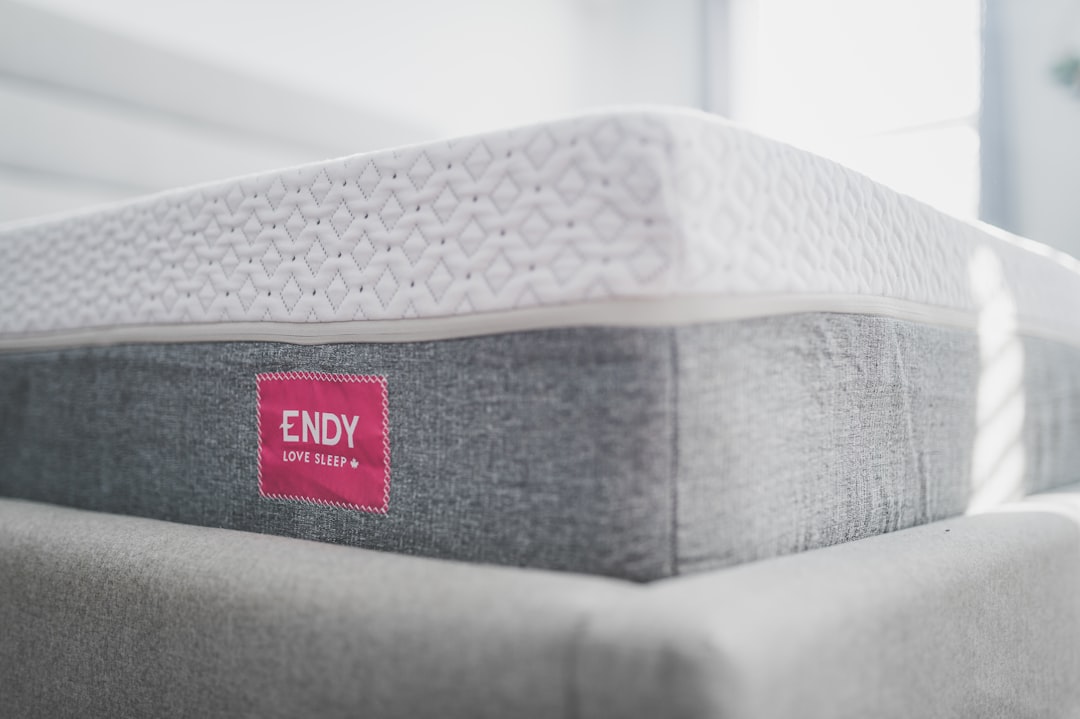
Picture a Queen-sized bed in a 12 sqm common bedroom—that’s roughly 152 by 190 centimetres of sleeping surface occupying the floor. It’s a tight fit, with maybe a narrow walkway beside it. Now imagine that room faces west, catching the afternoon sun in an Aljunied block. By evening, the walls and floor have soaked up hours of heat, and the air inside feels thick and still. A cooling mattress topper, with its gel foam or breathable bamboo cover, works by pulling heat away from your body. But in a space like this, where the window only opens to a narrow corridor and there’s no cross-ventilation, that dissipated heat doesn’t escape. It just circulates in the room, mixing with the ambient warmth that’s already there.
The physics is straightforward. Your body heat gets transferred to the topper’s cooling layer, which then releases it into the surrounding air. In a well-ventilated room, that warmer air gets replaced by cooler air from outside. In a sealed-up HDB bedroom, especially after a west-facing afternoon, the ambient temperature can linger well above 28°C. The topper does its job, but the room’s air doesn’t refresh. So you’re essentially sleeping on a cooler surface bathed in a warm bath of recirculated air. The effect is limited, like having a fan blowing in a sauna.
For anyone considering a cooling mattress upgrade in such a setting, the real issue isn’t the bedding technology. It’s the room itself. Traditional memory foam is famous for trapping heat, which is exactly why cooling versions exist — a memory foam mattress with gel-infused or open-cell foam dissipates body warmth while keeping the contouring, pressure-relieving feel people love. The gel beads absorb heat and draw it away, and the foam springs back faster so it holds less warmth. For a sleeper who wants the cradled memory-foam feel without the heat, the cooling-gel versions are the ones to compare.. You’ll feel the initial coolness when you lie down, sure. But over an hour, as your body continues to generate heat and the room’s stale air holds onto it, the benefit plateaus. For the cooling decision specifically, the memory foam versus hybrid guide is the one to read — hybrids generally breathe better than solid foam because the pocketed coils let heat escape beneath the comfort layer, while cooling memory foam tackles heat with gel and open-cell designs. For a hot sleeper, that airflow difference is the crux. The guide weighs both for the tropical climate, which is exactly the cooling trade-off you're deciding.. The only exception is if you can actively break that cycle—say, with a strong ceiling fan directing air out the window, or by running an air conditioner for a short burst before sleep. Without that, a topper alone is fighting a battle it can’t win.
It’s a common scenario in many three-room flats. The bedroom size is standard, the layout restricts airflow, and the building orientation dictates the heat load. Investing in a cooling mattress or topper makes sense for direct contact comfort. But if the room’s air remains trapped and warm, you’re only solving half the problem. For truly cool sleep, you need to address the environment the bed sits in, not just the surface you lie on.
You’ve felt that cool surface when you first lie down, and for an hour or two it’s bliss. The whole case for cooling is the climate, and the guide to choosing a mattress for Singapore's weather lays it out — at high humidity and warm temperatures year-round, a mattress that breathes and regulates temperature decides whether you sleep through the night. It walks through the cooling materials worth seeking and why they matter here more than almost anywhere. The takeaway: in the tropics, how cool and dry a mattress sleeps is as important as how supportive it is.. That’s the gel-infused topper doing its job. But come three a.m., you’re shifting again, trying to find a patch that hasn’t warmed up. The problem isn’t the topper—it’s the mattress underneath it. That dense memory foam base, common in many all-foam mattresses priced around the $800 to $1,500 range, is a slow but steady heat reservoir.
It works like a delayed reaction. The topper absorbs and dissipates your initial body heat, acting as a buffer. Meanwhile, the thick foam core beneath is gradually warming up. It doesn’t have any real cooling channels or breathable layers; its structure is designed to contour and support, not to ventilate. After a few hours, that accumulated warmth starts radiating back upwards. The thin cooling layer on top simply can’t handle that volume of heat transfer. You end up with a warm bed, not a cool one.
Think of it like trying to cool a room by opening a window while the air-conditioner is off. The breeze helps for a bit, but the ambient temperature in the room eventually wins. A cooling mattress in a queen size at 152 by 190cm is the common couple's choice, and two sleepers generate more heat across a shared bed, so cooling earns its keep nightly. The extra width also means less body-to-body warmth than a tighter size. Pair it with a queen frame with a slatted base, since airflow underneath the mattress is part of keeping it cool. For most master bedrooms, the queen cooling mattress is the practical pick.. For a typical Queen-sized mattress in a non-air-conditioned HDB bedroom, where the air itself is already warm, this effect is amplified. The base foam’s heat retention becomes the dominant factor, and the topper’s benefits are temporary.
So if you’re a hot sleeper investing in a cooling topper, you need to consider what’s below it. A gel-infused topper on a traditional memory foam mattress is often just a postponement. The only scenario where it might work adequately is if your room is actively cooled, say with an air-conditioner running through the night, which lowers the ambient temperature and reduces the overall heat load. Otherwise, you’re fighting a battle the mattress foundation is designed to lose.
The heat from a hot flush doesn’t come from your bedroom air. It surges from inside, a sudden wave that makes your core temperature spike. A mattress topper with cooling gel or a phase-change cover can’t touch that. Those materials work on surface heat, the kind you get from lying on a warm memory foam slab. They’re designed to manage the ambient 28°C night, not a physiological event that feels like a furnace switching on. For that, you need a system that pulls heat away from your body continuously, not just absorbs a bit at the start.
Imagine waking up drenched, your heart racing, while your partner sleeps peacefully beside you. That’s the classic scene. The problem isn’t the mattress cover feeling warm; it’s your body dumping heat into the bed faster than any passive material can handle. A breathable bamboo cover helps with general night sweats, sure. But when the internal thermostat misfires, you need active cooling. Ventilated coil systems or aerated latex that constantly channel air away from your skin become critical. They create a moving air buffer, which is the only thing that might match the speed of that internal surge.
Phase-change toppers are popular for hot sleepers. They absorb heat until they reach a certain temperature, then release it. Sounds good, but for a flush, they hit their limit almost immediately. A latex mattress is naturally one of the cooler constructions — its open structure lets air circulate freely, so it breathes better than traditional foam without needing added gel. Latex is responsive, pressure-relieving, hypoallergenic, and durable, which makes it a strong cooling choice for the tropics. For a sleeper who wants cool, breathable support from the material itself rather than a cooling additive, latex is the natural pick.. Your body’s spike overwhelms the material’s capacity in minutes. Then the topper is just another layer trapping heat. What you need is a mattress that doesn’t just absorb but actively dissipates. A full mattress built with cooling gel foam integrated into its core, paired with a highly breathable Tencel cover, works on a deeper level. It manages the heat transfer from your body to the environment over the entire night, not just the first flare.
Think of it like your air conditioner versus a fan. The fan just moves the hot air around. The AC actually removes heat. For night-time flashes, you need the AC approach. A mattress engineered with a ventilated core acts like a heat exchanger. The coils or channels create constant micro-airflow, pulling warmth away from your body and letting it escape. This isn’t about feeling cool when you first lie down. It’s about maintaining a stable sleeping surface even when your internal temperature is doing roller-coaster things at three a.m. That sustained response is what makes the difference between a damp, interrupted night and one where you can actually ride the wave and sleep.
The goal isn’t to prevent the flush—that’s biological. The goal is to not let it wreck your sleep. If you wake up soaked and hot, you’re up for an hour trying to cool down. A mattress that merely has a cool-to-touch cover won’t help you then. You need one that supports temperature regulation through the entire cycle. The right combination of aerated latex, breathable covers, and perhaps even a gel layer deep in the foam can help your body settle back down faster. It gives that internal heat a clear escape route, so you might just shift positions and drift off again instead of staring at the ceiling. For a 4-room BTO master bedroom in Singapore, that continuity is worth more than any passive topper.
You’ll sometimes wake up feeling the surface is a bit clammy. That damp sensation isn’t a flaw in the material itself—it’s the physics of a phase-change topper operating in our specific climate. These materials absorb your body heat to change from a solid to a softer state, releasing that stored energy as they cool down again. In a controlled, dry lab environment, that process feels neutral. But here, with humidity often around 80%, the moisture in the air interacts with that heat exchange. The surface can feel slightly cool and damp, almost like a dewy morning, because the local moisture condenses on the cooler material surface.
For sleepers who are particularly sensitive, that clammy feel can be a deal-breaker. It’s not about the topper failing; it’s about the environment amplifying a side effect. If you’re someone who already struggles with night sweats or hot flushes, the added sensation might just feel like another layer of discomfort. You’re getting the cooling benefit, but paying a sensory price.
It’s a classic mismatch between ideal testing conditions and real-world use. Manufacturers test these toppers in climate-controlled chambers, where the air is dry and the temperature stable. Singapore bedrooms, especially those without air-conditioning running all night, present a completely different scenario. The air is saturated, and your own body is a constant heat source. The material is doing its job—actively managing temperature—but the high ambient humidity adds that unwelcome tactile layer.
The one real exception is if your bedroom is consistently air-conditioned to a dry, temperate state. In that sealed environment, the humidity is drastically lowered, and the phase-change material operates closer to its intended conditions. For most flats relying on natural ventilation or a fan, however, that damp feel is pretty much a given. If replacing the mattress isn't on the cards, the cooling mattress topper guide is the cheaper route to a cooler bed — a gel-infused or phase-change topper sits over your existing mattress, absorbing and dispersing heat and wicking moisture. It won't transform a worn mattress, but it noticeably drops the surface temperature. The guide also covers the surrounding fixes: breathable bedding, room ventilation, a cooler bedtime routine. A practical first step before a full upgrade.. It’s a trade-off: you gain temperature regulation, but you might lose that perfectly dry, crisp feel against your skin.
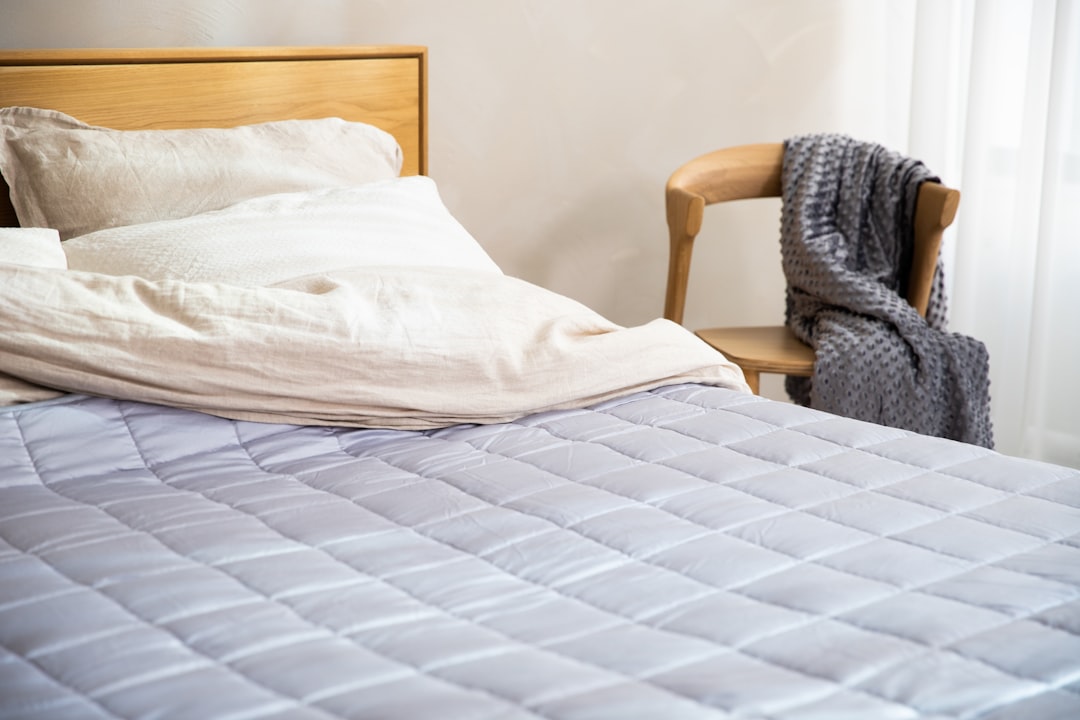
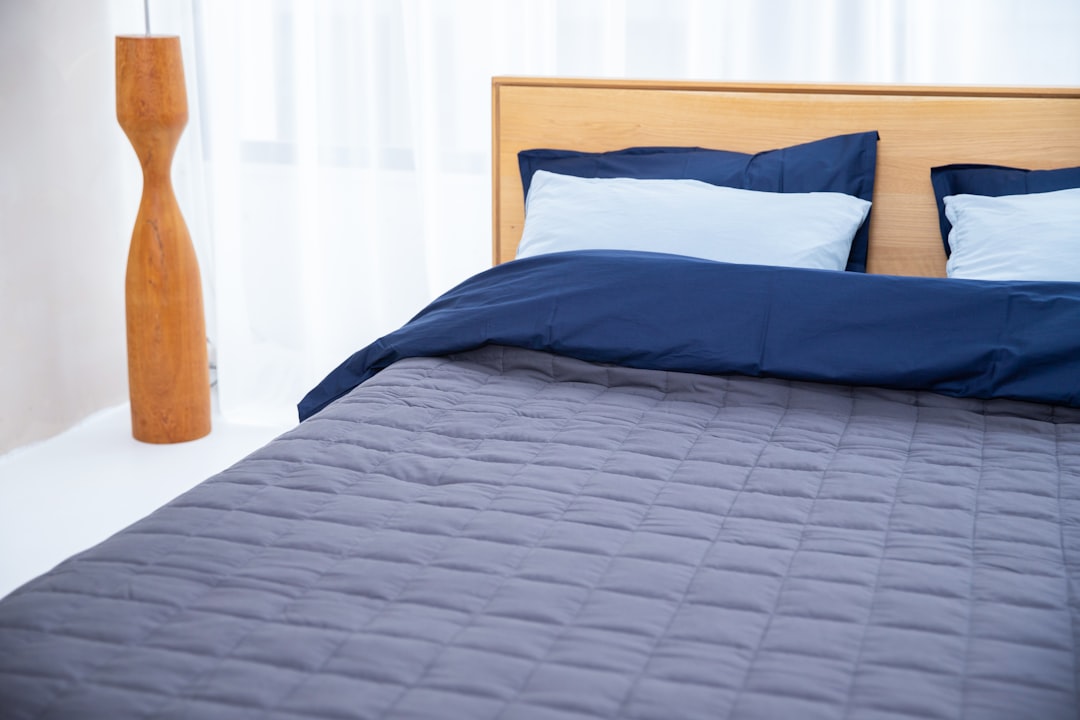
The cooling benefit of aerated latex is undeniable—that open structure lets heat escape, a genuine relief in a 4-room BTO where the bedroom’s ambient temperature rarely dips below 28°C. But for sleepers over 80kg, that breathability comes with a hidden cost that unfolds over time. The material’s cellular structure, designed to let air flow, also lacks the dense, uniform resilience needed to consistently resist heavier body weight. After about a year of nightly use, you’ll find the topper softening unevenly, especially under the hips and shoulders. It’s not a gentle overall settling; it’s a collapse in specific zones, creating pressure points that actually make you sink deeper into the mattress beneath. Suddenly, you’re not sleeping cooler—you’re sleeping hotter, because you’re buried in a pocket of compressed foam with little airflow.
That’s the trade-off: you start with a cool surface, but end up with compromised support. In our humidity, the softening can accelerate; the material doesn’t recover its bounce as well after absorbing moisture from the air night after night. A topper that’s lost its structural integrity can’t be revived with flipping or rotation—it’s a permanent change. So you’re left with a product that fails at its primary job of pressure relief, and the initial cooling advantage becomes irrelevant because you’re now contorted into an uncomfortable position.
For heavier individuals, this means the add-on approach simply doesn’t work long-term. Investing in a separate topper to fix a mattress’s support issues is a temporary patch, not a solution. When the topper itself develops pressure points, you’re facing two problems: a worn-out base mattress and a now-defective top layer. The smarter, more economical move is to replace the entire sleep system with a mattress engineered for both cooling and proper support from the outset—one designed with materials and a construction that can handle the weight without degrading. A foam mattress can sleep cool when it's the right type — gel-infused or open-cell foam tackles the heat retention that plain foam is prone to, at a value price. It's worth treating cooling as a deciding factor rather than an afterthought when choosing foam in the tropics. Look for the cooling technology named explicitly, not just "breathable". For a budget-friendly cooling option, the gel and open-cell foam models are where to look.. That’s the only way to secure lasting comfort in our climate.

You won't know if that cooling topper actually works for you until you lie on it with your partner for a solid ten minutes. Cooling shows up differently across constructions, so browsing by mattress type helps — gel memory foam cools a contouring feel, latex breathes naturally, and hybrid uses its coil base for airflow. Each keeps you cool by a different mechanism, so the type shapes how the cooling works. Pure traditional foam without cooling tech is the one to be wary of in the heat. Matching the type to how cool you need to sleep narrows the field fast.. That’s the only real test, and it’s why you should head to a showroom with the full setup on display. A quick sit-down on a mattress alone tells you nothing about how the system handles two bodies generating heat through a whole night’s rest. The bamboo-Tencel weave feels cool to the touch initially, but you need to assess if that surface stays cool when pressed down by weight and trapped air.
So go to Joo Seng or Tampines, find the Somnuz® mattress paired with its dedicated topper, and get on it. Both of you. Don’t just perch on the edge—lie down properly, in your usual sleeping positions. Pay attention to the spot where your partner’s warmth meets yours. Feel the fabric; it should have a dry, smooth coolness even after a few minutes, not a clammy cling. The real question is whether the base mattress’s ventilation—those channels or coils underneath—is actually pairing with the topper’s technology to move heat away. If you just feel a generic chill, that’s probably the surface fabric doing its job. If you start to sense a gentle, consistent airflow pulling warmth down through the layers, that’s the system working.
Ignore the urge to rush. Ten minutes feels long in a showroom, but it’s the minimum to let your body settle and the materials respond. Watch for that slow creep of warmth that often starts around the eighth minute on lesser designs. If it doesn’t happen here, you’re likely looking at a proper solution for a non-air-conditioned room. The one real exception? If you sleep alone, you can probably cut the test down to five minutes—a single body is less demanding. But for couples, the full ten is non-negotiable.
Ultimately, the combo might feel perfect, or you might realise the topper’s cooling is superficial and the base isn’t helping enough. That’s the point of the trip. You’re not just ticking a box; you’re gathering the only data that matters before you commit to a purchase that’ll face Singapore’s humidity every night. Get the answer on the showroom floor, not in your own bedroom three weeks later.
" width="100%" height="480">Cooling mattress topper limitations: When it's not enoughIt’s a pattern you notice after a while. People come in looking for a quick fix to a hot bed, and their questions start to circle around the same few points. They’re not asking about the fancy tech or the latest materials—they’re trying to figure out what will actually work in their flat, and for how long.
Will a cooling topper work without aircon? That’s the first one, and it’s a fair question. A topper can pull heat away from your body, but if the room itself is sitting at 30 degrees, there’s nowhere for that heat to go. It’s like trying to cool a drink by putting it in a warm cupboard. The topper becomes a middleman, not a solution.
Cooling mattress topper vs full cooling mattress for HDB. This gets practical. A topper is a layer on top of whatever you already own, which might be a standard foam or spring mattress that’s trapping heat underneath. A full cooling mattress is engineered from the base up to channel warmth away through its entire structure. The clearest in-house cooling example is Somnuz Megafurniture's own line, whose mattresses use a breathable knitted Tencel® cover designed for the local climate, often over latex or pocketed-spring layers that keep air moving. Because it's the exclusive in-house brand, you get that cool-sleeping build without the name-brand markup. For a cooling mattress that's well-made and good value, the Somnuz line is a natural starting point.. In a compact HDB bedroom where airflow can be limited, that foundational design makes a difference.
Why does my cooling topper feel hot after 6 months? It’s a common frustration. The materials inside, especially some foams and gels, can lose their peak performance over time with constant use and exposure to our humidity. They might still feel cooler than a plain topper, but that initial ‘wow’ effect can fade. Maintenance matters—regular cleaning and letting it breathe can help, but it’s not a permanent fix.
Best cooling topper for menopause night sweats Singapore. This query is specific and urgent. Night sweats aren’t just about ambient temperature; they’re a sudden internal heat surge. A topper needs to respond instantly, pulling that moisture and heat away before it pools. Materials that absorb and evaporate quickly, like certain breathable covers, become key here. But even the best topper is only managing the surface—it can’t reset your core temperature.
Cooling mattresses use specific materials to manage heat and moisture. Breathable bamboo or Tencel covers promote airflow, while cooling gel foam or aerated latex layers dissipate body heat. These engineered materials are crucial, as Singapore's 80%+ humidity can make standard memory foam feel uncomfortably warm and trap moisture.
Sometimes, you just have to admit defeat. A cooling topper is a clever solution for many, but there are a few scenarios where it’s honestly a waste of money. If you’re facing any one of these three conditions, you’re better off skipping the topper entirely and looking at a full mattress replacement.
First, a west-facing bedroom without air-conditioning. The afternoon sun heats up the entire room like a concrete oven, and that heat lingers well into the night. A thin layer of cooling gel or bamboo on top of your mattress is fighting a battle it can’t win—the base environment is simply too hostile. Second, if your existing mattress is a deeply heat-retentive one, like a dense traditional memory foam, the topper is just a bandage. That base layer acts like an insulator, trapping warmth underneath; your cooling surface becomes a temporary island on a hot sea. Third, consider your own internal thermostat. If you’re on medication that raises your body temperature or experiencing significant hormonal shifts, you’re generating heat from within. A topper cools the surface you touch, but it can’t manage the core heat your body is producing all night.
In these cases, the incremental fix doesn’t stack up. You’re adding a good layer onto a fundamentally bad foundation, and the result will still disappoint you. The investment in a topper then feels sian, because the problem persists.
The smarter move is to address the root cause. A proper cooling mattress is engineered from the ground up to dissipate heat—through ventilated coil systems, aerated latex cores, or phase-change materials integrated throughout. It’s a complete thermal management system, not just a surface treatment. For sleepers in those truly challenging situations, that’s the upgrade that will actually change your nights. So, if your checklist hits any of those non-negotiable signs, redirect your budget. Look for a mattress built to handle the heat from the inside out.
A cooling pick sits within the wider mattress range in Singapore , so it's worth seeing the full spread — memory foam, latex, pocket spring, and hybrid, with cooling features across several of them. Browsing the range shows where the coolest-sleeping options sit against the rest. In the tropics it's worth filtering for breathability and temperature regulation early. Choose the construction for how you sleep, then weight cooling heavily in the final call..