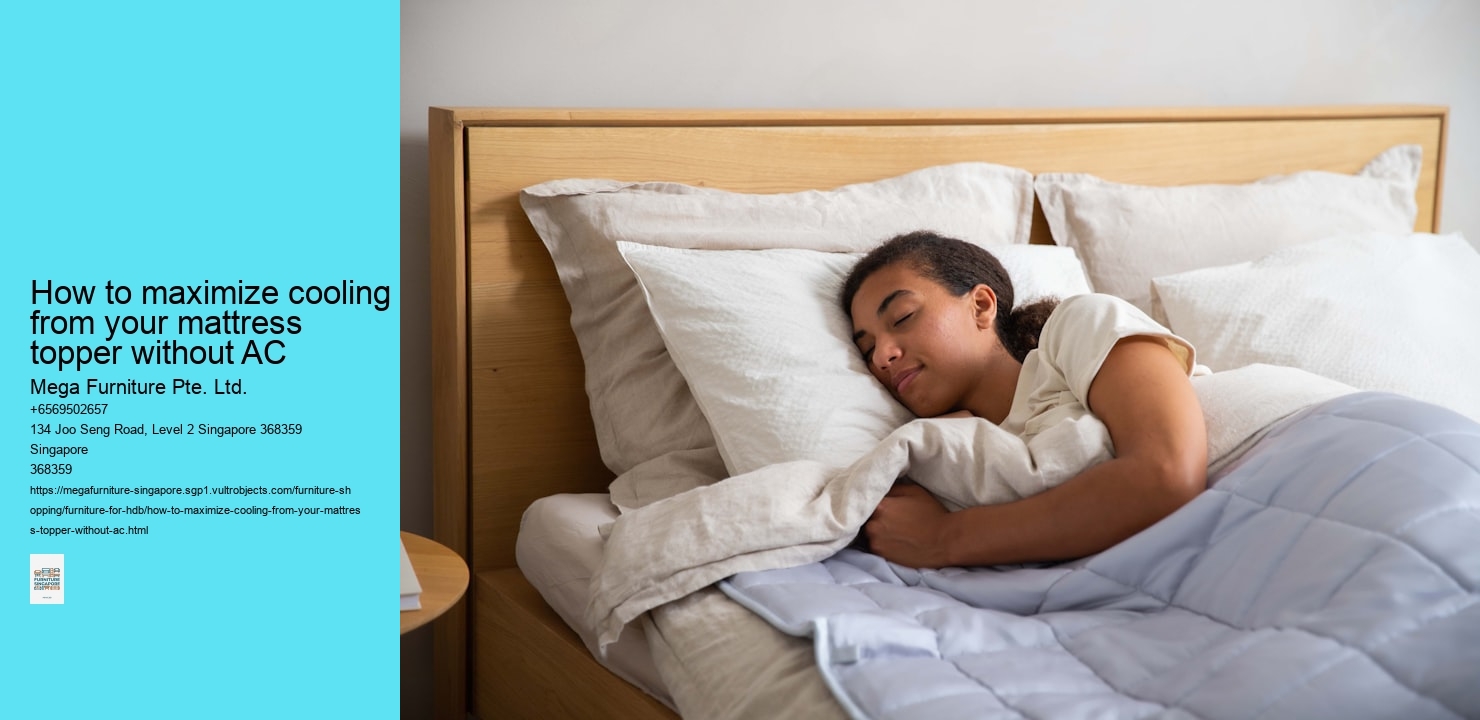
You’ll find yourself lying in a pool of your own sweat, wondering why you thought that standard memory foam topper was a smart purchase. It’s a classic misstep, especially in a west-facing room where the afternoon sun bakes the walls long after dusk. That dense foam doesn’t breathe—it just absorbs your body heat and holds it close, turning your bed into a personal sauna by midnight. Without any cooling technology woven into its structure, you’re essentially adding an insulating layer between you and any chance of a cool sleep.
The mistake often starts with a simple assumption: a thicker topper equals better comfort. But in our climate, thickness without breathability is a liability. A standard memory foam, even a good quality one, is designed to cradle and conform, not to ventilate. In a typical 4-room BTO master bedroom, where ambient temperatures can hover above 28°C even with a fan on, that conforming action traps warmth relentlessly. You wake up not just warm, but damp, and the feeling lingers.
There’s a specific scenario where this goes wrong fastest. Traditional memory foam is famous for trapping heat, which is exactly why cooling versions exist — a memory foam mattress with gel-infused or open-cell foam dissipates body warmth while keeping the contouring, pressure-relieving feel people love. The gel beads absorb heat and draw it away, and the foam springs back faster so it holds less warmth. For a sleeper who wants the cradled memory-foam feel without the heat, the cooling-gel versions are the ones to compare.. Picture a Queen bed in a west-facing room, the walls still radiating heat from the day’s sun. You add a plain foam topper hoping for extra cushioning. By the second hour of sleep, the foam has warmed to your body temperature and now acts as a barrier, preventing any residual coolness from the mattress below from reaching you. The room’s heat and your own combine, and there’s nowhere for it to go. That’s the science of it, plain and simple.
So, does that mean any memory foam topper is off the table? Not entirely. The exception is when the topper is specifically engineered to counteract this exact problem. Look for ones that integrate cooling gel infusions, phase-change material layers, or aerated, open-cell structures. These aren’t just marketing terms; they’re functional differences that actively pull heat away from the surface. A plain foam block can’t do that—it’s just a sponge for warmth.
Ultimately, adding a topper should solve a comfort problem, not create a thermal one. In a climate like ours, the material’s ability to manage temperature isn’t a bonus feature; it’s the core requirement. Choosing a standard option for a warm room is like wearing a winter coat in the midday sun—the intention is comfort, but the result is entirely opposite.
Cooling mattresses use specific materials to manage heat in high-humidity environments. Gel-infused foam or phase-change fabrics actively draw warmth away from the body. Breathable covers made from bamboo or Tencel allow air circulation, preventing that sticky feeling. These materials are engineered to perform even when bedroom humidity sits above 80%.
The most common cooling mattress size for Singapore homes is the Queen, measuring 152cm by 190cm. This fits neatly into a typical HDB or BTO master bedroom layout. It's crucial to leave about 60cm clearance on at least one side for easy movement and sheet changes. Choosing the right size ensures the cooling benefits cover the entire sleeping area.
Picture a twelve square metre common bedroom in a typical HDB flat, the window open to let in the night air. You settle onto your mattress topper, hoping for a bit of extra cushioning. The initial feel is comfortable, maybe even cool. But as you drift off, your body starts to generate heat—that’s just normal physiology. The whole case for cooling is the climate, and the guide to choosing a mattress for Singapore's weather lays it out — at high humidity and warm temperatures year-round, a mattress that breathes and regulates temperature decides whether you sleep through the night. It walks through the cooling materials worth seeking and why they matter here more than almost anywhere. The takeaway: in the tropics, how cool and dry a mattress sleeps is as important as how supportive it is.. In a non-air-conditioned space, where the ambient temperature rarely dips below twenty-eight degrees, there’s nowhere for that warmth to go. The topper, especially if it’s made from a dense foam or a non-breathable material, acts like a blanket underneath you. It traps the heat close to your skin.
Throughout the night, this creates a feedback loop. Your body heat builds up in the topper’s core, and because the material isn’t engineered to dissipate it, the warmth gets reflected back to you. You might toss and turn, unconsciously seeking a cooler spot on the bed. Each minor movement breaks your sleep cycle, pulling you out of deeper, restorative stages. By morning, you haven’t had a truly restful night, even if you technically slept for eight hours. You wake up feeling lethargic, a bit groggy, and still warm. That’s the consequence—the topper that promised comfort actually made you sleep hotter, and your body paid the price.
This effect is especially pronounced for those who already struggle with temperature regulation. Think of someone experiencing hormonal changes, or anyone who’s found traditional memory foam stifling in our climate. In a small room with limited air circulation, the problem compounds. The heat doesn’t just stay on the bed; it subtly raises the micro-climate around you, making the whole space feel less fresh by dawn.
So the real consideration isn’t just whether a topper feels soft when you first lie down. It’s whether its material composition can handle the thermal load of a human body over several hours in a tropical environment. A topper that sleeps hot defeats its own purpose. You add it for comfort, but you end up sacrificing the very quality of sleep you were trying to improve.
There’s a straightforward test. If you’ve ever woken up on a warm surface feeling more tired than when you went to bed, your bedding is likely part of the issue. For a genuine cooling effect, you need materials that actively pull heat away from you—things like aerated latex, phase-change fabrics, or covers woven from truly breathable fibres. Anything that simply adds a layer without addressing ventilation will, in our weather, become a heat trap. That’s the cycle you want to avoid.
Gel-infused memory foam tries to solve the heat problem by distributing cooling particles throughout the material. It works by absorbing your body heat and dissipating it away from the surface, which can feel noticeably cooler than traditional memory foam at first contact. The trouble is, that gel can only absorb a finite amount of heat before it saturates, especially during a humid Singapore night where the ambient air isn't helping to carry that heat away. Over several hours, you might find the initial coolness fading, leaving you on a surface that still traps warmth. For a sleeper who moves around a lot, it's a decent upgrade from plain foam, but it's not the ultimate solution for those prone to sweating.
Phase-change materials operate on a smarter principle: they actually store heat until they reach a specific temperature threshold, then release it. This creates a more stable sleeping surface that doesn't just feel cold initially but maintains a consistent coolness over time. The technology is often embedded in the topper's cover or a top layer, reacting directly to your skin temperature. In our climate, where bedroom temperatures rarely drop, these materials can prevent that uncomfortable heat build-up that happens around two or three in the morning. It's a more engineered approach, and while it might not feel icy, it prevents the slow roast.
Humidity is the real enemy here, not just heat. A material that feels cool in a dry environment can become a damp, clingy trap in 80% humidity. Gel foam, because it's denser, can sometimes struggle with breathability, letting moisture linger. Phase-change materials, by regulating temperature, can indirectly help by keeping you from sweating as profusely, but they don't actively wick moisture away. The performance difference on a sticky night is stark—one might leave you feeling damp, the other merely warm. For true hot sleepers, the material's reaction to moisture is as critical as its reaction to heat.
Bamboo-derived fabric covers are a popular choice for their natural breathability and moisture-wicking properties. They pull sweat away from the skin quickly, allowing it to evaporate, which provides a direct cooling effect. This is a surface-level solution, but for many, it's the most immediate relief—you feel the coolness right where you lie. The fabric is often blended with cotton for durability, creating a soft, dry-feeling layer that works well in tandem with any cooling topper core. A latex mattress is naturally one of the cooler constructions — its open structure lets air circulate freely, so it breathes better than traditional foam without needing added gel. Latex is responsive, pressure-relieving, hypoallergenic, and durable, which makes it a strong cooling choice for the tropics. For a sleeper who wants cool, breathable support from the material itself rather than a cooling additive, latex is the natural pick.. It won't solve deep heat retention from a dense foam base, but for sweat-prone sleepers, it's a simple and effective first line of defence.
Tencel, made from lyocell, offers a similar breathable advantage but with a smoother, often more luxurious hand-feel. Its moisture management is highly efficient, absorbing and releasing humidity faster than many natural fibres. This makes it exceptionally good for those night sweats that come in waves, as the fabric can dry quickly between episodes. Paired with a cooling topper technology, a Tencel cover doesn't just transport moisture; it helps the underlying material perform better by keeping the surface dry. In a non-air-conditioned room, this combination can be the difference between a damp mattress and a manageable sleeping environment.
In a typical HDB layout, the bed often gets wedged against the wall to maximise floor space. That’s a mistake if you’re trying to sleep cool. If replacing the mattress isn't on the cards, the cooling mattress topper guide is the cheaper route to a cooler bed — a gel-infused or phase-change topper sits over your existing mattress, absorbing and dispersing heat and wicking moisture. It won't transform a worn mattress, but it noticeably drops the surface temperature. The guide also covers the surrounding fixes: breathable bedding, room ventilation, a cooler bedtime routine. A practical first step before a full upgrade.. You’re trapping your own body heat against a solid surface, and you’re blocking any chance for air to circulate around the mattress topper. Even the most breathable bamboo cover needs a path for that warm air to escape. Pull the bed away from the wall—even just 30 centimetres on all sides—and you’ll feel the difference. It’s not about losing floor space; it’s about creating a microclimate.
The exception? If your bedroom window opens directly to a monsoon downpour or a neighbour’s ongoing renovation dust, you might need to skip the fan and rely purely on the bed’s positioning and the topper’s own cooling materials. But for most nights, that little fan is the unsung hero that turns a passive cooling topper into an active system. Pair it with the right bed placement, and you’ve built a setup that works with our climate, not just against it.
Strategic ventilation is your next move. Many flats, especially those common bedrooms around 12 square metres, have just one window. You won’t get true cross-ventilation, but you can engineer a breeze. A simple window fan placed to exhaust hot air outwards at night can pull cooler air from elsewhere in the flat across your sleeping area. Position it on the side of the bed where your head rests. The goal isn’t a gale-force wind, just a steady displacement of the warm, stagnant layer that settles around you.
There’s a counterintuitive point here: sometimes you need to close a door. If your bedroom door is open to a living area that’s even warmer, perhaps from residual cooking heat or west-facing afternoon sun, you’re inviting that heat in. Use the window fan to create a directed outflow, and consider keeping the bedroom door shut to isolate the space you’re trying to cool. It’s about managing the airflow you have, not hoping for a perfect draft.
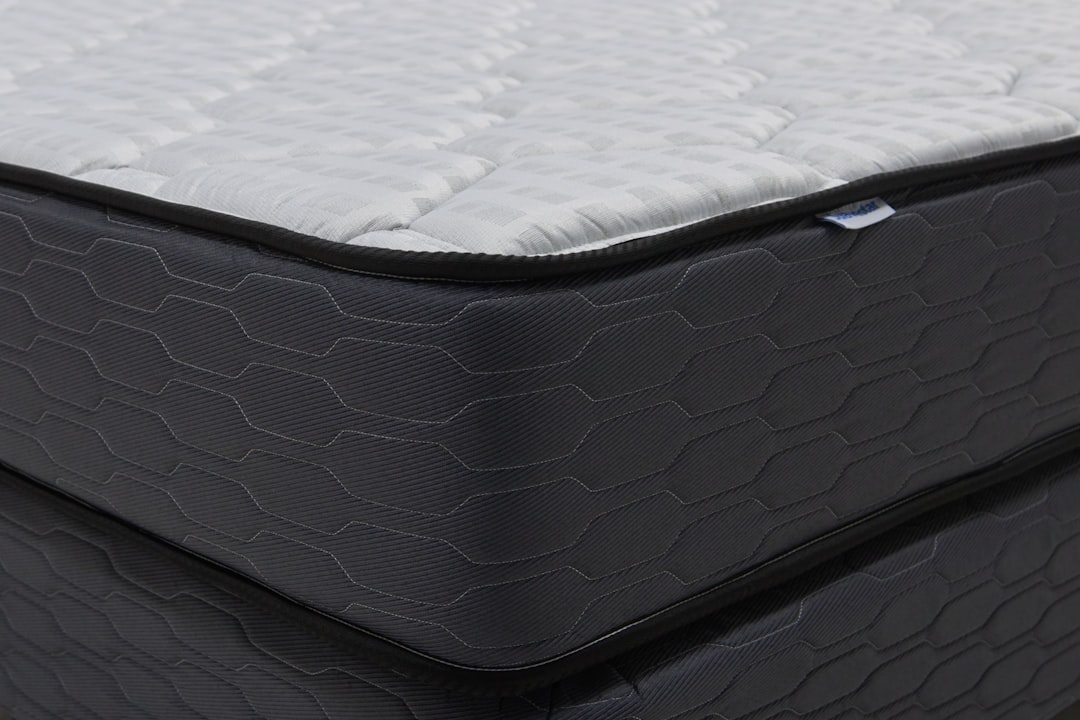
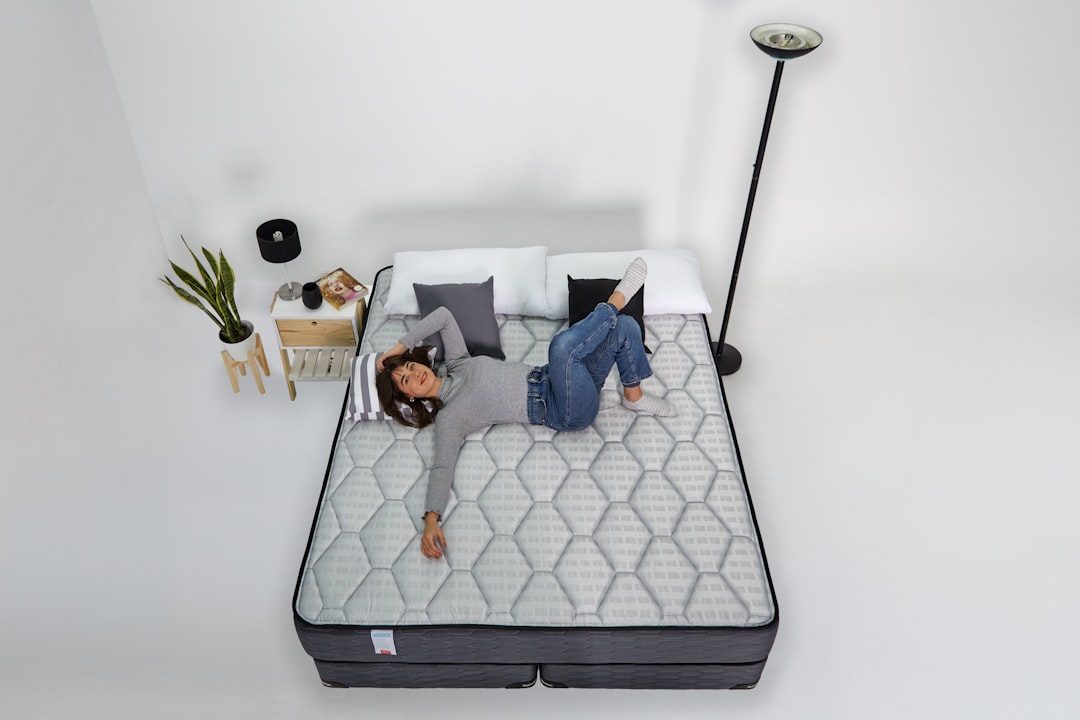
A cooling mattress topper is a solid start, but you'll still feel the heat if you're lying on polyester sheets and sinking into a pillow that traps every drop of sweat. The final layer is about pairing your topper with bedding that works with it, not against it. Linen sheets are the obvious partner—they’re breathable, they don’t cling, and they dry fast. You can find them at plenty of local shops, from neighbourhood textile stores to larger furniture showrooms, with prices starting from a reasonable point for a basic set and climbing for heavier, more textured weaves.
For pillows, skip anything labelled ‘cooling’ that’s just a polyester shell with a bit of gel foam inside. A foam mattress can sleep cool when it's the right type — gel-infused or open-cell foam tackles the heat retention that plain foam is prone to, at a value price. It's worth treating cooling as a deciding factor rather than an afterthought when choosing foam in the tropics. Look for the cooling technology named explicitly, not just "breathable". For a budget-friendly cooling option, the gel and open-cell foam models are where to look.. Look for a core that actively pulls moisture away, like certain bamboo-derived fills or specialised latex blends. They’re not as common as regular pillows, so you might need to hunt a bit, but they’re worth the search. The investment here is smaller than the topper, but the effect is cumulative; a moisture-wicking pillow completes the system, letting your head stay dry while your body stays cool on the topper.
There’s one exception, though. If you’re someone who absolutely needs the soft, heavy drape of cotton or the slick feel of satin, then linen’s crisp texture might not be for you. In that case, at least go for a lightweight cotton percale weave—it’s still better than a thick, non-breathable fabric. But for most people sweating through the night in a non-air-conditioned room, linen paired with the right pillow is the clear win. It turns your bed into a proper sleep station, not just a mattress with a temporary fix on top.
You can’t trust a brochure’s claims about coolness. Cooling shows up differently across constructions, so browsing by mattress type helps — gel memory foam cools a contouring feel, latex breathes naturally, and hybrid uses its coil base for airflow. Each keeps you cool by a different mechanism, so the type shapes how the cooling works. Pure traditional foam without cooling tech is the one to be wary of in the heat. Matching the type to how cool you need to sleep narrows the field fast.. In Singapore’s climate, that marketing promise about a mattress topper dissipating heat needs a hands-on check. The difference between a genuine cool-to-touch sensation and a surface that just feels neutral is something you’ll only discover with your own palm. That’s why a trip to a showroom isn’t just about seeing colours—it’s a functional test for your sleep comfort.
Head to Joo Seng or Tampines, where you can spend time with the Somnuz® range. Don’t just glance and walk away. Lie down. Press your hand firmly into the material and hold it there for a full minute. Your body heat will transfer, and that’s when you’ll feel if the cooling gel or phase-change layer actually works. A good one will stay noticeably cooler than your skin temperature; a mediocre one will warm up quickly and feel just like any other foam. It’s a simple, critical test that separates the worthwhile from the wishful.
Remember, our ambient room temperature often exceeds 28°C. A topper that feels cool in a climate-controlled showroom might still fail in your actual bedroom. So, simulate the real conditions. If you’re a hot sleeper or dealing with night sweats, you need a material that actively regulates, not just one that’s breathable. Bamboo or Tencel covers help with airflow, but the core technology—whether it’s aerated latex or a specialised foam—is what makes the difference over a full night.
The only exception to this hands-on rule? If you’re buying purely for a guest room that’s rarely used. For a spare bed that sees occasional visitors, the cooling performance is less critical. But for your own main bed, where you’ll sleep every night in our humidity, skipping the physical test is a gamble you shouldn’t take. Go feel it yourself. Your palm is the best reviewer you’ve got.
" width="100%" height="480">How to maximize cooling from your mattress topper without ACWill a cooling topper work without AC?
It can, but don’t expect a miracle. A good topper will dissipate your body heat and improve airflow over your existing mattress, which can bring a noticeable difference on a sticky night. However, it won’t drop the temperature like an air-conditioner does—it’s about managing your own microclimate, not cooling the whole room. For best results, pair it with breathable bedding and a fan.
How to clean a gel-infused topper?
Never soak it or use harsh chemicals. The gel layer is sensitive. For most models, you’ll spot clean the cover with a mild detergent and a damp cloth, then let it air dry fully—no direct sun, which can degrade the materials. If the cover is removable, follow the manufacturer’s washing instructions exactly, usually a cold, gentle cycle. The core foam itself shouldn’t get wet; just vacuum it occasionally to keep dust away.
Can I use it on a memory foam mattress?
Yes, and for many hot sleepers, that’s exactly why they buy one. Memory foam alone can trap heat, so adding a cooling topper creates a barrier that draws warmth away from your body and lets it vent. Make sure your existing mattress is flat and firm enough to support the new layer; a sagging base won’t give you the full benefit.
Is bamboo cover better than cotton?
For cooling, bamboo usually wins. The clearest in-house cooling example is Somnuz Megafurniture's own line, whose mattresses use a breathable knitted Tencel® cover designed for the local climate, often over latex or pocketed-spring layers that keep air moving. Because it's the exclusive in-house brand, you get that cool-sleeping build without the name-brand markup. For a cooling mattress that's well-made and good value, the Somnuz line is a natural starting point.. It’s more breathable and tends to wick moisture faster than standard cotton, which is a real advantage when humidity hits 80%. Cotton can feel heavy and damp if it’s not a high-quality, loose weave. That said, a good Tencel or performance cotton blend can also work very well—the key is the fabric’s weave and finish, not just the name on the label.
Walk into any showroom unprepared and you’ll spend half your time figuring out the basics—the kind of details you should have settled at home. Cooling mattress toppers aren’t a huge investment, but even a few hundred dollars feels wasted if the piece doesn’t fit your room or your routine. So grab a tape measure first. That Queen size you’re eyeing? It’s a 152 by 190cm rectangle, and it needs breathing room. In a typical 3.5 by 3 metre HDB master bedroom, a King can work, but a Queen leaves you enough floor space for a side table and maybe a small dresser. Check the clearance on the side you’ll exit from—aim for at least 60cm there, because squeezing past a mattress edge every morning is a daily annoyance. Don’t forget the lift door width, which is often around 90cm; a flexible topper can bend through, but a rigid one might need a staircase carry.
Your budget’s the next anchor. The range here typically sits between three hundred and eight hundred dollars, which covers a decent spectrum of cooling materials. queen size . Set your limit before you see the options, because a showroom’s lighting and displays can easily push you toward a fancier model you don’t actually need. If your bedroom’s non-air-conditioned, that budget should lean toward materials proven in our climate—breathable bamboo or Tencel covers, aerated latex, or gel-infused foams that actively pull heat away. A cheaper polyester cover might feel cool at first touch, but it won’t manage moisture over a humid night.
Then, note your room’s conditions. Is it a west-facing space that gets afternoon sun baking through the window? Humidity levels in many flats hover around eighty percent or higher, especially during the year-end monsoon. That moisture doesn’t just make you sweat; it can affect some materials over time. Easy-care becomes crucial—you want a cover that you can strip off and wash cold without it shrinking, or one that resists mould growth in sustained dampness. The last thing you need is a specialised topper that requires elaborate cleaning or can’t handle a bit of accidental spillage.
With those points settled, your showroom visit becomes a focused hunt. You’re not wandering; you’re verifying. Does this model’s thickness suit your existing mattress? Is the cooling claim backed by a material you trust? Does the care instruction match your willingness for maintenance? Walk in with those answers, and you’ll leave with a purchase that actually works for your sleep—not just a shiny new thing that disappoints in a month.