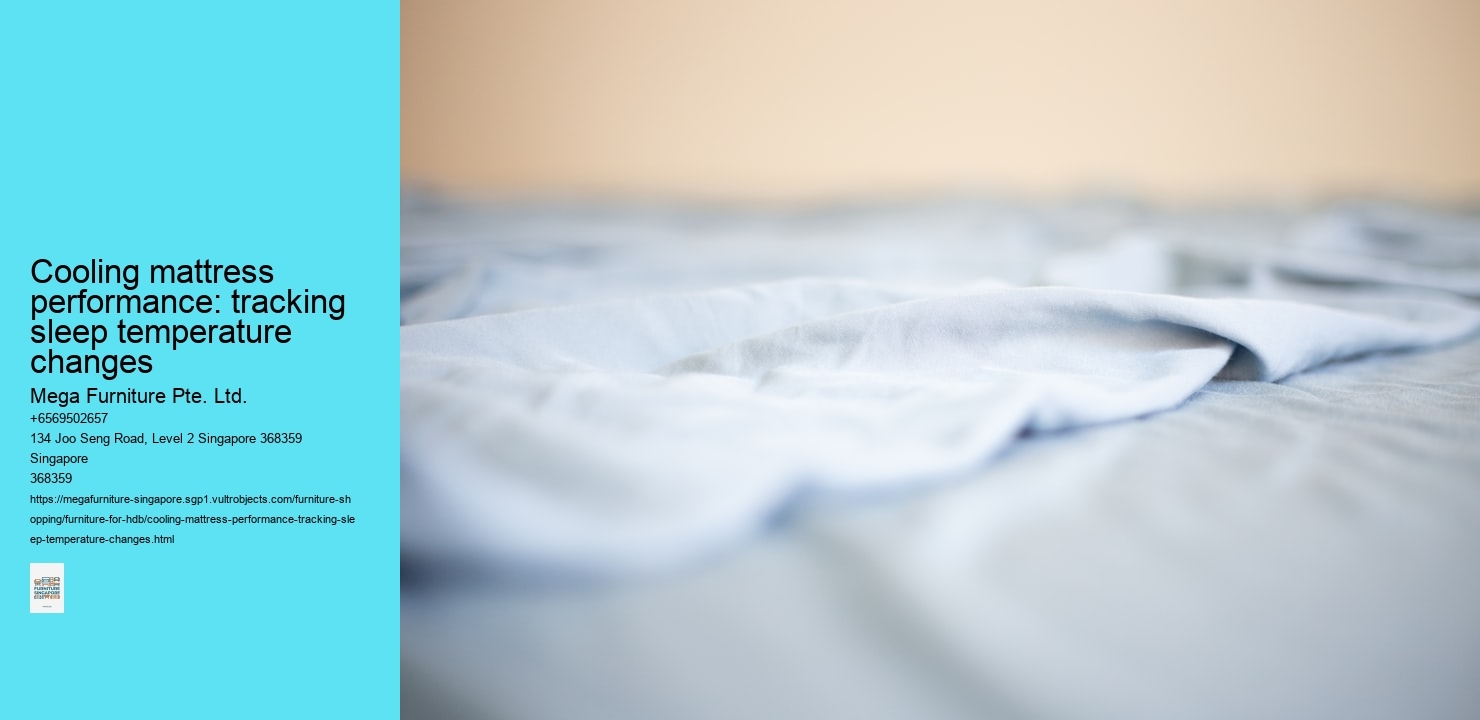
That cooling cover feels so nice when you first get it—smooth, breathable, a real relief from the usual sticky nights. But that’s exactly where trouble starts. The bamboo or Tencel fabric is engineered to pull heat away from your body, and it does that by being porous. In our climate, that openness also means it’s the first layer to soak up all the moisture in the air. Think about a west-facing bedroom in a 4-room BTO: the afternoon sun heats up the room, then as evening comes, the humidity settles in. That cover isn’t just touching you; it’s absorbing that whole damp atmosphere.
You’ll see it first as a slight change in texture. The fabric might start to feel a bit rougher, less crisp. It’s not pilling yet, but it loses that cool, dry feel against your skin. This isn’t about washing it wrong or spilling something—it’s just the air itself, day after day. If you’ve got a non-air-conditioned room, or even one where the AC isn’t running 24/7, that cover is constantly cycling between whatever warmth you generate and the room’s ambient dampness. The material can handle it for a while, but without the right care, the breakdown begins there.
Once the cover’s integrity starts to go, everything underneath follows. A compromised cover won’t wick moisture away as effectively, so it can trap dampness against the cooling gel foam or phase-change materials below. That’s when you might notice the mattress itself feels less responsive, or that it doesn’t seem to cool you down as quickly as it used to. The cover is the gatekeeper; if it’s degraded, the whole system’s performance drops.
So your maintenance routine absolutely must start with the cover. It’s the frontline defence. A regular, gentle clean with cool water—never hot—and letting it fully dry before you put it back on is crucial. Some people think the magic is all in the foam or the coils, but in Singapore, the cover is the piece that kena the humidity first. Protect that one, and you protect the mattress’s ability to do its job for years.
You’ll be tempted to treat that cooling mattress like any other—just wipe it down with a damp cloth when it gets a bit dirty. That’s where warranties get voided. The phase-change layer isn’t just a fancy bit of foam; it’s a micro-engineered material that actually absorbs and releases heat to keep you cool. Harsh cleaning agents or soaking can damage its structure, and once that happens, the cooling effect is gone. You’re left with a regular mattress that just costs more.
Manufacturers know this, so their care instructions are specific. Usually, they’ll tell you to use a mild detergent diluted in water, applied with a soft cloth—never a spray that pools or seeps deep. A light dab, not a scrub. And you should never, ever use a steam cleaner or any kind of bleach-based solution. Those can break the PCM’s chemistry permanently. The warranty document often spells this out in a small-font section that many buyers skip—but that’s the part you need to read.
For the removable cover, it’s a bit easier. If it’s a bamboo or Tencel one, you can typically cold wash it and air dry it flat. Don’t tumble dry on high heat, because that can shrink the fabric and affect how it fits over the PCM layer. A tight, shrunk cover might even compress the material underneath, which could mess with its performance. Just follow the label.
So the rule is simple: stick to the manual’s method. The only time you might deviate is if there’s a serious stain that a mild solution won’t touch—then you should contact the manufacturer directly for advice before doing anything drastic. They might have a specific stain-removal protocol that still keeps the warranty intact. Otherwise, gentle cleaning is the way to keep that cool sleep going for years.
The whole cooling idea relies on air moving through those little gaps around the coils. In a typical 3-room flat around Eunos or Bedok, you're already dealing with less cross-ventilation compared to newer estates. Dust from the neighbourhood, plus the usual indoor lint, settles into those channels over months. It starts as a fine layer, but it builds up until it's basically a felt blanket lining the interior. That blanket acts like insulation, trapping the heat your body releases instead of letting it escape. The mattress can't do its job anymore, and you'll feel warmer even though the materials haven't changed.
When the airflow paths are clogged, the physics changes completely. The system is designed to dissipate heat by convection, drawing it away through the open spaces. A blocked channel turns that space into a dead zone, a pocket of stagnant air that just gets hotter. This isn't a minor drop in performance; it's a fundamental failure of the cooling mechanism. You might notice it first as a spot that feels persistently warmer than the rest of the bed, usually where you sleep most. Over time, the entire mattress core can become less effective at regulating temperature, defeating its primary purpose.
Dust accumulation isn't just a thermal problem; it's a moisture problem too. In our climate, that dust layer absorbs humidity from the air, becoming a damp, organic matrix. In a poorly ventilated room, especially during the year-end monsoon season, that dampness doesn't dry out. It creates the perfect environment for mould spores to take hold. You won't see it on the surface, but inside the coil channels, a microbial colony can start growing. This isn't just about allergies or smell; mould can degrade the materials themselves, potentially compromising the mattress's structure over a long period.
You don't need a complicated routine to prevent this. The key is regular, physical disruption of that dust layer. Every three months, you should strip the bed completely and vacuum the mattress surface thoroughly, paying special attention to the perimeter and any visible vent holes. Use the crevice tool attachment to get as deep into the channels as possible. After vacuuming, leave the mattress bare for a few hours in the daylight if possible, letting any residual moisture evaporate. This simple cycle of removal and airing is far more effective than any chemical treatment or cover alone.
Once a year, go a step further. On a dry day, perhaps during the drier mid-year period, move the mattress to a clear space. Use a soft-bristled brush to gently dislodge any stubborn dust from the vent openings before vacuuming again. This is also the time to inspect the mattress base or platform; ensure there's no additional dust buildup underneath that could be drawn upwards. If your room has particularly poor airflow, consider using a dehumidifier in the room for a couple of days following this clean to reset the ambient moisture levels. This annual reset keeps the system functioning for years, not just months.
You’ll notice it first on those sticky, still nights when the air doesn’t move. The mattress that once felt cool to the touch now seems inert, just another surface absorbing your heat. That initial crispness, the slight relief you felt sinking into it during the first humid seasons, has faded. It’s not a sudden failure; it’s a gradual surrender. The gel-infused foam, after roughly three years of nightly duty in a typical Singapore bedroom, simply loses its ability to fight the warmth.
Consider the typical three-year mark. It aligns with the natural wear cycle of many foam comfort layers. By then, the mattress has endured over a thousand nights of humidity, body heat, and pressure. The cooling sensation, which was never a deep, active cooling like some phase-change materials offer, becomes superficial. It might still feel slightly cooler than a plain polyfoam for a minute when you first lie down, but that initial chill won’t last through the night. You’ll wake up feeling that familiar, uncomfortable warmth pooling around you.
The material fatigue is real. That cooling gel isn’t a magic forever-chill layer; it’s a treatment that works by absorbing and dissipating heat. Over cycles of compression from your body weight and the constant ambient warmth—our bedrooms often hover above 28°C—the foam structure slowly compacts. The gel’s effectiveness diminishes as the foam loses some of its resilience. You’re not just sleeping on a firmer surface; you’re sleeping on a warmer one. For hot sleepers, especially those without air conditioning or experiencing night sweats, this shift is unmistakable. The bed starts to feel like a standard memory foam again, trapping heat instead of managing it.
There’s one real exception. If your bedroom is consistently air-conditioned, keeping the ambient temperature and humidity lower, the gel foam’s decline might be slower. The material isn’t battling the external climate as fiercely. But for most flats relying on fans or natural ventilation, that three-year threshold is a practical reality. It’s a key point for buyers who prioritise temperature regulation: the cooling feature in a gel-infused foam mattress has a lifespan, and it’s shorter than the mattress’s structural life. You’ll need to plan for that, or look for technologies that promise more permanent heat dissipation.

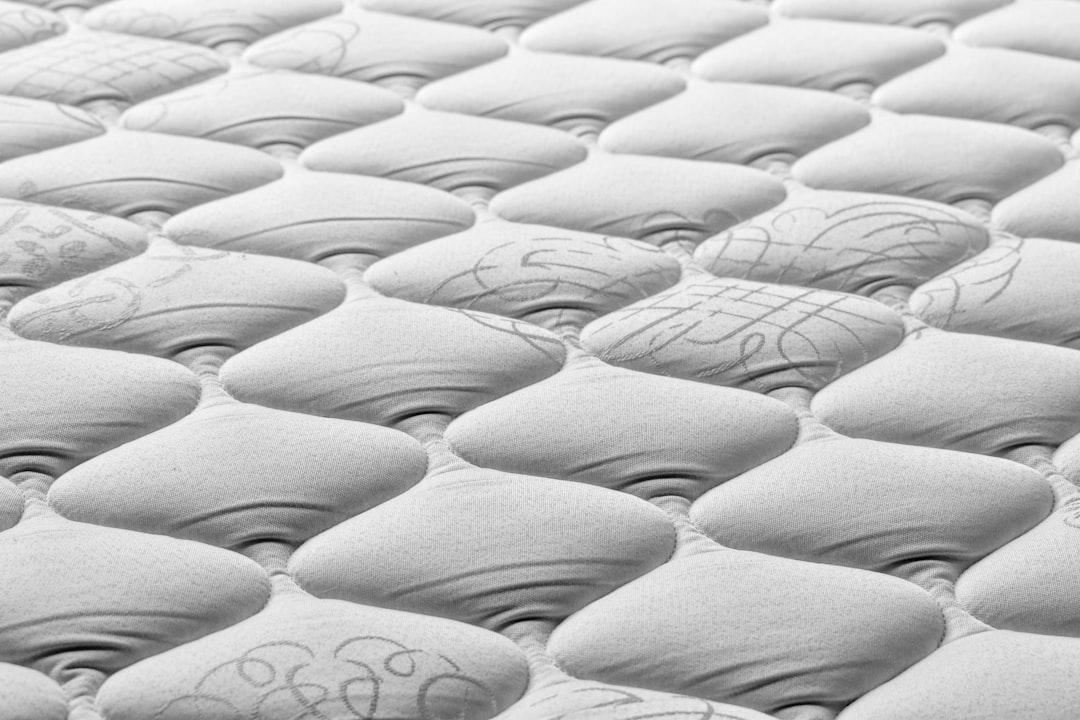
A mattress might promise a cool sleep, but you’ll only know if it delivers once you’ve lain on it for ten minutes in a showroom. That’s the concrete reason to head over to one of the showrooms, where the full Somnuz® line is laid out for you to test. You can’t gauge the cooling weave of a cover from a website description, and firmness numbers are notoriously subjective. For anyone who’s felt trapped in the heat-retaining embrace of a traditional memory foam mattress, this hands-on check is non-negotiable.
You need to spend time on the bed, not just sit on the edge. Lie down in your usual sleeping position and stay there. Pay attention to the initial feel of the cover against your skin—is it genuinely cool or just slick? The true test is whether that cool sensation persists after your body heat has been transferred to the surface for a few minutes. For those experiencing night sweats, this is the critical difference between a marketing claim and a functional material. The support system underneath matters just as much; a mattress that’s too soft will cradle you but might not ventilate well, while one that’s too firm can feel unyielding. You have to find your own balance.
There’s one exception to this rule: if you’re buying a mattress for a guest room that’s rarely used, you might skip the deep testing. But for your primary bed, especially in a non-air-conditioned room or for someone with temperature sensitivity, skipping the showroom visit is a gamble. You could end up with a mattress that feels like a furnace by midnight, and then you’re stuck with it for years. The investment in a trip to Tampines or Joo Seng is minor compared to the cost of a wrong choice.
So take your time. Don’t be shy about testing multiple models side by side. Notice how your body sinks in and whether air seems to circulate around you. That specific, non-obvious point? The cooling effect isn’t just about the top layer; it’s about how the entire mattress construction—the coils, the foam channels, the cover weave—works together to pull heat away from your core. You can’t see that in a picture, but you can feel it on the floor of a showroom. Go feel it.
Proper maintenance preserves a cooling mattress's temperature-regulating features in Singapore's 80%+ humidity. Regularly air out the mattress and spot-clean the breathable cover with a damp cloth to prevent moisture buildup. Avoid direct sun exposure and harsh chemicals, which can degrade cooling gels or phase-change layers. A protective, breathable mattress protector can shield the core while maintaining airflow.
The durability of a cooling mattress hinges on its material response to constant heat and humidity. High-quality gel-infused foams or aerated latex cores resist breakdown better than standard memory foam. Ensure your bedroom has adequate ventilation to help wick away persistent moisture from the mattress structure. Over years, this prevents the insulating heat-trapping that defeats the cooling purpose.
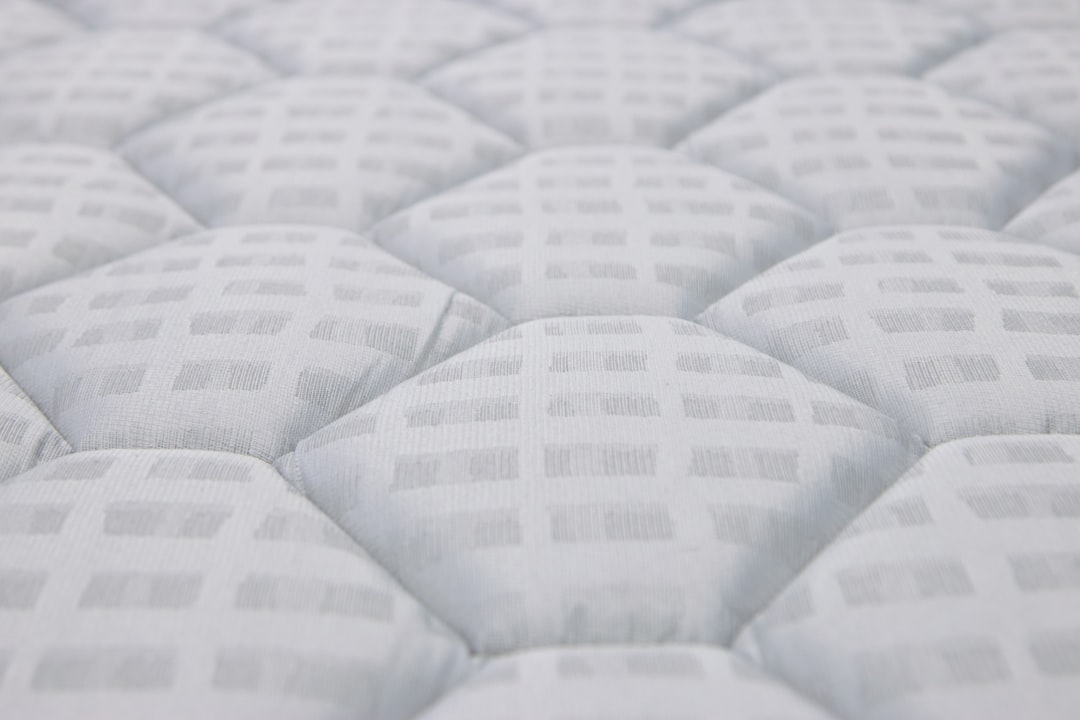
A mattress protector is a must, but you’ve got to choose the right type. A thick, quilted cotton pad will just trap heat and defeat the whole cooling function. Look for a thin, breathable protector made from something like Tencel or a micro-weave polycotton—it’ll shield against spills without becoming a thermal barrier. The only time I’d skip it is if you’re a super careful sleeper in a spotless room, but honestly, that’s rare in a real flat.
How often to clean a cooling bamboo cover? Once every two months is a good rhythm for a solo sleeper, but if you share the bed or have kids jumping on it, monthly is safer. Spot clean spills immediately with a damp cloth and mild detergent, because letting sweat or a drink dry into that breathable weave can start a smell that’s hard to get out later. A full wash needs cold water and a gentle cycle; hot water can shrink the fabric and ruin the fit.
Do cooling mattresses work without aircon? They do, but they’re not a magic chill pill. In a non-aircon room where the ambient temperature is 28°C or higher, a cooling mattress will still feel noticeably cooler than a standard memory foam one—it’s pulling heat away from your body. You won’t get that crisp, cold sheet feeling, but you’ll avoid that sticky, trapped-heat sensation that makes you toss all night. It’s a difference, not a replacement.
Will cooling gel foam last in landed property humidity? Gel foam itself is quite stable, but the overall mattress construction matters more. Landed homes often have higher, sustained humidity, especially during the year-end monsoon. The gel layer won’t degrade, but you must ensure the mattress has a breathable base and isn’t sealed in a non-ventilated plastic cover. Let it breathe on a well-ventilated bed frame, and it’ll hold up fine. Neglect that, and any mattress can kena mould issues around the edges.
Before you even step into a showroom, take a look at your bedroom window. If it’s facing west and you get that afternoon sun blasting through, your room’s ambient temperature can climb well past 30°C by evening—that’s a different climate stress than a north-facing room shaded by another block. The cooling mattress you pick needs to match that reality, not just the general Singapore humidity.
A common bedroom in a resale flat, maybe around 12 sqm with one window, can feel stagnant if the ventilation is poor. You might get a nice breeze during the year-end monsoon, but the rest of the year it’s just warm air sitting there. A mattress with a breathable bamboo cover and ventilated coils might work beautifully in a breezy condo unit, but in that stagnant HDB room, you’ll need the stronger heat dissipation of phase-change materials or aerated latex. It’s about the specific microclimate you sleep in, not the national average.
Think about your nightly routine too. If you run the air-con for a few hours before bed and then switch it off, your body temperature will spike as the room warms up again. That’s when a cooling gel foam or a Tencel cover that regulates temperature throughout the night becomes critical. Without it, you’ll wake up feeling that familiar, sticky heat around 3am. The technology has to handle the swing, not just the starting temperature.
The one exception? If your bedroom is genuinely cross-ventilated—you’ve got windows on opposite sides, a constant fan running, or you never turn off the air-con—then a simpler, breathable cover over a supportive coil system might be enough. But for most of us in typical 4-room layouts where the air doesn’t move much, investing in the more advanced cooling engineering is the only way to get a proper night’s rest. Don’t judge the mattress by the showroom’s climate-controlled comfort; judge it by your own bedroom’s real conditions.
The classic complaint about memory foam in Singapore is that it’s too warm. You sink into that supportive cradle and after an hour you’re wondering why your back feels like it’s resting on a heated tray. That’s because standard foam is dense—it conforms beautifully but traps your body heat, creating a microclimate that’s perfect for a temperate winter elsewhere but a misery here. In a compact 3-room flat, especially one without air-conditioning running all night, that heat builds up until you’re shifting positions just to find a cooler spot.
Aerated latex tackles this directly. It’s made with tiny air channels throughout, like a sponge that’s built to breathe. The structure allows air to circulate, pulling heat away from your body instead of holding it close. Think about those Aljunied neighbourhood bedrooms during a still, humid night—the ambient temperature alone is enough to make you restless. A mattress that simply holds heat becomes an insulator against any chance of cooling down. Latex, with its natural ventilation, works with whatever airflow you’ve got, even if it’s just a ceiling fan.
There’s a trade-off, of course. Memory foam’s slow, contouring response is legendary for pressure relief, particularly for side sleepers. Latex has a quicker, more buoyant bounce—it’s supportive but doesn’t let you sink in as deeply. For some, that means it doesn’t feel as ‘hugging’. But in our climate, the priority often shifts from perfect contouring to simply not overheating. You can’t enjoy any support if you’re sweating through the sheets.
So the verdict leans strongly toward aerated latex for most hot sleepers in non-air-conditioned spaces. The one real exception is if you’ve got a specific joint issue that demands memory foam’s precise pressure relief—and you’re willing to pair it with aggressive cooling aids like a gel-infused topper or a dedicated chill pad. Otherwise, that breathable structure in latex isn’t just a nice feature; it’s the main reason you’ll sleep through the night without flipping the pillow for a cold side.