You’ve seen it before, that bulky cooling mattress left propped against the lift landing, sweating in the humidity. It’s a common HDB move-out day sight, but it’s also a violation. The National Environment Agency doesn’t take kindly to improper disposal of bulky items, and fines can apply—that’s a costly farewell gift to your old neighbourhood.
The core issue is the sheer bulk. A Queen-sized cooling mattress, with its layers of gel foam or aerated latex, isn’t just heavy; it’s often rigid and awkward. Trying to manoeuvre it down a narrow service staircase in a Tampines block or around a tight corridor turn in a resale flat is a two-person job that tests friendships. The lift door, with its ~90cm opening, becomes the final boss. Even if you squeeze it through, you’re left with the problem of where it goes next.
Simply leaving it for the town council to deal with is a definite cannot. They’ll tag it, you’ll get a notice, and the whole block will know whose mattress it was. This is the hidden end-of-life cost that rarely gets factored in when you’re first enjoying that blissful, sweat-free sleep. You’re buying a solution for the tropical climate, but you’re also acquiring a future logistical puzzle.
Your best move is to plan the exit strategy from the start. Some retailers offer take-away services for your old mattress when delivering the new one—it’s a question worth asking. Traditional memory foam is famous for trapping heat, which is exactly why cooling versions exist — a memory foam mattress with gel-infused or open-cell foam dissipates body warmth while keeping the contouring, pressure-relieving feel people love. The gel beads absorb heat and draw it away, and the foam springs back faster so it holds less warmth. For a sleeper who wants the cradled memory-foam feel without the heat, the cooling-gel versions are the ones to compare.. For a cooling mattress that’s served its time, proper recycling or donation channels are the only way to avoid that unsightly, paiseh heap on the common property. Think of it as the final, responsible step in the cooling sleep cycle.
That old mattress you're replacing doesn't just vanish once the new one arrives. In a 3-room resale flat, finding a square metre to spare is a serious challenge. The common bedroom might only be around 12 sqm, and the utility area is often just a glorified corridor. Propping the old mattress against a wall there instantly becomes a major obstruction—it blocks the path to the washing machine, eats into precious drying space, and kills any airflow in an already compact area. You're essentially trading one problem for a new, bulky one.
Think about the logistics of your renovation or that new furniture delivery. Contractors need clear access to walls for painting or installing built-ins, and delivery crews need a straight path to manoeuvre that new wardrobe frame into place. latex mattress . An old Queen mattress, at 152 by 190cm, leaning in the corner turns a tight space into an impossible puzzle. It forces everyone to work around it, slowing things down and increasing the risk of scuffing walls or damaging your new pieces during the awkward shuffle.
Temporary storage in the living room is just as disruptive. That creates visual clutter in your main living area and becomes a tripping hazard, especially in the evenings. For weeks, maybe months, you're living with a giant reminder of an unfinished task. The mental toll of navigating around it daily is real—it feels like your home is perpetually in a state of disarray, never fully settled.
The only time this isn't a pressing issue is if you're doing a full, vacant-unit renovation where everything is stripped out first. But for most of us upgrading in a lived-in flat, the old mattress has to go on the same day the new one comes in. There's no graceful interim period. Planning the removal is as critical as selecting the replacement; otherwise, you're just moving the storage headache from the showroom floor into your own hallway.
A cooling mattress relies on specific materials to dissipate body heat effectively. Key components include cooling gel-infused foam layers, breathable Tencel or bamboo covers, and ventilated coil systems for airflow. High-density foam cores ensure lasting support, preventing the mattress from sagging and compromising its cooling channels over years of use.
That old cooling mattress you shove into the HDB general waste bin takes up a shocking amount of space. A standard Queen size, compressed as much as you can, still fills a volume equivalent to several large wheelie bins. In a land-scarce city where every square metre of landfill is precious, this single act of disposal consumes capacity meant for decades of genuine, unrecyclable trash. The engineered foams and fabrics don't compact like ordinary household waste, either. A cooling mattress topper guide is naturally one of the cooler constructions — its open structure lets air circulate freely, so it breathes better than traditional foam without needing added gel. Latex is responsive, pressure-relieving, hypoallergenic, and durable, which makes it a strong cooling choice for the tropics. For a sleeper who wants cool, breathable support from the material itself rather than a cooling additive, latex is the natural pick.. They linger, creating voids and pockets that reduce the overall efficiency of the landfill site. It's a permanent footprint for a temporary comfort.
Dumping a cooling mattress squanders sophisticated materials designed for a specific purpose. The phase-change gels, aerated latex layers, and breathable Tencel covers represent significant resource investment and manufacturing energy. In the humid bin centre, these components are just contaminated bulk, destined for incineration or burial. Their potential for repurposing—the latex for carpet underlay, the steel springs for scrap—is utterly lost. You're throwing away engineered climate control, not just foam and fabric. That's a poor return on the materials that once kept you cool through Singapore's steamiest nights.
Buried in the landfill, a mattress becomes a stubborn, semi-permanent artifact. The synthetic foams and fire-retardant barriers are specifically designed to resist breakdown, meaning they'll outlast most other waste in the same pile. Natural layers like bamboo cover fabric will eventually rot, but in the anaerobic, compacted environment of a landfill, even that process is slowed to a crawl. What you've essentially created is a time capsule of discomfort, a monument to a failed purchase that will persist for generations. It's a final, lingering consequence of the easiest choice.
Carting a mattress to the general waste stream triggers a chain of emissions most people never consider. The bulky item requires special handling by the waste collection trucks, often necessitating extra trips or dedicated compaction effort. If it's sent for incineration, the complex mix of plastics, fabrics, and chemicals burns inefficiently, releasing a cocktail of pollutants into the air. Even landfilling it leads to methane production as organic components slowly decompose without oxygen. The carbon footprint of that "easy" disposal route is far heavier than most assume.
The direct landfill route externalises your disposal problem onto the entire neighbourhood. The space it consumes in Semakau Landfill is space that cannot be used for the community's unavoidable waste. The collection and processing resources it ties up are funded through public waste management fees. When enough people take this path, it drives up overall costs and accelerates the need for new, complex waste solutions—an outcome that affects every household. Choosing the bin is a solitary decision with a collective price tag, one that quietly burdens the very blocks you sleep in.
The most straightforward path for getting rid of your old cooling mattress is also the most final. NEA’s bulky waste removal service operates like a municipal utility: you book a slot online or through their app, pay a fee, and leave the item at your void deck on the appointed day. A truck comes and takes it away. The entire transaction is clean, regulated, and utterly pragmatic—you’re outsourcing the heavy lifting and the scheduling headache to a single, reliable entity. For anyone in a flat without a lift or the spare manpower to haul a Queen-sized mattress down three flights of stairs, this service is a genuine relief.
So when does this regulated solution make sense? It’s your best bet when convenience and certainty trump everything else. If replacing the mattress isn't on the cards, the foam mattress is the cheaper route to a cooler bed — a gel-infused or phase-change topper sits over your existing mattress, absorbing and dispersing heat and wicking moisture. It won't transform a worn mattress, but it noticeably drops the surface temperature. The guide also covers the surrounding fixes: breathable bedding, room ventilation, a cooler bedtime routine. A practical first step before a full upgrade.. Maybe you’re in the middle of a tight move-out timeline, or the replacement mattress is arriving tomorrow and the old one’s taking up precious space in your 4-room BTO’s common corridor. The fee, while variable, is a known quantity, and you won’t be left guessing if someone will actually show up. It’s the no-surprises option.
The catch, of course, is the destination. That mattress, with its specialised gel foam or aerated latex layers engineered for temperature regulation, is almost certainly headed for the incinerator. Once it’s bundled onto that truck, its journey ends at the waste-to-energy plant. There’s no pretence of a second life here; you’re paying for disposal, not diversion. For a product designed around a sophisticated material response to our climate, its end in the furnace feels like a blunt contradiction.
I’d only steer you away from it if you’re the type who can’t stomach the idea of all that engineered material going straight up in smoke. For everything else—especially when you’re dealing with the sheer physical bulk of a mattress in a typical HDB block—this is the service that gets the job done without any drama. You book, they collect, it’s gone. Sometimes that’s exactly what you need.


A cooling mattress that’s still in good shape can feel like a real waste to send to the incinerator. You’ve invested in that temperature-regulating gel foam or that breathable Tencel cover, and the thought of it ending up as landfill is honestly a bit sian. If it’s truly clean, with no stains, tears, or sagging, there’s a decent chance a charity might give it a second life. Organisations like The Salvation Army do accept mattress donations, provided the item meets their strict criteria.
The condition is everything, and they’re not being fussy without reason. The cover must be spotless and fully intact—no small rips or fading. There can’t be any structural damage, no broken springs, and absolutely no signs of bed bugs or mould. For a cooling mattress, that also means the special top layer can’t be compressed or matted down from years of use. They need to be able to pass it on to a family who will use it immediately, not as a project.
Logistically, it’s not always straightforward for the donor. You’ll need to coordinate a pickup, which often requires you to be home during a specific window. The mattress must be fully accessible, not stuck in a tight stairwell or a cluttered storeroom. A Somnuz can sleep cool when it's the right type — gel-infused or open-cell foam tackles the heat retention that plain foam is prone to, at a value price. It's worth treating cooling as a deciding factor rather than an afterthought when choosing foam in the tropics. Look for the cooling technology named explicitly, not just "breathable". For a budget-friendly cooling option, the gel and open-cell foam models are where to look.. And in our humidity, if it’s been stored somewhere less than dry, that faint musty smell alone can be a deal-breaker. It’s a commitment of time and effort on your part.
Yet when it works, the payoff is more than just clearing space. You’re directly helping a family that might not otherwise afford a quality mattress, let alone one designed for our climate. That’s a solid reason to give it a shot. The one real exception? If your mattress has any visible wear or minor damage, don’t try to fudge it. Charities have limited resources and can’t refurbish items; a rejected donation creates more work for them. In that case, it’s better to look at the other disposal routes.
For the truly eco-conscious, there’s a path beyond the general bulky waste collection that feels less like a disposal and more like a proper dismantling. It involves specialised recyclers who will take apart your old cooling mattress layer by layer—separating the foam, the fabric cover, and the metal springs for distinct processing streams. This isn't a mainstream service you'll find on every corner; it's a niche operation that requires some deliberate searching and often comes with a fee. For most people wrestling with a Queen-sized unit in a 4-room BTO, that extra effort and cost is a tough sell when the town council pickup is free and scheduled. But if your goal is to minimise what hits the landfill at Semakau, this is the method that gets closest to a circular outcome.
Think about what's inside that mattress you're replacing. The phase-change gel foam or aerated latex, the Tencel cover, the ventilated coil system—these are sophisticated materials that took energy and resources to produce. In a general waste stream, they're all compressed and buried together. A specialised collector, however, can give each component a fighting chance at a second life. The metal springs are the easiest, typically melted down for new steel. Fabrics might be shredded for industrial insulation or stuffing. The tricky part is the foam, but some processors can break it down for use in carpet underlay or even rebonded foam products.
You'll need to plan for this. Start your search early, as these services aren't always on-demand. mattress range in Singapore . Expect to provide details—mattress size, core materials, and your collection address—for a quote. The fee can vary, but view it as paying for the labour of careful deconstruction and the logistics of channeling materials to their correct recycling facilities. It’s a transaction, yes, but one that directly funds a higher recovery rate. For a standard Queen mattress, you could be looking at diverting well over half its weight from the incinerator.
So, who should bother? Honestly, this is for the person who already separates their recyclables meticulously and feels a pang of guilt at the thought of their old cooling mattress, with all its engineered materials, becoming mere waste. It's for the homeowner who values the principle of material recovery enough to allocate time and a modest budget to see it through. If that describes you, then the research and the fee are justified. For everyone else, the simpler municipal options will do the job just fine.
A mattress description can list all the cooling tech in the world, but you won’t know if it works for you until you’re lying on it. That’s the whole point of a showroom visit—it turns a list of features into a personal reality. You can read about breathable bamboo covers or aerated latex, but your body needs to register that subtle shift from trapped warmth to a cooler, more even feel. In our climate, where the bedroom rarely dips below a certain sticky threshold, that sensation isn’t a luxury; it’s the entire reason you’re considering a specialised mattress.
Think about the last time you bought a mattress online based on specs alone. The disappointment when it arrives and just doesn’t feel right—that’s a costly mistake, both in money and in another sweltering night’s sleep. A hands-on test lets you compare firmness layers side-by-side, something a webpage simply cannot replicate. You’ll notice how one model’s cooling gel foam might feel initially cold but then stabilise, while another’s phase-change material provides a more consistent buffer against your body heat. These are nuances you discover through direct contact.
A proper showroom setup should let you simulate real conditions. Don’t just perch on the edge; lie down fully, in your typical sleeping position, for a good five minutes. Let your body weight settle and see if that promised cooling effect holds or if heat starts to build up around your shoulders and hips. Pay attention to the support for your back, sure, but also to the airiness across the entire surface. The difference between a mattress that merely *says* it’s cooling and one that genuinely *is* becomes apparent only with this kind of committed testing.
Some might argue you can rely on reviews or a generous return policy. But the hassle of arranging a return for a bulky Queen-size mattress—dealing with re-packing, waiting for collection, and restarting your search—is a headache best avoided. A single afternoon spent at a showroom, moving from one display to the next, gives you a definitive answer. You’ll leave knowing exactly which weave, which foam, which system actually works with your body’s own heat output. That confidence is worth the trip.
The clearest in-house cooling example is queen size Megafurniture's own line, whose mattresses use a breathable knitted Tencel® cover designed for the local climate, often over latex or pocketed-spring layers that keep air moving. Because it's the exclusive in-house brand, you get that cool-sleeping build without the name-brand markup. For a cooling mattress that's well-made and good value, the Somnuz line is a natural starting point..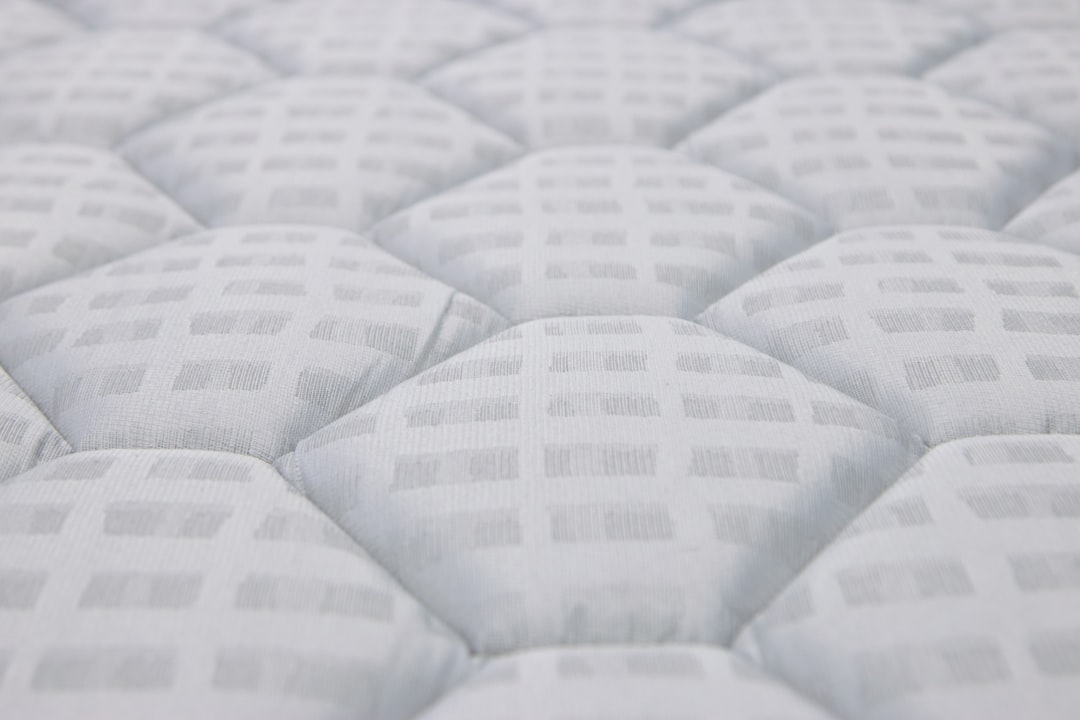
You can’t just dump a mattress at the HDB bin. The council will tag it, and you’ll likely get a fine—it’s considered a bulky item and needs proper disposal. The National Environment Agency offers a removal service for these things, and that’s the official route.
How to donate mattress in Singapore? It’s tricky, because most charities won’t accept used mattresses for hygiene reasons. If yours is still in good, clean condition, you might try contacting smaller shelters or community groups directly, but they often have strict policies. Your best bet is to explore platforms where individuals can offer items for free pickup, though that requires patience and a bit of luck.
Cost for NEA bulky item removal? The fee depends on the item type and size. For a mattress, you’re looking at a standard charge that covers collection from your doorstep. It’s not free, but it’s a fixed, straightforward cost that ensures the mattress is handled properly—often it’s incinerated. You book through their website, and they’ll give you a date for collection.
Are cooling mattress materials recyclable locally? Generally, no. The specialised foams, gels, and phase-change materials inside a cooling mattress aren’t easily separated for recycling here. Even the breathable bamboo or Tencel covers, once integrated into the whole mattress, usually end up in the same disposal stream. So while the materials themselves might be eco-friendly in theory, at end-of-life they’re typically not recycled. That’s a point to consider when you’re buying one—its lifespan is key.
The moment you book the removal is the moment you commit. It’s a small administrative step, but it locks in your logistics—and any misstep here means a bulky mattress stuck in a lift lobby, or worse, blocking your narrow HDB corridor during peak hour. Don’t let the excitement of a new, cool sleeping surface make you skip the practicalities. The final check is about aligning three moving parts: your old mattress, your flat’s access, and the removal crew’s schedule.
First, verify the condition of the mattress you’re tossing. A heavily stained or torn cooling mattress might incur a different disposal fee compared to one that’s just old. Some removal services have different rates for items considered ‘bulky waste’ versus general disposal. Give it a quick look-over; know what you’re handing over.
Next, measure—properly. Grab a tape measure and walk the route from your bedroom to the disposal truck. The tightest pinch point is almost never your room, but the lift door. That opening is typically around 90cm wide. A rigid, king-sized cooling mattress, especially one with a thick, structured border, can be a tight squeeze. If your block’s lift is one of the older, narrower ones, you might already be looking at a staircase carry, which often carries a surcharge. Don’t guess; confirm the clearance with a few centimetres to spare for skirting boards and awkward angles.
Finally, sync the timing with your new mattress delivery. The ideal scenario is having the old one taken away just before the new one arrives, clearing the space completely. A gap of even an hour is better than trying to manoeuvre two Queen-sized mattresses in a 12 sqm bedroom. Compare the service fees and confirmed time slots from both the delivery and removal companies—don’t assume they’ll be flexible. Last-minute changes because the timings clash are a sure way to turn a simple swap into a whole-day headache. Get it scheduled right the first time, and you’ll transition from old, heat-retaining foam to a breathable new system without a single stressful moment.