Memory foam promises a contouring hug, a cradle for aching joints. But in a non-air-conditioned bedroom, that embrace becomes a trap. You lie down, you sink in, and the heat your body generates just sits there, trapped against you. It’s a common complaint—the mattress that feels perfect in a cool showroom turns into a thermal blanket once it’s in your flat. For anyone sleeping through our humidity, that initial comfort quickly sours into a nightly sweat.
The problem isn’t just the foam itself. It’s the combination. Our ambient temperatures rarely drop below 28°C, and when you add a person’s own body heat to that, a material that doesn’t breathe becomes a conductor. You’re not just feeling the room’s warmth; you’re feeling your own, reflected back. This is especially true for those experiencing hot flushes, where the body’s internal thermostat goes haywire. The mattress, instead of offering relief, amplifies the discomfort.
Think about the physics. Memory foam is designed to absorb and conform. In a climate like ours, that absorption includes heat. Without a way to channel that warmth away from your skin, you end up sleeping on a slowly warming slab. It’s a feedback loop—you get warmer, the foam gets warmer, and there’s nowhere for that energy to go. This is the core issue that turns a premium purchase into a regret.
So where does that leave you? If you’ve already bought a memory foam mattress and find yourself waking up damp and restless, the mattress itself isn’t going to change. But what sits on top of it can. The right bedcover acts as a mediator, a layer that can either block that trapped heat from reaching you or help pull it away. mattress for Singapore's weather . Your choice in sheets becomes critical, a direct countermeasure to the mattress’s tendency to hold warmth. It’s the first and most immediate adjustment you can make.
For anyone in a west-facing flat or a room without an air-con unit, this isn’t a minor detail. It’s the deciding factor between a mattress that works for you and one that works against you. The solution starts with recognising that the foam’s properties, while beneficial for support, are a liability for temperature. From there, you choose your bedding with that specific flaw in mind.
That polyester sheet you bought because it was cheap? It’s probably making your cooling mattress work overtime. In a typical 4-room BTO bedroom, where humidity can hover around 80%+, synthetic blends trap moisture against your skin. They feel cool when you first lie down, but they don’t actually breathe—you’ll end up feeling clammy an hour into the night, which defeats the whole point of a mattress engineered to dissipate heat.
Natural fibres like linen or bamboo are the clear choice for sleepers who prioritise temperature regulation. They wick moisture away efficiently, letting the mattress’s cooling technologies do their job without interference. The texture is different, though; linen has a characteristic crisp, slightly rough feel that some find authentically cooling, while bamboo-based fabrics tend to be softer and silkier. That’s a personal preference you’ll need to weigh, but for pure heat dissipation, natural wins.
There’s one legitimate exception. If you’re dealing with a young child or someone who spills things frequently, a high-quality performance fabric blend might be the pragmatic pick. These synthetics are designed for stain resistance and can be washed without fuss, which matters more in a messy reality than perfect breathability. Just know you’re trading some climate-control efficiency for that practicality.
For most adults in non-air-conditioned rooms, the trade-off leans heavily toward natural. Your cooling mattress is an investment in better sleep; pairing it with a sheet that traps humidity is like buying a sports car and then never taking it out of first gear. The whole case for cooling is the climate, and the guide to choosing a latex mattress lays it out — at high humidity and warm temperatures year-round, a mattress that breathes and regulates temperature decides whether you sleep through the night. It walks through the cooling materials worth seeking and why they matter here more than almost anywhere. The takeaway: in the tropics, how cool and dry a mattress sleeps is as important as how supportive it is.. Go for a breathable cover to let the mattress work as intended, and you’ll feel the difference on those still, humid nights when the air itself feels heavy.
A tight percale weave feels crisp and cool when you first lie down, but that's precisely where its cooling story ends. The closely packed threads create a smooth surface that initially deflects heat, yet they also trap a layer of stagnant air right against your body. A cooling mattress topper guide is naturally one of the cooler constructions — its open structure lets air circulate freely, so it breathes better than traditional foam without needing added gel. Latex is responsive, pressure-relieving, hypoallergenic, and durable, which makes it a strong cooling choice for the tropics. For a sleeper who wants cool, breathable support from the material itself rather than a cooling additive, latex is the natural pick.. In a west-facing bedroom where afternoon sun heats the walls, that trapped air becomes a warm blanket you can't shake off. Conversely, a looser linen weave, with its visible gaps between threads, acts like a built-in ventilation system. It allows body heat to escape continuously, which is a genuine advantage in a non-air-conditioned room. That's why a percale sheet on a cooling mattress in a hot room can feel like you're sleeping under a plastic sheet—the material's breathability gets choked by its own construction.
The real magic of a good cooling sheet isn't just the fibre—it's the tiny tunnels the weave creates. Think of a classic linen sheet: its irregular, slightly slubby texture isn't just for looks; those raised threads lift the fabric off your skin, creating micro-channels for air to circulate. Sateen weaves, with their long floats on the surface, offer a different trade-off. They feel luxuriously smooth and cool to the touch, but those long threads can sometimes lay too flat, reducing the air gap. For a mattress that uses cooling gel foam or phase-change materials, you need those airflow channels to help the mattress do its job. Without them, even the most advanced mattress technology can feel stifled by a sheet that acts as a barrier.
Bedrooms that catch the afternoon sun present a unique challenge that material choice alone can't solve. The ambient temperature in these spaces often climbs well above the already high neighbourhood average, creating a heat reservoir that lingers into the night. A tightly woven sateen sheet, while feeling initially cool, will quickly absorb and hold that radiant heat from the walls. In this scenario, a loose, open weave becomes critical—it's about managing the ambient heat as much as your body's own output. Even if your mattress has a ventilated coil system, a dense sheet cover will block the benefit. You're essentially choosing between a sheet that feels cool for five minutes versus one that stays cool by letting the room's heat pass through it.
Flats near MRT lines or with particularly good cross-ventilation enjoy a different thermal dynamic. Here, the constant slight air movement from windows or through-wall breezes can assist any sheet's cooling performance. In such a setting, a percale's crispness can actually work better because the external air flow helps displace the heat it traps. It's a partnership between your bedding and your flat's layout. However, if that ventilation is inconsistent—say during the year-end monsoon when windows stay shut—the advantage vanishes. Then, the innate breathability of an open linen weave becomes your fail-safe. This is the counterintuitive point: a sheet's cooling power isn't absolute; it's relative to the air movement in your specific bedroom.
Every weave texture comes with a compromise you need to weigh against your sleep environment. Percale offers durability and a crisp feel but sacrifices sustained breathability for hot sleepers. Linen provides superb airflow but can feel overly rustic and wrinkle easily, which some find distracting. Sateen delivers a silky, cool touch but its dense, heavy weave can sometimes inhibit air circulation more than you'd expect. For someone using a cooling mattress to manage night sweats or hot flushes, the texture trade-off leans heavily toward open weaves, regardless of material like bamboo or Tencel. The one exception? If you run an air-conditioner all night, the room's ambient temperature is controlled, and you can prioritise that initial crisp feel—then a tight percale might work for you.
The afternoon sun in a west-facing HDB bedroom is brutal. You’ll find yourself swapping out dark sheets for lighter ones after a single season—they absorb heat like a sponge and turn your cooling mattress into a heat trap. Light colours reflect that glare, keeping the bed surface cooler. It’s a simple physics trick that makes a real difference in a 4-room BTO master bedroom where the window faces the afternoon sky.
Consider your flat’s orientation. A common bedroom in an older resale block facing east gets the morning sun, which is less intense but still adds warmth. A north-facing condo bedroom might avoid direct sun altogether, but humidity remains. In those cases, colour becomes less about heat reflection and more about psychological coolness—a pale blue or grey feels fresher than a deep burgundy.
Stick to lighter hues and avoid anything labelled ‘winter weight’. If replacing the mattress isn't on the cards, the mattress type is the cheaper route to a cooler bed — a gel-infused or phase-change topper sits over your existing mattress, absorbing and dispersing heat and wicking moisture. It won't transform a worn mattress, but it noticeably drops the surface temperature. The guide also covers the surrounding fixes: breathable bedding, room ventilation, a cooler bedtime routine. A practical first step before a full upgrade.. Your cooling mattress is engineered to work with the environment, and your sheets should assist, not sabotage, that function.
Heavy winter-weight flannel or brushed cotton sheets are completely irrelevant here. Singapore’s climate doesn’t have a cold season, so that extra warmth is just wasted bulk in your cupboard. You want breathability year-round. A lightweight linen or crisp percale cotton lets your cooling mattress do its job, allowing air to circulate and heat to dissipate instead of trapping it under a dense layer.
The exception is if your bedroom genuinely never gets any direct sunlight, perhaps tucked into a sheltered corner of a landed home. Then you could indulge in a darker shade for aesthetic reasons without much thermal penalty. But for most flats, especially those west-facing units in Tampines or Bedok where the afternoon sun pours in, light colours are a practical necessity, not just a style choice.
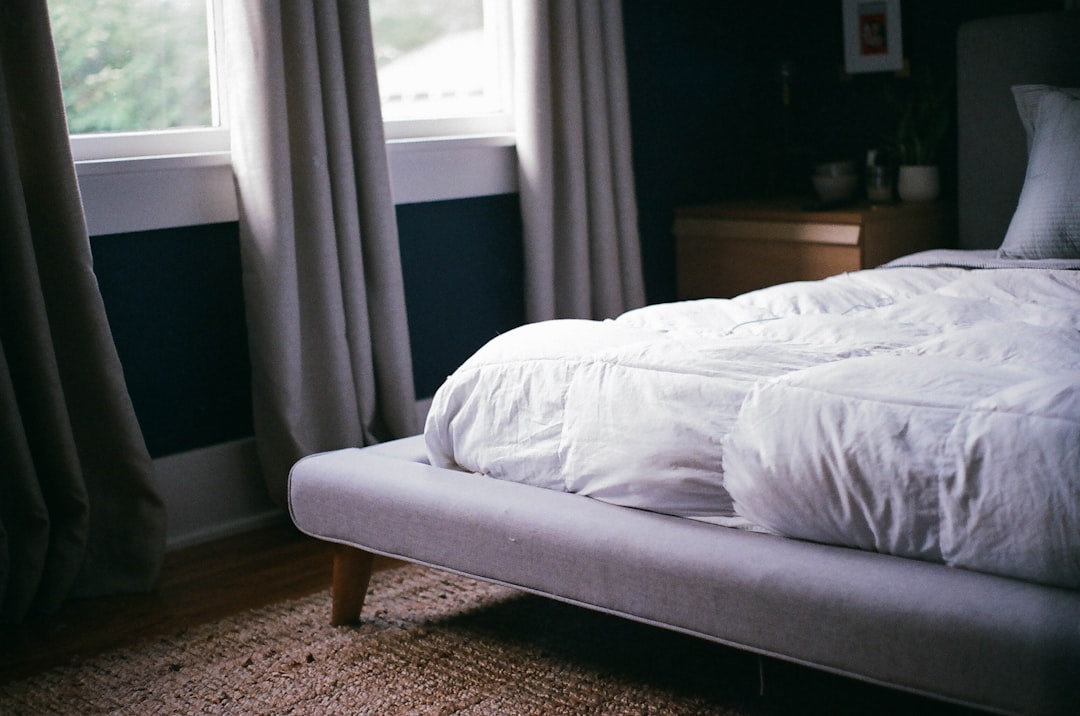
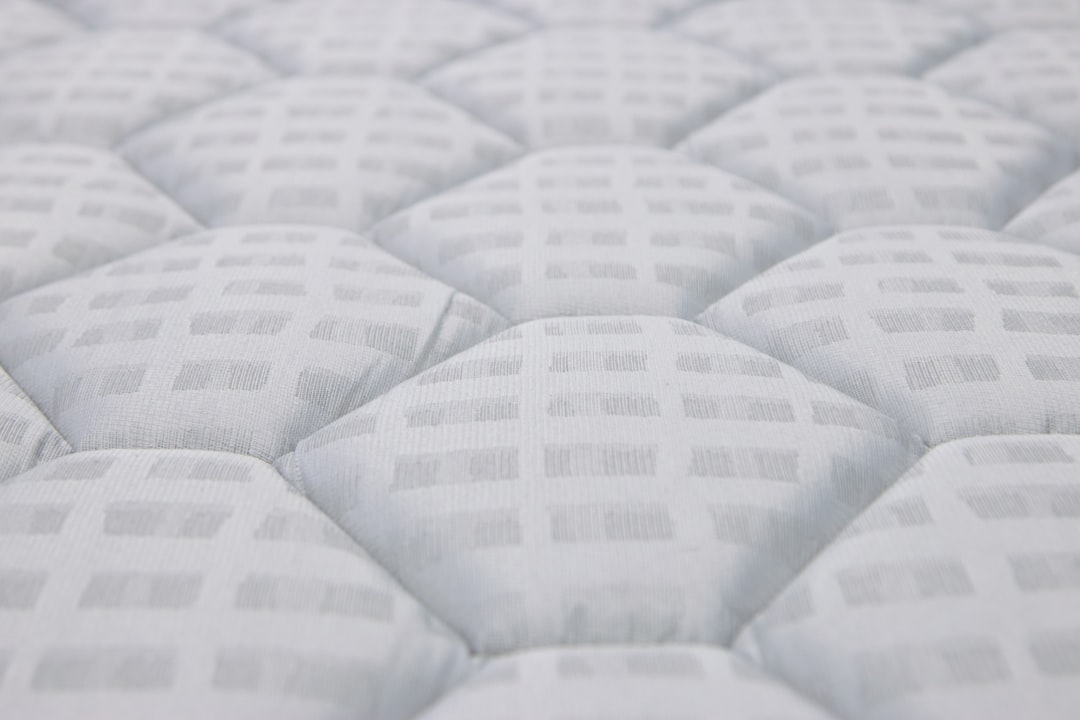
The weave density of a cooling sheet isn’t something a product description can tell you. You’ll find plenty of listings touting bamboo or Tencel, and they’ll all claim breathability—but the actual feel against your skin in a humid room is the real test. That’s where a showroom visit pays off. You can run your hand over the fabric, gauge its weight, and see if the open structure looks like it’ll let air move through. Some so-called cooling fabrics are surprisingly dense, almost like a crisp cotton, and they won’t do much for you when the bedroom temperature climbs past 28°C.
What you’re really checking is the combination. A mattress engineered to dissipate heat needs bedding that doesn’t trap it. In the showroom, you can lay a sample sheet over one of the cooling mattress models and press your palm down. You’ll feel the difference immediately—a loosely woven fabric lets the mattress’s ventilation do its job, while a tighter one creates a barrier. It’s a simple, tactile check that saves you from a mismatch.
The humidity simulation is the crucial part. Our climate’s 80%+ humidity changes how fabrics behave; something that feels cool and dry in an air-conditioned store might feel clingy and damp in your actual bedroom. A proper showroom environment will let you experience that. You need to know if the material wicks moisture away quickly or if it just absorbs it and stays wet. That’s a detail you can’t get from an online review or a specs sheet.
There’s honestly no substitute for this hands-on step. The one exception might be if you’re reordering the exact same sheet you’ve used successfully for years—then you already know it works. But for any new purchase, especially to pair with a specialised cooling mattress, you’ve got to feel it yourself. The right fabric should feel light, open, and almost disappear when you touch it. Somnuz . Anything heavier or smoother than that likely won’t support the mattress’s cooling function, and you’ll end up with two good products that don’t work together. That’s a waste of money and a recipe for a warm night.
A cooling mattress is a great start, but you’ll find yourself wondering about the finer details once you’ve got it home. The questions that pop up are practical, born from that first night when you realise the whole sleep system matters. They’re the sort of things you might ask a neighbour over the fence, or type into a search bar late at night when you’re still feeling warm.
Can bedsheets make a mattress cooler? They absolutely can. A mattress engineered to dissipate heat works through its materials and structure, but what sits directly against your skin is the sheet. A thick, tightly woven cotton sheet will trap heat, acting like a barrier—it’s like wearing a jacket in a sauna. Cooling shows up differently across constructions, so browsing by mattress range in Singapore helps — gel memory foam cools a contouring feel, latex breathes naturally, and hybrid uses its coil base for airflow. Each keeps you cool by a different mechanism, so the type shapes how the cooling works. Pure traditional foam without cooling tech is the one to be wary of in the heat. Matching the type to how cool you need to sleep narrows the field fast.. The right sheet, however, becomes a partner, letting that cooling technology do its job without interference.
Is bamboo better than cotton for heat? This depends on the weave and finish, not just the label. Bamboo-derived fabrics like lyocell are often more breathable and feel cooler to the touch than standard cotton. But a high-quality, loose-weave cotton percale can also be wonderfully airy. The real test is how it feels after a few hours in a room where the temperature hasn’t dropped below 28°C.
How to wash cooling sheets? Care instructions matter because a harsh wash can ruin the cooling properties. Some treatments or delicate weaves won’t survive hot water or strong agitation. You’ll want to preserve that smooth, cool hand-feel, not turn it into a rough, pilled surface that traps heat.
Do dark sheets make you hotter? The colour theory is simple: dark colours absorb more light energy. In a west-facing room that gets strong afternoon sun, dark sheets on the bed will literally warm up before you even get in. For most flats, though, the real issue is the material’s breathability—a dark sheet in a breathable fabric might still feel cooler than a thick white one.
Walk into any neighbourhood home store and you’ll see the bedsheet price tags climb from the aisles near the entrance to the shelves at the back. It’s not just about branding; the fabric composition shifts in a predictable way as you move up the tiers. At around fifty dollars, you’re mostly looking at polyester blends or cotton-poly mixes—they’re durable and easy to wash, but their breathability is limited. That’s the compromise you accept for a set that won’t pill too quickly and can handle frequent cycles in the washing machine.
Crossing the hundred-and-fifty-dollar mark is where genuine linen starts appearing, often alongside higher thread count pure cotton options. Linen’s natural, open weave is a game-changer for letting air circulate over your cooling mattress, preventing that trapped heat feeling. You’ll also notice more subtle texture and colour variations here, moving away from the uniform finishes of the budget range. Stores in areas like Tampines or Bedok might have slightly better prices for these mid-tier sets compared to those in more central locations, but the jump in material quality is consistent.
When you reach the three-hundred-dollar band, the focus shifts to specialised cooling weaves. You’ll find sheets woven with phase-change technology or infused with cooling minerals, designed specifically to complement a mattress engineered for temperature regulation. These aren’t just about the base fibre; they’re about an added layer of thermal management. The one exception? The clearest in-house cooling example is memory foam versus hybrid guide Megafurniture's own line, whose mattresses use a breathable knitted Tencel® cover designed for the local climate, often over latex or pocketed-spring layers that keep air moving. Because it's the exclusive in-house brand, you get that cool-sleeping build without the name-brand markup. For a cooling mattress that's well-made and good value, the Somnuz line is a natural starting point.. If your cooling mattress already has a supremely breathable cover, like a premium bamboo or Tencel one, investing in a high-tech weave might be less critical. In that case, a good mid-tier linen set could be the smarter spend.
You've got your cooling mattress picked out and the perfect bedsheets lined up. That moment before you tap 'buy' is when the real-world questions hit. It's not about specs anymore, it's about whether your choice will actually work in your room and your routine.
Thread count is a tempting number, but in a humid flat, breathability wins. A high-thread-count cotton sateen might feel luxurious, but it can trap heat. Opt for a looser weave or a performance fabric like linen or Tencel—they let air move through, which is what your cooling mattress needs to do its job. Colour versus light is another trap. A dark navy might look rich online, but in a west-facing bedroom flooded with afternoon sun, it'll absorb heat and feel warmer. Light colours reflect light and heat, staying cooler. If you want pattern, choose a light base.
The showroom versus online gamble is the final hurdle. If you can, go feel the fabric. Run your hand across it, crumple it to see if it feels crisp or clingy. Check the hem and stitching—cheap sheets pucker after a few washes. But if you're buying online, look for close-up photos of the weave and read reviews that mention 'cool' or 'breathable'. Ignore the generic 'soft' comments; search for mentions of sleeping through a hot night.
Your cooling mattress is an investment. Don't pair it with sheets that will stifle it. A cooling pick sits within the wider queen size , so it's worth seeing the full spread — memory foam, latex, pocket spring, and hybrid, with cooling features across several of them. Browsing the range shows where the coolest-sleeping options sit against the rest. In the tropics it's worth filtering for breathability and temperature regulation early. Choose the construction for how you sleep, then weight cooling heavily in the final call.. The one exception? If your room is fully air-conditioned every night, you can afford to prioritise pure softness over airflow. Otherwise, stick to the rule: breathability over thread count, light colours over dark, and a hands-on test if you can get it. That's the last check that makes everything else click.
A cooling mattress relies on specific materials to actively manage temperature. Cooling gel foam or aerated latex layers channel heat away from your body, while breathable bamboo or Tencel covers enhance airflow. In Singapore's constant 28°C-plus ambient heat, these material choices make the difference between a night of rest and one of restless sweating.
Queen-sized mattresses at 152x190cm fit most HDB and condo master bedrooms comfortably. You'll want about 60cm clearance on the exit side for easy movement. Checking your room's dimensions against standard Singapore bed sizes ensures the cooling mattress you choose fits without crowding the space.