Picture a memory foam mattress on a 28°C night, the kind where the ceiling fan just pushes warm air around. That material, famous for contouring, becomes a heat reservoir. It soaks up your body warmth and stubbornly holds onto it, creating a pocket of still, heavy air that clings to you. You start the night comfortable, but by the second sleep cycle, you're shifting, trying to find a cool spot on the pillow that doesn't exist.
For side sleepers, the problem gets worse. Your shoulders and hips sink deeper into the foam, compressing it further and reducing what little air circulation there is. The pressure points that should be cushioned end up feeling insulated and sweltering. So you flip from your left side to your right, then onto your back—a restless dance that fragments deep sleep. The mattress that promised support now feels like a barrier, trapping you in your own metabolic heat.
Menopausal women navigating hot flushes face a particular challenge here. A sudden internal surge of heat meets that external, mattress-trapped warmth, and there's nowhere for it to go. The body's desperate cooling mechanism hits a wall, literally. This isn't just about slight discomfort; it's a physiological clash that can wrench you fully awake, sweating and frustrated, multiple times a night. A standard foam mattress in a non-aircon room turns a natural transition into a nightly endurance test.
The fix isn't just a cooler room—it's a mattress that actively works against this heat build-up. You need materials that pull warmth away from the body and dissipate it, not cradle it. Think of phase-change fabrics that absorb excess heat, or aerated latex with its open-cell structure that lets air move. A breathable bamboo or Tencel cover acts as a first line of defence, wicking moisture before it can accumulate. It's about breaking the heat cycle at the source, where your body meets the bed.
So if you're waking up on those humid nights feeling like you've baked rather than rested, your mattress is likely the culprit. That memory foam might be fine in a chilled room, but in our climate, it's working against you. For true recovery, your bed needs to be a cooling partner, not a heat sink.
Walk into any showroom and you’ll see the ritual. A buyer presses a palm into the mattress topper, feels that initial chill, and nods. That first touch of coolness is seductive, especially after a long day in our heat. But that immediate relief is a trap—it’s the equivalent of judging a book by its cover, a mistake that becomes painfully clear by the second year of ownership. A cooling gel topper is just a surface treatment, a thin layer of defence that does nothing to address the real battle happening below.
The problem is physics, pure and simple. Your body heat needs a path of escape. A dense, poorly ventilated foam base beneath that fancy topper acts like a thermal blanket, trapping warmth and moisture against you. In our climate, where humidity often sits above 80%, that trapped heat turns your bed into a personal sauna by 3 a.m. The topper feels cool for ten minutes, then it’s overwhelmed. The entire mattress construction, from the core up, must be designed for breathability. Think of it like our HDB corridors—if the main passage is blocked, that little breeze from the service yard isn’t going to save you.
So what’s the fix? You need to look for a full-system solution. A ventilated coil unit or an aerated latex core allows air to circulate, channelling heat away from your body and out through the sides. Breathable covers made from bamboo or Tencel help with that initial wicking, but they’re just the first line of defence. The real work is done by the mattress’s internal architecture. A mattress that sleeps cool is one that moves air, not just one that feels cold to the touch in an air-conditioned showroom.
I’ll make one concession. If you’re a dedicated air-con sleeper who keeps the unit blasting all night, that surface coolness might be enough for you. But for the vast majority in non-air-conditioned bedrooms or facing hot flashes, that initial chill is a short-lived illusion. You’ll end up paying twice—once for the mattress that fails, and again for the costly correction. Don’t just feel the top layer. Ask about what’s underneath.
Gel-infused memory foam starts cool but that's a surface trick. The gel beads don't actually create airflow—they just absorb heat slowly, which is fine for the first hour. In an 80% humidity night with poor ventilation, that absorbed warmth gets trapped right under you. The foam itself is dense and minimally breathable, so the heat and moisture pool. By midnight, you're sleeping on a warm, slightly damp slab. It's a common choice for its initial cool feel, but it's not built for the long haul in our climate.
Natural latex has a different story. Its manufacturing process creates tiny open channels throughout the material, letting air move. That means humidity doesn't just sit; it can circulate and dissipate a bit. In a west-facing room catching the afternoon sun, this breathability helps shed the residual heat faster. You won't get that initial icy touch gel promises, but you avoid the slow bake. For a non-air-conditioned bedroom, this passive ventilation is the real win.
Phase-change fabrics are the clever ones that absorb a burst of heat then release it. They feel fantastic when you first lie down on a warm evening. The catch is their reset rate—they need a cooler ambient temperature to dump that stored warmth. In a poorly ventilated room where the air itself stays hot and sticky, the material can't properly reset. It stays saturated, and its cooling effect diminishes through the night. It's advanced tech, but it needs the right environment to work cyclically.
Our 80% humidity is the silent opponent here. Gel foam's limited breathability turns that moisture into a warm, clammy barrier. Latex's channels manage it better, allowing some moisture to escape. Phase-change materials aren't fighting humidity directly; they're fighting the stagnant air that comes with it. In a room where the windows are closed and the air doesn't move, all three materials are handicapped. The battle isn't just against heat—it's against the muggy air that holds the heat close to your body.
Ultimately, the material choice is secondary to the room's airflow. Gel foam fails fastest without it, becoming a heat sink. Latex performs better but still needs some air movement to work its magic. Phase-change tech is almost dependent on it, requiring a temperature drop to function properly. If your bedroom is sealed up, even the best cooling mattress will struggle. For hot sleepers here, improving ventilation often makes a bigger difference than swapping foam types—a fan or an open window can be the best upgrade you can make.
It’s the part you can’t see that decides if you’ll wake up in a pool of sweat. That top layer of cooling gel or fancy Tencel cover gets all the attention, but it’s the support core underneath that’s the real workhorse for heat dissipation. Without proper ventilation there, you’re basically sleeping on a heat sink.
Pocketed coil systems are the undisputed champions for airflow. Each spring moves independently in its own fabric pocket, creating a network of air channels that pull heat down and away. Aerated latex cores are the other strong contender—they’re essentially perforated with thousands of tiny holes for the same purpose. What you’re avoiding is a solid, dense foam base that acts like an insulator, trapping all that warmth right beneath you.
Density is the other half of the equation. A high-density foam, even if it’s marketed as “cooling,” is still a foam—it retains heat. Latex and coils are inherently less dense and more open. That’s the counterintuitive bit: a firm, supportive mattress doesn’t have to be a solid, heat-trapping slab. You can get the back support you need from a system that also breathes.
Now, consider your room size. In a compact 12 sqm common bedroom—the kind in many 4-room BTOs—air circulation is already a challenge. A mattress with a non-breathable core will turn that space into a hotbox, no matter how powerful your fan is. A ventilated core becomes non-negotiable there. A larger master suite has more air volume to play with, so the effect might be slightly less intense, but you’ll still feel the difference on our humid nights. The principle holds: heat needs a place to go.
So, can you skip the ventilated core? Honestly, only if your bedroom is permanently air-conditioned to a chilly 22 degrees. For the rest of us, in our non-air-conditioned rooms or during the occasional AC-off night, it’s the single most critical feature for staying cool. Everything else is just a nice-to-have topping.
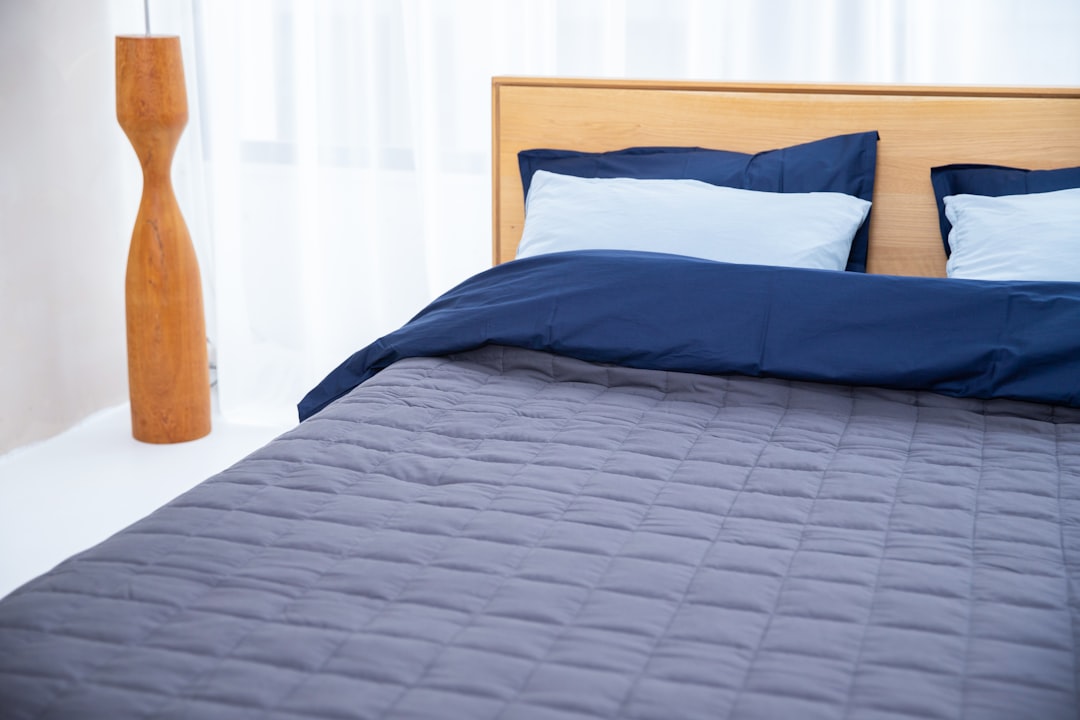
The biggest mistake you can make is buying a cooling mattress without pressing your palm flat against the cover for a full minute. Online photos can’t tell you how a fabric breathes, and in our climate, that’s the whole point of the purchase. A trip to a showroom is your one chance to conduct a simple, definitive test: lay your hand down, wait, and feel if that advertised coolness is a fleeting gimmick or a genuine transfer of heat away from your skin. Materials like bamboo charmeuse and Tencel lyocell are touted for breathability, but their weave and finish differ wildly—some feel slick and cool instantly, while others have a tighter, warmer hand-feel you’d never expect from the label.
This is where you assess the Somnuz® range properly. Don’t just bounce on the edge. Lie down in your usual sleeping position for at least five minutes, the way you would at home on a sticky night. The firmness grade on the tag means nothing if the mattress doesn’t support your hips and shoulders without creating a heat pocket. Pay attention to how your body sinks in; a deep body impression can trap warm air around you, turning a supposedly cooling design into a personal sauna. You need to gauge whether the phase-change knit or cooling gel foam layer actually works under your full weight, not just under a fingertip.
The only time I’d advise skipping this hands-on step is if you’re buying an exact replacement for a mattress you already own and love. Even then, fabrics change from one production batch to another. For everyone else—especially those in non-air-conditioned rooms or dealing with night sweats—this visit is non-negotiable. You’re not just checking for comfort; you’re auditing a mattress’s core promise of temperature regulation. Bring a small towel if you must, to simulate a bit of moisture, and see how the cover handles it. Does it feel damp and clingy, or does the moisture seem to vanish? That’s a detail you can’t get from a spec sheet.
Ultimately, your body’s thermostat is the only reviewer that matters. A showroom lets you borrow a quiet corner to be that critic. Ignore the ambient air-con; focus on the micro-climate between you and the mattress surface. If you walk out knowing exactly how a bamboo charmeuse cover behaves versus a Tencel one, and which firmness keeps your spine aligned without the heat build-up, then the trip was worth it. That’s the kind of concrete confidence that lasts long after the delivery truck leaves.
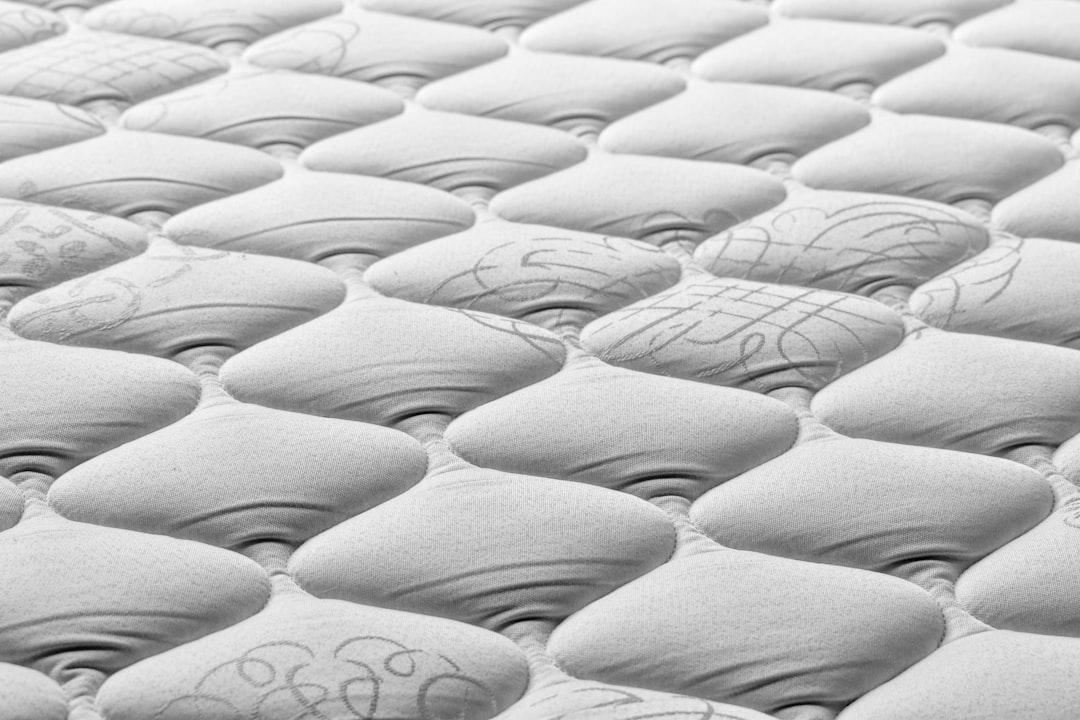
The difference between a mattress that feels cool for a few months and one that genuinely helps manage hot flashes for years comes down to where your money goes. At the lower end of the budget, around eight hundred dollars, you’re primarily paying for surface treatments. Think cooling gel infused into the top layer of foam or a bamboo-blend cover. These work initially—they’ll feel pleasantly cool to the touch and offer some immediate relief on a humid night. The problem is durability. That gel can stop transferring heat effectively as the foam compresses over time, and the cover’s breathability is only as good as the materials directly beneath it. You’re treating the symptom, not engineering a solution.
Step up to the fifteen-hundred-dollar range, and the investment shifts into the mattress’s core architecture. Here, you start to see integrated systems designed to move air. Pocketed coil systems with ventilation channels become common, actively pulling heat away from the body instead of just absorbing it. You might find phase-change material covers that actively regulate temperature by absorbing excess heat. The materials themselves are more resilient—higher-density, aerated latex layers that resist trapping body heat and maintain their supportive structure for longer. This tier is where cooling becomes a built-in function, not just an added feature.
Cross the three-thousand-dollar threshold, and every component is optimised for long-term climate control. We’re talking about advanced, breathable natural latex cores, highly sophisticated phase-change or graphene-infused fabrics, and meticulously engineered coil systems that maximise airflow throughout the entire sleeping surface. The focus is on creating a stable microclimate that can handle the intense, sudden heat of a flush without becoming saturated. Durability isn’t an afterthought; it’s the foundation. These materials are chosen because they won’t degrade in their cooling performance even after a decade of Singapore’s relentless humidity.
For someone whose sleep is regularly disrupted by hot flashes, that durability is the real value. A cheap surface treatment will fail just when you need consistency most. The only time to consider a simpler, lower-cost option is if your hot flashes are very infrequent and you’re prioritising other needs—otherwise, investing in that integrated breathable system is the surest path to lasting relief.
The search history of Singaporean mattress shoppers tells a clear story. It’s all about fighting heat, whether it’s from the weather outside or the body within.
'Cooling mattress for menopause hot flushes?'
For this, you need a mattress that reacts quickly. Latex or hybrid models with phase-change material covers are a strong choice—they actively pull heat away instead of just letting air through. The goal is to find a surface that feels cool to the touch the moment you lie down, offering that instant relief during a sudden flush.
'Best mattress for HDB no aircon?'
In a non-aircon room, breathability is king. A traditional innerspring or a hybrid with a tall, ventilated coil system will often sleep cooler than a solid foam block. Pair it with a Tencel or bamboo cover, which wicks moisture better than cotton. The mattress needs to work with whatever airflow you can get, not against it.
'Memory foam cooling gel real or fake?'
The gel is real, but its effect is often overstated. It’s usually a layer infused into the foam to help it dissipate heat slightly faster than traditional memory foam. It won’t feel cold like a gel pack. Think of it as an upgrade from standard memory foam, not a miracle cure for our humidity. For a truly cool feel, gel foam alone usually cannot lah.
'Cooling mattress last how many years Singapore humidity?'
The cooling components themselves—the gels, phase-change fabrics, or breathable covers—will degrade before the mattress support does. Expect the pronounced cooling effect to last maybe three to five years with daily use. After that, the mattress will still be supportive, but it’ll behave more like a normal bed. High humidity speeds up this wear, so a mattress with a removable, washable cooling cover is a smarter long-term buy.
A cooling mattress relies on specific materials to dissipate body heat effectively. Key technologies include gel-infused memory foam to draw heat away, phase-change fabric covers that absorb excess warmth, and breathable natural latex with open-cell structures. In Singapore’s climate, these materials must also resist high humidity to maintain their cooling properties and structural integrity over time.
Don’t just pat the mattress cover and call it a day. That final once-over is about looking past the marketing promise and verifying the whole construction works for your specific heat trigger. Maybe you’re a memory foam lover who sweats in a still room, or you get hot flashes that need a rapid cool-down. The cover, the comfort layers, the core—each one’s got a job.
Start with the cover. A breathable bamboo or Tencel is a good start, but check if it’s zippered and washable. Humidity here will make any fabric feel damp eventually, and you’ll want to clean it without a fuss. Then, press down on the comfort layers. If it’s gel-infused foam, feel how deep your hand sinks—does it trap your warmth or let air move? Latex is naturally aerated, but some can still feel dense. The support core is the real test. A ventilated pocketed coil system is your best friend for airflow; a solid foam base, even with a ‘cooling’ top, might just bake from underneath in a non-air-con room.
Now, pull out the warranty document. Read the fine print on sagging and material degradation. Many warranties cover manufacturing defects but exclude sagging below a certain depth—and that’s exactly what happens when foam breaks down in our heat and 80%-plus humidity. You want a guarantee that specifically mentions protection against premature softening from tropical conditions. If it doesn’t, that’s a red flag.
The only time I’d skip this deep dive is if you’re buying a mattress purely for a guest room that’s air-conditioned year-round. For your own bed, where you’ll spend a third of your life sweating it out, this check is non-negotiable. Get it wrong, and you’re stuck with a warm, sagging slab for years. Get it right, and you’ve finally solved the night heat.