You'll notice the dip first where you sleep the most—right in the middle of the bed. That's no coincidence. For a couple on a Queen, that central third gets a double dose of body heat and pressure night after night, and that's precisely where the materials start to give in. The foam or latex there works harder than the edges, and over months, the repeated softening and re-shaping from warmth just wears it down.
Singapore's ambient heat turbocharges this whole process. In a non-air-con master bedroom, that gel foam or aerated latex is already starting its night warm, not cool. It's trying to pull heat away from you while the room itself is pushing 28 degrees or more. The material never gets a proper chance to fully recover its structure, especially during our humid nights where even the air feels heavy. That constant thermal load accelerates fatigue—the foam gets tired faster, you could say.
Think about a typical 4-room BTO master bedroom layout. You've got a Queen bed centred on the wall, maybe with a narrow walkway on each side. There's no escaping the fact that two sleepers are funnelling their combined body mass and warmth into that core zone every single night. The sides and foot of the mattress, which only bear weight occasionally, stay relatively pristine. But the centre becomes a chronic hotspot, both in temperature and stress.
This is why judging a mattress by its perimeter is a mistake. You can press the edges and think it's still firm, but the real story is in that sleeping lane. Run your hand across the middle from head to foot—you'll feel that gentle valley long before any visible sag appears. For hot sleepers or those in naturally warmer flats, this timeline just compresses. The materials are fighting a battle on two fronts: your weight and our climate. Once that central dip sets in, it’s a permanent record of all that accumulated heat and pressure.
A mattress that’s lost its support does more than just give you a backache—it dismantles the very cooling system you paid for. In a typical 3.5 by 3 metre HDB master bedroom, poor ventilation and ambient heat are already working against you. A dip in the surface creates a body-shaped pocket that traps your warmth, turning the specially engineered cooling gel foam or phase-change materials into little more than an expensive thermal blanket. That pocket also increases contact pressure, which in turn generates more body heat. So you get a double whammy: the mattress can’t dissipate heat, and your own body starts producing more of it.
Think about the sleeper in a west-facing resale flat or a compact condo bedroom where the window barely stirs the air. Their cooling mattress was a crucial line of defence. Once it sags, that defence fails completely. The alignment issues that follow aren’t just about a stiff neck—they force your body into inefficient positions that make you toss and turn, generating yet more warmth and disrupting any chance of temperature regulation. It’s a vicious cycle that turns a restful night into a hot, restless ordeal.
This is especially critical for sleepers who are already sensitive to heat, like menopausal women experiencing night sweats. For them, a mattress dip isn't an inconvenience; it's a nightly furnace. The increased pressure points in the sagging zone become concentrated hotspots, directly counteracting the breathable bamboo or Tencel cover that’s supposed to wick moisture away. The whole engineered system fails in concert.
Some might think a slight dip is just a comfort issue, but in our climate, it's a thermal one. The only time it might not matter is if you're running the air-con at arctic levels all night—but for the majority in non-air-conditioned rooms, that sag is quietly cooking your sleep. You bought a cooling mattress for a reason. When it sags, you lose the reason entirely.
Those clever fabrics that absorb and release heat don't last forever in our humidity. The microcapsules holding the temperature-regulating material can degrade over time, especially when constantly damp from ambient moisture. You'll get a few good years of genuine cooling effect, but the performance will gradually diminish. In a west-facing room that bakes every afternoon, the constant thermal cycling stresses the material further. That's the trade-off for that initial blissful chill.
Natural latex is naturally breathable, but the aerated channels can become a highway for moisture ingress. Over years, that persistent 80% humidity can lead to a subtle softening and a loss of that signature buoyant support. In a well-ventilated landed property bedroom with cross-breezes, the core stays drier and firmer for a decade or more. Stuck in a non-air-conditioned HDB room with still air, the same mattress might start feeling a bit flat and less responsive in half that time. The ventilation around the bed is just as critical as the ventilation inside it.
Steel coils themselves don't care about humidity, but the system around them absolutely does. The pocketing fabric and the foam encasement that houses the coils are the vulnerable points. In a humid environment, these materials can retain moisture, potentially leading to a musty smell or, worse, compromising the structural integrity that keeps each coil independent. A mattress in a stuffy common bedroom is at far greater risk than one in a breezy master suite. The coils won't rust, but the support system around them can slowly degrade.
Infused gel beads or layers are meant to draw heat away, but they also alter the foam's density and reaction to heat. Under constant tropical warmth, the foam itself can become softer and less resilient faster than standard high-density foam. The gel doesn't fail; the foam matrix holding it does, leading to permanent body impressions where you sleep. This sagging is accelerated in a warmer room, as the foam is perpetually in a softened state. You're not just sleeping on it, you're essentially slowly cooking the structure.
Compare a Queen in a west-facing 4-room BTO versus a landed house with high ceilings. The BTO mattress, facing daily solar baking and trapped humidity, might show significant material fatigue in five to seven years. The landed bedroom mattress, benefiting from better air movement and less direct thermal stress, could easily last ten to twelve before the core comfort changes. That's a double lifespan, purely down to the micro-climate you create around the bed. Location within your own home becomes the biggest predictor of longevity.
Many buyers walk into a showroom convinced that a high foam density number is the ultimate shield against sagging. It’s a comforting piece of logic, but our climate has a way of rewriting the rules. Density does contribute to a foam’s durability and resistance to compression over time—that part is true. Yet, treating it as the sole predictor for a mattress that stays flat for five years is where the trouble starts. The relentless humidity here, often pushing past 80%, doesn’t just affect the air; it interacts with every layer in your bed.
This is why, in the typical Singapore price range of $800 to $2,500, you need to look at the whole construction. A moderately dense support foam that’s aerated or paired with a ventilated coil system will often outlast a denser, solid block that can’t breathe. The one exception? If you’re a particularly heavy individual, then yes, prioritising a higher density for that initial load-bearing strength is non-negotiable. For most sleepers, however, the marriage of breathability and support is the real key to longevity.
The real test is how the core support system works in tandem with those top cooling layers you’re paying for. A dense foam base paired with a thick, non-breathable cooling gel topper can create a moisture trap. Over the months, body heat and ambient dampness get sealed in, and the materials begin to degrade from the inside out. You might not see the sag immediately, but the support slowly softens, leading to that familiar body impression. A breathable bamboo or Tencel cover helps, but it’s only the first line of defence—it can’t compensate for a poorly integrated core.
So, while a sales tag boasting a high density figure feels reassuring, it’s not a guarantee. A mattress that manages heat and moisture throughout its entire depth, not just at the surface, is the one that will truly hold its shape. That’s the unglamorous secret to preventing the slow, humid slump.
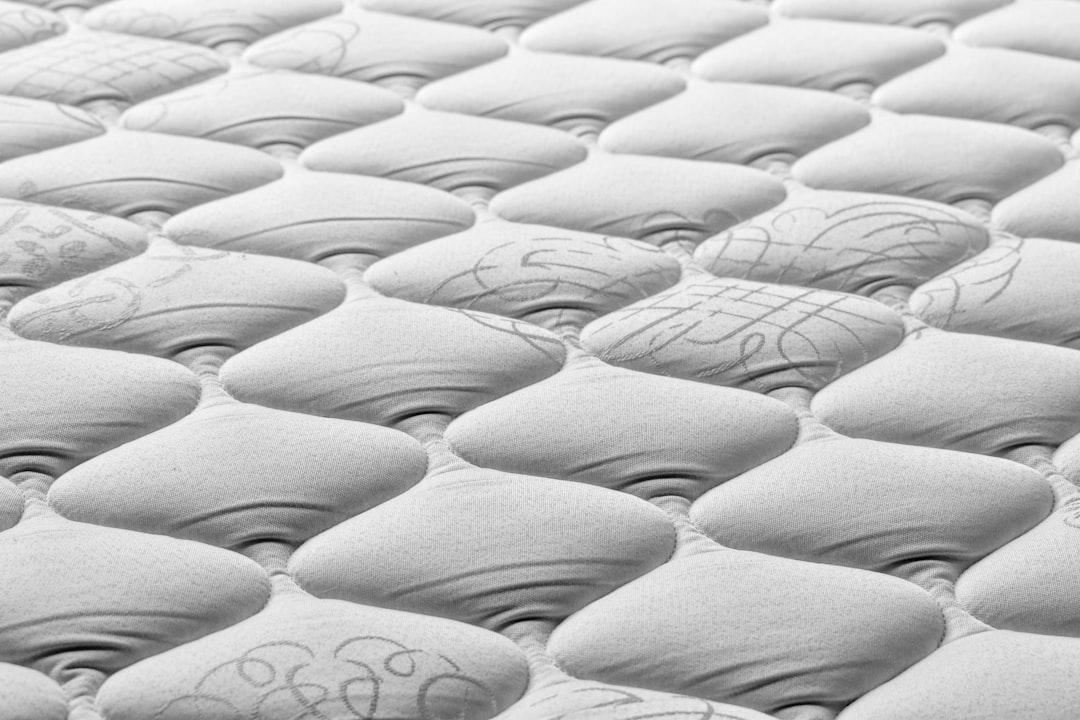
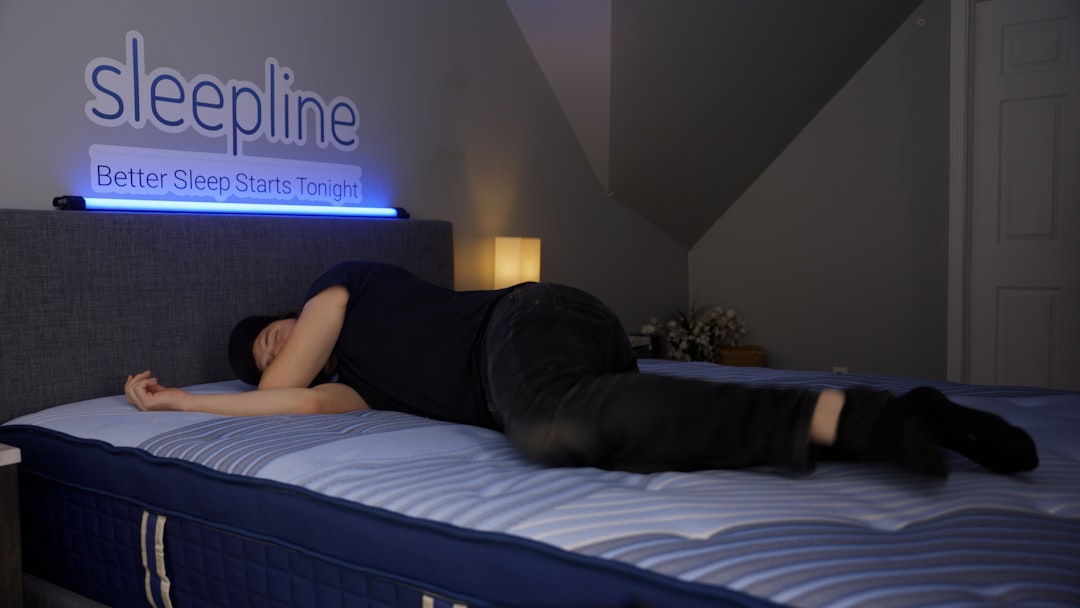
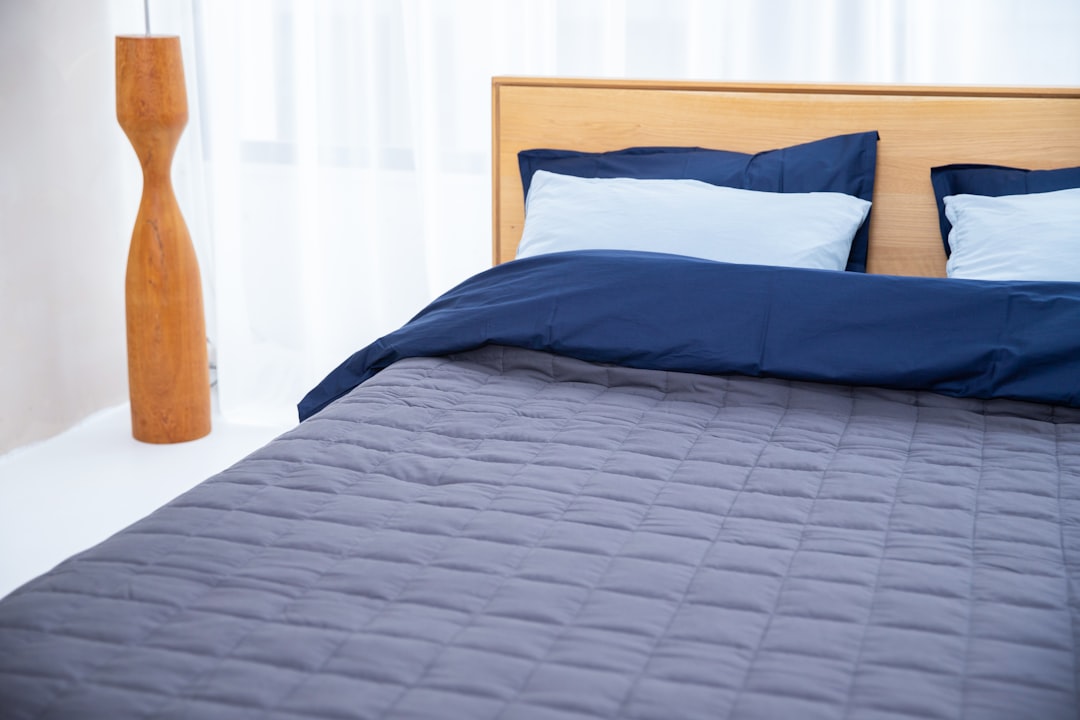

You can't judge a cooling mattress by its cover, or even by its listed materials. A gel foam layer that feels cool to the touch in a brochure might not translate to the right support for your body over eight hours. The only way to know is to put your actual weight on it. That’s why a trip to a showroom is non-negotiable—it’s the one place you can test how the firmness holds up under a proper simulation of sleep.
Head to a Megafurniture showroom, like the one at Joo Seng or Tampines, and spend time with their Somnuz® line. Don’t just perch on the edge. Lie down fully, the way you sleep at home. Spend a good ten minutes on your side and your back. Bring your partner if you share the bed, because their weight changes the dynamic completely. The surface might feel cool initially, but you’re really there to feel the structure beneath. Does it cradle without letting your hips sink too deep? Does it push back enough to keep your spine aligned? That’s the long-term support you’re assessing.
A common mistake is testing for just a minute. You need to let your body settle. The initial feel is often the top comfort layer; the real support comes from the deeper core, and that takes a moment to engage. Try to mimic your sleeping posture as closely as possible. If you’re a side sleeper, curl up. Back sleeper, stretch out. Notice if there’s any pressure building on your shoulders or lower back. That’s a sign the firmness level is wrong for you.
The exception? Honestly, there isn’t one for this step. Even if you’re supremely confident buying online, a cooling mattress is a major investment that you’ll live with for years. The risk of getting the firmness wrong—ending up with a mattress that sags prematurely or leaves you aching—is too high. The showroom visit is your single best defence against that. You’ll leave knowing exactly what you’re getting, not just hoping the specs translate to a good night’s sleep.
Sagging is the thing Singapore buyers worry about most—that dip in the middle that makes a cooling mattress feel more like a sunken boat. They’ll search for answers online, and the queries they type reveal a lot about what they’re really afraid of.
Can a cooling mattress sag after one year? It can, but it shouldn’t. Cooling features like gel foam or phase-change materials don’t prevent sagging; they just manage heat. The core foam or spring system is what holds you up. If the support layer is low-density foam, it’ll compress faster, no matter how cool the surface feels. A one-year sag is a sign of a poor-quality support core, not a failing cooling layer.
Does bamboo cover prevent sagging? Absolutely not. Bamboo covers are fantastic for breathability and feel cool against the skin, but they’re just a fabric layer. They have zero structural role in supporting weight over time. A sag happens underneath the cover, in the foam or springs. A bamboo cover might keep you dry, but it won’t stop your mattress from sinking.
How to fix sagging gel memory foam? You can’t truly fix it. Gel memory foam is infused for temperature regulation, not structural integrity. Once the foam cells collapse permanently, the cooling gel is still there, but the support is gone. Rotating the mattress might help distribute wear if it’s a one-sided design, but a deep, permanent depression means the foam has failed. Warranty is your next step, not DIY repair.
Warranty coverage for sagging in Singapore? This is the critical one. Most warranties cover sagging only if the depression exceeds a specific depth, often 1.5 inches or more. You’ll need to measure it. Humidity damage or normal body impressions usually aren’t covered. The key is to document the sag early with photos and a ruler, then contact the retailer. Don’t wait until it’s unbearable—start the process when you first notice a definite, measurable dip.
The cooling features that make a mattress shiok for a hot sleeper in Bedok are often the same ones that might compromise its spine over the years. You’ll see this tension play out most clearly when you’re weighing a breathable Tencel cover against a reinforced coil system. A Tencel top feels like a dream against the skin, wicking moisture away beautifully, but that fabric layer does nothing to stop the foam or springs underneath from eventually giving in. It’s a surface solution.
Now, a heavy-duty coil system with reinforced edges is built for the long haul—it’s the kind of support that keeps a Queen mattress from developing a permanent valley after five years of use. The trade-off is that all those layers of steel and padding can sometimes trap heat. Some brands get around this with ventilated channels or aerated latex layers, but the core of a support-focused mattress is rarely the coolest thing in the showroom.
So which way should you lean? For most couples in a typical 4-room BTO master bedroom, the support has to come first. A mattress that sags is a write-off, no matter how cool it sleeps. The one real exception is if you’re a solo sleeper in a non-air-conditioned room in Eunos, where the nightly heat is your primary enemy. In that case, prioritise a cooling system you can feel working, but make sure it’s built on a quality base—look for a hybrid that pairs advanced cooling materials with a solid, well-spaced coil unit. Don’t just go for the coolest top layer and hope the foundation holds up.
A cooling mattress relies on specific materials to combat Singapore's 80%+ humidity and high ambient temperatures. Breathable covers like bamboo or Tencel wick moisture, while cooling gel foams or aerated latex layers help dissipate body heat. Phase-change materials in some mattresses actively absorb and release warmth to maintain a stable, cooler sleep surface throughout the night.
Your showroom appointment is where you settle the trade-offs, but you’ll only get clear answers if you walk in with your own data. The most common mistake is going in blind, relying on a quick lie-down to tell you everything. For a cooling mattress, the environment in your actual bedroom is half the equation—the showroom can’t replicate that.
So, take a humidity reading in your bedroom. Do it over a few days, especially if your unit is west-facing or gets less airflow. That number, often sitting at 80% or higher, will tell you a lot about how a material will breathe long-term. Pair that with a simple note on how you sleep—do you and your partner both run hot, or is it just one side of the bed? This isn’t just about firmness; it’s about where your body heat concentrates and what cooling tech, like ventilated coils or phase-change material, needs to work hardest.
Armed with that, your questions at the showroom become specific. Don’t just ask if a cover is “cooling.” Ask for the exact composition: is that Tencel blend a 50-50 mix with polyester, or higher? Inquire about the foam’s density behind the cooling gel layer—a low-density base will sag faster and trap more heat, defeating the whole point. For latex, ask if it’s aerated Talalay or a denser Dunlop process; the difference in airflow is real.
The one detail you can skip is bringing your own bedsheet to test feel—showroom lighting and air-con are too artificial for it to be a true test. Focus instead on the construction you can’t see. A mattress that regulates temperature is an investment against Singapore’s climate, but only if its materials are chosen for your specific room and habits. Get those notes straight, and your final decision becomes clear.