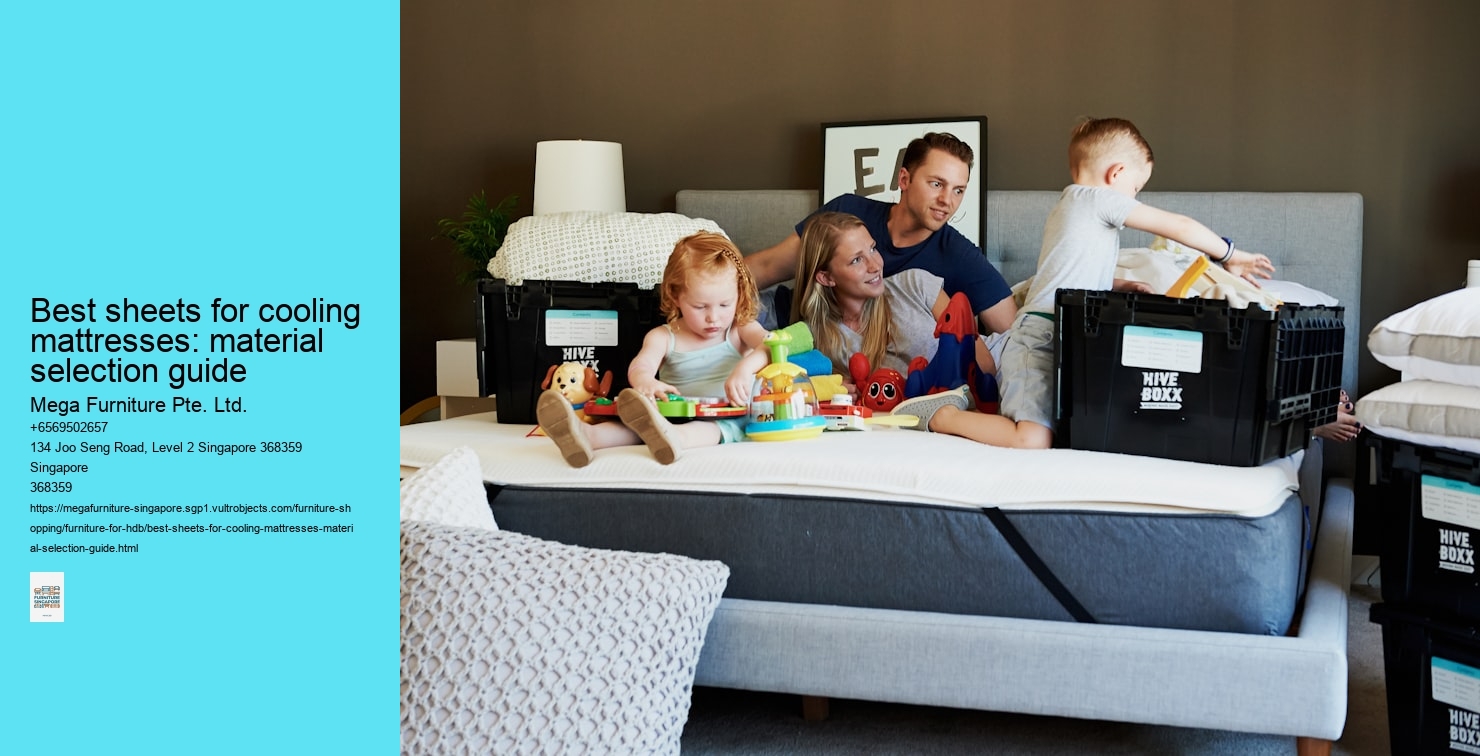
You’ve probably stood in a showroom, staring at a glossy tag with a brand name that promises ‘cooling technology’ or ‘airflow weave’. It’s tempting. The marketing speaks directly to that feeling of waking up on a sweat-soaked mattress in a non-air-conditioned room. But that’s where the trap starts. Brand names are just labels; what actually determines whether you’ll sleep cool is the thread count and the weave density of the fabric itself.
Here’s the counterintuitive truth for our climate: a higher thread count often means a warmer sleep. An 800-thread sateen weave, for example, creates a dense, smooth surface that feels luxurious but traps body heat and humidity like a gentle blanket. In a room where the ambient temperature stays above 28°C, that density becomes a barrier, holding the warmth your cooling mattress is trying to dissipate. Conversely, a 200-thread percale weave, with its simpler, more open criss-cross pattern, allows air to circulate much more freely. It’s less about the marketing buzzword and more about the physical structure of the cloth.
So the rule is simple: ignore the branded ‘cooling’ claims and look at the numbers on the tag. For most Singapore bedrooms, especially those without air-conditioning running all night, a mid-range thread count with a percale weave will outperform a high-count sateen. The exception is if you’re pairing sheets with a mattress that uses active cooling materials, like phase-change covers or gel foam, where the mattress itself is doing the heavy lifting; then you might prioritise comfort over breathability. But for the majority, where the mattress is simply breathable—latex, ventilated coils, bamboo covers—the sheet needs to be an ally, not an insulator.
Think of it like wearing clothes. A thick, tightly woven cotton shirt will feel stifling in our humidity, while a loose linen one lets the air through. Your sheets are your bed’s clothing. Choosing a high thread count because the brand says it’s ‘cooling’ is like buying that thick shirt because the label says ‘summer wear’. It’s the material construction that wins, not the logo. In a 4-room BTO where the master bedroom gets the evening heat, that difference is tangible. You’ll feel it one lah.
You’ve probably felt it—that clingy, damp layer that traps heat against your cooling mattress, turning what should be a cool refuge into a warm trap. The culprit often isn’t the mattress; it’s the sheet. In Singapore’s climate, where bedroom temperatures routinely sit above 28°C, your choice of weave matters more than thread count or brand prestige. A crisp cotton percale, with its classic one-over-one-under construction, is the baseline you shouldn’t skip.
Percale’s tight, flat weave creates a slightly textured surface that feels cool to the touch and allows air to circulate freely. That airflow is critical because it lets your cooling mattress do its job—whether it’s gel foam, aerated latex, or a ventilated coil system, the technology needs breathable contact to dissipate heat. A typical percale sheet, around 180 to 200 threads per square inch, offers that permeability without sacrificing durability. It’s a straightforward, no-fuss fabric that works.
Heavier weaves like sateen or jersey cotton, while soft, often perform worse in our humidity. Sateen’s silky finish comes from a denser, tighter structure that can feel warmer and less breathable. Jersey, being a knit, tends to hug the body and mattress more closely, which restricts that necessary air movement. Marketing might push these for their luxurious feel, but in a non-air-conditioned HDB room or for someone experiencing night sweats, they’re a step in the wrong direction.
There’s really only one scenario where you might consider something else. If you absolutely prioritise a silky-soft feel over temperature regulation and you keep the air-conditioning running all night, a high-quality sateen could work. But for the vast majority—hot sleepers, menopause sufferers, or anyone in a typical flat—the percale weave is the clear, practical choice. It’s the one that lets your cooling mattress actually perform.
So when you’re shopping, look past the fancy finishes. Focus on that simple, crisp percale weave. It’s the foundation that ensures you’re not accidentally insulating yourself against the very technology you bought for relief.
Seeing 'bamboo' on a sheet tag can feel like a guarantee of coolness, a promise of relief from Singapore's relentless humidity. That label, however, is often a clever shorthand for rayon viscose, a synthetic fibre derived from bamboo pulp through a chemical process. The resulting fabric's properties are not inherent to bamboo but are engineered by the manufacturer. This means the final weave and finish dictate its breathability, not the source material. You can end up with a sheet that feels slick and cool in the showroom but behaves like a clingy plastic film on your mattress during a humid night.
The cooling sensation of bamboo viscose sheets hinges entirely on their construction. A loose, open weave allows air to circulate freely, pulling moisture away from your skin and facilitating evaporation. Conversely, a tight, dense weave—common in cheaper blends aiming for a silky feel—can trap heat and moisture against your body. On a memory foam mattress, which already retains warmth, this combination becomes a sticky, uncomfortable trap. The sheet essentially seals you in, negating any cooling technology the mattress itself might offer.
Many affordable bamboo sheets are not pure bamboo viscose but incorporate other fibres like polyester to cut costs and add durability. Polyester, notorious for its insulating properties, actively blocks airflow and retains heat. Even a small percentage blended into the fabric can significantly compromise its cooling performance. During the monsoon season, when ambient humidity spikes, that blended sheet will absorb moisture from the air and your body but fail to release it, leaving you damp and overheated. It's a classic case where value engineering directly undermines the product's core function.
The true performance of any sheet labelled bamboo is revealed not in the air-conditioned showroom but during Singapore's most punishing months. In the sustained heat of April or the saturated air of November, a poor-quality sheet will stick persistently to skin, especially on a mattress that itself lacks breathability. You'll find yourself waking to adjust the fabric, feeling it damp and warm rather than dry and cool. This is the practical, brutal test that separates marketing claims from material reality, and it's one many buyers only experience after the purchase is made.
To avoid this mistake, you need to look beyond the front label and examine the detailed material breakdown on the tag or product specifications. A genuine, cooling bamboo viscose sheet will typically specify a high percentage of bamboo-derived rayon and describe its weave as breathable or percale. If the details are vague or list a blend with synthetic fibres, the cooling promise is likely compromised. For sleepers dealing with hot flushes or non-air-conditioned rooms, this extra scrutiny is non-negotiable—it's the difference between a restful night and a sweaty struggle.
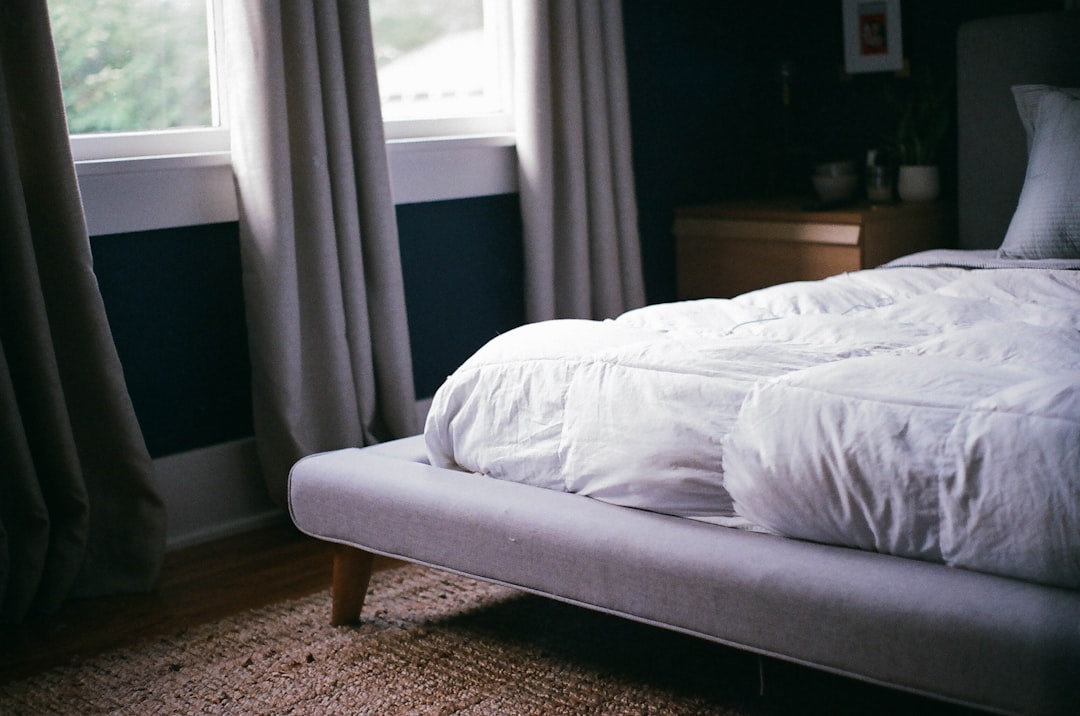
The idea that a cooling mattress solves everything is a common misstep. You can have the best gel foam or ventilated latex core, but if your sheets trap moisture, you're still going to wake up sticky. That's where Tencel lyocell corrects the equation. It's not just a marketing buzzword for sustainability; its moisture-wicking is a physical property. The fibre pulls sweat away from your skin and releases it into the air faster than cotton or polyester can manage. For someone in a non-air-conditioned 12 sqm bedroom, that quick transfer is what prevents a hot flush from turning into a damp, uncomfortable night.
Now, there's a nuance here that matters. Tencel's performance is inherent to the fibre, but the weave and weight of the fabric influence how it feels. A lighter, looser weave breathes more freely, which complements its wicking action perfectly. In our humidity, that combination is key. You want the sheet to feel cool to the touch initially, but its real job is managing the sudden thermal event later. It's that ongoing regulation, not just a crisp first impression, that makes the difference for sleepers who experience night-time temperature surges.
Consider the typical scenario: you've invested in a mattress designed to dissipate heat, but the ambient temperature still climbs past 28°C. Your body reacts, and a spike happens. A regular sheet would hold that moisture against you, letting the heat linger. Tencel, however, absorbs and disperses it rapidly. The effect is a drier surface that doesn't amplify the sensation of warmth. It's a supporting layer that lets the mattress's cooling technology work as intended, rather than fighting against it.
The exception is straightforward. If your bedroom is consistently air-conditioned and you never feel warm, the premium for Tencel might not justify itself. For everyone else—especially those in resale flats with older ventilation or facing the year-end monsoon heat—it's a logical upgrade. It turns a cooling mattress into a complete system. You've already addressed the base; this is the layer that handles the variable.
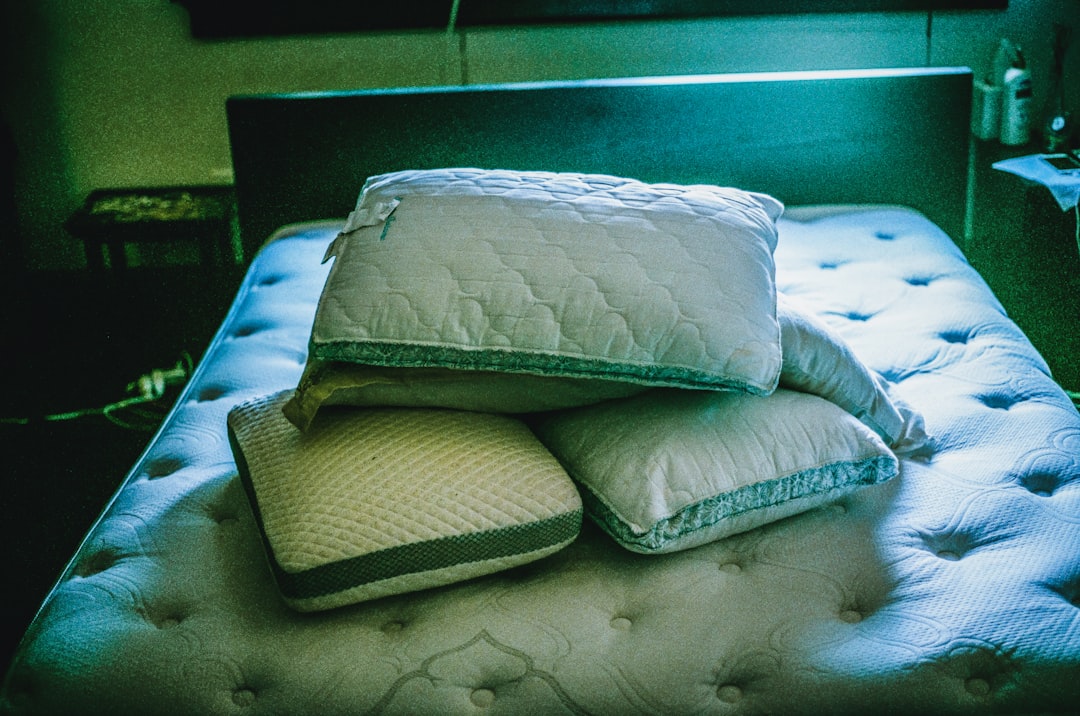
GSM isn't something you see on a label when you're picking sheets. It's a fabric weight measure, grams per square metre, and it's the number that decides whether your cooling mattress actually cools. A lightweight linen blend around 150 GSM feels airy and lets the mattress breathe; a heavy weave over 300 GSM acts like a blanket even if the mattress underneath is full of ventilated coils or aerated latex. You've paid for a cooling system, then you cover it with something that traps heat—that's the mistake.
Think of it like wearing a thick cotton jacket in our humidity. It just doesn't make sense. The mattress is doing its job, pulling heat away and letting air circulate through its structure. But if you put a dense, heavy fabric on top, you're creating a barrier. That heat gets stuck right against your body, and all that clever engineering in the mattress is wasted. For a latex or coil-based mattress designed for breathability, you want a sheet that participates, not one that fights the design.
So what works? A lighter linen, or a crisp percale cotton with a tight but not dense weave. These fabrics have enough structure to feel substantial but they're porous. They let the mattress's ventilation work. In a non-air-conditioned room, or during those nights when the temperature just won't drop, that difference is tangible. You'll feel the air moving, not the heat pooling.
The only time I'd consider a heavier fabric is if you're someone who genuinely prefers a heavier, more enveloping feel on the bed—maybe for a bit of extra warmth during the year-end monsoon when the nights are slightly cooler. But even then, on a cooling mattress, you're trading off its primary function. It's a compromise, not a pairing. For most of us here, through most of the year, the lighter sheet is the right partner. It lets the mattress do what you bought it for.
The difference between a cool, dry night and a sticky, restless one can hinge on a textile's weave. Online specs tout breathability, but a sheet's true performance is something you'll only gauge by touch. That's why a trip to a showroom—where you can lay your hand on the actual fabric draped over a cooling mattress—is a non-negotiable step. You're not just checking thread count; you're feeling how air moves through the material, how it sits against a surface engineered to dissipate heat.
Picture a typical Queen Somnuz® mattress on display. You can run a percale cotton sample across it, then swap it for a Tencel lyocell one. The percale might feel crisp and classic, but when you press your palm down and hold it, you start to sense whether that crispness translates to airflow or just sits there. The Tencel, with its smoother, denser fibres, often feels cooler instantly—but does that initial chill last, or does it trap warmth once you're fully covered? Laying the samples flat and applying a bit of pressure mimics the weight of a body, giving you a hint you'd never get from a swatch held in air.
This hands-on test reveals counterintuitive truths. A heavier, high-thread-count cotton might feel luxurious in the hand, but on a mattress that already regulates temperature, it could act like an insulator. Conversely, a lighter, looser weave in a natural fibre might breathe better than a technically 'cooling' synthetic blend. You also get to judge texture against your own skin's sensitivity—a rough linen might be breathable but uncomfortable, a slick bamboo-derived fabric might feel almost slippery. These are personal tolerances that a product description can't address.
Some buyers skip this step, trusting online reviews or material labels alone. That's a gamble. Your body's heat dissipation needs are unique, influenced by everything from your bedroom's ambient temperature to your own metabolism. A sheet that works for a sleeper in a fully air-conditioned room might fail in a naturally ventilated HDB common bedroom. The only time I'd advise relying on specs alone is if you're reordering a sheet you've already used and loved on a similar mattress type. Otherwise, you need that physical confirmation.
So make the trip. Spend ten minutes in the cool, controlled environment of a showroom, placing those fabric squares on a mattress core. Feel the heat transfer—or the lack of it—directly under your touch. It’s the most reliable way to shortlist options before you commit. That final decision, though, still comes down to which texture you'll actually enjoy sleeping under every night.
Cooling mattresses face Singapore’s 80%+ humidity daily. Materials like breathable bamboo covers or aerated latex resist moisture build-up and mould. A quality cooling mattress should maintain its temperature-regulating properties without degrading in a humid bedroom. Proper ventilation around the bed helps prolong its performance.
Maintaining a cooling mattress involves simple, regular steps. Avoid washing any integrated cooling covers with hot water to prevent shrinkage. Spot clean stains promptly to keep fabrics breathable. Ensure good airflow around the mattress—don’t let it sit directly on a non-breathable base.
You’ve got a cooling mattress, but those sheets matter just as much—if they’re wrong, you’ll still feel sticky and hot.
Do cooling sheets work without air conditioning? Yes, but they’re not a magic fix. Cooling sheets rely on breathable materials—like linen or certain cotton weaves—to let air circulate and wick moisture away from your skin. In a non-air-conditioned room, they’ll help you feel less clammy than a polyester set, but you’re still battling the ambient heat and humidity. They’re a layer of relief, not a replacement for a fan or cooler air.
What thread count is best for Singapore humidity? Ignore the high numbers. A thread count over 400 often means a tighter, denser weave that traps heat. For our climate, aim for 200 to 300 in a percale cotton weave—it’s crisp and open, letting air pass through. Linen, which doesn’t use a thread count system, is naturally loose and even better for airflow. That high thread count marketing is for colder climates, not our 28°C nights.
Can I use the same sheets on memory foam and latex? Generally yes, but there’s a catch with memory foam. Latex is naturally breathable, so most sheets work fine. Traditional memory foam, however, can feel warmer because it conforms closely and restricts airflow; a very tight-fitting sheet, like a deep-pocketed jersey knit, can compound that by sealing the surface. Opt for a looser, breathable flat sheet or a lightweight fitted sheet that doesn’t cling too tightly to the mattress surface.
How often should I wash sheets to keep them cooling? Weekly. Dust, skin oils, and humidity build up in the fibres, clogging those breathable pores. After a week, even the best linen starts to lose its cooling effect. Use a gentle, cool wash cycle—hot water can shrink natural fibres and damage their structure—and skip the heavy fabric softeners, which coat the threads and reduce their ability to wick moisture. Fresh sheets are cooler sheets.
A sheet that works perfectly on a ventilated coil mattress can leave you feeling clammy on gel foam. The cooling mechanism inside your mattress dictates how that fabric should behave on top of it. Gel foam, for instance, pulls heat away from your body but can trap moisture if the sheet doesn’t wick it away fast enough—that’s where Tencel really shines. For mattresses built with open coil systems designed to let air circulate, you’ll want a crisp, breathable weave like percale cotton to complement that airflow, not block it.
Never buy sheets based on a label description alone. The feel of a 300-thread-count percale versus a 200-thread-count one, or the smoothness of a bamboo blend compared to pure Tencel, is something you have to experience on a surface similar to your own bed. A showroom mattress, even if it’s not the exact model you own, gives you the closest approximation. Lay the fabric flat, press your hand into it, and see how it responds. Does it feel cool immediately, or does it warm up under pressure? That’s your test.
One detail most buyers miss is checking the sheet’s weight against their own sleeping habits. A heavier, denser weave might feel luxurious in a cooler climate, but in our humidity it can simply hold heat. If you’re a restless sleeper or tend to sleep hot, a lighter fabric that doesn’t cling is crucial. The sheet shouldn’t fight your mattress’s cooling tech; it should work with it.
There’s only one scenario where I’d skip the showroom test: if you’re replacing an identical set you already know and love. Otherwise, that final hands-on check saves you from a costly mismatch. You’ll know straight away if the texture is wrong for you—too slick, too rough, or just not breathable enough. Getting it right means your investment in a cooling mattress actually pays off every night.