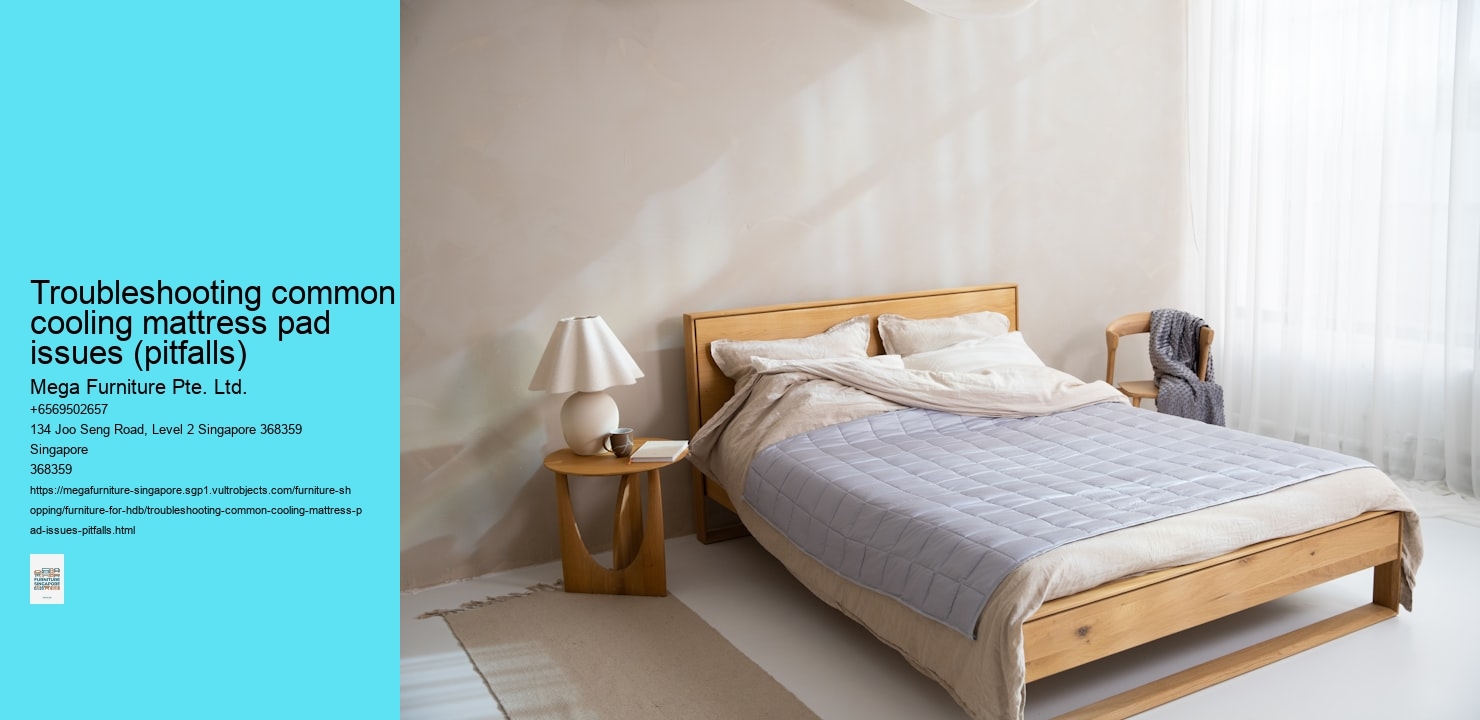
The first three months feel like a dream. You lie down, the surface cool and welcoming against your skin, and you think you've finally found the solution. But that initial chill isn't a permanent feature—it's the honeymoon phase. The phase-change materials or cooling gels inside the pad are working overtime to absorb your body heat, but they're also absorbing the ambient warmth of your room. In Singapore's climate, that's a losing battle. They reach a kind of equilibrium, a saturation point where they can't pull more heat away than what's constantly radiating back into them from the environment. That plateau hits around the quarter-year mark, and the disappointment is real.
It's especially pronounced if your bedroom faces west. The afternoon sun baking your walls doesn't just raise the air temperature; it turns the entire room into a heat reservoir. Your walls, your furniture, even the air trapped in the corners—all of it holds that warmth well into the night. A cooling pad sitting on your bed is fighting against that stored thermal energy, not just the 28°C reading on your thermostat. The materials inside simply can't reset to a truly cool state overnight when they're surrounded by a warm box. You'll notice the difference. The surface won't feel hot, but it won't feel actively cool anymore either. It becomes neutral, just another layer between you and the mattress.
So, does that mean these pads are a waste? Not entirely. They still perform a crucial function: they prevent heat from building up directly under your body. Without one, your mattress foam—especially memory foam—acts like an insulator, trapping your warmth and creating a hot zone that gets progressively more uncomfortable. The pad interrupts that process. It's a heat sink, even when saturated. The feeling shifts from "cooling" to "not overheating," which, in a non-air-conditioned room, is still a meaningful upgrade. You're avoiding the sweat-soaked wake-up, even if you're not getting that initial icy relief.
The one real exception is if your sleeping environment is unusually stable. Maybe you're in a north-facing condo unit with excellent cross-ventilation, or you run the air-con for a few hours before bed to actively lower the room's thermal mass. In those controlled scenarios, the pad's materials might have a chance to shed their stored heat and reset more effectively. But for the typical HDB flat, especially those older blocks with smaller windows and less airflow, expect the plateau. Buy for the long-term benefit of heat dissipation, not for the short-term thrill of a cold surface. That initial chill is a temporary gift, not the permanent state.
The whole idea behind a cooling pad is to let heat escape, but Singapore’s humidity can turn that promise into a trap. That bamboo or Tencel cover you picked for breathability? In a typical bedroom where humidity sits around 80%, it can feel damp after a few hours. Worse, moisture can actually condense between the pad and your mattress surface, creating a thermal barrier that holds heat in. You’re left with a layer that feels cool to touch at first but ends up insulating your body warmth instead of dissipating it.
This isn’t just about feeling sticky. That condensation layer defeats the entire cooling mechanism—whether it’s gel foam, phase-change materials, or aerated latex underneath. The pad becomes a damp insulator, and you’ll wake up warmer than if you’d skipped it entirely. It’s a classic case of a feature working against its own purpose because of our climate.
You can spot this happening if the pad feels noticeably cooler when you first lie down, but the warmth builds up steadily through the night. Another tell is a slight dampness on the mattress surface when you lift the pad in the morning, especially after a humid monsoon spell. That’s the condensation barrier at work.
The only scenario where this pitfall might not apply is if your bedroom is exceptionally well-ventilated or you run air-conditioning consistently through the night. In a typical non-air-conditioned HDB room, though, it’s a real risk. For most hot sleepers, the smarter move is to look for pads designed with channels or perforations that actively vent moisture away from the contact layer, not just rely on a breathable cover alone.
When sweat pools instead of moving away, you're stuck in a damp patch that never cools down. That's the core failure of a slow-wicking fabric—it can't shift moisture fast enough to keep you dry. In a non-air-conditioned 12 sqm bedroom, the air itself is already heavy and still, so evaporation needs a serious head start. A material that just absorbs but doesn't transport leaves you lying in your own humidity. The cooling effect promised by the mattress pad stalls completely at this point, because the process relies on moisture being removed, not just absorbed.
The rate of wicking is what separates a functional pad from a useless one. Think of it like the difference between a sponge and a drainage pipe—one holds, the other moves. For a menopausal woman experiencing a sudden flush, the fabric needs to act instantly, pulling sweat away from the skin before it can accumulate. Many standard cotton or polyester blends simply aren't engineered for that kind of rapid transfer. They're adequate for general use, but they fall apart under the specific, intense demand of a hot sleeper in our climate.
Breathability isn't just about the fabric itself; it's about the space between you and the mattress core. If the pad sits flush without any ventilated structure, that trapped layer becomes a hot, humid microclimate. Some pads use a raised 3D mesh or a channeled design to create a literal air gap for circulation. This gap allows what little airflow exists in a still room to pass through and aid evaporation. Without it, even a technically breathable cover is pressed flat against a warmer surface, killing any chance for the sweat to dissipate.
Your top cover selection can sabotage the entire system. A cheap, non-breathable protector placed over a cooling pad will block all its work. Conversely, a high-quality bamboo or Tencel cover can actually accelerate the wicking process, working in tandem with the pad's materials. The key is to treat the cover as part of the cooling engine, not as a separate, decorative layer. In our humidity, a cover that resists moisture movement will create a barrier that turns the pad's effort into a pointless, soggy exercise.
Adding multiple bedding layers often backfires for temperature regulation. A thick quilt, a mattress protector, then the pad, then a sheet—each one adds insulation and reduces the pad's ability to do its job. The simplest path for moisture to escape is a direct one: from your skin through a single, high-performance layer into the ventilated mattress below. Stacking barriers, even thin ones, creates a complex route that sweat cannot navigate quickly. For genuine cooling, you need to strip back to the essentials and let the specialised pad work unimpeded.
A cooling mattress pad that just sits on top is like putting a blanket over a fan—you’re trapping the heat you want to escape. The real difference comes from inside, from how the pad moves air rather than just feeling cool on the surface. If you’ve got a memory foam mattress, that’s the key thing to look for. The foam itself tends to hold warmth, so a pad needs to actively channel air away from your body, not just provide a cooler top layer.
You’ll see plenty of pads marketed as ‘cooling’ that rely solely on a bamboo cover or a gel-infused top layer. Those can feel nice initially, but over a long night in a non-air-conditioned room, they often become overwhelmed. The heat builds up beneath you because there’s no escape route. The one exception? If your mattress is already highly breathable, like an aerated latex core, a simple top-layer pad might suffice. But for the common memory foam base, you need that internal air highway.
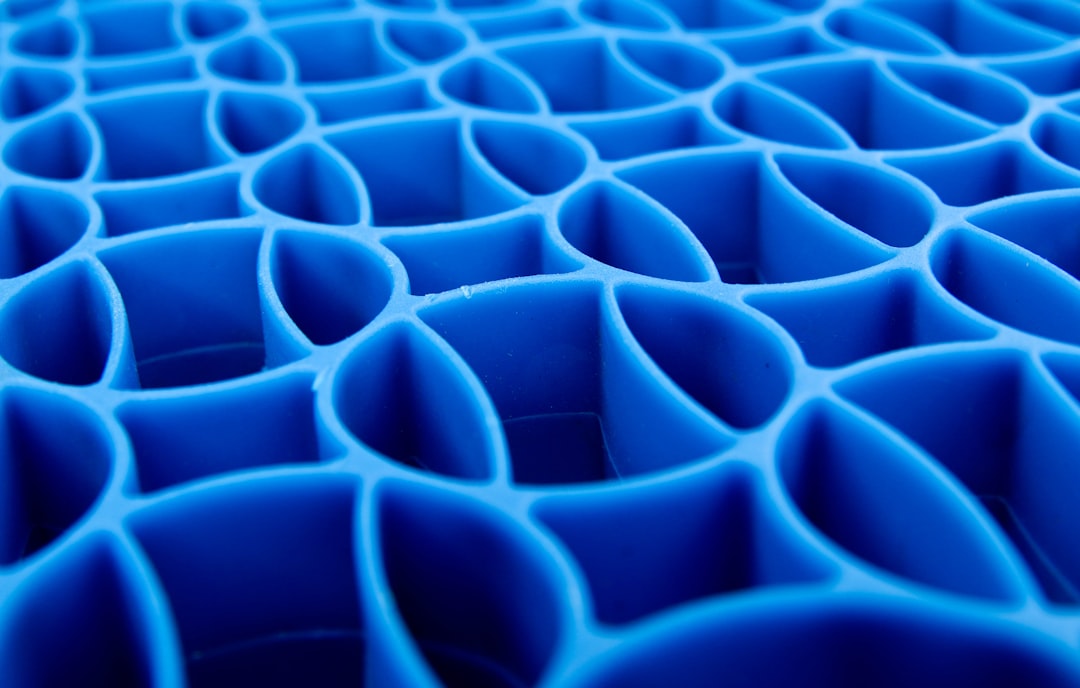
That means going for designs with a 3D mesh core or a ventilated coil system. These aren’t just fancy terms; they describe structures that create actual tunnels for air to flow through. A mesh core is like a honeycomb that lifts you slightly off the mattress surface, letting air circulate underneath. A ventilated coil system uses tiny springs or channels within the pad itself to promote constant air movement. Both work by creating space—dead air is the enemy in a humid climate, and these designs eliminate it.
Don’t just press your hand onto a sample in the showroom; ask to see a cutaway or a diagram of the internal structure. A pad with true channels will have a distinct depth and a visibly open construction. It’s the kind of product where the engineering is obvious once you know where to look. For year-round tropical comfort, this internal ventilation is what separates a temporary relief from a lasting solution.
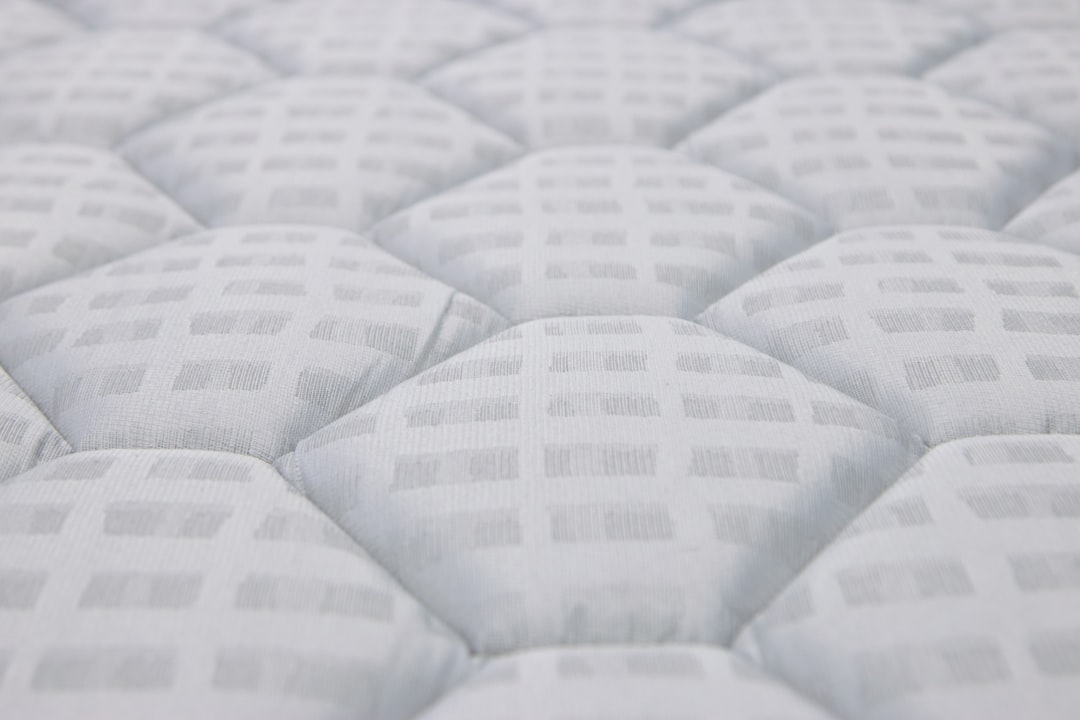
Walk into the showroom and you’ll see a dozen beds lined up, all promising a cooler night. You can’t judge that from a photo. The real test is to plant yourself on one for a solid five minutes, not just a quick bounce. Feel the surface weave—a tight, smooth Tencel cover should feel almost silky and dry, not slick or plasticky. A bamboo blend might have a slightly rougher, more textured hand. That’s your first clue about breathability.
Then, test the firmness. Lie down in your usual sleeping position. A cooling mattress often uses a top layer of gel foam or aerated latex; you need to see if it collapses under your weight, creating a heat-trapping pocket. If you sink in too deeply, that cooling layer isn’t doing its job—it’s just another warm memory foam. For a typical Queen size, shift from edge to centre. The support should feel consistent, not like you’re rolling into a soft ditch where the air flow stops.
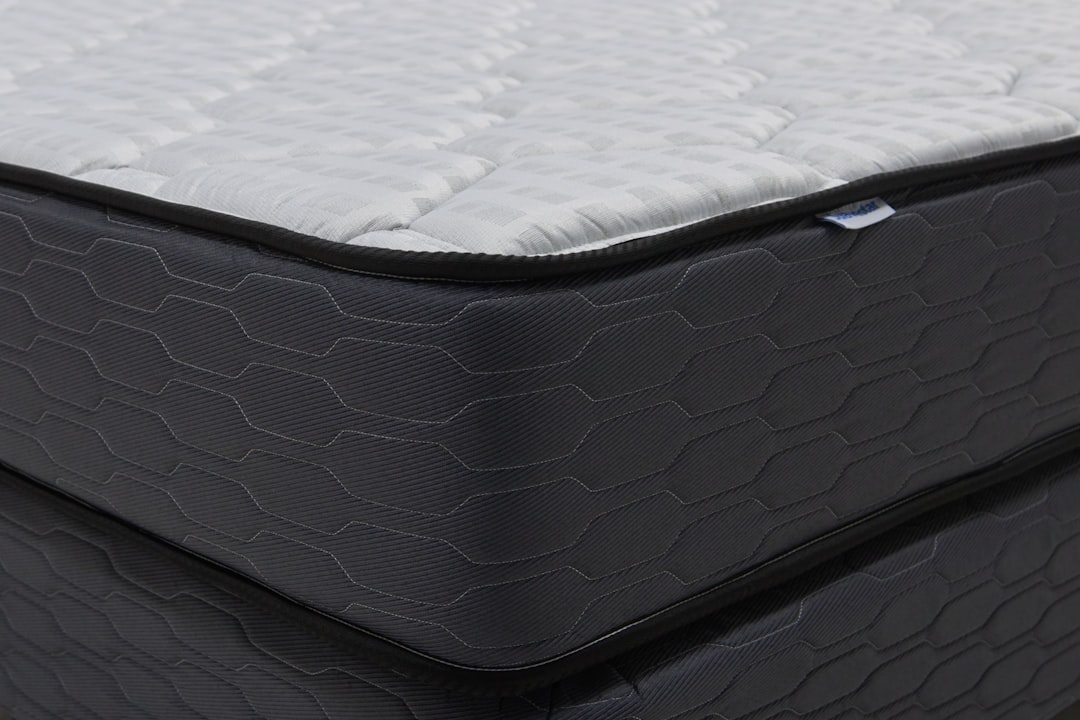
Pay attention to the edges. Sit on the side of the bed, the way you might when getting up. Does the perimeter hold you, or does it compress so much you feel like you’re sliding off? A weak edge means the mattress will feel smaller over time, and that compression can also pinch the airflow channels around the sides. This is something you only notice in person; specs won’t tell you.
One exception: if you’re exceptionally light, you might not compress those layers enough to feel the difference. In that case, focus purely on the fabric’s feel against your skin and whether the base firmness suits your back. For most people, though, the showroom visit is non-negotiable. You’re checking if the engineering actually works under real weight, in our real climate. Without that, you’re just buying a promise.
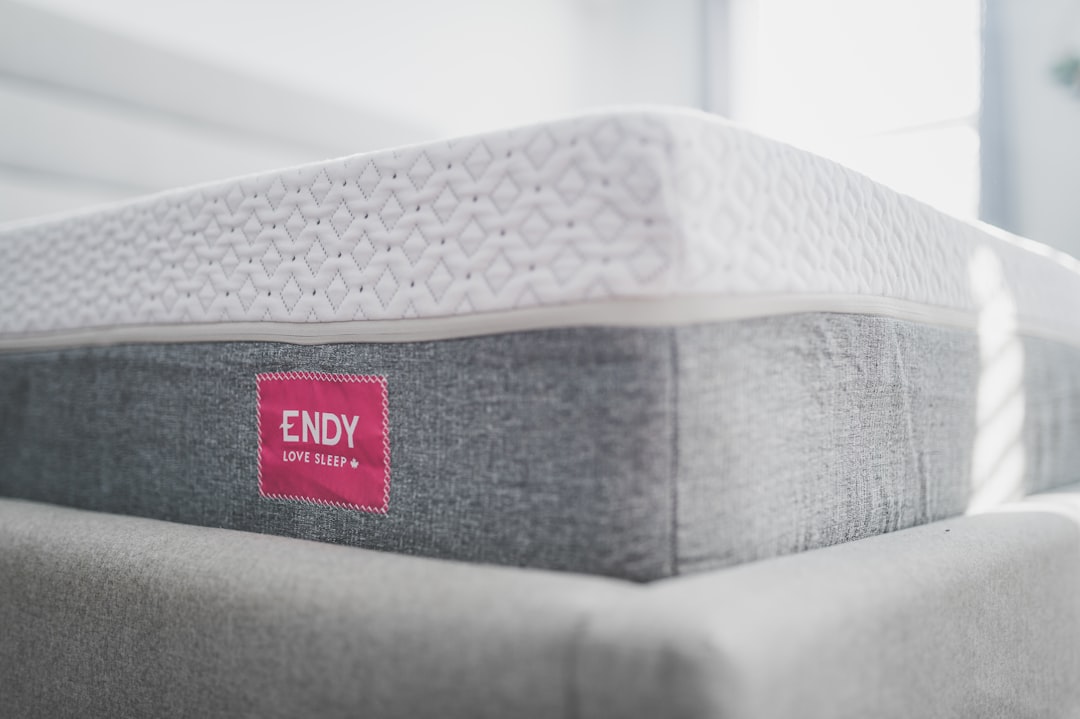
You'll see the same few questions popping up again and again when people look at cooling pads. They're practical, born from real nights spent sweating in a 4-room flat.
Do cooling pads work without air conditioning? They do, but don't expect a miracle. A cooling pad on its own won't drop the temperature like an AC unit. It works by drawing heat away from your body and letting it dissipate—through a breathable bamboo cover, gel-infused foam, or those clever phase-change materials. In a non-air-conditioned room, it'll make the bed surface feel less like a heat trap, which is a genuine relief. For someone battling hot flashes or just the general stickiness, that difference can be enough. But if your whole room is a sauna, the pad's effect gets limited. It's a personal cooler, not a room chiller.
Can I put a cooling pad on a memory foam mattress? Yes, and frankly, you should. Memory foam is famous for trapping heat. Adding a dedicated cooling layer is the smartest fix for that problem. The pad sits on top, acting as a barrier that manages the heat your body releases before it sinks into the foam below. Just ensure the pad is designed to be used this way—a non-slip bottom or a fitted sheet style helps. It turns a too-warm mattress into a usable one.
How often must I wash a cooling mattress pad? This depends heavily on the material. A removable bamboo or Tencel cover? You can wash that every couple of months, like a regular sheet. But if the pad itself has cooling gels or phase-change materials embedded inside, you can't just chuck it in the machine. For those, surface wiping is the way. A quick clean every month or so keeps dust and oils from building up and blocking its breathability. Check the care label—it's not one-size-fits-all.
Are cooling pads safe for elderly skin? Generally, they are. The materials used are non-toxic and the surfaces are designed to be gentle. The real consideration is temperature. Some pads, especially those with phase-change materials, can feel distinctly cool to the touch, which might be uncomfortable for someone with sensitive skin or circulation issues. If that's a concern, look for a pad that regulates to a neutral temperature rather than one that feels actively cold. Otherwise, the breathable fabrics are often softer and less irritating than standard polyester covers.
A cooling mattress must fit your specific room dimensions to maximise airflow and comfort. The standard Queen size at 152cm wide suits most HDB master bedrooms, leaving crucial 60cm clearance on one side for movement and ventilation. Always measure your bedroom layout, not just the bed frame, to ensure the cooling surface isn't cramped against a wall.
The key challenge for a cooling mattress delivery is often the lift door or a tight corridor turn. HDB lift doors are typically 90cm wide, so a compressed roll-packed mattress is a practical solution for high-floor units. Confirm the widest point on your route—internal doorways can be narrower than the lift—to avoid a frustrating doorstep return.
A queen-sized cooling pad fitted under a king mattress leaves a good ten centimetres uncovered on each side. That’s not just a cosmetic mismatch—it’s a thermal blind spot. The pad’s cooling zone, typically a grid of gel-infused foam or phase-change material, only works where it’s in contact with the mattress surface. The uncovered perimeter becomes an unregulated heat sink, absorbing warmth from your body and the ambient air without any mechanism to dissipate it. In a typical 4-room BTO master bedroom, where space is tight and airflow might already be limited, this creates a noticeable band of warmth along the edges you’ll feel every time you shift position.
Think about the layout: a King bed, around 183 centimetres wide, often sits flush against walls or leaves minimal walking space. That trapped heat from the uncovered edges doesn’t just dissipate into the room; it builds up against the mattress sides and can even seep back towards the centre. You’ve paid for a cooling solution to manage Singapore’s relentless 28-degree nights, but you’ve inadvertently created a warmer border that undermines the whole system. It’s a classic oversight, especially when upgrading from a Queen to a King without reconsidering every accessory.
The fix is straightforward—measure your mattress, not just your bed frame. A cooling pad should match the sleeping surface dimensions exactly, with no overhang or shortage. For a King mattress, you need a King-sized pad. If you’ve already bought a Queen pad for a King bed, the only real solution is to replace it. Trying to stretch or centre a smaller pad won’t work; the materials need full coverage to function properly. There’s no clever hack here, just a necessary swap.
One exception might be if you sleep strictly in the central zone and never roll towards the edges. But even then, during the humid monsoon months, that uncooled perimeter can become a condensation point, affecting the overall feel. For most couples or restless sleepers, a full-coverage pad is non-negotiable. It ensures the entire sleeping surface benefits from the engineered cooling, so you’re not paying for a feature that only works half-heartedly. Just get the right size—it’s that simple.
You know how a cooling mattress pad feels cool when you first touch it. That initial chill can be deceptive. The real test happens when you’ve been lying on it for a while, letting your body heat seep into the material. Don’t just press your hand on it in the showroom and decide. You’ve got to simulate the conditions of a humid July night in your own flat.
Find a warm room—maybe your west-facing bedroom after the afternoon sun has baked it. Lay down on the pad for a full fifteen minutes. Don’t just lie flat; shift around a bit, settle into your usual sleeping position. Your shoulders and hips are the hottest zones, the places where heat builds up fastest. That’s where a cheap pad will fail you. The coolness might vanish, replaced by a trapped warmth that makes you toss and turn.
This isn’t about the first impression. It’s about the long haul through a sticky night. If the pad stays cool under those pressure points after fifteen minutes, you’ve found a decent one. If heat starts pooling around your shoulders, it’s not going to work for you come monsoon season. That initial chill is just marketing; the sustained performance is what you actually need.
There’s one exception, though. If you’re a very light sleeper who barely moves and generates less body heat, you might get away with a pad that only feels cool at first touch. For most of us, especially anyone who’s ever felt too warm on memory foam, the fifteen-minute test is non-negotiable. Skip it, and you risk buying a pad that’s cool for five minutes but a disappointment for the rest of the night.