That first coffee splash or midnight water spill isn't just a stain—it's a stress test for the mattress's cooling tech under our 80% humidity. How you handle it dictates everything. A cooling mattress isn't a sealed box; it's a layered system where moisture behaves differently depending on what's inside.
Take gel-infused foam. That cooling layer relies on open cells to breathe and dissipate heat. Dump a glass of water on the cover and panic-scrub with a sopping wet cloth, and you'll drive moisture deep. It gets trapped in there, turning the foam sluggish and killing its thermal transfer. Aerated latex fares a bit better with its natural ventilation channels, but sustained dampness against the material can still invite mould spores, especially in a non-aircon Bedok bedroom where everything feels perpetually damp. Then there are the fancy phase-change covers. Their microscopic capsules are meant to absorb and release heat, not liquid detergent. An aggressive chemical spot-cleaner can degrade that coating, leaving you with a regular fabric cover that does nothing for temperature.
The rule is simple: blot, never rub. Use a barely-damp cloth with a whisper of mild soap for the initial attack. The goal is to lift the spill from the surface without letting it seep past the protective barrier of the Tencel or bamboo cover. For anything more than a small splash, you'll need to think about the zip-off cover—if your model has one. That's your first line of defence and the only part you should ever consider machine washing, and even then, only on a cold, gentle cycle. High heat will shrink it, and a tight, warped cover compromises the entire mattress's breathability.
Honestly, if a major accident happens—a whole cup of tea, a toddler's accident—professional cleaning is the only safe call. Trying to DIY a deep clean in our climate is a gamble. You might get the stain out, but you'll likely wreck the carefully engineered cooling properties in the process. For everything else, a light, immediate blot and good airflow are your best tools. Prop the mattress up against a wall near a fan after a minor incident, let the room's dehumidifier run for a few hours. That initial care keeps the cooling layers working as they should for years.
A cooling mattress relies on specific materials to manage Singapore's heat. Breathable bamboo or Tencel covers allow air circulation, while cooling gel foam or aerated latex layers actively draw heat away from the body. High-density foam maintains structural integrity, preventing the mattress from sagging and losing its cooling properties over years of use in a humid bedroom.
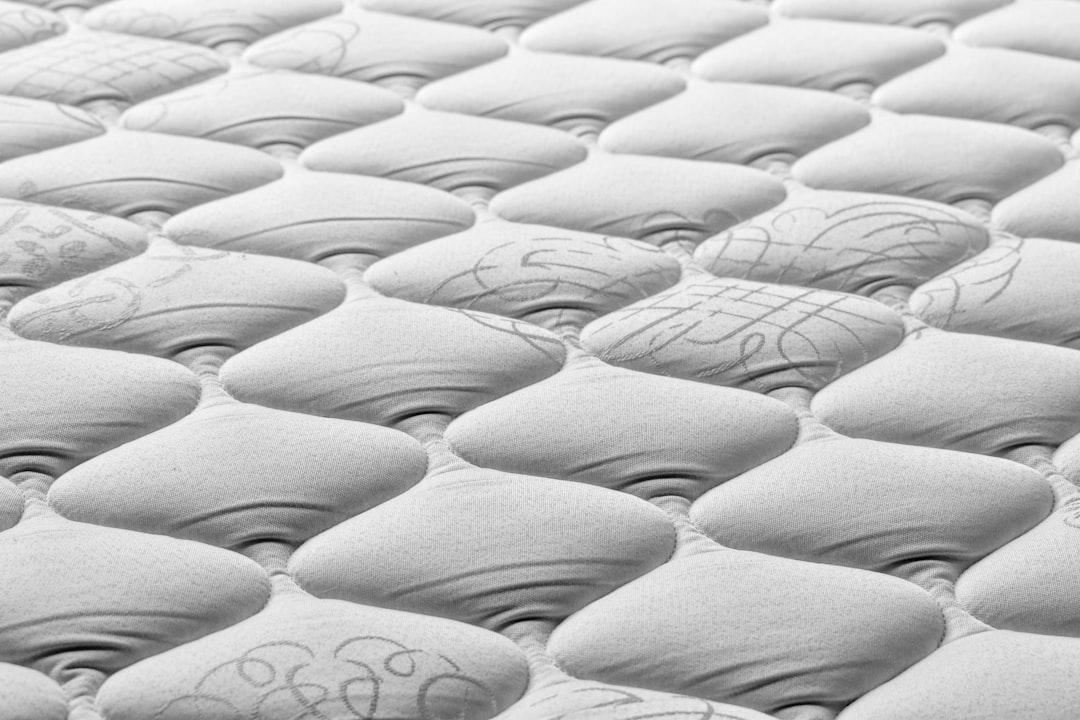
That vigorous back-and-forth scrubbing you’d use on a regular mattress? That’s the fastest way to miss what’s really collecting in a cooling one. The dense, layered construction that keeps you cool at night also traps fine dust and skin cells in a completely different way—it holds them deep within its quilted channels and where the breathable cover meets the foam layers. Surface agitation just pushes the debris around, or worse, grinds it in.
The right approach is about gentle extraction, not aggressive scrubbing. You’ll want to start with the soft brush attachment on your vacuum cleaner. This is non-negotiable. The stiff bristles on a standard upholstery head can snag the delicate bamboo or Tencel cover, pulling at the very fibres designed for airflow. Set the suction to its lowest setting; high power can actually pull the cover tight against the foam, sealing those channels you’re trying to clean.
Focus your effort on the quilted patterns and seams. In a non-aircon bedroom, this is where the real accumulation happens—sweat, humidity, and all the fine particulate matter that comes with it settle right where the fabric is stitched down. Guide the brush slowly along each channel, letting the gentle suction do the work. It’s a methodical process, not a quick once-over. You’re not chasing visible dirt; you’re maintaining the material’s ability to breathe.
Skip this routine and the cooling properties will diminish over time. The debris acts like an insulator, slowly clogging the very ventilation that makes the mattress work in our climate. A proper vacuum every few months keeps the system functioning. It’s a small task, but for sleepers in a west-facing flat or anyone battling the year-round humidity, it’s what preserves that cool-to-the-touch feel. The mattress is engineered to manage heat; your job is simply to keep its pathways clear.
Before you even think about pouring cleaner on that stain, you need to find a hidden seam. The underside of the mattress cover, or a tucked-in corner near the zip, is your best bet. Apply a tiny dab of your chosen solution there and wait fifteen minutes. If the fabric discolours or feels rougher, you've got a problem. That small test patch saves you from a much larger disaster. It's a simple step that many skip, and then they regret it horribly.
A harsh bleach-based cleaner might seem like a quick fix for a dark soy sauce spill. On a delicate Tencel cover, it's a disaster. The aggressive formula can break down the fibres, leaving a permanent faded patch that feels brittle and rough. That cool, smooth surface you paid for is gone. The stain might vanish, but the material is ruined. You end up with a clean but damaged spot that's more obvious than the original spill.
For Tencel and similar cooling fabrics, a pH-neutral foam cleaner is the only safe choice. It lifts the stain without attacking the threads that make the material breathable. You apply a small amount, let it sit for a few minutes, and then blot it away with a damp cloth. The process is slower, but the integrity of your mattress cover stays intact. That night sweat mark disappears, and the fabric still feels like it should. It's patience over power.
Never rub a stain on these covers, especially a greasy one like curry oil. Rubbing forces the spill deeper into the layers and can fray the surface. You use a clean, white cloth to press down and lift the liquid out. Change the cloth as it gets saturated to avoid re-depositing the stain. It's a methodical, almost boring process, but it works. Going fast just makes the problem worse and can spread it across a wider area.
After you've treated and blotted the area, you must let it air dry completely. Don't cover it with a sheet or lie on it while it's still damp. In our humidity, trapped moisture can lead to mould, which is a whole new problem. Prop the mattress up or leave the section exposed to the room's airflow. Only when it's totally dry should you put your bedding back. That final patience ensures your cleaning effort actually lasts.
That stale, slightly sweet smell in a west-facing common bedroom is more than just an annoyance—it’s a sign that moisture and odours have settled deep into the very layers of your mattress. In a non-ventilated 12 sqm space, that trapped mustiness won’t just air out on its own, no matter how many windows you open after a humid day. You need to tackle the source, not just mask it with sprays that leave a chemical scent lingering in the already-stuffy air.
Timing is everything. The absolute worst period to try this is during the peak humidity from June to August, when the air is so damp the baking soda will just clump and absorb nothing. Wait until after that season, ideally in a slightly drier spell around September or October, when the air has less moisture to interfere. This gives the powder a real chance to draw out the deep-seated smells effectively.
After letting it sit, vacuum the mattress thoroughly with an upholstery attachment. You might need to go over it twice to get all the powder out. Follow this by leaving the mattress near an open window during the driest part of the day, even if it’s just for a couple of hours. That final airing helps evacuate any last traces of odour the baking soda loosened. It’s a bit of a process, but for a room that traps air, it’s the only method that gets to the root of the problem.
Skip the quick fixes and go straight for the absorbents that actually pull odours out. Baking soda is your best friend here; it’s safe, non-toxic, and works on the gel foam and fabric layers without damaging the cooling properties. Sprinkle a generous, even layer over the entire mattress surface and let it sit for several hours—overnight is even better. For a more targeted approach, you can mix it into a paste with a little water to dab at any noticeable spots before the full treatment.

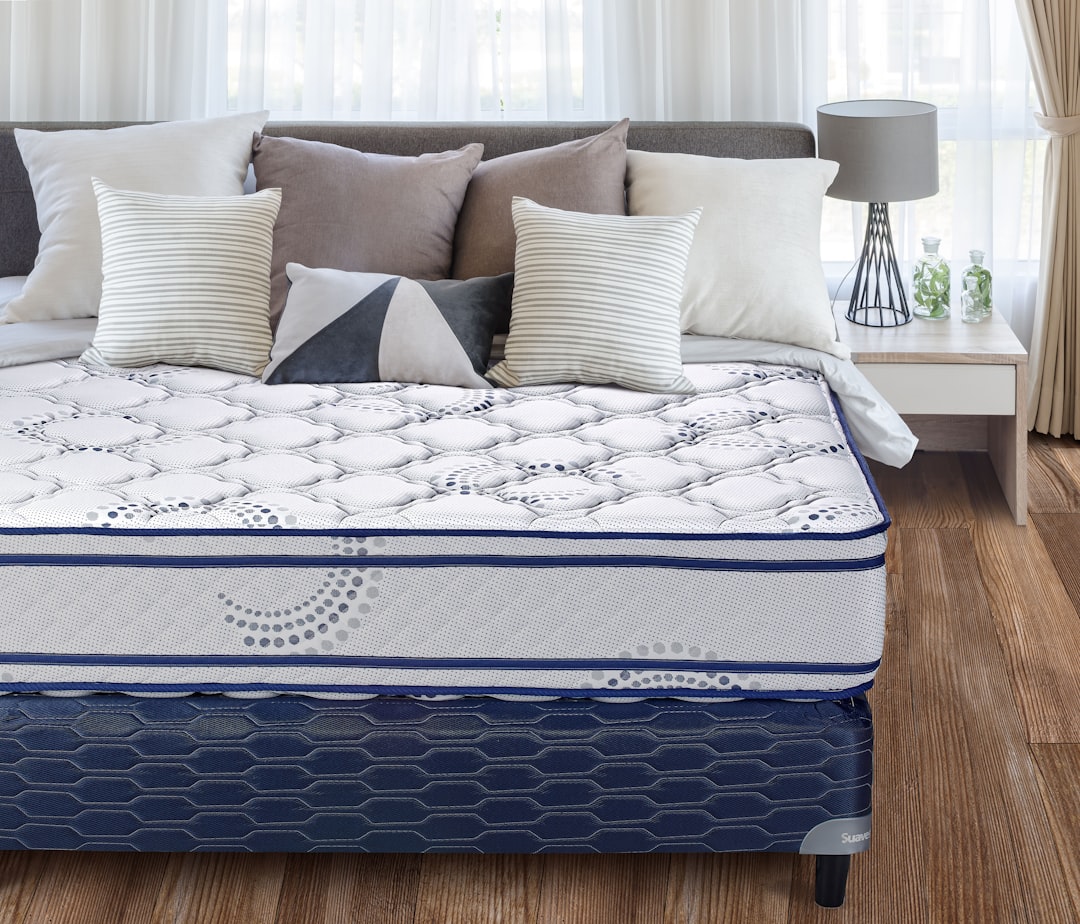

Think of that expensive cooling mattress as a high-performance engine. You wouldn’t run it without a proper filter, and you shouldn’t sleep on it without a dedicated guard against the one thing that can ruin its core function: moisture. Singapore’s air isn’t just hot; it’s heavy with water vapour that your body adds to every night. A cheap, plastic-backed protector might stop spills, but it creates a sauna effect that traps heat and sweat right against the mattress surface, completely defeating the purpose of those ventilated coils or phase-change materials. The cooling feel you paid for gets smothered.
The real goal is breathable protection. You want a barrier that lets vapour pass through while blocking liquids from reaching the core. Look for a protector made from a moisture-wicking fabric—something like a tightly woven cotton blend or a technical performance material. This layer pulls perspiration away from your body and allows it to evaporate, which is exactly how your mattress’s own cooling technologies are designed to work. It becomes part of the system, not a blockage.
This is non-negotiable for anyone who sleeps hot or experiences night sweats. For menopausal women dealing with sudden flushes, that thin, breathable layer is the difference between waking up damp and uncomfortable versus the mattress managing the moisture and letting you drift back off. It preserves the engineered dry feel night after night. And because these protectors are typically machine-washable, you’re not locking in a season’s worth of sweat and oils; you can reset the surface regularly, which is crucial in our climate.
The only time you might skip a dedicated protector is if your mattress comes with a permanently attached, premium Tencel or bamboo cover that’s specifically designed to be the primary moisture-management layer. Even then, that top cover isn’t usually waterproof. For most cooling mattresses, adding a separate, high-quality protector is the simplest insurance policy. It’s a small upfront cost that safeguards a much larger investment in your sleep comfort.
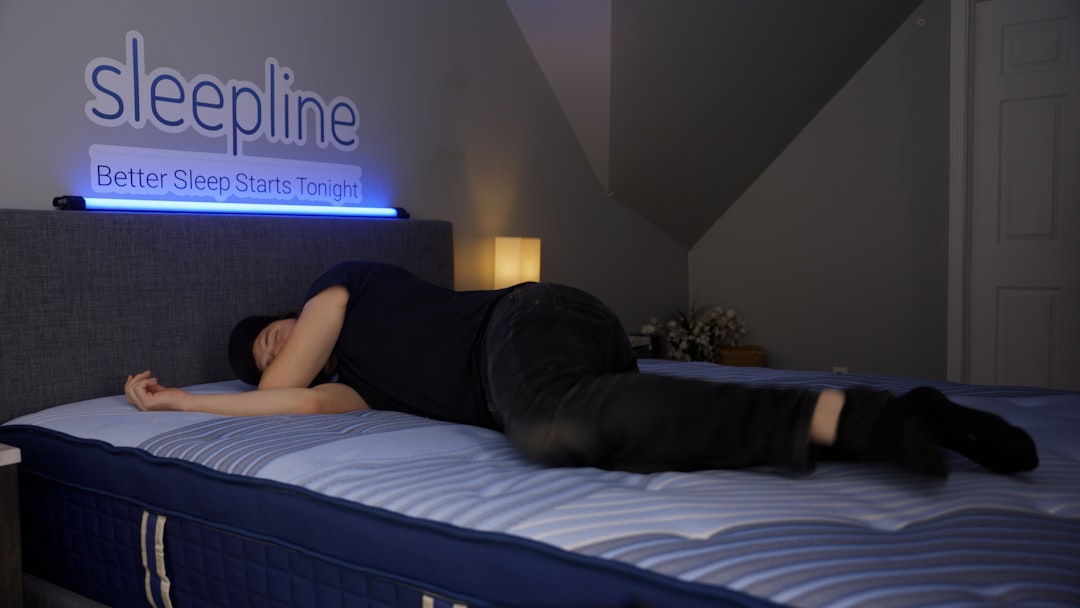
You can read about cooling tech all day, but your skin is the final judge. That proprietary cover they talk about online? Its weave and weight determine half the cooling effect. In the showroom, you press your palm flat against it for a full minute—you’ll feel the difference between marketing copy and actual breathability. A fabric that feels cool and slick in the air-conditioned storefront might still trap heat when you’re lying on it in a non-air-con room at 2am. There’s no substitute for that direct contact.
Mattress firmness is just as personal. A label saying ‘medium-firm’ means nothing until you lie down in your usual sleep position. Your frame, your weight distribution—they find pressure points a spec sheet can’t predict. You need to spend a good ten minutes on it, not just a quick bounce. Roll from your back to your side, see how the edge support holds when you sit. A cooling mattress that doesn’t support your spine properly will leave you sore, no matter how cool you stay.
This is the one step in the buying process where a shortcut will cost you. Ordering a cooling mattress based on a review or a picture is a gamble with your sleep quality for the next decade. The only time I’d consider skipping the visit is if you’re buying an exact replacement for a mattress you already love and know well—and even then, materials can change.
So make the trip to Joo Seng or Tampines. Wear shorts and a t-shirt, the kind you actually sleep in. Bring your partner if you share the bed; their feel for the fabric and their impression of the support is just as critical. Test the beds in the middle of the showroom floor, away from the blast of an air-con vent, to get a truer sense. It’s the single most reliable way to know if a mattress will work for your body in your flat. Everything else is just guesswork.
The best way to learn how to care for a cooling mattress isn't from a manual—it's from the folks who've already made the mistakes. After a few years of our relentless humidity and sun, owners start asking the right things. Their real-world queries cut straight to the heart of what actually matters for keeping that cool feel night after night.
Can I sun my cooling mattress on the balcony?
How often to rotate a gel foam mattress?
Does a cooling topper ruin the original feel?
What to do if the mattress cover pills after washing?
" width="100%" height="480">Maintaining your cooling mattress: Cleaning tips for Singapore's climate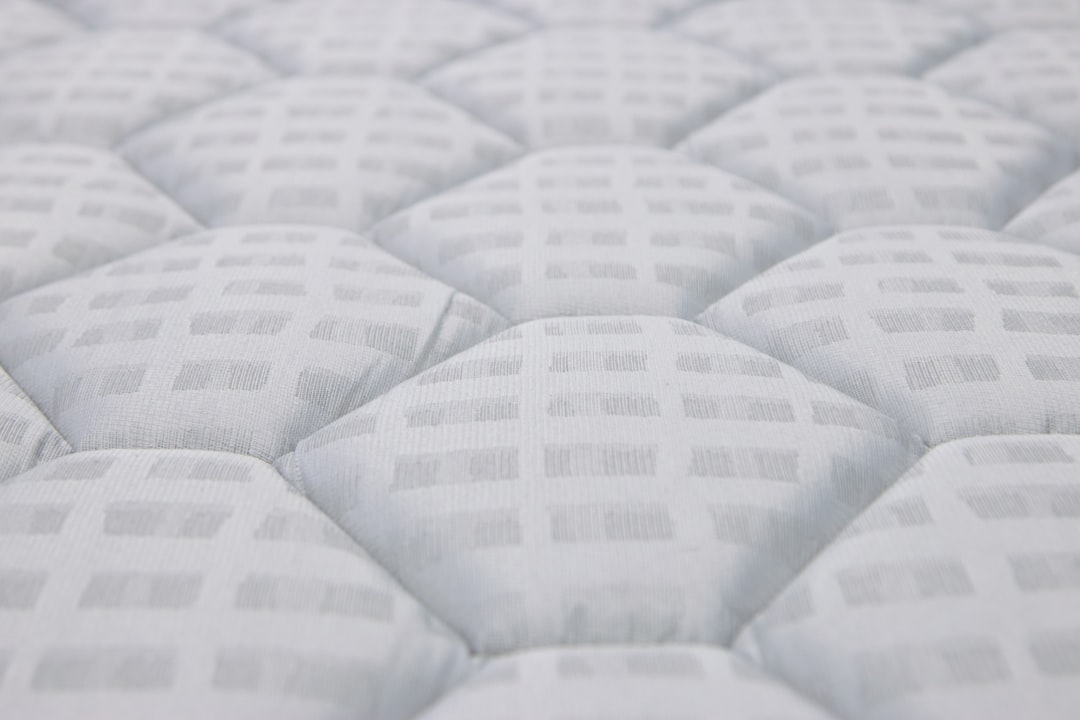
You’ve got the vacuum ready and the cleaning solution lined up, but pause right there. That cooling mattress you invested in isn’t just a slab of foam—it’s a layered system of specific materials, and a hasty clean can wreck its performance or void your warranty. The final step isn’t scrubbing; it’s a quick audit.
First, locate the warranty tag, usually tucked under a corner seam or along the side. If your mattress has a removable protector or cover, check that tag before you peel anything off. Some warranties require the original cover to stay intact, and removing it for a wash might technically void coverage. It’s a small detail, but one that protects your purchase long-term.
Next, confirm what you’re actually cleaning. That top layer might be a bamboo-derived fabric or a Tencel blend, but your protector could be a different material altogether. Read the care labels on both. Using a harsh detergent on a delicate phase-change material cover can degrade its cooling properties, while a gentle cleaner might not cut through stains on a more robust, ventilated fabric. You need the right tool for the right layer.
Finally, gather tools suited to your mattress type. For an aerated latex core, a low-suction vacuum attachment is key to avoid pulling at the structure. For a cooling gel foam layer, a light misting with a pH-neutral solution is safer than a deep soak that could seep into the foam. And for any mattress with a breathable cover, avoid heavy steam cleaners that could trap moisture inside—in our humidity, that’s a recipe for mould. One quick check saves you from a well-intentioned mistake that could leave you sleeping on a damaged, less-cool surface.