You’ve got the mattress sorted—cooling gel foam, ventilated coils, whatever works. You’ve even skipped the air-con to save on the bill. But then, at 3am, you’re awake again. That familiar dampness under your back isn’t coming from the mattress itself; it’s coming from the thing you’re lying directly on. The cover.
Think of it as the final filter. A mattress can breathe, but if the top layer doesn’t let that breath escape, you’re trapping everything. Your body heat, the humidity from a non-air-conditioned room, even the moisture from a gel foam’s own cooling process—they all collect right there. A standard quilted cotton protector, the kind many people buy for hygiene, acts like a blanket. It’s warmth you don’t need.
The right choice is a fabric that prioritises airflow over padding. Bamboo-derived viscose or Tencel lyocell are the usual suspects, and they’re good—light, moisture-wicking, relatively cool. But there’s a less obvious point: the weave matters more than the material label. A tight, sateen-finish Tencel cover feels smooth but can still trap heat; a looser, percale-style weave in a basic cotton often outperforms it for sheer breathability. Don’t just check the fibre, check the thread count and the finish. A low thread count with a plain weave is usually the cooler option, even if it feels less luxurious.
There’s really no scenario where a thick, padded mattress protector is the better call for a hot sleeper. The single exception would be if you’ve got a mattress that’s genuinely too firm, and you need a thin topper for pressure relief. In that case, look for a topper that specifically pairs a cooling fabric with a minimal, breathable foam layer—not a quilted barrier. Otherwise, that extra layer is just guaranteeing another sweaty night.
Walk into any showroom and ask for a cooling mattress cover, the first word you'll hear is bamboo. It's become shorthand for breathable, natural, cool. But that assumption can leave you sweating on a humid night if you don't look past the label. The term 'bamboo' on a cover often refers to rayon derived from bamboo pulp—a processed material whose performance hinges entirely on the weave and blend, not the source plant. A dense, tightly woven bamboo rayon cover can actually trap moisture against your skin, turning your bed into a warm, damp layer instead of a cooling one.
What you need to check is the GSM—grams per square metre. That's the fabric's weight, a better indicator of breathability than any marketing term. A lighter GSM, typically under 300 for these covers, means a looser, more airy weave that lets heat escape and air circulate. A heavier GSM, above that range, often feels thicker and more luxurious, but in our climate that density can hinder airflow. You'll also want to see the actual fabric blend listed; many so-called bamboo covers mix in polyester or other synthetics to improve durability, which changes the cooling properties. Pure bamboo rayon isn't always the goal—a thoughtful blend with Tencel or a high-quality cotton might perform better in sustained humidity.
The exception? If you're a sleeper who genuinely prefers a heavier, more substantial feel to your bedding, and you're in an air-conditioned room most nights. Then a higher GSM bamboo cover might suit you, as the ambient chill offsets any potential heat retention. For the vast majority dealing with Singapore's 80% plus humidity and bedroom temperatures that climb past 28°C, that lighter, openly woven cover is the one that'll work. Don't just trust the word on the tag; feel the fabric's weight and check the numbers behind it.
The right cooling mattress cover fabric actively manages moisture in our 80%+ humidity. Look for natural, breathable fibres like bamboo-derived viscose or Tencel lyocell, which wick sweat away from the body. These materials feel cool to the touch and resist mould growth better than non-breathable synthetics. A quality cover should be removable and machine-washable for easy maintenance in our climate.
Putting a cooling mattress on a solid platform is like wearing a breathable shirt in a sauna. The fancy cover does its job, pulling heat away from your body, but that warmth has nowhere to go. It just pools underneath, trapped against the unyielding surface. Over a few hours, the entire mattress base heats up, defeating the top-layer technology. You'll feel the difference, especially during those humid nights when the air barely moves. It's a classic setup fail—investing in advanced cooling materials but neglecting the foundational airflow.
Many modern beds, especially those with built-in storage, feature a solid plywood or MDF platform base. That design is fantastic for hiding luggage and extra bedding in a typical 4-room BTO. What it isn't good for is letting air circulate. The mattress sits flush, sealing off any potential escape route for accumulated warmth. Even a mattress with ventilated coils or aerated latex needs a channel for that displaced heat to dissipate. Without it, you're essentially creating a warm, insulated pocket that your body heat continually feeds. The base becomes a heat reservoir, not a cooling partner.
The correction is straightforward: ensure there's a gap for air to move. This doesn't mean you need to abandon your storage bed. Instead, look for a base with intentional ventilation channels or a grid-like structure. Many newer foundations designed for our climate incorporate this, using a slatted or perforated surface. Even a simple set of evenly spaced wooden slats can create the necessary void. The goal is to break the continuous contact, allowing the cooler air beneath the bed to interact with the mattress underside. That constant, passive exchange is what keeps the sleeping surface temperature regulated.
If your current bed is a solid platform, you might need a new foundation. A proper ventilated base, often sold separately, transforms the situation. These are typically a grid of supportive beams with gaps measuring several centimetres between them. They're sturdy enough to support a Queen mattress and its occupants but open enough to permit airflow. Upgrading to one is a tangible fix, more effective than just swapping your mattress cover. It's a permanent solution that addresses the root cause of the heat trap. For hot sleepers, this investment often proves more valuable than chasing the next generation of cooling gel foam.
Before you buy any new mattress or base, perform a basic inspection. Look underneath the bed in your showroom visit or examine product photos online. Can you see light through the base structure? If yes, air can likely pass through it too. If it's a solid, seamless panel, you know what you're getting into. For existing setups, just slide your hand between the mattress and the platform; if there's no space at all, you've identified the issue. This one simple test saves you from the disappointment of a cooling system that only works halfway. It turns a complex thermal principle into a practical, visual rule you can apply immediately.
You see a listing for a mattress cover that claims to use “advanced phase-change technology” and promises to keep you cool all night. The price is tempting, maybe three hundred dollars. You might think that’s a decent investment for a cooler sleep. That’s the assumption you need to drop right now. A low price tag attached to a fancy-sounding material doesn’t guarantee it actually works. Those terms are often marketing jargon slapped onto a basic polyester blend with no credible certification to back up the cooling claims. You’ll end up with a cover that feels no different from a regular sheet, and your sleep will still be a sweaty affair.
So, what do you verify? Look for the material label and the certification. A cover using Outlast should mention it clearly, not just “phase-change material.” Tencel is a branded lyocell fibre; if it’s just called “bamboo” or “modal,” it might not have the same cooling properties. Check if there’s any independent testing data on heat dissipation or moisture-wicking. Sometimes, a higher-priced cover from a reputable showroom will have this information readily available, because they know buyers will ask. If you’re shopping online and the details are vague or absent, that’s a red flag. Price alone won’t tell you the story.
On the other end, a higher price—typically in the eight hundred to twelve hundred dollar range—does tend to correlate with proven performance. That’s where you find fabrics with established cooling credentials, like Outlast® or genuine Tencel lyocell. These materials have a track record and often come from brands that invest in proper testing. But correlation isn’t causation. You still can’t assume. A premium price might just be covering fancy packaging or an imported brand name, not a superior fabric. The key is verification, not assumption.
There’s one exception where a lower price might be justified: if you’re buying a cover purely for its breathable weave, like a simple, high-quality cotton percale. That fabric won’t actively regulate temperature like phase-change materials, but its open structure allows air to circulate and can feel cooler against the skin. For some sleepers, that passive ventilation is enough, especially in a non-air-conditioned room where any trapped heat is the enemy. In that case, you’re not paying for a performance promise; you’re paying for a known, reliable material. But if you need active cooling because of night sweats or a memory foam mattress that retains heat, you have to look beyond the price tag and dig into what’s actually inside the cover. Don’t let the number do the thinking for you.
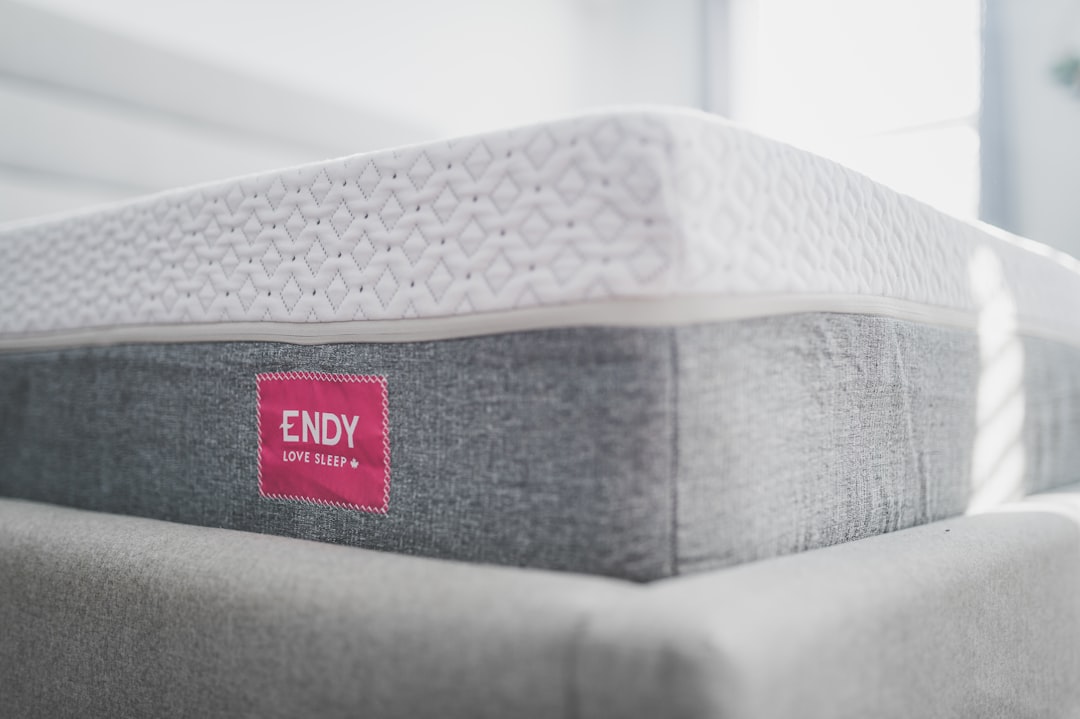

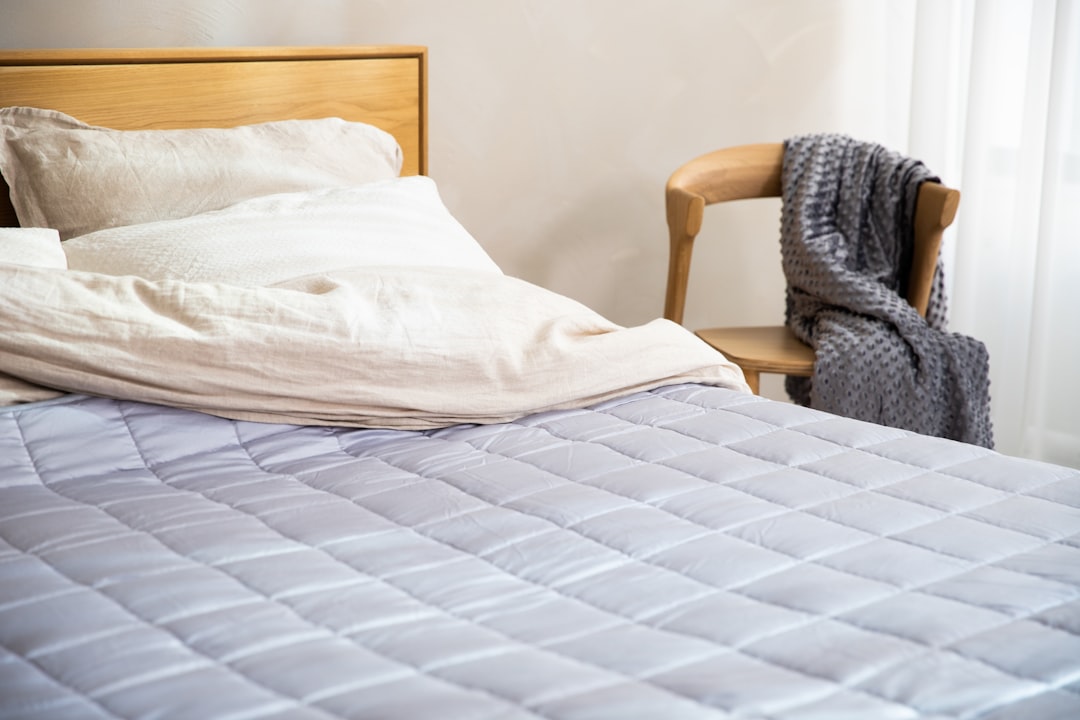
The first thing most people do with a cooling cover is rub their hand over it to feel the texture. That’s a start, but it won’t tell you how it’ll behave over a full night in a 3-room flat with no air-con. The weave is your first clue—a tight percale cotton feels crisp and cool because it’s breathable, letting the heat from your body escape instead of trapping it. Tencel, on the other hand, is smooth and has a knack for pulling moisture away from your skin, which is a godsend if you’re prone to sweating. Some of the newer covers even have tiny capsules woven in that react to your skin’s temperature, cooling you down when you’re warm and warming up slightly if you get chilly—though in Singapore, the warming part rarely gets a chance to work.
Then there’s the weight, measured in GSM. For our climate, a GSM below 200 often feels lighter and more suitable for those 28°C nights. It’s a trade-off, though. That lighter fabric might not hold up as well over five years of regular use, especially if you’re washing it every few weeks to combat the humidity. A heavier GSM can feel more substantial and durable, but it might also feel warmer, which defeats the whole purpose. You’ve got to decide if you’re prioritising immediate comfort or long-term resilience.
My take is clear: for most people here, the breathable, lighter weave is the better bet. You’ll appreciate it every night. The exception is if you’ve got kids or pets jumping on the bed—then the durability of a slightly heavier fabric becomes a practical necessity. Don’t just look at the marketing claims about “cooling technology”; check the label for the actual GSM and the fibre content. A blend might offer a good compromise, but pure Tencel or a high-quality percale cotton usually performs more reliably. That’s the detail you need to find before you commit.
Leave a swatch in a west-facing bedroom for a week, and you’ll see what Singapore’s humidity can really do. That afternoon sun combined with moisture levels often around eighty percent or more creates a punishing environment—it’s the quickest way to separate fabrics that can cope from those that will disappoint. You might think a material feels cool in a showroom, but the real test is how it behaves after absorbing moisture day after day without the relief of air-conditioning.
Cotton, for instance, is a classic choice, but in our climate it’s a sponge. It can feel damp and clingy, losing that crisp, cool sensation you bought it for. Bamboo rayon, often marketed for its breathability, has its own vulnerability—it can shrink noticeably if it gets repeatedly damp and then dries under that intense heat. That’s a practical headache; a cover that fits your Queen mattress perfectly one month might not after a few cycles of our weather.
Synthetic cooling gels and phase-change materials face a different challenge. They might not absorb moisture like natural fibres, but they can develop a slick, almost clammy feel when the humidity sits on them. It’s not about them failing structurally, but about the comfort changing in a way you might not enjoy night after night. Performance fabrics designed for moisture resistance fare better, but you’ve got to check if the cooling cover you’re eyeing actually uses those tech textiles—many don’t.
So, what actually holds up? Tencel and high-quality, tightly woven bamboo lyocell tend to perform well. They manage moisture without shrinking or feeling sodden, and they maintain their cooling feel. That’s the exception you want to lean towards. For anything else, you’ll need to accept some compromise—maybe a slightly damp feel in the monsoon months, or a cover that needs more frequent washing to stay fresh. The rule is simple: if a fabric can’t pass that west-facing bedroom test, it’s going to let you down during our year-end rains.
You can read a hundred reviews about GSM and fabric breathability, but your own fingers will tell you the truth in seconds. That’s the concrete reason to visit a showroom like Megafurniture’s Joo Seng or Tampines outlet—they let you handle the actual swatches of Somnuz® mattress covers. You’ll feel the difference between a 300 GSM bamboo and a 220 GSM Tencel weave right there, the heavier one denser and cooler to the touch. It’s a tactile check that online pictures can’t give you.
Lying on the display models with those covers is the real test. A cooling cover isn’t just a separate layer; it works with the mattress’s own core. You might find a firmer latex mattress feels even cooler with a lighter, crisp Tencel cover, while a softer memory foam model needs a slightly heavier bamboo weave to prevent that clingy heat trap. You can’t guess that combination from a spec sheet.
Some buyers skip the showroom, thinking they’ll just order online based on material names. That’s a gamble. A bamboo cover from one brand can feel completely different from another’s, even at the same GSM weight. The texture, the finish, the way it drapes over the mattress—all that affects airflow. Seeing it in person removes the doubt.
The only time I’d advise against a visit is if you’ve already settled on a specific model from a previous purchase and know its feel intimately. For anyone else, especially in our climate where a wrong choice means sweating through the night, it’s worth the trip. You’ll leave knowing exactly what you’re getting, not hoping it matches a description.
The most common worry I hear in showrooms is about compatibility—whether a cooling cover will mess with the mattress you already own, or clash with other bedding you rely on.
Do cooling mattress covers work for memory foam mattresses? They can, but you need to pick the right type. A standard memory foam mattress traps heat because it’s dense and conforming. Adding a basic quilted or padded cover might just add another layer that insulates. Look for a cover that’s specifically thin and breathable, something with a phase-change material or a bamboo-Tencel blend that sits directly on the foam. That way, it helps pull heat away from the surface before the foam even absorbs it.
Can I use a cooling cover with an electric blanket? Technically you can, but it’s not ideal. The electric blanket generates its own heat from below, while the cooling cover works to dissipate heat from above. They’re fighting each other. If you need the electric blanket for warmth during our cooler monsoon months, just use it on its own. The only time to layer them is if your blanket has a very low, constant-warmth setting and your cover is exceptionally breathable—but that’s a rare setup.
How often should I wash a cooling mattress cover in Singapore? With our humidity and year-round sweat, you’ll want to wash it more often than the label says. Aim for every two to three months, minimum. If you’re a really hot sleeper or you don’t run the air-conditioner nightly, maybe even monthly. Cold wash only, and skip the dryer—the heat can damage those phase-change beads or shrink the bamboo fibres. Hang it to dry in the shade; direct sun can fade the colour.
Do cooling mattress covers help with night sweats during menopause? They do, but they’re a surface-level fix. The cover works by drawing heat away from your skin and allowing better airflow. For hot flushes that come from within, it won’t stop the flush itself, but it can prevent that heat from pooling around you and making the sweat feel worse. It’s about managing the aftermath. Pair it with breathable pyjamas and maybe a lighter duvet, and the overall effect is much steadier.
You’ll walk into a showroom and see rows of mattresses laid out—cooling gel, bamboo covers, phase-change layers. It’s overwhelming lah. But if you haven’t settled a few basics beforehand, you’re just window shopping. You’ll end up testing every bed, getting confused, and leaving empty-handed. That’s a wasted afternoon.
Start with the bed size—this one non-negotiable. Measure your room, not just the floor space. A Queen fits most HDB master bedrooms comfortably, but if you’ve got a King-size dream, check you’ve got at least 60cm clearance on the side you get out of bed. Don’t forget the lift door width, which is around 90cm; a mattress can bend, but a rigid base might not turn into a tight corridor. Know your dimensions before you go.
Then, decide how you want to cool. Active phase-change materials absorb and release heat, giving you a more regulated feel—good if your body temperature swings a lot. Passive breathable fabrics, like bamboo or Tencel, rely on airflow and wicking moisture away. In a non-air-conditioned room, the active tech might edge out, but in a well-ventilated space, the simpler fabric could be enough. Pick your lane.
Your budget anchors everything. Typically, you’re looking at a range from $600 to $1,500 for a solid cooling mattress. Without that number in mind, you’ll be swayed by every feature and finish, from the basic gel foam to the high-end aerated latex systems. Set your ceiling, and stick to it.
Finally, confirm the base. Many cooling mattresses need a well-ventilated platform or slatted base to work properly; a solid foundation can trap heat and undo all that cooling engineering. Check what you’ve got, or factor in buying a suitable base. With these four points settled—size, cooling type, budget, and base—you’re ready to test with purpose. You’ll know exactly what you’re looking for, and that’s how you actually buy.