It’s a familiar complaint in showrooms—the buyer who loved the contouring feel of a memory foam mattress in the afternoon, but woke up at two a.m. feeling like they’d been sleeping on a warm sponge. That’s the core issue. The material’s dense, viscoelastic structure doesn’t just cradle your body; it absorbs and retains your heat, and our relentless humidity stops that warmth from dissipating. You’re essentially sleeping in a microclimate that’s several degrees warmer than the room itself, and in a non-airconditioned 3-room flat, that room is already hovering around 28°C or higher by midnight. The problem compounds itself throughout the night.
Consider the physics of it. Memory foam is designed to soften with pressure and temperature, which means your own body heat makes it more pliable. In a cooler, drier climate, that’s a benefit. Here, it’s a liability. The foam doesn’t breathe like an open-cell structure; it traps the warm air you exhale and the heat your body radiates. Without a cooling mechanism built into the foam itself or a highly ventilated support layer below, you’re relying solely on a fabric cover to manage that thermal load—and most standard covers aren’t engineered for that task.
There’s a simple test. Lie down on a memory foam sample in a showroom for ten minutes, not two. Your initial impression will be comfort, but stay a bit longer and you’ll start to feel the warmth building beneath you. That’s the exact experience you’ll get at home, amplified over hours. In a master bedroom with limited airflow, perhaps just a single window, the effect is pronounced. The mattress becomes a heat reservoir, and you’re the source filling it up.
So, does that mean you should rule out memory foam entirely for Singapore? Not necessarily. The exception comes when the foam is specifically engineered to counter this trait. Look for layers infused with cooling gels or phase-change materials that actively pull heat away from the surface. Pair that with a breathable, moisture-wicking cover like bamboo or Tencel, and a base layer of ventilated coils or aerated latex that allows air to circulate underneath. That combination addresses the trap. A plain, dense memory foam core without these features, however, is a gamble you’ll regret by the second monsoon season.
You’ll see the marketing claims everywhere — gel-infused foam, phase-change technology, cooling layers that promise a permanent chill. It’s tempting to believe a thin pad can solve the problem of a hot mattress in a room that’s 28°C at night. But that initial coolness you feel when you first lie down is often just a surface trick. Many of these layers are shallow, and once your body heat penetrates that shallow gel, it becomes a warm insulator instead of a heat regulator. You’re essentially paying for a temporary sensation that disappears after half an hour.
Real performance hinges on depth and placement. A gel infusion that’s just a centimetre thick and sits right under the cover won’t do much for a deep sleeper generating heat over eight hours. The material needs to be integrated deeper, often into the core comfort layer, or paired with a genuinely breathable structure that lets heat escape. A phase-change material that’s properly engineered can absorb and release heat, but it must be substantial enough to handle the load. A thin sheet sandwiched between two dense foams is trapped — it can’t work effectively.
The exception is when these technologies are part of a holistic cooling system. If the gel or PCM is layered above a ventilated coil unit or an aerated latex core, then it has a pathway to dissipate the heat it absorbs. That’s the combination that works. Otherwise, you’re just adding a fancy name and a marginal price increase to a mattress that will still trap your body heat.
So when you’re in a showroom, press for specifics. Ask about the thickness of the cooling layer and where exactly it’s positioned in the build-up. A vague “gel-infused” label isn’t enough. You need to know if that infusion is a meaningful component or a marketing garnish. For our climate, a shallow cooling pad on a non-breathable base is a waste of money — you’ll be warm again by midnight.
Cooling mattresses rely on specific materials to handle 80%+ humidity. Breathable covers like bamboo or Tencel allow air circulation, while cooling gel foam or aerated latex cores actively dissipate heat. Phase-change materials absorb and release warmth to maintain a stable sleep temperature, crucial for non-air-conditioned rooms. These engineered layers prevent the mattress from trapping body heat overnight.
Assessing a cooling mattress's feel and breathability requires a personal test. You can compare the cool-touch sensation of different covers and the firmness of aerated latex versus gel-infused foam layers. Visiting a showroom lets you experience the mattress on a proper bed frame, replicating home conditions. It's the best way to confirm a mattress meets your need for temperature regulation before committing.
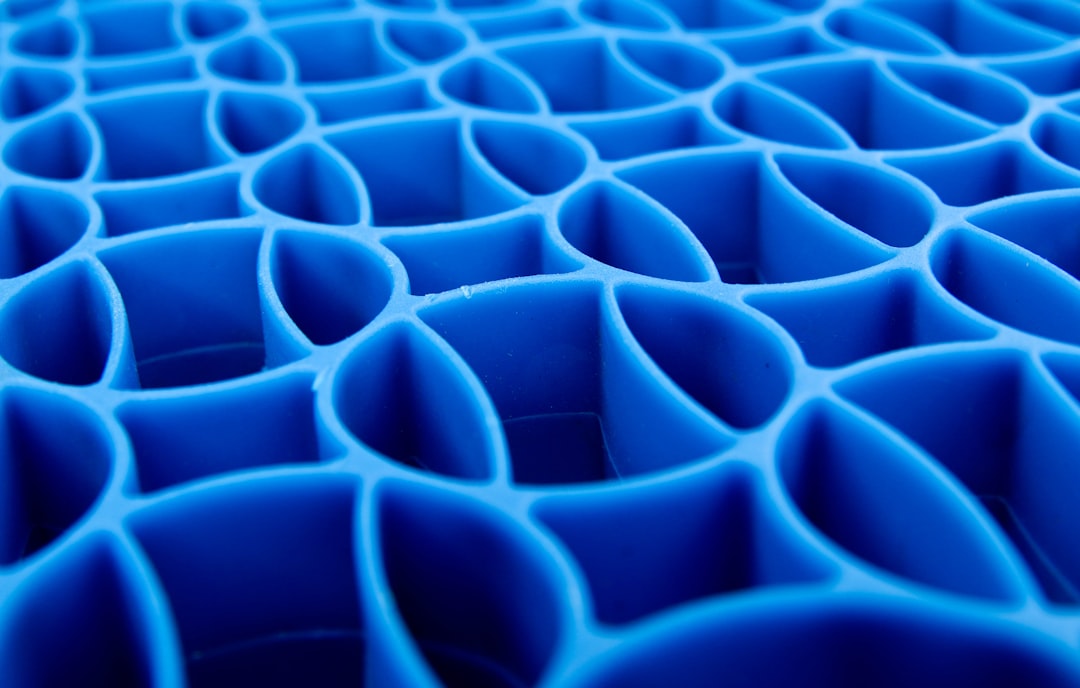
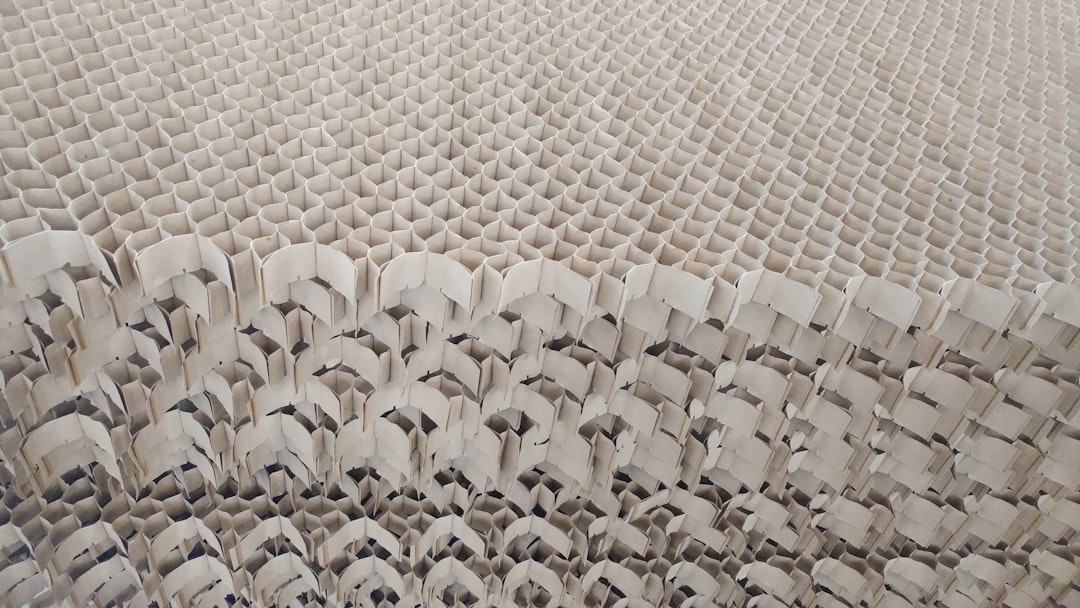
The whole cooling argument hinges on whether air can move through your mattress core. An open coil system acts like a miniature ventilation network, with gaps between each spring that let warm air escape downwards. A solid foam slab, especially a dense memory foam one, traps that heat like a lid on a pot. You'll feel the difference most acutely around three in the morning, when your own body heat has built up over hours. That trapped warmth turns a mattress into a heat reservoir instead of a sleep surface. In our climate, a base that breathes is non-negotiable.
Foam doesn't just trap heat; it also locks in moisture from the air and your skin. Singapore's high ambient humidity means moisture vapour is constantly present, ready to settle into any material that absorbs it. A pocketed coil base allows that moisture to dissipate, preventing the damp, clammy feeling that can develop overnight. A solid foam block, conversely, can act like a sponge, holding that humidity against your body. Over time, this can even affect the foam's integrity, though that's a longer-term concern.
If your bedroom faces west and absorbs that intense afternoon sun, your mattress choice becomes even more critical. The room itself heats up considerably, and that thermal energy lingers well into the evening. A ventilated coil system helps the mattress shed that absorbed ambient heat faster once you lie down. A solid foam base, already warm from the room's temperature, will compound the effect with your own body heat. It's a double penalty that turns a west-facing condo bedroom into a proper sauna by midnight.
Think about the physics: foam is an insulator. Its job, in many contexts, is to slow heat transfer, which is precisely what you don't want beneath you in a tropical climate. A pocketed coil unit, with its air channels, functions more like a conductor, allowing heat to move away from the sleeping surface. This isn't about active cooling technology; it's about passive heat dissipation, which is often more reliable. The mattress won't actively cool you, but it won't actively bake you either. That's the baseline you need to establish before considering any fancy cooling covers or gels.
When you're looking at a mattress, the cooling claims on the tag often focus on the top layers—the gel infusions or the phase-change fabrics. The foundation, however, is what determines whether those surface features can even perform. A breathable coil core supports the work of a cooling cover by allowing the expelled heat to actually leave the system. A solid foam foundation blocks that exit route, so any heat the top layer manages to draw off just pools underneath you. Your first question should always be about the base, not the topping.
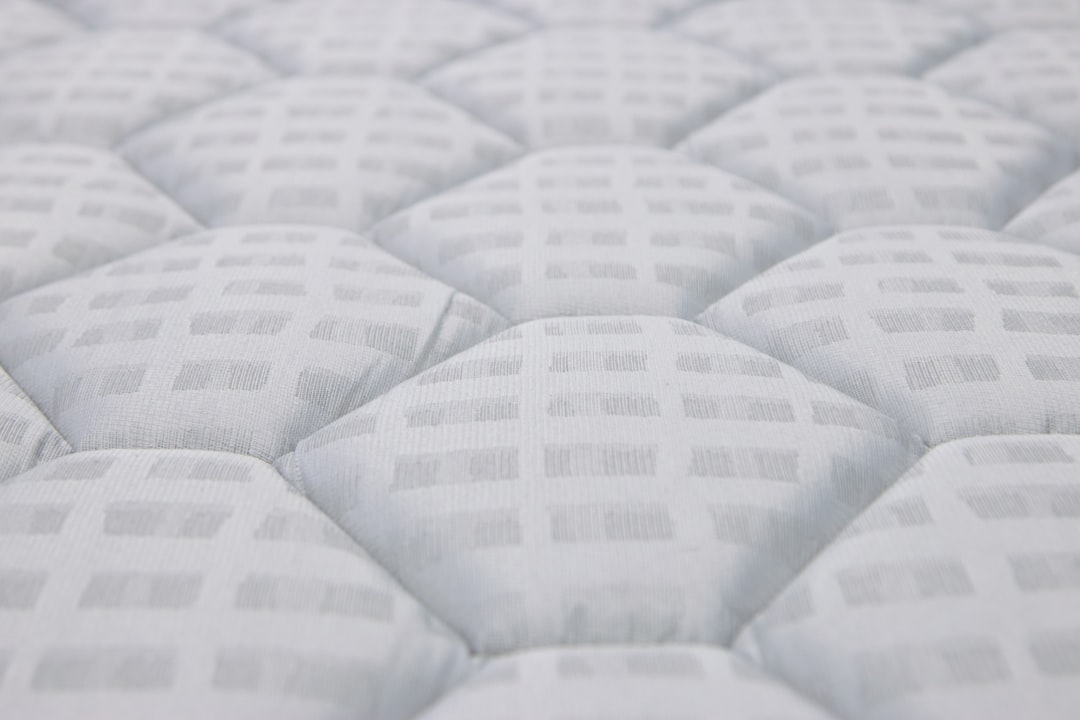
You’ll feel the difference between a bamboo or Tencel mattress cover and a standard cotton blend the moment you lie down on a humid night. That’s because these natural fibres actually pull moisture away from your skin, rather than just absorbing it. Cotton-polyester blends, while common and affordable, tend to hold that dampness close—you’ll end up sleeping on a warm, slightly sticky surface instead. For anyone in a west-facing flat or a common bedroom without strong cross-ventilation, that’s a recipe for a restless night.
I’d lean towards the natural fibre covers for almost every situation in Singapore. The one exception is if you’re strictly prioritising budget over every other comfort factor—then a basic cotton blend might be your only option. But for the majority, especially in our climate, the upgrade is justified. You won’t regret it when the monsoon season rolls in and the air feels heavy even at midnight.
Consider the typical scenario in a Bedok 4-room resale. The master bedroom might be around 3.5 by 3 metres, fitting a Queen bed snugly. If the windows don’t catch a good breeze, the air just sits there, thick and warm. A cotton blend cover will soak up your body’s perspiration and hold it. Bamboo or Tencel, by contrast, works like a quick-drying towel—it wicks the moisture through and lets it evaporate. That’s not a minor detail; it’s the main event for sleepers who experience hot flushes or who simply run warm.
There’s a practical point here that often gets missed. These performance fabrics aren’t just about initial coolness; they maintain a drier microclimate around you throughout the night. While a cotton blend might start okay, it can feel progressively damp as humidity builds up in the room, which is often around 80% here. A bamboo or Tencel cover helps break that cycle, keeping the sleeping surface noticeably less clammy by morning.
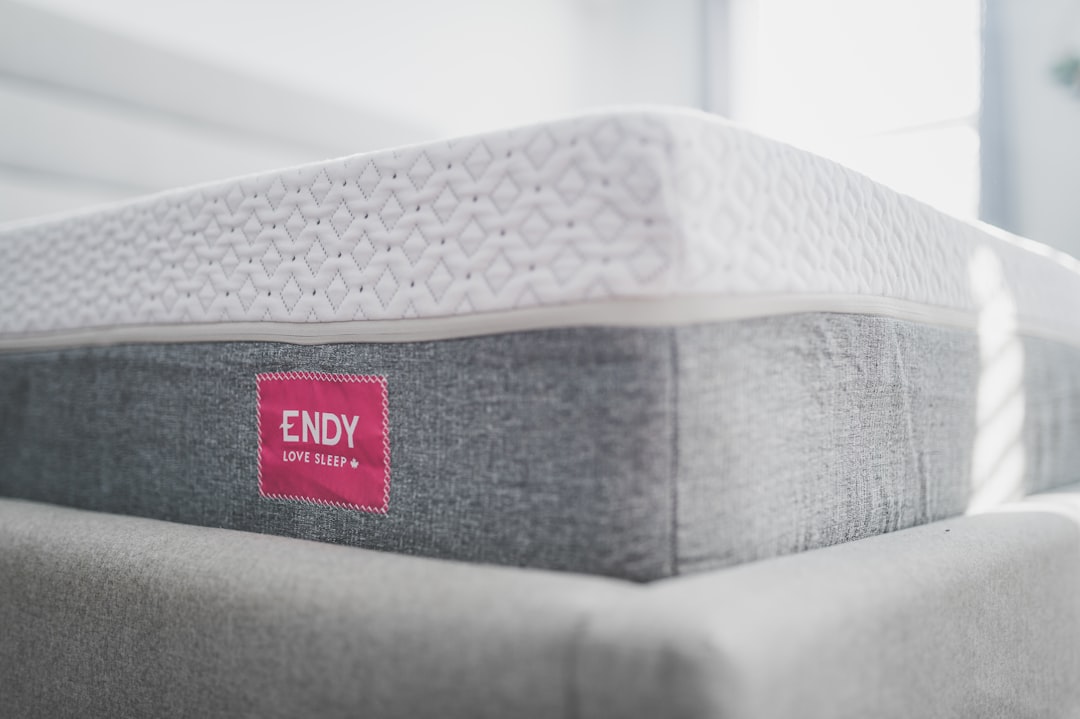
You’ll find the Somnuz® mattresses laid out on actual bed frames at their Joo Seng and Tampines showrooms. That’s the point—you can lie down on a Queen-sized set-up, not just prod a mattress sample on a rack. For a cooling mattress, the showroom test is the only way to feel the breathability under your own body weight. A spec sheet can list bamboo covers and aerated latex, but your back will tell you if the heat dissipates or pools.
Some buyers just press a hand on the surface and walk away. That won’t tell you anything. You need to spend a full five minutes lying in your usual sleep position, preferably after walking around the showroom a bit to warm up. The difference between a fabric that feels cool at first touch and one that stays cool after ten minutes is huge. Pay attention to the shoulder and hip areas—these are the spots that sink in deepest and trap heat.
The firmness options matter too, because breathability changes with density. A softer Somnuz® model might have a more open foam structure, while a firmer one could rely on a ventilated coil system for air flow. You can’t guess which combination suits your sleep style without trying both. Hot sleepers, especially those in non-air-conditioned rooms, should test the medium-firm and firm variants; the extra support often means less body contact with the surface, which helps with air circulation.
One exception: if you’re buying purely for a guest room that’s used twice a year, maybe skip the deep testing. But for your own bed, where you’ll face the 28°C nights and 80% humidity, committing without a proper lie-down is a risk. The showrooms let you compare weave textures and core materials side-by-side, something an online description simply can’t convey.
Bring your partner if it’s a shared bed. What feels cooling to one person might not to the other, and a mattress that regulates temperature well for both is the goal. Don’t rush the decision—the right one will feel noticeably less stifling after those few minutes of rest. That’s the real test.
" width="100%" height="480">How to assess mattress breathability for humid Singapore weather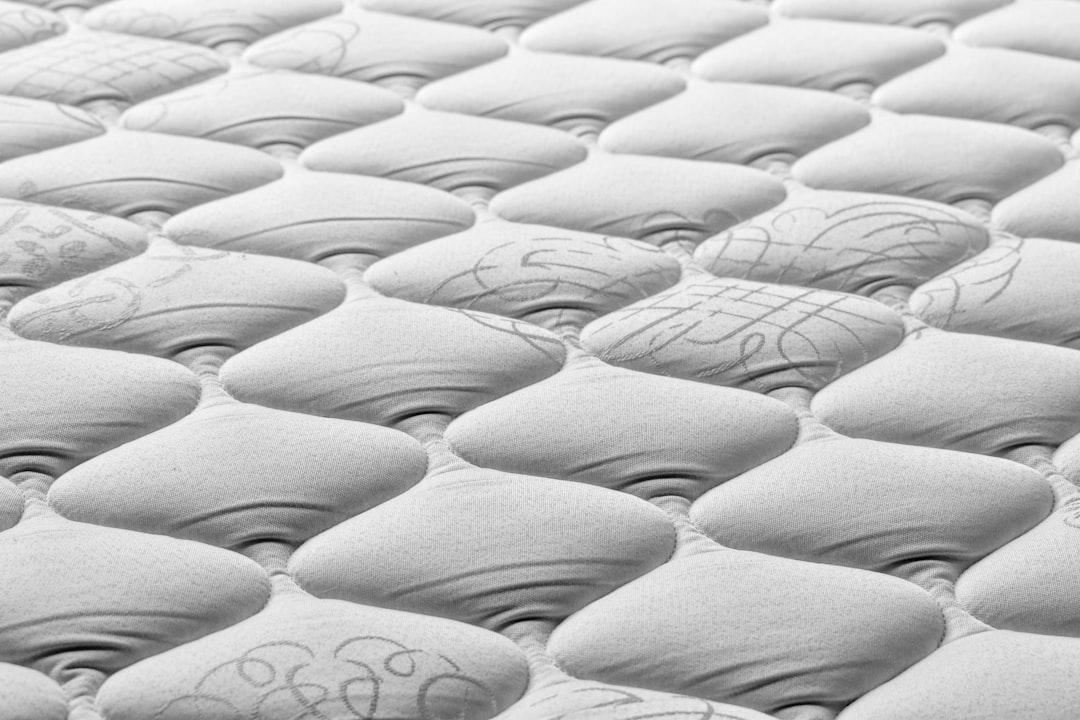
The most telling moment in a mattress showroom isn't the initial plushness—it's what happens thirty minutes later. You lie down, the salesperson chats, and your body heat starts to settle into the material. A good cooling mattress won't just feel neutral; it should actually feel cooler than the ambient air of the room itself. That's the real test, especially in a typical 12 sqm HDB bedroom where the air is already heavy and warm.
Think of it this way: your ceiling fan or open window creates airflow, but it's cooling the room's atmosphere, not the microclimate between your body and the mattress surface. The mattress has to do that job on its own. If it can't dissipate heat independently, you're essentially sleeping on a heat trap, even with the fan on full blast. Materials like aerated latex or ventilated coil systems are engineered for this, but a fancy label doesn't guarantee performance. You need to feel it.
So how to check without a lab? In a showroom, commit to a proper lie-down. Don't just bounce and get up. Find a quiet corner, lie flat for a solid half-hour, and pay attention to the surface temperature against your skin. Is it merely not getting hotter, or is it actively drawing warmth away? After thirty minutes in a warm room, a mattress that's truly breathable will feel distinctly cooler than the air around you. That's the sign you want.
The one exception? If you're testing in a showroom that's aggressively air-conditioned. The ambient air there is already cold, so the mattress won't feel cooler than it—the test fails. In that case, you've got to rely on the material specs and trust that a well-aerated design will perform once it's in your actual, warmer bedroom. Otherwise, the thirty-minute rule is your best real-world gauge.
Stand in any mattress shop here and you’ll overhear the same four queries, almost like a script. Singapore buyers have a laser focus on performance in this climate—they’re not just shopping for comfort, they’re shopping for relief.
Does cooling gel really work in our humidity? It can, but it’s not a magic bullet. Those gel infusions are meant to absorb and dissipate heat, which they do decently for a while. The problem is Singapore’s ambient heat doesn’t let up; your bedroom air is already warm, so the gel’s capacity gets taxed all night. It’s a helpful layer, sure, but don’t expect it to single-handedly turn a foam mattress into an ice block.
Can a cooling mattress help with night sweats? Absolutely, if you pick the right construction. For hot flushes or just general perspiration, you need a mattress that breathes. A memory foam slab with a thin cooling cover won’t cut it—you’ll still feel trapped. Look for a design with genuine airflow: aerated latex, a ventilated coil system, or a phase-change material cover that actively regulates temperature. These setups manage moisture by letting it escape, which is what you need when you’re sweating.
Is latex cooler than memory foam for year-round use? Yes, by a clear margin. Latex has a natural open-cell structure that air moves through easily, while memory foam tends to encapsulate heat. For a 4-room BTO bedroom that gets the afternoon sun, that difference is tangible. Latex stays neutral; memory foam, even with cooling claims, often feels warm after an hour or two. It’s the better bet for Singapore’s relentless climate.
How long do cooling effects last before the mattress warms up? That’s the real test. Many so-called cooling features are surface-level—they work until your body heat penetrates the core. A mattress that relies only on a fancy cover will feel warm within the first sleep cycle. One with a breathable core, like latex or a well-ventilated hybrid, maintains its temperature regulation much longer. The cooling effect should last the whole night, not just the first thirty minutes. If it doesn’t, you’ve basically bought a regular mattress with a marketing sticker.
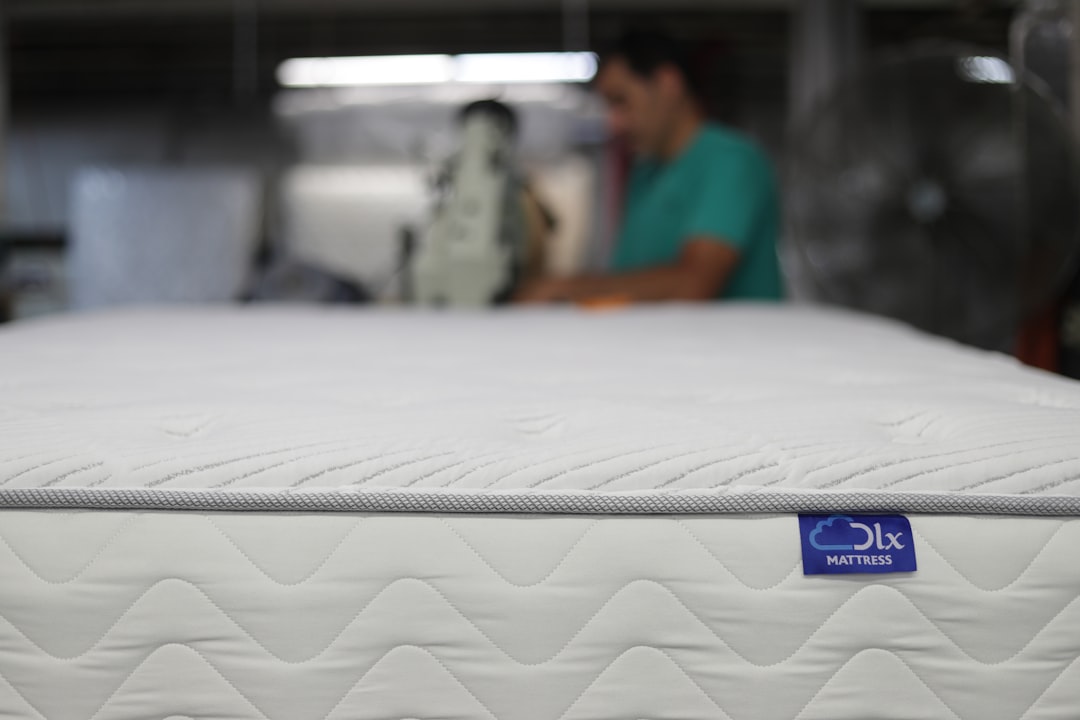
Most buyers give a mattress a quick sit-down, maybe a bounce. That’s not enough. You need to lie on it for a solid fifteen minutes—in your actual sleep position. That first cool sensation from a gel foam or a bamboo cover can feel promising, but it’s a surface effect. The real test is whether that coolness lasts beyond the initial contact, because your body heat will build up over time. In a non-air-conditioned room in a Tampines flat, where the ambient temperature rarely drops, a mattress that loses its cool after ten minutes is going to disappoint you every night.
Don’t just lie flat. Settle into the posture you actually sleep in. Side sleepers, check if the shoulder and hip sink in comfortably without trapping heat. Back sleepers, feel if the lumbar support keeps you aligned without the mid-section warming up. The phase-change materials or aerated latex might feel wonderfully crisp at first touch, but you’re buying for eight hours, not eight seconds. That’s why the fifteen-minute rule isn’t arbitrary—it’s the minimum time to see if the engineering works for you.
Some showrooms are brightly lit and air-conditioned, which can mask a mattress’s true performance. Try to find a quieter corner, away from direct airflow from the store’s cooling system. The goal is to simulate your own bedroom’s stagnant, warm air. If you’re a hot sleeper or experience night sweats, you’ll know within those minutes if the heat starts to pool around your core. The one exception to this test? If you’re absolutely certain you’ll only use the mattress with an air-conditioner running all night—then the initial feel might suffice. But for most of us, that’s not realistic lah.
Pay attention to the cover fabric against your skin. A breathable Tencel might stay dry, while a cheaper polyester blend could start feeling clingy and warm as you lie there. Also, listen for any noise from ventilated coil systems—a faint creak when you shift might be fine, but a persistent rustle could annoy you later. These are details you won’t notice from a standing inspection.
Commit to the time. It feels awkward to just sprawl there while other shoppers browse, but it’s the most important investment you can make before deciding. Walk away if the coolness fades or if you feel any spot getting uncomfortably warm. A mattress that passes this final touch test in the showroom is far more likely to grant you restful sleep in your own humid bedroom, year after year.