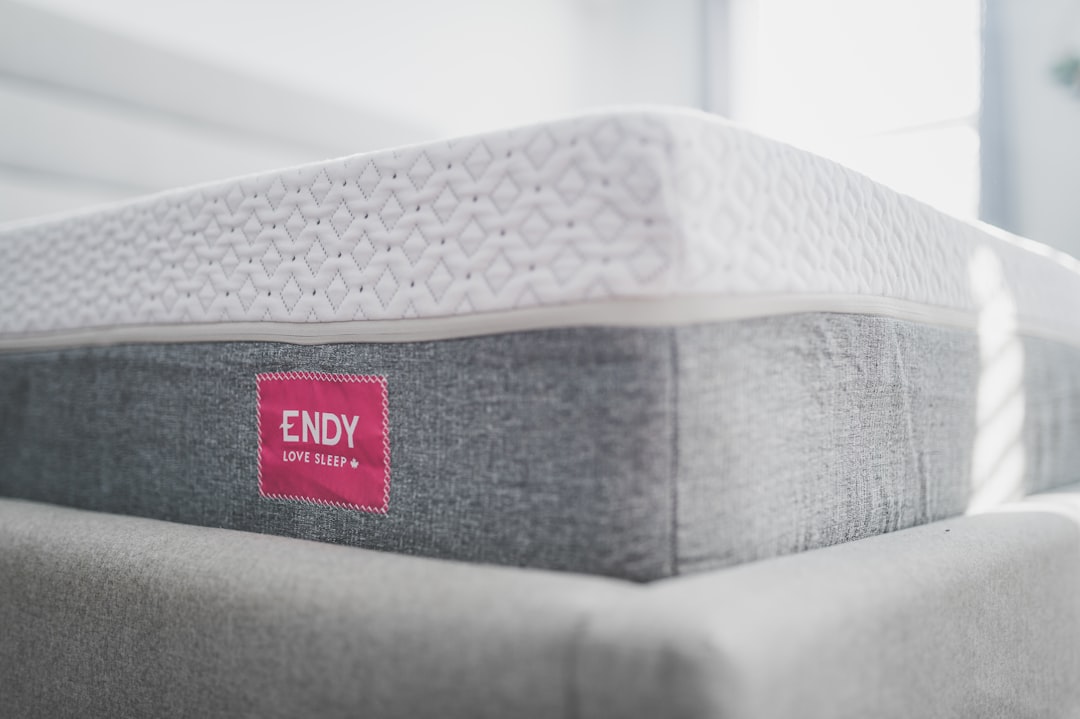
The west-facing bedroom in a Eunos flat is a brutal test for any mattress. That afternoon sun pours in, and by evening your bed isn’t just warm—it’s a heat sink. Standard foam, especially memory foam, acts like a sponge for that thermal energy, holding onto it long after the sun dips below the horizon. You’ll lie down feeling like you’re settling onto a warm ironing board, and your own body heat just adds to the trap.
Here’s the counterintuitive point: the problem isn’t just the mattress material. It’s the entire sleeping surface becoming a thermal battery. A Queen mattress at 152 by 190cm is a massive area absorbing that afternoon radiation. If your room’s ambient temperature is already pushing past 28°C, the foam core has no way to shed that load. Memory foam, beloved for its pressure relief, is notoriously poor at this—its dense, viscous structure restricts air flow and traps warmth close to your body. You wake up sweating not just from the climate, but from the bed itself.
So what can you do? You need a system that breaks that heat cycle. A cooling mattress isn’t a magic chill plate; it’s engineered to disrupt the accumulation. Think of phase-change materials in the cover that absorb excess heat, or a ventilated coil system that allows air to circulate through the core instead of letting it stagnate. Aerated latex is naturally breathable, while cooling gel infusions in foam attempt to draw warmth away from the surface. The goal is to stop your bed from becoming that evening heat reservoir.
For that specific west-facing scenario, I’d lean towards a combination approach: a breathable, aerated core paired with a truly active cooling cover. Bamboo or Tencel fabrics help, but they’re more about moisture wicking than temperature regulation—they won’t solve the stored heat issue alone. The one exception? If you’re committed to running the air-conditioner all night. Then the ambient room temperature is managed, and a standard foam might suffice. But for the many who sleep in a non-air-conditioned room, or who just prefer a fan, that afternoon sun dictates your mattress choice. You need a design that works to dissipate heat, not store it.
You’ve woken up sweaty again, and your first instinct is to blame the mattress. That’s fair, especially if you’ve been sleeping on a dense memory foam that traps your body heat. But before you spend on a cooling upgrade, you need to do a simple test: is the heat coming from you, or from the room itself?
In a non-air-conditioned master bedroom, the ambient temperature can easily stay above 28°C through the night—that’s the room’s baseline. If you’re in a 3-room resale flat with windows that don’t open wide or a layout that traps stagnant air, the humidity just sits there. A cooling mattress can only manage the heat you generate; it can’t fight the climate. So, if your room feels like a warm, still box even before you lie down, the mattress is only part of the equation.
Try this. On a typical evening, don’t turn on the air-con or any fans. Just sit in your bedroom for ten minutes before bed. If you start feeling warm and sticky without moving, that’s the room’s contribution. Then lie down on your current mattress. The extra heat you feel—that radiating warmth under your back—is likely mattress-induced. A good cooling mattress will tackle that second layer, but it won’t magically drop the room’s temperature by five degrees.
For most people in Singapore, the answer is both. The room is hot, and the mattress compounds it. Investing in a mattress engineered with breathable covers, ventilated coils, or aerated latex makes sense, because it stops you adding to the problem. But if your room’s ambient heat is the dominant source, you might also need to look at ventilation, a stronger fan, or even shifting your bed away from a west-facing wall that’s absorbed afternoon sun. Only one scenario would make me say skip the cooling mattress: if your room is already actively cooled by air-conditioning throughout the night. Then, your sweat is almost certainly coming from the bed itself, and a cooling upgrade becomes the clear fix.
A gaming PC in a teen's common bedroom isn't just a source of entertainment; it's a significant heat generator that many overlook. That tower, along with the monitor and any consoles, can push out a steady stream of warmth, raising the ambient temperature noticeably in a confined 12 sqm space. Even smaller devices, like phones charging overnight on the bedside table or a laptop left running, contribute a subtle but cumulative thermal load. This background heat then interacts with your body temperature, making a standard mattress feel much warmer than it should. Addressing these sources is a foundational step before any mattress upgrade, because a cooling bed can't fight an actively heated room on its own.
Blackout curtains are a popular solution for blocking street light and creating a darker sleep environment, but their thermal insulation properties work both ways. In a compact bedroom with limited airflow, they effectively trap heat inside, preventing any natural ventilation that might otherwise cool the space overnight. This creates a microclimate where warmth from electronics and your own body simply accumulates against the fabric barrier. While they're excellent for light control, their material composition often prioritises density over breathability, which is a trade-off worth considering. For a truly cooler sleep, you might need to balance darkness with some allowance for air movement, perhaps by leaving a window gap or choosing a lighter weave.
It's counterintuitive, but the ceiling fan spinning above you is also adding a small amount of heat to the room. The motor driving the blades generates warmth through its operation, a fact easily forgotten because the moving air provides a cooling sensation on your skin. In a small, sealed bedroom, this motor heat, combined with other sources, contributes to a gradual temperature rise over several hours. This is especially true for older or less efficient units that might run all night. Recognising this means you can't rely solely on fan air for cooling; you need solutions that manage the heat being produced within the room's boundaries.
Your own metabolism is a constant heat source, and in a tightly packed room, that warmth has nowhere to escape easily. Two people in a Queen bed in a 12 sqm space radiate a considerable amount of thermal energy, which then lingers in the limited air volume. This is compounded during sleep, as your body's temperature regulation cycles naturally produce peaks. A standard mattress, especially one with dense memory foam, can absorb and hold this heat, creating a feedback loop that makes you feel hotter. A cooling mattress works by actively disrupting this loop, providing a pathway for that body heat to dissipate rather than accumulate around you.
The real challenge in a compact bedroom isn't any single heat source, but their combined, cumulative effect. A gaming PC, charging devices, restrictive curtains, a ceiling fan motor, and two sleepers all contribute to a thermal budget that a small room's air cannot effectively shed. This layered warmth pushes the ambient temperature well above the already high Singapore baseline, making sleep uncomfortable regardless of the mattress material. Mapping each source allows you to tackle them systematically—perhaps by relocating electronics, adjusting ventilation, or choosing appropriate bedding. Only then can a specialised cooling mattress perform its job effectively, regulating the temperature at the point where it matters most: your direct sleep surface.
You wake up damp and sticky, convinced the mattress is the problem. But often, it's the layers you've piled on top that trap the heat. Non-breathable polyester sheets, a quilted mattress protector, and a thick comforter can create an insulating barrier that holds your body warmth like a sauna. That's a recipe for night sweats in a climate where bedroom temperatures regularly exceed 28°C.
Start by swapping out the sheets. Bamboo or Tencel covers are genuinely cooler—they're woven to be breathable and wick moisture away. They feel noticeably different against the skin, less clingy and more airy. A ventilated mattress topper, one with open-cell foam or a gel-infused layer, can also help channel heat away from the mattress surface itself. It's a simple upgrade that doesn't require replacing the whole bed.
The exception? If you absolutely need a waterproof protector for a child's bed or a pet, look for one specifically labelled as breathable or temperature-regulating. The standard quilted plastic-backed ones are heat traps. But for most adults, that extra layer is often unnecessary. A good mattress with a cooling surface and the right bedding does the job.
Think of it as unzipping a winter jacket in our tropical weather. You don't need all those layers. A breathable sheet set and a mattress that promotes airflow work together to dissipate heat. It's a straightforward fix that many overlook, focusing only on the mattress core. Your sleep comfort isn't just about the bed frame—it's about everything that sits between you and it.
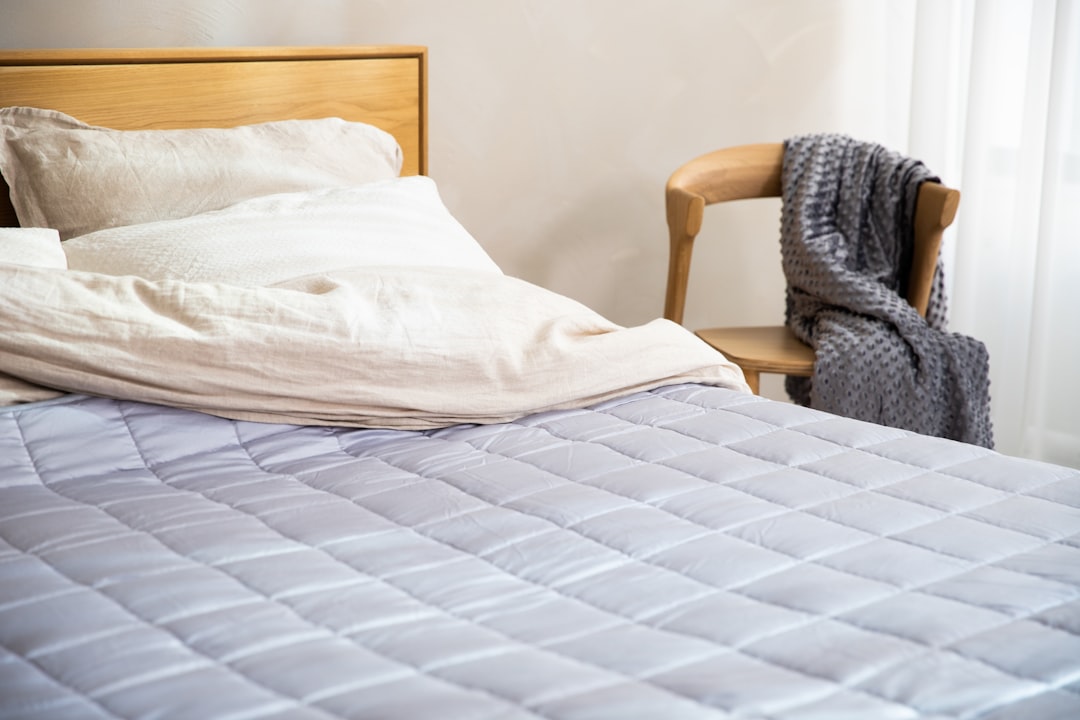
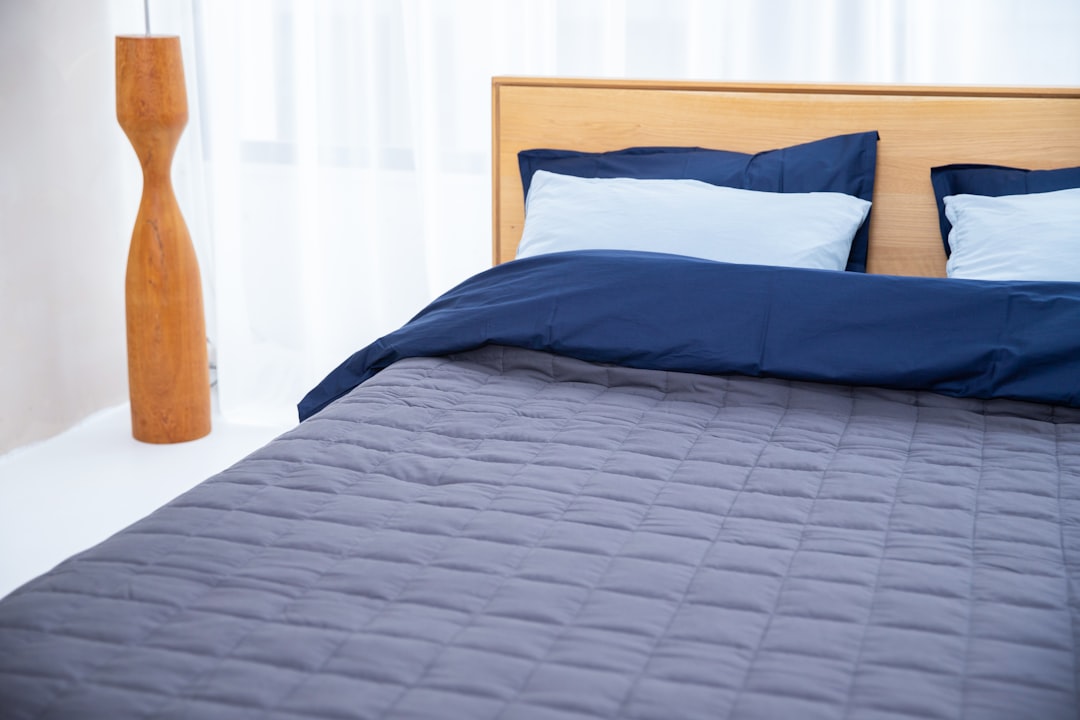
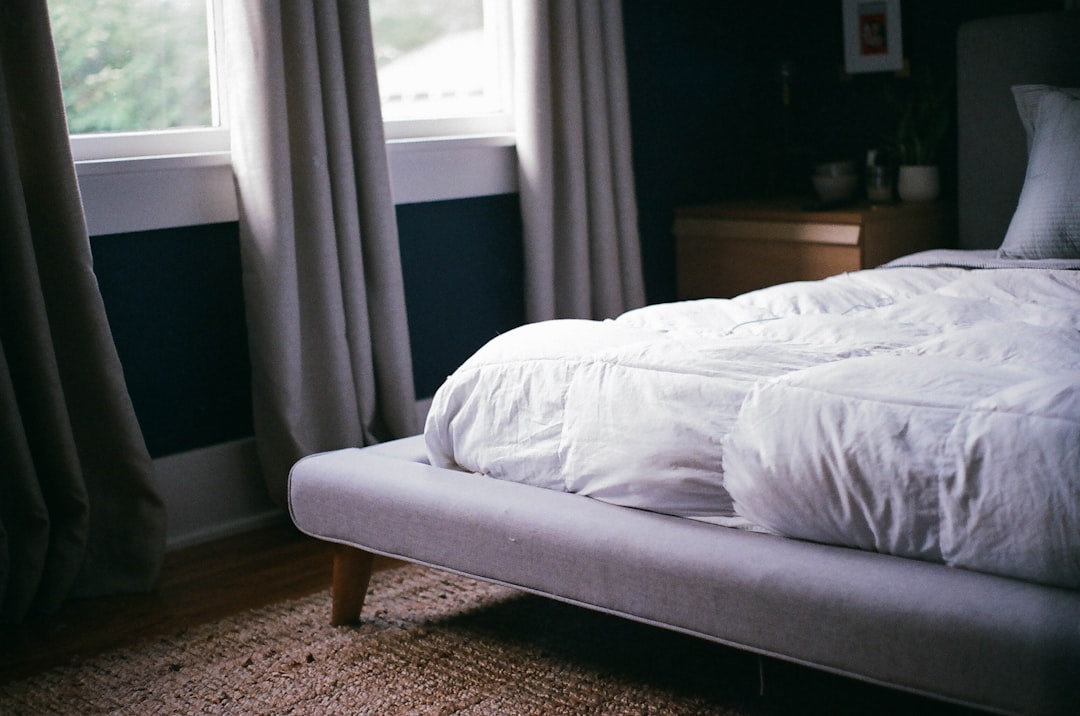
You can’t feel a spec sheet. A cooling mattress’s promise lives in the physical experience—the immediate sensation when you lie down, the subtle shift in temperature after a few minutes, the way your body weight interacts with the layers beneath you. Online descriptions of gel-infused foam or ventilated coils are useful, but they’re a translation of a feeling, not the feeling itself. That’s a gap you need to bridge personally.
Consider the fabric cover. A bamboo or Tencel weave touted as breathable might feel crisp and cool to your fingertips in a showroom, or it might feel surprisingly thin and slick. You won’t know until you touch it. The difference between a surface that merely feels cool initially and one that actively dissipates heat over time is something you test by staying put, letting your own body heat become the experiment. A mattress that feels perfectly firm standing beside it can become a heat trap once you’re lying flat, as the compression reduces airflow through its core.
This is why a visit to a physical showroom, like Megafurniture’s Tampines location, is decisive. You get to perform the simple, critical test: sit, then lie, and wait. Observe whether that initial cool sensation holds or if warmth starts to pool around your shoulders and hips. Check if the promised firmness actually supports you without trapping heat—a too-soft mattress can cradle you in a warm pocket, while a too-firm one might press back without any cooling benefit. You’re assessing the marriage of support and temperature regulation, something no product video can demonstrate.
The exception? If you’re replacing an identical model you already know and love, maybe you can skip the trip. But for any new purchase, especially in our climate where the bedroom rarely drops below 28°C, trusting a digital description is a gamble with your nightly comfort. Your body is the ultimate sensor, and it deserves a direct test drive lah.
The cooling mattress pitch is straightforward: it’s engineered to stop you overheating. But when you’re in a humid master bedroom, sweating through the sheets, you’ve got a few real questions.
Can a cooling mattress help with menopause night sweats? It can, but don’t expect a miracle cure. A mattress with phase-change materials or a highly breathable bamboo cover works by pulling heat away from your skin faster than a standard foam would. That can blunt the intensity of a hot flush, giving you a chance to settle back into sleep before the next wave hits. The one scenario where it might not make a dent is if your night sweats are exceptionally severe and prolonged—then you’re fighting a internal furnace that’s harder to cool.
Is cooling gel foam effective in 90% humidity? Gel foam’s main job is to absorb and dissipate your body heat, not to manage the room’s ambient humidity. In our climate, that gel layer will still feel cooler than plain memory foam against your skin, but its effect is somewhat muted because the air around you is already saturated. A ventilated coil system or aerated latex underneath does more to combat the overall muggy feel, by allowing air to circulate through the mattress core.
Will it feel cold? No, it shouldn’t. A properly engineered cooling mattress regulates temperature, not creates a chill. You’ll notice it doesn’t trap heat the way your old mattress did, especially during those first few hours when you’re trying to fall asleep. The sensation is more of a neutral, dry comfort—you won’t get that unpleasant shock of cold when you lie down, which is a common worry.
Does it work without air-conditioning? Yes, it works, but its performance is tied to your bedroom’s ventilation. If you’ve got a window open or a fan running, the mattress’s breathable materials can do their job effectively. In a completely sealed, still room where the air itself is hot and stagnant, even the best cooling mattress can only manage the heat you generate, not the heat you’re lying in. So pair it with some airflow, and you’ll get the full benefit.
Before you commit to a new mattress, take a week to really observe how you sleep. It's not just about feeling warm; it's about pinpointing exactly why. Start with your bedroom's airflow—a simple fan on a low setting might not be enough if the room itself traps heat. Measure the distance from your bed to the window or air-con unit, and see if there's a clear path for air to move across you. In many HDB layouts, the master bedroom's only window is behind the bed, which means you're blocking the breeze. That's a setup that'll make any mattress feel warmer.
Next, keep a basic log. Just note the time whenever you wake up feeling too hot. Don't just think "around midnight"—write it down. Over a few nights, you'll see a pattern. Maybe it's consistently two hours after you lie down, when body heat has built up, or maybe it's linked to a specific side you sleep on. This log tells you if the issue is all-night or comes in waves, which changes what kind of cooling solution you need.
Personal triggers are the real hidden factor. For some, it's hormonal shifts causing hot flushes that turn a comfortable bed into a furnace at 3 a.m. For others, it's the residual heat from a late-night shower or even the type of pyjamas. Identify yours. If your heat comes in sudden peaks, a mattress with phase-change materials in the cover might be the answer. If it's a slow, all-night build-up, you'll need a core that breathes, like aerated latex or a ventilated coil system.
Finally, balance breathability against support. The coolest mattress might not support your shoulders or hips properly, and you'll end up sore and still warm from tossing around. A memory foam with cooling gel can feel cool initially, but if it's too dense, it'll still trap heat over time. Conversely, a super-breathable innerspring might feel bouncy and cool but not contour enough for side sleepers. You have to weigh both. The right choice is one that lets air move while still holding your spine in a neutral line—anything less is a compromise that won't last.
A cooling mattress relies on breathable materials to dissipate body heat in Singapore's 80% humidity. Cooling gel foam layers absorb and redistribute warmth, while aerated latex cores promote airflow. Bamboo or Tencel covers offer moisture-wicking properties, crucial for hot sleepers in non-air-conditioned rooms. These material choices directly combat the tropical heat that makes traditional memory foam uncomfortably warm.
Choosing a cooling mattress size requires considering Singapore's common bedroom dimensions and access points. A Queen size (152x190cm) fits most HDB master bedrooms while leaving essential side clearance. The real constraint is often the HDB lift door, typically 90cm wide, which dictates delivery feasibility for larger mattresses. Ensuring your chosen size can navigate this final hurdle avoids logistical headaches.