In a 12 sqm common bedroom, a thick mattress topper becomes a physical obstacle. You’ll see a lot of buyers aiming for maximum comfort, picking a 5-inch slab of cooling gel foam and expecting a plush upgrade. That extra height might feel luxurious at first, but it’s going to compromise the whole setup. The mattress profile gets overwhelmed, turning a sensible Queen into a towering platform that dominates the limited floor space. More critically, that thickness eats into airflow. Cooling materials need to breathe; a dense, thick topper sitting on top of your mattress base can actually trap heat underneath, making the promised temperature regulation far less effective. In our humidity, that’s a recipe for a warmer sleep surface, not a cooler one.
Think about the actual dimensions. A standard Queen is 152 by 190cm. In a room that’s maybe 3.5 by 3 metres, you’ve already got about 60cm clearance on one side if you’re lucky. Adding five extra inches of height means the bed visually consumes the room, and it physically reduces the air circulation around you. The cooling effect isn’t just about the gel—it’s about the entire sleep system allowing heat to dissipate. A thinner topper, say two or three inches, integrates better. It provides the comfort layer without becoming a thermal barrier.
There’s a practical limit to how much you can add before the physics work against you. For most HDB bedrooms, a topper thicker than three inches starts to defeat its own purpose. It’s not just about the bed looking bulky; it’s about that mass of foam acting like an insulator. The gel needs to work in conjunction with a breathable cover and a well-ventilated mattress base. When you pile a thick slab on top, you’re essentially creating a heat sink right where your body lies. You’ll still get some benefit from the cooling material, but you’re losing a significant portion of its potential because the heat can’t escape downwards.
The only time a thicker topper makes sense is if your existing mattress is genuinely too firm and thin, and you’re using it more as a remedial comfort layer than a primary cooling upgrade. Even then, in our climate, you’d want to prioritise a topper with a highly breathable design, perhaps one with aerated channels or a phase-change cover, to offset the thickness. mattress for Singapore's weather . For the typical buyer looking to cool down their sleep, starting with a modest profile is the smarter move. It preserves the room’s sense of space and lets the cooling technology do its job properly.
A cooling mattress topper needs materials that actively manage Singapore's 80%+ humidity and heat. Cooling gel foam or phase-change materials draw heat away from the body, while a breathable bamboo or Tencel cover enhances airflow. Avoid dense, non-breathable foams that trap warmth—these materials are key for hot sleepers in non-air-conditioned rooms.
The two-inch cooling gel topper is the sweet spot for most Singapore bedrooms. It’s enough cushion to soften a firm mattress without turning your bed into a heat trap. A thicker slab of gel foam might feel luxurious at first, but in a non-air-conditioned room or during a humid night, that extra mass can actually start insulating you—the heat dissipates slower because there’s simply more material to saturate. The two-inch version lets your body heat pass through to the mattress core below, which then acts as a secondary heat sink. That layered dissipation is crucial when your bedroom’s ambient temperature is sitting at 28 or 29 degrees.
Think about the typical 4-room BTO master bedroom layout. You’ve got a Queen mattress, maybe a solid-wood frame, and limited air circulation around the bed itself. A thick, plush topper in that space becomes a warm island. The two-inch layer adds just enough comfort contour without creating a thermal barrier. It’s the difference between sleeping on a cool surface and sleeping inside a warm cushion. For hot sleepers or anyone dealing with night sweats, that thin buffer is often the smarter compromise.
There’s one clear exception. If your base mattress is exceptionally hard—say, an older spring unit that feels almost rigid—you might genuinely need that three-inch depth for proper pressure relief. But that’s a trade-off. You’ll gain more cushioning, sure, but you’ll also lose some of that efficient cooling. In a fully air-conditioned room, that trade could be worth it. The whole case for cooling is the climate, and the guide to choosing a cooling mattress topper guide lays it out — at high humidity and warm temperatures year-round, a mattress that breathes and regulates temperature decides whether you sleep through the night. It walks through the cooling materials worth seeking and why they matter here more than almost anywhere. The takeaway: in the tropics, how cool and dry a mattress sleeps is as important as how supportive it is.. For the majority of us, though, the two-inch layer wins because it solves both problems: comfort and climate.
It’s a practical choice rooted in our local conditions. The year-round humidity and warm nights aren’t just background details; they’re central to how any bedding layer performs. A topper that’s too thick becomes a sponge for body heat, and in a room without active cooling, you’ll feel it by midnight. The two-inch option keeps the sleeping surface responsive and breathable, which is what you want when the weather outside isn’t giving you any breaks.
Your mattress's original firmness acts as the foundational support structure for any cooling topper you add. A soft mattress, especially those with deep cushioning layers, already allows your body to sink in significantly. That inherent sinkage means the mattress surface is already conforming closely to your contours, reducing the air gap underneath. When you then introduce a thick cooling layer on top, you're essentially stacking another conforming material onto an already yielding base. The result is a compounded sink that can feel like sleeping in a deep, warm trough, which defeats the whole purpose of adding a cooling component meant to promote airflow.
Think about how your body weight distributes across the sleeping surface. A firm mattress provides a more uniform support plane, keeping your hips and shoulders relatively level. This creates a stable platform for a cooling topper to sit atop without dramatic deformation. On a soft mattress, heavier body parts press down much further, creating valleys in the support layer. A thick topper will simply follow those contours, filling the valleys and potentially creating pockets where your body is enveloped by multiple layers of material. Those pockets become heat traps, as the compressed materials can't circulate air effectively, making the promised cooling effect practically useless.
The cooling mechanism of many gel or aerated toppers relies on a small but critical air space between the sleeper and the mattress core. This gap allows heat to dissipate and cooler air to circulate. A thick topper on a firm mattress maintains that gap because the base doesn't collapse dramatically under weight. Pair that same topper with a plush mattress, and the combined sinkage closes the gap entirely. Your body presses the topper material directly against the mattress core, eliminating the breathable buffer zone. In Singapore's humid climate, that lost ventilation means you'll feel the retained warmth more acutely, especially during the still, hot nights.
foam mattress .There's a direct trade-off between the desired cooling height and the necessary foundational stability. You want enough topper thickness to incorporate the cooling gels or phase-change materials that actually work. But you also need the mattress below to be sufficiently firm to prevent the whole assembly from becoming a wobbly, unstable sleep surface. An overly soft mattress combined with a tall, conforming topper can feel like sleeping on a unstable cloud—you might enjoy the initial cushioned feel, but you'll lose all support for proper spinal alignment. That misalignment can lead to morning aches, which is a worse outcome than simply feeling a bit warm.
A simple rule of thumb emerges from this interplay. If your existing mattress is medium-soft or softer, you should opt for a low-profile cooling topper, perhaps one around two centimetres thick. This adds a cooling surface without amplifying the sink. For a medium-firm to firm base, you can safely choose a thicker topper, up to four or five centimetres, to get the full benefit of the cooling technology without sacrificing support. The one exception to this rule is if your soft mattress is actually too soft and you're using the topper primarily to add a firmer, corrective layer—then a thicker, firmer topper can work, but its cooling function will be secondary to its support role.
A gel foam topper that feels heavy and solid when you lift it is likely going to trap heat. That density, even at a modest 1.5-inch thickness, can make you feel like you’re sleeping on a slab of warm clay by midnight. It’s a common mistake—buyers assume a thicker profile is automatically warmer, but the real culprit is often the material’s weight and lack of internal air channels.
The physics is straightforward: denser foam has less room for air to move through it. Your body heat gets absorbed and held, instead of being dissipated. In a west-facing bedroom, where afternoon sun can push ambient temperatures well past 30°C, that trapped warmth becomes unbearable. A lighter, aerated gel foam, even if it’s 2 or 3 inches tall, will often perform better because its structure allows for some passive ventilation.
So the rule here is to prioritise breathability over sheer thickness. If your room gets that direct evening sun, you want a topper that feels light and almost crumbly in texture—one with visible pores or a perforated design. A Queen-size topper in a 12 sqm common bedroom facing west shouldn’t be a heat sink; it should act as a buffer that lets warmth escape.
The only exception is if your bed sits in a consistently cool, air-conditioned space. In that controlled environment, a denser topper’s pressure-relieving qualities might outweigh its thermal drawbacks. But for most flats, especially those relying on natural ventilation or a fan, the lighter, aerated option is the safer bet. If replacing the mattress isn't on the cards, the mattress type is the cheaper route to a cooler bed — a gel-infused or phase-change topper sits over your existing mattress, absorbing and dispersing heat and wicking moisture. It won't transform a worn mattress, but it noticeably drops the surface temperature. The guide also covers the surrounding fixes: breathable bedding, room ventilation, a cooler bedtime routine. A practical first step before a full upgrade.. Don’t get caught by the weight.



The difference between a mattress that just says it’s cool and one that actually keeps you cool often lies in the thickness of the gel layer. That’s why a showroom visit isn’t just a nice-to-do; it’s the only way to feel what those numbers translate to on your skin. You’ll find the Somnuz range at Megafurniture’s Joo Seng or Tampines outlets, and the key move is to spend a solid ten minutes lying flat on each model. Don’t just bounce on it—settle in, let your body heat build, and pay attention to the surface temperature under your back and shoulders. You’ll notice the thinner gel options feel cool at first, but that effect can fade as you linger. The thicker layers maintain a more consistent chill, which matters when you’re in for a full night’s sleep in a non-air-conditioned room.
Mattress height plays a part here too, because a thicker cooling system usually means a taller bed. In a typical HDB bedroom, a Queen size already dominates the floor space, so adding extra height can change how the room feels. You need to see how a 30cm mattress looks next to your existing bedside tables or under your window. It’s a practical check that online specs alone can’t give you. While a lofty bed can feel luxurious, it might not suit every layout—especially in tighter common bedrooms or if you’ve got low ceiling fans.
The exception is if you’re absolutely certain about your preferred firmness and cooling needs from past experience. A mattress range in Singapore can sleep cool when it's the right type — gel-infused or open-cell foam tackles the heat retention that plain foam is prone to, at a value price. It's worth treating cooling as a deciding factor rather than an afterthought when choosing foam in the tropics. Look for the cooling technology named explicitly, not just "breathable". For a budget-friendly cooling option, the gel and open-cell foam models are where to look.. Maybe you’ve used a gel topper before and know exactly how much thickness you want. In that case, you could skip the trip. But for most, especially those switching from a traditional memory foam that left them sweating, the physical test saves a costly mistake. You’re not just assessing coolness; you’re checking if the support layer underneath pairs well with the cooling top, because a mattress that’s cool but too soft or too hard won’t work either.
So bring your scepticism along. Lie down in the position you actually sleep in, and wait. The right one will feel distinctly cooler where your body presses deepest, not just at the edges. That’s the real test—and it’s free.
Will a cooling topper work on my old spring mattress? It can, but you’ll need to check the surface. A sagging or lumpy base will telegraph right through a thin layer, making any cooling effect feel uneven. If your springs are still firm and flat, a topper can definitely bring that chill factor—the gel foam or phase-change materials work independently from the support below. If the mattress itself is dipping in the middle already, a topper just papers over a deeper problem.
Is 4cm too thin for side sleepers? For most, yes. A side sleeper’s hips and shoulders sink deeper, needing more material to cushion those pressure points without hitting the hard base. In a humid room where you’re already warm, a thin layer might compress fully, leaving you feeling both the mattress and the heat. Aim for a thicker profile, around 5cm or more, to get proper contouring and that cooling buffer. Cooling shows up differently across constructions, so browsing by memory foam versus hybrid guide helps — gel memory foam cools a contouring feel, latex breathes naturally, and hybrid uses its coil base for airflow. Each keeps you cool by a different mechanism, so the type shapes how the cooling works. Pure traditional foam without cooling tech is the one to be wary of in the heat. Matching the type to how cool you need to sleep narrows the field fast.. The exception is if you’re a very lightweight person sleeping on a particularly soft base—then a 4cm layer might just be enough.
Can I use two thin toppers? Technically possible, but practically messy. Stacking them introduces extra seams and edges that can shift, creating ridges. The combined height might also make your fitted sheet pop off every night. More importantly, two thin layers often don’t fuse into one uniform feel; you’ll likely feel a distinct separation between them. If you want more thickness, buy a single, thicker topper designed for it—that’s the cleaner solution.
Do gel toppers need special cleaning in humid weather? They do, because humidity encourages mould and mildew in any trapped moisture. Most gel-infused foam toppers come with a removable, washable cover—that’s your frontline defence. Wash that cover in cold water every couple of months to prevent sweat and dust buildup. For the foam core itself, never soak it; a light vacuuming and occasional airing out in a shaded, dry spot (not under the blazing sun) is the way. Leaving it damp in a poorly ventilated room is a sure way to shorten its life.
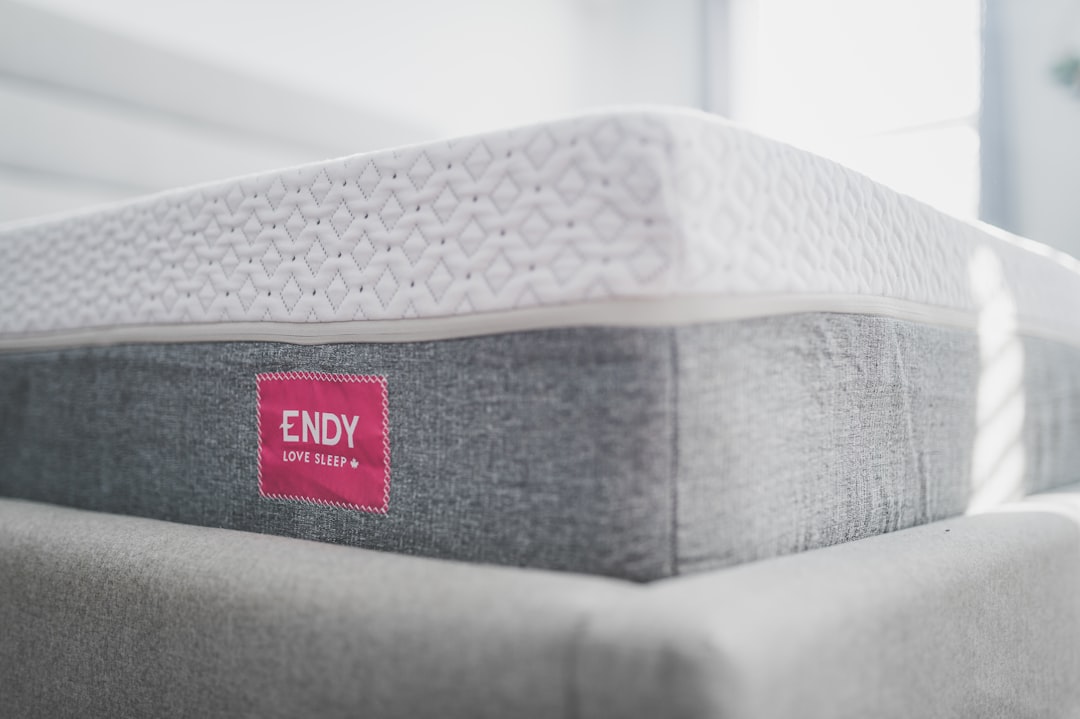
You’ve got the cooling gel topper picked out, but before you click buy, there’s a trio of practical checks that’ll lock in the right thickness. Start with your mattress height. That’s the one people forget. A Queen mattress sits around 152 by 190cm, but its depth can vary wildly—from a slim 20cm to a plush 35cm. queen size . Add a thick topper and suddenly you’re climbing into bed. In a typical HDB master bedroom, where space is tight, a towering sleep setup can feel awkward and dominate the room. Measure from the top of your existing mattress to the floor, then factor in the topper’s extra height. You want to step into bed, not scale it.
Next, consider your room’s night-time temperature. Is it air-conditioned or relying on a fan? If you’re sleeping in a non-air-conditioned room where the ambient temperature stays high, a thicker topper with more cooling gel can provide a deeper reservoir of heat dissipation. But if your room is cooled, a thinner layer might be sufficient just to break the contact heat between your body and the mattress surface. The goal is regulation, not over-engineering.
Finally, decide your primary need: is it cushioning or purely cooling? If your mattress is already comfortable but just too warm, a slim 2–3cm topper focused on heat transfer could be the answer. If you’re also seeking extra softness—perhaps for pressure relief—then a 5cm or thicker option makes sense. The exception here is for very firm mattresses; a thicker topper can add necessary comfort without sacrificing the cooling benefit, but only if your bedroom doorway and lift clearance can handle the increased overall height. Don’t just think about the product, think about the final assembled profile in your actual space. That’s the check that saves you from a delivery day surprise.
" width="100%" height="480">Optimal thickness for cooling gel mattress toppers (metrics)