You wake up with a faint itch across your shoulders, or maybe a patch of redness along your back that wasn’t there before. In Singapore’s climate, where bedroom temperatures can hover well above 28°C even at night, you might dismiss it as just another sweat rash. But when you’ve recently tried a DIY cooling solution—adding a gel pad or swapping your cover for a breathable fabric you bought online—that irritation is your first and clearest warning sign. Your skin is reacting to something new, and it’s telling you to stop.
The problem often isn't the cooling concept itself. It’s the materials. A phase-change material sheet bought from an obscure online store, or a bamboo cover that wasn’t properly treated, can introduce allergens or irritants directly against your skin for hours. In the humid, non-air-conditioned room, your pores are open, sweat is present, and any chemical residue or loose fibre from a questionable product has a perfect pathway to cause contact dermatitis. You might think you’re just sensitive to heat, but the timing points to the new addition.
Ignore that initial rash and you’re inviting more trouble. Persistent exposure can turn a mild itch into a full-blown allergic reaction, with raised welts or a stubborn inflammation that needs a doctor’s visit. Worse, you might blame your old mattress and discard it, only to find the new irritation travels with you to the replacement bed because the culprit was actually that add-on layer. The smart move is to remove the DIY component immediately, let your skin settle, and then reconsider your approach from the ground up.
There’s one exception, though. If you live in a west-facing flat that gets intense afternoon sun, and your room heats up like an oven, a genuine allergic rash can be masked by simple heat irritation. In that case, cool your room first—a fan, better ventilation—before you blame the materials. But for most sleepers in our typical humid nights, that unexplained itch on exposed skin is your body’s straightforward memo: this DIY fix isn’t compatible.
That faint chemical smell lingering in your bedroom for weeks isn’t just annoying—it’s a red flag. Cheap cooling gel foam layers, often sourced from dubious online sellers, are notorious for off-gassing volatile compounds long after they’re unpacked. In a compact 3-room flat bedroom with limited airflow, these emissions don’t dissipate; they concentrate. You’re breathing them in night after night, and for some sleepers, that’s where the trouble starts: headaches, itchy skin, or a persistent cough that seems to have no other cause.
The real issue isn’t just the smell. Many of these budget gel-infused foams contain undisclosed allergens or irritants within the material itself. They might claim to be “certified” or “non-toxic,” but without proper local standards or transparency, you’re left guessing. When your body heat warms the foam throughout the night, it can exacerbate the release of these compounds or bring allergens closer to the surface. It’s a double whammy—poor ventilation traps everything, and your own warmth potentially activates it.
So you wake up feeling worse, not cooler. The promise of a temperature-regulating sleep surface backfires because the material itself is causing a reaction. For hot sleepers already sensitive to environmental triggers—menopausal women dealing with night sweats, or anyone with a history of skin sensitivities—this can turn a bedroom into a source of discomfort rather than relief. You wanted a solution to the heat, but you’ve introduced a new problem that’s harder to pinpoint.
What’s the one exception? If you’ve sourced a gel foam layer from a reputable supplier with clear material certifications and you’ve got a well-ventilated space—say a room with cross-flow from windows or constant fan use—the risk drops significantly. But for the typical scenario: a standard HDB bedroom with one window and the door closed for privacy, that imported foam pad is a gamble. The safer path is to skip the mystery gel layer altogether and look for cooling through trusted, breathable materials in a complete mattress—ones where the entire construction is designed for airflow, not just a questionable add-on.
The problem starts where your skin presses into the fabric overnight. That's when any reactive chemicals in the phase-change material can leach out and cause trouble. Think about a typical Queen mattress topper—you're lying there for hours, sweating a bit, and the heat from your body activates the cooling layer. For someone with sensitive skin, that prolonged contact is enough to trigger a rash. It's not an instant reaction; it builds over nights of use. The irritation usually appears on the back, shoulders, or hips—the spots where pressure is highest.
Many DIY cooling textiles aren't labelled for skin safety because they're sold as technical materials, not bedding. The phase-change gels or coatings that absorb and release heat often contain stabilisers and polymers that aren't meant for direct, prolonged exposure. You won't find a list of ingredients on the packaging from a typical hardware store. Even if the fabric feels cool and smooth, there could be residues from the manufacturing process that haven't been washed out. That's the hidden risk—you're buying a functional product, not a certified sleep surface.
Women experiencing frequent hot flushes are especially vulnerable here. Their skin is already more sensitive due to hormonal changes, and they're likely using the topper more intensely because they need the cooling effect every night. The fabric gets activated repeatedly as body temperature spikes, which means more chemical transfer over time. In Singapore's climate, where sleeping without air-conditioning is common, the reliance on these DIY solutions is higher. The combination of sensitive skin and constant use creates a perfect storm for contact dermatitis.
When you assemble your own cooling mattress layer, you skip all the safety checks that come with a properly engineered product. A manufactured cooling mattress will have its phase-change materials encapsulated or bonded in a way that isolates them from direct skin contact. Your homemade version probably just lays the fabric sheet directly under a thin cotton cover. There's no barrier, no certified hypoallergenic lining between you and the active material. You're essentially sleeping on a piece of industrial fabric, and that's a gamble with your skin's health.
Ignoring a mild rash can lead to a chronic skin condition that's harder to manage. Contact dermatitis isn't just a temporary itch; it can develop into persistent redness, scaling, and discomfort that lingers even after you stop using the topper. Treating it often requires steroid creams and a long break from the irritant. For someone in a humid climate, a compromised skin barrier can also lead to secondary infections. The real cost isn't just the money spent on the DIY materials—it's the ongoing medical hassle and lost sleep comfort.
The classic DIY cooling stack—gel-infused pad, copper-lined topper, bamboo cover—can feel like a surefire win. You’re tackling the heat from every angle, right? But in a typical 12 sqm HDB bedroom, that layered approach creates a sealed environment where chemical exposures from each new material don’t just add up; they amplify. You’re not just sleeping on a cooling gel foam; you’re sleeping on a cooling gel foam wrapped in a chemically treated bamboo cover, atop a copper-infused pad. The combined off-gassing and material interactions in that confined air space become a single, potent trigger.
The safer path is to commit to a single, integrated cooling solution from the start. A mattress engineered with cooling technology throughout its core doesn’t rely on additive layers. It’s one material system, one known set of components. You eliminate the variable interactions and the compounding chemical load in your small bedroom. That’s the real goal: cooling without the cocktail.
Isolating which layer is causing the reaction—a rash, persistent sniffles, that unexplained morning headache—becomes a forensic nightmare. You’ll start peeling back layers one by one, but the symptoms might linger because the air itself has already absorbed a cocktail of volatile compounds. It’s a cumulative effect that’s difficult to test for and even harder to pin down. Think of it like mixing three different cleaning agents; the result isn’t just stronger, it’s potentially a new, more irritating substance altogether.
There’s a practical exception, though. If you’re working with a truly ventilated space—a room with cross-flow from windows on opposite walls, or a landed property bedroom with high ceilings and constant air movement—the risk drops significantly. The compounds dissipate instead of concentrating. But in our standard flats, where windows are often shut for privacy or against the monsoon rain, that layered DIY setup becomes a closed-system experiment. You’re the test subject.
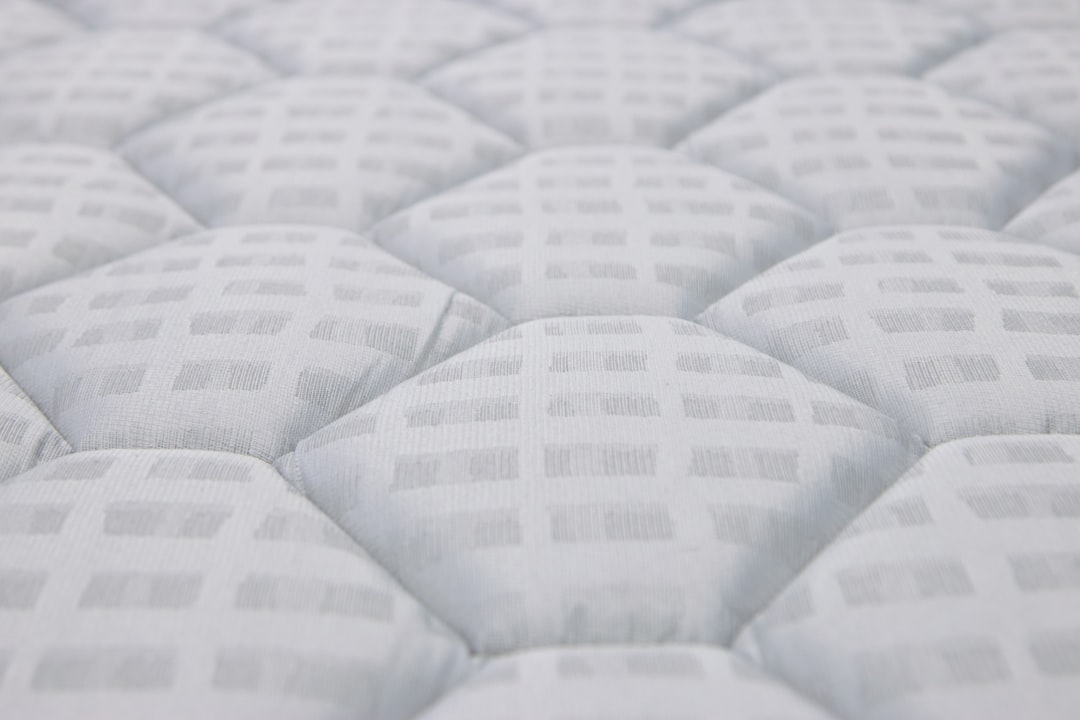
A mattress can feel cool in the marketing photos, but the real test is when you’re lying on it in your own flat. That cooling fabric weave they talk about online—you’ve got to run your fingers over it to know if it’s smooth or scratchy, and you need to press your palm against the foam to gauge whether it’s firm enough to support you without feeling like a slab. These are sensations a website description can’t translate, especially when you’re considering something you’ll spend hours on every night.
Some cooling materials, while effective, can have a texture that’s surprisingly irritating over time. A certified cooling fabric might be woven with a specific thread that feels fine for a minute in a photo, but after a full night’s contact, it could cause discomfort for sensitive skin. The only way to rule that out is to physically assess the surface, to see if it’s something you can tolerate long-term. Similarly, the firmness of the foam isn’t just about support—it’s about how your body sinks in and whether that creates a heat pocket despite the cooling claims. A mattress that’s too soft can trap warmth, defeating its entire purpose.
This is where a visit becomes non-negotiable. You’re committing to a piece that will live in your bedroom for years, and the potential for an allergic reaction or just plain discomfort from a material you haven’t verified is a real risk. It’s one of those purchases where skipping the hands-on step is a gamble—you might get lucky, but you also might end up with a mattress that makes your skin react or sleeps hotter than you expected. The exception would be if you’re buying a model you’ve slept on before, perhaps at a relative’s place, and you already know exactly how it feels.
So you go, you sit, you lie down. You spend a few minutes on the mattress, letting the fabric touch your arms, checking if the foam’s response matches your body weight. You verify the materials aren’t going to be a source of irritation in your non-air-conditioned room or during those humid monsoon months. It’s a straightforward step that removes a major uncertainty, ensuring the cooling feature actually works for you without any hidden drawbacks.
" width="100%" height="480">DIY cooling mattress: potential allergic reactions to cooling materials (pitfalls)The main hurdle for a DIY cooling mattress is getting it into your bedroom. HDB lift doors are typically 90cm wide, which dictates the maximum compressed mattress width you can manoeuvre. You'll need to consider the corridor turns and internal doorways, often leaving just a 2–5cm buffer. Planning around these access points prevents delivery day headaches and ensures your new mattress fits.
Singapore's 80%+ humidity can degrade certain cooling mattress materials if they aren't properly engineered. Gel-infused foams and phase-change fabrics must be tested for moisture resistance to prevent mould or breakdown. Natural latex is naturally breathable and resistant to dust mites, but ensure any fabric covers are removable and washable in cool water to prevent shrinkage.
You're in the showroom, feeling that cool gel foam, wondering if it's a chemical allergy waiting to happen. That's a valid concern. Cooling gel foam itself, the blue or green layer you see, is a synthetic polymer. The allergens aren't usually in the gel itself, but in the volatile organic compounds that can off-gas from the foam during its initial weeks. For most people, this faint smell dissipates and causes no issue, but if you've got a history of sensitivities to synthetic materials or chemical odours, you might experience some irritation.
Bamboo covers are marketed as natural and breathable, but the fabric is often a bamboo-derived rayon, a processed fibre. The processing can involve chemicals, and the finished fabric might trap dust or mould if not cared for in our humidity. It's less likely to cause a direct allergic reaction than, say, a dusty wool blanket, but it's not a magic bullet for everyone with sensitivities.
Testing for material sensitivity isn't something you can do fully in a five-minute showroom visit. You can press your face close to a sample and take a deep breath, which isn't a great method. A better approach is to request a small swatch of the cover fabric or, if possible, a sample of the foam material from the retailer. Take it home, place it near your sleeping area for a few nights, and see if any sinus issues or skin irritations flare up. This one extra step can save you from a major headache later.
DIY mattress cooling, like adding a gel-infused topper or a phase-change pad, is generally safe for materials, but for children, you need to be extra cautious about fit and breathability. A loose-fitting topper can become a suffocation hazard for a very young child, and some added layers might actually reduce the mattress's overall airflow. For a child's bed, it's safer to choose a mattress designed with cooling properties from the start, rather than retrofitting an existing one with add-ons. The exception is for older children and teenagers, where a well-secured, breathable cooling pad can be a reasonable temporary fix.
The final step isn't about excitement; it's about quiet scrutiny. You've assembled your components, but before you commit, you need to verify every source and certification. That cooling gel foam block from an online marketplace might not carry the same fire-retardant certification as a showroom-sourced slab, and those breathable bamboo covers could be labelled as such without any independent testing to back it up. Singapore's humidity doesn't just make you sweat—it can encourage mould growth in untreated materials or cause certain synthetics to off-gas differently. If you've got a history of skin sensitivities, that's your red flag. You need to know exactly what's in that phase-change material layer you're planning to slot in, because a DIY trial with an unverified component could leave you with a rash and a useless, expensive foam core.
Weighing the cost is straightforward, but you must weigh the risk, too. The price difference between sourcing your own aerated latex and buying a pre-assembled, showroom-tested mattress might seem significant. Yet that showroom model has already been vetted for our climate; someone else has paid for the trial, and you're buying the result. Your DIY plan is a personal experiment. If a component fails—say, the ventilated coil system you chose doesn't integrate properly with your top layer, creating a heat trap instead of a channel—you're stuck with the whole cost of redoing it. There's no returns policy on a custom assembly.
So, the one real exception? If you're sourcing every single component from a reputable, specialised supplier with clear, Singapore-relevant certifications and you have a known tolerance for each material, then a DIY approach can be a precise, cost-effective solution. That's a rare case. For most, the reliability of a completed, professionally engineered product—one you can actually lie on in a showroom and feel the airflow—offsets the potential savings. The last check is a simple question: are you buying confidence, or are you buying a puzzle?