You wake up sticky, the sheets damp and clinging, even though you didn't sweat before bed. It’s not you—it’s the mattress absorbing moisture like a sponge overnight. In a humid flat where the air is heavy, that dense foam core doesn’t just trap body heat; it pulls in ambient moisture too. Memory foam, beloved for its pressure relief, becomes a thermal insulator in a climate where bedroom temperatures routinely hover above 28°C. The material’s structure is designed to conform, but those tiny air pockets also hold onto everything—heat, humidity, the warmth from your body. It creates a feedback loop: you heat the foam, the foam holds the heat, and the damp air prevents any real cooling. That’s why so many sleepers report feeling like they’re sinking into a warm, swampy pit by 3am, despite a fan running full blast.
Conventional spring mattresses aren’t much better in these conditions. Their padding layers—often polyester or cotton batting—are not engineered for breathability. They soak up humidity from the air, which then sits against the sleeping surface. Even with a good coil system underneath, that top comfort layer can become a damp, insulating blanket. It’s a common complaint across 4-room BTOs and older resale flats alike: you buy a mattress for support, but end up battling a nightly sauna session. The problem is intrinsic to the materials, not the quality of the bed.
There’s one exception: a well-ventilated traditional latex mattress. Natural latex has an open-cell structure that allows air to circulate more freely, which helps dissipate both heat and moisture. But even then, if it’s wrapped in a non-breathable cover or placed directly on a solid platform base without airflow, it can still succumb to the same muggy fate. The real failure point is a combination of a moisture-retentive core and a lack of active cooling design—something most older mattresses simply don’t have.
So if you’re waking up sweaty on a bed that’s otherwise comfortable, it’s likely past its functional life for our climate. Humidity over 80% changes the game; a mattress that worked perfectly in a drier, cooler environment becomes a liability here. You need a core that actively pushes heat away and a surface that doesn’t trap moisture. Otherwise, you’re just sleeping on a warm, damp sponge every night—and that’s no good for anyone.
The first thing your skin touches isn't the foam or the coils—it's the cover. That initial texture sets the tone for the whole night, especially if you're sleeping without air-conditioning. A smooth, cool-feeling surface can trick your body into believing it's cooler than it actually is, while a rough or clingy one just adds to the discomfort. For Singapore's climate, breathability is the non-negotiable starting point, but the two leading options, bamboo rayon and Tencel, handle that job in subtly different ways.
Bamboo rayon excels during our most humid stretches. The material's structure allows for exceptional air circulation, which helps manage that sticky, moisture-heavy feeling you get during the monsoon months or any night where the air feels thick. It's a forgiving fabric when humidity climbs past eighty percent—you won't feel sealed in. The catch is that its cooling effect is more about allowing heat to escape than actively pulling moisture away from you. It's passive ventilation.
Tencel, on the other hand, is proactive. It wicks moisture directly off your skin and disperses it quickly across the fabric's surface to evaporate. This is the difference-maker if you tend to sleep hot or experience night sweats; the fabric doesn't just breathe, it actively manages perspiration. That first-night feel is often noticeably drier and cooler compared to bamboo. For those in west-facing flats or rooms that trap heat, this active wicking can be the better defence against waking up damp.
So, which one? If your primary battle is against the general, oppressive humidity that fills a non-air-conditioned room for months on end, bamboo's breathability is your ally. But if your issue is personal heat—hot flashes, or simply generating a lot of body warmth—Tencel's wicking action is the more targeted solution. Texture-wise, bamboo tends to feel slightly softer and silkier right out of the box, while Tencel has a crisp, cool linen-like touch. Honestly, for most Singapore sleepers, the Tencel approach is the safer bet because it tackles both the climate and your own body's output. The only time I'd steer you toward bamboo is if you genuinely prefer that softer initial handfeel and your night-time warmth is more about ambient room temperature than personal perspiration.
Gel pockets give you that immediate cool-to-touch sensation when you first lie down. They work by absorbing heat from your body surface, pulling warmth away from your skin into the gel layer. That’s genuinely shiok for the first twenty minutes or so, especially if you’re coming off a hot day. The problem is that the gel itself heats up eventually, becoming a thermal reservoir that can’t shed the stored energy fast enough. In a west-facing bedroom where the walls are still radiating warmth from afternoon sun, that reservoir fills up quickly. You end up with a mattress that feels warm again by midnight, which is exactly when hot flashes tend to hit hardest.
Aerated latex operates on a different principle altogether—it’s about moving air, not storing heat. The open cell structure creates tiny channels that let air circulate through the material itself, not just over the surface. This continuous airflow pulls heat away from your body and dissipates it into the room, assuming your room ventilation is decent. It’s a year-round system that doesn’t rely on a finite cooling capacity. For someone in a non-air-conditioned 4-room BTO, that steady exchange is what prevents the mattress from becoming a heat trap over eight hours. The effect is less dramatic at first touch, but far more consistent across a whole night’s sleep.
Memory foam with gel infusion is still memory foam, meaning it conforms closely and can sometimes feel like it’s enveloping you. That enveloping sensation, while comfortable for pressure relief, also reduces the air gaps around your body that aid cooling. Aerated latex has a bouncier, more responsive feel that doesn’t sink in as deeply, maintaining more open space around your silhouette for air to move. This structural difference is crucial for hot sleepers who already feel trapped by traditional memory foam’s heat retention. The latex’s natural resilience means you’re sleeping on top of a ventilated platform, not within a heat-absorbing cradle.
Singapore’s humidity, often around 80%+, interacts with these materials in subtle ways. Gel infusions are typically sealed within foam, so humidity doesn’t directly affect their cooling performance. Aerated latex, being a natural material, is inherently breathable and doesn’t trap moisture—a key point for those who perspire during sleep. In a humid environment, a material that allows vapour to escape prevents that clammy, sticky feeling that can wake you up. This makes the aerated option a better match for our local climate beyond just temperature, addressing the full discomfort spectrum of a hot, sticky night.
The cooling performance of each type changes over the years. Gel infusions can theoretically degrade or become less efficient as the foam around them compresses and the gel pockets shift. There’s no way for a buyer to verify that without destructive testing, so you’re relying on the initial engineering. Aerated latex’s breathability is a function of its permanent cellular structure, which doesn’t degrade with normal use—the airflow channels remain open as long as the material itself is intact. For a purchase you’ll use nightly for a decade, the enduring nature of the cooling mechanism matters. That’s the real trade-off: a flashier initial cool versus a dependable, permanent ventilation system.
A cooling mattress cover is a great start, but that’s only the top layer. Heat gets trapped underneath as well, especially in a compact HDB common bedroom where the air just doesn't move. That’s why the support system—the coils or springs—needs to breathe too. A sealed base, like a solid platform or a dense foam foundation, acts like a lid on a pot; your body heat collects in that dead space below you, and the whole mattress feels warmer over time.
You’ll see this feature in many modern mattresses designed for our climate. It’s often paired with breathable covers and cooling gels, creating a full stack that manages temperature from top to bottom. The one exception? If you’re using a mattress on a traditional bed frame with an open slatted base, that base itself provides plenty of under-mattress ventilation. In that case, the coil ventilation becomes less critical. But for those on solid platforms, storage beds, or even just placing a mattress directly on the floor during a move, those open coils are a non-negotiable.
Open coil systems are the answer. They’re essentially a grid of springs with gaps between them, allowing air to circulate freely from the sides and bottom. In a 12 sqm room with maybe one window, that passive airflow is crucial. It’s not about active cooling, but about preventing heat buildup in the first place. A mattress with a ventilated coil layer works with the room’s natural air movement, even if it’s just the slight breeze from a ceiling fan.
It’s a detail you have to ask about. Showrooms will happily talk about the cooling cover or the gel layer, but the support system’s breathability is sometimes overlooked. Just lift the corner and look. Can you see light through the spring grid? That’s what you want. It’s a simple, physical check that guarantees your mattress won’t become a heat trap on its own foundation.
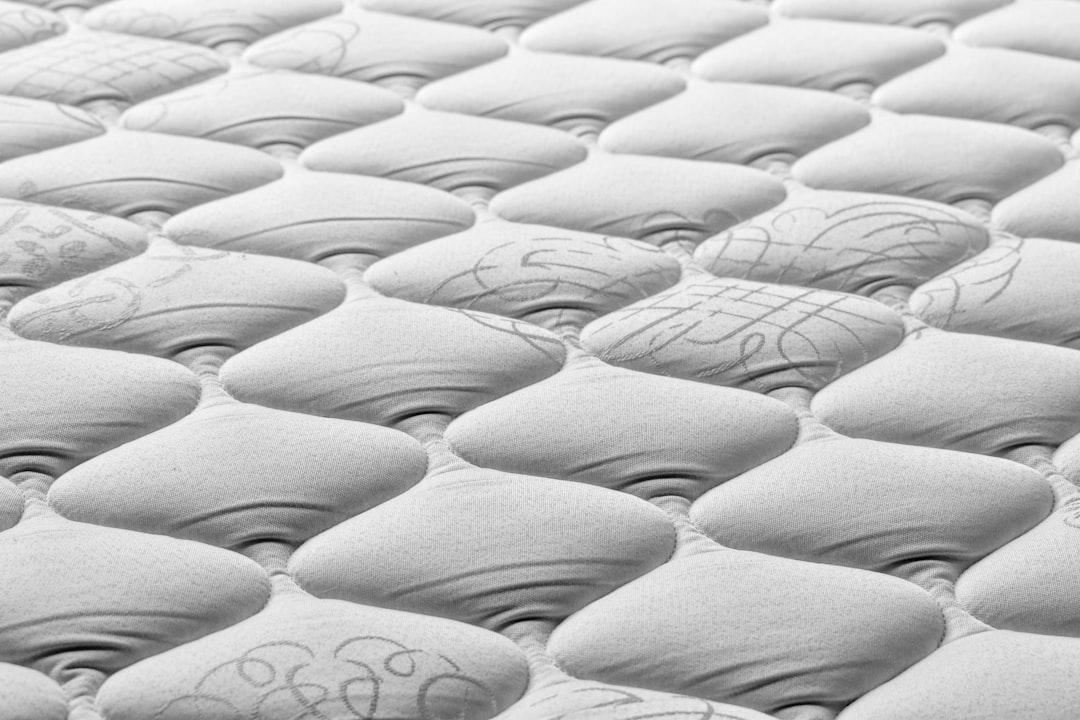

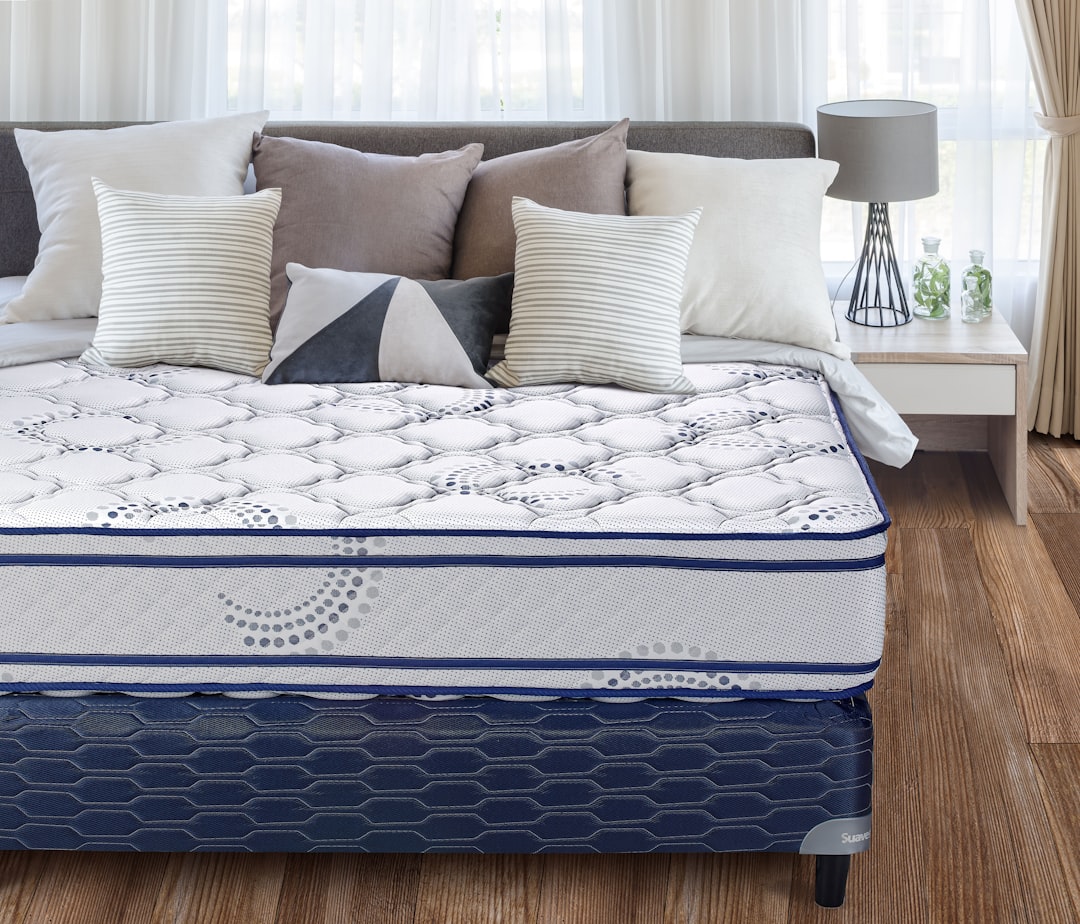
The showroom floor isn’t just a gallery—it’s a testing lab. You’ll see couples lying flat, shifting side to side, and debating the feel of a Queen Somnuz® model for ten minutes straight. That’s the right way to do it. Cooling performance isn’t a static feature you read on a tag; it’s a dynamic interaction between your body heat and the mattress’s materials. The firmness level directly changes how much contact area you have, which alters how well the cooling gels or aerated latex can actually work. A mattress that feels cool when you first touch it might trap warmth once you’ve settled into it for a full night’s weight.
Don’t just sit politely on the edge. Commit to the full sprawl. Spend at least five minutes in your usual sleeping position—side, back, or stomach. Pay attention to whether any heat builds up around your shoulders or hips, the spots where pressure is highest. For hot sleepers, a medium-firm profile often gives the best balance: enough support to keep you from sinking in too deeply and smothering the ventilation channels, yet enough contour to avoid creating pressure points that themselves can feel warm. The ultra-plush ones, while luxurious, can sometimes envelop you a bit too much for our climate.
There’s a practical rhythm to this testing. Start with the firmest option in the range, then work down. You’ll notice the cooling cover—often a breathable bamboo blend—feels different under each density. On a firmer base, the cover stays more taut and open against your skin. On a softer one, it might conform so closely that airflow is reduced. This isn’t something you can guess from a website description or a sales brochure. Your own perception of ‘cool’ is the only metric that matters here.
The only exception to this hands-on rule is if you’re replacing an identical mattress you already know and love. If your current Somnuz® medium-firm has served you well for years and you’re just upgrading to a newer version of the same model, you could probably skip the lie-down test. But for anyone switching brands, or changing firmness preferences, or buying a first mattress for a non-air-conditioned room, the showroom visit is non-negotiable. Your back and your thermal comfort deserve that final confirmation.
Does cooling gel work long-term? It does, but not forever. Cooling gel foam is a layer that’s supposed to absorb and disperse heat, and it’s effective for a few years. Over time, the gel can degrade a bit, and the foam itself can compress—that’s when you might feel it’s not as cool as before. Still, it’ll give you a cooler sleep than regular memory foam for a good stretch, which in our climate is already a win.
Can a cooling mattress help menopause night sweats? Absolutely. The whole point is to regulate temperature, and for hot flashes, that’s a direct benefit. A mattress with phase-change materials or a breathable bamboo cover can pull heat away from your body faster than a standard one. It won’t stop the flashes, but it can make the aftermath less miserable—you’re not lying in a pool of sweat on a heat-trapping surface. That’s worth a lot.
Will it work without air conditioning? Yes, but the effect is different. In a non-air-conditioned room where ambient temperatures can hit 28°C or more, a cooling mattress isn’t going to make you feel chilled. What it does is prevent you from adding more heat to the equation; it dissipates your body heat so you don’t cook yourself on the bed. You’ll still feel the room’s warmth, but you won’t be amplifying it. That’s the key.
Is a cooling mattress worth the price? For most Singapore sleepers, it is. If you’ve ever tossed and turned on a hot mattress, you know the sian feeling. The investment makes sense if you’re a hot sleeper, live in a west-facing flat, or don’t run the aircon all night. The one exception is if you already sleep cool and your room is constantly air-conditioned—then the extra cooling tech might not give you enough benefit to justify the cost. For everyone else, it’s a solid upgrade.
A cooling mattress relies on specific materials to dissipate body heat for hot sleepers. Key technologies include gel-infused memory foam to draw heat away, breathable natural latex with aerated structures, and phase-change fabric covers that absorb excess warmth. High-density foam cores ensure these cooling layers are supported durably without sagging over years of use.
Mattress materials must withstand constant 80%+ humidity to prevent mould and maintain support. Look for moisture-wicking bamboo or Tencel covers and high-resilience foams that resist moisture retention. A well-ventilated bed frame, ideally with slats, further promotes air circulation underneath the mattress—critical for long-term hygiene and comfort in our climate.
A Queen-size cooling mattress fits a typical 4-room BTO master bedroom, but that’s assuming you’ve got about a metre from the wall to the door. If your layout’s tighter, you’ll be squeezing past it every morning—and that extra bulk can feel like a heat trap itself. Take a tape measure and note the exact floor space, not just the bed footprint. Include where the windows are; a bed shoved against a wall with no airflow defeats any cooling tech inside it.
Night-time humidity here can hit 80% plus, even with the windows shut. That dampness doesn’t just stick to your skin—it settles into the room, making any mattress feel warmer. Note your usual bedroom climate before you go. If you’re in a west-facing flat that traps the day’s heat, or a ground-floor unit that stays muggy, your tolerance for warmth is already lower. That context matters more than any showroom sales pitch.
Budget bands for a proper cooling setup typically run from $800 to $3,000. The lower end gets you a decent gel-infused foam or a ventilated coil system; the higher range opens up phase-change materials or aerated latex layers that actively pull heat away. Decide your band firmly. In the showroom, you’ll see options spanning every price—if you don’t anchor yourself, you’ll either overspend on features you don’t need or underspend and regret the compromise.
Your personal heat tolerance points are the final filter. Maybe you sleep fine until 28°C, but anything above that and you’re tossing all night. Or perhaps a slight breeze from the window is enough, and you just need a mattress that doesn’t add its own warmth. Have these points ready. When testing, lie down for a full five minutes—your body needs time to settle and generate real heat. Don’t just press a hand onto the surface; that tells you nothing about how it performs over hours.
The only time I’d skip this prep is if you’re buying a mattress for a guest room that’s rarely used. For your own bed, where you’ll sleep every night in this climate, these checks turn a showroom trip from a browsing exercise into a targeted mission. You’ll leave knowing exactly which models are physically possible in your room, financially sensible for your budget, and genuinely capable of giving you a cooler night.