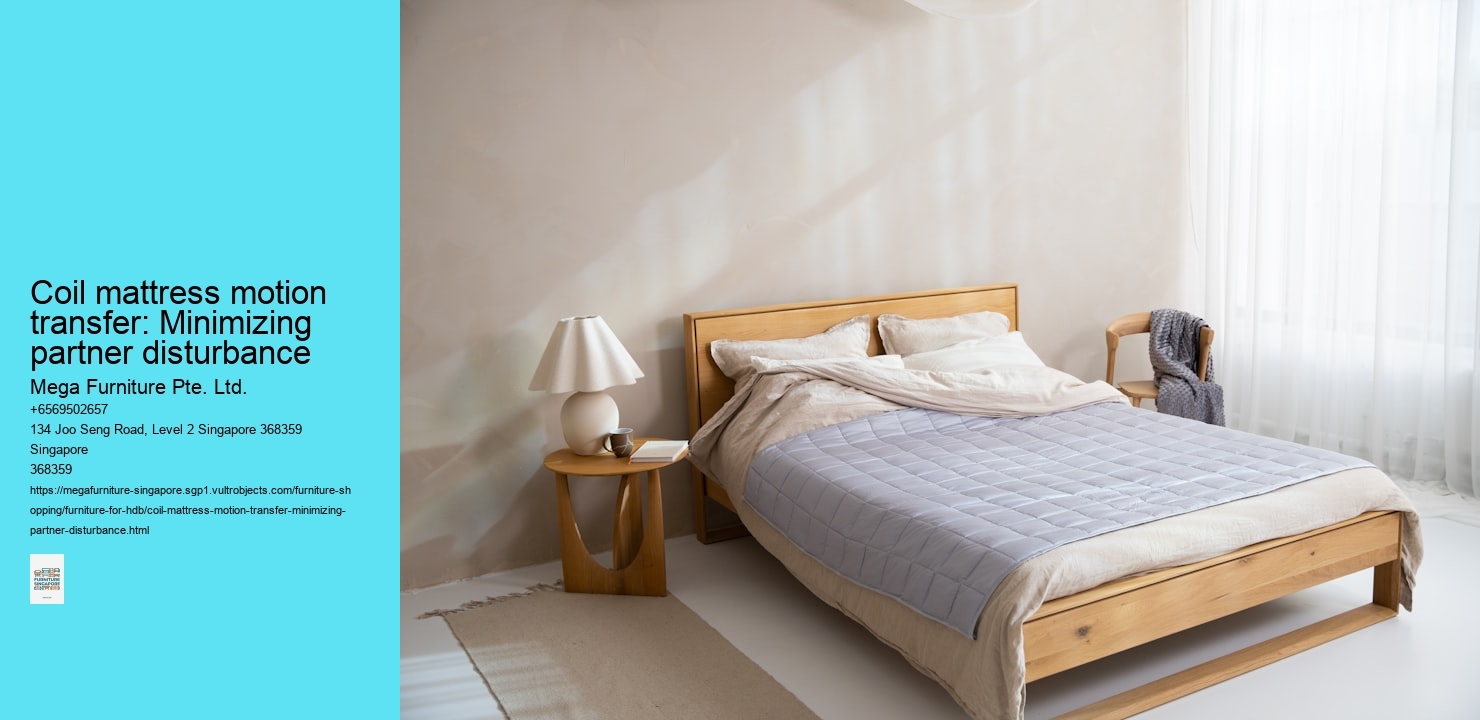
You know the feeling. It’s two in the morning in your four-room BTO master bedroom, and your partner shifts in their sleep. On that old spring mattress, their simple turn doesn’t just stay on their side—it becomes a wave that travels right across the surface, shaking you awake. You’re not just dealing with the jolt of motion, though. The real kicker is the heat that comes with it. That standard mattress traps warmth, turning your shared sleeping space into a humid pocket that amplifies every disturbance.
For many here, it’s a double whammy. The motion transfer pulls you out of deep sleep, and the retained heat makes it impossible to settle back in. You’re left lying there, feeling every degree climb, listening to the fan struggle against the still, warm air. This isn't just about a restless night; it’s about a cycle of poor sleep that starts with a single movement and is locked in by a mattress that can’t breathe.
That’s where the engineering of a proper cooling mattress makes all the difference. You need a surface that isolates movement *and* manages temperature. A ventilated coil system, for instance, isn’t just about support. Those open channels allow air to circulate freely through the core, actively pulling heat away from the body instead of letting it pool. Paired with a breathable cover, it tackles the climate head-on. Suddenly, a partner’s turn is just a turn—a minor event that doesn’t translate into a thermal wake-up call for you.
The exception? If you’re the one who runs cold and actually seeks that cocooning warmth, this whole cooling focus might be overkill for your needs. But for the vast majority sweating through our nights, especially those in non-air-conditioned rooms or experiencing hot flushes, addressing heat retention is non-negotiable. It’s the silent partner to motion isolation, and ignoring it means you’ve only solved half the problem.
The best way to picture a pocketed coil system is to imagine a Queen mattress as a grid of tiny, fabric-wrapped springs, each one standing alone in its own little compartment. When your partner rolls over, only the coils under them compress. The ones under you stay put, because they’re not physically connected to the disturbed ones. That’s the isolation. It’s a simple mechanical truth—individual pockets mean independent movement. The engineering that makes this work also brings a breathability you might not expect. Each coil is wrapped in a non-woven fabric sleeve, and those sleeves create natural channels for air to move vertically through the mattress core. Combine that with a breathable top layer, and you get a system that doesn’t just stop motion; it helps stop heat from pooling around your body.
Now, the fail part. You’ll find mattresses under a certain price point—think below the typical $1,200 mark—that claim “motion isolation” but use a connected coil system. Those springs are all tied together at the top and bottom with a continuous wire. It’s a cheaper way to build. When one coil gets pushed down, it pulls on its neighbours through that wire, and the whole section dips. Your side of the bed dips too. You’ll feel every shift, every midnight trip to the bathroom. That connected design also blocks air flow. There’s no real channel for heat to escape; it just sits in the foam layers above.
So the rule is straightforward: for genuine motion isolation and the cooling benefit that comes with it, you want individually pocketed coils. The only time I’d consider a connected system is if you’re buying a bed for a single sleeper in a non-air-conditioned room and your absolute priority is budget—then the breathability issue is less critical, and you’re not dealing with partner disturbance anyway. The whole case for cooling is the climate, and the guide to choosing a mattress for Singapore's weather lays it out — at high humidity and warm temperatures year-round, a mattress that breathes and regulates temperature decides whether you sleep through the night. It walks through the cooling materials worth seeking and why they matter here more than almost anywhere. The takeaway: in the tropics, how cool and dry a mattress sleeps is as important as how supportive it is.. But for two people sharing a 152 by 190cm Queen in our climate, that connected design is a compromise that rarely pays off. You’ll get the movement transfer, and you’ll likely get the heat retention.
Memory foam and dense padding are notorious for trapping body heat, a minor annoyance in a cooled room but a major sleep killer in our climate. cooling mattress topper guide . In a non-air-conditioned bedroom where the ambient air is already 28°C or higher, these materials act like an insulating blanket, preventing any meaningful heat dissipation. Your body can't shed warmth into the surrounding air because the air itself is warm and saturated, so the heat just builds up in the mattress layers. This creates a microclimate of discomfort that makes falling asleep a sweaty, restless struggle. The problem is compounded because these materials often need body heat to soften up, locking you into a cycle where comfort requires warmth you desperately need to lose.
High ambient humidity, often around 80% or more, doesn't just make the air feel thick—it fundamentally changes how your mattress interacts with your skin. Moisture from perspiration can't evaporate efficiently when the air is already saturated, so it gets absorbed into the mattress materials instead. This turns a memory foam or padded surface into a damp, clingy layer that feels anything but cool. The sensation isn't just about temperature; it's that sticky, tacky feeling that disrupts sleep far more effectively than a simple warmth. In a ventilated room with a fan, you might get some air movement, but without a way to channel that air through the mattress, the dampness just sits there.
Traditional pocketed coils do a decent job isolating movement, but in a warm room, their structure can inadvertently trap still, warm air within the core. The gaps between coils are often filled with insulating materials that block airflow from top to bottom. When your partner shifts, the motion is absorbed, but the heat generated by that movement has nowhere to go, lingering in the mattress cavity. This creates pockets of warmth that contribute to the overall stuffiness of the sleep surface. You solve one problem—disturbance—but exacerbate the other by adding another source of heat retention deep within the bed's construction.
A ventilated coil system directly attacks the double bind by creating vertical channels for air to circulate from the sleeping surface down through the mattress core. This isn't just about a breathable cover; it's an engineered airflow path that treats the mattress itself as a heat exchanger. As body warmth rises into the mattress layers, the chimney effect within these channels draws cooler air from the room perimeter up and pushes the warmer air out. This continuous, passive circulation works in tandem with a fan or natural cross-breeze, making the moving air do useful work rather than just skimming the surface. It addresses both the heat sink of dense materials and the stagnant moisture issue in one integrated design.
The true benefit comes from how ventilation works with other cooling elements, like a breathable Tencel cover or aerated latex layers, to create a cumulative effect. Each component handles a different part of the thermal load: the cover wicks moisture, the latex allows lateral air movement, and the coil channels provide the main exhaust route. In a room without air-con, this layered approach is crucial because no single material can defeat Singapore's climate alone. The system ensures that even on a completely still night, the mattress isn't working against you by holding onto heat. For anyone who's suffered through a memory foam sauna, that coordinated defence is what finally makes a non-air-conditioned bedroom viable for proper rest.
The coils are doing their job, but you’ve got to look at what’s layered on top. That’s where the cooling battle really happens. A ventilated coil system can’t win if it’s buried under a thick, dense quilted top or a slab of classic memory foam. Those materials are heat traps — they’ll soak up your body warmth and hold it close, turning a bed that should be breathable into a warm island in your room.
The exception? If you absolutely need that deep, contouring pressure relief from traditional memory foam, you might have to compromise a bit on temperature. But even then, look for a version that’s been aerated or infused with gel — it won’t be as cool as a full breathable build, but it’s better than the basic stuff. For most sleepers here, especially in a non-air-conditioned room, the traditional foam is a step backwards.
Think about the feel, too. A thick quilted top adds a plush, hotel-like comfort, but that extra padding is often polyester or foam that doesn’t breathe well. It’s a trade-off: you get that soft initial touch, but you lose the cooling potential of the whole mattress. In a west-facing flat that’s already hot by afternoon, that’s a deal-breaker.
If replacing the mattress isn't on the cards, the foam mattress is the cheaper route to a cooler bed — a gel-infused or phase-change topper sits over your existing mattress, absorbing and dispersing heat and wicking moisture. It won't transform a worn mattress, but it noticeably drops the surface temperature. The guide also covers the surrounding fixes: breathable bedding, room ventilation, a cooler bedtime routine. A practical first step before a full upgrade..For our climate, you want materials that actively help the heat escape. Bamboo or Tencel covers are a good start; they’re naturally breathable and feel cooler against the skin right away. The real work happens underneath, though. Cooling gel foam layers and aerated latex are designed to let air move through them, so heat doesn’t build up in one spot. Some mattresses even use phase-change materials that absorb excess warmth and release it slowly. These layers work with the coil system, not against it.
Your best bet is to keep the layers above the coils light and open. Let the air flow from the cover down through the comfort layers and into the coil chamber. That’s how you get a mattress that doesn’t just promise cooling — it actually delivers it through the night. Anything that blocks that path will leave you feeling warmer than you should, no matter how good the coils are.



You can read a spec sheet that promises ‘medium firm’ or ‘extra firm’, but those labels don’t translate to your spine. A mattress’s firmness is a personal calibration—it’s about how your hips sink, whether your shoulders feel pinned, and if your back stays aligned. For couples, it’s even more individual; one person’s perfect support can be another’s rigid plank. Online descriptions can’t capture that nuance, and a photo of a foam layer won’t tell you how it responds to a 65-kilogram frame versus a 90-kilogram one. That’s why walking into a showroom and lying down is the only way to know.
Motion isolation and cooling are tactile qualities, not specs. You need to feel whether a shift on the other side of the bed sends a wave across to you, or if the mattress absorbs the movement. A mattress type can sleep cool when it's the right type — gel-infused or open-cell foam tackles the heat retention that plain foam is prone to, at a value price. It's worth treating cooling as a deciding factor rather than an afterthought when choosing foam in the tropics. Look for the cooling technology named explicitly, not just "breathable". For a budget-friendly cooling option, the gel and open-cell foam models are where to look.. The cooling fabric cover—whether it’s a breathable bamboo blend or a phase-change material—has to be experienced against your skin in our climate. You’ll notice if it stays cool after ten minutes of lying still, or if it begins to trap warmth. These are things you test, not things you read.
A showroom lets you cycle through the firmness levels side-by-side. You can move from the plush model to the firm one in a few steps, comparing how each distributes your weight. For couples with differing profiles, it’s essential to test together—one person can lie down while the other gently shifts position, checking for that disturbance. You’ll also get a real sense of the ventilated coil system’s effect; you can feel the air moving through the mattress, a subtle difference that keeps the sleeping surface from becoming a heat trap.
The only scenario where I’d skip a visit is if you’re buying the exact same model you already own and love. Otherwise, you’re guessing. Head to a showroom, spend twenty minutes on the beds. Lie in your usual sleeping position, not just perched on the edge. Roll over. Feel the fabric. That’s how you avoid the regret of a mattress that feels wrong from the first night—a mistake that’s costly and disruptive to correct.
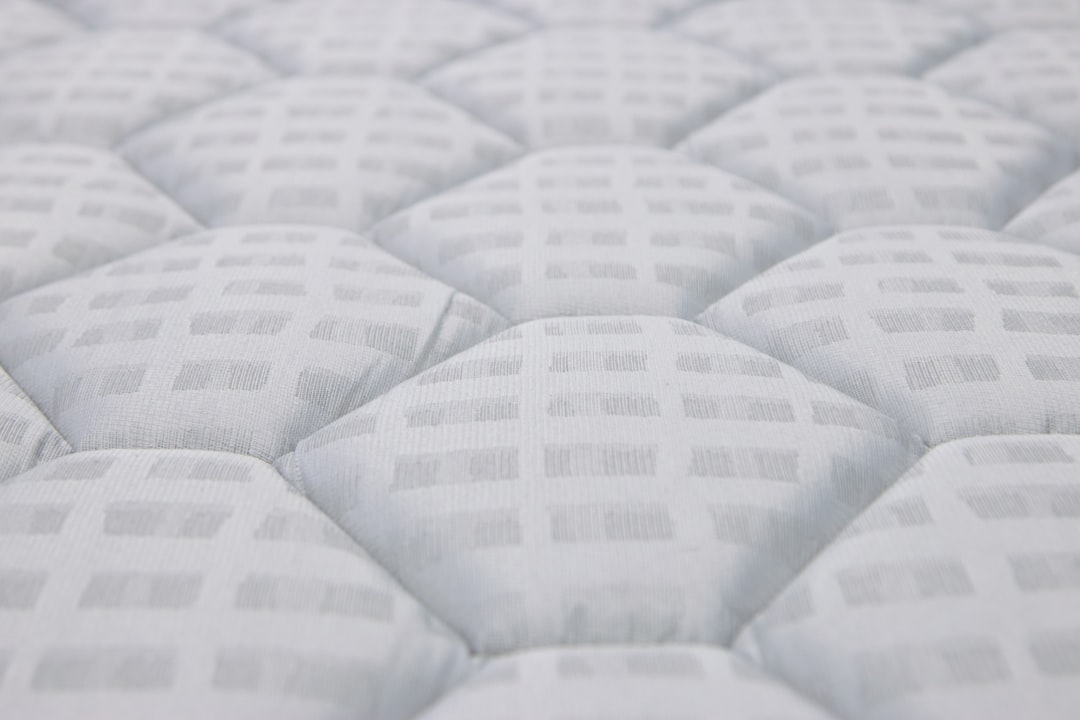
In Singapore’s mattress market, the price tag tells you exactly what you’re getting for motion isolation. Below a thousand dollars, you’ll find mattresses that claim to stop movement, but they’re often built with compromises that show up quickly. The coil count tends to be lower, which means each spring works harder and transfers more vibration. Edge support is minimal, so you’ll feel a noticeable dip when sitting on the side or when your partner shifts near the perimeter. And the cooling top layer—a critical feature for our climate—is usually a thin, basic fabric that doesn’t breathe well, leaving you stuck with a mattress that traps heat alongside the movement.
Stepping up to the $1,500 to $2,400 range changes the game. Here, you genuinely get the components that improve isolation. The coil systems are denser and often individually pocketed, so movement in one zone stays contained. Edge reinforcement becomes substantial, using firmer foam or a reinforced coil border that creates a stable sleeping surface right to the edge. Most importantly for hot sleepers, the cooling technology shifts from a marketing term to a functional layer. You’ll find quality gel-infused memory foam or phase-change materials that actively dissipate heat, paired with truly breathable covers like Tencel or advanced bamboo blends.
The difference isn’t just about feeling less disturbance; it’s about sleep quality over years. A budget mattress might isolate okay initially, but the lower-grade materials compress faster. That loss of support means motion transfer actually increases as the mattress ages. In the mid-tier, the higher coil count and better foams maintain their structure, so the isolation performance lasts. It’s a long-term investment in undisturbed sleep, especially for couples where one person is a restless sleeper or gets up frequently.
If your priority is minimising partner disturbance in a non-air-conditioned room, this is the price band to target. The only real exception is if you’re buying for a guest room that’s used occasionally—then a simpler, lower-cost option might suffice. But for your main bed, where motion isolation and cooling are daily concerns, the mid-range investment delivers what the budget segment simply cannot.
You'll hear the same few questions again and again when you're looking at ventilated coil mattresses in Singapore, because our climate and living spaces push buyers to think about the same practical hurdles. It's not about the marketing terms; it's about whether the thing will actually work in your flat and hold up over the years.
Can a cooling coil mattress keep you cool if your bedroom gets direct afternoon sun? The west-facing wall is a real test, because that heat soak into the room is relentless. A mattress with good airflow underneath helps, but you're fighting the ambient temperature—the air itself is hot. A ventilated coil system can't magically chill the air around you, but it will stop your body heat from building up inside the mattress, which is the main battle.
How does the cooling gel layer hold up against our humidity over five or ten years? The clearest in-house cooling example is memory foam versus hybrid guide Megafurniture's own line, whose mattresses use a breathable knitted Tencel® cover designed for the local climate, often over latex or pocketed-spring layers that keep air moving. Because it's the exclusive in-house brand, you get that cool-sleeping build without the name-brand markup. For a cooling mattress that's well-made and good value, the Somnuz line is a natural starting point.. That gel is usually infused into the foam layers above the coils, and humidity's main attack is on the foams themselves, not the gel. Over time, all foam will slowly lose a bit of its bounce and resilience, especially if the room isn't air-conditioned. The gel's cooling effect is more about its immediate feel; its longevity is tied to the foam's integrity.
Is a pocketed coil system genuinely better for minimising movement if one partner is much heavier? For motion isolation, yes, pocketed coils are the clear choice over a connected Bonnell system. Each coil moves independently, so when one side gets pressure from a heavier sleeper, the other side stays much more stable. That's the engineering answer, but the real exception is if you both actually prefer a bit of that traditional bounce—some couples don't mind the connected feel.
Do I need a specific bed frame to get the full benefit of the ventilated coils? The answer is usually yes, you need a base that allows air to circulate underneath. A solid platform or a storage bed with a sealed base will trap heat. Look for a frame with slats or a mesh panel; that gap lets the coils do their job. The only time you might skip it is if you're using the mattress on a floor directly—but then you've got other problems with dust and moisture.
You’re standing in the showroom, ready to sign off on that cooling coil mattress you’ve been eyeing. Don’t let the excitement cloud the final details. First, revisit the coil gauge and count, but this time with your own weight in mind. A mattress touted for its ‘support’ might feel perfect for a lighter person, but if you’re heavier, those thinner coils could compress too much over time, compromising both comfort and cooling airflow. It’s not just about firmness—it’s about how the structure holds up under your specific body, ensuring the ventilated system stays open and functional.
Next, verify the breathability of every layer, not just the cover. That bamboo or Tencel top feels cool, sure, but what about the foam directly beneath it? Some cooling gels are trapped in dense memory foam that still retains heat. You want to confirm that each comfort layer—from the quilting to the transition foam—is genuinely aerated or uses a breathable material like latex. A mattress can have a cooling cover but a suffocating core, which defeats the whole purpose in our climate.
Then, measure. The depth of these mattresses often increases with added comfort layers and taller coil systems. A plush 35cm mattress might not fit your existing bed frame, especially if you have a low-profile platform or a headboard with a limited recess. Take your frame’s internal height and leave a 2–5cm buffer; you don’t want the mattress sitting proud and looking awkward. A flexible mattress can bend into a lift, but a rigid, oversized one might need a hoist—an extra cost and hassle.
Finally, the showroom test. Lie down for ten minutes, yes, but also simulate real life. Have your partner—or ask a showroom assistant—get in and out of the bed while you’re resting. Feel for the motion transfer across the coils. That’s the moment you’ll experience every night. If the disturbance is minimal and the surface still feels cool and supportive after that movement, you’re good. Skip this step only if you’re buying for a single sleeper; for couples, it’s the last real-world check you need.
A cooling mattress uses specific materials to combat heat retention. These include breathable bamboo or Tencel covers that wick moisture, and gel-infused foams that dissipate body heat. In a climate with 80%+ humidity, these materials help regulate sleep temperature far better than traditional memory foam, which is known to trap warmth and feel uncomfortably hot for many local sleepers.