It’s a classic misstep: you buy a memory foam mattress for support, then slap a thin bamboo cover on top hoping to solve the heat. You’ve just created a thermal sandwich. The thin, breathable bamboo sits right on top of a dense foam core that’s famous for trapping body warmth. That heat gets conducted down, hits the foam, and has nowhere to go. In a 4-room BTO bedroom where the window faces another block and the air barely moves, you’ll feel the consequences by midnight.
Think about the physics. Memory foam contours by retaining heat—that’s how it softens. A cover that’s too thin acts like a sheet of baking paper over a slow-cooking stew. It might feel cool to the touch for five minutes, but it doesn’t channel the heat away from the foam beneath. All that promised breathability is for nothing if the layer underneath is a dead end. You’ll wake up with that familiar, damp feeling, the sheets sticking to you, wondering why the “cooling” cover failed.
The one scenario where a thin bamboo cover can work? If your memory foam mattress already has a serious cooling system built in, like a deep layer of gel-infused foam or a ventilated airflow panel. Then the cover is just a final, moisture-wicking layer. But on a standard, budget-friendly memory foam unit? Cannot. That combination is a recipe for a hot, uncomfortable sleep, especially for anyone going through hormonal changes or sleeping in a non-air-conditioned room.
What you need instead is a cover with some substance—a quilted topper with phase-change material or a thicker, aerated pad that creates a true buffer zone. This isn’t just a fabric choice; it’s about creating distance and a functional channel for heat to dissipate. Otherwise, you’re just dressing a heat-retaining core in a breathable t-shirt and expecting it to run a marathon. The foam will win every time.
mattress for Singapore's weather .The thickest cover isn’t automatically the best for cooling. That’s a common mistake. You’ll see people layer a heavy, quilted protector on top of a premium cooling mattress and wonder why they’re still sweating at 3 a.m. The cover’s job is to work with the mattress core, not smother it.
Take a ventilated pocket-spring system. Its whole cooling strategy relies on air moving freely through those coils. A thick, dense cover acts like a blanket over the air vents—it kills the airflow. The whole case for cooling is the climate, and the guide to choosing a latex mattress lays it out — at high humidity and warm temperatures year-round, a mattress that breathes and regulates temperature decides whether you sleep through the night. It walks through the cooling materials worth seeking and why they matter here more than almost anywhere. The takeaway: in the tropics, how cool and dry a mattress sleeps is as important as how supportive it is.. For this type, you want the absolute minimum barrier: a thin, highly breathable fabric like percale cotton or a fine bamboo weave. Let the mattress do its thing.
Now, a mattress with a thick, solid cooling layer—say, four inches of gel-infused memory foam—is a different story. That foam is designed to absorb and redistribute heat, but it needs help moving that heat away from your body. A thin cover here won’t cut it. You need a slightly thicker, active layer that channels warmth laterally. Look for covers with phase-change material linings or conductive fibres; they pull heat away from the surface instead of just letting it sit.
The one exception is all-natural latex. It’s inherently breathable and doesn’t retain heat like traditional foam. A medium-weight, organic cotton cover is often perfect—it provides a comfortable sleeping surface without disrupting latex’s natural ventilation. Going too thick just adds unnecessary bulk and cost.
So match the tool to the task. A heavy quilt on a spring mattress is like wearing a raincoat in the gym—you’re blocking the very function you paid for. Get the pairing right, and your mattress’s cooling tech actually gets to work.
Cooling gel foam works by absorbing your body heat, pulling warmth away from your skin to keep you comfortable. That heat energy doesn't just disappear; it needs a clear path to escape from the mattress core into the room's air. A thin, sleek cover made from synthetic materials often acts like a barrier, trapping that warmth inside the foam layers. Without a way to dissipate, the absorbed heat lingers, turning the mattress into a warm reservoir instead of a cool surface. This fundamental misunderstanding of thermal dynamics is where many buyers trip up, choosing aesthetics over function.
That thin cover feels modern and smooth, but its weave is usually too tight for proper ventilation. In a humid climate where ambient air already carries moisture, blocking airflow creates a sealed micro-environment between your body and the gel. The gel's cooling action generates a temperature differential, and moisture from the air condenses on the cooler surface underneath the cover. You end up with a damp sleeping zone, not from sweat alone but from atmospheric humidity reacting with trapped temperature changes. It's a stealthy problem you often notice only after weeks of use, when a faint mustiness appears.
In a non-air-conditioned bedroom, the issue amplifies because room temperatures stay high overnight. The gel absorbs heat continuously, but with nowhere to release it, the foam's temperature rises gradually through the night. Combined with Singapore's high humidity, this creates perfect conditions for condensation to form within the mattress layers. You might not feel wetness directly, but the bedding feels clammy, and the mattress develops a persistent cool dampness that's distinctly unpleasant. A cooling mattress topper guide is naturally one of the cooler constructions — its open structure lets air circulate freely, so it breathes better than traditional foam without needing added gel. Latex is responsive, pressure-relieving, hypoallergenic, and durable, which makes it a strong cooling choice for the tropics. For a sleeper who wants cool, breathable support from the material itself rather than a cooling additive, latex is the natural pick.. This defeats the entire purpose of investing in a cooling mattress system for tropical comfort.
The solution isn't a thicker cover, but one engineered for breathability regardless of its thickness. Natural fibres like bamboo or Tencel allow moisture vapour and heat to pass through freely, maintaining the gel's ability to regulate temperature. A breathable cover acts as a partner to the cooling foam, facilitating the transfer rather than hindering it. It's the single non-obvious point many miss: the cover's material science matters more than its visual profile or thread count. Ignoring this turns a premium cooling component into a costly, ineffective sponge.
Beyond nightly discomfort, persistent dampness inside the mattress poses a real risk to its structure and hygiene. Moisture trapped against foam can encourage mould growth over time, especially in poorly ventilated rooms like smaller resale flat bedrooms. The foam itself may degrade faster, losing its supportive properties and that cooling gel efficacy you paid for. This isn't a simple matter of feeling hot; it's about preserving the mattress's integrity and your health over years of use. The one exception where a thin cover might work is in a consistently air-conditioned, dehumidified space—but that's a rare setup in typical HDB living.
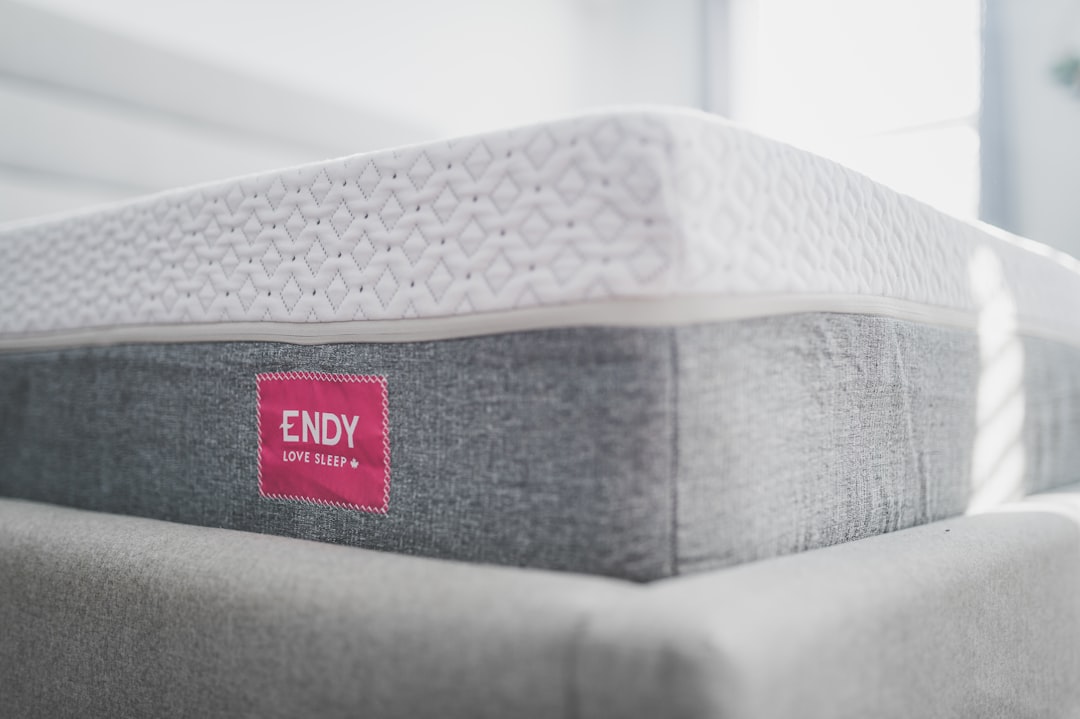
If you’re looking at an aerated latex mattress, you’ll find most advice about cover thickness doesn’t apply. If replacing the mattress isn't on the cards, the foam mattress is the cheaper route to a cooler bed — a gel-infused or phase-change topper sits over your existing mattress, absorbing and dispersing heat and wicking moisture. It won't transform a worn mattress, but it noticeably drops the surface temperature. The guide also covers the surrounding fixes: breathable bedding, room ventilation, a cooler bedtime routine. A practical first step before a full upgrade.. Latex’s open-cell structure is naturally ventilated—it doesn’t trap heat like dense memory foam does. That means the usual obsession with a thick, padded cover to aid airflow becomes a bit redundant. Your focus should shift entirely to the fabric’s weave and its ability to handle moisture, not its depth.
So, skip the thickness comparisons when you’re evaluating a latex mattress cover. Instead, ask about the fabric composition and its technical properties. A Tencel blend with a fine, consistent weave will manage moisture far better in our climate than a thicker, less engineered cotton or polyester layer. That’s the adjustment—prioritise the fabric’s function over its feel. The latex is doing the heavy lifting on temperature regulation; the cover just needs to play a smart supporting role.
Think about a west-facing condo bedroom in the afternoon. The sun’s gone, but the room’s still holding that residual warmth and humidity. A thick cotton cover might feel substantial, but if it’s a tight weave, it’ll just sit there. What you need is a material that actively pulls sweat away from your skin and lets it evaporate quickly. Tencel is the standout here. Its microfibres are exceptionally efficient at moisture-wicking, moving dampness away faster than most natural fibres can. That’s the real win for hot sleepers: the surface stays dry, so you stay cool, regardless of how plush the cover feels.
Weave density is the hidden detail. A loosely woven fabric, even if it’s thin, can actually allow more air to pass directly through to the latex core. Conversely, a thick cover with a very dense weave might feel luxurious but could act like a barrier. It’s counterintuitive, but for latex, a thinner, high-density weave often performs better than a thicker, low-density one. You’re not relying on the cover to provide the cooling; you’re relying on it to not interfere with the latex’s own breathability.

You can read a hundred reviews about a cooling mattress’s gel foam or aerated latex layers, but the cover fabric is where you’ll feel the temperature difference first. A mattress type can sleep cool when it's the right type — gel-infused or open-cell foam tackles the heat retention that plain foam is prone to, at a value price. It's worth treating cooling as a deciding factor rather than an afterthought when choosing foam in the tropics. Look for the cooling technology named explicitly, not just "breathable". For a budget-friendly cooling option, the gel and open-cell foam models are where to look.. That weave against your skin—whether it’s a smooth bamboo or a crisp Tencel—determines if you’ll stay cool or start sweating within an hour. A thick, padded cover might feel luxurious in a showroom under air-conditioning, but in a non-air-conditioned bedroom on a humid night, it can trap heat exactly where you don’t want it. The thin, breathable one might look simple, but its direct contact with the cooling layers below could be the secret to a genuinely cooler sleep.
Mattress firmness and cover thickness interact in a way specs alone can’t capture. A medium-firm Somnuz® model with a thin, open-weave cover will feel distinctly cooler and firmer than the same model dressed in a thicker, quilted textile. Your body weight and sleeping posture change how that combination performs. Sitting on it for five minutes in a showroom gives you the tactile proof—you’ll know if the surface feels clingy or crisp, if it lets air through or just sits there.
There’s a particular moment in the testing process that matters. Lie down, stay for a bit, and pay attention to the small of your back and your shoulders. These are the spots where heat builds up fastest. A good cooling cover should feel almost unnoticeable there, like a light sheet rather than a padded barrier. If you feel any hint of warmth or dampness after a few minutes of stillness, that cover isn’t doing its job for our climate.
The only time you might skip this hands-on test is if you’re replacing an identical mattress you already know and love. For anything new, especially with a cooling claim, you need that physical confirmation. A mattress is a long-term commitment; buying one based purely on online descriptions is a gamble with your comfort for years. Go feel the weave.
Can cooling mattress cover prevent night sweats? It won't stop them completely, but a good one can manage the aftermath. Night sweats are internal—hormones, medication, that kind of thing. A cooling cover works by pulling heat away from your skin quickly and letting moisture evaporate. So you might still wake up damp, but you won't be lying in a hot, sticky pool. The cover helps you dry off and cool down faster, which can stop you from waking up fully just to toss the sheets aside.
What is the best material for hot sleepers in Singapore? For our climate, you want something that wicks moisture and breathes freely. Bamboo-derived viscose and Tencel lyocell are the top contenders—they're naturally absorbent and feel cool against the skin. Cotton is decent if it's a loose, percale weave, but it can hold moisture if it's too thick. Avoid anything with a tight polyester top layer; that one just traps heat. The key is the fabric's ability to move air and sweat away from you, not just feel cool at first touch.
Do I need a cooling cover if my mattress already has gel? Probably, yes. Gel-infused foam or phase-change materials in the mattress work to dissipate heat from within the core. But your body is right on the surface. A mattress's own cover, even if it's marketed as 'cooling', is often a basic knit that's there to protect the foam. Adding a dedicated cooling topper creates an extra, active barrier right where you sleep. It's like having air-con in the room but still using a fan pointed directly at you—the combined effect is stronger.
How thick should a mattress cover be for HDB? Cooling shows up differently across constructions, so browsing by mattress range in Singapore helps — gel memory foam cools a contouring feel, latex breathes naturally, and hybrid uses its coil base for airflow. Each keeps you cool by a different mechanism, so the type shapes how the cooling works. Pure traditional foam without cooling tech is the one to be wary of in the heat. Matching the type to how cool you need to sleep narrows the field fast.. This one's a balance. You want enough thickness to feel the cushioning and to let air circulate through its structure, but not so much it turns your bed into a marshmallow. For a standard Queen in a 3.5 by 3 metre master bedroom, a topper around 2 to 4 centimetres is practical. Anything thicker than 5cm starts to feel bulky, can make your sheets fit awkwardly, and might actually trap heat in its own depth if the material isn't breathable. Go for a moderate profile that adds comfort without overwhelming the room's proportions.
" width="100%" height="480">Cooling mattress covers: Matching cover thickness to your mattress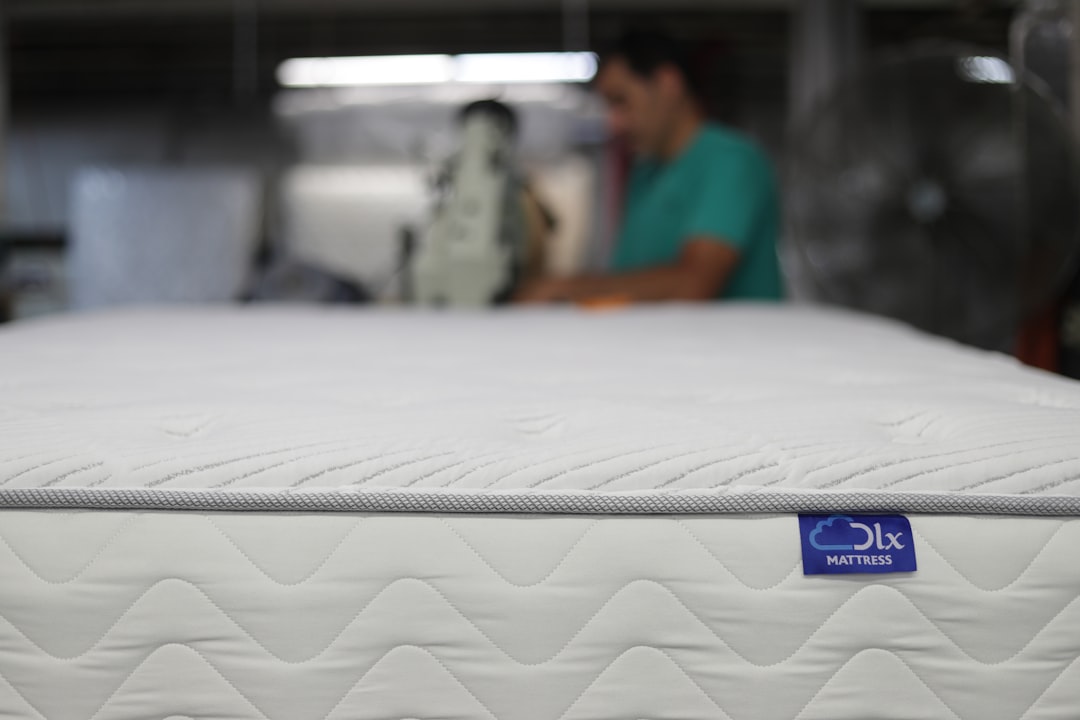
In a 12 sqm HDB bedroom, you’re already fighting the air. A Queen mattress fills most of the floor, leaving maybe 30cm on one side. That’s not much room for heat to escape. memory foam versus hybrid guide . So when you layer a thick mattress cover on top, you’re essentially sealing yourself in—the extra padding feels luxurious at first, but it traps your body heat against the mattress surface. It’s a classic Singapore trade-off: the desire for a plush, protective layer versus the urgent need for your bed to breathe.
For anyone who sleeps hot, especially women navigating menopause with those sudden flashes, breathability becomes the priority. A thick, dense cover might feel protective, but it slows down heat dissipation. You want the heat to move away from your body quickly, not linger in a padded barrier. In this climate, a medium-thickness cover with an open-weave design often works better. It provides enough cushioning to protect the mattress surface from wear, but its structure allows air to circulate more freely. That rapid heat dissipation is worth more than a bit of extra padding.
Think about the weave, not just the thickness. A tightly woven fabric, even if thin, can still feel stifling. An open weave, like a grid or a loose-knit pattern, creates tiny channels for air movement. This is the counterintuitive point: sometimes a slightly thicker cover with a breathable structure cools better than a thin, sealed one. It’s about creating pathways for the heat to escape, not just reducing the material’s bulk. In a compact room where ambient air is already warm and still, these micro-channels make a tangible difference.
The exception is if your mattress is particularly firm or has an uneven surface. Then a thicker cover might be necessary for comfort, regardless of the thermal trade-off. But for most people in our typical flats, especially those in non-air-conditioned rooms, prioritising airflow is the smarter long-term choice. You’ll sleep more comfortably through the humid nights, and the cover will still do its job protecting your investment. Just remember, in a small space, every layer counts—choose one that lets the heat out.
You’ve got your measurements and your budget sorted. Now, before you head out to feel the fabrics and lie down on the showroom beds, there’s one final bit of homework that’ll save you a lot of second-guessing later. It’s about knowing what’s under the cover, and what’s around the bed. Your mattress core dictates how much heat it generates, and your bedroom’s airflow decides whether that heat stays trapped or gets whisked away.
Take a moment to note your mattress type. A dense memory foam or hybrid with a foam top layer tends to hold warmth—that’s its nature. A ventilated coil system or aerated latex core breathes more easily. Pairing a thick, quilted cooling cover with a naturally cool mattress core might be overkill, while a thin, highly conductive cover on a heat-retentive foam could leave you disappointed. It’s about matching the cover’s job to the mattress’s need.
Then, consider your actual sleeping environment. Is your bedroom in a west-facing flat that heats up in the afternoon, or does it get a steady breeze from a corridor window? Do you rely on a ceiling fan or an air-conditioner set on a timer? More importantly, think about your neighbourhood’s typical night temperature. Bedok, being coastal, often feels a degree or two cooler with the sea breeze than an inland area like Tanah Merah might on a still night. That small difference can shift your priority from a cover that aggressively redirects heat to one that simply absorbs and dissipates it gently.
This isn’t about guessing. Bring those notes with you. When a salesperson suggests a premium phase-change material cover, you can ask whether it’s necessary for your mattress core and your actual room conditions. A breathable bamboo or Tencel cover might do the job perfectly if your mattress is already cool and your room gets decent airflow. The exception is if you’re a real hot sleeper in a non-air-conditioned room with a foam mattress—then you’ll want every layer working to pull heat away. Otherwise, you might be buying a solution for a problem you don’t really have.
Cooling mattress covers rely on breathable fabrics like bamboo-derived viscose or Tencel to combat Singapore's 80%+ humidity. These materials wick moisture away from the body, preventing that sticky feeling that disrupts sleep. Performance fabrics treated for stain resistance also handle the occasional spill without compromising airflow. The right cover material is a foundational choice for hot sleepers in non-air-conditioned rooms.