You can feel it an hour into the night. That layer of trapped warmth right at the mattress surface—it’s where the heat starts, not in the air of the room. In a non-air-conditioned bedroom, the ambient temperature might hover around that sticky 28°C mark, but the real problem is what happens beneath you. A dense foam core or a non-breathable cover acts like a lid, sealing your body heat in. It’s a slow cooker situation, and you’re the main ingredient.
Think about the typical 12 sqm HDB common bedroom with just a window for ventilation. The air isn’t moving much, so any heat generated at the sleeping surface just sits there. That’s why a traditional memory foam mattress, loved for its pressure relief, can become a real liability here. The material contours beautifully, but it also insulates. By midnight, you’re not just sleeping in a warm room; you’re sleeping on a warm plate.
The cover fabric is the first line of defence—or the first point of failure. A cheap polyester cover feels slick, but it doesn’t breathe. Your body’s heat passes through the sheets and hits that surface, and with nowhere to go, it bounces back. Bamboo or Tencel weaves are different. They’re inherently more porous, allowing that initial heat to dissipate instead of pooling. It’s a simple principle: if the top layer can’t breathe, everything underneath is fighting a losing battle.
This focus on the surface is why some mattresses feel cool at first touch but grow warmer through the night. A phase-change material in the cover might absorb that initial heat spike, but if the core below is a solid block of foam, the stored warmth eventually works its way back up. You need the entire stack—cover, comfort layers, support core—working together to channel heat away. A ventilated coil system or aerated latex creates air channels that let warmth escape downwards, not just sideways.
So if you’re sleeping without air conditioning, your mattress choice becomes critical. You can’t just rely on a fan moving room air; you need the bed itself to actively manage the microclimate you create. Ignoring that surface layer is like trying to cool a pot by blowing air over the lid while the stove is still on. Turn off the stove first.
Latex foam sleeps cool for a simple reason: it's full of tiny air pockets. These pockets let heat escape naturally, which means you won't feel that trapped warmth that builds up over a long night. It's a bit like sleeping on a sponge that breathes. Compare that to traditional memory foam, which tends to absorb your body heat and hold it close—that's why so many people in Singapore complain about feeling like they're baking after a few hours. The newer cooling gel-infused memory foams try to fix this by adding a layer that pulls heat away, but even then, the base material still has a tendency to insulate. If you're someone who sleeps hot, latex's natural aeration is a clear win.
The surface you sleep on matters just as much. A polyester cover, even if it feels smooth, often acts like a plastic sheet—it doesn't breathe well. Bamboo or Tencel covers, on the other hand, are woven to allow air to pass through. They pull moisture away from your skin and let it evaporate, which keeps the surface temperature down. Think about a humid afternoon where your cotton shirt sticks to you, but a performance fabric stays dry; that's the difference you're looking for in a mattress cover. It's a detail that doesn't get much showroom talk, but it makes a real difference through the monsoon season.
There's one exception to this rule, though. If you're dealing with serious joint pain and need the deep contouring support of memory foam, the warmth trade-off might be worth it. In that case, you'll want to insist on a model with both a cooling gel layer and a highly breathable natural fibre cover to mitigate the heat retention. For most hot sleepers in a non-air-conditioned room, however, the combination of aerated latex and a Tencel top is the straightforward choice. That setup works with the climate instead of fighting it.
A mattress laid flat on a solid platform or floor is basically sealed off. That vital ventilation gap underneath isn't just a nice feature; it's a functional necessity for heat dissipation. In a typical 12 sqm HDB common bedroom, that trapped air becomes a stagnant pocket of humidity and warmth, directly counteracting any cooling technology built into the mattress itself. You might have invested in a gel foam or a breathable Tencel cover, but without that escape route for heat, you're only solving half the problem. The base creates the channel that lets the mattress do its job properly, allowing body heat to move away rather than pool beneath you.
A slatted base, with its spaced wooden or plastic rails, is the classic solution. The gaps between the slats are the key—they shouldn't be too narrow or too wide, offering both support and consistent airflow across the entire mattress surface. A poorly spaced base can create pressure points or allow the mattress to sag, which defeats the cooling benefit by creating uneven contact. Look for a design where the slats are firm enough to hold the mattress shape but open enough to let air circulate freely throughout the night. It's a simple mechanical principle that makes a profound difference in sleep temperature.
An open-frame bedstead, like a metal grid or a design with significant open space in the centre, offers even more aggressive ventilation. These frames often leave a large central area completely exposed, which is excellent for maximising airflow but requires a mattress with sufficient internal structure to prevent sagging into the gap. For a cooling mattress with a sturdy core—like one with a ventilated coil system or high-density aerated latex—this can be the most effective setup. It turns the entire underside of your bed into a heat exchange surface, particularly useful during the year-end monsoon when humidity peaks.
The base material itself matters. Solid timber slats are stable and durable, but ensure they're kiln-dried to resist the warping that humidity can cause. Metal frames won't swell or shift, offering a permanent airflow gap, but they can feel less substantial in a smaller room. The choice isn't just about the bedstead; it's about pairing it with your mattress's construction. A memory foam mattress, even with cooling gels, needs a firm, closely-spaced slat system to prevent it from conforming too much and blocking the gaps. A spring mattress pairs better with a more open grid.
The single case where a solid platform might be acceptable is with a mattress specifically designed for zero-gap use—some ultra-firm, high-density models are built to breathe from the top alone. These are rare, and you'd know it from the product specifications. For nearly every other cooling mattress, from the common bamboo-covered ones to those with phase-change materials, skipping the gap is a mistake. It's a compromise that only makes sense if your room layout is so tight that a bedstead physically cannot fit, a situation more common in a converted study nook than a proper bedroom.
Cooling mattresses combat Singapore's 80%+ humidity with specific materials. Gel-infused memory foam draws heat away from the body, while breathable natural latex promotes air circulation. A removable, machine-washable Tencel cover adds a practical layer for managing moisture and keeping the sleep surface fresh season after season.
A Queen-size cooling mattress, measuring 152x190cm, fits most HDB master bedrooms while allowing for essential airflow. Ensure at least 60cm clearance on one side for easy bed-making and ventilation access. This size also typically navigates standard HDB lift doors, which are the main access constraint at about 90cm wide.
You’ve spent good money on a cooling mattress, but your head is still sinking into a heat trap every night. That pillow is a direct contact point, and if it’s holding warmth, it’s undermining everything you bought the mattress for. Think about it—your face and neck are pressed against it for hours, transferring heat straight into the foam or fibres. A traditional memory foam pillow, for instance, can feel like a warm sponge in our climate, trapping your body’s output and radiating it back.
There’s one exception, though. If you absolutely need the contouring support of a denser memory foam for neck issues, you can’t just swap it for a thin, breathable pillow. In that case, focus on the cover fabric—choose a bamboo or Tencel zip-off casing. It won’t solve the core heat retention of the foam, but it’ll at least give your skin a cooler first touch and improve airflow around the edges.
The right choice isn’t just about comfort; it’s about completing the system. Look for pillows designed to dissipate heat. Cooling gel-infused models work by absorbing and dispersing warmth, while breathable fills like aerated latex or open-cell structures allow air to circulate. Natural options like bamboo or Tencel covers add a layer of moisture-wicking coolness against your skin. They’re not just passive; they actively complement your mattress’s engineering, creating a unified cooling zone from your shoulders to your feet.
For most sleepers here, the clear move is to pair your mattress with a pillow that shares its cooling philosophy. It’s a simple upgrade that makes the whole investment work better. You’ll feel the difference on those humid nights when the room temperature doesn’t drop—your mattress is doing its job, and your pillow isn’t fighting against it.
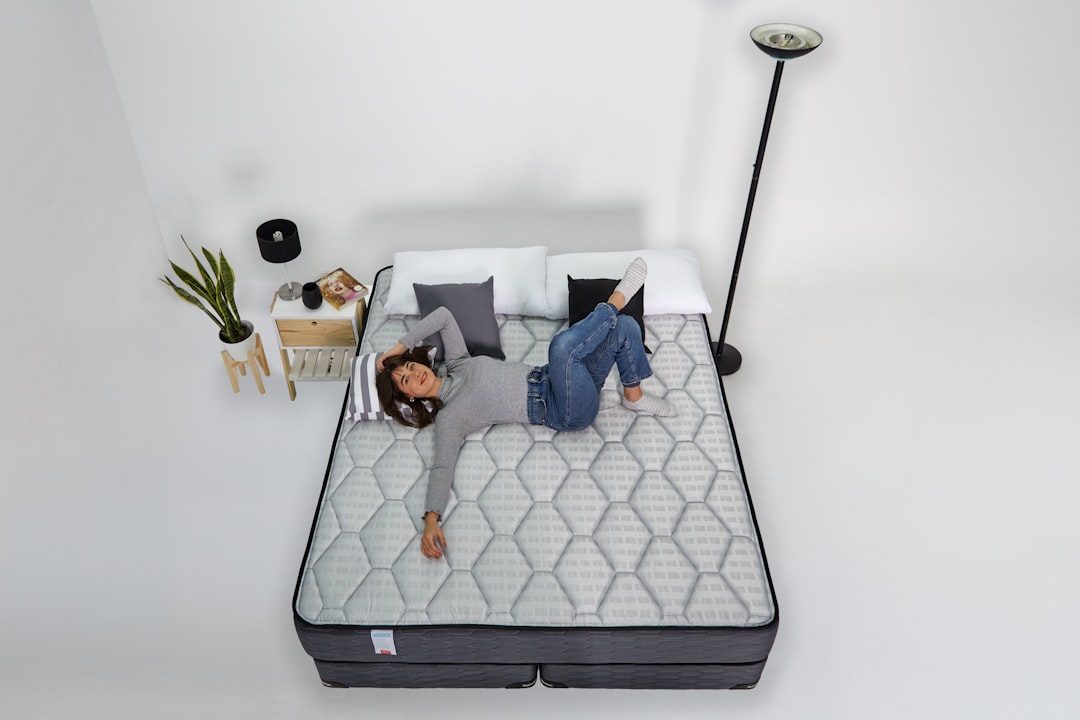

You’re going to spend eight hours a night on it, so you better know how it feels under your own weight. A cooling mattress isn’t just a label—it’s a combination of materials that behave differently when you’re actually lying down. The weave of a bamboo cover, the density of gel-infused foam, the airflow through a ventilated coil system; these things can’t be judged from a product page. They need your body as the test instrument.
That’s the concrete reason to visit a showroom. At the Joo Seng or Tampines locations, you can spend fifteen minutes on each Somnuz® model. Sit squarely in the centre, then lie flat. Pay attention to how quickly the initial cool sensation settles. Some materials dissipate heat quickly but then plateau; others maintain a steady, subtle regulation. Your own body weight and sleeping posture create the real conditions—a 152 by 190cm Queen mattress will feel different to a side sleeper versus someone who sleeps on their back.
Don’t just bounce and move on. Stay put. Let the mattress work against the ambient warmth of the showroom itself, which often mirrors the 28°C-plus of a non-air-conditioned bedroom. Notice if any particular spot—where your shoulders or hips press deepest—begins to feel warmer than the surrounding surface. That’s the heat dissipation in action, or sometimes, its limitation. The difference between a fabric that merely feels cool to the touch and one that actively manages temperature over time is something you can only gauge in person.
There’s one exception, of course. If you’re replacing a mattress in a tight space where delivery access is a known challenge, you might be tempted to skip the trip and order based on dimensions alone. But even then, if you’re prioritising cooling, you’re buying a performance feature. You can’t verify performance from a photo. So unless your doorway clearance is so tight that the mattress choice is purely about logistical survival, the trip is worth it. You’ll know which material truly works for you, and you won’t end up with a mattress that’s just a cooler label on a warmer bed.
Lie flat on a mattress in a showroom and you’ll feel the heat build slowly. But the real test happens after midnight, when your body’s pressure points sink in and trap warmth. The shoulder and hip of a side sleeper become hotspots—that’s where the mattress has to work hardest to pull heat away. A back sleeper spreads their weight more evenly, so the cooling needs to be consistent across the whole surface, not just concentrated in zones.
It’s a simple idea, but one that gets missed when you’re just looking at material labels. A cooling gel layer might feel chilly at first touch, but if it’s buried under a thick comfort foam that doesn’t breathe, your hip will still cook. The key is matching the airflow or phase-change material to where your body actually presses down. For side sleepers, that means the mattress should have better ventilation or a more active cooling layer right under those shoulder and hip contact zones. Some designs even use different foam densities or channel patterns in those areas to manage it.
Back sleepers can get away with a more uniform construction, but they still need the whole sleeping surface to be genuinely breathable. A mattress that’s cool at the edges but warm in the centre won’t help—you’ll just feel that heat pooling around your torso. Look for designs that use aerated latex or ventilated coil systems throughout, not just in patches. The goal is even dissipation, not spot cooling.
The exception? Combination sleepers who shift positions through the night. For them, a mattress with both targeted shoulder/hip zones and overall breathability is the safest bet. Otherwise, you might end up with a bed that cools one position but leaves you sweating in another. It’s worth spending a few extra minutes in the showroom not just lying down, but thinking about where you actually rest your weight. That’s how you find a mattress that works with your sleep, not against it.
Even the best cooling mattress can't fight the humidity alone. You'll feel that around midnight, when the air outside settles and the moisture creeps in. It's that sticky layer on your skin, that slight dampness on the sheet—the mattress itself might stay cool, but you're sleeping in a warm, wet blanket. That's the silent contribution: your own body heat trapped under a layer of humid air.
A moisture-wicking cover is the missing piece. Think of it as your mattress's raincoat. The cooling materials inside are doing their job, pulling heat away from your core, but they're working against an atmosphere that's often around 80% humidity. A good cover actively pulls sweat and vapour away from your skin and lets it evaporate. It's not just about a dry mattress; it's about keeping your immediate sleep environment dry.
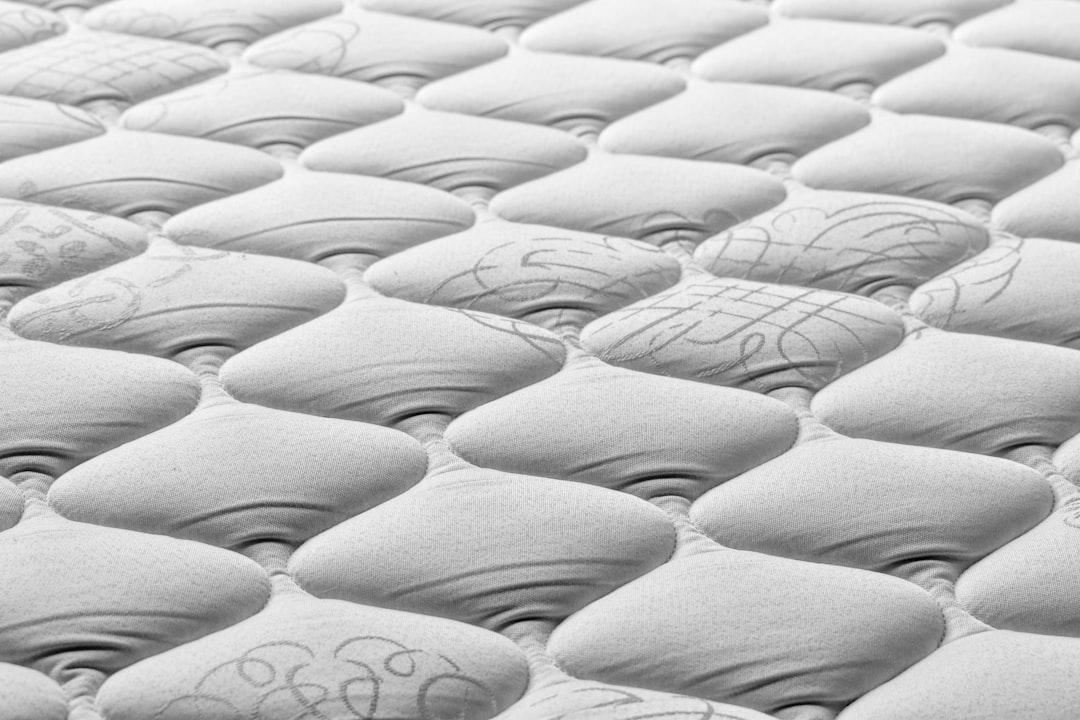
You want a cover that breathes. Bamboo or Tencel are good choices—they're naturally breathable and handle moisture well. But the weave matters more than the material sometimes. A tight, quilted polyester cover might feel soft, but it'll just hold that dampness against you. Look for something with a loose, airy weave that lets the mattress's own ventilation work. If your mattress has aerated latex or ventilated coils, a dense cover will block all that airflow.
The only time I'd skip it is if you're already sleeping in a fully air-conditioned room where the humidity is mechanically controlled. For most of us in non-air-conditioned bedrooms, or even those using the AC sparingly, that nighttime moisture is a real factor. You've bought a mattress to manage temperature; a wicking cover manages the humidity. It's a simple add-on, but it closes the loop.
Does a cooling mattress work without aircon? Yes, but you’ll feel the difference. Cooling mattresses are engineered to dissipate your body heat, not cool the room. In a non-air-conditioned bedroom, they’ll still pull heat away from you more effectively than a standard mattress, which means you won’t feel that trapped, overheated sensation. However, when the ambient air itself is warm and humid, the mattress can’t magically lower the temperature—you’re still sleeping in a warm room. The effect is more about personal comfort than environmental cooling.
Is latex cooler than memory foam? Generally, yes. Traditional memory foam tends to absorb and retain your body heat, which is why many find it too warm for our climate. Natural latex, especially the aerated varieties, has a more open structure that allows air to circulate freely. It’s inherently more breathable. Some advanced memory foams now incorporate cooling gels or phase-change materials to compete, but for pure airflow and a less dense feel, latex often wins out.
How long do cooling gels last? This is a tricky one. The cooling gels or phase-change materials embedded in foam aren’t a permanent feature—they can degrade over time. Many manufacturers claim a lifespan of five to eight years, but that’s under ideal conditions. In a humid environment with regular use, the effectiveness can diminish earlier. You won’t suddenly wake up hot one night; it’s a gradual decline. If longevity is your main concern, you might lean towards mattresses that rely on structural cooling, like ventilated coil systems or breathable natural material covers, which don’t have components that can wear out.
Can I put a cooling mattress on any bed frame? You can, but the frame matters. A solid platform base or a bed with a tightly slatted foundation won’t allow much airflow underneath the mattress. That trapped heat then has nowhere to go. For the cooling features to work optimally, you need a frame with widely spaced slats or, better yet, a mesh or grid-style base that promotes ventilation from below. If you’re using an existing bed, check the gaps between the slats—if they’re less than a few centimetres apart, you’re partially blocking the mattress’s ability to breathe.
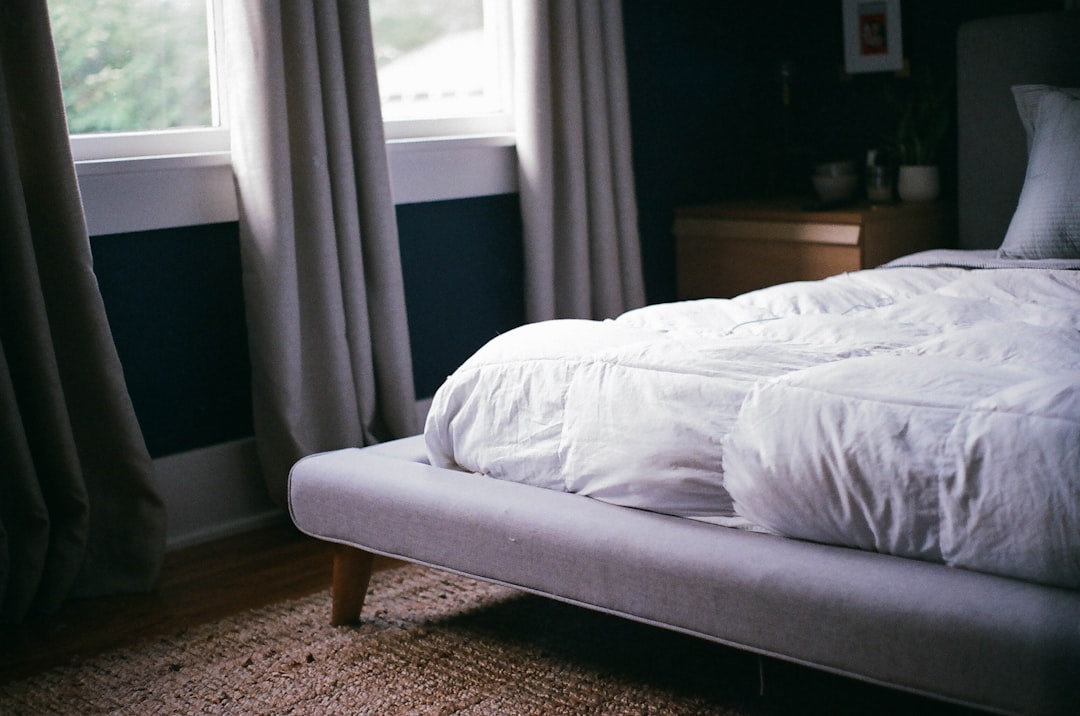
The afternoon sun in a west-facing bedroom turns a mattress test into a real-world simulation. It's not just about the material; it's about how that material behaves when your room is a heat trap after three o'clock. Before you head to a showroom, take a quick note of which wall gets the direct glare—that’s the side your bed will likely be against, and it adds a constant, radiant heat load that even the best cooling mattress has to fight against. If your room faces east, you’ll get the morning warmth instead, but for many flats, the late-day sun is the real challenge.
Next, confirm your bed frame type. A solid platform base with minimal ventilation underneath is different from a sprung slat system that allows air to circulate. If you're using a storage bed with a lift-up base, remember that the sealed cavity can trap warmth, especially if it’s packed with winter blankets you never use. That mattress needs to work harder to dissipate heat downwards. For the best airflow, a simple frame with open slats is ideal, but if you need the storage—and in a 4-room BTO, you often do—then your mattress choice should lean towards the most breathable options, like aerated latex or a ventilated coil system.
Finally, and this is crucial for many, note your personal heat triggers. If you experience night sweats or menopause flushes, a standard 'cooling' test—lying still for a few minutes in a showroom—won't cut it. You need to simulate the spike. When you test, press your hands firmly into the mattress for a minute to generate local heat, or ask to lie on a section that’s been warmed by a showroom lamp. Feel if the phase-change materials or gel infusions actually draw that warmth away quickly, or if the heat just lingers in the top layer. Bamboo covers feel cool initially, but their real test is breathability over time.
The exception here is if your room is shaded and you sleep cool naturally; then you can prioritise other factors like support. But for the majority facing Singapore's ambient 28°C nights and personal heat surges, these three checks turn a subjective feel into a practical verdict. You’ll know which mattress truly regulates temperature under your specific conditions, not just in a controlled showroom environment.