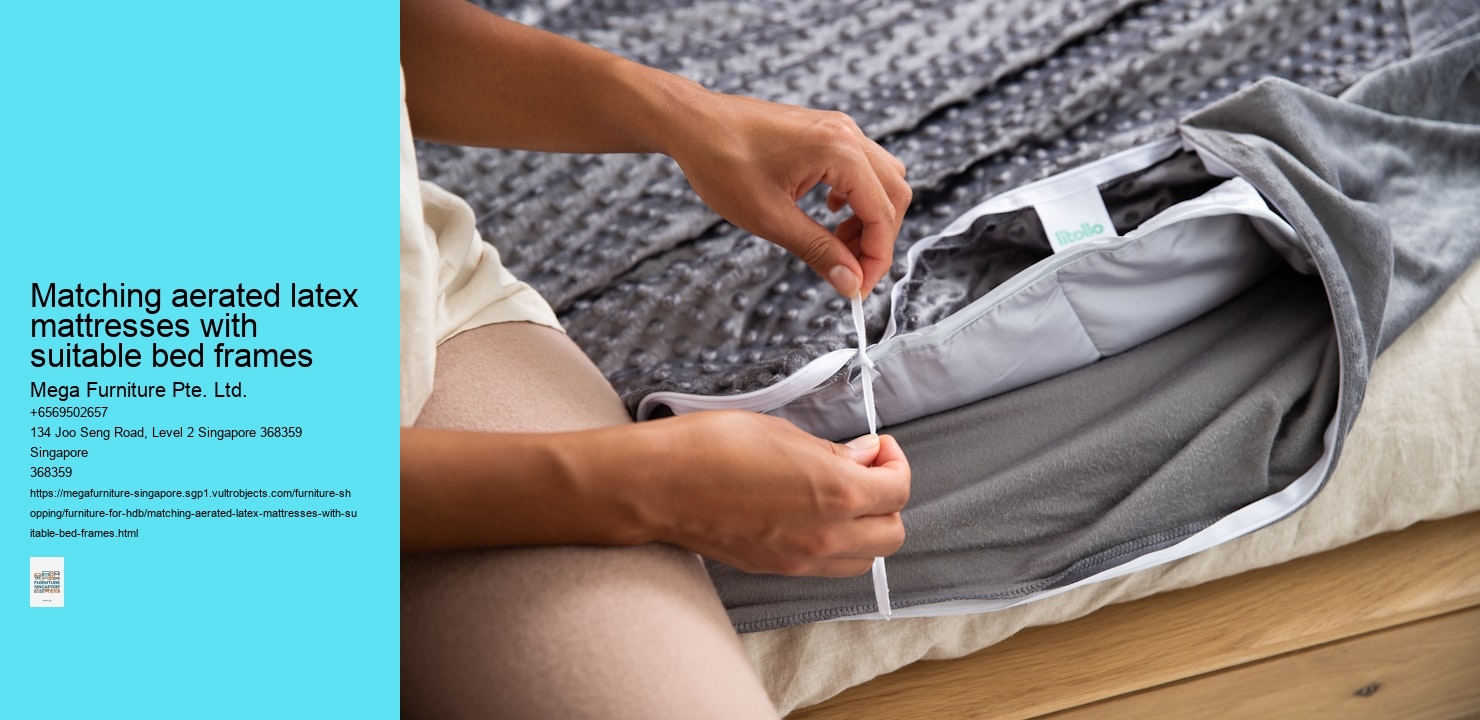
It’s a common enough scene in our 4-room flats: the blanket gets kicked off by two in the morning, and the sheet feels damp by four. You wake up feeling like you’ve been slow-roasting, not sleeping. That memory foam mattress you bought, the one that felt so supportive in the air-conditioned showroom, becomes a heat trap in a bedroom that’s easily 30 degrees by dawn. The material is dense, engineered to contour and cradle, but that same structure holds onto your body heat like a thermal blanket. In a west-facing room that’s absorbed an afternoon of sun, the problem is magnified—the foam doesn’t just retain your heat, it amplifies the ambient warmth.
The physics is straightforward. Memory foam’s closed-cell design is brilliant for pressure relief, but terrible for airflow. Your body heat gets trapped in those tiny pockets with nowhere to go. Over a long, still tropical night, that heat builds up steadily. Contrast that with aerated latex, which is processed to have an open-cell, honeycomb structure. This isn’t just a marketing term; it creates thousands of tiny channels for air to circulate. Heat doesn’t accumulate in one spot—it dissipates.
For anyone who’s tried sleeping without the air-con on to save a bit, you know the feeling. The humidity seems to cling to the surface of a memory foam mattress, making that sticky sensation worse. An aerated latex core, by its very nature, breathes. It allows the warm, moist air from your body to pass through instead of pooling around you. It’s a fundamental difference in material science, not just a surface treatment.
So if you’re that sleeper who’s constantly flipping the pillow for the cool side, the issue might not be your fan setting or your pyjamas. It’s likely the mattress itself, working against Singapore’s climate. latex mattress . The one exception? If your bedroom is perpetually chilled like a server room, then memory foam’s thermal properties might not bother you. But for the rest of us in typical BTO layouts, where the master bedroom can feel like an oven by midnight, choosing a mattress that fights the heat isn’t a luxury—it’s essential for a proper night’s rest.
A mattress that’s too soft for your spine often feels just as suffocating as it is unsupportive. This is the tricky part with aerated latex—the very firmness that gives you proper alignment also dictates how much air actually moves through those open channels. Go too plush, and you sink in enough to partially block the ventilation pathways, turning what should be a cooling mattress into a warm pocket. It’s not just about the foam being breathable; it’s about your body position letting the breathability work.
For our climate, especially in those non-air-conditioned bedrooms where the night air barely moves, a medium-firm to firm grade is almost always the smarter pick. You’ll get the postural support that prevents morning aches, and crucially, you’ll rest *on* the mattress rather than *in* it. That slight elevation above the surface keeps those air channels open, allowing whatever breeze from the window or fan to circulate and carry heat away. A soft mattress might promise cloud-like comfort, but in a 4-room BTO facing the afternoon sun, it’s a recipe for a sticky, restless night.
There’s one clear exception, though. Strict side sleepers, particularly those with sharper hip and shoulder points, might find a firm latex surface creates uncomfortable pressure. For them, a medium feel can be necessary for relief. The compromise? Don’t just default to a generic medium. Look for a model that uses a firmer core with a softer comfort layer on top—this combination provides the pressure relief where you need it while maintaining a supportive, airflow-friendly base. The goal is to cushion the body without letting it fully envelop the foam.
Ultimately, you’re balancing two different needs: structural support for your back and an open structure for the heat to escape. In Singapore’s humidity, the latter is non-negotiable. So while a plush mattress might feel luxurious for five minutes in a showroom, the firmness that keeps your spine straight will also be the one that lets you sleep cool until morning. That’s the trade-off, and for most people sweating it out in our tropical nights, the choice is clear.
Aerated latex isn't one standard weight—it's a spectrum based on how dense the foam core is. A high-density, firmer cooling mattress can easily push past 50 kilos for a Queen size, while a lighter, softer model might be ten to fifteen kilos less. That extra heft translates to better support and longevity, but it also demands a frame that won't buckle under the constant load. You can't just assume your existing bed base is up to the task, especially if it's a few years old and made from lighter materials. Always check the mattress specifications for its exact weight, then cross-reference that with your frame's stated capacity.
A foam mattress is naturally one of the cooler constructions — its open structure lets air circulate freely, so it breathes better than traditional foam without needing added gel. Latex is responsive, pressure-relieving, hypoallergenic, and durable, which makes it a strong cooling choice for the tropics. For a sleeper who wants cool, breathable support from the material itself rather than a cooling additive, latex is the natural pick..Platform beds are a favourite for HDB bedrooms because they're sleek and often include storage, but their slat systems vary wildly in robustness. A flimsy particleboard base with thin, widely-spaced slats will sag under a heavy latex mattress, compromising support and voiding warranties. Look for solid timber or thick plywood slats, closely spaced no more than a hand's width apart, and a central support leg running the length of the frame. This kind of construction distributes the weight properly and prevents that unsettling middle dip that ruins a good night's sleep. A sturdy frame is a non-negotiable investment if you're opting for a premium, dense cooling mattress.
Manufacturers publish a maximum load capacity for their bed frames, a figure that includes the combined weight of the mattress and the sleepers. For a typical Queen-size aerated latex mattress and two adults, you're looking at a total that can approach or exceed 250 kilos. Many basic frames top out at around 200 kilos, which is a recipe for premature failure. Don't just glance at the brochure; scrutinise the technical specs sheet or ask the showroom staff directly for the exact kilogram limit. It's a boring detail, but ignoring it means you might be shopping for a new frame again in a couple of years.
You really need to feel the combined heft of a mattress-and-frame set to judge its stability. Head to a showroom near an MRT station—the convenience means you can go without the car and take your time. Sit firmly on the edge of the displayed bed and listen for creaks; lie down and have a partner move around to check for excessive flex or wobble. This hands-on test reveals more about joint quality and material strength than any online description ever could. It's the only way to be sure the bed feels solid and steady, not just looks good in your 4-room BTO master bedroom.
For the substantial weight of a proper cooling latex mattress, a low-profile platform bed with integrated support is almost always the right call. The solid, flat surface provides uniform bearing, eliminating the need for a box spring that just adds height and cost. The single exception is if you're using an existing, high-quality divan base with a firm, intact top—that can work, but inspect it thoroughly for any signs of wear or softness first. Otherwise, a new platform designed for heavy loads is the straightforward, foolproof solution that guarantees your investment is properly cradled for the long haul.
A Queen-size mattress resting on a solid platform base can trap a surprising amount of heat, turning your cooling investment into a warm slab by midnight. That sleek, low-profile look comes with a hidden cost—those solid panels or tightly upholstered sides block the very airflow a breathable latex core needs to work. You might as well be sleeping on a sheet of plywood.
Divans aren't much better, honestly. The fabric-covered box might seem breathable, but it's often a dense, tightly woven material stretched over a solid timber or MDF frame. It creates a sealed chamber underneath, a perfect pocket for warm, stagnant air to gather. In a non-air-conditioned room during our year-end monsoon, that's a recipe for a damp, sweaty mattress base.
There's one exception where a platform base might still make sense: if you're absolutely set on that minimalist aesthetic for a small common bedroom and you run the air-con all night anyway. But for most of us, especially in a west-facing flat or during a hot spell, prioritising ventilation is non-negotiable. The difference isn't subtle; you'll feel it the first humid night you try to sleep.
The clear winner for heat dissipation is a bed frame with a slatted or mesh-support base. Wide-spaced wooden slats or a taut, ventilated mesh panel allow air to circulate freely around the entire mattress. This isn't just a minor perk—it's the system that lets the latex do its job, channelling away body heat instead of letting it pool beneath you. Think of it as giving your mattress room to breathe.
So, when you're looking at frames, lift that mattress sample in the showroom and check what's underneath. A solid panel is a red flag for a hot sleeper. Go for the slats. Your cooling mattress is an engineered system, and the foundation you choose is a critical part of the circuit—block the airflow and the whole thing underperforms.
If replacing the mattress isn't on the cards, the Somnuz is the cheaper route to a cooler bed — a gel-infused or phase-change topper sits over your existing mattress, absorbing and dispersing heat and wicking moisture. It won't transform a worn mattress, but it noticeably drops the surface temperature. The guide also covers the surrounding fixes: breathable bedding, room ventilation, a cooler bedtime routine. A practical first step before a full upgrade.. " width="100%" height="480">Matching aerated latex mattresses with suitable bed frames
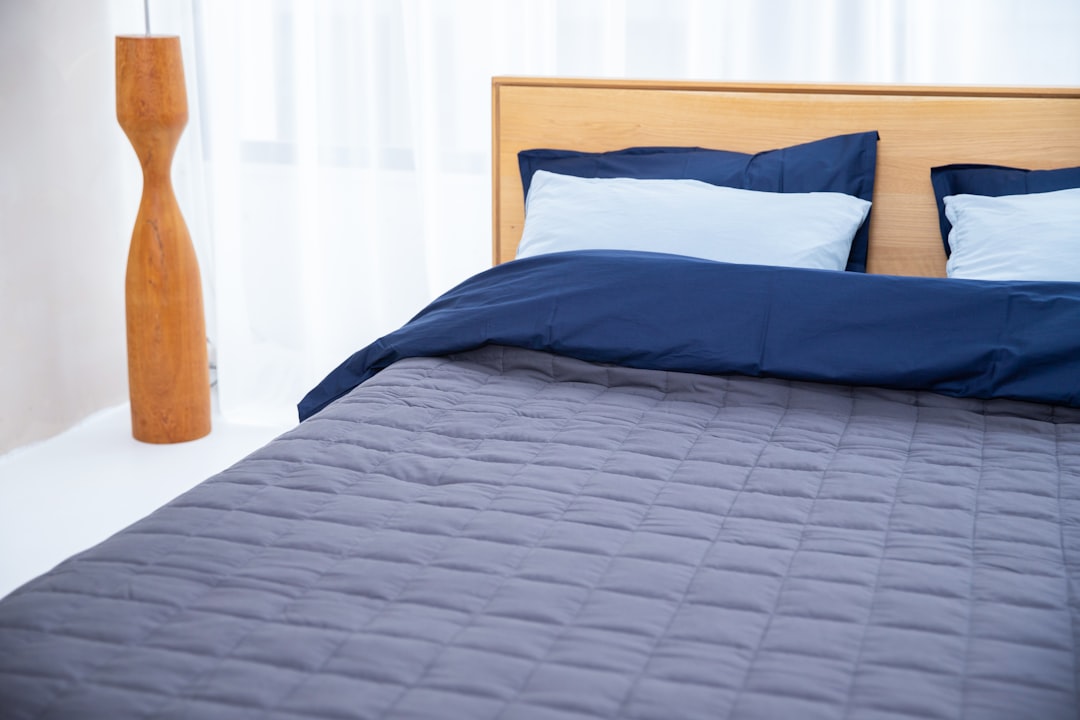

That three-generation flat in Toa Payoh, the one where the aircon is only for the master bedroom at night—the common rooms get the full brunt of our humidity. In there, a bed frame isn’t just about looks; it’s a material test that runs for years. You want something that won’t start creaking when your elderly parents shift in their sleep, and something that definitely won’t develop a fuzzy white coat in the corners.
Plywood and rubberwood frames are common choices because they’re affordable and stable. The kiln-dried ones are better, they resist warping. But even the good ones, in a non-aircon room facing the monsoon season year after year, will tell you a story. The joints might get a little stiff, a slight groan can develop. It’s not a deal-breaker, but it’s the reality of wood in a climate where the air itself holds weight. Particleboard or MDF, though—those are the ones to avoid completely. They’ll absorb that moisture, swell at the edges, and soften until the screw holes don’t hold anymore.
Then you’ve got metal. For pure, uncomplicated resistance to mould and humidity, metal frames are steady. They won’t warp, they won’t squeak from moisture, and they’re a solid, silent partner for that aerated latex mattress you’re considering. The trade-off is feel. A plain metal frame can feel stark and industrial in a bedroom meant for rest, and in a room that’s already warm, the touch of cool metal isn’t always the comforting kind. It’s a functional win that sometimes needs softening—a bed skirt, or a platform design that tucks the metal away.
So here’s the take: for a bed that needs to be a rock of stability in a humid common room, especially with family members who need a quiet night, lean towards a well-made kiln-dried plywood or rubberwood frame, or go straight to metal. A mattress range in Singapore can sleep cool when it's the right type — gel-infused or open-cell foam tackles the heat retention that plain foam is prone to, at a value price. It's worth treating cooling as a deciding factor rather than an afterthought when choosing foam in the tropics. Look for the cooling technology named explicitly, not just "breathable". For a budget-friendly cooling option, the gel and open-cell foam models are where to look.. The single exception is if the aesthetic chill of metal is a deal-breaker for the room’s feel; then your wood choice just needs to be a quality one, and you accept it’ll need a bit more attention over the long haul. Just remember, the mattress might breathe, but the frame has to endure.
You can read all the specs you want about cooling mattresses, but the proof is in the lying down. That’s why a trip to the Joo Seng or Tampines showroom makes sense for anyone serious about beating the heat. On paper, a mattress might promise breathability, but you need to feel how that aerated latex core actually sits on different frames. A slatted base offers one kind of airflow, while a solid platform bed might trap warmth if the mattress doesn’t have a gap.
Take your time in the showroom. Don’t just press the mattress with your hand—lie on it for a good ten minutes, exactly as you would at home. You’re testing for that initial cool feel, sure, but also whether it stays that way. Check the gap between the mattress and the bed base; a proper airflow channel can be the difference between a mattress that breathes and one that just bakes. This is where you’ll see if a King in your 4-room BTO master bedroom still leaves enough room for that crucial side clearance.
The fabric cover matters more than you think. The Tencel covers on the cooling range have a specific, smooth weave that feels cool to the touch immediately. Run your hand over it, then compare it to a standard cotton blend. That difference is what you’ll feel every night against your skin. It’s a detail you can’t appreciate from a product photo.
Firmness is another showroom test. You might think you want a firm mattress, but paired with a rigid frame, it could feel too hard. Try the same firmness grade on a frame with a little more give. The combination is everything. The only time I’d skip this hands-on step is if you’re replacing an identical setup; otherwise, you’re just guessing. memory foam versus hybrid guide . Get the pairing wrong, and even the best aerated latex won’t save you from a warm, uncomfortable sleep.
You’ve probably typed these into Google at 2 a.m. while lying on a mattress that feels like a heated blanket. Let’s settle them.
Can aerated latex mattress go on a storage bed? Absolutely can. The key is the slats. You want a solid, flat surface or slats spaced no more than a few centimetres apart. Those wide-gap slats on some budget frames will let the latex sag between them over time, defeating its support. A good storage bed with a sturdy, close-set foundation is a perfect match for a HDB flat where every square foot counts.
Will it sag in humidity? Latex is naturally resistant. It’s not like memory foam that can soften and hold heat. The aerated kind is even better—those tiny holes aren’t just for cooling, they help it breathe so moisture doesn’t get trapped. In our 80%-plus humidity, that’s the main defence. Just don’t seal it in plastic; let the mattress breathe.
Latex vs gel foam for heat? For a hot sleeper, latex wins. Gel foam tries to absorb and redistribute heat, but in a non-air-con room that’s a losing battle once the material itself warms up. Aerated latex works by letting air move through it, constantly dissipating your body heat. It’s active cooling versus passive absorption.
Which frame best for cooling in HDB room? Skip the solid platform. Go for a frame with legs—the higher the better—to maximise airflow underneath the mattress. In a typical 12 sqm common bedroom, every bit of ventilation helps. A low-profile storage bed with drawers is tempting for organisation, but that sealed base traps warm air. If you must have storage, prioritise a lift-up model with a slatted base over a solid box frame.
Aerated latex cooling mattresses are engineered with open-cell structures to promote airflow. This design actively dissipates body heat instead of trapping it, a key difference from traditional memory foam. The natural ventilation within the material helps regulate sleep temperature throughout the night, making it a suitable choice for Singapore's warm climate.
A Queen-size aerated latex mattress, measuring 152cm by 190cm, fits most HDB and BTO master bedroom layouts. It's crucial to leave about 60cm of clearance on the exit side for comfortable movement. This standard size ensures the cooling mattress integrates smoothly into typical Singapore home dimensions without dominating the room.
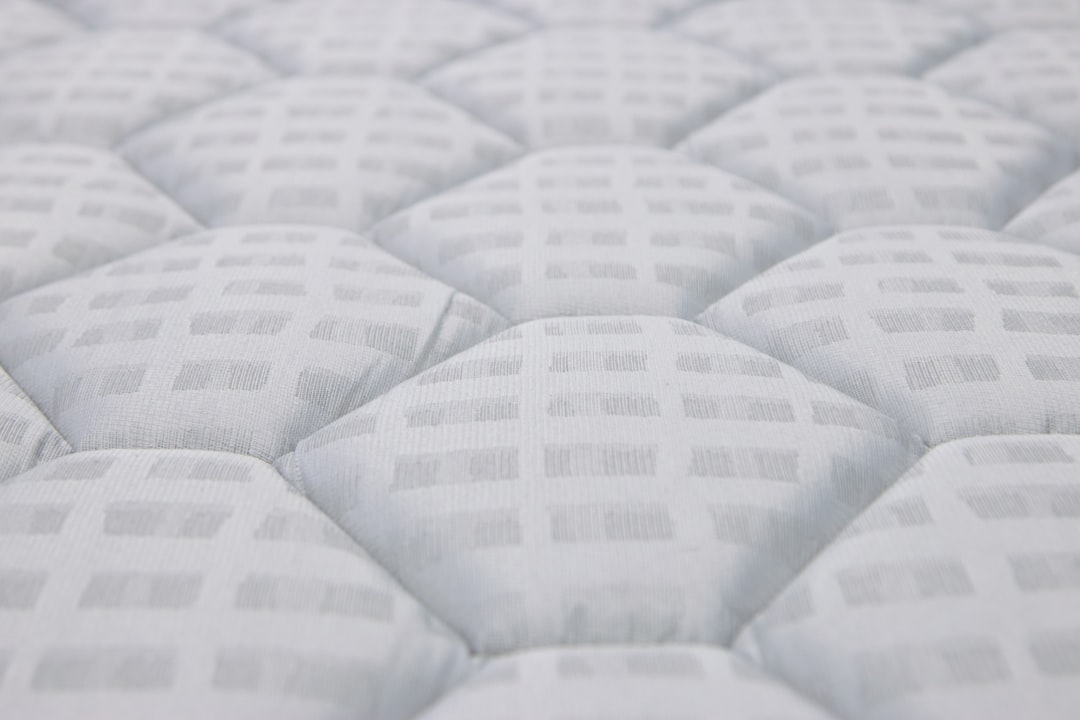
The most expensive mattress you'll ever buy is the one that won't fit through your door. Aerated latex is a heavy material—a Queen can weigh a solid 40 to 50 kilograms—and that weight isn't just a delivery challenge. It's a load rating you must match to your existing bed frame, especially if you're swapping out a lighter foam mattress for a premium latex one. An older timber slat base might creak and sag under the new constant weight, turning your cooling investment into a sagging, noisy problem. Check the manufacturer's load specs for your frame; if it's vague or meant for a lighter mattress, consider that a strong signal to upgrade the foundation too.
Now, measure your bedroom's ceiling height. That high, airy bed frame you admired online needs space above it, not just for aesthetics but for changing sheets and sitting up. In many HDB resale flats, ceilings can be lower than in newer BTOs, and a tall bed frame with a 30cm mattress on top might leave you feeling hemmed in. Leave at least a 30cm buffer from the top of the mattress to the ceiling for a comfortable feel.
The real bottleneck, though, is almost never the bedroom itself. It's the journey there. Older blocks in neighbourhoods like Eunos or Bedok often have lift doors around 80cm wide—sometimes less after you account for the metal frame. Your mattress, being flexible, can usually be bent and coaxed through. The rigid bed frame cannot. Measure your lift opening, the corridor's tightest turn, and your internal bedroom door. A standard Queen mattress at 152cm wide is flexible; a Queen-sized solid wood headboard at that same width is an immovable object. That extra five centimetres of clearance you think you have will vanish against the door skirting.
So grab your tape measure. Note down the three numbers: room dimensions for the bed's footprint, ceiling height for its presence, and every single doorway width for its possibility. Only then should you head to the showroom, because knowing what can physically enter your home is the first, non-negotiable step to a cooler night's sleep.