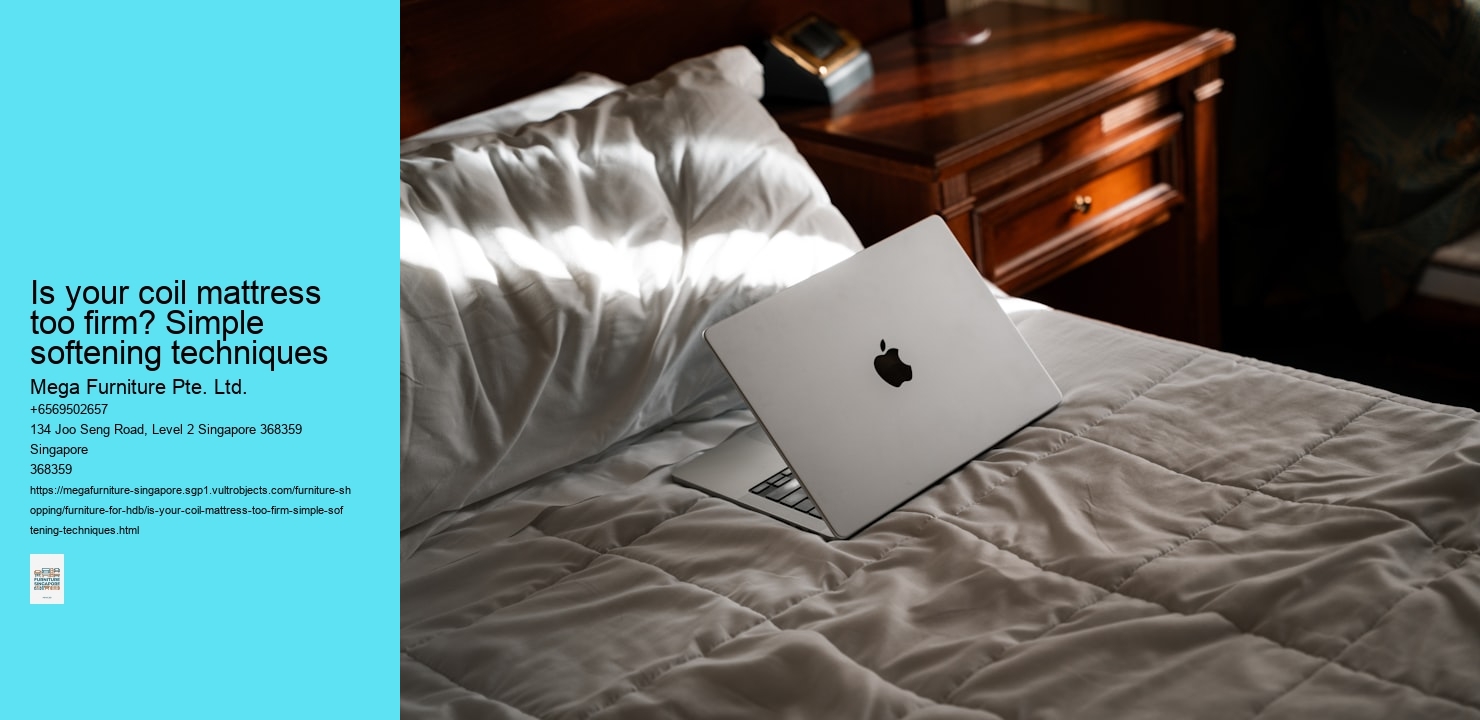
The delivery guys have left, the cardboard is folded away, and you’re standing in your twelve-square-metre master bedroom looking at your new mattress. It’s a Queen, 152 by 190 centimetres, and it fills the space perfectly. You’ve chosen a coil system for its reputation of support and durability, a sensible decision for a long-term investment. The air feels thick, already touching twenty-eight degrees even before sunset, and you’re anticipating a better night’s sleep after weeks of research. That first lie-down is the moment everything changes.
Instead of sinking into a comfortable cradle, your shoulders and hips meet an unyielding surface. The coils are packed tight, the padding thin, and the overall feel is something closer to a slab than a bed. You shift, trying to find a spot that doesn’t press directly into a bone. There’s no contouring, no relief—just a flat, firm plane that leaves your pressure points aching after mere minutes. The disappointment is physical and immediate; you’ve spent good money on something that feels wrong from the very first contact.
Then the heat joins the discomfort. Your body, unable to settle, starts working harder. You generate warmth trying to find a comfortable position, and that warmth gets trapped. The traditional coil system, without any dedicated airflow channels, just holds it there against your back. It’s a double punishment: stiffness from below and a growing humidity from above. In a non-air-conditioned room, this combination turns rest into a battle. You’ll spend the night flipping from side to side, each movement a minor rebellion against the mattress’s concrete-like stance.
For most hot sleepers in our climate, this experience is a clear sign the mattress isn’t working. The support might be technically correct, but the sleep surface is hostile. The only real exception is for someone with a very specific medical requirement for extreme firmness, where pressure relief is secondary to spinal alignment. Even then, the heat issue remains a serious compromise. For the vast majority, that first night of disappointment is a reliable indicator. You bought a bed for comfort and cool rest, and it delivered neither. That’s not a minor adjustment issue—it’s a fundamental mismatch.
You walk into a showroom, the air-con is blasting. You lie down on a mattress for maybe five minutes, press your hand into it, and think, "This one feels solid, it'll last." That's the classic Singapore test, and it's misleading. A firm mattress in a cool space feels supportive, but that's a snapshot of a single moment, not a whole night in your actual bedroom. Your flat in Bedok or Tampines isn't a showroom—it's a real space where the ambient temperature climbs, especially during those humid months when the breeze just stops. A mattress that feels right under strong air-con can become a heat trap when you're lying on it for eight hours.
The local assumption is straightforward: hard equals good back support. It's a belief that discounts sleep temperature entirely. You'll sink into a firm bed, your body heat builds up with less airflow, and suddenly you're tossing and turning not from discomfort in your spine, but from sheer warmth. A ventilated coil system, or a mattress designed with breathable materials, addresses that. It's about letting heat dissipate so the support you felt in the showroom remains the support you get at home. Without that, you've bought a product for a climate it wasn't designed for.
Testing in a real-night condition means considering how the mattress performs when it's warm. A showroom test can't replicate the slow buildup of heat over hours, or the way a non-breathable cover might feel against your skin after midnight. It's why a quick lie-down often leads to a mismatch—you're judging one attribute, firmness, under conditions that hide its biggest flaw for Singapore. The mattress might be quality in terms of construction, but if it doesn't manage temperature, it's not quality for your sleep.
There's an exception, of course. If your bedroom is air-conditioned throughout the night, and you keep it cool, then temperature regulation becomes a secondary concern. But for the majority in flats without that, or for those who prefer a natural breeze, the firmness test alone is a gamble. You're buying for the wrong environment. Look past the initial feel and ask what happens after the lights go out.
Adding a cheap memory foam topper to a ventilated coil mattress is a classic misstep. You think you’re softening the surface, but you’re actually sealing off its primary cooling feature. Those open coils are designed to let air circulate freely underneath you, a crucial advantage in our humid climate. By slapping a dense foam layer on top, you block that airflow completely. The result isn’t just a softer bed—it’s a hotter one, turning your sleep surface into a heat-retaining slab. For anyone prone to night sweats, that’s a recipe for discomfort.
That topper isn’t a trivial purchase either. A decent one can easily run you two hundred to three hundred dollars, money that vanishes if the experiment fails. It’s an upfront investment that doesn’t solve the core problem of a too-firm mattress. Instead, you’ve just layered a new problem on top of the old one. For menopausal women or hot sleepers in non-air-conditioned rooms, this expense is particularly wasteful. You’ve spent cash not on a solution, but on creating a new obstacle to cool sleep.
The topper also undermines the mattress’s inherent structure. A coil system provides firm, breathable support that contours to your body over a larger area. A thick memory foam pad sits on top like a separate entity, often creating a disjoined feel. Your body sinks into the soft foam while the coils below work independently, which can lead to poor spinal alignment. That separation means you lose the integrated support the original mattress was engineered for. It’s a compromise that affects both comfort and posture over time.
Memory foam and ventilated coils are fundamentally incompatible materials for cooling. Foam, especially budget varieties, is inherently insulating—it captures and holds body heat. Coils, by contrast, rely on open channels and often paired with breathable covers to dissipate warmth. Putting them together creates a material conflict where the foam’s properties dominate. The coil mattress’s ability to regulate temperature is effectively neutralised. You end up with the worst traits of both: the heat retention of foam and a muddled support system from the coils.
The proper fix isn’t a temporary topper; it’s a permanent, integrated solution. Look for a mattress that combines a ventilated coil base with a cooling comfort layer from the start, like gel-infused foam or aerated latex. These materials are designed to work together, not against each other. They provide the softening you want without sabotaging the breathability you need. Investing in a mattress engineered this way from the core avoids the trial-and-error waste. You get consistent support and cooling in one piece, not a makeshift stack that fails you.
A ventilated coil mattress is engineered to breathe, but the real airflow happens below—it’s the foundation that decides if you’ll feel the cooling effect or just trap heat. The problem’s simple: a solid platform base, no matter how sleek, blocks that intended ventilation completely. Your mattress’s clever air channels are rendered useless, and in a climate where humidity often sits above 80%, that’s a recipe for a damp, stuffy sleep surface. You’re essentially paying for a cooling feature you can’t use.
Pair that with a protector sheet made from moisture-wicking bamboo, not a standard quilted cotton one. Cotton can absorb and hold that dampness right against the fabric, while bamboo actively pulls it away and allows it to evaporate. It’s a small swap that makes a big difference, restoring the system’s function. Think of it as completing the circuit: the coils draw heat down, the slats let it disperse, and the cover ensures sweat doesn’t become a lingering problem.
So, when you’re setting up that new bed, don’t just focus on the mattress alone. The frame and the protector are critical partners. Get that trio right, and you’ll actually experience the cool, dry sleep the mattress promises, even during the year-end monsoon when everything feels a bit heavier. It’s a long-term fix that ensures your investment performs as intended, year after year.
The correction is straightforward—you need a slatted bed frame. Look for gaps between the slats that are substantial, not token. A good rule is that the open space should exceed the covered area. Some frames have slats spaced so close they’re practically a solid surface; that’s not going to work. The air needs a clear path to circulate up through the coils and carry away the warmth and moisture your body releases overnight. For a Queen bed in a typical HDB master bedroom, this isn’t just about comfort—it’s about preserving the mattress itself from a humid environment.
Now, there’s one exception. If you’re using a mattress that’s purely foam-based—no coils at all—then a solid platform won’t disrupt any ventilation because there isn’t any to begin with. For those, a platform can be perfectly fine. But for any hybrid or innerspring model designed to breathe, skipping the slats means you’re negating its core cooling technology. It’s like buying a raincoat and then never taking it out of the plastic wrapper.
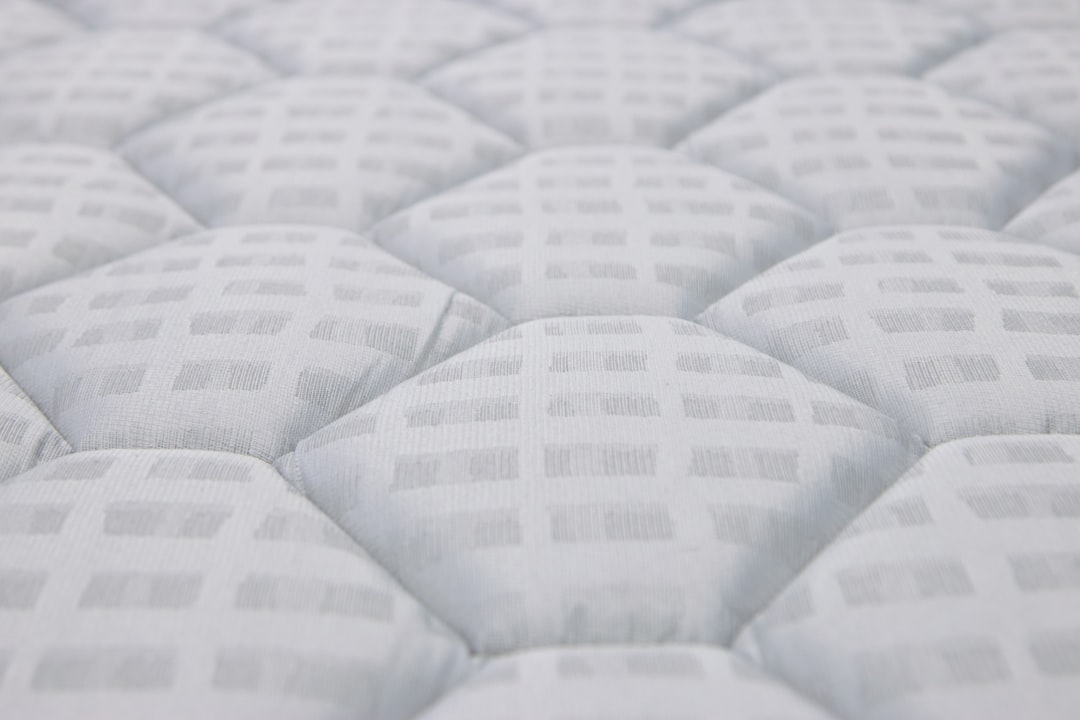


You’ve tried the tricks. You’ve rotated it, aired it, even slept with just a thin cotton sheet hoping it’ll soften up. But there’s a moment, usually during that first real humid stretch after you buy it, when you lie awake at 2 a.m. feeling both too firm and too hot, and you just know. That’s the signal. It’s not going to get better.
For anyone who’s already had a memory foam mattress turn into a personal sauna, this realisation hits harder. The initial firmness you thought you could live with becomes unbearable because the heat makes every pressure point more acute. You can’t relax into a firm surface if you’re already sweating. So the softening techniques—they fail twice. They don’t address the core flaw, which isn’t just firmness; it’s a material that traps your body heat and amplifies every discomfort.
That’s when you stop trying to fix it and start looking for a replacement designed from the ground up to be cool. You’re not shopping for just any mattress anymore. You’re hunting for one that uses breathable covers, ventilated coil systems, or aerated latex—things engineered to pull heat away, not hold it. The goal shifts completely. You want a bed that feels cool from the first night, without that punishing initial stiffness memory foam often has.
Accepting the mattress is wrong saves you years of poor sleep. It’s a clear line: if you’re waking up sore and overheated regularly, especially in a non-air-conditioned room, it’s not you. It’s the bed. The only exception might be if you’ve just bought it and that first humid season hasn’t arrived yet—give it that one test. But once you’ve endured a full Singapore monsoon period on it and still dread going to bed, the decision is straightforward.
Move on to a dedicated cooling mattress. Look for the technologies that tackle heat dissipation directly, because in our climate, a mattress that sleeps hot is a mattress that sleeps wrong. You’ll know the difference immediately—no more waking up feeling like you’ve battled the bed all night.
" width="100%" height="480">Is your coil mattress too firm? Simple softening techniquesYou'll see plenty of mattresses labelled 'cooling' online, but the real test happens when you're lying on one. The showroom floor is your best chance to simulate the conditions of a non-air-conditioned bedroom—you can't gauge a cooling effect from a quick hand press or a five-second sit. Give yourself fifteen minutes flat on the mattress, letting your body heat build up against the surface. That's when you'll feel whether the phase-change material actually shifts warmth away, or if the gel foam layer just feels cool for a moment before it's overwhelmed. The showroom's own air-con can be deceptive; a mattress might feel perfectly fine under those artificial breezes, but in your actual bedroom where the ambient temperature can hover above twenty-eight degrees, it's a different story entirely.
Firmness is another thing that changes with heat. A memory foam that feels supportive in a cool environment can become softer, almost sluggish, when your body warms it up over a full night. So while you're lying there, pay attention to how the support feels after those fifteen minutes—does the mattress hold you, or do you start sinking in? That's the bias you're trying to eliminate. Don't just bounce on the edge; settle into your usual sleeping position and stay there. It's the only way to judge if the ventilated coil system or aerated latex is doing its job under a proper load.
There's one exception to this rule. If you're absolutely certain your bedroom will stay air-conditioned through the night, you can probably skip the extended heat test. But for the majority—those in west-facing flats, homes that conserve electricity, or anyone experiencing hormonal fluctuations—this on-site simulation is crucial. You'll know quickly if a mattress is just marketing or genuinely engineered for our climate. The difference between a surface that stays neutral and one that turns into a heat trap is something you can only confirm with a proper, committed lie-down.
Cooling mattresses with ventilated coil systems promote airflow to regulate sleep temperature. The open coil structure allows heat to dissipate, preventing the mattress from retaining warmth overnight. This design is particularly effective in non-air-conditioned bedrooms where ambient temperatures remain high. For hot sleepers, this ventilation offers a cooler alternative to dense foam mattresses.
Will a mattress topper make my coil bed cooler? Not really. A topper adds a layer, which traps heat—that’s the opposite of cooling. If your coil mattress is too firm but also too warm, you’re better off swapping the whole mattress for one with a ventilated coil system and a breathable cover. A cooling topper alone can’t fix the core issue of heat retention in a dense foam or non-breathable mattress.
How long to break in a firm mattress in SG humidity? Give it at least three to four weeks of regular sleep. Humidity here slows everything down, and a new mattress needs time to soften and adapt to your body. Don’t expect overnight changes. If after a month it still feels like a plank, that firmness is likely permanent—the humidity won’t help it soften further.
Best bed frame for ventilation in a non-aircon room? Go for a simple slatted platform base, with gaps between the slats wide enough for air to circulate underneath. Avoid solid panels or boxy storage beds with sealed sides. A metal or kiln-dried timber frame with open slats lets humidity escape and prevents that stale, trapped-air feeling common in non-aircon bedrooms.
Cooling mattress vs normal mattress for night sweats? A proper cooling mattress is engineered for this. It uses materials like aerated latex, cooling gel foams, or phase-change covers to actively pull heat away. A normal mattress, even with coils, just lies there—it doesn’t regulate temperature. For persistent night sweats, especially in our climate, the cooling one is the clear choice. The only time you might skip it is if you sleep with a fan directly on you all night and find that enough.
You’ve narrowed down your options, and the weekend showroom trip is pencilled in. That’s when the real work begins, but a few practical checks now will save you a world of hassle later. Start with the bedroom footprint—a Queen mattress fits most master bedrooms, but you need to leave at least 60cm clearance on the side you exit from. In a 3.5 by 3 metre room, that’s fine; in a tighter space, you might find yourself squeezing past the bed every morning. Measure your existing bed frame too, especially if you’re planning to keep it. A cooling mattress is often thicker than a standard one, and that extra height can mean your headboard doesn’t fit anymore, or the whole thing looks oddly proportioned.
Your personal heat triggers are the deciding factor. If you’re a hot sleeper in a non-air-conditioned room, or someone who finds memory foam too warm, you’re looking for a mattress that actively manages temperature. That means prioritising features like ventilated coil systems or breathable covers in your testing. Note what makes you uncomfortable now—do you wake up feeling damp, or is it just a general sense of warmth? That note will guide you in the showroom, where you can ask to feel the difference between a standard coil system and one designed for airflow.
Set a budget range before you go. For a quality cooling queen-size, you’re typically looking at between $1,200 and $2,400. Sticking to that range helps you filter the overwhelming showroom choices quickly. If you go in without a figure, you’ll either be swayed by a feature you don’t need on a more expensive model, or you’ll settle for a cheaper option that won’t solve your heat problem. The exception is if you discover a specific material, like aerated latex, that genuinely outperforms for you—then it might be worth stretching slightly, but only if the difference is tangible.
Plan for a proper weekend visit, not a rushed weekday stop. You need time to lie down on several mattresses, in your typical sleep position, for at least ten minutes each. The initial feel is different from the settled-in comfort. Bring your partner if you share the bed; their weight and preferences matter for the final choice. And remember, the lift door is your final gatekeeper—a 90cm opening means a rigid mattress can be tricky, but most modern ones can bend a little for delivery. That’s one last thing to confirm, so you don’t end up with a perfect mattress stuck in the corridor.