You know the feeling. It’s past midnight, and you’re jolted awake not by noise, but by that familiar, damp cling. The sheets are cool at first, but the mattress beneath is a reservoir of the day’s heat, radiating it back up through the night. In a non-air-conditioned 3-room BTO bedroom, after a 32°C day, the air isn’t just warm—it’s thick, heavy, and completely still. You’re not just hot; you’re trapped in humidity’s clammy grip, and turning the pillow over only buys you a few minutes of relief.
That specific discomfort is the real catalyst. It’s what separates a merely warm night from one that ruins your sleep. Heat you can manage with a fan pointed right at you. But that sticky, suffocating layer of moisture on your skin? That’s the enemy. It’s why a standard mattress, especially one that retains heat like memory foam, becomes the problem. It’s not an insulator against cold; it’s a heat sink, holding onto everything your body and the Singapore night throws at it.
So the search doesn’t begin with a vague desire for something cooler. It starts with a very clear mission: to break that cycle of retained heat and trapped humidity. You need a barrier that doesn’t just lie there, but actively works against the conditions. A standard topper or pad won’t cut it—it’ll just add another layer to the problem. What you’re after is a material system engineered to pull heat away from you and let the moisture go.
Think of it as climate control for your sleep surface. The goal is to stop your body from ever reaching that critical point where it starts dumping sweat to cool down. It’s about creating a microclimate that stays neutral, so you never get that initial damp patch that spirals into a soaked sheet. For anyone who’s woken up feeling like they’ve been through a workout, that’s the non-negotiable. The right solution turns that radiating heat sink into a dissipating one, finally letting your body rest instead of fight.
It's a classic Singapore bedroom scene. You're lying there, stuck in a sticky puddle of your own heat, wondering why your memory foam topper feels like a hot water bottle after midnight. That initial sink-in comfort has turned into a nightly sauna session. The problem isn't just you; it's the material itself. Standard memory foam, especially the cheaper toppers, is dense and designed to contour closely. That very property that makes it good for pressure points also means it traps your body heat with nowhere to go.
Think about the typical HDB common bedroom, maybe twelve square metres with one window facing another block. Cross-ventilation is a luxury many flats don't have. In that still, humid air, a dense foam layer acts like an insulator. It absorbs your warmth and holds it right against your skin, turning a 28-degree night into a personal tropical ordeal. The foam's structure simply isn't porous enough to let air circulate freely beneath you.
Density is the real culprit here. A good, supportive foam needs a certain heft, but that also means less breathability. You wanted relief from aches and got a thermal blanket instead. It's a frustrating trade-off, especially when the humidity climbs and even the ceiling fan feels like it's pushing around soup. That topper you bought for comfort ends up sabotaging your sleep cycle—you'll toss and turn just to find a cool spot on the sheet.
There's really only one scenario where a standard memory foam topper might not be a heat trap: if your bedroom is aggressively air-conditioned all night long. The cold air can counteract the foam's insulating effect. But for the rest of us in non-aircon rooms, or those who can't bear the chill and the bill, it's a losing battle. You're better off looking for a topper engineered to solve the problem it actually creates.
This material’s key advantage is breathability, a crucial feature that distinguishes it from traditional memory foam. Its open-cell structure allows air to circulate freely, preventing the heat-trapping effect that makes many sleepers uncomfortable in our climate. While pocketed springs offer support, they don't inherently promote airflow the way a slab of aerated latex can. For a non-air-conditioned bedroom, that constant passive ventilation makes a tangible difference throughout the night, helping you stay dry. It’s a simpler, more effective cooling mechanism than relying on complex spring systems alone.
Copper-infused gel foam works on a principle of rapid heat dissipation, drawing warmth away from the body faster than standard materials. The gel particles act like tiny heat sinks, absorbing and dispersing thermal energy so it doesn't build up around you. This is particularly useful for sleepers who generate a lot of body heat or experience sudden temperature spikes. You’ll notice the effect most in the first few hours of sleep, when the initial cool-to-touch feeling gives way to a stable, neutral temperature. It’s a proactive cooling solution, not just a breathable one.
Phase-change material, or PCM, is the clever tech that actively regulates temperature by absorbing and releasing heat. These pads or fibres work like a thermal battery, soaking up excess warmth as your body temperature rises and then gently releasing it as you cool down. This creates a remarkably stable microclimate on the sleep surface, smoothing out those uncomfortable peaks and valleys. For someone dealing with night sweats, that consistent buffer can be the difference between waking up and sleeping through. It’s engineered intervention, not just passive material property.
In our 80% humidity, a cover’s job isn't just about feel—it’s about moisture management. Bamboo-derived fabric excels at wicking sweat away from the skin quickly, moving it to the outer layers where it can evaporate. This keeps the surface feeling noticeably drier and cooler than standard cotton or polyester blends, which can stay damp. The weave is typically breathable too, allowing that evaporated moisture to escape rather than getting trapped. It’s the first line of defence against the sticky night air, and a non-negotiable for any topper meant for local use.
Tencel operates on a similar principle to bamboo but with a slightly more refined, silky handfeel that many prefer. Made from sustainably processed wood pulp, its fibres are exceptionally efficient at absorbing moisture and then releasing it into the air. This high hygroscopic quality means it doesn't just move moisture—it actively manages the humidity right at the skin level. The result is a fabric that feels consistently cool and dry, even when the room air is thick. For a long-term investment, its durability and consistent performance make it a standout choice lah.
The trickiest part of picking a cooling topper isn't the material—it's the push-pull between keeping your spine straight and letting air move. You can have a slab that's dense enough for proper support but ends up trapping heat like a sealed box. Conversely, a softer, loftier pad might breathe easier but collapse under your hips, losing all its alignment benefits. That collapse is the real airflow killer; a compressed layer has zero internal circulation.
For most hot sleepers here, the better bet is leaning toward firmness with ventilation. Our humidity and warmth mean any material that collapses will become a stagnant zone. A supportive, aerated latex or a gel-infused foam with a perforated design usually wins. The one exception? If you're a very light sleeper who doesn't sink in much, a softer, breathable natural fibre pad might work—it won't compact as much, so its loft can still circulate air. But for the average person on a Queen bed, the denser, channeled option is more reliable over the years.
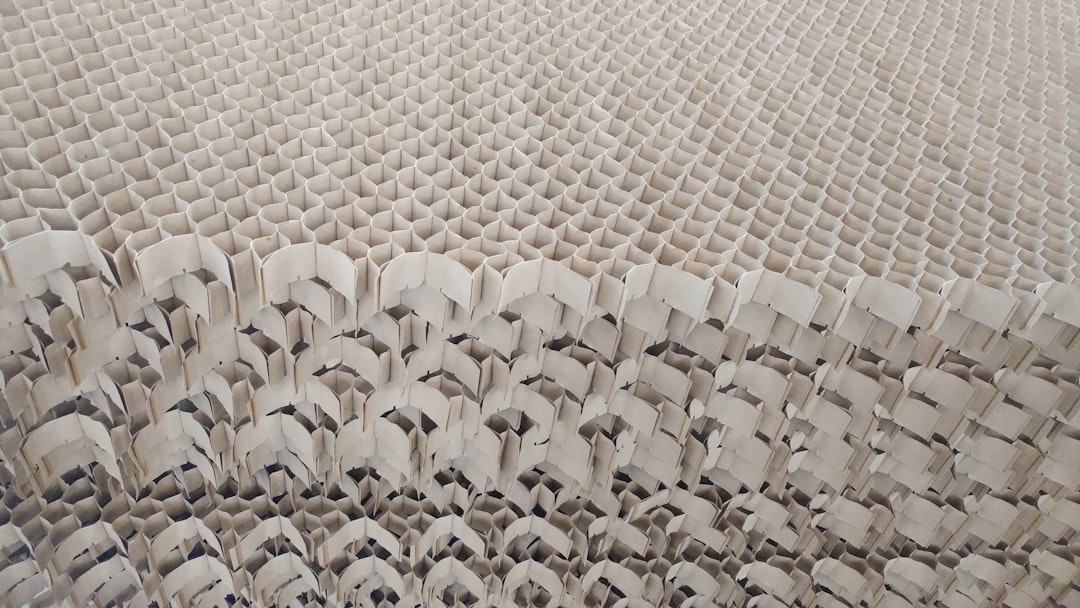
So, the real question becomes: how does a firm topper stay cool? It needs designed pathways. Look for ones with internal channels or a perforated core—little tunnels that let air travel through even when the material itself is supportive. Some use a grid-like structure, others have drilled holes. Without those, a firm pad becomes a heat sponge. A too-soft topper, on the other hand, might feel breezy at first, but after a few months of nightly compression, it smothers itself. You'll get the airflow but lose the support, and your back will know it.
You'll see this in the showrooms. Press down firmly on a sample and hold for a minute—does it rebound quickly and feel cool where your hand was? That's a sign the structure isn't just absorbing pressure; it's moving air through it. A pad that stays warm and indented under your palm is telling you everything.

The afternoon sun in a west-facing bedroom is brutal. By 4pm, the walls themselves start radiating heat, and a standard mattress topper just traps that warmth against your skin. A compact 12 sqm common bedroom with poor air movement compounds the problem—there’s nowhere for the heat to escape, so you’re basically sleeping in a slowly warming box. In these two scenarios, the usual advice about breathable covers isn’t enough; you need a topper that actively rejects radiant heat.
For the west-facing room, phase-change materials are your best bet. They absorb that ambient thermal energy and dissipate it, preventing the bed surface from climbing to match the room’s temperature. Gel-infused foams can help, but they’re more about managing body heat than fighting sun-warmed air. Aerated latex is decent for airflow, but in a stagnant compact room, even good ventilation needs a push. Here, a topper with a highly conductive cover, like a tight-weave bamboo or Tencel paired with a cooling gel layer, works better—it pulls heat away from you and lets the still air carry it off, slowly.
Memory foam toppers, even those marketed as cooling, often fail in these stress tests. They’re dense, and that density insulates against both body heat and room heat, becoming a thermal barrier. In a small, hot room, you’ll feel like you’re lying on a warm slab. The single exception is if your compact space is actually well-ventilated, say with a ceiling fan running constantly. Then, a ventilated, open-cell foam might manage, but that’s a rare setup in our typical HDB common bedrooms.
So, commit to a topper designed for rejection, not just breathability. For the sun-baked west wall, phase-change is the clear winner. For the stagnant small room, a conductive cover over an aerated core gives you a fighting chance. Anything less, and you’re just adding another layer to your misery.
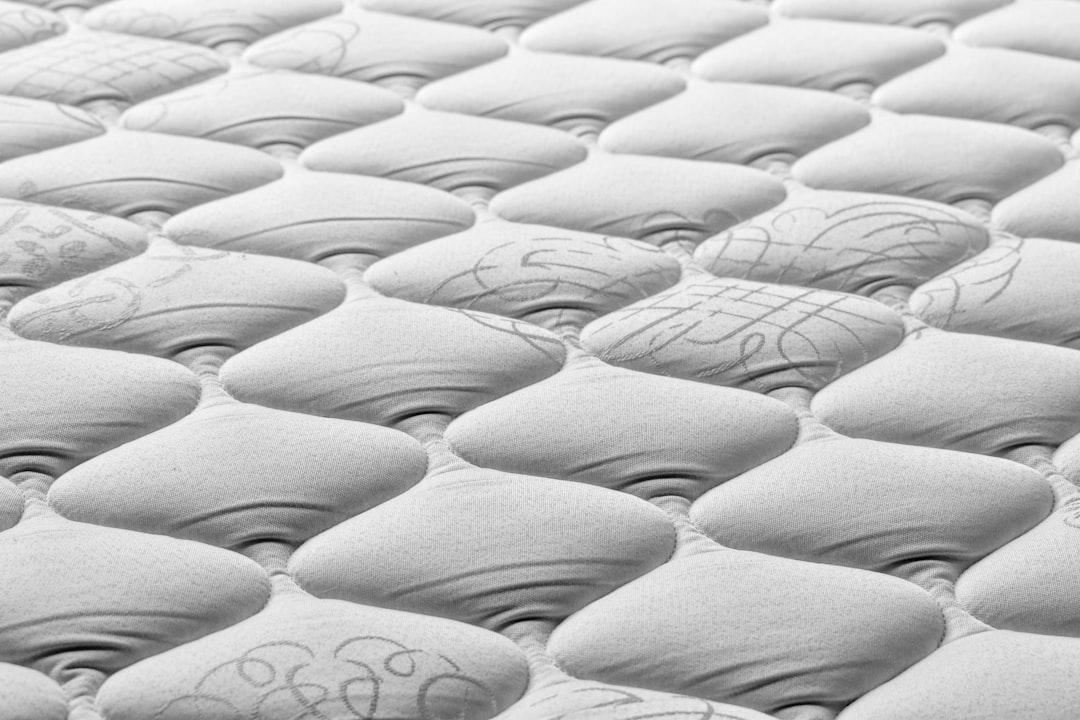
A cooling mattress topper's effectiveness hinges on its materials. Gel-infused memory foam or aerated latex actively draw heat away from the body, while a breathable bamboo or Tencel cover allows moisture to evaporate. These features are critical for Singapore's 80%+ humidity, where traditional memory foam can feel insulating and trap warmth.
Cooling mattress toppers must match your existing bed dimensions to function properly. Standard Singapore sizes like Queen (152x190cm) fit most HDB master bedrooms, but measure your mattress first. Ensure you leave about 60cm clearance on the exit side of the bed for easy movement and topper placement.
You can read a dozen reviews and pore over fabric specs, but your own skin is the final judge. Cooling is a personal sensation—some fabrics feel crisp and dry, others just feel slick, and what works for one person might leave another still feeling sticky. That’s the concrete reason to make the trip to either the Joo Seng or Tampines showroom. You need to lie down on the actual mattress, not just press your hand against it.
Give yourself at least five minutes on the Somnuz® model you’re considering. Humidity perception is subjective, and your body heat needs time to settle into the material. A quick thirty-second test won’t tell you if that phase-change layer actually stays cool or if it just feels chilly at first touch. Bring your partner if it’s a shared bed; their experience might be completely different. The weave of a bamboo cover might feel breathable to you but oddly warm to them.
The showroom visit is essential for anyone who’s been burned by a memory foam that promised coolness but slept hot. You can assess the firmness gradient in person, feeling where the support zones are and whether the aerated latex core lets air move. It’s also the only way to check if a King size will genuinely fit your room’s layout—you can visualise the bed in the space and confirm the dimensions feel right against the showroom floor.
I wouldn’t skip this step unless you’re buying the exact same model you already own and love. Even a mattress from the same range can have subtle updates in its cooling gel foam formulation or cover texture. The one exception is if you’re strictly replacing a topper on an existing mattress you’re keeping; then, maybe you can rely on past experience with that base. For a new bed, especially in our climate, the hands-on test isn’t a nice-to-have—it’s the only way to know.
The internet won't give you a straight answer on the things that really matter in a four-room flat. You'll find plenty of glossy reviews, but the local queries that pop up in our humid nights—those stay unanswered. Here are the genuine ones.
Can cooling topper go on floor mattress? It can, but it's not ideal. A topper needs a stable, flat base to work properly and to protect its materials. A floor mattress often lacks proper support and ventilation underneath, which means the cooling effects get compromised. You'll also risk trapping moisture against the floor, which is a sure way to invite mould. If you're sleeping on the floor temporarily, maybe it's okay. But for a proper solution, you really need a proper bed frame.
Does bamboo cover help menopause night sweats? Yes, it helps a lot. Bamboo fabric is naturally breathable and absorbs moisture quickly, which is exactly what you need when a hot flush hits. It won't stop the flush itself, but it'll pull the sweat away from your skin faster than a standard cotton cover, leaving you feeling drier and cooler in those critical moments. For night sweats, that difference is everything.
Cooling topper vs. aircon for 4-room resale flat? This one's a value calculation. A cooling topper tackles the heat at the source—your body—and works regardless of your aircon usage. If your bedroom's non-aircon, a good topper is your first line of defence. If you run the aircon but still feel warm and sticky, the topper complements it by managing the microclimate right under you. But if your whole room is an oven, the aircon is the baseline you can't skip. The topper then becomes the upgrade that lets you set the thermostat a bit higher, saving on electricity bills over the years.
Will gel foam feel cold in December monsoon? Not cold, just neutral. Gel-infused foam is designed to dissipate heat, not to generate cold. During the cooler, rainy months, it won't feel chilly; it simply won't trap your body heat like regular memory foam does. So you won't get that unpleasant "sinking into a warm swamp" feeling, even when the ambient temperature drops. It maintains a consistent, comfortable sleep surface year-round—that's the point.
You’ve got your shortlist, you’ve read up on materials, and you’re ready to hit the showroom. That’s when the practicalities come knocking—they’re the things that’ll turn a good choice into a lasting one. Start with the mattress itself. Grab a tape measure and check the exact thickness of your current mattress, because a cooling topper that’s too thick or too thin won’t sit properly under your fitted sheets. That’s a small annoyance that becomes a nightly frustration, especially when you’re trying to keep everything neat and tidy in a typical HDB master bedroom.
Then, think about grip. A topper that slides around on a hot night is downright sian. Look for one with a non-slip bottom or secure straps; it should feel anchored, not like it’s trying to escape every time you roll over. This is especially crucial if you’re pairing it with a memory foam mattress that already tends to be less firm. Without that grip, you’ll be wrestling with the topper instead of sleeping on it.
Now, set a hard budget cap. For a quality cooling topper in our market, you’re typically looking at a range from about three hundred to eight hundred dollars. Decide your limit before you walk in, and stick to it. Showrooms are designed to tempt you with the next feature up, but remember what you’re really buying: temperature regulation, not luxury extras. If a model pushes you past your cap, it’s probably offering bells and whistles you won’t need in a humid climate.
Finally, get personal. Know your own heat zones—maybe your shoulders and lower back get particularly warm. When you test in the showroom, focus pressure on those areas and see how the material responds. Does it feel cool immediately, or does it warm up after a few minutes of contact? That’s the real test. A topper that performs well across the whole surface but excels at your specific hotspots is the winner. With these checks done, you’re not just browsing; you’re buying with confidence.