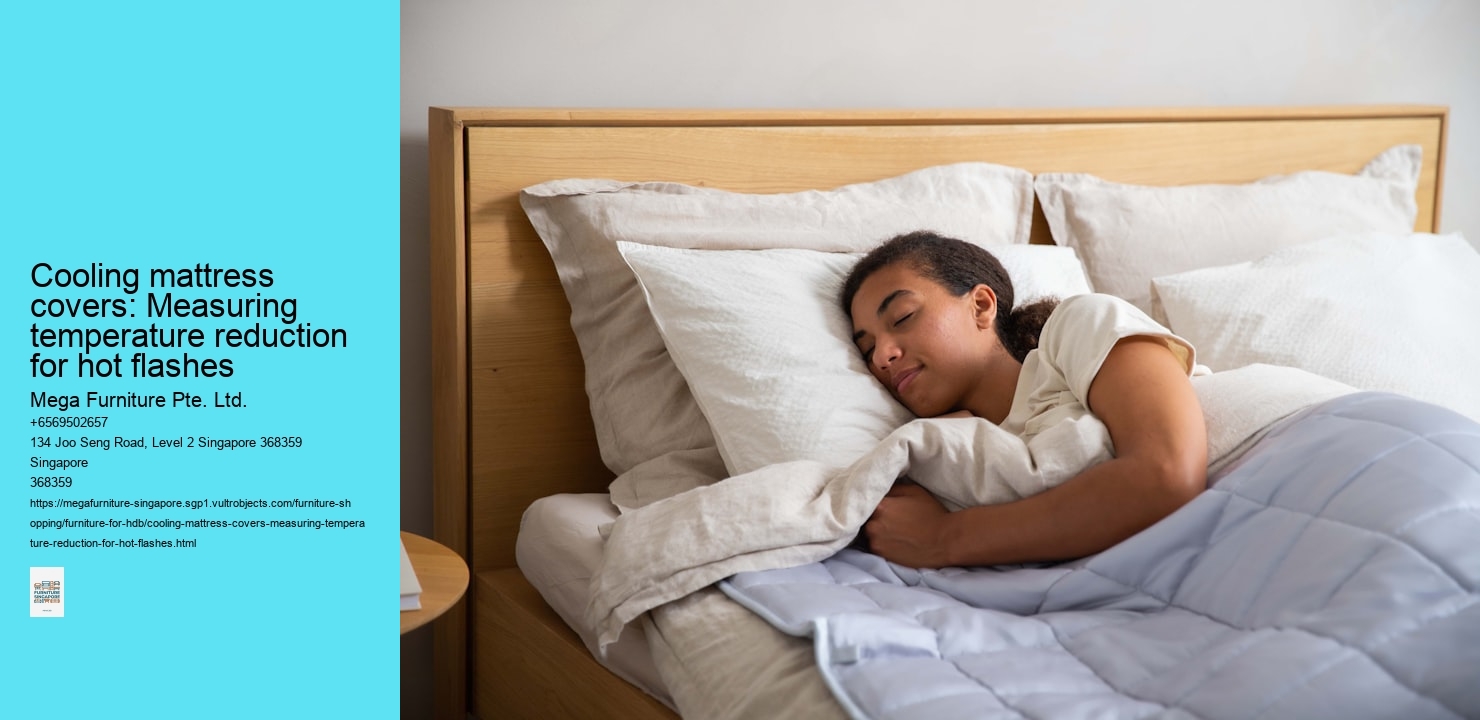
The worst part about sleeping hot isn’t the initial discomfort when you lie down. It’s the creeping heat that builds after midnight, when your body’s own warmth gets trapped and the room’s ambient temperature hasn’t dropped enough to help. In a typical 4-room BTO, even without air-conditioning, the peak often hits between 2am and 4am. That’s when you’ll wake up feeling like you’re baking on a slab, not resting on a bed.
Memory foam is a particular culprit here. It’s fantastic for pressure relief, but that same conforming property means it absorbs your body heat throughout the night. By the wee hours, it’s not just insulating you—it’s actively radiating that stored warmth back. You become trapped atop your own thermal reservoir. For someone experiencing hot flashes, this cycle turns a bad night into a torturous one. The material’s performance becomes its own downfall.
So what’s the fix? You need a surface that doesn’t hoard heat. Cooling gel infusions or phase-change materials in foam can help, but the real key is a system that continuously dissipates it. Breathable bamboo or Tencel covers allow moisture and heat to escape, while ventilated coil systems or aerated latex create air channels that prevent stagnation. These aren’t just about feeling cool at 10pm; they’re about preventing that critical 3am spike.
The exception? If your bedroom is consistently air-conditioned to a low temperature, the memory foam heat sink might not reach that punishing threshold. But in a non-air-conditioned room—common in many flats where the master bedroom gets the unit and the common rooms go without—that midnight accumulation is a real problem. You’ll know it by the damp sheet and the desperate flip to the cooler, unused side of the mattress.
Ultimately, judging a mattress for hot sleepers means looking past the initial touch. You’ve got to consider how it performs in the deepest part of the night, when everything else is still and your body’s thermostat is most vulnerable. A mattress that sleeps cool at midnight but hot at 3am isn’t doing its job.
That cooling gel foam layer feels wonderfully cool on the first night. It’s the main reason you’d pick a mattress with it over a standard memory foam. But after two humid seasons—that’s roughly through the monsoon and the next hot spell—its thermal conductivity starts to fade. You’ll notice it first in a west-facing bedroom where the ambient temperature hits 28°C nightly. The material doesn’t just stop cooling; it begins to feel distinctly clammy, trapping moisture against your skin instead of dissipating heat.
The issue is the open-cell structure. It’s designed to allow airflow, which is great initially. However, in our climate where humidity often sits around 80%+, that same structure absorbs moisture from the air over time. The gel infusion, meant to draw heat away, becomes less effective as it’s essentially saturated. The foam itself starts to retain a dampness, a slight tackiness you can feel even before you lie down. It’s a gradual decline, not a sudden failure, so you might not realise what’s changed until you’re waking up feeling sticky rather than refreshed.
For anyone relying on this technology to manage night sweats or simply get a decent sleep without air-conditioning, it’s a genuine disappointment. You invest in a cooling feature expecting it to last the mattress’s lifespan, but here the performance window is surprisingly short. A mattress that feels cool for a year or two but then behaves like a regular, slightly humid foam isn’t a long-term solution. This is especially critical for those in non-air-conditioned rooms, where every bit of heat regulation counts.
There’s one scenario where it might still be a considered choice: if you’re certain you’ll replace the mattress within three to four years. For a temporary setup, like in a spare room or during a short-term rental, the initial cooling benefit could be worth it. Otherwise, for a primary bed in a typical HDB flat, materials that don’t degrade with moisture—like aerated latex or ventilated coil systems—offer more reliable longevity. They maintain their cooling properties through the years, without that unpleasant, damp feel creeping in.
A bamboo or Tencel mattress cover can feel cool to the touch, and it’s excellent at wicking moisture away from your skin. That initial sensation is what sells many buyers, especially in a humid flat where sheets feel damp by morning. But the cover’s job ends at the surface; it doesn’t control what happens underneath. If the mattress core is a standard, dense foam, that foam will still trap the heat your body radiates all night. You end up with a cool surface layer sitting atop a heat reservoir, which defeats the whole purpose. The cover becomes a bandage on a deeper problem, not a solution.
Memory foam and many standard polyurethane foams are inherently insulating materials—they’re designed to cradle you, not to breathe. In Singapore’s climate, where ambient temperatures rarely drop, that trapped heat builds up steadily through the night. A breathable cover might delay the feeling for an hour or two, but the core eventually saturates. Think of it like wearing a ventilated sports shirt while sitting on a plastic chair that doesn’t let air through; your back still gets hot and sticky. The Eunos buyer’s experience is classic: the cover did its job, but the mattress underneath became a warm, uncomfortable slab.
True temperature regulation requires a whole-system approach, where every layer works together to channel heat away. A standalone cover is just one piece in a chain, and if the next link is broken, the chain fails. Ventilation needs a path from your body all the way out, not just an exit at the first layer. Some mattress designs integrate cooling gels or phase-change materials into the foam itself, or use aerated latex or ventilated coil systems to create air channels. Without that integrated engineering, you’re essentially decorating a heat trap with a cool fabric, which is a waste of money and hope.
There’s a common belief that a natural, breathable fabric cover alone can transform any mattress into a cooling one. Marketing often leans on this, highlighting the bamboo or Tencel layer as the key feature. It’s a seductive idea, especially for hot sleepers desperate for relief. In reality, the cover’s benefit is marginal if the core foam isn’t designed for heat dissipation. You can’t retrofit a cooling property onto a mattress that fundamentally lacks the architecture for it. Buying a cover for an old, heat-retentive mattress is like putting a raincoat on a sponge—the outer layer might be waterproof, but the inside is already soaked.
When shopping, the lesson is to look past the top layer and interrogate what’s beneath. Ask specifically about the foam composition or the core support system’s breathability. Don’t let a fancy cover description distract you from the mattress’s fundamental construction. For genuine cooling, you need a mattress engineered from the inside out to manage heat, not one that just wears a cooling costume. The only time a standalone cover makes sense is if your mattress core is already breathable—like an aerated latex or a well-ventilated innerspring—and you just want an extra moisture-wicking surface. Otherwise, you’re just dressing up the problem.
" width="100%" height="480">Cooling mattress covers: Measuring temperature reduction for hot flashesIf you're waking up at three a.m. with that sudden, prickling heat that feels like a switch flipped inside you, a regular cooling fabric won't cut it. That's the difference between a gradual chill and a sharp, immediate response—and for those intense night-time flushes, you need the latter. Phase-change materials woven into a mattress cover are engineered exactly for that moment. They react to your body's temperature spike by absorbing the excess heat into their structure, holding it briefly before releasing it away from you. It's a temporary but crucial intervention, turning a wave of discomfort into a manageable pause.
For a woman in a resale flat, where the bedroom might already be warmer than a new BTO's insulated walls, this targeted action is practical. You're not trying to cool the whole room; you're managing a personal, internal event. The cover works independently of your air-conditioning status, which matters in those older blocks where running the unit all night isn't always feasible. It's a layer of defence that operates on your timeline, not the room's.
Think of it like a heat reservoir right at the surface. When your skin temperature jumps, the PCM capsules melt, pulling in the thermal energy. Once your body cools back down, they solidify again, releasing that stored warmth into the air around the bed. The effect is transient, designed for the surge, not for all-night climate control. That's why it pairs so well with other cooling systems—the breathable bamboo base layer handles the steady humidity, while the PCM tackles the sudden crisis.
I'd only skip this feature if your night-time discomfort is a slow, constant build-up of warmth rather than a sharp, defined flush. For that, a deeply breathable Tencel or a ventilated coil system is probably a better primary investment. But if your heat comes in waves—sudden, intense, and then passing—the phase-change layer is the one that makes a tangible difference right when it hits. You'll know it's working because the peak feels less overwhelming, giving you a chance to settle back into sleep before the next one arrives.
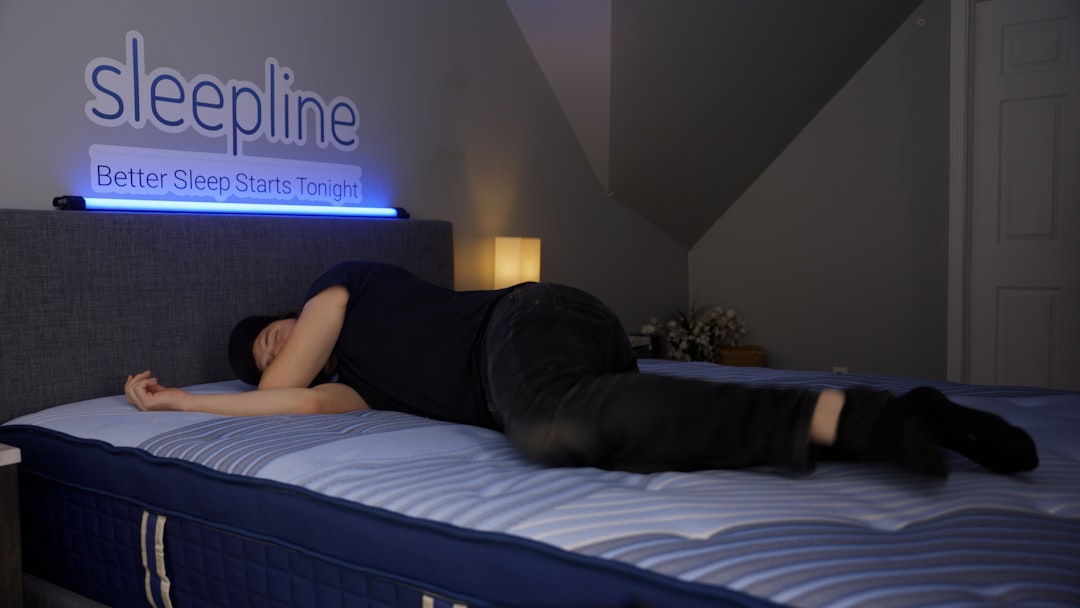
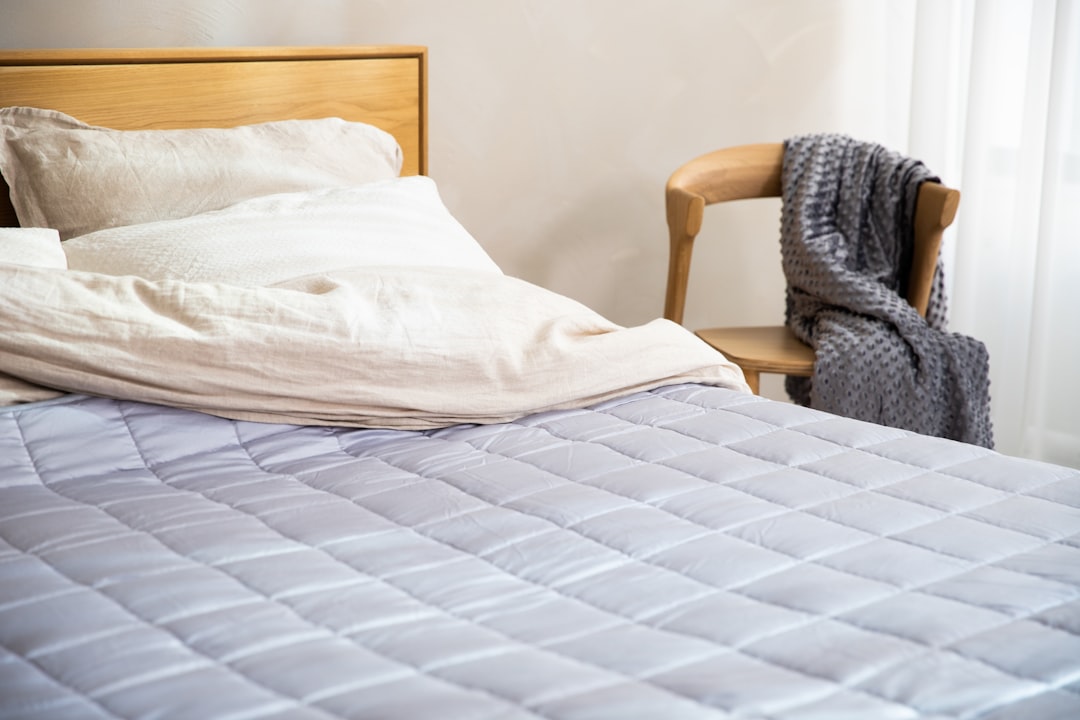
A ventilated coil system isn’t just a promise printed on a label—it’s a physical phenomenon that only works when you’re actually on the mattress. Those open-air channels between the springs rely on your body weight to create the necessary gaps for airflow. If you don’t press down on the coils, they won’t breathe. That’s why a quick fingertip poke at a showroom sample tells you nothing about how it will perform in your own bedroom.
Couples, especially, need to test together. One person lying alone on a Queen-size bed leaves half the surface untouched and uncompressed. The airflow across the entire sleeping area won’t activate properly unless both sides are bearing weight. You’ve got to simulate your actual sleeping arrangement. Lie down side-by-side for a proper ten minutes, not a polite thirty-second perch. Feel for that subtle circulation underneath you—it should be a distinct sensation, not just a general coolness from the cover fabric.
This becomes critical for landed property owners with larger bedrooms, where a King or super-king might be the choice. A bigger mattress means more coils and a greater distance for air to travel. Uneven weight distribution—say, one heavier sleeper and a lighter partner—can create zones of good ventilation and stagnant pockets. You need to check that the system works uniformly across the entire expanse. Don’t just test the centre; shift to the edges and corners to see if the cooling effect holds up.
The exception? If you’re buying strictly for solo use in a Single or Super Single size. Then your own body weight will engage the full coil area, and a solo test is perfectly valid. But for any shared bed, the showroom visit must include a joint assessment. It’s the only way to know if those advertised cooling coils will truly work for both of you through our humid nights.
You’ll see the claims online—breathable bamboo, aerated latex, phase-change materials that promise a cool night. But there’s a difference between reading about heat dissipation and actually pressing your hand into the fabric weave to gauge how much air passes through. A cooling cover isn’t just about the material name; it’s about the tightness of the weave, the thickness of the padding underneath, and how quickly your own warmth escapes. In a showroom, you can sit on the mattress for ten minutes, not just a quick bounce. That’s when you notice if the initial chill is just a surface trick or a genuine, lasting effect.
Some fabrics feel cool to the touch but trap heat once you lie down fully. A loose, open weave might look breathable, but if it’s layered over a dense foam core, the benefit is lost. Conversely, a tight Tencel weave over a ventilated coil system can work beautifully. You need to test the whole package, not just the cover. Bring your phone, set a timer, and actually spend a bit of time in your typical sleeping position. Does the cool sensation fade after a few minutes, or does it hold? That’s the real test.
The one exception to this hands-on rule is if you’re buying a mattress you’ve owned before, from a line you know well. If you’ve slept on a specific Somnuz model for years and are just replacing it, you can probably skip the showroom trip. But for any new cooling technology or unfamiliar brand, skipping the physical check is a gamble. Our humidity and ambient temperatures create a specific stress test that an online review from a cooler climate won’t capture.
So head to a showroom, find a quiet corner, and really settle in. Pay attention to how the fabric feels against your skin—not just at first contact, but after a sustained press. Look for covers that feel genuinely thin and airy, not just slick. The difference between a mattress that merely feels cool in the shop and one that actually regulates your temperature through a humid Singapore night is something you can only judge in person. Don’t just look at the label; feel the weave.
Cooling mattress cover fabrics must combat Singapore's 80%+ humidity without trapping moisture. Materials like bamboo-derived Tencel or performance Crypton fabric actively wick sweat away from the skin. These breathable fabrics are often paired with a cooling gel foam layer beneath to dissipate heat further. A good cover should feel dry even on nights when the room feels stifling.
A Queen-size cooling mattress, measuring 152cm wide by 190cm long, fits most HDB and BTO master bedrooms comfortably. This size allows for roughly 60cm of clearance on the exit side for movement. The mattress's cooling properties are crucial here, as a smaller room can feel warmer. It's a practical choice for hot sleepers in standard Singapore bedroom layouts.
Singapore hot sleepers ask the same few questions about cooling covers—it’s almost like a checklist they bring to the showroom. They want to know if the magic works without aircon, what’s best for sudden night sweats, if bamboo can handle the damp, and how long that gel will actually last. Let’s get through them.
Does a cooling mattress cover work without aircon? Honestly, it’s not a miracle. If your bedroom’s sitting at 30 degrees and 80% humidity, a cover alone won’t drop it to 25. But what it does is manage your personal microclimate—it pulls heat away from your skin faster than a regular cotton sheet. So you’ll feel cooler against the fabric, even if the room’s warm. For non-aircon rooms, you want the most breathable option: a loose-weave bamboo or Tencel cover that lets air move. The phase-change material ones are clever—they absorb heat until they hit a set temperature, then release it. They’ll help more than a standard quilted topper.
Which cover is best for menopause hot flashes? You need something that reacts fast. A gel-infused memory foam topper can feel cool to touch initially, but it’s slower to redistribute heat once you’re lying on it. For sudden temperature spikes, a phase-change cover or a highly aerated natural fabric like bamboo is better. They don’t just feel cool; they actively transport the heat away from your body surface. Avoid anything with a thick, non-breathable barrier layer—that’ll just trap the heat right against you.
Are bamboo covers good for HDB humidity? Bamboo’s naturally breathable and absorbs moisture, which is why it feels cool. But in our climate, any fabric will hold some dampness if the room isn’t ventilated. The key is the weave—a tightly woven bamboo blend might not breathe as well as a looser, more open one. Look for covers labelled ‘highly breathable’ or ‘airflow weave’. They dry out faster between uses, which stops that clammy feeling. Just remember, no fabric is immune to mould if it’s left in a damp, dark corner for weeks.
How long does cooling gel last? This one’s the trickiest. Gel-infused foams or fabrics don’t ‘run out’ like a battery, but their performance can degrade. The gel itself is stable, but the foam around it can compress over years, reducing its ability to circulate air. Typically, you’ll notice a gradual decline in that initial ‘cool touch’ feeling after about three to five years of nightly use. Phase-change materials are more durable—they’re woven into the fabric and don’t rely on a foam structure. So if longevity is your main concern, lean towards the phase-change or high-quality natural fibre options. They’ll give you steady performance for much longer.
You’ve decided you need a cooling mattress cover, and you’re ready to head out. Don’t just grab your wallet and go. The most useful thing you can bring isn’t your credit card—it’s a bit of data about your own bedroom and your body. That’s what turns a browsing trip into a targeted mission.
First, get a humidity meter. Singapore’s ambient levels are high, but your actual bedroom reading can vary wildly depending on whether you’re in a west-facing flat or if the air-con runs at night. Note the figure. Then, over a few evenings, jot down when you feel the heat peaks. Is it right after you lie down, or closer to midnight? This pattern is your personal heat signature, and it’s the real benchmark any cover needs to beat.
With those notes in hand, set your budget. A decent cooling cover typically runs from S$800 to S$2,400. That range covers the basics—a good bamboo or Tencel layer—up to more advanced phase-change material systems. Decide where you want to sit in that spectrum before you step into the showroom; it keeps you from being swayed by features you don’t actually need.
Then, take your humidity reading, your heat-timing notes, and your budget figure with you. When you test a cover, you’re not just feeling a fabric for a moment. You’re matching a product’s promised cooling curve against your own documented hot-flush times. Does the material feel cool immediately but lose its effect after an hour? That’s useless if your peak heat hits at two a.m. The cover that maintains a consistent, dry feel throughout your typical sleep cycle is the one worth the money.
The exception? If your bedroom is consistently air-conditioned and your heat spikes are mild and brief, you might get away with a simpler, more breathable fabric. But for most of us sleeping in our year-round tropical climate, that detailed prep work is what separates a good night’s sleep from another sian purchase.