You’ve spent weeks researching cooling mattresses, comparing gel layers and Tencel covers, and finally you’ve chosen one that promises to keep you cool through a humid Singapore night. But then you place it on a solid platform base or a bed frame with built-in drawers, and suddenly that clever technology feels pointless. The mattress can only do its job if air can move around it—top, bottom, and sides. Blocking the underside with a sealed base turns your investment into just another warm slab.
It’s a common oversight, especially in flats where storage is precious. A Queen bed with drawers underneath seems like a smart solution for a 4-room BTO’s limited space. You get extra room for luggage or seasonal bedding without sacrificing floor area. What you lose, though, is any chance for air to circulate beneath the mattress. In a climate where humidity sits around 80% and bedroom temperatures regularly exceed 28°C, that trapped heat and moisture just builds up. Your cooling mattress becomes a sponge, not a radiator.
The fix is straightforward: opt for a four-sided bed frame. This means a design with an open centre—slats or a grid—that allows air to pass through freely. Many frames come with a solid centre panel for extra support, but that’s exactly what you want to avoid. Look for ones where the support system is perforated or spaced. Even a simple metal grid or a slatted wooden base does the job far better than a solid plywood panel. It’s not about the material; it’s about the gaps.
There’s really only one situation where I’d consider a solid base: if you’re using a very thin, non-memory foam mattress on a floor that gets exceptionally cold, which isn’t a scenario we have here. For almost every Singapore sleeper, especially those dealing with night sweats or living without air-conditioning, an open base is non-negotiable. You can still have storage—just choose a frame where the drawers are mounted to the sides, not built into a platform that seals the underside. That small design difference is what lets your mattress actually work.
A solid base platform is a trap for any mattress that’s supposed to stay cool. It’s like putting a fan on a tablecloth—the air just doesn’t circulate. All that heat from your body gets trapped underneath, turning your bed into a slow cooker by midnight. You’ll find yourself waking up on a damp, warm spot even if the mattress itself uses cooling gel or breathable covers. The fix isn’t complicated, but it’s something most people overlook when they’re just looking for a sturdy frame with drawers.
Go for a slatted base instead. The gaps need to be wide enough—aim for more than two centimetres between each plank. Anything narrower is basically decorative and won’t let enough air pass through. Centre supports are another common culprit; a thick beam running down the middle can block airflow just as badly as a solid platform. Look for a design where the supports are minimal or spaced out, so air can move freely across the entire mattress bottom. In a non-air-conditioned room, this small detail makes a bigger difference than any fancy mattress topper.
There’s really no reason to choose a solid base for a cooling mattress, unless you absolutely need that extra storage space underneath and can’t find a slatted option with drawers. Even then, you’d be sacrificing sleep comfort for convenience, which feels like a bad trade in our climate. A typical Queen bed in a 4-room BTO master bedroom already gets warm enough from ambient heat; sealing it against a solid platform just guarantees you’ll feel it.
Check the frame before you commit. Lift the mattress off in the showroom and look at the base structure. If it’s a grid of solid wood or metal with proper gaps, you’re good. If it’s a sheet of plywood or MDF with a few token slots cut into it, walk away. That sheet might look stable, but it’s going to hold humidity and heat against your mattress, which over time can affect the materials inside. A well-ventilated frame protects your investment and actually lets the mattress do its job.
Cooling mattresses rely on breathable materials to manage heat in Singapore's 80%+ humidity. Cooling gel foam layers and aerated latex actively dissipate body warmth, while bamboo or Tencel covers aid airflow. Build quality matters—higher density foam retains its supportive shape longer, ensuring consistent comfort over years in a tropical home.
Queen size mattresses, measuring 152x190cm, fit most Singapore master bedrooms comfortably. In a compact 12 sqm HDB room, a Super Single (107x190cm) might be a better fit, leaving essential clearance for movement. Always measure your room and consider leaving at least 60cm clearance on the exit side for practical access.
Adding a waterproof protector seems like a smart move for hygiene, especially in our humid climate where spills and sweat are a constant concern. The problem is that many affordable protectors use a polyethylene backing, which is essentially a plastic sheet. That sheet creates a sealed, impermeable layer right on top of your mattress. During a hot flush or just a warm night, your body heat gets trapped under that plastic, unable to escape through the mattress's engineered cooling channels. You end up sleeping on a personal sauna, no matter how much gel foam or aerated latex is underneath.
A cooling mattress isn't just a slab of foam; it's a system designed to move heat away from your body. Materials like phase-change covers or ventilated coil systems work by allowing air to circulate and heat to dissipate. When you lay a non-breathable barrier directly over this system, you effectively disconnect its core function. The mattress can't perform its job because you've capped it with a lid. It's like buying a fan and then wrapping it in a plastic bag—the technology is there, but it's rendered useless by a simple, misguided add-on.
The instinct to protect a significant investment is completely understandable, but the choice of protector material is critical. Polyethylene-backed options are common because they're effective at blocking liquids and are relatively inexpensive. However, that effectiveness against moisture makes them disastrous for airflow. In a 4-room BTO where the bedroom might already be warmer, this mistake amplifies the discomfort. You need a protector that balances protection with permeability, one that uses breathable fabrics like cotton or bamboo with a waterproof yet air-permeable membrane, not a solid plastic sheet.
The real impact hits at two or three in the morning, when a hot flush strikes or the room temperature climbs. Instead of the mattress pulling heat away, you feel it building up against that sealed layer. The sensation isn't just warmth; it's a sticky, clammy heat that can wake you up and ruin your rest. For residents in non-air-conditioned rooms, this mistake turns a cooling mattress into just another warm bed. The difference between a breathable and a non-breathable protector isn't subtle—it's the difference between sleeping through the night and tossing in discomfort.
So what's the solution? You still need a protector, especially for hygiene, but the type must align with the mattress's purpose. Look for protectors specifically labelled as breathable or temperature-regulating. These often use advanced membranes that block liquids while allowing vapour and air to pass through. They might cost a bit more than the basic plastic-backed ones, but that investment preserves the function of your much larger investment in the cooling mattress itself. In our climate, the right protector isn't an extra; it's an essential part of the system that lets the mattress do its job.
Your mattress protector shouldn’t feel like a plastic bag. That’s the whole point. If you’ve ditched a memory foam mattress because it felt like a heat trap, wrapping your new cooling mattress in a non-breathable cover defeats the entire correction. You need a zip-on encasement that actively works with the mattress’s cooling properties, not against them. Materials like bamboo or Tencel are the clear choice here—they’re naturally breathable and moisture-wicking, which means they help move heat and humidity away from your body instead of trapping it.
Now, about the fabric itself. Bamboo and Tencel are often marketed interchangeably, but there’s a subtle difference in feel. Bamboo-derived fabric tends to have a softer, almost cotton-like drape, while Tencel, made from lyocell, often feels slightly cooler to the touch and has a more consistent smoothness. Both perform excellently, but if you’re particularly sensitive to texture, you might lean one way. The key is to ensure the fabric isn’t just a thin veneer over a polyester backing—that’ll block breathability. A good protector will be woven throughout from the natural fibre.
The zip-on style is crucial for that seamless fit. A loose, elastic-edged protector will inevitably bunch and shift, creating folds that disrupt airflow and can even press against you, creating localised heat spots. A proper zip-on encasement wraps the mattress like a second skin, maintaining the flat, cool surface texture you bought the mattress for. Look for one with deep side panels that accommodate the full height of your mattress—a Queen is typically 152 by 190cm, but thickness varies. A snug fit means no air pockets, no friction, just a smooth layer that lets the mattress do its job.
There’s only one real exception to this rule. If your primary concern is absolute, impermeable barrier protection—say, for a child’s bed where spills are a daily risk—you might prioritise a fully waterproof membrane. But even then, look for a model that uses a breathable waterproof technology, not a simple plastic sheet. Otherwise, for the hot sleeper in a non-air-conditioned room, the breathable natural fabric zip-on is the only logical move. It’s the final, essential layer that completes your DIY cooling system, ensuring you don’t undo your own good work.
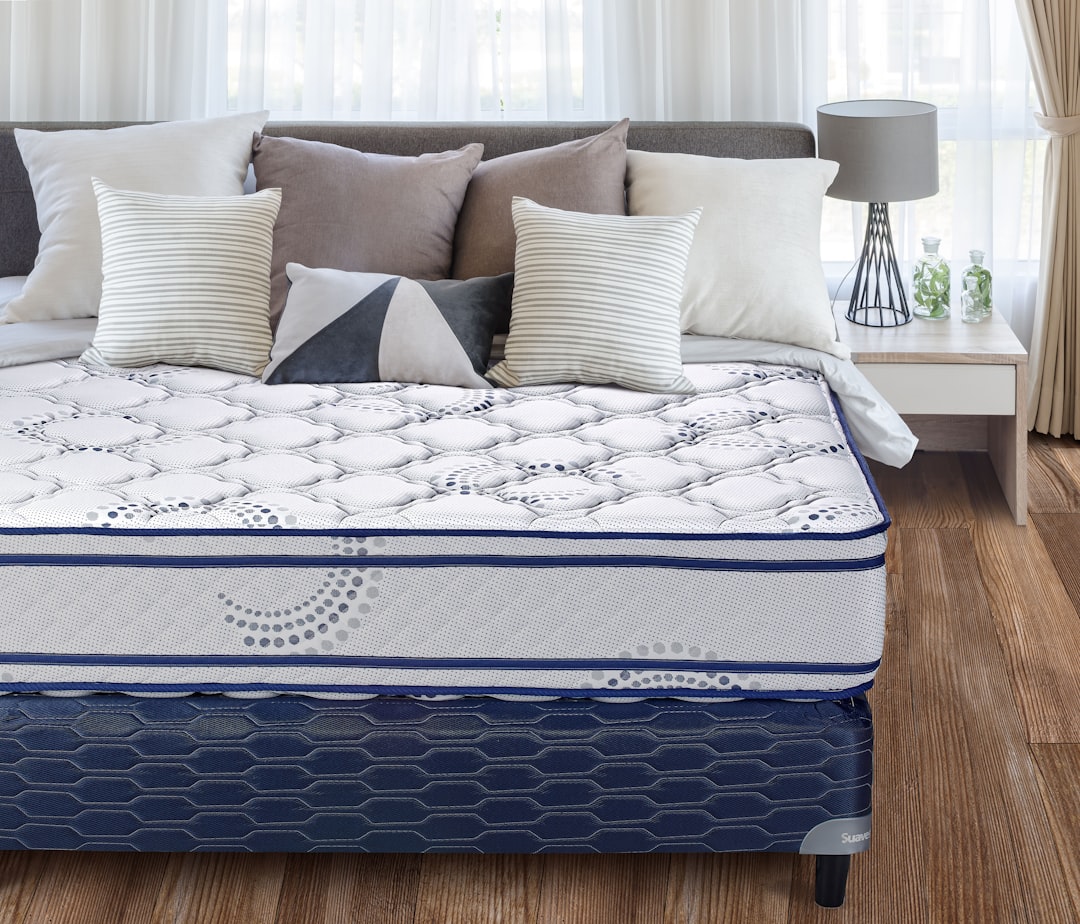
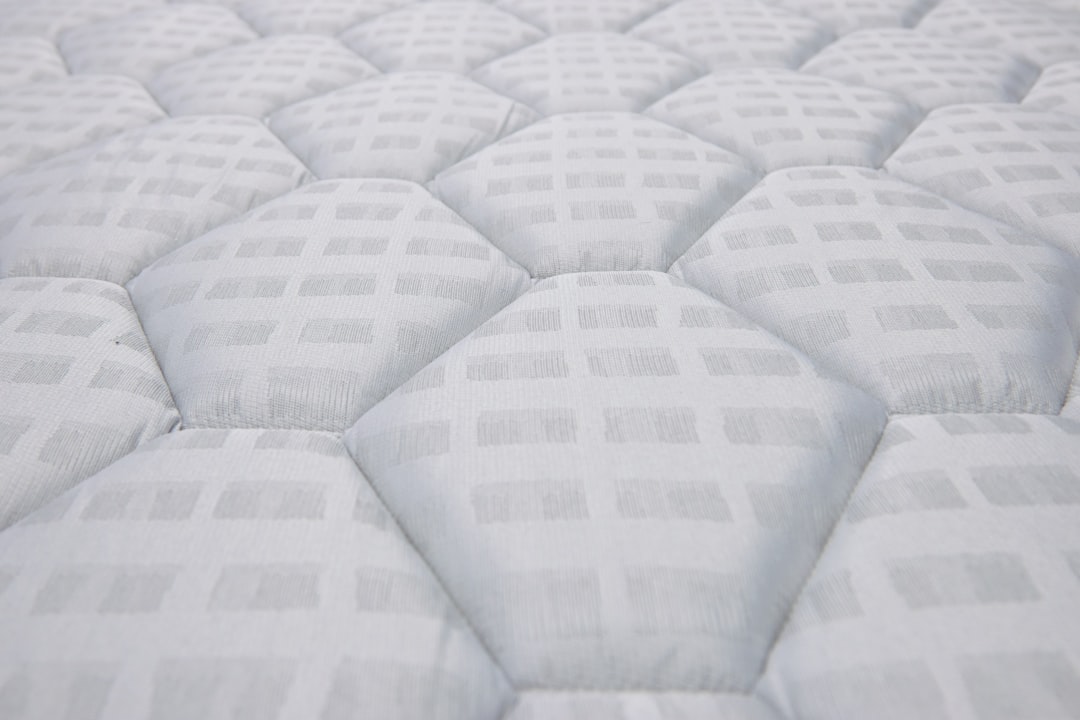
It’s a classic Singapore bedroom scene: you’ve bought a mattress with cooling coils or a fancy phase-change cover, but it’s just a bit too firm for your shoulders. So you layer on a thick foam topper, hoping to soften things up. That’s the move that undoes your entire cooling strategy.
High-density foam is an insulator. It traps heat like a blanket, creating a warm barrier right above the coils or cooling materials designed to dissipate your body heat. In a compact condo bedroom or a common room in a 4-room BTO, where air circulation is already limited, you’re essentially sealing yourself in. The mattress’s cooling tech can’t do its job—it’s working against a layer of insulation you’ve added yourself. That’s a real pity, because you paid for those features.
There’s a single exception, but it’s a narrow one. If your primary issue is pressure relief on a cooling mattress that feels like a rock, a very thin, low-density topper might help without completely sabotaging the temperature regulation. Look for something aerated or with a breathable cover, and keep it under a couple of centimetres. Anything thicker, especially the common 5cm or 7cm high-density options, will turn your bed into a heat trap.
For most hot sleepers, the better fix is to address the firmness at the source. Consider a mattress with a softer comfort layer integrated into its design—like aerated latex or a ventilated gel foam—rather than adding a separate slab on top. That way, the cooling pathway stays intact from your body all the way down through the mattress. Adding a topper is a quick comfort patch, but in our climate, it’s a trade-off that usually leaves you warmer. You’ll end up tossing that topper aside anyway, once you realise you’re sleeping on a warm island in your own room.
That extra mattress topper you bought to fix a sinking spot might be the reason you're still sweating at night. It's a common move—add a thick pad for comfort, but in our climate, that's often adding an insulating blanket right where you don't want one. A dense memory foam or quilted cotton topper can trap heat, effectively cancelling out the cooling design of your main mattress.
If you truly need a correction layer, go thin and open. A slab of natural latex, around two to three centimetres thick, is the adjustment you're looking for. Its aerated, open-cell structure isn't just about bounce; it's about breathability. Air moves through it, which means heat doesn't pool beneath you. This complements a mattress's own cooling channels without introducing a new thermal barrier. It's a surgical fix, not a bulk addition.
This approach is especially sound for those west-facing bedrooms that soak up the afternoon sun. The room ambient can climb well past comfortable, and your sleep surface shouldn't add to the problem. A thin latex layer addresses a comfort dip while staying aligned with the core goal: temperature regulation. It won't solve a deeply sagging mattress, but for minor unevenness or a slight firmness tweak, it's the right tool.
There's only one real exception. If your mattress is genuinely too hard—a solid platform with no give—then a thicker comfort layer might be necessary. But even then, prioritise aerated materials over dense ones. For the majority of cases, where the mattress is fundamentally sound but needs a slight tune-up, the thin latex route is the one that won't leave you overheated.
You can’t guess how a mattress will feel on your bed frame just by looking at it online. The support changes completely depending on whether you’ve got a solid platform or slatted base underneath. That’s why a trip to a showroom is non-negotiable if you’re serious about cooling.
Head to Megafurniture’s Joo Seng or Tampines outlets and spend a proper ten minutes lying on a Somnuz® model. Try the same mattress on both types of display bases they’ve got set up. On a solid platform, you’ll feel a firmer, more direct support—good for some, but it can restrict airflow if there’s no gap underneath. On a slatted base, the mattress gets to breathe a little, and you might notice a slight difference in how the cooling layers respond. It’s not dramatic, but for a hot sleeper, that bit of ventilation matters.
The exception? If your bedroom already has excellent cross-ventilation or you run the air-con all night, then maybe the base type is less critical. But for most of us in a typical 4-room BTO master bedroom, that airflow underneath is part of the cooling equation. A mattress designed to dissipate heat needs a clear path for air to move.
So test it properly. Don’t just bounce on the edge; lie down in your usual sleeping position for a full minute. Feel if the firmness is right and if there’s any noticeable difference in how the surface temperature feels on the two bases. That’s the concrete reason to go—to ensure your chosen model works with your actual frame. Otherwise, you might end up with a cooling mattress that’s fighting against a sealed platform, and that’s just sian.
The search history of a hot sleeper in Singapore tells a story. It's a chronicle of midnight desperation, typed into a phone screen while lying on a mattress that feels like a heated slab. These queries cut straight to the real anxieties—they're not about marketing claims, they're about surviving the night.
Can cooling mattress work without aircon? It can, but you're fighting physics. A cooling mattress pulls heat away from your body and dissipates it. Without aircon to lower the room's ambient temperature, that heat just circulates in a warm room. The mattress will feel cooler than a standard one, but you'll still be sleeping in a soup. For a non-aircon bedroom, you need the mattress's cooling tech plus aggressive airflow—a strong fan pointed directly at you, or better yet, under the bed to pull that dissipated heat away.
Which mattress is coolest for hot flashes? Look for a combination. Phase-change material covers are the real specialist here—they actively absorb heat spikes. Pair that with a core that doesn't trap heat: aerated latex or a ventilated coil system. Memory foam, even with cooling gel, can still feel slow and enveloping during a sudden flush. The cover's job is to manage the surge; the mattress's job is to not become a heat reservoir afterwards.
Is bamboo cover better than cotton for sweat? For sweat absorption, bamboo wins. It wicks moisture away faster than cotton, which can just soak and hold it. But 'better' depends on the goal. If you want that cool, dry feel immediately after you sweat, bamboo's the one. If you prefer a softer, more traditional fabric feel that still breathes decently, a high-quality long-staple cotton is fine. Just know cotton will feel damp longer.
How to make my existing mattress cooler in HDB? You've got options that don't require a new purchase. First, get air moving underneath it. Prop the mattress up on a slatted base, or even just lift it off a solid platform occasionally. Second, swap the topper. A cheap polyester quilted topper is a heat trap; replace it with a thin, breathable cotton or linen pad. Lastly, the sheets matter most. Switch to pure linen or a performance Tencel blend—they'll do the heavy lifting of pulling heat away from your skin, giving your old mattress a temporary reprieve.
You’re nearly ready to click ‘buy’, but a cooling mattress’s performance hinges on a few last-minute checks that aren’t on the product page. Start with the bed frame itself. A mattress engineered for airflow needs a base that doesn’t trap heat—a solid platform defeats the whole cooling concept. If your current frame is solid, budget for a slatted base; the gaps let air circulate underneath, which is crucial in a humid climate. That’s a straightforward upgrade, but one that many overlook.
Next, think about the mattress protector. It’s tempting to grab a waterproof one, but a non-breathable material will seal in heat like a plastic bag. You want a protector that’s breathable—look for bamboo or Tencel covers that allow moisture vapour to escape. Otherwise, you’re just adding a layer that cancels out the mattress’s cooling tech.
Then, consider your room’s actual conditions. Even the best cooling mattress can’t fight a stagnant, humid air pocket. Verify your bedroom’s ventilation—is there a window you can open, or a fan you can position to move air across the bed? In a west-facing flat or a common bedroom with one small window, that airflow becomes part of the cooling system. Without it, you’re relying solely on the materials, which isn’t enough during a humid spell.
Finally, the showroom visit is non-negotiable. You need to assess the feel under real conditions, not just browse online. Lie down for at least ten minutes, let your body heat build up, and see if the cooling effect holds. Check the mattress thickness against your frame height too—a thick mattress on a low frame can feel awkward to climb into, and that’s something you only notice in person. The only exception to this trip is if you’re buying the exact same model you’ve slept on before; otherwise, you’re guessing.
So, before you commit, tick these off: slatted base, breathable protector, room ventilation plan, and a proper showroom test. It turns a good purchase into one that actually works for Singapore’s climate.